-2.3 C
New York
Home Blog Page 920

Aker BP strengthens its position in the Skarv area

0

Aker BP has entered into an agreement with PGNiG Upstream Norway AS to swap its 3.3 percent interest in the non-operated Gina Krog field and an 11.9175 percent interest in licence 127C, in exchange for a 5 percent interest and operatorship in licence 838 and a cash consideration.

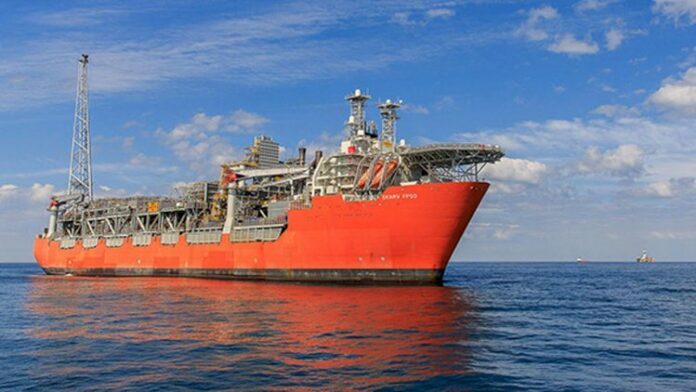
Licence 838 contains the recent Shrek discovery near the Aker BP operated Skarv field. The transaction and the transfer of operatorship to Aker BP will enable an efficient development of this discovery as a tie-back to the Skarv FPSO. The licence also holds further exploration potential.

Licence 127C contains the Alve Nord discovery and the Alve NE prospect, which is also located in the Skarv area. Aker BP plans to drill an exploration well in the licence in 2020.

The transaction will provide Aker BP with a total cash consideration of up to USD 62 million, consisting of a firm payment of USD 51 million upon closing and an additional payment of USD 11 million contingent on a development of the Alve Nord discovery.

After this transaction, Aker BP will hold 35 percent interest in licence 838 and 88.0825 percent interest in licence 127C, while it will have fully divested its interest in the Gina Krog field. The effective date for the transaction is 1 January 2020.

The transaction is subject to approval by the Norwegian authorities.

Austal Philippines launches 109 metre catamaran ferry

0

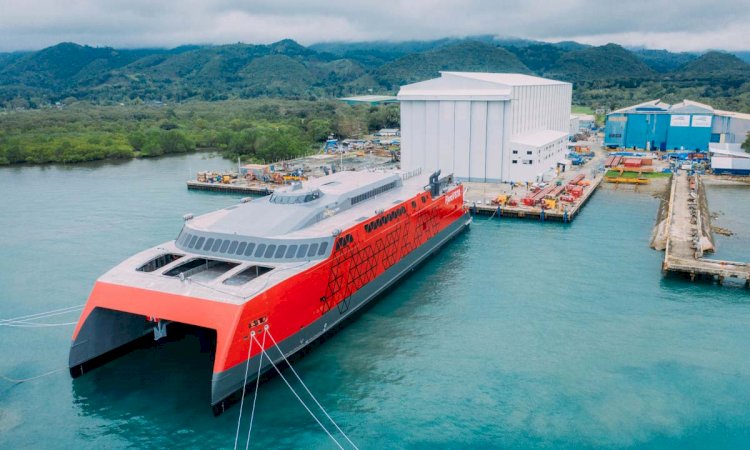
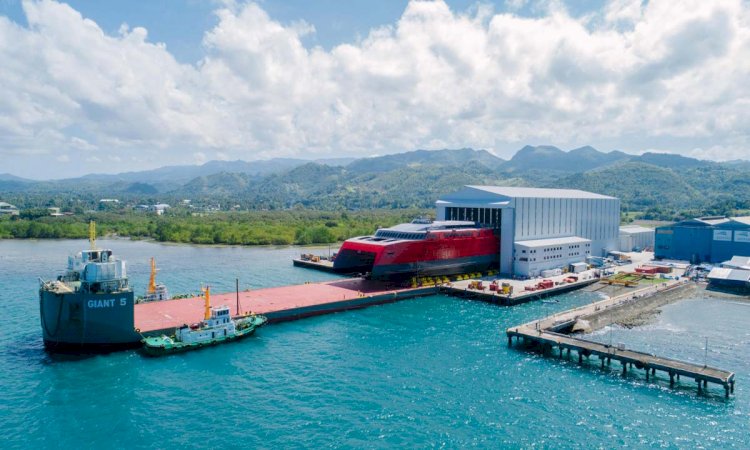
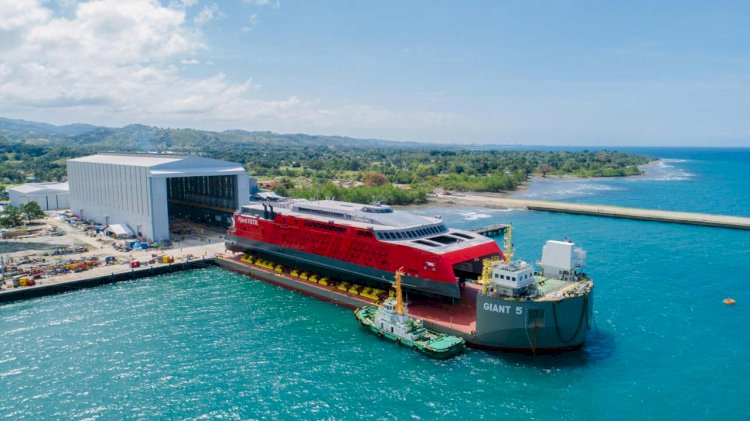
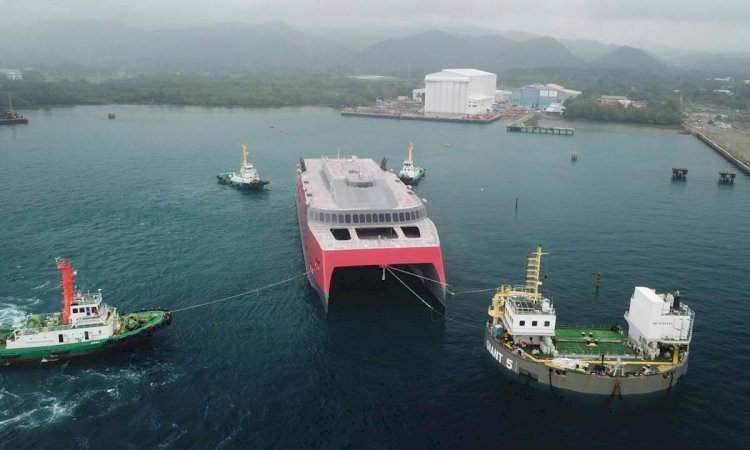
Austal Philippines has successfully launched Hull 419, a 109 metre high-speed catamaran ferry, from the company’s recently expanded Balamban shipyard in Cebu.

The vehicle-passenger ferry, to be known as FSTR, is the largest aluminium vessel ever launched in the Philippines – and the largest by volume ever constructed by Austal.

The vessel is now in the final stages of fit out, prior to delivery to Fjord Line of Norway in the 2nd quarter of CY2020.

Austal Chief Executive Officer David Singleton said the launch of the ‘Auto Express 109’ catamaran was a significant milestone for Austal Philippines, as the first ship to be wholly constructed from the Balamban shipyard’s expanded production facilities, which were opened in July 2019.

Mr Singleton said:

“This impressive new ship for Fjord Line of Norway is the first of many large, high-speed commercial ferries to be constructed at our newly expanded shipyard in the Philippines. After Hull 419, we have Hull 395, a 118 metre trimaran under construction, which will be the longest high speed ferry to be constructed in the Philippines.

We also have a 115 metre catamaran ferry scheduled for later this year – ensuring continuity of production at the Philippines shipyard well into the 2020s.”

Hull 395, the ‘Banaderos Express’ for Fred. Olsen Express of the Canary Islands, is a 118 metre high-speed trimaran ferry and a sister ship to Bajamar Express, launched in Australia last week. Hull 423, a 115 metre high speed catamaran ferry to be known as Express 5, is a follow-up order from Molslinjen of Denmark and is scheduled to commence construction in Balamban in the third quarter of CY2020.

Austal Philippines President Wayne Murray celebrated the launch of Hull 419 by thanking the local shipbuilding team and acknowledging the outstanding capability of the Balamban shipyard – which now includes a 120 metre long assembly bay and multiple new fabrication bays.

Mr Murray said:

“I am exceptionally proud of the entire Austal Philippines team. The launch of Hull 419 from our newly expanded shipyard is a significant event that highlights our capability to deliver multiple projects concurrently – safely and cost effectively.”

Fjord Line’s FSTR (Hull 419) is capable of transporting 1,200 passengers at up to 40 knots and features Austal’s largest ever vehicle-carrying capacity constructed to date, with a beam of 30.5 metres enabling 404 cars to be carried across two decks. The ship features several key design innovations that enhance operating performance and passenger comfort, including a new, optimised hull form that will minimise fuel consumption and wake wash when operating on the Skagerrak Sea between Hirtshals, Denmark and Kristiansand, Norway.

Aker BP and Cognite will do tests using robots and drones in the Norwegian Sea

0

Aker BP and Cognite today announced a strategic initiative to explore how robotics systems can be used to make offshore operations safer, more efficient and more sustainable.

Cognite, a global industrial AI software-as-a-service (SaaS) company and Aker BP will do several tests using robots and drones on the Aker BP operated Skarv installation in the Norwegian Sea during 2020.

The robotics systems will be tested to gauge their performance in autonomous inspection, high-quality data capture, and automatic report generation. Tasks may include aerial and underwater inspections, responding to leaks, performing work that takes humans out of harm’s way, and providing onshore operators with telepresence on offshore installations.

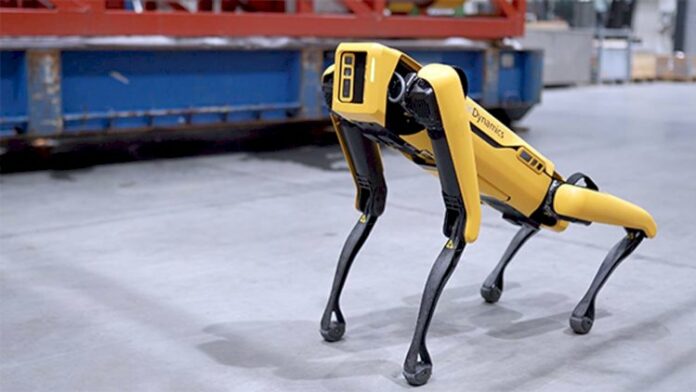
Among the robots involved in the initiative is Spot, the quadruped robot developed by Boston Dynamics. Cognite and Aker BP have tested Spot’s mobility in simulated oil and gas environments to ensure that it can access locations in these facilities too difficult to access through traditional automation.

The Spot robot was showcased at Aker BP’s Capital Markets Update 11 February 2020.

Karl Johnny Hersvik, CEO of Aker BP, said:

“Digitalization will be one of the differentiators between the oil companies of the world, in order to be able to deliver low cost and low emissions. Our vision is to digitalize all our operations from cradle to grave in order to increase productivity, enhance quality and improve the safety of our employees. Exploring the potential of robotics offshore underpin our digital journey.”

Michael Perry, Vice President of Business Development at Boston Dynamics, said:

“We’re excited to see innovative partners such as Cognite validating Spot’s ability to reduce risk to humans and provide value for the energy industry.”

Cognite’s main software product, Cognite Data Fusion (CDF), will serve as the data infrastructure for the initiative. CDF, a cloud-based industrial data operations and intelligence platform, integrates seamlessly with existing IT and OT applications in the cloud, edge, and on-premise. CDF contextually enriches industrial data, providing an open, unified industrial data model that is easily accessible for humans and applications, enabling better analytical operations and data-driven decisions.

Dr. John Markus Lervik, CEO of Cognite, said:

“The key to Aker BP and Cognite’s robotics initiative is that it combines industry-leading hardware and software. By ingesting data collected by robots into Cognite Data Fusion, Aker BP engineers will be able to see it in context with data from across the company’s operations and make data-driven decisions that improve efficiency and safety.”

VIDEO: New straddle carriers were delivered to Grangemouth

0

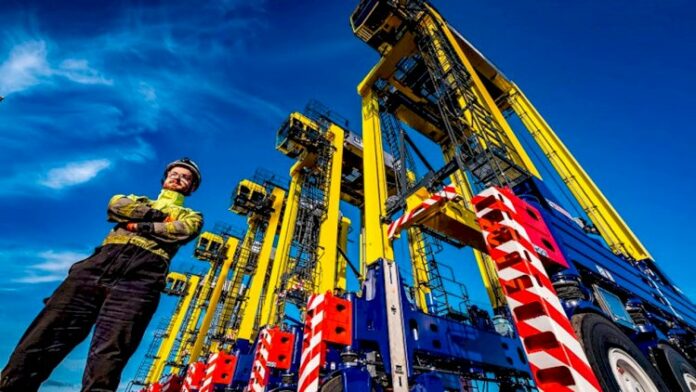
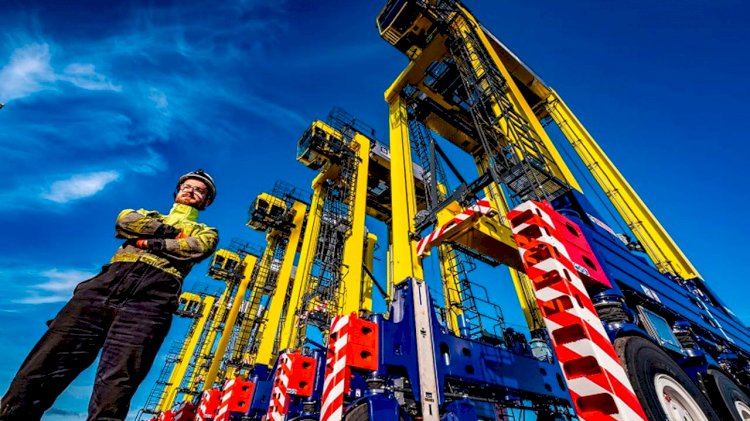
Scotland’s container terminal, within the Port of Grangemouth, welcomed five new Kalmar/Cargotec straddle carriers as part of a multi-million-pound investment in terminal equipment at the port.

The five new Kalmar ESC 440 diesel-electric straddle carriers were built in Port of Gdynia, Poland and shipped into the port aboard the specialist cargo ship Taiga Desgagnes.

The new straddles are the first phase of ‘taller’ straddles purchased by the port group in Scotland and will increase capacity of the container terminal by allowing containers to be stacked up to three high. Currently the stack is two high and with these new taller machines, the capacity of the container terminal will increase by 50%. The diesel-electric straddles are fuel efficient, low noise and feature a diesel-electric drive which fully complies with the latest exhaust emission regulations.

Senior Port Manager, Derek Knox, said:

“The arrival of our five new Kalmar/Cargotec straddle carriers is an important asset and will facilitate increased container volumes moving through the port in the coming months and years.  This investment builds on a year of growth in container volumes in Grangemouth despite the current economic uncertainty.

The additional capacity that will be created further secures our position as Scotland’s largest container terminal with a modern fleet of equipment and the supply of storage capacity to meet future demands. In Grangemouth we handle some of the country’s most valuable exports, such as fine foods and drinks, so flexibility and durability of our equipment is essential with further investment in our straddle carrier fleet planned over the next few years.”

Mikko Mononen, VP, Sales, EMEIA, Kalmar:

“We are happy to continue strengthening our long-standing and successful partnership with Forth Ports with this delivery. Driven by a highly efficient diesel-electric power unit Kalmar Straddle carriers comply with the latest emission regulations and offer excellent maneuverability, quiet operation and easy maintenance. The 8th generation machines come with a number of refinements and improvements that have been developed in close collaboration with our customers and they have proven to be a reliable and dependable choice.”

The straddles will be put into operation next month (March) following an induction period and training for the straddle drivers. More than £6billion worth of goods passes through Grangemouth each year including food and drink, steel plate, timber, paper and equipment for the oil and gas industry.

Type approved Wärtsilä SceneScan pushes DP capability envelope

0

The technology group Wärtsilä has received type approval for its SceneScan position reference system by the DNV GL classification society.

As the world’s first laser-based targetless relative dynamic positioning (DP) reference system, SceneScan represents a paradigm shift from conventional DP reference systems. It can work without the need for pre-placed positioning targets, thus providing significantly greater operational flexibility than with conventional systems. Furthermore, since it doesn’t require reflector targets, costs are reduced.

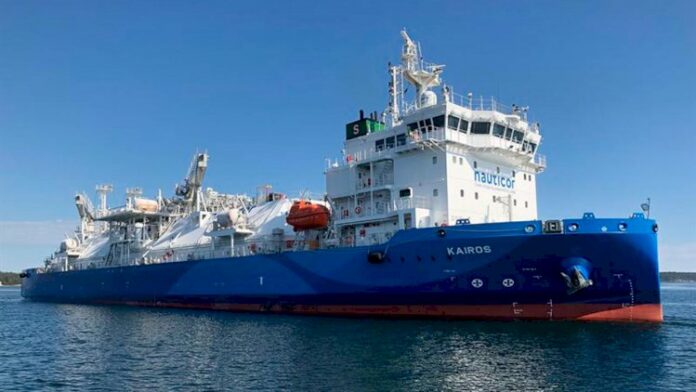
Whereas DP reference systems are typically utilised on offshore vessels, the type approval tests for SceneScan were carried out onboard the ‘Kairos’, an LNG bunker vessel owned by Germany’s Bernhard Schulte KG. This extends the potential for DP applications beyond the traditional offshore sector. The system was installed and commissioned during October 2019, and the successful type approval testing was finalised in December 2019. Installation was carried out by the ship’s crew without Wärtsilä supervision, thus emphasising the user-friendliness of the system’s design.

Andrew Stead, Director NCS Navcom and Smart Sensors at Wärtsilä, says:

”This type approval from DNV-GL clearly demonstrates Wärtsilä’s technical leadership in this field and provides verification of functionality. The innovative SceneScan approach cuts costs and improves safety wherever vessels are in close-quarter operations. Furthermore, by piloting this project with an LNG bunker vessel, we are again pushing the envelope for applications requiring DP capability. I fully expect the DP landscape to change markedly in 2020 as a result of Wärtsilä’s exciting and class-approved technology.”

Jann Voss, TSI-LNG, BSM Germany, says:

“It was a pleasure to work with the team from Wärtsilä on the approval process for SceneScan. We had fantastic technical support to implement this new technology into an existing DP system, while at the same time keeping the original equipment available on board as back up in case we have to revert back to the original design. We have acceptance of the new equipment by the vessel’s Class and the recognized organization for the annual DP verification. Thanks to the Wärtsilä team for the excellent co-operation. We would be delighted to work with them on any further technical developments and new technologies for the safe manoeuvring of DP type vessels.”

In January, the largest ever LNG bunkering operation in German waters was carried out in the port of Rostock. 1800 cbm of LNG was transferred from the ‘Kairos’ to DEME’s next generation offshore installation vessel, the ‘Orion’. The safe maneuvering of the ‘Kairos’ to the final mooring position was performed using the SceneScan system.

By its flexible and accurate near-field positioning sensing, SceneScan enables a further step along the path towards autonomous shipping. The ability to ensure accurate and cost-effective positioning in varying environments and conditions is a key pre-requisite for smart manoeuvring. This is an important step on the way to enable more flexible and safer LNG bunkering at sea, thus contributing to Wärtsilä’s Zero Emission Energy Distribution at Sea (ZEEDS) initiative, whereby the company in partnership with five other industry providers, aims to create a clean offshore fuel production and distribution ecosystem.

SceneScan has been awarded the Dynamic Positioning category prize in the Offshore Support Journal (OSJ) conference awards for 2020.

Petrofac and MODS to deploy an interactive data hub in the North Sea

0

Petrofac announces today it has signed an exclusive partnership agreement with MODS, a digitalisation and dimensional control service company, to deploy its flagship product ‘Virtual Manager Enterprise’ (VME) at scale in the North Sea. The agreement provides Petrofac with exclusive rights to use VME within the UK Continental Shelf (UKCS) as an EPC contractor.

VME is an interactive data hub which facilitates collaboration between onshore and offshore personnel, increasing cross-discipline communications, workflow and productivity, while providing real-time progress tracking. The cloud-based tool considerably reduces the amount of interactions between systems and has documented productivity increases of 20-70%.

The exclusive partnership is part of Petrofac’s strategy to drive best-in-class delivery for clients across both its Engineering & Production Services (EPS) and Engineering & Construction (E&C) businesses through digital technologies. VME is one of several initiatives in development and deployment across the organisation, with potential for significant and sustainable value and cost savings, as well as performance driven improvement.

John Pearson, Chief Operating Officer, Petrofac Engineering and Production Services, commented:

“By thinking differently about service delivery and combining decades of engineering, construction and operations know-how with the latest digital technology, such as VME, we’re generating cost efficiencies and increased productivity for our clients, across the life-cycle of projects.”

Jon Bell, MODS Chief Executive Officer, said:

“This exciting new partnership with Petrofac will push boundaries and help the UKCS move into a new era of efficiency and innovation. Virtual Manager Enterprise was first developed in the North Sea, so it’s great to see it return to the region.”

Equinor increases production from the Fram field with a new gas module

0

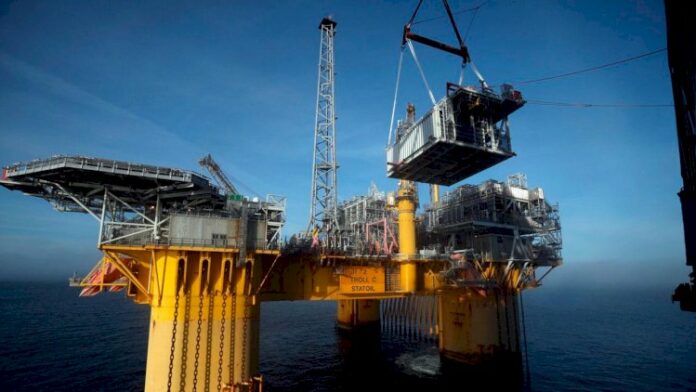
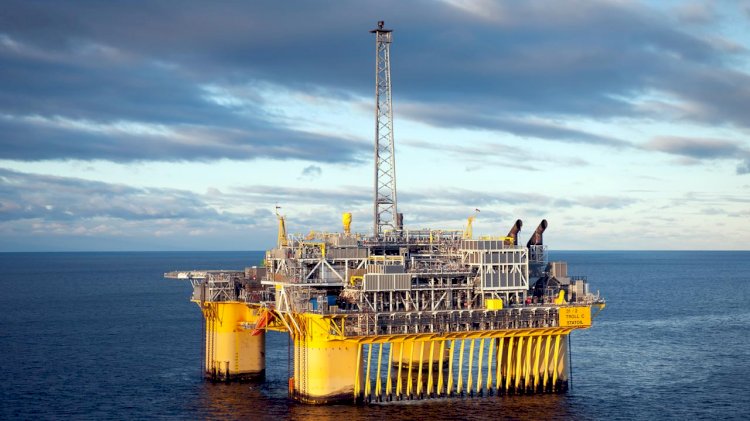
A new gas module that was recently put on stream on the Troll C platform will accelerate and boost production from Fram by substantial profitable volumes.

Fram is an oil and gas field tied in to the Troll C platform. In 2017 the Fram partners decided to invest about NOK 1 billion in a new gas module, boosting the gas processing capacity on Troll C by a total of 3.5 million standard cubic metres per day. The decision was made in agreement with the Troll partners.

Gunnar Nakken, senior vice president, operations west, says:

“The gas module accelerates gas production and capacity in the Fram licence for existing and new wells, adding valuable short-term value. At the same time the gas module allows new future discoveries to be tied in.”

The investment was essential to further developing Troll C as a hub for the area.

Nakken says:

“This is an exciting area. On behalf of the Fram license we made one of the largest discoveries on the Norwegian continental shelf in 2019 here, Echino South. In addition, several prospects are being considered for drilling.”

The slightly more than 400-tonne gas processing module featuring gas drying and cooling units was built by Aibel in Haugesund, whereas Aibel in Bergen was responsible for the engineering work. Overall some 300 people have been involved in the project.

Geir Tungesvik, Equinor’s senior vice president for project development, says:

“The project had a very important employment effect in a period of few new contract awards, and it was delivered without serious incidents and on budget.”

The oil and gas industry recently launched an ambition to reduce carbon emissions from the NCS to near zero by 2050, and on behalf of the Troll partners Equinor awarded a front-end engineering and design contract (FEED) for modifications of Troll B and Troll C to enable power from shore.

The main purpose of the electrification project is to reduce the emissions of CO2 and NOx from the Troll B and Troll C platforms, which will also reduce the climate footprint from tied-in fields such as Fram. 
 

HR Wallingford expanded the Australia ship simulation centre

0

The Western Australian Minister for Ports, the Hon. Alannah MacTiernan MLC has opened the expanded facilities of HR Wallingford’s state-of-the-art Australia Ship Simulation Centre.

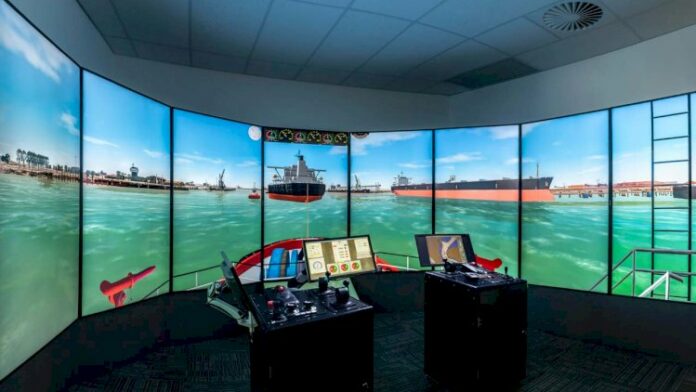
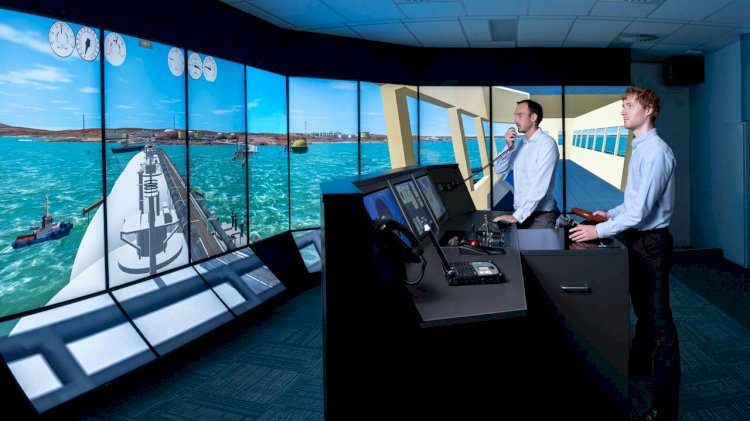
HR Wallingford has added two new purpose-built simulators to its world-leading centre in Fremantle, bringing the total number of simulators that it owns and operates there to six. This makes it one of the largest ship simulation centres in Australia and allows a full manoeuvring team (including pilots, tug masters and vessel traffic service (VTS) operators) to conduct integrated and immersive full port scenarios.

The Minister said:

“I am delighted that HR Wallingford has invested in this centre, further helping to ensure the smooth running and safety of our ports. Specialist leading-edge facilities such as these are essential to ensure our ports and terminals are designed and operated to the highest of standards.”

The largest new simulator has an impressively wide beam of over 8m and would typically be configured as a ship’s bridge, while four of the other simulators would typically represent tugs. That said, the system is extremely flexible and all simulators can be easily configured to simulate any type of vessel, as required. The sixth simulator is primarily intended to be set up as a VTS (similar to air traffic control for ports), but can also function as a secondary ship or tug bridge.

By building in flexibility in the configuration and operation of its simulators, the centre can meet a wide range of customer requirements. All of the simulators can be linked together to represent a single virtual port environment or run separately to allow for a number of scenarios at one time. HR Wallingford has extensively used one or more of its simulators for comprehensive port design work in Australia, for example for Chevron Australia’s Gorgon and Wheatstone LNG Terminals and Shell Australia’s Prelude FLNG. The linked simulators are also ideal for mariners to familiarise themselves with new port layouts, larger or new classes of ships, and to allow marine pilots and tug masters to practice specialist manoeuvres together.

HR Wallingford’s decision to expand the facility was prompted in part by a new four-year contract recently signed with the Pilbara Ports Authority (PPA) to provide integrated pilot and tug master training. PPA, which operates Port Hedland, the world’s largest bulk export port, has been carrying out training at the centre for the last six years.
Capt John Finch, General Manager of Operations at the PPA, said:

“We are really impressed with the expanded facilities – they are ideally suited for our needs and have improved the realism for our marine pilots and tug masters. Safety is of paramount importance to us, so it is essential for the full port resource management team to be able to train together for particular situations, including emergency responses.”

Over the last eight years, HR Wallingford’s Australia Ship Simulation Centre has served many high-profile customers, including all of Australia’s major LNG terminals, many bulk liquid companies and the west coast’s largest mining companies.

HR Wallingford’s Ships and Dredging Group Manager, Dr Mark McBride, commented:

“We are extremely proud of our UK and Australia Ship Simulation Centres, which draw on our 30+ years of experience in developing bespoke hardware and software. By building the systems ourselves, we can ensure they are sufficiently flexible to allow efficient modifications and updates to reflect any changes in port layouts or ships. We are also able to adapt scenarios quickly to meet particular port design and training needs.”

BW to retrofit LPG propulsion to four more vessels

0

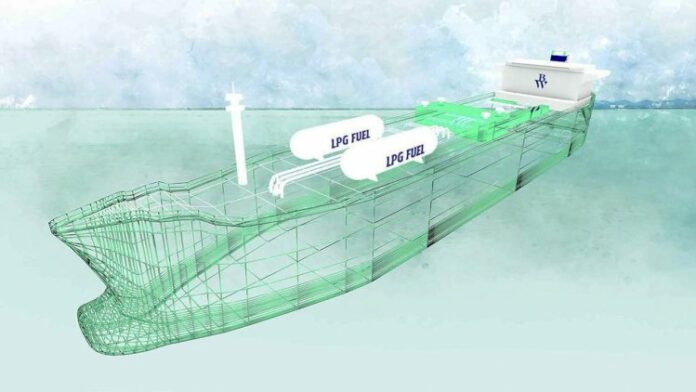
BW LPG has announced that it has exercised an option for the delivery of four additional LPG dual-fuel engines. With this, BW LPG has committed to retrofit eight vessels with pioneering propulsion technology.

This announcement follows a press release dated 30 August 2018, where BW LPG announced a world’s first initiative to retrofit four LPG dual-fuel engines in its fleet. BW LPG, together with Class (DNV GL), Wärtsilä Gas Solutions and MAN ES, has since subjected the prototype to rigorous tests successfully, with performance exceeding expectations. When retrofitting is complete, BW LPG will reap benefits across many fronts such as fuel cost and voyage efficiencies. Most importantly, this represents a significant step forward in our efforts at reducing air emissions.

The retrofitting of the first four LPG dual-fuel engines into four Very Large Gas Carriers (VLGCs) is taking place as planned this year.

Anders Onarheim, BW LPG CEO, said:

“As the world’s largest owner and operator of VLGCs, BW LPG leverages on our scale and deep expertise in maritime shipping to invest in R&D and implement pioneering technology onboard that will push our industry towards decarbonization – technology that can be implemented on at least 50 percent of current global VLGC fleet without the need for dedicated newbuilding orders.

This is our commitment to sustainable development, which we pursue while keeping our focus on safe and reliable operations, so that we can continue to provide industry-leading customer service and generate better returns for our shareholders.”
 

K Line enters time charter with Petronas for newbuilding LNG vessels

0

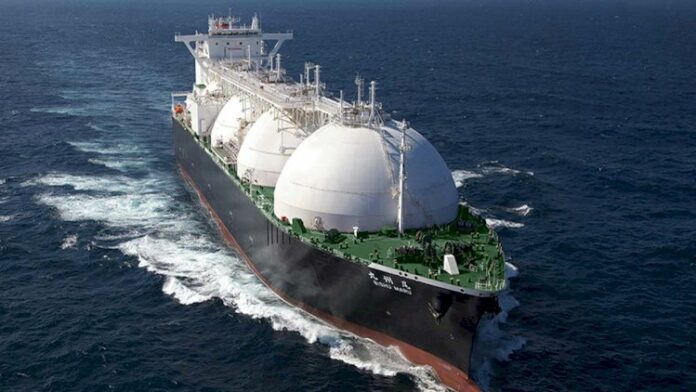
Kawasaki Kisen Kaisha, Ltd. (“K” Line) has announced the signing of a long-term Time Charter contract of 12 years plus 12 years (Extension Option) from 2022, which have been concluded with PETRONAS LNG Ltd., a subsidiary of Petroliam Nasional Berhad (PETRONAS).

“K” Line has also executed Shipbuilding contracts for 79,960m3 LNG carriers with Hudong-Zhonghua Shipbuilding (Group) Co., Ltd. (Hudong).

These are the first long-term Time Charter contracts between PETRONAS and “K” Line with new-building vessels. These two vessels will be equipped with X-DF* engine.

PETRONAS, a fully integrated oil and gas company and also a global LNG producer with over 35 years of experience, provides an uninterrupted supply of LNG to more than 25 countries around the world. PETRONAS is also the first global energy player to introduce the floating LNG concept in 2016. These two newbuilding vessels will engage in transportation of LNG from Malaysia (Bintulu) to Shenergy (Group) Co., Ltd., China, from 2022.

Since the delivery of S.S. “Bishu Maru” in 1983, the first LNG carrier owned by any Japanese shipping company, “K” Line has been establishing safety/expertise on LNG transportation and developing its worldwide network over the past 37 years.

“K” Line will further expand stable earning structure from long-term contract and contribute to stable supply of energy.

*X-DF engine is dual-fuel engine which uses gas admitted at low pressure.