-3.8 C
New York
Home Blog Page 1008

New technique can show links between prey and microplastics

0

A brand new method has been developed by scientists at Plymouth Marine Laboratory (PML) and the University of Exeter, in collaboration with Abertay University and Greenpeace Research Laboratories, to investigate links between top predator diets and the amount of microplastic they consume through their prey, offering potential insights into the exposure of animals in the ocean and on land to microplastics.

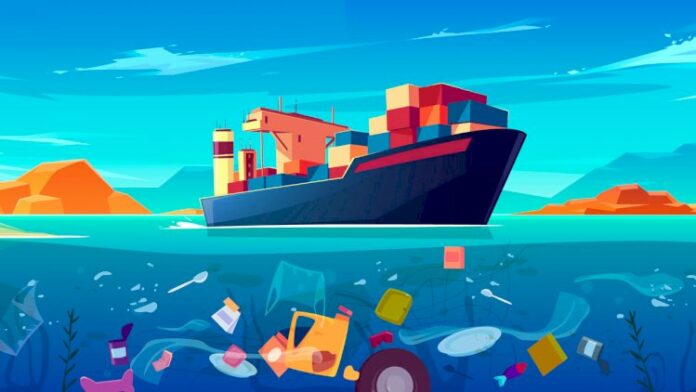
With an estimated 9.6-25.4 million tonnes of plastic estimated to enter the sea annually by 2025, and microplastics in particular being found on the highest mountains and deepest seas, new techniques are needed to trace, investigate and analyse this growing concern.

The development of this new non-invasive method was funded by the Natural Environment Research Council (NERC). It combines two existing techniques to analyse wild grey seal (Halichoerus grypus) scats (faeces), for prey species in the seals’ diet and the presence of microplastics. The scat samples were collected by staff of the Wildlife Trust of South and West Wales (Edward Stubbings, Birgitta Bueche, Sarah Purdon, Sarah Parmor, Sylwia Zbijewska and Nathan Wilkie).

The first part of the method uses metabarcoding, a molecular technique that assesses the DNA present in the scat to identify which prey species have been eaten by the seal. The second part then isolates the microplastics, allowing researchers to assess the quantity of the microplastics and record characteristics, such as shape and colour, which generates a better understanding of their sources.

By looking at both of these factors together, the method allows scientists to see whether there are links between the levels of microplastic exposure in these top predator species and whether this is related to the type of prey they are eating. This is particularly useful because top predators, such as seals, tend to consume microplastics through trophic transfer; that is, by eating prey that have already consumed microplastics themselves, which passes to the predator.

In organisms lower down the food chain, microplastics can cause effects including intestinal damage, energy depletion and reduced reproduction, and can act as a carrier for harmful chemical contaminants. By understanding top predator diets, scientists can examine disruptions to these food web interactions and potential threats to species and habitats. The method could be used to investigate where the microplastics are coming from, how they are travelling through the ecosystem and where they are ending up, helping researchers to study their fate and effects.

This new technique is not just applicable to top predators in the marine environment. Because the method relies on collected scat, it could be applied to predators in freshwater ecosystems or on land as well, helping to build our understanding of the ways that microplastics are impacting every environment on Earth.

Lead author, Dr Sarah Nelms, who completed her PhD with Plymouth Marine Laboratory and the University of Exeter, said:

"Trophic transfer is an indirect, but potentially major, route of microplastic ingestion for top predators. Accessing information on their diet is crucial if we are to understand the extent to which these important animals are exposed to plastic pollution. We hope our new method can unlock this, as yet, understudied area of microplastics research.”

Dr Penelope Lindeque, Head of the Marine Plastics Research group at Plymouth Marine Laboratory, said:

“Metabarcoding (the use of a DNA region, called a barcode, to identify the taxa within a sample) is a powerful technique which can used to determine what an animal has eaten by looking at the DNA of the ingested prey in the scat of the predator. This paper has, for the first time, further developed this powerful technology to identify not only what prey a predator has eaten, but also what small pieces of plastic. Unfortunately, as microplastics are now so prevalent in our environment, such novel techniques are needed to help determine the impact of the microplastics and ultimately influence their prevention.”
 

SeaZip partners with Taiwan Offshore Wind Farm Services Corp

0

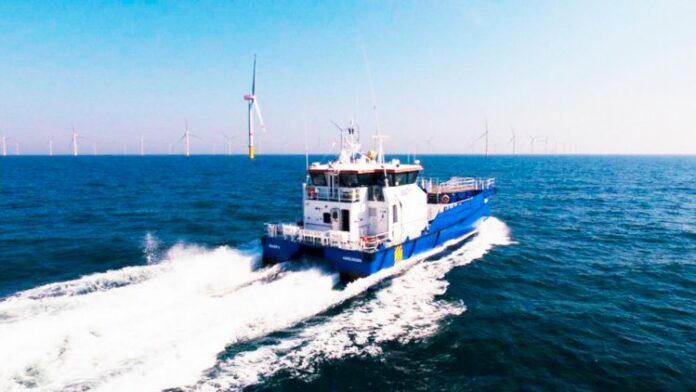
Taiwan Offshore Wind Farm Services Corp. (TOWSC), an offshore wind farm O&M service provider, signed a MoU with Dutch Crew Transfer Vessel  expert, SeaZip in August, 2019, for the collaboration towards the potential businesses for offshore wind services in Taiwan.

Both parties target the provision of logistic solutions from construction and commissioning, to operation and maintenance (O&M) stages for offshore wind farm projects in Taiwan.

TOWSC, a subsidiary of Taiwan Generations Corp. (TGC), is now servicing the Met Mast of Fuhai Offshore Wind Farm, the 128MW project owned by TGC, since 2015. With the experiences accumulated, TOWSC will participate in the services for Fuhai’s upcoming 15 turbines starting from its construction, and also targets the adjunction projects of Fuhai, including TPC 1 (100MW), Changfang (552MW), Xidao Projects (48MW) and TPC 2 (300MW) according to the project development schedule, generating the synergy for technical and cost competitiveness among projects.

TOWSC plans to gather international resources to offer localized and integrated O&M services, consisting of WTG technician supply, logistics arrangements, marine coordination, BoP inspection & survey, operation control center, and asset integrity management.

Michael Wang, the manager of business development of TGC, said:

“Fuhai and other projects in 2020 (i.e. TPC 1) will be our starting points and we will extend the business in Changhua through our collaboration with CIP for Changfang and Xidao under the O&M MoU.”

Jan Reier Arends, Managing Owner of SeaZip commented:

“Until now we put our focus on offshore projects in Northern Europe, in particular the North Sea, Baltic Sea and Irish Sea. Over the years we saw opportunities in Taiwan as well, because the offshore wind industry in Taiwanese unfolding rapidly with European players taking up important positions.  We searched very carefully for a trustful Taiwanese partner and take our time to join forces with TOWSC to approach the promising Taiwanese market.”

About SeaZip

SeaZip has operated in the offshore energy market since 2013. It focuses on the rapidly growing offshore wind industry and the offshore oil and gas industry. SeaZip serves both segments and, for the last year, it was involved in a great many international construction and maintenance projects.

The organisation is designed to cater for rapidly changing availability and deployment requirements which are inherent in the own dynamics of all offshore Operations & Maintenance activities quickly and adequately. The service vessels with their crews are always on standby, both for short-term and long-term projects.

VIDEO: Scientists develop minion-robots that will follow marine snow

0

Phytoplankton use sunlight and carbon dioxide to grow, forming the base of the ocean food web. Phytoplankton are eaten by zooplankton, which are eaten by other animals.

Dead zooplankton and other particles become marine snow drifting in the ocean, but how much marine snow sinks below the sun-lit ocean surface? Scientists are developing a new device that will follow marine snow into the ocean’s twilight zone.

The MINION is a small (2 Liters) inexpensive instrument. It is equipped with cameras, seawater sensors, acoustic recorder, ballast weight. Once deployed, MINION will sink to the twilight zone and drift with currents.

Cameras on the side record the rate and quantity of particles falling through the ocean. Falling particles also accumulate on a clear glass panel. A camera on top will record the particle type and accumulation rate.

Similar images have revealed the twilight zone is a perpetual snowstorm,  of organic debris. Particles such as this fecal pellet from a jellyfish-like salp are extremely carbon-rich. Pellets like this will sink quickly to deeper waters, or even become buried in the seafloor. Any marine snow that reaches the deep ocean means less carbon in the atmosphere.

The MINION is designed to listen for underwater sound sources. This will determine their location as they drift.

After a MINION has finished its mission, it will release weight and float to the surface. At the surface, it sends a homing signal so it can be recovered. The next generation of MINION will send compressed data-sets via satellite. Allowing them to be deployed by the dozens. Data from MINIONS will help scientists learn more about the ocean’s role in Earth’s climate system.

MPA held multi-agency exercise to test ferry emergency preparedness

0

The Maritime and Port Authority of Singapore (MPA) has held a ferry emergency exercise (FEREX) at the Regional Ferry Terminal (RFT) at Harbourfront.

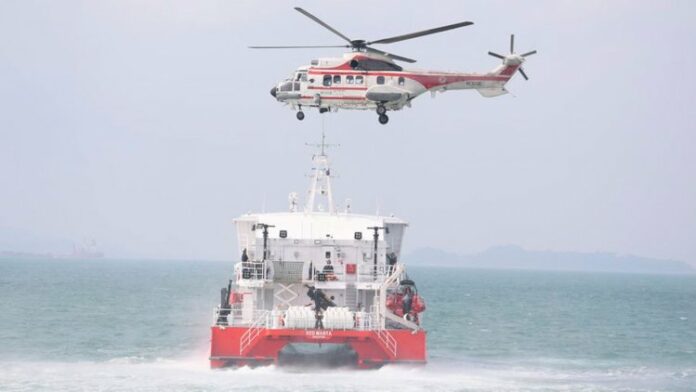
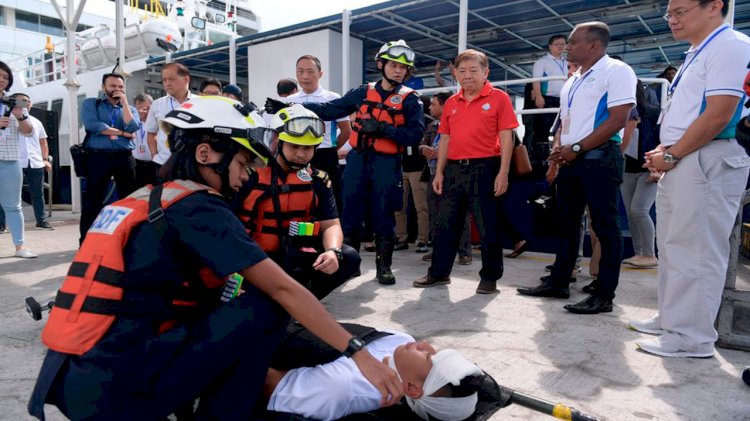
This FEREX tests the readiness of around 250 personnel from 10 government agencies, three ferry operators and Singapore Cruise Centre Pte Ltd in response to ferry mishaps. A total of 13 vessels and an RSAF helicopter were deployed for the exercise.

The exercise simulated the evacuation of 150 passengers on board a regional ferry, and for the first time, a medical evacuation was conducted. The scenario was a ferry accident that took place in the waters near Kusu Island, while the ferry was enroute from Batam to Singapore:

  • The ferry collided with a large underwater object and started flooding on board. 
  • Two passengers panicked and jumped overboard. A search and rescue operation was conducted. 
  • Singapore Civil Defence Force (SCDF) and MPA transferred the remaining passengers from life rafts onto their vessels, which included SCDF’s Heavy Rescue Vessel. 
  • A Republic of Singapore Air Force (RSAF) AS332 Super Puma helicopter evacuated passengers who were critically injured from SCDF’s Heavy Rescue Vessel.

Besides testing agencies’ coordination, MPA also deployed new technologies to enhance overall situational awareness and contingency responses. These included the use of remotely piloted water rescue lifebuoys which could be steered directly towards passengers in the water, as well as ‘live’ streaming of the incident site through camera-mounted drones, CCTVs installed on board the ferry, and SMART glasses worn by the On Scene Commander.

Captain Daknashamoorthy Ganasen, Director of Operations and Marine Services at MPA, said:

“It is important to conduct a ferry emergency exercise annually to test the coordination and operational readiness of our agencies. We have had the opportunity to deploy and test new technologies at FEREX 2019 to enhance rescue efforts. Through this exercise, MPA hopes that it enhances contingency preparedness of the participating agencies, and more importantly, will raise situational awareness of ferry passengers.

Study: Green turtles eat plastic that looks like their food

0

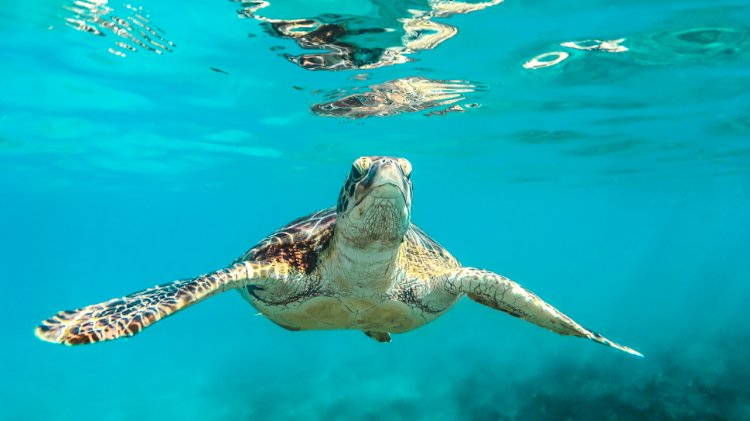
Green turtles are more likely to swallow plastic that resembles their natural diet of sea grass, new research suggests. The turtles strongly favour narrow lengths of plastic in natural colours like green and black, rather than debris of other shapes and colours, the study found.

Scientists from the University of Exeter and the Society for the Protection of Turtles (Cyprus) examined the guts of turtles found washed up on beaches in Cyprus. Plastic was found in all turtles whose full gastrointestinal tract could be examined, with one found to contain 183 pieces. The study could not determine what, if any, role the plastic had in the turtles’ deaths. Most had likely died as a result of interaction with fishing nets.

Dr Emily Duncan, of the University of Exeter, said:

“Previous research has suggested leatherback turtles eat plastic that resembles their jellyfish prey, and we wanted to know whether a similar thing might be happening with green turtles. Sea turtles are primarily visual predators – able to choose foods by size and shape – and in this study we found strong evidence that green turtles favour plastic of certain sizes, shapes and colours. Compared to a baseline of plastic debris on beaches, the plastic we found in these turtles suggests they favour threads and sheets that are black, clear or green. The sources of this plastic might include things like black bin bags, and fragments from items such as fishing rope and carrier bags.”

Duncan is also a National Geographic Explorer and a team member of the “Sea to Souce: Ganges” plastic expedition. She’s currently working on similar research on plastic pollution with turtle populations in Australia, supported by a National Geographic Society grant.

The study found smaller turtles tended to contain more plastic, possibly because they are less experienced (and therefore more likely to eat the wrong food) or because diet choices change with age and size. Of the 34 turtles examined, the scientists were able to examine the full gastrointestinal tracts of 19. All of these turtles contained plastic, with the number of pieces ranging from three to 183.

Professor Brendan Godley, who leads the Exeter Marine research strategy, said:

“Research like this helps us understand what sea turtles are eating, and whether certain kinds of plastic are being ingested more than others. It’s important to know what kinds of plastic might be a particular problem, as well as highlighting issues that can help motivate people to continue to work on reducing overall plastic consumption and pollution.”

The research was supported by Plymouth Marine Laboratory, and funders included the Sea Life Trust and the European Union.

The paper, published in the journal Scientific Reports, is entitled: “Diet-related selectivity of macroplastic ingestion in green turtles (Chelonia mydas) in the eastern Mediterranean.”

The new Port of Hamburg App is now available free of charge

0

"Always App to date in the Port of Hamburg" – this is the promise of the new app from Hafen Hamburg Marketing e.V., which is now available free of charge.

With the Port of Hamburg App, users have the Port of Hamburg right in their pockets – as a "pocket port" – and are thus always "app to date" on the move:

The latest port news from Germany's largest universal port is now also available for smartphones – as "Portnews to go". The latest online news is available in German and English.

There is also the reader-friendly version of the Port of Hamburg Magazine. Valuable additional information is provided, for example, by linked maps, pictures and films, which make a multimedia reading experience possible. In addition to current issues of the Port of Hamburg Magazine, the entire archive can also be accessed. The search function makes it possible to browse both current and archived issues. The magazines, brochures and flyers are also available in German and English.
The Port of Hamburg App can be downloaded from Apple and Google stores or via the QR code.


VIDEO: Two large cranes arrive at Total Terminals International

0

Two new cranes arrived in August at Total Terminals International on Pier T, the Port of Long Beach's largest container terminal.

Total Terminals International provides the stevedoring, terminal, and transportation-related services to the shipping companies and all affiliated customers in the transportation industry.

Total Terminals International, LLC (TTI) is recognized in the industry for having two of the best operated container terminals in the U.S. West Coast Ports of Long Beach and Seattle – which are two major USWC transportation gateways. These two facilities handle a high percentage of the US West Coast container trade.

Kotug Seabulk Maritime services (KSM) expands fleet in Freeport Bahamas

0

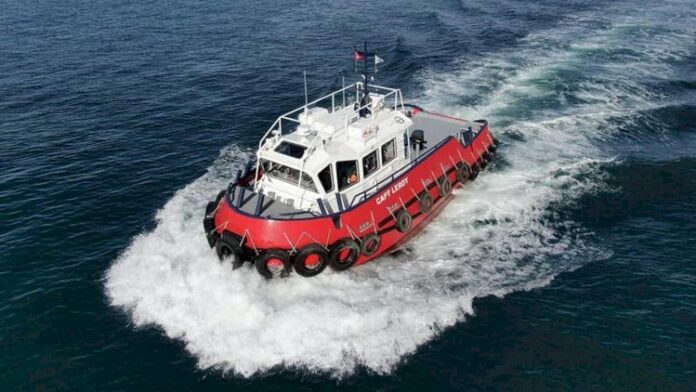
KSM recently welcomed the “Capt. Leroy” and the “KSM Speedy”, a 48’ (14,6 m) line handler and a 50’ (15,2 m) catamaran respectively as part of the Joint Venture’s ongoing investments on Grand Bahama island. These two vessels join the existing KSM fleet of four tugboats and a bunker barge.

The purchase enables KSM to broaden its’ towage services with two other maritime services: Line Handling and Passenger Transport services to Buckeye Bahamas Hub Terminal, the largest petroleum products terminal in the Western Hemisphere.

Ard-Jan Kooren (Director of KSM):

“This acquisition further validates KSM’s commitment to BBH to constantly monitor how we can increase the efficiency and safety of our operations and improve the turnaround times of vessels in ports and at the BBH terminal offshore. We are proud that again we have proven to do so above the expectations of BBH.”

The Capt. Leroy is named in honor of Captain Leroy, a KSM captain who was lost in a bad storm while on his pleasure boat, a hobby he enjoyed doing when not working as a tug Captain. The line handler operates as a multiple-purpose vessel conducting line handling operations, cargo lifts and passenger transfers.

The KSM Speedy was built in 2008 and operates as a pilot boat and passenger launch.

GCC Bunkers announces marine fuel processing agreement

0

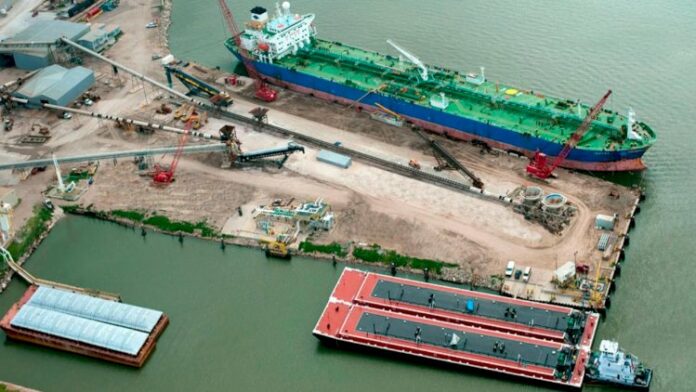
GCC Bunkers, a physical supplier of marine fuels, announces a processing agreement with Texas International Terminals to produce ISO 8217 and IMO 2020 compliant 0.5% sulfur bunker fuel oil and 0.1% ECA specification gasoil in the Houston, Texas area, starting in early 2020.

GCC Bunkers’ Commercial Director, Zach Stansbury, said:

“Our mission from the day we started GCC has been to provide solutions to our customers. Now, more than ever, the marine fuel supply business needs to provide absolute assurance of quality and reliability to its customers, and that is what we intend to do.” 

GCC Bunkers will supply IMO 2020 specification 0.5% sulfur bunker fuel oil and 0.1% sulfur ECA specification gasoil to its customers through dedicated, chartered bunker barges. It will also continue to supply 3.5% sulfur specification fuel oil to its contract customers from separate dedicated barges, ensuring that there can be no sulfur contamination.

Texas International Terminals, located in Galveston, Texas, will operate a simple distillation unit with a capacity of 50,000 barrels per day. Texas International Terminals is a world class liquid and dry bulk multi-modal facility for deep draft vessel, unit train, manifest rail, barge, and trucks along the Galveston ship channel.
 

Arctic sea-ice loss has “minimal influence” on winter weather, research shows

0

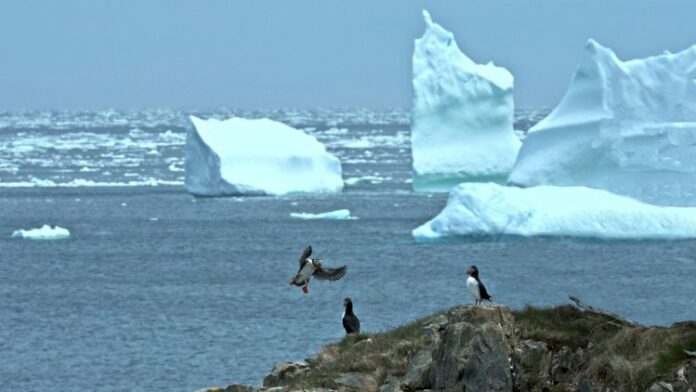
The dramatic loss of Arctic sea ice through climate change has only a “minimal influence” on severe cold winter weather across Asia and North America, new research has shown.

The possible connection between Arctic sea-ice loss and extreme cold weather – such as the deep freezes that can grip the USA in the winter months – has long been studied by scientists.

Observations show that when the regional sea-ice cover is reduced, swathes of Asia and North America often experience unusually cold and hazardous winter conditions.

However, previous climate modelling studies have suggested that reduced sea ice cannot fully explain the cold winters.

Now, a new study by experts from the University of Exeter, the Royal Netherlands Meteorological Institute and the Energy and Sustainability Research Institute in Groningen, has shed new light on the link between sea-ice loss and cold winters.

For the research, the international team combined observations over the past 40 years with results from sophisticated climate modelling experiments. They found that the observations and models agreed that reduced regional sea ice and cold winters often coincide which each other.

They found that the correlation between reduced sea ice and extreme winters across the mid-latitude occurs because both are simultaneously driven by the same, large-scale atmospheric circulation patterns.

Crucially, it shows that reduced sea ice only has a minimal influence on whether a harsh and severe winter will occur.

The study is published in leading science journal, Nature Climate Change.

Dr Russell Blackport, a Mathematics Research Fellow at the University of Exeter and lead author of the paper said:

“The correlation between reduced sea ice and cold winters does not mean one is causing the other. We show that the real cause is changes in atmospheric circulation which moves warm air into the Arctic and cold air into the mid-latitudes.”

Over recent decades, the Arctic region has experienced warming temperatures through climate change, which has led to a large decline in sea-ice cover.

This reduction in sea-ice cover means that areas of open water increase, which in turn allows the ocean to lose more heat to the atmosphere in winter – this can potentially alter the weather and climate, even well outside the Arctic. 

Recent studies have suggested that the reduced sea ice or Arctic warming has contributed to recent cold winters experienced in the mid-latitude region – and that as the sea-ice reduces further through climate change, cold winters will become more frequent and severe.

Now, this new study suggests that reduced sea ice is not the main cause of the cold winters. Instead, the cold winters are likely caused by random fluctuations in the atmospheric circulation.

Professor James Screen, an Associate Professor in Climate Science at the University of Exeter said:

“The are many reasons to be concerned about the dramatic loss of Arctic sea ice, but an  increased risk of severe winters in North America and Asia is not one of them.”

Dr John Fyfe, a Research Scientist at the Canadian Centre for Climate Modelling and Analysis, who was not involved in the research, writes in Nature Climate Change:

“Blackport and colleagues put to rest the notion that Arctic sea-ice loss caused the cold mid-latitude winters, showing instead that atmospheric circulation changes preceded, and then simultaneously drove sea-ice loss and mid-latitude cooling”.

Minimal influence of reduced Arctic sea ice on coincident cold winters in mid-latitudes by Russell Blackport, James Screen, Karin van der Wiel and Richard Bintanja is published in Nature Climate Change.