-2.8 C
New York
Home Blog Page 939

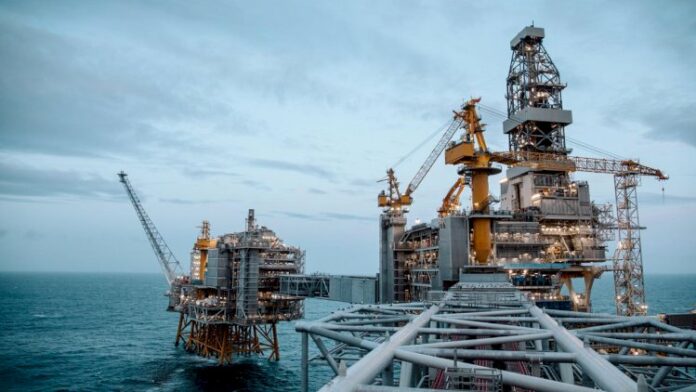
Johan Sverdrup field is officially opened in Norway

0

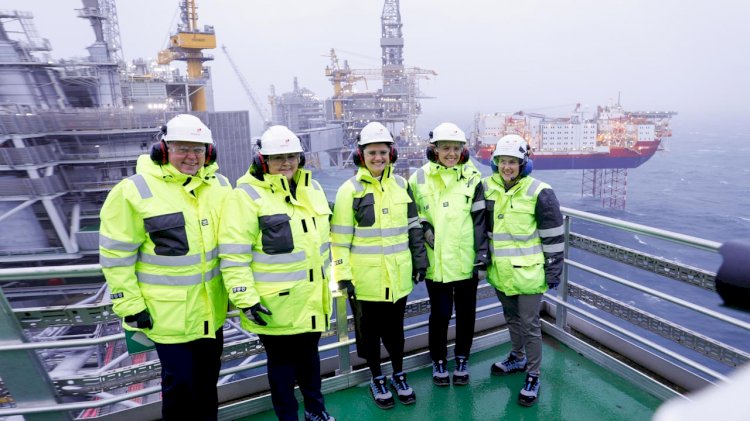
Norway's prime minister Erna Solberg will perform the official opening of the Johan Sverdrup field centre today, and the Minister of Petroleum and Energy, Sylvi Listhaug, will also attend the opening.

Since Equinor and the Johan Sverdrup partners Lundin Norway, Petoro, Aker BP and Total started the field on 5 October last year, production has increased to a level well above 300,000 barrels per day.

Johan Sverdrup is expected to yield a total production revenue exceeding NOK 1 400 billion and more than NOK 900 billion in revenue to the Norwegian state.

Expected recoverable Johan Sverdrup reserves are 2.7 billion barrels of oil equivalent. Two thirds of the oil from Johan Sverdrup are expected to be produced before 2030.

The field is setting a new standard for CO2 efficiency. Land-based power supply leads to record-low CO2 emissions of well below 1kg per barrel, compared to a global average of around 18kg.

Eldar Sætre, CEO of Equinor, says:

“Johan Sverdrup offers both high value creation and record-low emissions, making Johan Sverdrup a future-oriented oil field and part of the solution for reduced emissions. Electrification is an important tool for reaching Norwegian and international climate goals, aiming to reduce our greenhouse gas emissions in Norway by 40% by 2030, and close to zero emissions in 2050.”

Johan Sverdrup is based on a long history of valuable experience and expertise. The field is also a pioneer in using technology and digitalization.
Arne Sigve Nylund, executive vice president for Development and Production Norway, says:

“Digitalization offers new opportunities that few people deemed possible only a few years ago. It is necessary to secure the transformation we need to succeed in our future industrial activities and value creation on the Norwegian continental shelf.”

Digital solutions are integrated on the field – as an example we are monitoring the reservoir and optimizing production thanks to huge amounts of data transmitted from the wells. A “digital twin” provides a virtual real-time version of what is happening on Johan Sverdrup. This analytical tool helps improve safety, increase revenue and reduce emissions.

The field is expected to produce up to 660,000 barrels of oil per day in full production. Plateau production for phase 1 is up to 440,000 barrels of oil per day and is expected to be reached in the summer of 2020.

Nylund says:

“We are working systematically on creating higher value from the field and achieving an optimal recovery rate. The field ambition is to reach a recovery rate above 70%.”

In the operating phase Johan Sverdrup may also create jobs corresponding to an average of more than 3 400 man-years per year.
Odfjell installs ballast water systems on all owned vessels

0

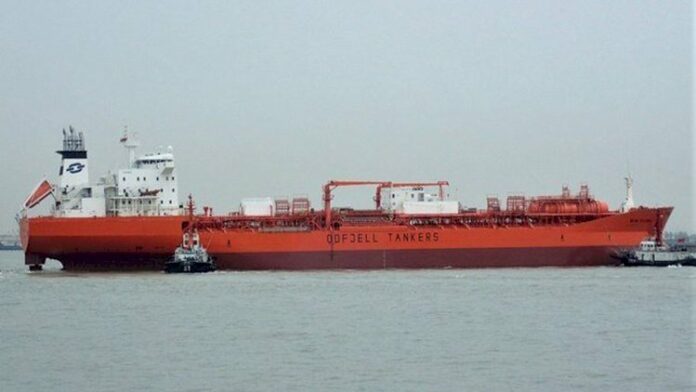
In yet another move towards a more sustainable, efficient fleet, Odfjell installs ballast water systems on all owned vessels. The benefits are significant.

To stabilize the ship and maintain an even keel, ships often pump water into ballast tanks. This ballast water is necessary for safe and efficient maneuvering, but has posed a threat to marine ecosystems: unfiltered sea water contains living organisms which, when moved from their natural habitat and released in new waters, can change and potentially damage the local marine environment. 

To reduce this threat, the IMO (International Maritime Organization) and the US Coast Guard have implemented regulations for sterilizing ballast water. Odfjell welcomes this sustainability initiative and is currently installing UV sterilization systems on all owned ships. 

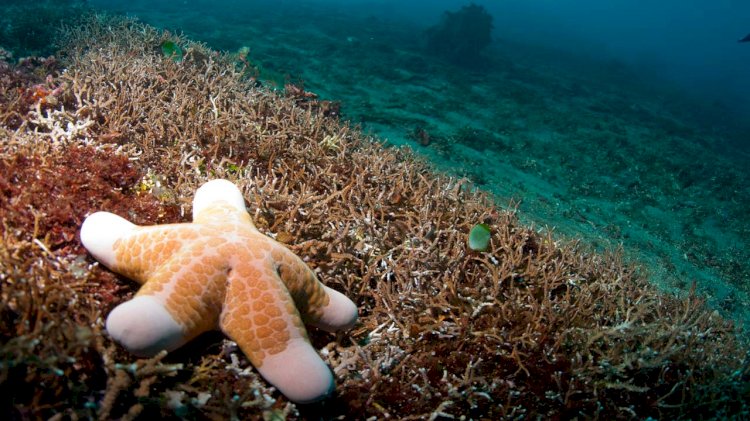
For instance, the North Pacific Seastar is native to Japan, North China, Korea and Far East Russia, but causes damage when released in foreign waters. This damage is most evident in Australia, where the creatures eat the eggs of the endangered handfish.

Removing unwanted organisms from seawater is a complex and costly process for a shipowner. The industry needs to implement regulations that will be immediately effective, and continue to be so well into the future. Discussions on how best to achieve this have been ongoing for years, but an agreement on mutually approved solutions has, so far, proved elusive.  
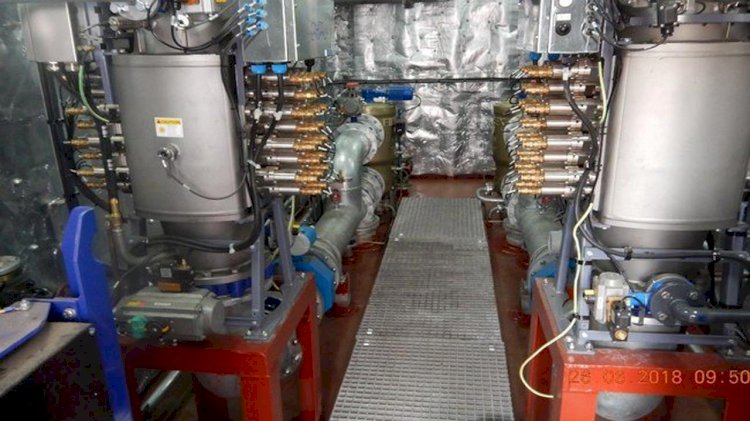
Odfjell has been working on a ballast water system upgrade since 2007, and has followed the US Coast Guard’s regulations which were implemented on January 1, 2016. Since then, the Coast Guard has approved several ballast water treatment solutions. 

Veine Huth, Project Manager at Odfjell Ship Management, said:

“Nowadays, there is no excuse not to meet the treatment requirements. When we started this project, no systems were industry approved, so we had to evaluate them based on technology and our own criteria and specifications.” 

The available system choices are all based on variations of three technologies: 

  • Ultraviolet (UV) filtering
  • Electrolysis
  • Chemical injection

After careful research, testing and future-proofing, Odfjell chose the UV solution. Huth said:

“There were many reasons for choosing UV, but first and foremost: UV is a simple and commonly known solution. It does not create any by-products or involve the use of special chemicals. There is no added logistics, as with the other alternatives. One of the key factors when choosing this system was how it would affect our crew. The UV system is well known, efficient and intuitive to manage for our colleagues on board. Also, it works in any type of water, from the Mississippi River to the Pacific Ocean.” 

This solution requires installing a new deckhouse on the ship to house the UV filter. The ballast water is routed through this filter, damaging the organisms’ DNA. The organisms die within a few days, leaving the water clean from potentially eco-damaging elements. Larger organisms, small fish, etc., are removed and released back into the sea before the UV filter process begins. 

Choosing the UV solution was the first step. The next was selecting the best vendor. Huth added:

“A UV filter may be simple, but the technology and material specifications are complex. The material has to endure warm salt water, which corrodes metal. The reactors we have chosen are made of a special stainless steel. These cost more, but last longer than the alternatives.”

The actual building process involves several parties. All installations are built at a yard in China, and the building itself takes around ten days. But this is just the last piece of the puzzle; all pipes and parts are prefabricated using the latest 3D scanning and measuring technology. 

Huth said:

“We use advanced digital technology, and this saves us a lot of time. The 3D experts are involved before and during the installation, ensuring that all measurements are accurate to within the millimeter on each and every ship.”

The installation of the ballast water system on the fleet is in full swing, with 14 ships upgraded since 2018, and 11 installations planned for 2020. All owned ships in Odfjell’s fleet will have the UV system installed by 2023. When installed, the system is expected to work for the rest of the ship’s sailing years. 
 
Compared to the alternatives, the UV solution does not involve major changes to the vessel’s infrastructure or its daily operations. On the contrary – not only is the UV solution eco-friendly, it also significantly boosts efficiency, Huth concludes:

“The world’s oceans are divided into zones. Before crossing zones, ships have to pump out all the ballast water in the old zone and refill in the new zone. All ships have to perform this ballast water exchange. This is time-consuming and adds to the workload on board. When the UV solution is installed, this process is eliminated, saving voyage time and work hours. It’s a win-win solution.”

Wärtsilä Exhaust Gas Cleaning system gets type approval in China

0

The technology group Wärtsilä’s Exhaust Gas Cleaning (EGC) system has been Type Approved in China by the China Classification Society (CCS).

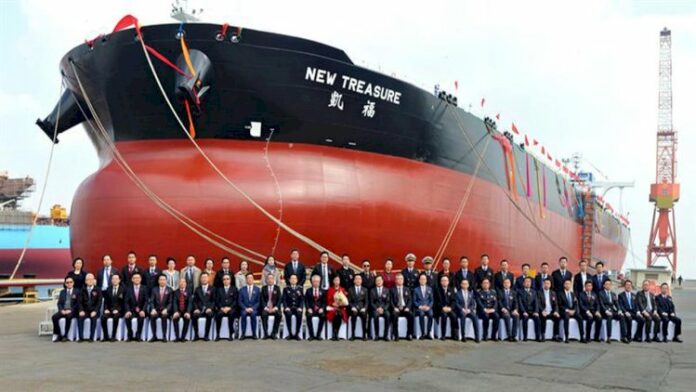
This follows the order for the system from Dalian Shipbuilding Industry for installation onboard the ‘New Treasure’, a new Very Large Crude Carrier (VLCC). The ship is being built for Associated Maritime of Hong Kong, part of the China Merchants Energy Shipping group, the largest VLCC owner in China and a world leading crude oil tanker operator.

The approval marks a significant breakthrough for the Wärtsilä system in the Chinese market. Full scale testing was carried out after its shipboard installation was completed, and the relevant data was reviewed and reported by Dalian Maritime University, as an independent third party. The process involved a review of the design, and a check of the fabrication of the scrubber tower itself to verify that it is in accordance with all the CCS class and quality requirements.

Jan Othman, Director, Exhaust Treatment, Wärtsilä Marine, says:

“This is a success story that clearly endorses the efficiency and quality of our EGC systems. Having CCS Type Approval now means that this product can be installed on any CCS class ship without the need for further emissions testing.”

The order for the Wärtsilä system was placed in August 2018, and the equipment was delivered to the yard in July 2019.

Wärtsilä has long been at the forefront of sustainable technology development. With years of experience in exhaust gas cleaning for marine applications, Wärtsilä has developed efficient, safe, and certified products for eliminating air emissions.
 

New largest offshore wind power project in the U.S. market

0

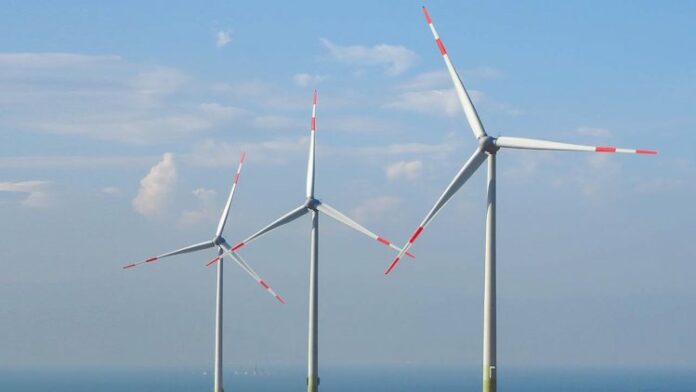
Siemens Gamesa Renewable Energy (SGRE) has been named as the preferred turbine supplier for the massive 2,640-MW Dominion Energy Virginia Offshore Wind project in the USA.

This is the largest offshore wind power project in the rapidly increasing U.S. market to date. A long-term service and maintenance agreement is included for the site located off the coast of Virginia. The agreement furthermore foresees utilizing turbines from Siemens Gamesa’s Direct Drive offshore wind turbine platform.

The final number of units and turbine model remain to be determined. All installations are expected to complete by 2026. The agreement is subject to certain conditions including Dominion Energy’s final investment decision, governmental permitting, and other required approvals.

Markus Tacke, Siemens Gamesa CEO, states:

“Signing this preferred supplier agreement with Dominion Energy attests to the enormously exciting growth taking place in the U.S. offshore wind industry and across the globe. We’re thrilled to have been chosen to support them in their commitment to reduce greenhouse gas emissions, and to once again do our part in combatting climate change on a global level.”

The agreement comes on the heels of Siemens Gamesa’s recent commitment to the ‘Business Ambition for 1.5C – Our Only Future’ pledge, contributing towards the fight for a zero emissions future.

Andreas Nauen, CEO of the Siemens Gamesa Offshore Business Unit, says:

“Internationally, every Siemens Gamesa Direct Drive offshore wind turbine we install increases the impact made by the renewable energy industry in avoiding CO2 emissions from power generation. Locally, we help our customers provide cost-efficient clean energy as well as additional economic benefits.”

Once online, the project is expected to provide enough clean energy to power 650,000 homes at rated wind speed, avoiding 3.7 million tons per year of carbon emissions compared to fossil fuel-based power generation. This is another milestone agreement for the United States as it aims to add 25 GW of renewable energy by 2030, enough to provide clean, renewable energy to approximately 12 million average homes, or 10% of total U.S. households.

Steve Dayney, Head of Offshore North America at Siemens Gamesa Renewable Energy, says:

“We’re confident that offshore wind power is already one of the fastest-growing, most important contributors on which Virginia state agencies can draw to reach their ambitious renewable energy goals. Receiving 30 percent of its electricity from renewable sources by 2030 is fully feasible, and we are eager to lead the way for the citizens of the Commonwealth. We have always believed that the Coastal Virginia demonstration project currently underway with Dominion Energy is a gateway to something bigger and now Virginia is poised to benefit from the wide-ranging economic benefits the Dominion Energy Virginia Offshore Wind project will bring.”

Dominion Energy Virginia Offshore Wind expands on knowledge gained though the current two-turbine,12-MW Coastal Virginia Offshore Wind (CVOW) project. It is the first offshore wind project to be built in U.S. Federal waters and will utilize Siemens Gamesa’s 6-MW SWT-6.0-154 wind turbines. CVOW is set to be online in 2020 within a research lease area adjacent to site of the 2,640-MW project will be located.

The agreement for Dominion Energy Virginia Offshore Wind also provides for certain early works to support project development, including turbine layouts which will be used in the Construction and Operations Plan (COP) submittal to the United States Department of the Interior’s Bureau of Ocean Energy Management in late 2020.

Port of Baltimore nets $1.8M grant to reduce emissions

0

EPA award will replace engines in dray trucks, cargo-handling equipment

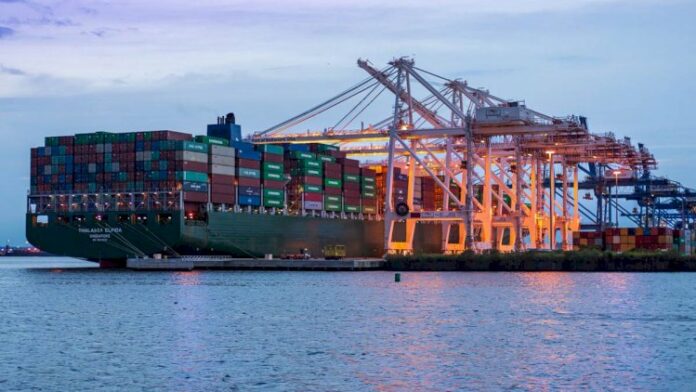
The U.S. Environmental Protection Agency (EPA) has awarded the Helen Delich Bentley Port of Baltimore $1.8 million in Diesel Emissions Reduction Act (DERA) funds to replace older diesel-powered equipment with newer, cleaner versions. The grant will cover about 44 dray trucks, commonly used for transporting shipping containers to and from the Port, and four pieces of cargo-handling equipment such as forklifts, yard tractors and other heavy cargo machinery.  

Governor Larry Hogan said:

“This EPA grant will help us continue cleaning the air around the Port of Baltimore. Working with our federal partners, the Port is showing how to be a responsible steward of the environment and, at the same time, break cargo records, grow business and expand jobs for Marylanders.” 

DERA funding is administered by the EPA through its national Clean Diesel Program. It’s estimated that the replacement equipment acquired for the Port through the DERA grant will result in a lifetime reduction of emissions output of about 14 tons of particulate matter, 290 tons of nitrogen oxides, 96 tons of carbon monoxide and 15 tons of hydrocarbons.

Maryland Environment Secretary Ben Grumbles said:

“We are proud of the Port’s continued leadership on cleaner and greener solutions and appreciate the support of EPA and Congress. These investments are important for Maryland’s steady progress on clean air, public health and climate change.”  

The federal grant complements the Port’s own Diesel Equipment Upgrade Program which also focuses on replacement or retrofit of older equipment with newer and more emission-efficient technology. Since launching the program in 2008, the Port has replaced more than 200 dray trucks and 110 pieces of cargo-handling equipment, repowered 10 marine engines and retrofitted 16 locomotive engines. Overall, those upgrades have resulted in reductions of 3,304 tons of nitrogen oxide, 922 tons of carbon monoxide, 165 tons of particulate matter and 141 tons of hydrocarbons.  

David Thomas, acting executive director of the Maryland Department of Transportation Maryland Port Administration (MDOT MPA), said:

“Through initiatives like our Diesel Equipment Upgrade Program and EPA’s Clean Diesel Program, we have reduced pollutants in the air around the Port by more than 10,000 tons in the past 12 years.”

Air lubrication systems gain traction as fuel-saving tool for LNG carriers

0

UK-based Silverstream Technologies has signed a framework agreement to retrofit an unspecified number of LNG carriers in the Shell fleet with air lubrication systems as a means of reducing fuel consumption and lowering greenhouse gas emissions

The deal will see Shell International Trading and Shipping Company Ltd and Silverstream develop a close working relationship to design, engineer, procure and execute the Silverstream System.

The new framework will enable Shell to expedite installing the air lubrication technology in its LNG carrier fleet. Initially covering the next three years, the framework will ultimately reduce contract lead times and the total cost of ownership for vessel operators.

The co-operation between Shell and Silverstream Technologies follows in the wake of the delivery of Maran Gas Andros, the first LNG carrier fitted with an air lubrication system. Built by South Korea’s Daewoo Shipbuilding & Marine Engineering (DSME), Maran Gas Andros uses Daewoo’s air lubrication system (ALS). Maran Gas is expected to fit all of its LNG newbuilds with the DSME ALS.

The agreement between Shell and Silverstream Technologies indicates that ALS technology is gaining momentum and credibility as a fuel and emissions savings tool for LNG carriers.

Since 2014, Silverstream and Shell have collaborated on a number of vessel performance studies and sea trials to evaluate and verify the fuel savings potential of the Silverstream System.

Based on in-operation trials, Silverstream Technologies said its system reduces fuel consumption and associated greenhouse gas (GHG) emissions by between 5-10%, depending on the vessel’s operational profile.

Silverstream Technologies chief executive Noah Silberschmidt said:

“Shell has been a longstanding and important partner for our organisation, and strengthening this relationship will help to drive clean technology uptake within a crucial market segment.

That is why signing this framework agreement today makes sense. Given the rate of change within our industry, we hope that this will prove to the sector that retrofitted clean technologies such as the Silverstream System are easy to procure and execute and should form an integral part of an overall GHG emissions reduction strategy for existing vessels and fleets.”

The Silverstream System reduces fuel consumption and associated emissions by creating a carpet of microbubbles that coat the entire flat bottom of the vessel. This ‘microbubble carpet’ reduces frictional resistance between the ship’s hull and the water. The technology works in all maritime conditions, is not weather dependent, and does not constrain or negatively impact the normal operational profile of the vessel, said Silverstream Technologies.

Silvestream Technologies also recently signed a licence and co-operation agreement with Wärtsilä which intends to fully integrate Silverstream’s ALS within its propulsion solutions. 

Corvus Energy to supply Energy Storage Systems for battery-hybrid cranes

0

Corvus Energy has announced that we have been selected again by CCCC Shanghai Equipment Engineering (CCCCSEE) and ZPMC to supply Energy Storage Systems (ESS) for 25 new battery-hybrid Rubber Tyre Gantry (RTG) cranes.

The battery-hybrid RTG cranes will be deployed by the South Carolina Port Authority (SCPA), where they are expected to reduce fuel consumption by up to 65% compared to conventional diesel-electric port cranes.

CCCCSEE will fit two sets of Corvus battery-based ESSs onto each of 25 RTG cranes manufactured by ZPMC, one of the world’s largest manufacturers of port cranes.

The hybrid cranes can be powered primarily by the Corvus batteries, resulting in the estimated 65% fuel savings and reduced operating costs, as well as lower GHG and particulate emissions and noise levels in the port along with enhanced crane performance and reliability. Further, system efficiency can be enhanced to 96% by channeling regenerative energy back to the battery during container lowering operations.

Gao Jianzhong, Chief Engineer at CCCCSEE, says:

“Corvus Energy has definitely shifted the economics and viability of converting diesel port equipment to battery-hybrid electric with their Orca Energy system.”

Jianzhong, reflecting on CCCCSEE’s experience with the 73 Corvus ESSs already delivered and operating, says:

“Through previous deliveries, Corvus has proven that the performance, durability and reliability of its battery systems is ideally suited to the demands of our port crane applications. Exceeding all requirements and expectations, Corvus ESS technology is a solid cornerstone and part of our future strategy for technological advancement.”

Pradeep Datar, VP Sales Asia at Corvus Energy, says:

“The design and performance of Corvus Orca ESS support an RTG crane’s aggressive load profiles with a significant reduction in costs. Close cooperation between Corvus’ Asian and North American offices helped to meet demanding requirements of SCPA in addition to ZPMC and CCCCSEE.”

Datar summarizes:

“With this order, over 90 RTG cranes will be using a Corvus Energy ESS. Corvus technology continues to be the answer for progressive port operators worldwide who seek to increase efficiencies while reducing emissions and the environmental impact of their operations.”

Equinor aims to cut emissions in Norway towards near zero in 2050

0

Equinor today launches new climate ambitions to reduce the absolute greenhouse gas emissions from its operated offshore fields and onshore plants in Norway with 40% by 2030, 70% by 2040 and to near zero by 2050. By 2030 this implies annual cuts of more than 5 million tonnes, corresponding to around 10% of Norway’s total CO2 emissions.

Eldar Sætre, CEO of Equinor, says:

“Equinor supports the Paris agreement and a net zero target for society. Compan have already brought CO2-emissions in the production process down to industry leading levels. We are now launching an unprecedented set of ambitions for forceful industrial action and substantial absolute emission reductions in Norway, aiming towards near zero in 2050. This is in line with society’s climate targets and our strategy to create high value with low emissions.

While realizing these ambitions, we also expect our operated fields and plants to create significant value with a potential to generate more than 3.000 billion Norwegian kroner in income for the Norwegian State towards 2030. New fields, field life extensions, improved oil and gas recovery and efficient operations will all contribute to substantial value creation. The new climate ambitions will strengthen future competitiveness and value creation for Equinor, while supporting industrial developments in Norway.

Collaboration is key to combat climate change. We appreciate the close cooperation with our industry partners and suppliers, and to realise these ambitions we need even closer collaboration across industries and with authorities. We plan investments in the order of 50 billion Norwegian kroner together with our partners by 2030 to cut emissions in order to strengthen the long-term competitiveness for our fields and plants. In setting these ambitions Equinor has assumed stable framework conditions and necessary investments in the electricity grid.”


ClassNK releases amendments to class rules for the сonstruction of steel ships

0

Leading classification society ClassNK has announced that it released amendments to its Rules and Guidance for the Survey and Construction of Steel Ships on 27 December 2019.

ClassNK is constantly revising its Rules and Guidance in order to reflect the latest results from relevant research and development projects, feedback from damage investigations, requests from the industry as well as changes made to relevant international conventions, IACS unified requirements (UR), national regulations, etc.

More specifically, some of the requirements amended this time are as follows:

  • In response to feedback from damage investigations;

– Amendment related to the Welding for Cross-joints subject to High Stress, Towing Winch Emergency Release Systems, and Arrangement, Connection and Protection, etc. of Piping Systems

  • In response to industry requests;

– Amendment related to the Steels Subject to Special Requirements for Ammonia Carriers, Clarification of the Application of the Requirements for Fire Protection and Extinction, and the Guidance related to Alarms, etc. of Drip Trays Provided for Exhaust Gas Cleaning Systems

  • In response to changes in international conventions;

– Amendment related to the Rules and Guidance related to Damage Stability, the Guidance related to Winches for Lifeboats Other Than Free-fall lifeboats, and the Rules and Guidance related to Modernization of the GMDSS
In response to changes in IACS Unified Requirements;

– Amendment related to the Rules and Guidance related to Condition Based Maintenance Scheme for Machinery, the Rules and Guidance related to the Materials used for the Principal Components of Diesel Engines, etc., and the Guidance related to Environmental Tests for Automatic Equipment.

VIDEO: LNG bunkering to the LNG-fueled tugboat in Nagoya

0

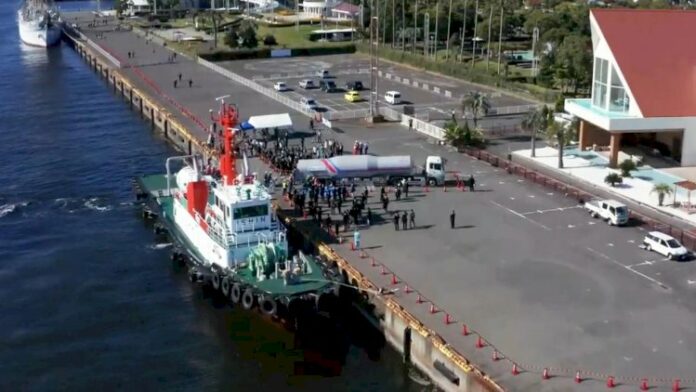
The first LNG bunkering in the Port of Nagoya has confirmed that LNG can be safely supplied to vessels at the port.

LNG was transported via truck from the Toho Gas Chita-Midorihama LNG Terminal (Chita-shi, Aichi Prefecture), and supplied with a truck-to-ship system to Ishin, berthed at the Port of Nagoya's Garden Pier.