-1.3 C
New York
Home Blog Page 949

VIKING to supply its container firefighting system for V.Ships

0

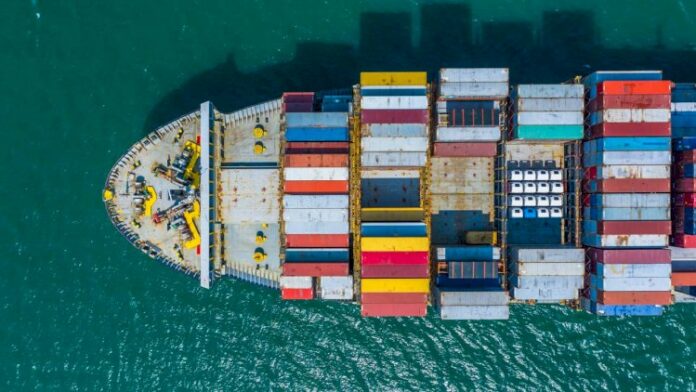
Container firefighting across the V.Ships Hamburg container ship fleet has been entrusted to the HydroPenTM system, after VIKING Life-Saving Equipment secured a contract to protect over 40 ships against one of the industry’s fastest growing safety hazards.

The alarming rise in the number of container fires has brought calls for urgent action from the International Union of Marine Insurance (IUMI), with stakeholders urged to encourage IMO to strengthen fire protection and review firefighting equipment onboard existing ships. Fighting a fire high up in the stack from the deck is often ineffective, with containers dowsed on the outside while materials inside continue to burn. As ship sizes have increased, so have stack heights.

The HydroPen™ system is based on an innovative drilling and spraying machine that allows deck crew to fight fires successfully high up in the stack. Developed by Rosenby Engineering and distributed exclusively by VIKING, the HydroPen unit is attached to existing ship hoses and raised by a single crew member using a telescopic lift. Powered by water pressure alone, the HydroPen drills through the container door before switching to spray mode to extinguish the fire with water, foam or C02.

Franck Kayser, Group Managing Director, V.Ships Ship Management, says:

“For V.Ships, new technologies that support safety excellence are always welcome, while keeping customers ahead of the competition through innovation is one of our core values. HydroPen is an easy to use but ground-breaking system that addresses a specific industry concern. Its adoption fleetwide aligns with our ‘safety first’ commitment.”

VIKING will deliver 88 HydroPen systems to 45 V.Ships Hamburg container ships by February 2020. One unit will be positioned astern and the other towards the bow to enable rapid response.

Lasse Boesen, Product Manager Trade, VIKING, says:

“Securing an order of this magnitude from one of the leading ship management companies in the world is a major vindication of the work behind bringing the HydroPen system to market. Several of the most recent container fires have occurred on very large ships. These ships can only call at a limited number of ports, making it critical that container fires are dealt with on board. The feedback that we are getting on HydroPen is that the system’s true value comes from its being so easy to use.”

Benny Carlsen, VIKING Senior Vice President, says:

“We continuously seek to offer the very latest technologies to our maritime customers and in the HydroPen we believe we have a solution that will quickly become a ‘must-have’ to address a serious and widespread issue.”

The HydroPen has already seen service, after a pilot system was used to extinguish a real fire at sea, he adds.

On the cooperation between VIKING and V.Ships, VIKING’s Sales Director for Europe and Africa, Dorte M. Hansen comments:

“V.Ships is a valued customer and a true first-mover when it comes to safety. We’re delighted that they keep trusting our solutions when it comes to protecting their crews and assets.”
Safehaven Marine delivered an Interceptor 48 pilot boat to Fonnes Batservice

0

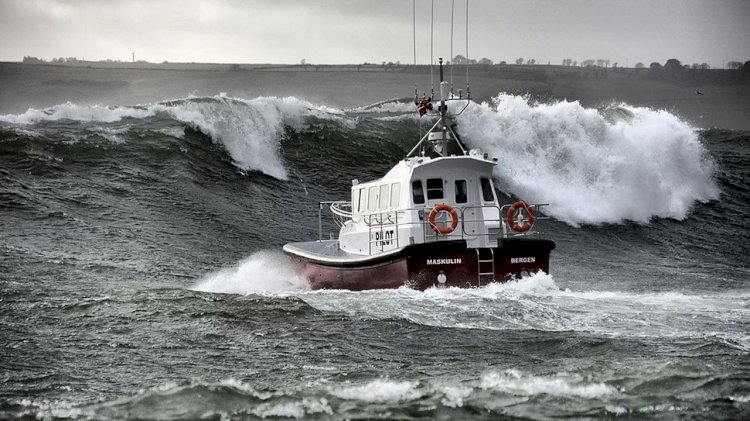
Safehaven Marine have delivered an Interceptor 48 pilot boat to Fonnes Batservice of Norway. She is Safehaven’s 41st pilot boat delivered and the 16th Interceptor 48 pilot. 

To comply with Norwegian regulations she features a new wheel house design featuring f/wd angled front windows and increased accommodation space in her main cabin. Powered by a pair of Scania DI13 500hp rating 1 engines she had a max speed of 26kts on trials. Also fitted with Twin Discs Quickshift gearboxes and dynamic manoeuvring system working in conjunction with a powerful hydraulic bow thruster. As crew transfer as well as pilotage is part of her operational role she has seating for 9 persons in her main cabin and full live aboard facilities in a spacious forward accommodation area.

‘Maskulin’ arrived safely in Norway completing his 850nm delivery voyage in just 48hrs. Seen here tied up alongside Tommy’s first Safehaven vessel, ‘Feminin’, a Wildcat 53 he took delivery of 5 years ago. Tommy made amazing time, stopping for refuelling on the North East coast of Ireland, North West Coast of Scotland and the Shetland Islands, and even though he had to contend with gale conditions and 3-4m seas Sunday in the North sea crossing, he was able to maintain a 23kts cruise speed, and using just 65L/hr each engine ‘Maskulin’ proved to be very economical.
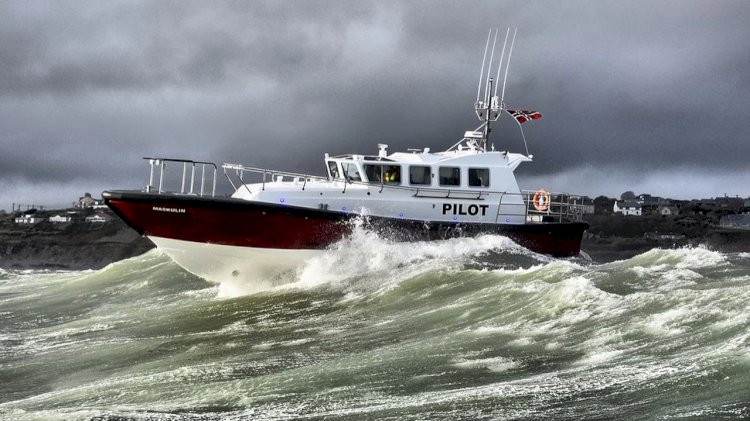
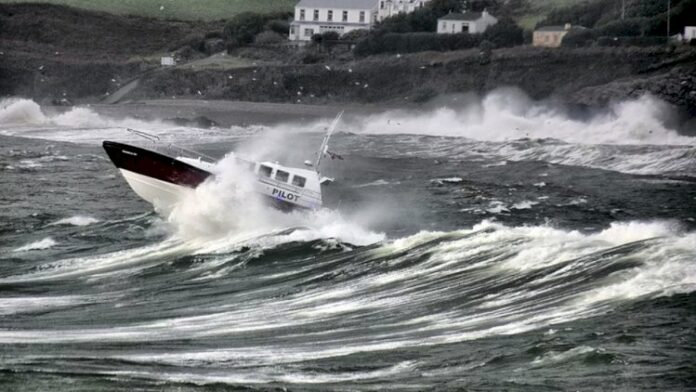
Whilst in Ireland and in preparation for his winter time delivery voyage with commitments necessitating no departure delay and anticipating some inevitable heavy weather on route in the North Sea, Safehaven Marine thoroughly tested her together in a winter storm that hit Southern Ireland where she proved to have excellent seakeeping in the 6m seas and 45kts wind the storm delivered.
Maskulin is also fitted with a Humphree full interceptor stabilisation system, which proved excellent in reducing roll and pitching and proved itself on the delivery voyage. Safehaven Marine wish Tommy the very best in the future with his new Interceptor 48 and older Wildcat 53.


VIDEO: Quadrans provides high-precision navigation to revolutionary catamarans

0

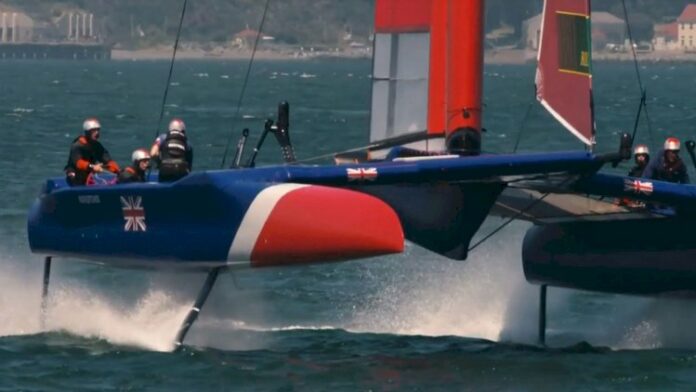
iXblue’s Quadrans gyrocompasses have been providing extreme high-precision navigation to the six revolutionary F50 catamarans competing in the new SailGP global sports championship.

Quadrans is a fully strap-down Fiber-Optic Gyrocompass (FOG) and attitude reference system.

IMO and IMO-HSC certified, it provides all the necessary data for demanding navigation and control applications at a fast rate and with precise time-stamping.

Thanks to its low weight and small size, its low power consumption and its Ethernet/serial connectivity, it can be integrated with ease on any platform.

Based on state-of-the-art Fiber-Optic Gyroscope technology, Quadrans answers to a full range of navigation needs, without any compromise on performance and without requiring any maintenance during its service life.

Research project examines fate of microplastics in rivers and lakes

0

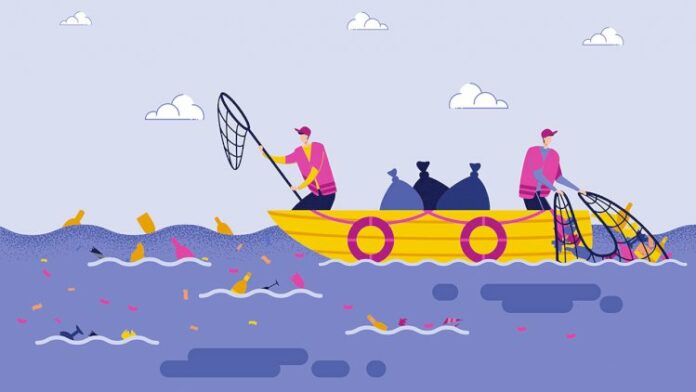
Researchers from the University of Plymouth have begun work on a €4.1million project examining the distribution of microplastics in European rivers and lakes.

Building on its world-leading reputation for microplastics research, which recently saw it awarded a third Queen’s Anniversary Prize for Higher and Further Education, the University is one of 13 academic partners in the new LimnoPlast initiative.

LimnoPlast is the first project of its scale to simultaneously take a holistic view of the problem of litter in freshwater systems, drawing together international experts in the natural, environmental, technical and social sciences.

Through 15 funded PhD studentships, the four-year project will aim to train scientists to tackle the complex issue from a variety of perspectives, while contributing to Europe’s innovation and Circular Economy capacity.

They will provide the first comprehensive assessment of the sources and impacts of microplastics to freshwater environments, innovate technological solutions to the plastics issue, promote societal change by understanding the economic, legislative and social context of freshwater microplastics, and transform the science into a set of specific solutions.

They will also communicate directly with European decision makers, stakeholders and the public to enable and promote informed and coordinated action on freshwater microplastics.

The project has been funded through the European Union’s Horizon 2020 programme, and is being led by the University of Bayreuth in Germany and draws together 13 academic partners from across the continent.

It also includes partner organisations from science and industry, such as Evonik and BASF, as well as PlasticsEurope, which represents plastics manufacturers across the continent.

The University of Plymouth will receive just over €300,000 for its role in the project, and will contribute expertise from both a natural and social scientific perspective.

The project’s focus on influencing European policy will also complement the lead academics’ involvement in an Evidence Review Report published by SAPEA (Science Advice for Policy by European Academies), which suggested microplastics and nanoplastics could present widespread impacts in the future if emissions to the environment continue at the current rate.

Professor of Applied Social Psychology Sabine Pahl said:

“The LimnoPlast project will be truly innovative by embedding an analysis of human perceptions and behaviour of the problem from the start. This will complement the technical and environmental science analyses and allow us to explore the acceptability of potential solutions as well as the suitability of behaviour change options to reduce the flow of microplastics.”

Professor Richard Thompson OBE, Head of the University’s International Marine Litter Research Unit, added:

“We are delighted to have received this EU funding to facilitate our work across disciplines and nations to help tackle the problem of marine litter in freshwater systems. We can achieve so much by collaboration across science, industry and communities and I am looking forward to the project immensely.”
 

Saildrones work with ships during NOAA fisheries surveys

0

The 60-day Saildrone effort to asses stocks of Pacific hake and five coastal pelagic species was carried out in two sub-missions extending the full length of the US west coast, from San Diego to Cape Flattery.

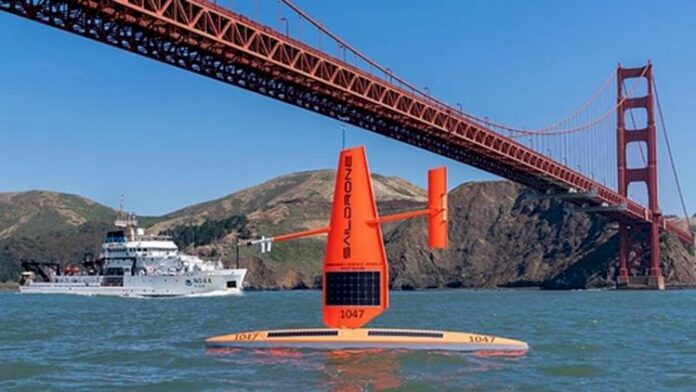
Saildrone and the National Oceanic and Atmospheric Administration (NOAA)’s Northwest and Southwest Fisheries Science Centers have wrapped up the second joint integrated survey of the US West Coast, collecting data on Pacific hake and five coastal pelagic species integral to the California Current Ecosystem. The mission follows up last year’s successful 100-day mission to survey these fish stocks, count marine mammals, and test how unmanned surface vehicles (USVs) can augment ship-based sampling.

The 2018 mission consisted of five saildrones working alongside the NOAA fisheries survey vessel Reuben Lasker; the 2019 mission, which was launched in June, combined the efforts of seven saildrones and research teams onboard the NOAA FSVs Bell M. Shimada (NWFSC) and Lasker (SWFSC) to survey the full length of the US West Coast from San Diego, CA, to Cape Flattery, WA. The 2019 mission was completed in just 60 days and included more granular coverage near shore, to depths as shallow as seven meters (23 feet), as well as transect extensions up to 140 nautical miles (260 kilometers) offshore.

Fish stock surveys are traditionally carried out by ships equipped with trawl nets and/or echo sounders. The saildrones involved in these fisheries missions are equipped with Simrad EK80 echo sounders in addition to the standard sensor suite, which includes instruments to record oceanographic, biogeochemical, and meteorological metrics above and below the sea surface.

The four saildrones working with the Shimada south to north aimed to duplicate the ship’s transects while collecting acoustic data to estimate the distribution and abundance of Pacific hake, a commercially valuable fish; this information is needed by fishery managers to make better decisions about future harvests. For meaningful comparison of data collected by the Shimada and the saildrones, the vessel and the vehicles had to remain relatively close in space and time. However, while the Shimada motors at a speed of 10 – 11 knots and the research team appreciates calm conditions, saildrones sail at three to five knots (a brisk walking pace) and are increasingly animated by stronger wind.

Sandy Parker-Stetter, a supervisory research fish biologist at NWFSC, said:

“What made the 2019 survey unique was the close adherence to the requirement that the saildrones stay within three to five days of the Shimada. It was one of the most challenging aspects of the mission requiring a lot of planning and constant communication, but it came off very well thanks to active cooperation on both sides and the responsiveness of the team at Saildrone Mission Control.”

Smaller fish species like sardine, anchovy, mackerel, and herring are an important food source for numerous species of larger fish, seabirds, and marine mammals. The three saildrones working with the Lasker north to south extended SWFSC’s 2019 California Current Ecosystem Survey (CCES) to include sampling closer to shore and farther offshore than previous years. The goal was to collect data on target species in areas too shallow for the Lasker to safely navigate, as well as in offshore areas that have not been routinely surveyed to date.

Dr. David Demer, a supervisory senior scientist at SWFSC, said:

“In summer 2019, saildrones allowed us to more comprehensively sample the geographic ranges of forage-fish populations in the California current, which is a particularly important thing to do during the recent transition of dominant species, from sardine to mackerels to anchovy.”

Over the course of these two West Coast Fisheries missions, as well as fisheries missions in the Arctic and the North Sea, the Saildrone USV has proved to be a valuable platform for acoustic data collection using the EK80 echo sounder. However, most fisheries acoustic surveys also require trawl information to validate acoustic targets, and some assessments, such as that of Pacific hake, are aged based. For that reason, trawl samples and ship-based analyses are required to provide a complete evaluation of available stock.

NWFSC’s 2019 cruise on the Bell M. Shimada explored several emerging technologies, including sampling for Harmful Algae Blooms (HABs), studying phytoplankton using an Imaging Flow CytoBot, and collecting water samples for environmental DNA (eDNA). Every organism sheds tiny amounts of tissue and waste into its environment, be that air, water, or sediment. By performing genetic analysis on eDNA, scientists can identify and potentially quantify the organisms present in the water at a given location. Using samples from this mission, researchers will investigate how eDNA from Pacific hake travels through the ocean system, as well as the potential of eDNA analysis as a tool for assessing hake populations.

Both the ships and the saildrones are now safely back in port, and the work to fully analyze the extensive data sets has begun. The nearshore and offshore data collected by saildrones in 2019 have already contributed to the survey estimates of seven stocks of five species of forage fish. Meanwhile, Saildrone continues to expand its fisheries support globally, from the Arctic to the Antarctic, in the Pacific and Atlantic Oceans.

Portable device allows to measure highly reactive superoxide on coral reefs

0

Researchers at Woods Hole Oceanographic Institution (WHOI) successfully conceived and tested a portable device, DISCO, that performed the first in situ measurements of a highly reactive type of oxygen, known as superoxide, which may play an integral role in the health of coral reefs.

Their findings were published as an early view article in the journal of Environmental Science and Technology.

Superoxide is a reactive chemical that is a byproduct within all respiring and photosynthesizing organisms. This unstable form of oxygen, or reactive oxygen species (ROS), is prone to stealing or giving electrons. As a consequence, superoxide has been known to catalyze chemical reactions that can lead to cancer and other diseases—one of the many reasons today’s diets stress incorporating antioxidant-rich foods, such as blueberries, nuts or dark chocolate. However, in many organisms, including corals, the nature of superoxide may be more complicated.

WHOI marine chemist Colleen Hansel, a coauthor of the study, says:

“It used to be that [superoxide] was only considered toxic. But we know now that it’s used for a lot of beneficial processes. In fungi, plants and even animals, superoxide is important for an organism’s immune response [for example]. That [logic] hasn’t really transferred over into marine life yet.”

Hansel and her team investigated the chemical’s interaction with symbiotic microorganisms that inhabit coral reefs. Preliminary evidence suggests that while corals may not be immune to superoxide’s toxic effects when it reaches high concentrations inside their cells, they may also be employing the chemical outside their cells for beneifical reasons, such as a defense against marine infections – some of which may be spurred on by warmer ocean temperatures.

Kalina Grabb, the study's lead author and WHOI-MIT Joint Program student in Hansel’s lab, says:

“Superoxide to organisms reflects like a kind of Goldilocks effect. You don’t want too much because it can lead to oxidative stress, but you don’t want too little because it’s essential for physiological functions.”

Until recently, the ephemeral nature of superoxide has made it incredibly difficult to sample in the marine environment– the chemical only lasts mere minutes in seawater. This traditionally left no time to transfer water samples to a lab for adequate analysis. At the same time, other boat-borne systems were cumbersome to operate and could only be used in very select environments.

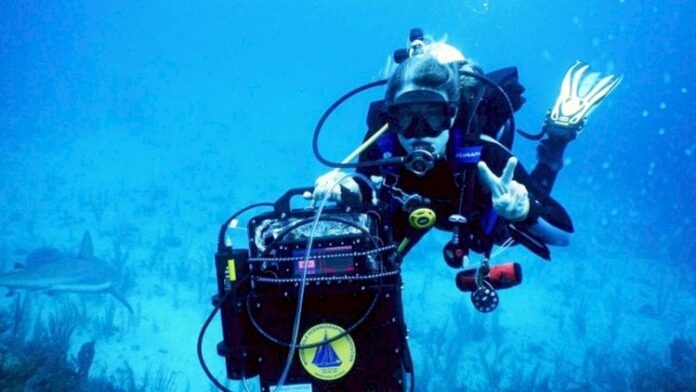
To overcome these limitations, WHOI engineer Jason Kapit and WHOI scientist Scott Wankel worked closely with Hansel and her lab to develop the world’s first portable DIver-operated Submersible Chemiluminescent SensOr, or DISCO. With it, they were able to sample superoxide concentrations in real time during a 2017 research trip to Cuba’s pristine reef system, Jardines de la Reina.

The boxy handheld device comprises a water-sealed battery and a tablet screen that scuba divers can operate at depth. Inside, fluidic pumps uptake the invisible chemical as corals produce it. DISCO then adds a chemical to the mixture that reacts with superoxide to create measurable light, read by an onboard sensor. Armed with these tools, DISCO detected notable differences in superoxide levels between species of corals in its first field test.

Hansel adds:

“Now, we want to be able to get at the why. Why are they purposely making superoxide and is this helping the coral or is it related to stress in some way?”

Since its inception, DISCO has been reengineered to become even more portable and lightweight. In 2018, Hansel, Wankel and Kapit collaborated on another iteration of the device, this time at roughly half the size and weight of its predecessor. The team has also adapted DISCO into a deep-sea version known as SOLARIS to accompany WHOI’s human-occupied submersible, ALVIN. In October 2019, they were able to use SOLARIS to detect superoxide produced by corals at 1,300 meters deep (~4,200 feet) along the Davison Seamount off the coast of central California.

Hansel says:

“We are already talking about what we can do next with this technology. How can we build new sensors that incorporate other reactive oxygen species to fully understand their role in organismal health and ocean chemistry? I don’t see an end in sight.”

Also collaborating on the paper were Scott Wankel, Jason Kapit, Kevin Manganini and Amy Apprill of Woods Hole Oceanographic Institution, and Maickel Armenteros from Universidad de La Habana.

New project to supply liquid hydrogen for maritime applications in Norway

0

Together with major industry players such as Equinor, Viking Cruises, Air Liquide, and more, this is a huge and important step towards a sustainable future, and it aligns perfectly with Wilhelmsen’s long-term strategy supporting the UN sustainable development goals.

The project was awarded a grant of NOK 33.5 million (USD 3.7 million) from the governmental PILOT-E scheme, whose objective is to promote rapid development and deployment of new, environment-friendly technology products and services.

Clean and sustainable shipping is key to reach national and international emission targets. Today, liquid hydrogen is considered as one of the optimal zero-emission fuels for ships with high energy demands. It has already been selected for Norway’s first hydrogen ferry, which will be in operation for Norled on the Hjelmeland connection starting in 2021. The consortium’s goal is to kick-start the local market with liquid hydrogen-based on electrolysis.

Furthermore, Wilhelmsen and NorSea Group will develop a new and flexible liquid hydrogen distribution concept, including Zero-emission ships for transport plus terminals at the NorSea supply bases for storage and bunkering. Norled, Wilhelmsen and Viking Ocean Cruises participate in the project as hydrogen users on their vessels. The hydrogen terminals will also enable supply to other types of end-users such as buses and heavy-duty transport.

Jannicke Hilland, CEO, BKK, said:

“This is a very important day for the industry and for the maritime sector. Currently, there are ongoing hydrogen projects within the fields of cruise ships, offshore vessels, ferries and fast ferries in Norway, but in order to accelerate shipping’s transition to zero-emission solutions, we need to establish a supply chain for green hydrogen. This project, therefore, gives great potential for both industrial development and significant emission reductions.”

Lars Strandberg, VP Hydrogen Energy Europe Industries, Air Liquide, said:

“Air Liquide brings to the project more than 40 years of experience in producing and distributing liquid hydrogen, safely and reliably.  Liquid hydrogen-based on renewable energy will become a competitive zero-emission option for shipping when produced at strategic locations in large volumes, and when offered through an efficient and secured supply chain. The project aims to facilitate the efficient and secured supply chain to make this transition happen”.  

Steinar Eikaas, Vice President for Low carbon solutions, Equinor, said:

“This value chain would be a first of its kind in the world, and would be an important step in developing clean fuels for the maritime sector. Equinor is happy to be part of this strong consortium, and to be working with the very innovative and forward-looking Norwegian maritime ecosystem which includes public and private actors.”

Trond Moengen, Director of PILOT-E said:

"We are happy to support an ambitious and innovative project that will be of great importance for the development towards zero-emission shipping, both in Norway and internationally. Hydrogen is one of the solutions we have great expectations for, and this project will contribute to promoting Norway’s leading position within the development of green maritime solutions.”

Prysmian Group to develop new submarine cable link for Canary Islands

0

Prysmian Group, world leader in the energy and telecom cable systems industry, has been awarded a new contract worth of about €27 million by Red Eléctrica de España (REE), the Spanish transmission system operator (TSO), to connect two Canary Islands (Lanzarote and Fuerteventura).

The project involves the design, supply, installation and commissioning of a 132 kV HVAC (High Voltage Alternating Current) three-core submarine and land power cable system with XLPE insulation. The turn-key interconnection will link Playa Blanca, in the island of Lanzarote, to La Oliva, in the island of Fuerteventura, covering a submarine route of around 14 km and an underground route of around 2 km.

The submarine and land cables will be manufactured, respectively, at Prysmian Group’s centres of technological and manufacturing excellence located in Arco Felice (Italy) and Vilanova (Spain).

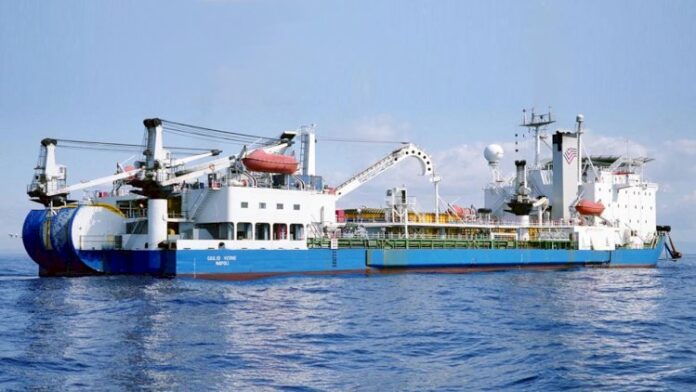
Installation activities will be performed by one of the Group’s state-of-the-art cable laying vessels. Delivery and commissioning of the project are scheduled for 2021.

The project further confirms the Group’s ongoing successful relationship with REE, which in recent years has awarded to Prysmian, among others, several grid connection projects, including the two interconnectors between Spain and Morocco, and both projects linking the Balearic Islands (Iberian Peninsula-Mallorca and Ibiza-Mallorca), as well as the France-Spain underground electrical interconnection, awarded by a joint venture between REE and the French grid operator Réseau de Transport d’Électricité (RTE).
 

ABB to supply power and digital solutions for Genting’s vessels

0

ABB secures €157 million contract to supply power, propulsion and digital solutions for Genting Hong Kong’s six ‘Universal Class’ vessels that will bring global hotel brands to sea.

The new vessels will be designed to the highest safety and environmental standards and will be powered by ABB’s Azipod® electric propulsion, which has become the cruise industry standard since its launch in 1990.

Each of the 286-meter vessels will be propelled by twin Azipod® units, with a combined power of 30 MW (40,230 HP) and will run on low-emission liquified natural gas. The vessels will be built by the Genting-owned shipbuilding company MV Werften with sites in Wismar, Rostock and Stralsund in Germany. The vessels are due for delivery in 2023-2024.

The six vessels will bring luxury cruising experiences to its guests and feature high-end amenities, as well as having a passenger capacity of 1,000 to 4,000 passengers depending on the Luxury, Premium or Contemporary class. Each cruise ship will have a total of 15 decks. Genting will operate these vessels for global hotel brands that want to enter the marine industry but are facing constraints related to most shipbuilding slots being occupied at present.

The vessels will have the capability to be connected to ABB Ability™ Collaborative Operations Center infrastructure, which monitors the performance of ABB technology on board and remotely connects operators with ABB experts.

Gustaf Gronberg, Executive Vice President, Marine Operations & Newbuilding, Genting Hong Kong, said:

“These vessels represent the next generation of cruising, with their high flexibility, sustainable profile and highest safety and efficiency standards. ABB’s Azipod® electric propulsion, known for its unparalleled performance, environmental credentials and reliability, has been a natural choice for these vessels.”

Peter Fetten, President and CEO of MV Werften, said:

“With these vessels, we enter a new era of sustainable cruising, and we are pleased to collaborate with ABB, who through the years have proven to be a reliable solution provider, enabling us to deploy advanced technology that defines the future of cruising.”

Peter Terwiesch, President of the Industrial Automation business at ABB, which offers solutions for a wide range of industries, including marine, said:

“Sustainable technologies are at the heart of what we do at ABB, and we are truly honored to continue our long-standing relationship with MV Werften and Genting and have our technology chosen for these ships that seek to redefine modern-day cruising.”

Cruise travelling is becoming more popular for holidaymakers and according to industry body Cruise Lines International Association (CLIA), 30 million passengers are expected to cruise the seas in 2019 – a 6% increase year-on-year. In addition to rising numbers of cruisers, CLIA reports that travelers are becoming more mindful than ever, expecting sustainable technology on board vessels.

Juha Koskela, Managing Director, ABB Marine & Ports, said:

“Azipod® propulsion has become an industry benchmark for environmentally-friendly cruise technology, with its proven ability to cut fuel consumption by up to 20% compared to traditional shaftline propulsion systems. Fuel savings of over 900,000 tons have been made in the cruise segment alone due to the selection of Azipod® propulsion.”

The Azipod® propulsion system, where the electric drive motor is in a submerged pod outside the ship hull, can rotate 360 degrees to increase maneuverability and operating efficiency. Due to minimal noise and vibration, Azipod® propulsion also improves passenger and crew comfort.
 

New boat MV Swift launches onto Lake Windermere

0

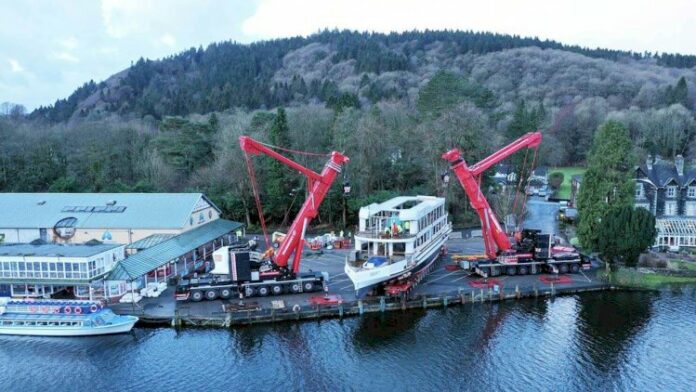
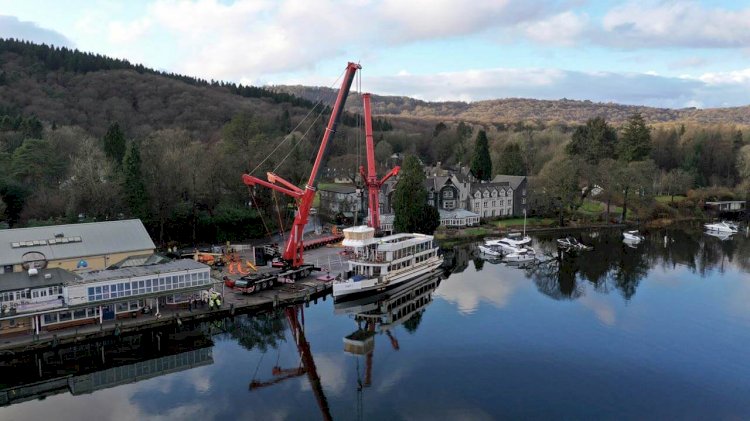
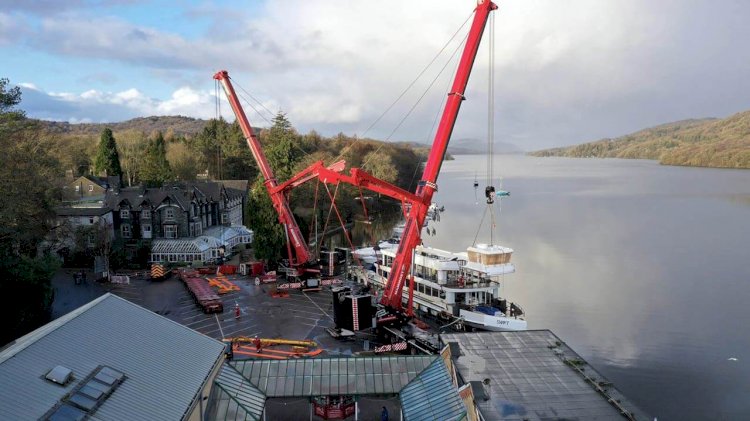
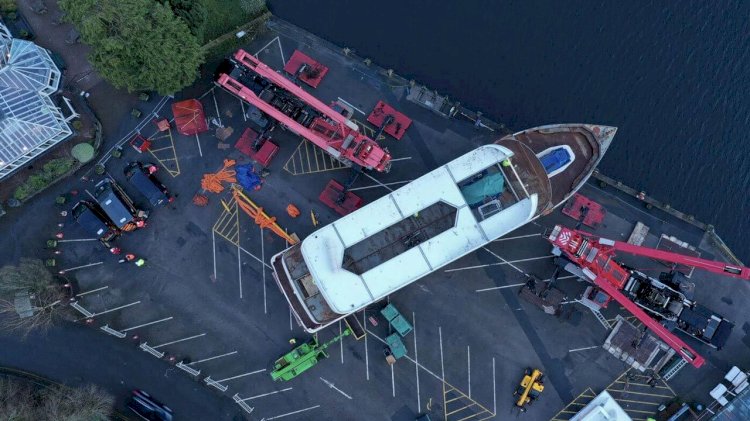
On 11th December, Windermere Lake Cruises’ brand-new 300-seat passenger boat MV ‘Swift’ was launched onto the waters of Windermere in the Lake District National Park in the north west of England. The vessel will now be fitted out before being handed over after Easter 2020 for crew training to commence.

The multi-million pound vessel is expected to be in service from the mid 2020 season, after this week becoming the largest craft to be ‘launched’ onto Windermere for more than 80 years.

The latest addition to Windermere Lake Cruises’ fleet, at 34 metres, is slightly shorter than the company’s existing flagships, MV Swan and MV Teal. This will enable the vessel to dock at smaller jetties in the area, thereby providing economic stimulus to a wider pool of local businesses.

The size of the vessel meant it was necessary to build smaller sections off-site first, before being transported to Lakeside for final assembly over the last six months. 

Chairman of Windermere Lake Cruises, Bill Bewley says: 

“The new vessel has been designed to operate in all seasons, 364 days a year (every day except Christmas day), will increase the quality of the visitors’ experience thanks to 21st century quality, comfort, accessibility and will enhance the sustainable transport network in the central Lake District.

We also wanted to make other existing stop-off points along the lake more accessible to our passengers. ‘Swift’ has therefore been designed to easily access piers such as private jetties at hotels including Low Wood Bay Resort & Spa, which until now have been unable to accommodate our larger vessels. As well as being fully accessible and designed to operate all year round, MV Swift is also equipped with a number of features not-present on our existing fleet”.

The vessel has been built by Netherlands-based company, Damen, following the signing of the contract with the boat-builder at the end of March. Sales Manager from Damen, Mike Besijn adds:

“Damen Shipyards Group is incredibly proud to build a vessel in the UK for the first time in the company’s history. This project is a great example of how British and Dutch companies can work together. We are grateful for this opportunity and hope that this demonstrates our capabilities in order that we can support future ship building projects in the UK. Working with Windermere Lake Cruises and their team has been and continues to be a joy.”

Windermere Lake Cruises operates a fleet of sixteen vessels currently. Throughout the year, these vessels take more than 1.6 million passengers on tours, day trips and evening functions on England’s largest natural lake. Windermere Lake Cruises is one of the UK’s most popular attractions.