6.2 C
New York
Home Blog Page 915

Key wind-assist propulsion installation starts North Sea operations

0

RINA took part in a project showing how innovative technologies can make the shipping industry environmentally friendlier

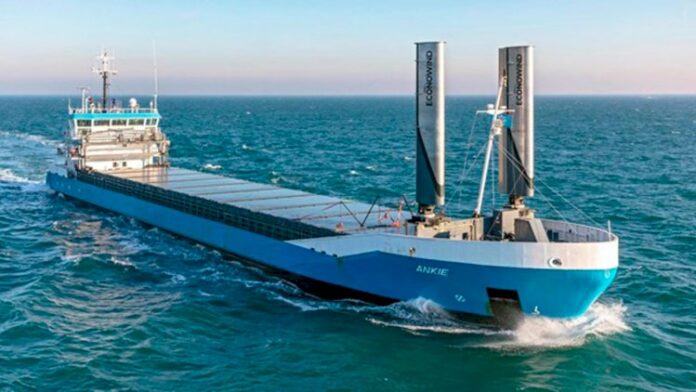
During the docking of the MV Ankie of Jan van Dam Shipping in January 2020 at the Royal Niestern Sander shipyard, the first retrofit eConowind Ventifoil wind-assist system was installed, six months after signing the contract.

Bart Volgers said:

“The good and close cooperation between eConowind, Van Dam Shipping and Niestern Sander resulted in a pioneering project, which was completed within the planned installation period.”

The modular Ventifoil units are in the form of wings with vents and an internal fan that use boundary layer suction for maximum effect. This installation features two, 10-meter wings that will generate significant force allowing the vessel to reduce motor power and thus save energy. In a second step, the units will be extended by a further six meters.

The 3,600 DWT general cargo vessel MV Ankie, made its first voyage with the two wings installed, sailing for Wagenborg from Delfzijl to Hamburg, onwards to Norway and then back to Rotterdam.

Wagenborg states:

“We take active part in the shipping industry’s de-carbonizing energy transition. Together with our stakeholders, such as our affiliated captain owners, clients, investors, employees and suppliers, we accept sustainability challenges to reduce our environmental footprint. We are happy Jan van Dam, who has been sailing for Wagenborg over 26 years now, picked up the glove resulting in this Ventifoil project”.

For eConowind BV, located in Groningen, the Netherlands, it is the first commercial installation of their Ventifoil system. The wind-assist system was developed over the past three years supported by an EU backed grant and this first voyage marks a significant milestone for the company in bringing their technology to a shipping market eager to deploy credible decarbonization solutions.

RINA carried out the design approval, foil production and construction supervision together with the commissioning protocol preparation.  Pino Spadafora, EMEA Marine Commercial Director at RINA, commented:

“This project fits perfectly with the strong focus RINA has on innovative technologies that contribute to an environmentally friendlier shipping industry.”

Boskalis converts hull with Wärtsilä thruster solution

0

A comprehensive thruster solution from the technology group Wärtsilä will enable Netherlands based Boskalis to convert an existing hull to create the crane vessel Bokalift 2. 

In addition to addressing the technical challenges imposed by the project, Wärtsilä has also committed to meeting a demanding delivery schedule for the equipment. The order with Wärtsilä was placed in December 2019.

Wärtsilä will supply four retractable steerable thrusters and thruster controls, as well as two tunnel thrusters. The proven retraction system, combined with the energy efficient 8-degree tilted thruster, is a key factor in enabling effective station-keeping performance. Wärtsilä is a market leader in large-scale retractable thrusters, which are essential to solving operational challenges of this type. The thrusters’ retractability also enables shallow draft operations.

Stefan Wiik, Vice President, Asset Management Services, Wärtsilä Marine, says:

“Wärtsilä’s thruster solutions enable this kind of high specification vessel to operate successfully in sustainable energy installation projects. Furthermore, the energy efficiency of our thrusters reduces fuel consumption, which at the same time limits emission levels."

Wärtsilä’s extensive in-house capabilities across multiple disciplines were cited as being critical to addressing this complex conversion project.
 

VIDEO: Securing Guernsey’s supply of green electricity

0

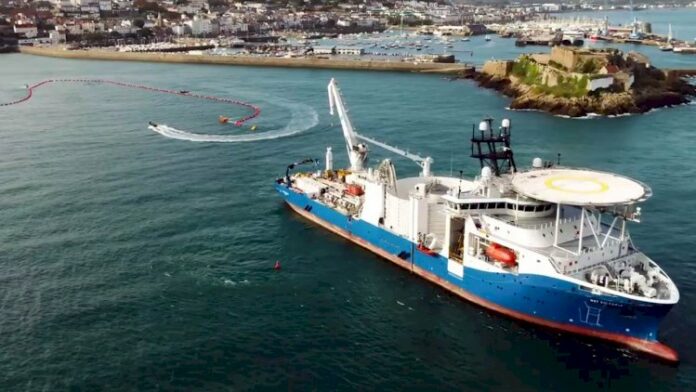
NKT’s high-voltage submarine cable systems pave the way for renewables on the Channel Island of Guernsey. To meet the very tight timeframe, NKT executed many preparations and operations simultaneously. The cable system was manufactured in Karlskrona, Sweden, at the NKT plant fed purely on green energy. The cable is protected by double layers of armor wires and capable of transmitting power at 90 kV (kilovolt) of AC (alternating current).

NOAA finalizes strategies for applying emerging science and technology

0

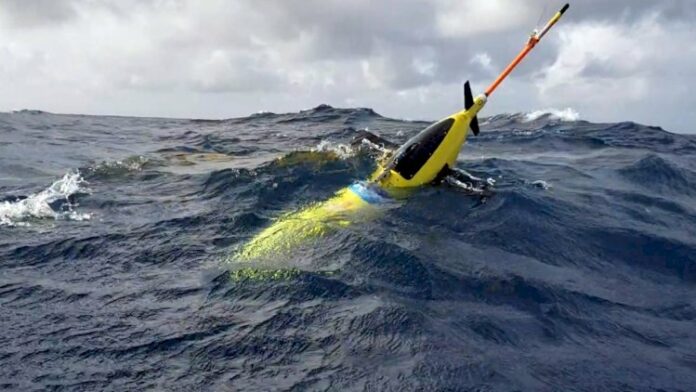
NOAA has released a set of final strategies to dramatically expand the agency’s application of three emerging science and technology focus areas — NOAA Unmanned Systems, Artificial Intelligence and ‘Omics — that will also guide transformative advancements in the quality and timeliness of NOAA science, products and services.

Retired Navy Rear Adm. Tim Gallaudet, Ph.D., assistant secretary of commerce for oceans and atmosphere and deputy NOAA administrator, said:

“NOAA already has robust experience with these applications across a range of mission areas and is delivering successful operational systems that are beginning to pay dividends, whether in helping to improve weather forecasts or fish stock assessments. These strategies will accelerate the implementation of the most effective science and technology applications to advance NOAA’s mission to protect life and property and grow the American Blue Economy.”

Director of the White House Office of Science and Technology Policy Dr. Kelvin Droegemeier, said:

"NOAA’s strategies to expand the agency’s application of emerging science and technology are critical to advancing the economy, national security, and environmental interests of the United States. For example, NOAA’s strategies on unmanned systems, artificial intelligence, and ‘Omics will be crucial to understanding our vast ocean resources. By emphasizing the need for partnerships among Federal agencies, the academic community, non-profit organizations and the private sector, NOAA is helping advance America’s ability to understand, manage, and conserve our ocean resources, which is a high priority for the Trump Administration.”

 The strategies developed by NOAA include:

  • Unmanned Systems Strategy: In recognition of the opportunities unmanned systems present for addressing NOAA's mission priorities, the NOAA Unmanned Systems Strategy provides a framework to efficiently provide requirements-driven, safe, cost-effective, and compliant Unmanned Systems services across the agency. It also prioritizes strategic investments in Unmanned Systems applications and technologies that fuel innovation and strengthen operations, and accelerates and enhances capabilities through partnerships.
  • Artificial Intelligence Strategy: The overarching goal of the NOAA Artificial Intelligence (AI) Strategy is to utilize AI to advance NOAA’s requirements-driven mission priorities. Through this strategy, NOAA seeks to reduce the cost of data processing, and provide higher quality and more timely scientific products and services for societal benefits.
  • 'Omics Strategy: In recognition of the opportunities and challenges presented by the advent of tools associated with ‘omics — a suite of advanced methods used to analyze material such as DNA, RNA, or proteins — the NOAA ‘Omics Strategy provides a framework to advance the application of ‘omics to address mission priorities. The strategy leverages NOAA’s current organizational structure to more effectively implement ‘omics through improvements in computational and analytical capacities, targeted research, technology transition, workforce proficiency, and partnerships across NOAA’s lines, federal agencies, and extramural research and commercial communities.

JFD Australia will continue to supply its submarine rescue system to the RAN

0

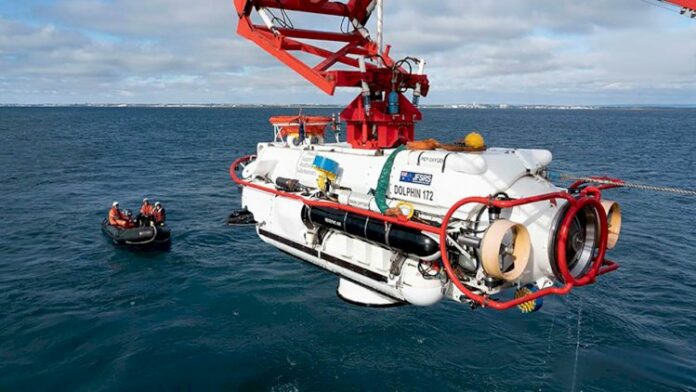
JFD Australia, a proven, trusted and reliable undersea combat support systems partner of the Australian Defence Force, has advised that it will continue to supply its world-leading submarine rescue system to the Royal Australian Navy (RAN) for at least the next four years.

As provider of this critically important sovereign capability for more than a decade, JFD Australia has been awarded a significant contract extension with the Federal Government to deliver the submarine escape and rescue service until December 2023 with an option to further extend to November 2024.

In Australia, submarine rescue involves sending a smaller or “mini” piloted submarine to a disabled submarine to rescue the crew on board and transfer them safely under pressure to the ocean’s surface where they are able to receive potentially life-saving decompression treatment in a specially-designed hyperbaric equipment suite.

Valued at approximately $A70 million, the changes through this contract extension will create at least four full-time defence industry jobs bringing to 10 the number of new positions JFD has created in the past six months. This extension will also see an increased focus in involving more local West Australian industry particularly in the specialist area of operating the system’s new hyperbaric treatment chambers.

Further, the contract also guarantees the continued employment of the workforce of up to 60, including highly skilled specialist engineers and tradespeople at JFD’s Australian headquarters at Bibra Lake in Perth who ensure that the submarine rescue system is “rescue ready” and on standby to respond to a submarine emergency anywhere in the world.

Mr.Toff Idrus, Managing Director, JFD Australia (and a former submariner), said:

“Keeping submariners and other defence force personnel safe has been, and will always be, JFD’s highest priority. With our submarine rescue service being one of only four air transportable systems in the world, each and every one of us is focused on saving lives and we look forward to continuing to be a reliable partner for the RAN through the ongoing delivery of this proven submarine escape and rescue service.”

JFD Australia’s ever expanding sovereign capability, with its advanced production centre in Bibra Lake and manufacturing facilities in Kirrawee, south of Sydney and Warners Bay, near Newcastle in New South Wales has seen it develop into a one-stop shop for the delivery of safe, sovereign subsea systems that also include diving and special forces activities.

Safehaven Marine tests its boats in extremely rough conditions

0

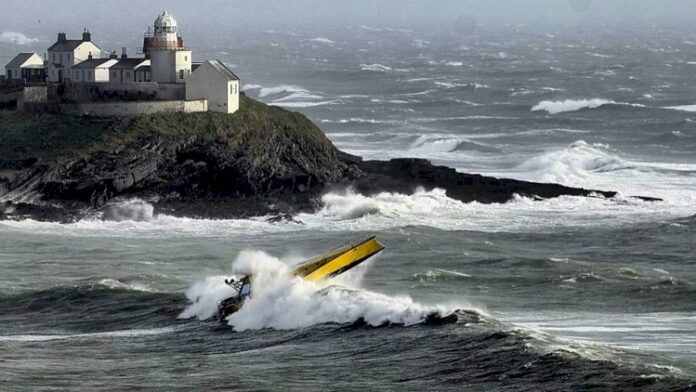
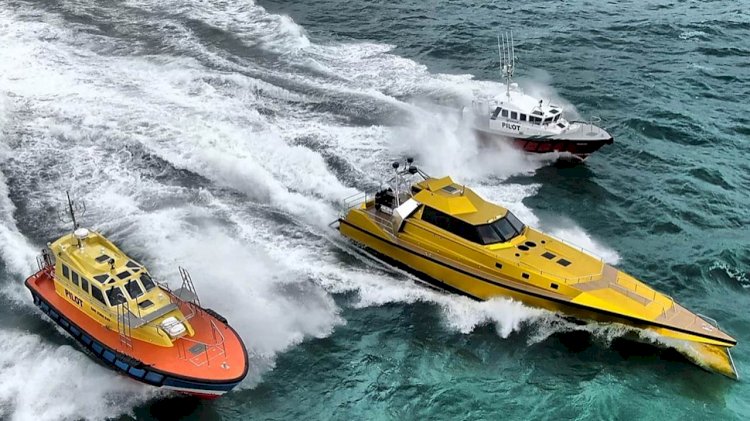
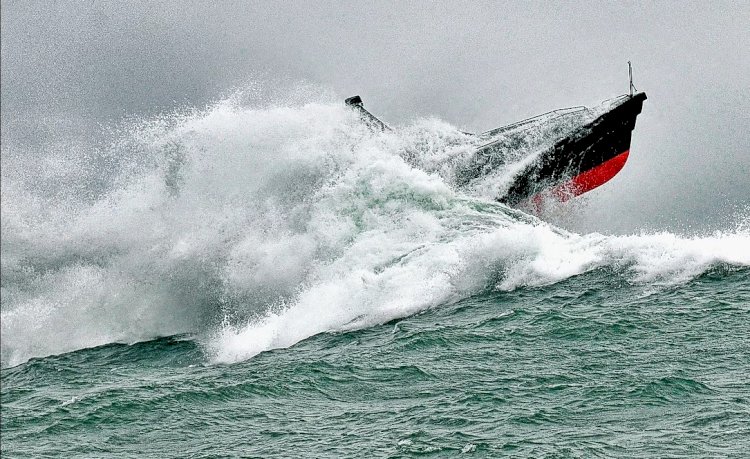
Safehaven Marine build ‘All weather’ lifeboats and pilot boats. What does ‘all weather’ mean? Put simply it means the boat is capable of operating in all weather conditions, up to storm force 10 and 6-7m waves.

Pilot boats, especially those operating out of open Atlantic coasts experience big seas regularly, often on a daily basis during winter months and need to be especially capable of dealing with heavy weather.

If ones building a formula one race car, then clearly you’re going to want to test it on a race track, driving it on the public roads is simply not going to allow one to test its full capabilities.
The same applies when one is designing boats that have to operate in extremely rough conditions, testing the boat in calm conditions in small waves is not going to allow you to test the design to its ultimate capabilities, to do this you simply have to test the boat in rough conditions, conditions that can only be generated by a storm.
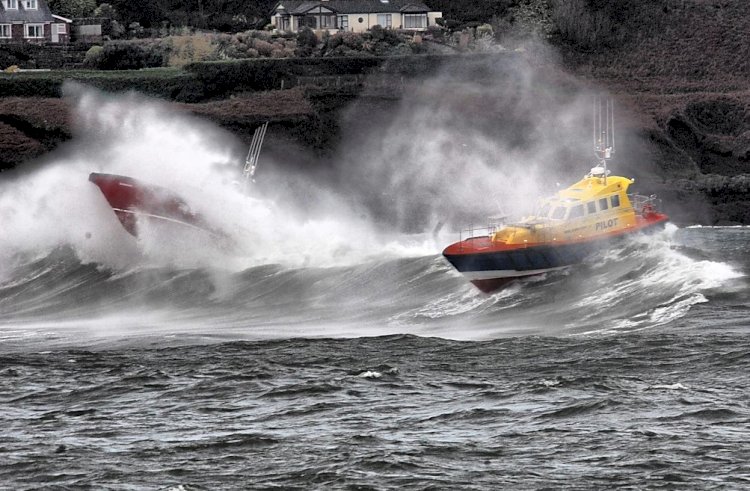
Therefore undertaking sea trials in rough, storm generated conditions has been, and continues to be a fundamental part of both Safehaven Marine's design process in both understanding what constitutes good sea keeping, and ensuring the boats engineering is fully capable of withstanding the tremendously violent and harsh conditions experienced by all elements of the boat whilst weathering a storm.


Plastics-gatherer vessel sets sail for the Dominican Republic

0

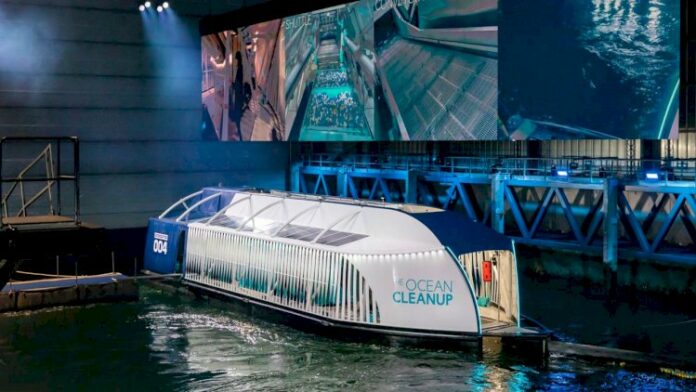
The Interceptor 004, a vessel that will gather plastics o the Ozama River and prevent them from reaching the Caribbean Sea, has already set sail for the Dominican Republic from Rotterdam port in the Netherlands.

Rivers are the main source of ocean plastic pollution. They are the arteries that carry waste from land to the ocean. The Ocean Cleanup's research found that 1000 rivers are responsible for roughly 80% of the pollution.

Working together with government leaders and private corporations, The Ocean Cleanup's goal is to tackle these 1000 most polluting rivers, all over the world, by 2025. How? By deploying Interceptors. 

The Interceptor is The Ocean Cleanup’s answer for river plastic waste. It is the first scalable solution to prevent plastic from entering the world’s oceans from rivers.

Total awards two LNG agreements to Worley

0

Worley has been awarded two master service agreements (MSAs) by Total E&P Mozambique Area 1 Limitada (Total) to provide services to the Mozambique LNG Project. 

Under the MSAs, Worley will provide in-and-out of country services, including engineering, consulting and specialist engineering for delivery of onshore and offshore (subsea) facilities. The services will support the development of the new LNG facility. 

The services will be executed by Worley’s local Mozambique operation with support from Worley’s global businesses including Advisian. Worley has supported the LNG development, located on the Afungi peninsula in Cabo Delgado province, since gas was first discovered there in 2010. 

Andrew Wood, Chief Executive Officer of Worley, said:

“We are pleased to continue providing services to the LNG development and to support one of Africa’s largest projects. Through the MSAs, we will help Total and its partners in the Mozambique LNG Project meet the world’s changing energy needs.”

Baker Hughes presents its subsea connect digital solutions

0

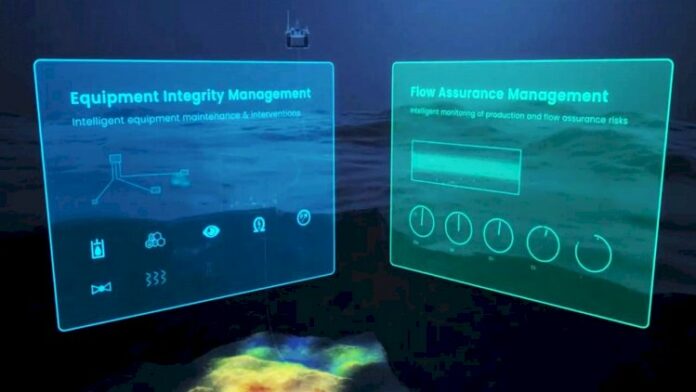
The future of subsea is clean, clean and digital. It is enabled by Baker Hughes' Subsea Connect digital solutions for Equipment Integrity and Flow Assurance. These solutions enable safer and more efficient operational decision making, with advanced analytics on real-time data from the well, riser and across the production system. These digital solutions are part of Baker Hughes' life-of-field approach.

SCHOTTEL to provide propulsion units for Med Marine’s tug

0

SCHOTTEL has secured a contract with Turkish shipbuilder Med Marine to provide propulsion units for a newly built escort and harbour tug.

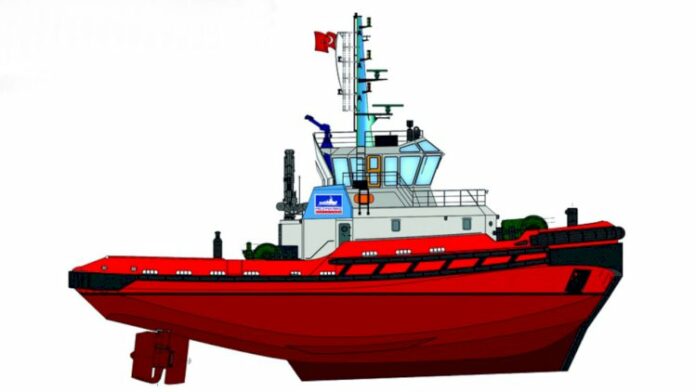
The Robert-Allan-designed tugboat is under construction at the Ereğli Shipyard in Northern Turkey. It will be used for harbour and terminal operations as well as for coastal towing.

Recai Hakan Şen, CEO of Med Marine:

"SCHOTTEL is a company which proves itself in the marine business through its technical understanding and quality. Equipping our tugs with their propulsion solutions contributes to the saleability of our vessels. Working with SCHOTTEL, which is very professional and successful in technical issues, is quite easy and enjoyable."

The main propulsion for the RAmparts 3200 tug consists of a pair of SCHOTTEL Rudderpropellers type SRP 460 CP – each driven by a diesel engine with 2,350 kW. The four-bladed controllable pitch propellers with a diameter of 2.70 metres ensure maximum vessel maneouvrability as well as top propulsion efficiency. This thruster configuration will enable an expected bollard pull of about 75 tons and a free running speed of approximately 12.5 knots.

To date, more than 1,000 SCHOTTEL Rudderpropellers types 460 and 490 have been delivered – making them the most successful azimuth thrusters worldwide. Rudderpropellers with a maximum power rating for tug duties between 2,350 and 2,550 kW per engine – such as the SRP 460 and the SRP 490 – are among those SCHOTTEL azimuth thrusters that have received several technical updates in order to offer customers state-of-the-art design, construction and economical operation. The SRP 460 (formerly SRP 1515) was first delivered in 1999.

The new tug is scheduled to enter service in the fourth quarter of 2020.