-12.6 C
New York
Home Blog Page 535

Keppel’s harbor tug receives ABS notation

0

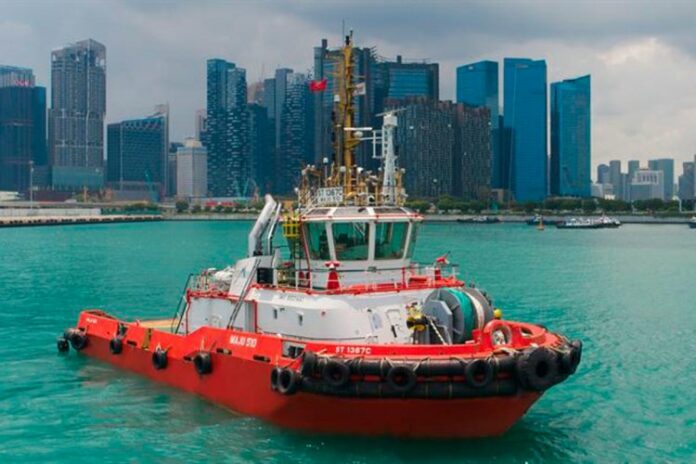
A trial of the 65-meter tug, controlled from a remote location at the Maritime and Port Authority of Singapore’s Maritime Innovation Lab, was successfully performed in April 2021.

The second phase of the project, scheduled for late 2021, will see the vessel perform autonomous collision avoidance tasks while under remote supervision. The Maju 510 tug is owned and operated by Keppel O&M’s joint-venture company Keppel Smit Towage.

The project was one of a series of industry-leading initiatives to inform the development of the recently published ABS Guide for Autonomous and Remote-Control Functions, which introduced the REMOTE-CON notation and another recognizing autonomous functions. The Guide sets out a goal-based framework for the implementation of these technologies on vessels and offshore units.

Patrick Ryan, ABS Senior Vice President, Global Engineering and Technology, said:

“This landmark project demonstrates the rapid advance of remote control and autonomous technology at sea. This vessel is the first to receive the REMOTE-CON (NAV, OP1) notation and is blazing a trail others are sure to follow. ABS is involved in cutting-edge projects all over the world designed to advance the application of remote and autonomous functions on vessels and we are proud to play a role in supporting the safe development of this technology at sea.”

Mr. Tan Leong Peng, Managing Director (New Builds), Keppel O&M, said:

“As the overall system integrator, Keppel O&M is able to provide technology solutions and integrate best-in-class systems to offer customizable remote and autonomous function for vessels. With the offshore and marine sector evolving rapidly, we are leveraging our engineering expertise and harnessing advanced technologies to stay at the forefront of the industry. In line with Keppel’s Vision 2030, we are also collaborating with the Keppel ecosystem of companies, such as M1 with its connectivity solutions, to enhance our value add.”

Mr. Romi Kaushal, Managing Director of Keppel Smit Towage, said:

“Keppel Smit Towage is pleased to receive the world’s first ABS Remote-Control Navigation Notation. It is a testament to our commitment to continuously harness technology and improve safety of operations to serve customers better. Remote and autonomous functions can significantly enhance safety and efficiency of tug operations by automating simpler tasks, allowing the crew to focus on more technical or crucial matters.”
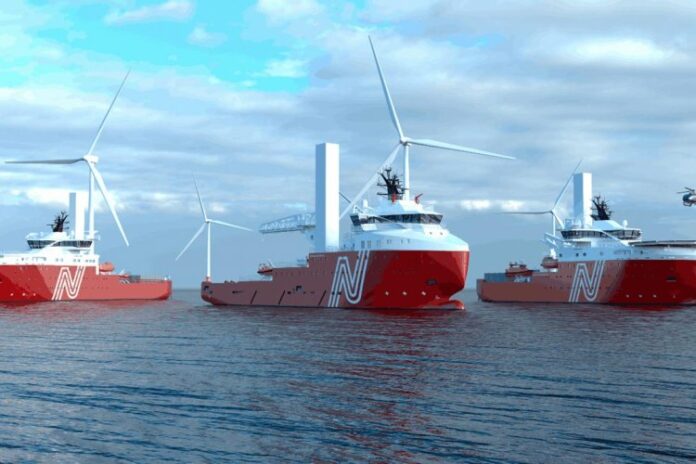

Vard: New orders in the offshore wind farms market

0

Fincantieri’s subsidiary Vard, one of the major global designers and shipbuilders of specialized vessels, has secured contracts for the design and construction of 2 Commissioning Service Operations Vessels, with options for 2 additional vessels, and the sales and conversion of one Platform Supply Vessel which will become a Service Operation Vessel, for Norwegian company Norwind Offshore.

The contracts for the firm 3 vessels have an indicative total value of euro 140 million.

The 2 Commissioning Service Operations Vessels are based on Vard 4 19 design, and tailor-made for world-wide services and maintenance operations at offshore wind farms. The first vessel will be outfitted and delivered in Norway in 2Q 2023, with the hull to be built in Braila, Romania. The second one will be built and delivered in Vung Tau, Vietnam, scheduled for delivery in 3Q 2024.

The third vessel, one of Vard’s Platform Supply Vessel, has been in operation in Asia and Australia and will now sail to Brattvaag, Norway, for an extensive conversion and outfitting. The ship will be delivered in 2Q 2022 as a Service Operation Vessel.

Norwind Offshore is a newly established ship owning company that will offer specialized vessels designed for advanced maritime operations in the development and service of the offshore wind sector. It has a long history in the offshore and maritime industry, and has developed with Vard a strong relationship through the building of a broad range of advanced offshore vessels.

Van Oord signs contract for SRI at Ormen Lange Phase 3 in Norway

0

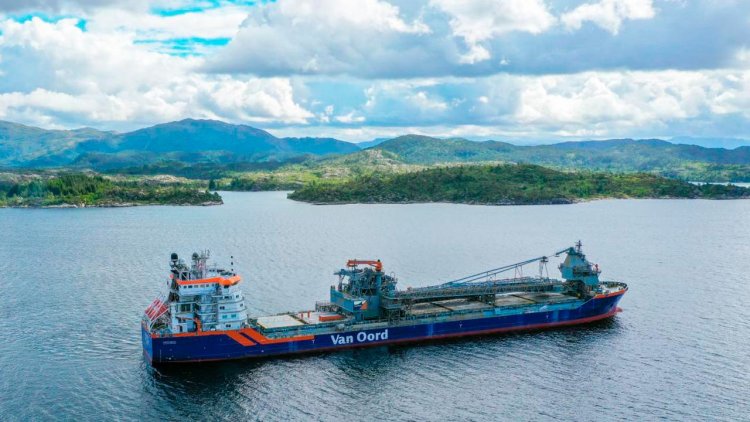
This contract for the specialised seabed interventions services of Subsea Rock Installation (SRI) is a continuation of earlier cooperation between Shell and Van Oord on the Ormen Lange Field.

The Ormen Lange Field is a natural gas field in Norway, located in the Norwegian Sea, situated 120 kilometres northwest of Kristiansund. With depths of the seabed that vary between 850 and 1,100 metres, the natural conditions at the site are considered harsh. The stormy seas, uneven seabed and strong underwater currents put great demand on Van Oord’s expertise and flexible fallpipe vessel Stornes during the pre and post-lay activities of Subsea Rock Installation.

The project scope involves the seabed intervention works consisting of pre-lay structure foundations, pipeline and umbilical route preparation. In addition, the post-lay SRI for structures protection, pipeline and umbilical cover related to the new development of a wet gas subsea compression project.

Once the gas subsea compression expansion is finalised the overall gas recovery rate will increase from 75% to 85%, used for the consumption of households in the UK and continental Europe. Being powered with hydro-generated electricity, Ormen Lange is considered one of the lowest carbon intensity fields in Norway, which resonates well with Van Oord’s company goals to contribute to the energy transition.

TECO 2030 receives AiP by DNV for its marine hydrogen fuel cell system

0

The cleantech company has now received an “Approval in Principle” (AiP) by DNV for its Hydrogen Fuel Cell System and three versions of its Fuel Cell Module FCM400.

DNV has evaluated TECO 2030’s Hydrogen Fuel Cell System and three versions of its Fuel Cell Module FCM400TM and concluded that they comply with the applicable rules and regulations, codes and standards.

Tore Enger, CEO of TECO 2030 ASA, says:

“The Approval in Principle by DNV marks another important milestone for us in our development of zero-emission solutions for the maritime industry. By giving us the AiP, DNV clearly states that our hydrogen fuel cell system and fuel cell modules are safe to use.”

An Approval in Principle is an independent assessment, confirming that the design is feasible and that there are no obstacles that could prevent the solution from being realised.

Olaf Drews, Head of Machinery and Piping Systems at DNV Maritime, says:

“We are very pleased to be working with TECO 2030 on this important project. For novel technologies, like fuel cells, having class involvement can be vital in building market confidence. We are continually working to provide practical solutions to enable their uptake and were the first classification society to publish rules for fuel cells in 2008. This certificate confirms the basic suitability of TECO’s fuel cell systems for marine applications.”

Hydrogen fuel cells are the engines of tomorrow and convert hydrogen into electricity while emitting nothing but water vapour and warm air.

By exchanging one or more of their engines with a TECO 2030 Marine Fuel Cell, ships can switch from fossil fuels to hydrogen and reduce their emissions to zero. They can then sail emissions-free either on the whole journey or on shorter distances, such as when sailing into and out of ports.

Hydrogen fuel cells can also be used during port-stay, loading and discharging, enabling zero-emission operation at berth, without having to connect the ship to an onshore power supply.

The TECO 2030 Marine Fuel Cell is the first fuel cell system in the world that is specifically designed for use onboard ships and on other heavy-duty applications.

The fuel cell module is designed with a capacity of 400 kW net power output. Several modules can easily be put together in containers, enabling system configuration in the multi-megawatt scale. A 40 feet ISO fuel cell container from TECO 2030 will have a power production capacity of 6.4 MW.

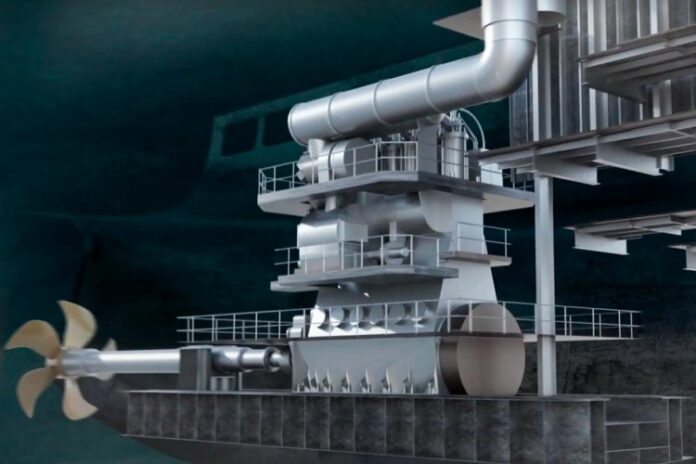
The TECO 2030 Marine Fuel Module FCM400TM encloses a low temperature PEM (Proton Exchange Membrane) fuel cell system. The system is developed by TECO 2030 in cooperation with the Austrian powertrain technology company AVL, while the modules have been developed internally at TECO 2030.

MacGregor receives EUR 31 million RoRo orders from Asia

0

The orders are booked into Cargotec’s second (EUR 9 million) and third quarter (EUR 22 million) 2021 order intake with deliveries planned to commence during the second quarter of 2022 and completed during the third quarter of 2023. 

Scope of supply includes quarter and side ramps, hoistable car decks and rampway doors. The customers have established relationships with MacGregor, built on proven capability to deliver and support critical cargo access equipment.

Magnus Sjöberg, Senior Vice President, Merchant Solutions Division, MacGregor, says:

”We have been able to build strong and valuable relationships with these customers over a number of years, and are delighted to be able to enhance our cooperation through these new orders.”

World first: Ocean drone captures video from inside a category 4 hurricane

0

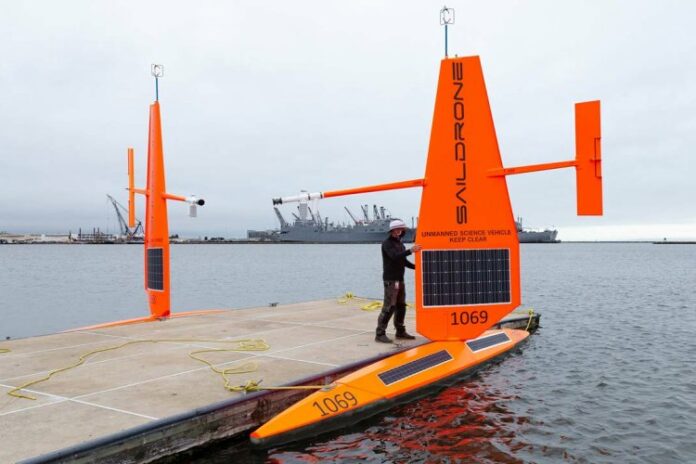
Saildrone Inc. and the National Oceanic and Atmospheric Administration (NOAA) have released the first video footage gathered by an uncrewed surface vehicle (USV) from inside a major hurricane barreling across the Atlantic Ocean. 

The Saildrone Explorer SD 1045 was directed into the midst of Hurricane Sam, which is currently on a path that fortunately will miss the US East Coast. SD 1045 is battling 50-foot waves and winds of over 120 mph to collect critical scientific data and, in the process, is giving us a completely new view of one of Earth’s most destructive forces.

Equipped with a specially designed “hurricane wing” enabling it to operate in extreme wind conditions, SD 1045 is braving Hurricane Sam in the open ocean, collecting real-time observations for numerical hurricane prediction models, which are expected to yield new insights into how large and destructive tropical cyclones grow and intensify.

SD 1045 is one of a fleet of five “hurricane” saildrones that have been operating in the Atlantic Ocean during this hurricane season, gathering data around the clock to help understand the physical processes of hurricanes. This knowledge is critical to improving storm forecasting and is expected to reduce loss of human life through allowing better preparedness in coastal communities.

Richard Jenkins, Saildrone founder and CEO, said:

“Saildrone is going where no research vessel has ever ventured, sailing right into the eye of the hurricane, gathering data that will transform our understanding of these powerful storms. After conquering the Arctic and the Southern Ocean, hurricanes were the last frontier for Saildrone survivability. We are proud to have engineered a vehicle capable of operating in the most extreme weather conditions on earth.”

The saildrones provide data directly to NOAA’s Pacific Marine Environmental Laboratory (PMEL) and Atlantic Oceanographic and Meteorological Laboratory (AOML), Saildrone’s partners in this mission.

Greg Foltz, a NOAA scientist, said:

“Using data collected by saildrones, we expect to improve forecast models that predict rapid intensification of hurricanes. Rapid intensification, when hurricane winds strengthen in a matter of hours, is a serious threat to coastal communities. New data from saildrones and other uncrewed systems that NOAA is using will help us better predict the forces that drive hurricanes and be able to warn communities earlier.”

Tracerco secures subsea inspection for project in Gulf of Mexico

0

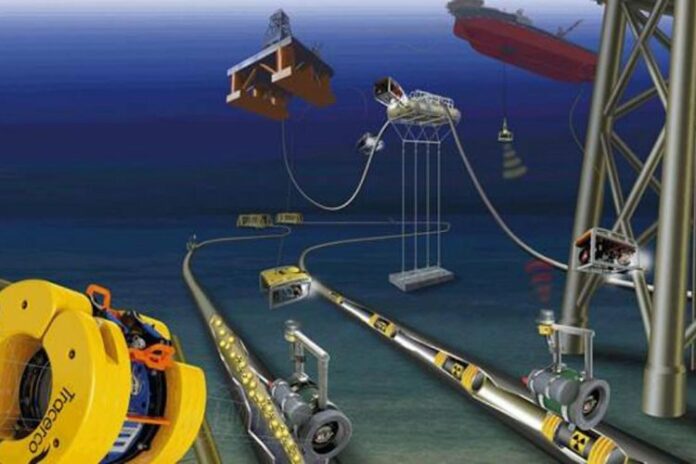
Under the contract, Tracerco will deploy DiscoveryTM, a subsea computed tomography (CT) scanner designed for external scanning of pipelines and which operates along the same general principles as CT scanners used in hospitals.

As methods of oil and gas extraction have improved, many fields are still producing substantial quantities of oil and gas, and as such, operators are looking for methods to monitor and verify their risers’ condition to ensure ongoing integrity and extend their operational life. For life extension, regulators typically require a physical inspection to ensure the condition of the riser and CT, a technique which has an unparalleled ability to accurately and non-intrusively see through an item, can provide this information.

Technologies using CT such as DiscoveryTM provide operators with valuable inspection data on the entire pipeline, spanning the range from product to coating and all areas in between.  It is a non-intrusive external scanning technique and is easily capable of scanning through several inches of pipeline steel with no requirement to remove any protective coating, regardless of thickness and material.

Jim Bramlett, Commercial Manager North America for Tracerco, says:

“Tracerco was the first company to develop a subsea CT system and still holds the fundamental patent for the concept of subsea CT scanning dating back to 2011. Over the years since, DiscoveryTM has incorporated numerous additional patented innovations for optimizing the system.”

DiscoveryTM will be used to inspect the risers and determine whether they can be extended past their original design life by gathering real time data on a variety of integrity issues including pipeline corrosion, pitting and wall thinning. This will allow the operator to work with the local authorities to get their permit extended and potentially realise billions in continued revenues from the asset.

Jim continues:

“DiscoveryTM provides the integrity insights to know the unknown enabling critical decisions regarding life extension to be made, and it does this while the risers are still in full operation.  No need to interfere with production.”

World’s first liquid hydrogen-powered vessel wins ship of the year award

0

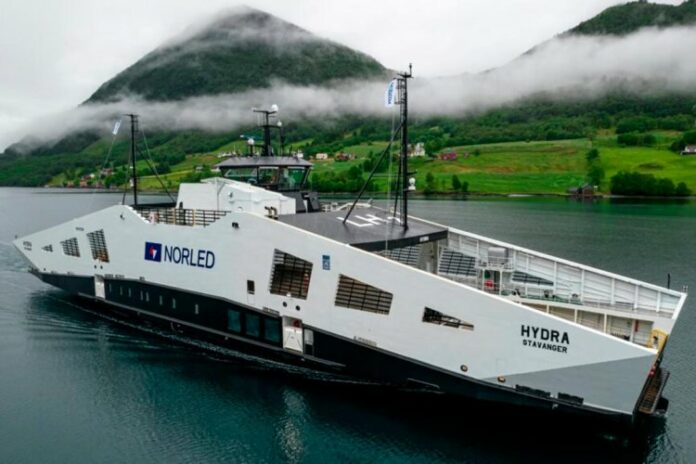
MF HYDRA, a sustainable and innovative ferry designed by Sembcorp Marine’s subsidiary LMG Marin AS, has won the prestigious Ship of the Year Award given by Skipsrevyen, a 50 year-old Nordic maritime magazine publication house.

The MF HYDRA is a zero-emission vessel operated by Norled and will be the world’s first vessel to be powered by liquid hydrogen. At more than 82m long with a capacity of up to 300 passengers and 80 cars, MF HYDRA operates at a service speed of about nine knots.

Equipped with an 80m3 liquid hydrogen tank, the vessel is able to ply its route in the fjord area between Hjelmeland, Nesvik and Skipavik for up to three weeks without refuelling. Its sophisticated propulsion system allows batteries to operate in conjunction with the liquid fuel hydrogen fuel cells and also includes a redundancy feature that allows the ferry to sail on biodiesel.

LMG Managing Director Mr Torbjorn Bringedal said:

“As the world’s first ship powered by liquid hydrogen, MF HYDRA is a game-changer for the marine industry. It will pave the way for the adoption of hydrogen as a fuel for shipping and support the International Maritime Organization’s goal to halve global greenhouse gas emissions by 2050. LMG Marin, with our extensive track record of innovative naval architecture, is proud to contribute to global decarbonisation efforts and a more sustainable world for current and future generations.”

Ocean Technologies Group joins Marlink’s Partner Programme

0

Marlink has partnered with Ocean Technologies Group to add the Ocean Learning Platform to its Application Partner Programme.

Powered by two of the best-known and respected names in maritime e-learning, Seagull and Videotel, the platform combines advanced features for in-work assessment, competency management and career development with a media-rich blended-learning library to cover every knowledge area required by today’s mariner.

It also enables its users to extend and personalise their experience and communicate their company values with content authoring and publishing tools. In-platform pulse surveys can be used to temperature check the well-being and engagement of personnel.

The Application Partner Programme enables selected solution providers to optimise their services for delivery via Marlink’s application management platform and enjoy streamlined and secure delivery of data and resources without the need for USB sticks or CD-ROMs.

By leveraging Marlink’s application management platform, the learning experience onboard ship is enhanced, allowing on demand content updates and a continuous flow of information for seamless data capture with minimal administration for the crew. This delivers the benefits of always-on, cloud-based delivery whilst maximising the efficient use of bandwidth and ensuring availability of the service with minimal risk of disruptions.

Johan Gustafsson, Chief Revenue Officer Ocean Technologies Group, said:

“Shipping companies are safety critical, high reliability organisations dependent on a remote workforce and in a heavily regulated environment, they need to ensure crews are adequately trained and equipped to perform and able to evidence this when required. Our platform makes it possible to plan, execute and monitor a wide range of learning and assessment activities in a single cloud-based system for easy management, analytics and reporting.”

Nicolas Furgé, President, Digital, Marlink, said:

“The Application Partner Programme is a great example of how Marlink is leveraging its hybrid network to advance digitalisation in the maritime sector, supporting smarter, safer and more efficient vessel operations. The Ocean Learning Platform provides our customers with even more options to access the training and competence management materials they need, enabling their crews to stay compliant and support their personal development.”

Siemens Gamesa celebrates long-term East Anglia ONE offshore service extension

0

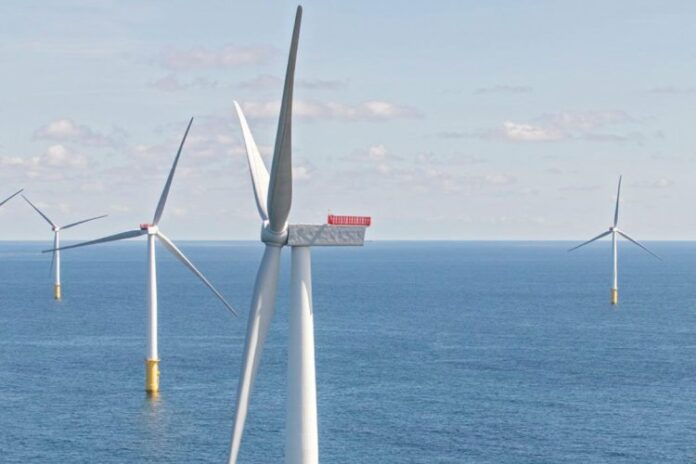
Siemens Gamesa has announced an extension of the original contract term for servicing the 714 MW East Anglia ONE wind power plant, from five to 15 years with customers ScottishPower Renewables and Bilbao Offshore Holdings Limited.

The deal, among the biggest in Siemens Gamesa’s Service business unit’s history, comes just one year after the commissioning of the final of the 102 SWT-7.0-154 turbines. All 306 of the 75-meter-long wind turbine blades for East Anglia ONE came exclusively from the company’s Hull factory on Humberside, just to the north of the development off England’s east coast. East Anglia ONE provides clean, green energy to the equivalent of 630,000 UK households.

The wind power plant is situated 43 km off the coast of Suffolk, England, and was completed in July 2020 – a significant achievement for everyone involved given the challenges created by the COVID-19 pandemic.

Servicing and maintenance of the wind power plant will continue to be undertaken from the base at the port of Lowestoft. The original development created around 800 jobs for the region, while this contract extension will secure local jobs in the former fishing industry region well into the 2030s. The full-scope contract to service and maintain East Anglia ONE includes provision of offshore logistics and jack-up vessels. Access to East Anglia ONE for service will be via a mix of Crew Transfer Vessel (CTV) and helicopter.

Oliver Feltham, Service Operations Manager East Anglia ONE at Siemens Gamesa said:

“We are delighted that ScottishPower Renewables has awarded us this almost unprecedented extension of the original contract to maintain East Anglia ONE. To have this happen so soon after the initial contract award, and against the backdrop of changed working practices due to COVID-19, is a great endorsement of our experience and reliability.”

ScottishPower Renewables is part of the Iberdrola Group – one of the world’s largest integrated utility companies and a world leader in wind energy.

Victor Rey Romero, Iberdrola’s Offshore O&M Director, said:

“This extension reflects the positive partnership working between ScottishPower and Siemens Gamesa following the completion of East Anglia ONE last year.”

“The contract extension means we will continue to benefit from Siemens Gamesa’s knowledge and experience in supporting our windfarm operations over a prolonged period, while we focus on producing the clean, green energy the UK needs to make the transition to net zero. And it will also boost the local economy, providing job security and confidence. This is a very positive development and we very much look forward to continuing to build on our partnership with Siemens Gamesa in the coming years.”

Juan Gutierrez, Service CEO at Siemens Gamesa added:

“This award reinforces our focus on being the Offshore Service market leader, by adding such a significant wind power plant to our existing portfolio of 12 GW of maintained offshore turbines. We really look forward to continuing as a trusted partner to ScottishPower Renewables and Iberdrola in the service and maintenance of their projects for many years to come.”