7.3 C
New York
Home Blog Page 19

Sperry Marine sets new benchmark for Heavy Lift ship performance

0

Sperry Marine has completed the first of five VisionMaster integrated bridge system installations on board a new generation of ships under delivery to one of the most advanced owner-operators in project cargo shipping.

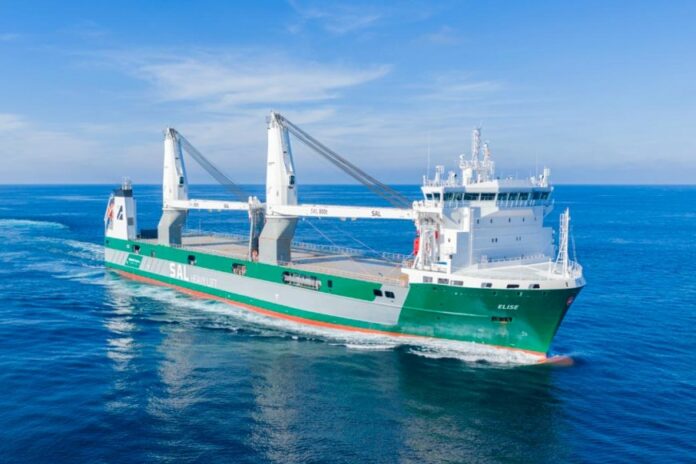
Elise is the first of SAL Heavy Lift’s new 14,600 dwt ‘Orca Class’ vessels to combine market-leading performance on sustainability with the ability to handle ultra-large loads including some of the world’s biggest wind turbines. The first in class ship enters into service after a formal ceremony overseen by SAL in Hamburg on 6 November 2025.

Built to Ice-class 1A requirements and Polar Code standards, these DNV-classed ships are distinguished by their optimised hull shape, twin 800t capacity all-electric cranes, high efficiency hybrid propulsion, shore power connection to achieve zero emissions in port, and full readiness to use methanol as a marine fuel. They are designed to meet the stringent demands of heavy lift shipping while minimizing carbon emissions, and provide the basis for zero-emission operations once green e-methanol is available.

“The Orca Class represents a new era in heavy lift shipping, combining advanced technology with a strong focus on efficiency and sustainability,” said Sebastian Westphal, Managing Director, SAL Heavy Lift. “These vessels are equipped to establish a new benchmark for safety, precision, and innovation in this highly specialised shipping sector.”

SAL and Sperry Marine worked closely through a two-yard build project to ensure that the VisionMaster Integrated Bridge System selected for the Orca Class meets all safety and operating performance requirements, even in the most challenging conditions.

Elise’s advanced Integrated Bridge System (IBS) features VNC (Virtual Network Computing) watch modes, allowing watchkeepers to access critical tools such as the ice radar directly at the conning position. Raw video data from the VisionMaster Net Additional Facilities X-Band navigation radar is seamlessly fed into the Rutter Sigma S6 Ice Navigator, enhancing ice detection capabilities. Through VNC, the ice radar display can be flexibly operated from the conning position, ensuring greater situational awareness and operational efficiency.

The vessel is also equipped with Sperry Marine’s advanced Fiber Optic Gyrocompasses (FOGs), which deliver highly accurate heading data and maintain stability even when external GNSS signals are jammed or spoofed. Leveraging an integrated Inertial Navigation System (INS) model, FOGs provide continuous and reliable performance during GNSS disruptions, while also giving operators early warning of potential signal manipulation.

“This ship is also the first newbuild equipped with Sperry Marine’s new NAVISTAR satellite compass solution, which ensures precise and reliable heading data – even at high latitudes – and the first newly built vessel to feature a complete installation of the cutting-edge 27″ VisionMaster Net Panel PCs,” said Pascal Göllnitz, Product Line Manager – Integrated Bridge Systems, Sperry Marine. “The platform’s adaptability to evolving customer requirements was further demonstrated when we responded to SAL’s last-minute request to integrate Orca AI’s camera system into VisionMaster Net, adding a layer of situational awareness.”

The Sperry Marine solution also includes SperrySphere, a powerful onboard voyage planning tool that combines speed, ease of use, and intelligent route optimization, along with advanced 7-inch XDi multifunctional repeater displays. These highly flexible displays were deployed with customised information pages tailored to the customer’s specific operational needs, making them ideal for overhead console applications and beyond. The IBS package furthermore contains Sperry Marine’s new ‘self-adaptive’ NAVIPILOT 4500N autopilot, which dynamically adjusts to vessel characteristics and changing conditions, resulting in measurable fuel savings and reduced bridge workload.

“Elise enters service equipped with Sperry Marine’s latest navigation technologies after a strong collaboration between SAL and Sperry Marine’s engineering, project management and support staff to coordinate an unusual build project that started at Wuhu Shipyard and was completed in Weihai,” added Göllnitz.
Concordia Damen starts major refit project for Reederei Deymann

0

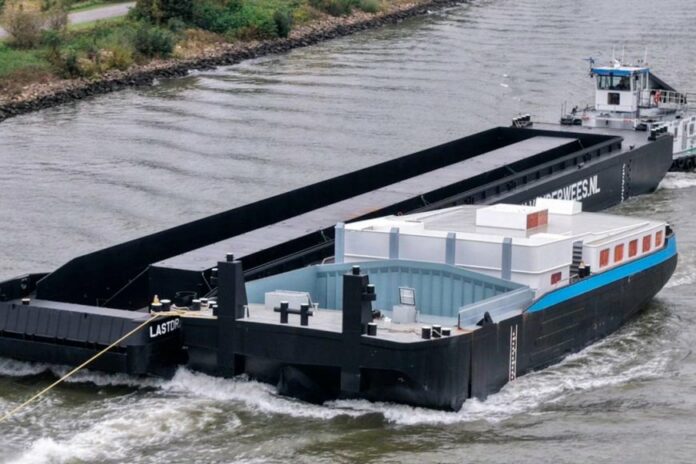
Concordia Damen has received a new contract from Reederei Deymann, one of Germany’s largest inland shipping companies, for the extensive refit of a dry cargo vessel Hirschhorn.  

The refit involves the complete renewal of the aft ship. Originally equipped with a single engine, single propeller shaft and an outdated living and wheelhouse arrangement, the vessel will undergo a transformation at Concordia Damen’s yard in Werkendam.  

The aft section will be cut off in front of the accommodation to replace the old configuration with a twin-shaft propulsion system powered by two new, fuel-efficient diesel-electric 630 KWE engines. 

In addition, the accommodation and wheelhouse will be completely rebuilt, offering greater comfort, improved ergonomics and visibility, and compliance with modern operational standards.

The refit will significantly extend the vessel’s lifetime, enhance propulsion efficiency and reliability, and reduce fuel consumption and emissions. In addition, the new configuration enables the vessel to sail in shallow water conditions. 

Bert Duijzer, Technical Director, at Concordia Damen, says:

“This project shows how a well-planned refit can give a reliable vessel a new life. We are proud to support Reederei Deymann in keeping their fleet efficient, sustainable and competitive for years to come. Our team in Werkendam has started the work, and we look forward to delivering another successful project together.”

Berg Propulsion secures second Arriva retrofit project

0

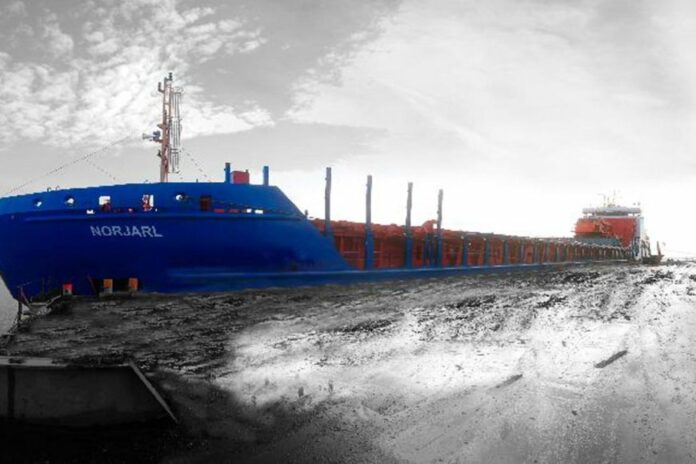
In January this year, long-established Berg Propulsion customer Arriva upgraded the general cargo vessel Norjarl (5,335 gt) to include Berg’s MPC800 control system and Dynamic Drive. The project sought to optimize energy use at a reduced operating speed so that the 2009-built ship would retain its competitive edge in shipping’s low carbon era.

Monitoring over several months to track Norjarl’s performance in the North Sea and Baltic Sea has confirmed overall fuel savings of above 10 percent, according to Arriva. The results have led the owner to contract a second Berg retrofit involving the 4,183 gt general cargo carrier Norbris.

“The Norjarl project showed the impact introducing state-of-the-art control technology could have when an existing ship is designed and maintained to the highest standards,” said Paul Helland, Technical Manager, Arriva Shipping. “After verifying the gains, we move forward with Norbris.”

Installed with a MAN 6L32/40 engine, Norjarl previously featured propulsion control from another supplier. In the case of Norbris, built in 2002, the MPC800 control unit and Dynamic Drive will supersede existing Berg Propulsion ERC2000 technology to work with the ship’s MaK 6M32C engine. In both cases, the combination of Dynamic Drive and auxiliary generators provides an economical route to flexibility in engine speed control, said Magnus Thorén, Energy & Efficiency Sales Manager, Berg Propulsion.

“We have installed control systems and the Dynamic Drive solution on board several Arriva newbuilds, and the owner has become a key Berg Propulsion customer in Norway,” said Thorén. “The Norjarl retrofit involved close collaboration through installation and performance evaluation, so it is especially pleasing that the owner is confirming that the thinking behind the first project has been borne out by experience to drive a second.” 

Energy & Efficiency projects helped owners extend the life of pre-2010 ships to compete at a time of volatile fuel costs, emissions trading and carbon intensity ratings, added Thorén.
 
The follow-up project is also a notable success for Saga Marine, which represents Berg Propulsion in Norway. Eirik Lutnaes, Saga Marine, said: “There are plenty of good quality ships out there with the potential to perform cost effectively, competitively and sustainably using modern control and drive technology. We are delighted to work with Berg Propulsion in support of Arriva’s fleet renewal strategy.”

Incat Crowther to design next generation offshore support vessel for Carpentaria Marine

0

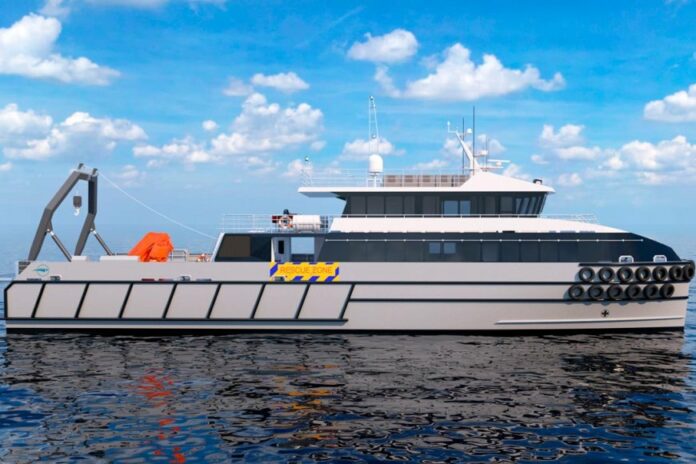
Carpentaria Marine Services (Carpentaria Marine) is expanding its fleet after commissioning Incat Crowther to design a new multi-purpose offshore support vessel. 

The new vessel will be utilised by Carpentaria Marine for a range of services including marine construction, dive operations, underwater surveying and remotely operated vehicle operations. The new vessel is anticipated to begin operation in 2026.

The 37-metre vessel will add to Carpentaria Marine’s growing fleet of specialist marine services vessels and follows the operational success of Strait Shooter 1, a 28-metre workboat designed and delivered by Incat Crowther and Richardson Devine Marine in 2010.

Powered by two Cummins QSK50 engines, the new vessel has been designed to support long-term, remote operations with a robust hull form suitable for offshore missions and capacity for 68,000 litres of fuel and 24,500 litres of water. Capable of reaching speeds of up to 24 knots, the innovative design features a large aft deck, with operational capability enhanced by the inclusion twin bow thrusters for station-keeping. The vessel’s myriad roles are bolstered by the capacity to carry up to four 20-foot containers, 15-tonne A-Frame winch, knuckle boom crane capable of lifting 15 tonnes, workshop locker room, as well as a moonpool for survey operations on the hull deck.

The accommodation is located over three decks and contains sleeping and service facilities for a crew of 28 in ten cabins. The upper deck includes two officers’ quarters with bathrooms, study and lounge areas, alongside the bridge. The main deck features a wet room, a galley, pantry and mess, a large lounge area, as well as the owner’s cabin and three crew cabins, all with bathrooms. The hull deck features four crew cabins, each sleeping four, and a further four bathrooms.

Vance Wallin, Managing Director of Carpentaria Marine said, “Following the success of Strait Shooter 1,it made sense to partner with Incat Crowther and Richardson Devine Marine once again as our fleet continues to grow. We are very confident Incat Crowther will help us turn our vision of creating a state-of-the-art, industry-leading, multi-purpose offshore vessel into a reality.”

Technical Manager at Incat Crowther Sam Mackay said: “Our team has worked closely with Carpentaria Marine to improve and increase the capability of this vessel to meet an expanded range of mission requirements. This will allow the company to expand its operations and service offerings to the Australian maritime industry. This project also demonstrates Incat Crowther’s sovereign design and manufacturing capability – with the vessel designed and constructed in Australia.”

Ukrainian Defense Forces strike oil terminal and tanker in Russian Tuapse

0

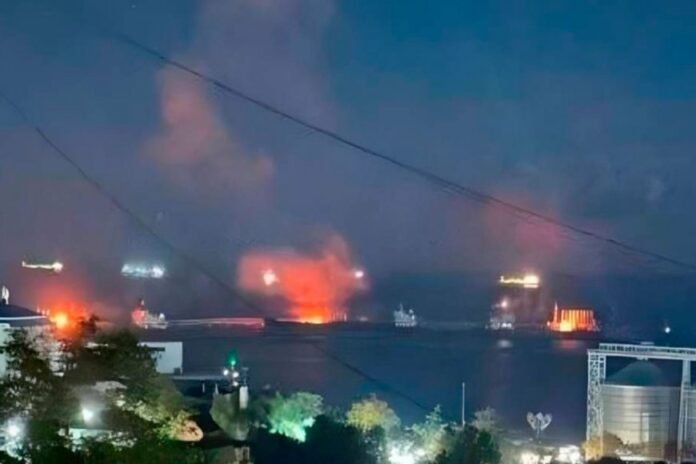
During the night of November 2, residents of Russia’s Krasnodar region reported hearing multiple explosions. Later, the regional operational headquarters confirmed the attack, stating that “port infrastructure was damaged, causing a subsequent fire.”

At least three fire sources were recorded at the Tuapse seaport following a drone attack. Two of them were located at the deep-water berthing facility, and another at the oil terminal near the Southern Mole area.

According to the report, the attack caused a fire at the deep-water berthing facility of RN-Tuapse Marine Terminal LLC(berths No. 1A and No. 1B) – the “oil pier” of the Tuapse Oil Refinery. It is used for loading dark and light petroleum products onto tankers.

This is a port facility specifically built for loading petroleum products onto tankers. It is directly connected to the Tuapse Oil Refinery and serves its export operations.

The CyberBoroshno open-source intelligence group has also confirmed this information. According to their data, the deep-water berth and, likely, the oil-loading pier were hit.

The berth was commissioned in 2013 and can handle up to 7 million tons of products per year. It can accommodate vessels up to 250 meters long with a draft of up to 15 meters.

Analysts note that the strike hit the central loading trestle, which serves as the main hub for transferring crude oil and heavy petroleum products between the terminal’s onshore storage tanks and tankers.

According to official reports from local authorities, who confirmed damage to the port’s infrastructure, one of the moored tankers was affected:

“In the port of Tuapse, fragments of drones fell onto an oil tanker. The deck superstructure was damaged. The tanker’s crew was evacuated. A fire broke out on the vessel. Buildings and terminal infrastructure were also damaged. In addition, the glass facade of the railway station building was shattered. According to preliminary information, there were no casualties,” the Krasnodar regional operational headquarters reported.

According to Andrii Klymenko, head of the Institute for Strategic Black Sea Studies, during the Ukrainian attack on the Tuapse seaport on the night of November 1–2, 2025, three tankers were near the oil terminal: two Greek (POLLUX and COAST BUSTER) and one Turkish (CHAI). The fire likely broke out on the Turkish tanker CHAI.

At the end of September, Ukrainian maritime drones executed their first attack on Russian oil export infrastructure in Tuapse. At that time, a sea kamikaze drone struck one of the oil-loading piers.

Source: militarnyi

FLOWRA and ClassNK to collaborate

0

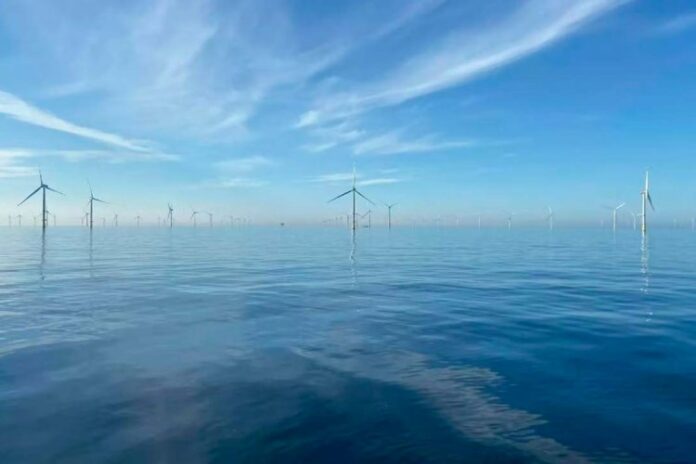
The Floating Offshore Wind Power Technology Research Association (FLOWRA) of Japan and Nippon Kaiji Kyokai (ClassNK) have signed, a Memorandum of Understanding to explore technology development cooperation in the field of floating offshore wind. 

FLOWRA is a technical research association that works with overseas organisations to research and develop common basic technologies for floating offshore wind to reduce costs and risks.

ClassNK is an independent, non-profit international classification society, ensuring maritime safety and environmental protection through comprehensive inspection and certification services across a global network.

Masakatsu Terazaki, Chairperson of FLOWRA Board of Directors, said:

“ClassNK is a globally respected classification society with a long history and proven achievements. It has consistently contributed to maritime safety, the protection of human life, and the preservation of the marine environment. In recent years, it has taken on a key role in promoting a carbon-neutral society by providing impartial inspection and certification services in the renewable energy sector, including offshore wind.

Since FLOWRA was founded, we have built a strong working relationship with ClassNK through technical exchanges and expert advice on the development and standardisation of floating offshore wind technologies. Signing this formal agreement strengthens our partnership and supports the advancement of technology and its early integration into society.”

Hayato SUGA, President & CEO of ClassNK, said:

“The development of technologies, standards, and specifications that FLOWRA aims to establish as a common foundation for floating offshore wind power will play a vital role in the large-scale deployment and industrialization of floating offshore wind power in the future. We fully endorse this objective and have consistently worked with FLOWRA, and, and we are honored to formally conclude a Memorandum of Understanding (MoU) with FLOWRA.”

Wattlab delivers first full-scale Solar Flatrack installation on coaster MV Vertom Tula

0

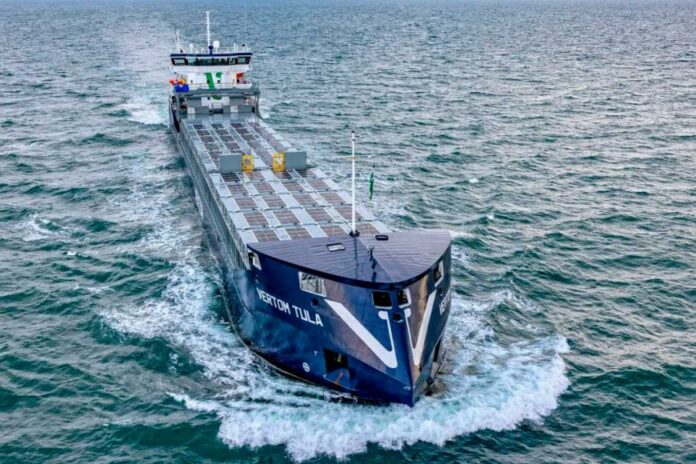
The recently delivered ‘MV Vertom Tula’ is a 7,280 dwt diesel-electric multipurpose cargo vessel. The solar system represents a major technical milestone and a step forward for sustainable shipping. Wattlab has delivered and installed 44 Solar Flatracks that will provide power to onboard systems, reducing 20% of the hotel load.  

Vertom operates a fleet of over 100 vessels, ranging from 1,500 to 12,000 DWT. In addition to Shipping & Trading, Vertom’s portfolio consists of Port Agencies & Freight Forwarding, Maritime Services, Tanker Chartering, and Liner Services. 

The company has a strong track record in the Short Sea Shipping market, and aims to operate as sustainable as possible. To understand and test Wattlab’s new technology and benefits, Vertom executed two pilot projects with Wattlab before deciding to fully outfit this newbuild. 

After production and assembly in September in Wattlab’s brand new production facilities in Rotterdam, the 44 Solar Flatracks were installed onboard within a day in the Port of Harlingen. Bo Salet, co-founder and CEO of Wattlab, explains that the Solar Flatracks can be installed in a minimum amount of time using container twist lock fittings: 

“For shipowners, time is money, so speed and ease of use are important. Furthermore, we know that ‘space is money’ too. Hence, should the panels need to be removed to make way for a special type of cargo, the crew can easily stack and store them all on the footprint of one 20ft container.”

“We thank Vertom for their trust and the smooth collaboration in the past three years. Without them we could not have achieved this milestone; that goes both for the vessel itself as for the technology. We wish the Vertom Tula and its crew fair winds and following seas! In addition, we thank the EU’s Just Transition Fund (JTF), which co-financed this project.”

Thomas van Meerkerk, Business Development Manager at Vertom, says:

“During the pilots, the test results showed that the Solar Flatrack system performs well in the tough coastal shipping environment. Based on the results of our own and TNO’s research in the past months, we consider Wattlab’s Solar Flatrack an effective option for reducing GHG and pollutant emissions. Of course, these things also depend on the conditions our vessels operate in, but it’s clear that the system can provide both a positive ROI and contribute to CO₂ reduction in shipping. 

“Another benefit is that the panels can stay on the hatch covers during loading and discharging operations. The crew was sceptical at first, fearing a lot of extra work. However, they soon learned that in practice, Solar Flatracks are easy to use and require minimal maintenance. For example, there’s no salt crust formation, because the water can drain freely from the panels.”

Fugro awarded four multi-year contracts by Petrobras

0

The contracts, once signed, will commence in the fourth quarter of 2025 and span four years with potential one-year extensions, underscoring Fugro’s commitment to providing essential services for the offshore energy sector.

Each of the four day-rate contracts is assigned to a dedicated vessel — two operated by Fugro and two by partner companies— all of which will be equipped with Fugro’s state-of-the-art remotely operated vehicles (ROVs) for comprehensive and precise inspection and monitoring of subsea assets.

The combined value of the contracts over the next four years is approximately USD 340 million. Three out of the four, including the one awarded to Fugro Aquarius, are set to replace existing contracts expiring later this year, under improved terms and conditions. The fourth contract is new.

Notably, these contracts will see an expansion of Fugro’s pioneering remote operations capabilities, including the remote piloting of ROVs. This innovative technique was first deployed successfully in Brazil from the Fugro Aquarius in 2023, in collaboration with Petrobras. The approach relocates people from the field to the office environment, enhancing efficiency, and enabling real-time data analysis for faster decision-making.

Céline Gerson, Fugro’s Group Director in the Americas and President of Fugro USA, stated, “These new contracts from Petrobras demonstrate the deep value of our long-standing partnership in Brazil’s offshore energy sector. Being selected for this crucial work, which will extend through the decade, fuels our continued drive for innovation and unwavering commitment to excellence as we work collaboratively to ensure a responsible and resilient energy future in the region.”

This project was largely included in the 12-month backlog as per March 2025 (Fugro’s latest published results).

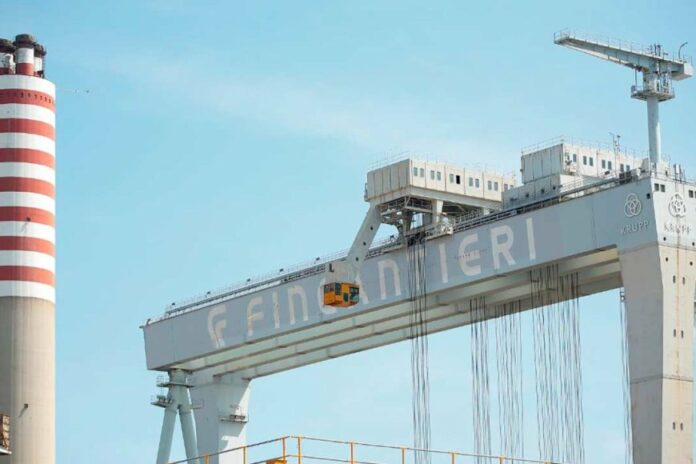
Fincantieri and Saudi Arabia sign agreement to develop maritime ecosystem

0

Fincantieri and the Ministry of Industry and Mineral Resources of the Kingdom of Saudi Arabia have signed a Memorandum of Understanding (MoU), aimed at fostering the development of and advanced, sustainable, and technologically driven maritime ecosystem, in line with the objectives of Saudi Vision 2030.

The agreement was signed in Riyadh by Pierroberto Folgiero, CEO and Managing Director of Fincantieri and by Saleh Shabab Al-Solami, CEO of the Industrial Center of the Ministry of Industry and Mineral Resources, in the presence of the Italian Deputy Minister for Enterprises and Made in Italy, Valentino Valentini, and the Italian Ambassador to Saudi Arabia, Carlo Baldocci. It marks a significant step in strengthening cooperation between Italy and Saudi Arabia in the industrial and technological domains, promoting the transfer of know-how and expertise to support the Kingdom’s long-term industrial transformation and diversification efforts. It establishes a framework for collaboration in the design, construction, and maintenance of vessels, as well as the development of dual-use offshore platforms and integrated marine and infrastructure projects.

The partnership also foresees close coordination with specialized companies, educational institutions, and research centers, under the umbrella of the Saudi Industrial Center, to enhance capacity building in areas such as advanced marine systems integration, smart shipyard technologies, green propulsion systems, digital transformation, cybersecurity, and technical training.

For Fincantieri, this agreement represents a further milestone in its growing presence in Saudi Arabia and consolidates the Group’s strategic positioning in the Kingdom. After the opening last May of the offices of Fincantieri Arabia for Naval Services in Riyadh, the Group strengthened its regional footprint and reaffirmed its enduring commitment to the Kingdom.  It is fully aligned with the long-term industrial vision, known as the “Long Wave”, which focuses on collaboration, innovation, and the transfer of knowledge and skills.

This collaboration complements Fincantieri’s ongoing partnerships already established with leading Saudi institutions, including the Saudi Red Sea Authority (SRSA), and the King Abdullah University of Science and Technology (KAUST), reinforcing the Group’s role as a trusted partner in the growth of Saudi Arabia’s maritime and industrial capabilities.

“This agreement represents a pivotal step in our long-term strategy in Saudi Arabia,” said Pierroberto Folgiero, CEO and Managing Director of Fincantieri. “By combining Fincantieri’s global expertise with the Kingdom’s industrial vision, we are ready to build an advanced and sustainable maritime ecosystem aligned with Vision 2030. We aim to remain an active contributor to Saudi Arabia’s industrial transformation, investing in the development of local skills and the creation of an innovative and autonomous supply chain. Our commitment is to generate lasting structural value for future generations and the economies of both our countries.”

NYK and PODC sign MoU to collaborate on connectivity of Duqm Port in Oman

0

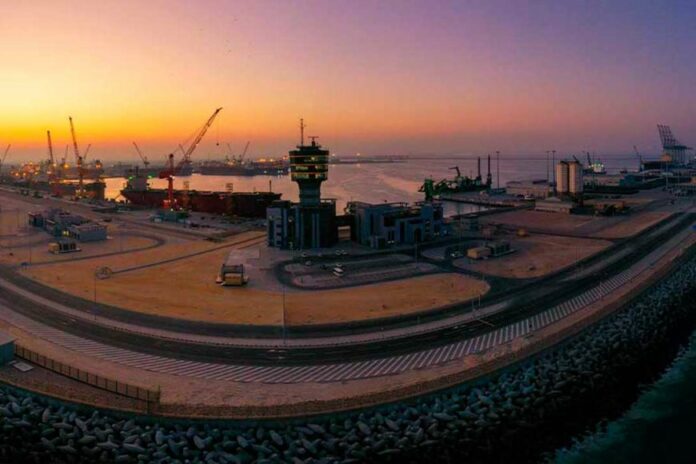
On October 27, Nippon Yusen Kabushiki Kaisha (NYK Line) and the Port of Duqm Company (PODC), which oversees port management and terminal operations in Oman, signed a comprehensive memorandum of understanding (MOU) at Duqm Economic Forum 2025 to collaborate in the development and connectivity of the port of Duqm.

NYK has positioned the Middle East as one of its key strategic regions. On April 1, 2022, NYK established its Middle East region head in Dubai to deepen its regional strategy and enable more agile business development across the area.

Oman, while endowed with natural gas resources, is also globally recognized for its strong potential in renewable energy, which may lead the country to produce cost-competitive green hydrogen.

In particular, the port of Duqm, strategically located outside the Strait of Hormuz, offers significant geographic advantages with its proximity to the Middle East, India, and East Africa.

Furthermore, the area has been designated as the Special Economic Zone at Duqm (SEZAD), offering a range of incentives to attract both heavy and light industries, alongside ongoing infrastructure development.

The port is currently promoting direct reduced iron (DRI), a green steel product, and is expected to become a hub for the production and export of hydrogen and ammonia, leveraging abundant renewable energy sources such as wind and solar power.

Through the signing of this MOU, NYK aims to accelerate concrete discussions with PODC across multiple domains, including support for the green steel industry, the development of alternative solutions for finished vehicle transportation within the Middle East region, and the production and maritime transport of green energy such as hydrogen and ammonia.

Yuji Otsuka, General Manager of Dry Bulk & Energy Business Co-ordination Group, NYK Line:

“We are delighted to have signed a MOU with PODC, marking a new phase in our collaborative relationship following our previous discussions. We will engage in concrete discussions with PODC to build a better supply chain, taking into account the geographical advantages of the port of Duqm and the potential of hydrogen and ammonia production utilizing renewable energy.”

Reggy Vermeulen CEO, Port of Duqm Company SAOC:

“We are very proud of our collaboration with NYK Line, one of the most respected and globally renowned shipping lines. The signing of this MOU is a testament to the strong alignment of vision between NYK and PODC. It reflects our shared commitment to unlocking new growth opportunities and establishing Duqm as a strategic maritime hub in the region. We are confident that this collaboration will make a significant positive contribution to the development and economic growth of Duqm and the Sultanate of Oman.”