7.1 C
New York
Home Blog Page 18

Belfast Harbour: £100m wind farm deal to create 300 jobs

0

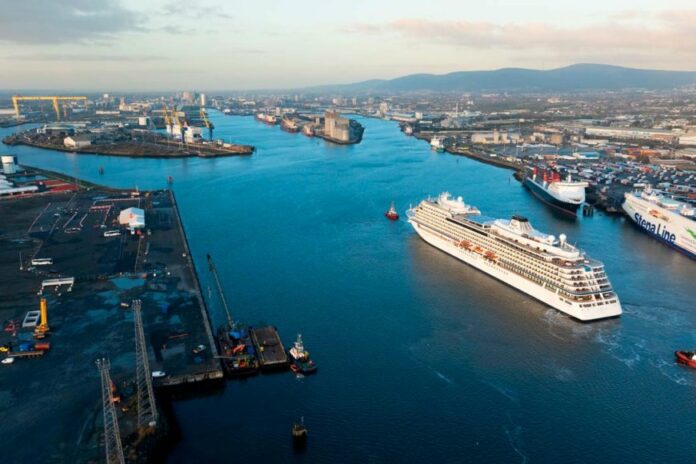
EnBW and JERA Nex bp, joint developers of the Mona and Morgan wind farms, said their lease of Belfast Harbour’s ‘D1 terminal’ will see the assembly and marshalling of wind turbine components for two of the biggest offshore wind farms planned in the Irish Sea.

Once operational, Mona and Morgan could deliver up to 3GW – enough to power the equivalent of approximately 3 million UK households with clean, low-carbon electricity each year and represent a major step forward in the UK’s journey toward net-zero emissions and sustainable energy independence.

To accommodate the projects, enabling works are being undertaken at Belfast Harbour, ensuring the site is ready for use from 2028. Approximately 300 jobs are expected to be created by the deal.

The port, with the commitment from the Mona and Morgan joint ventures, seeks to drive regional economic growth, support the local supply chain and help attract further external investment into the region.

UK Prime Minister Keir Starmer highlighted the deal as he reaffirmed the UK government’s commitment to renewable energy and net zero targets ahead of next week’s COP30 global summit.  

Nathalie Oosterlinck, CEO JERA Nex bp said: “The Mona and Morgan joint venture’s planned commitment of over £100 million to Belfast Harbour is a direct contribution to the infrastructure needed to drive the energy transition. This highlights the power of collaboration in driving energy security – the offshore wind industry can not only power millions of homes with clean, homegrown energy but also support job creation and local economic growth.” 

Dr Theresa Donaldson, Chair of Belfast Harbour said: “Belfast is the only port on the island of Ireland with offshore wind capabilities and we are delighted to work with the Mona and Morgan projects, whose commitment will position the port and local supply chain as central to the deployment of high-capacity wind farms, helping meet demand for clean energy as Northern Ireland, Ireland and Great Britain strive to reach net zero targets.

“As offshore wind technology evolves, ports will play an increasingly central role and Belfast Harbour is uniquely placed thanks to the combination of our existing facility, our expertise, local supply chain and location to be a key enabler of the power stations of the future in the Irish, Celtic and North Seas.”

As a Trust Port, Belfast Harbour reinvests all profits back into the port and Belfast Harbour estate.  This deal has enabled Belfast Harbour to invest £90m in construction works at its ‘D3 terminal’ for a new dual-purpose cruise and offshore wind site. Stage 1 of the project, to build a new deepwater berth, is already under construction.

Stage 2 will see the terminal further reinforced to handle the next generation of offshore wind turbines, with some core components weighing more than 1,000 tonnes. This stage will also enable the provision of shore power facilities, so that vessels can run on clean energy while docked.
NYK supports marine environment restoration project through Seaweed Bed Initiative

0

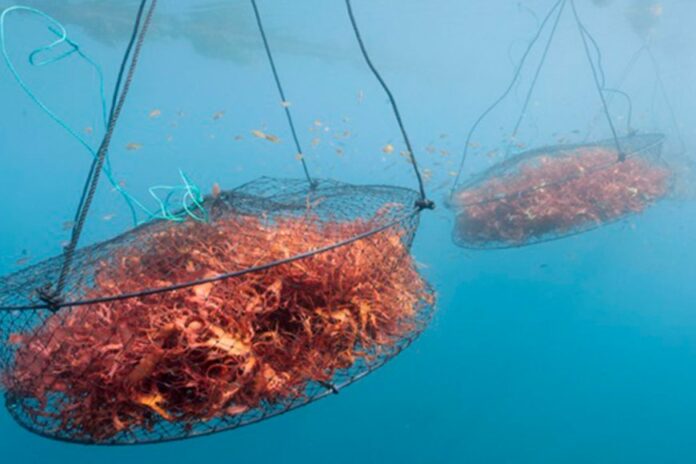
NYK recently provided a donation to Sea Vegetable LLC to support biodiversity enhancement through the development of cultivated seaweed beds. 

Utilizing Sea Vegetable’s advanced seaweed cultivation technology, we will assist in establishing cultivated seaweed beds along the coast of Oga City in Akita Prefecture, with the goal of ecological recovery and the regeneration of marine resources.

A seaweed bed, an area densely populated with seaweed, serves as a crucial “marine nursery” that provides habitat and spawning grounds for various marine organisms. However, in recent years, the decline of seaweed beds has become a serious issue nationwide, largely driven by increased sea temperatures and associated herbivory.

Sea Vegetable implements a project where “cultivated seaweed beds” embody a circular approach. Cultivated seaweed beds are artificially formed environments created through seaweed farming, designed to foster a rich ecosystem that attracts small creatures like amphipods and larger fish alike. In collaboration with local fishers, the initiative involves nurturing and managing these beds, ultimately harvesting the cultivated seaweed as a product to promote sustainable marine environment restoration and regional revitalization.

This initiative aligns with the sustainability initiative “Giving Back to the Sea, the Earth, and Humanity.” 

CSA Ocean Sciences completes environmental baseline survey offshore Mozambique

0

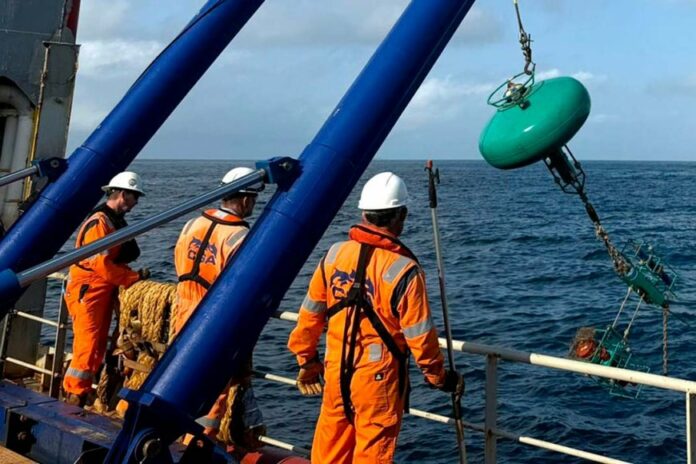
CSA Ocean Sciences Inc. recently completed an extensive Environmental Baseline Survey (EBS) offshore Mozambique for a major oil and gas company. 

CSA provided all the necessary equipment, instrumentation, and field personnel, before chartering and mobilizing a dynamically positioned vessel.

This latest survey campaign is just one of several multidisciplinary projects in recent months that uses CSA’s Mitigation Suite approach to aid offshore developers in the identification of proactive measures to prevent, reduce, or offset any potentially negative marine environmental impacts associated with planned exploration and production (E&P) activities.

Over a 180-day period, CSA’s team of field operators and scientific subject matter experts conducted water column profiling, seawater sampling, plankton net tows, sediment coring, biodiversity observations, passive acoustic monitoring of vocalizing marine mammals, and a current analysis. CSA’s personnel also carried out air quality measurements using gravimetric and spectral absorbance methods to capture aerosolized particulates and gaseous contaminants. The validated data will now be examined for operator effectiveness and compliance over time.

“CSA prides itself on the planning and execution of comprehensive marine survey work scopes that support responsible offshore energy development through scientifically robust data analysis,” said Gordon Stevens, CSA’s President. “Over the past five years, CSA has managed more than 400 projects for offshore oil and gas companies around the globe, and it is this blend of operational experience and scientific expertise that places CSA in a unique position to help guide clients through the local environmental and regulatory landscape, while also prioritizing the need for sustainable E&P activities amid ballooning demand for energy around the world.”

In recent years, CSA has invested heavily in expanding its offshore survey equipment and ocean monitoring toolkit, including subsea imaging systems, acoustic Doppler current profilers, and other instruments for array deployment in waters from the shallows to ultra-deep sites. CSA is currently running several other similar long-term ocean monitoring campaigns around the globe, in waters offshore East Africa, West Africa, South America, and the Pacific Ocean.

“Investing in the latest technologies has always been a hallmark of CSA success over the last 55 years and goes hand in hand with developing best-in-class human resources,” added Mr. Stevens. “Access to our own long-lead equipment and with operators and scientists located at strategic international CSA locations, allows us to respond to customers’ evolving requirements in a timely and cost-effective manner.”

ABB Azipod propulsion to power new Canadian icebreaker, ‘Polar Max’

0

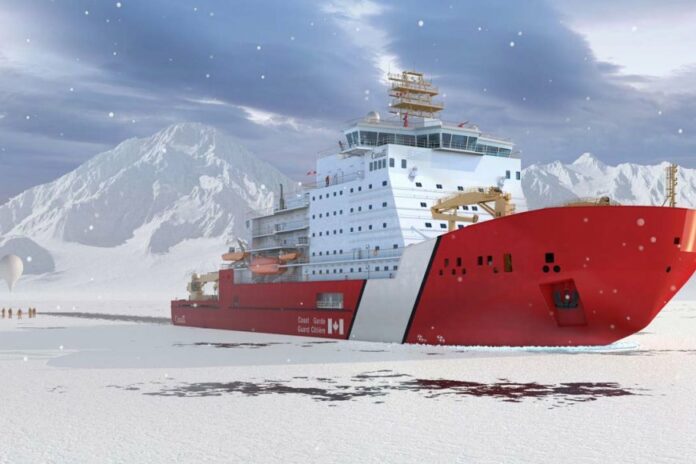
ABB has secured a contract with Helsinki Shipyard to supply a complete electric power and propulsion solution for the Polar Max icebreaker, which is expected to be delivered to the Canadian Coast Guard by 2030.

Uniquely, Polar Max will be constructed through an innovative industrial collaboration between Canadian-controlled facilities in Helsinki, Finland and Lévis, Canada.The 22,800-tonne, 138.5-meter vessel is the first shipbuilding project at Helsinki Shipyard under the ownership of Davie, the Quebec-based international shipbuilder. In addition to icebreaking, the ship will also function as a research vessel, while supporting oil spill response operations and emergency towing, responding to maritime emergencies, and supporting northern resupply missions year-round. 

“For decades, the Azipod® propulsion has consistently demonstrated its capabilities in harsh ice conditions, proving its reliability and performance in the world’s most demanding maritime environments,” said Juha Koskela, Division President, ABB Marine & Ports. “It is an honour to contribute to a project that is not only vital for polar operations but also strengthens the shipbuilding industry cooperation between Finland and Canada.”

Importantly, the Polar Max project aligns with the aims of the Icebreaker Collaboration Effort (ICE Pact), a trilateral partnership with Finland and the United States to coordinate expertise and strengthen the three countries’ abilities to design, build and market best-in-class Arctic and polar vessels. 

ABB’s comprehensive scope of supply will help ensure high performance over the lifetime of the vessel. ABB will integrate the complete power and propulsion solution for Polar Max, comprising of Azipod® electric propulsion units, shaftline propulsion motor, drives, transformers, generators, switchboards, shore connection, LTO batteries, and a power and energy management system. In addition, the vessel will feature ABB’s innovative AX Bridge solution, enabling better situational overview and simplifying the ship maneuvering experience for the bridge crew. 

“The Polar Max project is an important milestone in expanding production and design in Helsinki,” said Kim Salmi, CEO of Helsinki Shipyard. “The project is an excellent example of Helsinki Shipyard’s leading Arctic shipbuilding expertise, which is in significant demand internationally. We look forward to collaborating with ABB on this new build.” 

“Fostering shipbuilding collaborations with trusted partners is essential to advancing shared goals,” said James Davies, CEO, Davie Shipbuilding. This contract consolidates the longstanding relationship between ABB and Davie and reflects our mutual commitment to excellence in polar shipbuilding.”

NORDEN signs two-year contract with US wood pellet producer

0

Enviva is the world’s largest producer of wood pellets, helping to reduce reliance on fossil fuels around the globe with production across the Southeastern U.S.

The contract builds on NORDEN’s long-term partnership with Enviva and expands the co-operation between our two companies. The agreement is an extension to the COA that NORDEN has been executing since 2012. 
 
NORDEN CEO, Jan Rindbo, comments:

“Enviva is a valued customer to NORDEN. We are pleased that our relationship and performance with Enviva has ultimately led to their decision to extend the contract with us. Our collaboration with Enviva allows us to once again deliver wood pellet products, thereby contributing to delivering sustainable energy products to customers across the Atlantic.”

During the two-year contract period, Norden will transport multiple handysize shipments with loading on the east and gulf coasts of the United States to Enviva’s customers in the UK and Europe. 

Damen unveils Combi Freighter 5000 ICE

0

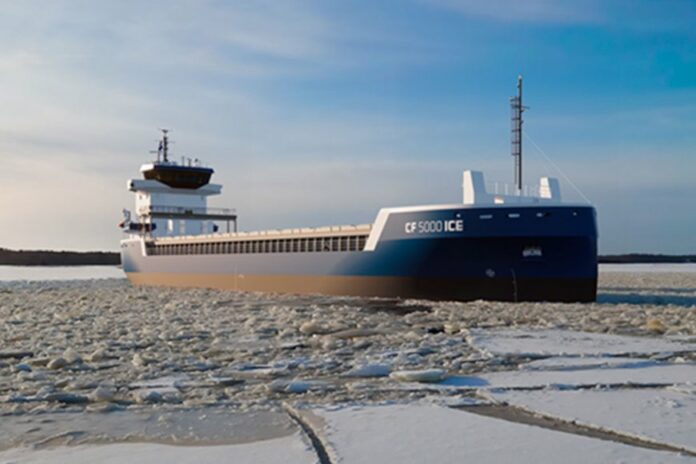
Damen Shipyards Group has unveiled the latest platform in its successful cargo vessels portfolio. 

The shipbuilder announced the launch of the Combi Freighter (CF) 5000 ICE during the Europort 2025 event in Rotterdam. The approach Damen has taken is scalable. As such, the CF 5000 ICE is the first in a new series of ice class cargo vessels. 

Commercial Director of Damen Cargo Vessels Remko Bouma explains the thinking behind the new vessel design. 

“Our aim has been to leverage the experience and the success we’ve enjoyed with our next generation cargo vessels to create a platform capable of economic ice navigation. The CF 5000 is equally at home in open water and in ice, maintaining both the optimal cargo capacity and high efficiency of the conventional vessel. As always, we have worked in close consultation with vessel operators, incorporating their input to create a practical, dependable vessel, suited to operations today and tomorrow.”

The CF 5000 ICE draws on Damen’s experience with the delivery of numerous next generation CF 3850 vessels, as well as the construction of conventional CF 5000 vessels. In the development of the latest vessel, however, Damen has optimised the design. This has involved a slight increase in the length of the hull, as well as the draught with the goal of increasing deadweight tonnage. 

Though modest, the modifications have resulted in a considerable increase in cargo capacity. Damen is planning to implement these latest adaptations into the next generation of conventional CF 5000 vessels. 

The CF 5000 ICE conforms to Swedish/Finnish Ice Class rules and can comply with the latest Finnish flag regulations. As such, the vessel offers space for high quality accommodation including sauna and gym facilities. The CF 5000 ICE features a comprehensive winterisation package, suitable for its capabilities to operate in temperatures as low as -30.

To retain the vessel’s high levels of efficiency, the power required to operate on ice class is generated with a hybrid PTO/PTI system, as opposed to the vessel’s main engine. 

In this way, the vessel is able to operate on a relatively small, highly efficient propulsion system during regular options, receiving a boost in propulsion power, in a sustainable manner, only when required. 

This is just one of the many features Damen has incorporated into the design to ensure sustainable performance. The vessel also features a number of options for battery installation and shore connectivity. Combining the use of the hybrid PTO/PTI with batteries allows for peak shaving, as well as sailing on full electric propulsion for short periods of time, for example in port or in environmentally sensitive areas.

Additionally, the CF 5000 ICE is able to sail on low emission biodiesel. Damen has also prepared the vessel for wind assisted propulsion. The vessel comes with the foundation for a ventofoil in place so that the decision to enhance sustainable performance can be quickly implemented. 

The vessel will also feature access to Damen’s connectivity solution, Triton. The award-winning IoT platform gathers data from sensors around the vessel, providing crew and fleet managers with regular system and asset health updates, and giving valuable insights into fleet and vessel performance. Additionally, Damen Triton eases maintenance tasks by giving the crew accurate instructions that help keep systems in optimal condition. 

Damen is planning to begin construction on the first CF 5000 ICE soon. The vessel is expected to be completed mid-2027, in time for winter that year. As with all Damen’s CF vessels, the CF 5000 ICE is to be constructed in Asia. In this way, the vessels are built cost-efficiently, to Damen standards. 

Following delivery, the company continues to provide support to its clients via the Damen Cargo Vessels aftersales and service team in the Netherlands. Comprised of experienced engineers and maritime service managers, the team maintains close contact with clients and their vessels to ensure warranty care as well as swift support in the event of an issue arising.  

Stena Bulk vessels deploy Inmarsat NexusWave

0

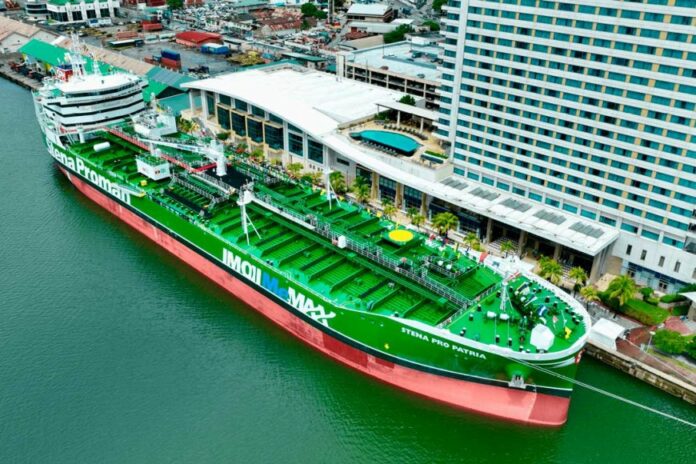
Inmarsat Maritime, a Viasat company, is installing NexusWave on board selected Northern Marine Management Ltd (NMM) vessels operated by Stena Bulk and Proman Stena Bulk. This is part of their ongoing strategy to continually improve crew welfare through enhanced communications.

Building on existing onboard connectivity provisions, NMM recognises the growing importance of high-speed internet access in attracting and retaining talent and supporting operational performance. The implementation of NexusWave reflects NMM’s commitment to deliver even better, more homelike internet experiences for its personnel.   

Inmarsat’s NexusWave is designed to deliver exceptional aggregated speeds, 99.9% availability, global coverage, secure-by-design infrastructure, and unlimited data to ensure seamless, uninterrupted crew communications wherever a ship is operating – whether in a busy shipping lane or a congested port.

The fully managed bonded connectivity solution enables seafarers to enjoy improved internet access while onboard, supporting activities such as staying in contact with family and friends, managing their finances, browsing and uploading to social media, streaming and downloading online entertainment, and undertaking remote learning courses.

This enhancement supports NMM’s commitment to promoting well-being, personal growth, and job satisfaction among its seagoing workforce, strengthening its reputation as an employer of choice.

John Cook, Ship Management Director, Northern Marine Group, said: “High-quality onboard connectivity has long been part of our approach to supporting crew welfare, recruitment, and retention. As expectations evolve, so too must our solutions. Northern Marine Management’s implementation of Inmarsat NexusWave on selected vessels represents a significant step forward for the Stena Bulk and Proman Stena Bulk vessels under our management.

“We continue to explore and implement a range of connectivity solutions across our entire managed fleet, with NexusWave forming a key part of the strategy for selected vessels.”

Robert Mathieson, Sales Manager, Inmarsat Maritime, said: “By integrating NexusWave into their connectivity strategy, Northern Marine Management and Stena Bulk and Proman Stena Bulk have confirmed their status as technologically progressive industry leaders who are committed to promoting the happiness and development of their seafarers. The move will have a positive impact not only on crew welfare but also, as a direct consequence, on the reputation and operational performance of both companies.”

Wärtsilä Lifecyle Agreement selected by Japanese ferry operator to support service reliability

0

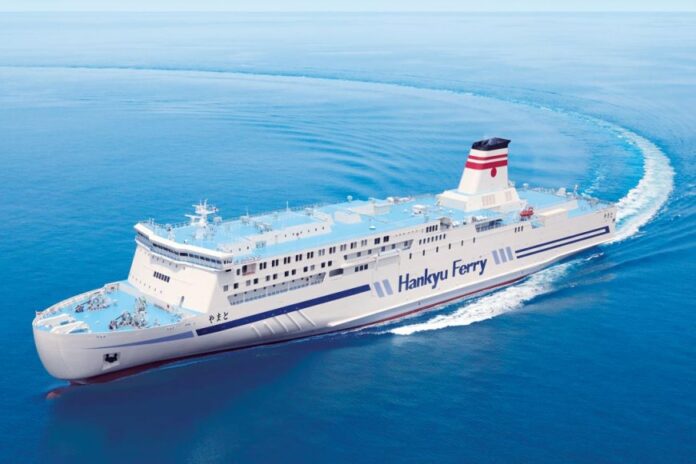
Technology group Wärtsilä has signed a nine-year Lifecycle Agreement with Japanese domestic ferry operator Hankyu Ferry. 

The ships’ performance is of particular importance, since Japan’s ferry industry is one of the most advanced and efficient in the world, and operators are required to meet strict environmental and safety regulations. The order with Wärtsilä was booked in Q3 2025.

Ferries play an important role in meeting the growing demand for environmentally sustainable transport options. This means ferry operators are under pressure to reduce costs, fuel consumption and emissions, all while keeping to vessel schedule without delay for the passengers. The Yamato and Settsu ferries carry trucks or cargo (such as foods) between Kansai and Kyushu. This is key for supporting a major challenge faced by the region with a lack of truck drivers and also for helping long-ride truck drivers rest while travelling onboard. With this in mind, operators such as Hankyu Ferry, are increasingly looking towards services and solutions which enable operations to run smoothly and efficiently.

“It is important that our ferries can operate sustainably, without disruption, which is why we have chosen to take advantage of this long-term lifecycle agreement with Wärtsilä. This allows us to focus on serving our customers, since we can be confident that the ships’ maintenance is being expertly handled,” comments Tsutomu Nishioka, Technical Manager, Hankyu.

The agreement includes remote operational support, partnership management, and condition monitoring systems, including Wärtsilä’s predictive maintenance service Expert Insight. In addition to providing reliable performance, the optimised maintenance procedures ensure best possible fuel consumption and lowest emissions.

“Hankyu is required by the Japanese authorities to fulfil stringent local environmental and operational requirements. They also take pride in delivering reliable, efficient and sustainable transportation. We then support the vessel’s crew remotely. With data we look to prevent things that can go wrong and if something happens we can then get the vessel back into operation as soon as possible. This new agreement will help Hankyu continue to meet the demands and requirements of their customers,” says Henrik Wilhelms, Director, Agreement Sales, Wärtsilä Marine.

Wärtsilä’s Lifecycle Agreements continue to deliver operational reliability and efficiency, as well as cost predictability, to owners and operators around the world. These agreements are tailored to the customer’s unique needs by combining the right services and solutions into a comprehensive agreement package.

Wilhelms continues: “With our Lifecycle Agreements, we provide a ‘one-stop-shop’ support and we minimise the environmental impact by ensuring maintenance procedures are optimised and sailing schedules are assured.”

The 195-metre long ferries, which were launched in 2020, serve the Shinmoji – Kobe route. Both vessels feature the highly efficient Wärtsilä 31 engine.

Europe’s first fully automated parking system to be constructed at the Port of Zeebrugge

0

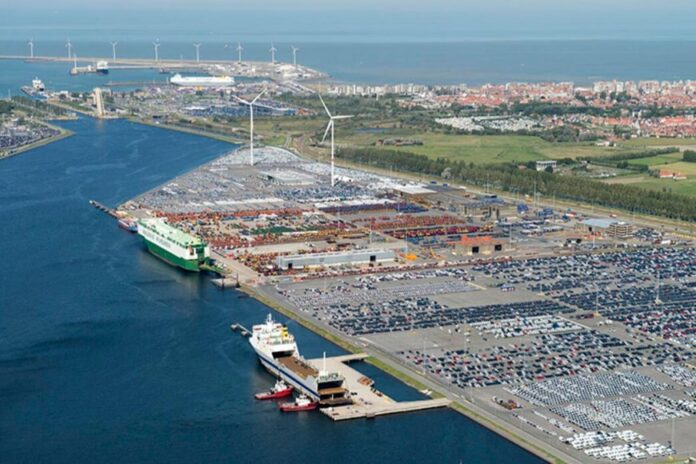
On September 15th, International Car Operators N.V. has obtained formal approval from the Belgian government for the construction of a fully automated multi-level parking facility at its finished vehicle terminal in the port of Zeebrugge, Belgium. This facility will be the first of its kind at a European finished vehicle terminal.

The project aims to enhance operational efficiency and cut GHG emissions, thereby contributing to the development of the automotive supply chain in Europe in the most environmentally friendly way.

ICO’s current vehicle terminal is among the largest in the world and boasts the largest cargo handling capacity in Europe. The facility presently has flat parking surfaces spanning 250 hectares with a combined capacity of approximately 75,000 vehicles.

The construction of this new, automated multi-level parking system on a 2.5-hectare footprint will add approximately 10,000 parking spaces. This expansion will enable ICO to increase its annual vehicle handling capacity from 2.5 million to 3 million units, positioning the facility to accommodate the growth of the European automotive market.

Additionally, the multilevel parking system offers enhanced efficiency and flexibility. Rather than requiring drivers to manually maneuver vehicles, the automated system enables drivers to simply activate an entrance device, after which the technology seamlessly relocates vehicles within the multi-level garage. This automation minimizes risks of human error and bolsters the safety of cargo operations.

In addition, all cargo-handling machinery in the new facility will be powered by electricity generated from wind turbines** installed at the terminal. Furthermore, the terminal’s close proximity to ship-berthing positions reduces the driving distance between the parking facility and the vessels, contributing to a significant reduction in GHG emissions.

Damen delivers Combi Freighter 3850 Holger G. to Reederei Gerdes in Vietnam

0

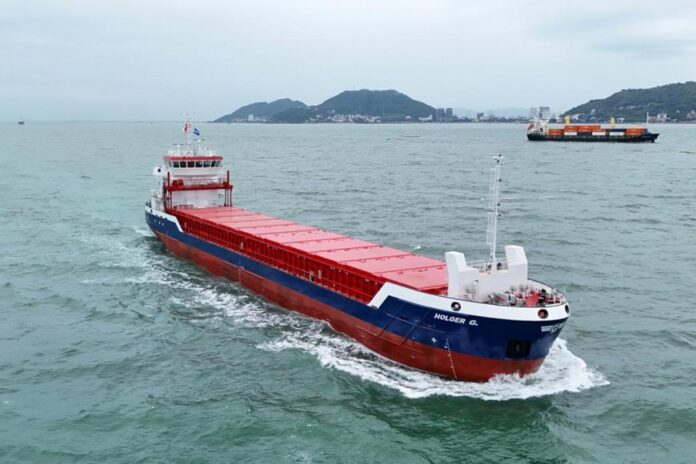
On 7 October, Damen Shipyards Group delivered its latest Combi Freighter (CF) 3850 to family owned German shipping company Reederei Gerdes. 

Damen’s CF 3850 represents the latest generation in the shipbuilder’s successful cargo vessel portfolio. The proven vessel design has been optimised for modern operations and features optimal efficiency and maximum cargo capacity. With its box-shaped hold, combined with multiple positioning options for the two grain bulkheads and tween deck, the vessel provides exceptional flexibility for transporting both bulk and breakbulk cargo. 

Designed and engineered in Drachten, the Netherlands, and built to Damen’s high standards in Vietnam, the CF 3850 comes with full aftersales support from the Netherlands.

There is a longstanding cooperation between Damen and Reederei Gerdes, with Damen having delivered eleven to the company over the years. The latest delivery prior to this one was the CF 3850 Helga G. in July this year. In the development of its vessels, Damen has taken into account feedback from Reederei Gerdes, making design modifications to enhance onboard living and working conditions.

Speaking during the delivery ceremony in Vietnam, Nicole Gerdes, Managing Director of Reederei Gerdes, remarked, “We have always believed a ship is more than a piece of steel – she becomes one of the family. That is why we are highly selective in choosing the vessels we build and the partners we work with. Damen is an international shipyard, yet it has preserved the essence of a family company. We see this in their approach to finding solutions. Even in difficult situations, Damen always works with us to find an outcome that is in everyone’s best interest.”

Remko Bouma, Commercial Director of Damen Cargo Vessels, commented, “We are proud to continue our collaboration with Reederei Gerdes, and we look forward to delivering the following two vessels currently under construction in Vietnam. Our trust in this partnership is strong, and we are committed to supporting each other throughout the process.” 

The vessels he mentions will be operated by over-C, a company founded as a partnership between Reederei Gerdes and Dennis Clavier. Over-C has specialised in coaster chartering across Europe for more than 20 years, building long-term customer relationships based on trust and reliability. The company combines deep market expertise with an openness to partnerships and innovation.