7.3 C
New York
Home Blog Page 20

Indian container terminal invests in 30 Konecranes RTGs with E–Hybrid technology

0

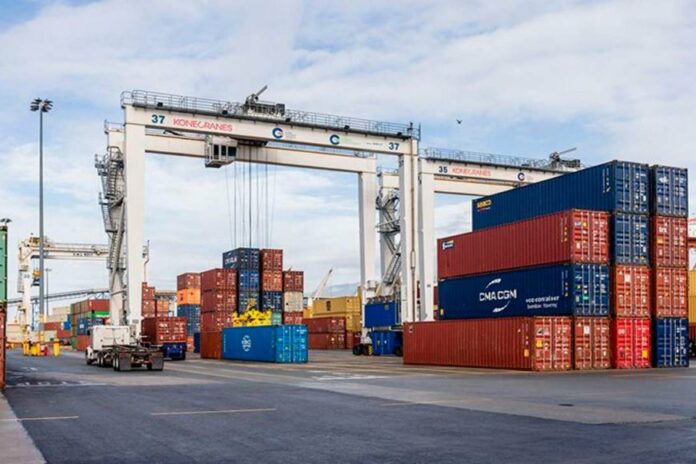
The cranes will run entirely on onboard batteries charged by grid electricity, ensuring efficient energy consumption and zero tailpipe emissions. The order was booked in Q3 2025 and delivery is scheduled for Q1 2027.

The greenfield container terminal is designed to set new benchmarks for container handling in India. The 30 Konecranes RTGs will underpin yard operations and drive the terminal’s eco-efficiency mission.

All of the cranes will be fitted with Konecranes’ E-Hybrid technology, which can be configured in different ways for fully electric operation with zero tailpipe emissions. The terminal has selected a busbar-and-battery configuration. The RTGs are fully powered by onboard battery packs, allowing continued operations even if grid power is lost. The batteries are charged dynamically by the busbar power supply based on need during operation.

Konecranes’ E-Hybrid technology reduces peak power demand to only 60 kW per RTG, compared with up to 400 kW for traditional electric RTGs. This eases pressure on the local grid and reduces capital expenditure on electrical substations.

“This greenfield project shows how far Konecranes E-Hybrid technology has come. We’re demonstrating to the wider container handling industry that large terminals can now launch with fully electric operations, even if their grid supply is unreliable. This is a new reference point for terminal design and investment in Ecolifting,” says Shyam Pathak, Sales Director, Konecranes, Port Solutions.

Ecolifting is Konecranes’ vision to increase its handprint – meaning the beneficial environmental impact that can be achieved with our product and service portfolio – while reducing customers’ carbon footprints. From eco-optimizing diesel drives, to hybridization and fully-electrified fleets, we will continue to do more with less.
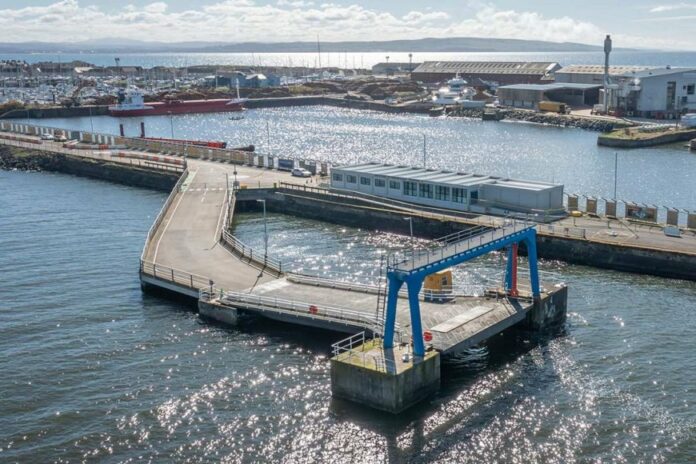
ABP invests in Port of Troon to support reliable lifeline ferry service to the Isle of Arran

0

The investment, 100% funded by ABP at no cost to the Scottish taxpayer, focused on the refurbishment of the linkspan’s main hydraulic lifting cylinders – critical pieces of infrastructure that enables vehicles and passengers to board ferries safely and efficiently.

The works were carefully timed to avoid disruption to ferry operations, with ABP’s local team and contractor Laing Marine, working intensively within a tight seven-day window. Thanks to their dedication and close coordination with CalMac, the linkspan was returned to service on schedule, avoiding any cancellations to the vital ferry connection for the island community.

Bryan Davies, Divisional Port Manager at ABP said: “This project demonstrates ABP’s commitment to maintaining critical infrastructure and supporting the communities that rely on our ports. The successful delivery of the linkspan upgrade is a testament to the professionalism of our team and partners.

“We look forward to continuing to provide a high-quality service with minimal disruption and consistently low rates of ferry cancellations from the mainland to the Isle of Arran. This is especially important during key moments for the island like the Arran Food Festival and the Brodick Highland Games, which bring more visitors to the island.”

The Port of Troon continues to play a critical role in supporting ferry operations while the future of Ardrossan remains unknown. In 2024, Troon handled over 90,000 passengers, 31,000 cars and more than 1,200 commercial vehicles, with a cancellation rate of just 2%.

The latest upgrade builds on a £6 million investment in the East Pier Ferry Terminal, which included a new terminal building and car parking facilities. Troon is fully equipped to accommodate the new larger ferries, Glen Sannox and Glen Rosa, without the need for further public investment.

ABP’s investment ensures the port remains a reliable gateway for the Isle of Arran and reflects its broader strategy of investing in infrastructure across its network of UK ports.

US kills 14 in strikes on four alleged drug boats in Pacific

0

The United States military carried out deadly strikes on four vessels operated by “designated terrorist organizations” trafficking drugs, killing 14 people, Secretary of War Pete Hegseth said.

“The four vessels were known by our intelligence apparatus, transiting along known narco-trafficking routes, and carrying narcotics,” Hegseth posted on his X account. 

A Pentagon official, who spoke on the condition of anonymity to freely discuss the operation, said the strikes were conducted off the coast of Colombia. 

Hegseth labeled the victims “narco-terrorists.” 

“We will track them, we will network them, and then, we will hunt and kill them,” he concluded.

The death toll from the 13 disclosed strikes since early September now stands at at least 57 people.

President Donald Trump has justified the attacks as a necessary escalation to stem the flow of drugs into the United States. 

He has previously asserted the US is engaged in an “armed conflict” with drug cartels but added his administration won’t seek a declaration of war from Congress.

“I’m not going to necessarily ask for a declaration of war,” he said. “I think we’re just going to kill people that are bringing drugs into our country. Okay? We’re going to kill them, you know, they’re going to be like, dead.”

Source: dw

ABB powers Scotland’s all-electric ferry fleet with compact

0

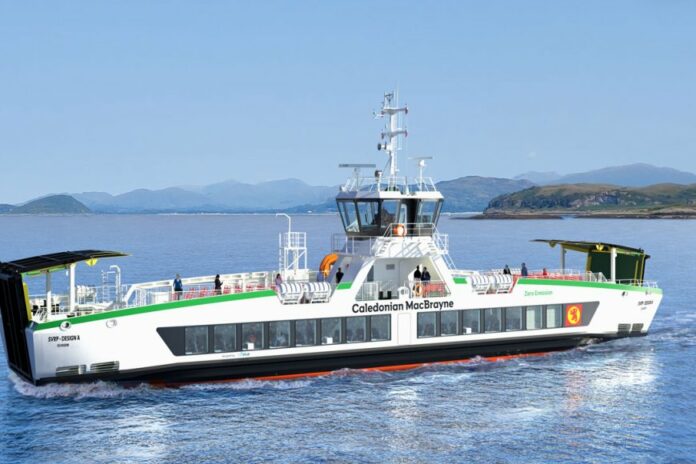
ABB has won an order with Poland-based Remontowa Shipbuilding S.A. to supply power distribution and propulsion systems featuring ABB’s Compact Onboard DC Grid™ for seven all-electric double-ended ferries. 

The vessels are scheduled for delivery to Scottish owner Caledonian Maritime Assets Ltd (CMAL) between late 2027 and early 2029. ABB has also been selected as the sole supplier responsible for delivering shore power solutions across multiple CMAL ferry terminals, beginning with Kennacraig and Port Askaig.  

As part of the ship owner’s Small Vessel Replacement Programme aiming to achieve a substantial renewal of the small vessel fleet and associated port upgrades, the 50-meter ferries will bring enhanced resilience and sustainability to the CMAL fleet . They will serve nine routes in the Clyde and Hebrides region on Scotland’s west coast, each transporting up to 200 passengers and 24 cars at a time – with the exception of one vessel, which has capacity for 250 passengers and 16 cars.

“We appreciate ABB’s expertise in power, propulsion and electrification. Combined with our excellence in shipbuilding, we will make this a great set of vessels to advance low-emission transportation across the western Scottish ferry network,” said Michal Jaguszewski, Director of Commerce, Remontowa Shipbuilding S.A.

Designed for vessels with significant space limitations, ABB’s Compact Onboard DC Grid™ solution offers a distributed configuration that simplifies system integration and enhances efficiency. The system comprises a robust, short circuit-tested marine DC switchboard and wall-mounted HES880 mobile inverters. Flexible and highly efficient operations are secured through a seamlessly integrated power and energy management, alarm and monitoring system. Integrated with ABB’s new AXME Marine Motors, the comprehensive solution combines high power density and light weight in a small footprint. Developed specifically for small to mid-sized electric and hybrid vessels, the Compact Onboard DC Grid™ blends proven durability, high performance, and installation flexibility in one compact solution.

Once operational, ABB’s shore connection system will allow berthed vessels to turn off their engines and connect to the local electrical grid, thereby significantly reducing CO₂ emissions and decreasing noise pollution in port areas. As a result, air quality in the area will improve, and the emission reductions will support CMAL’s long-term environmental goals.

Co-funded by the Scottish Government, the project represents an important step in the United Kingdom’s efforts to decarbonize its ports by eliminating emissions from docked vessels. 

“These ferries will bring increased capacity and the benefits of clean, fully electric propulsion to island and rural communities in Scotland”, said Jim Anderson, Director of Vessels at CMAL. “ABB’s experience in system integration and ensuring ship electrification and shore connection work efficiently together is well placed, and we look forward to taking delivery of the vessels.” 

Spy Site: Russia turns sunken ferry MS Estonia into underwater surveillance platform

0

Yle reported the news, citing investigations by German outlets Norddeutscher Rundfunk (NDR), Westdeutscher Rundfunk (WDR), and Süddeutsche Zeitung (SZ).

According to the investigation, Russia is using the wreck site — where diving is prohibited — as a training ground for underwater operations. The remains of the ferry are also believed to house surveillance equipment used in training for covert missions in the Baltic Sea.

Analysts note that the site is strategically positioned: near major shipping routes, within the influence zone of NATO member states, and designated as a “quiet zone,” where civilian diving is banned. Some NATO countries are reportedly aware of the presence of Russian spy equipment there but have not made the information public.

Rumors about a secret Russian underwater base in the area have circulated for years. Swedish broadcaster SVT, together with NDR and other international partners, previously reported under the “Russian Secrets” project that Russia has been building a covert network to monitor NATO countries.

One example of such activity involved incidents of damaged telecommunications cables in the Baltic region. Yle notes that devices attached to a sunken vessel are far more complex to detect than equipment placed directly on the seabed.

According to the media, Western intelligence services also believe similar activities are taking place at the sites of downed aircraft.

Source: militarnyi

Belships takes delivery of 64,000 DWT bulker from Japanese builder

0

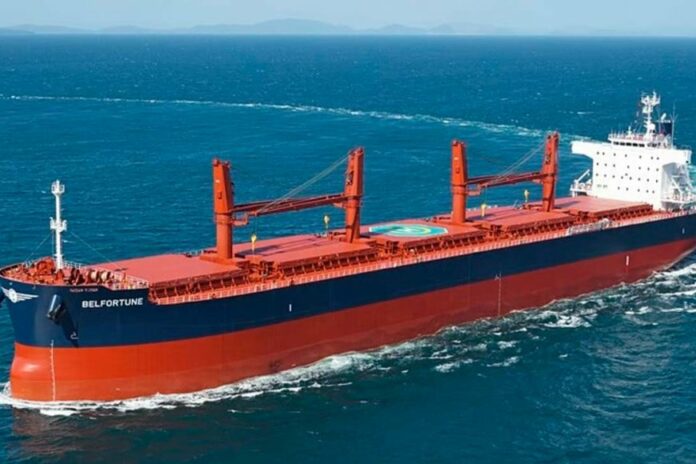
The Panama-flagged vessel has a total length of 199.9 metres, a breadth of 32.2 metres, and a deadweight of 63,709. It is classed by Nippon Kaiji Kyokai (NK) and is powered by a MAN 6S50ME-C9.7 main engine, providing a service speed of approximately 14 knots.

The ship’s design complies with the common structural rules for bulk carriers and oil tankers. Its cargo holds feature topside and hopper tanks, making them suitable for various cargoes, including grain, coal, ore, cement, and steel products.

Cargo handling efficiency is enhanced by four deck cranes and wide hatch openings with folding-type covers. The vessel is also compliant with the IMSBC and IMDG codes for carrying solid bulk and dangerous goods.

According to the builder, the vessel meets the Energy Efficiency Design Index (EEDI) Phase 3 requirements ahead of schedule. Other environmental features include a ballast water treatment system and an inventory of hazardous materials as per the ship recycling convention.

High propulsion performance is achieved through energy-saving devices, a high-efficiency propeller, and low-friction paint on the hull.

Damen delivers ASD Tug 2111 Argo to WUZ Port and Maritime Services

0

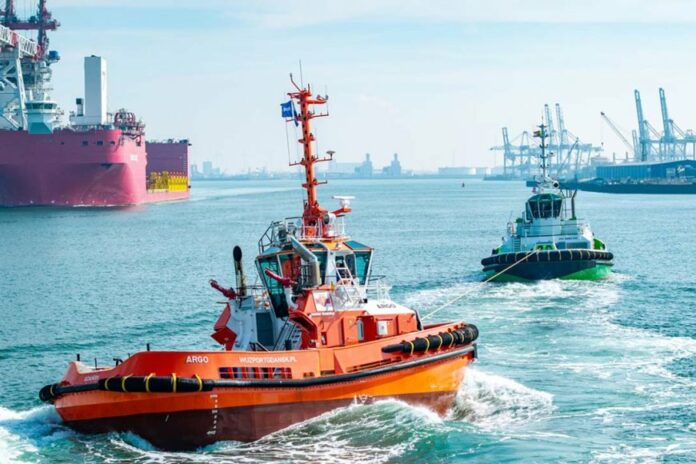
On 23rd October, Damen Shipyards Group delivered an ASD Tug 2111 to WUZ Port and Maritime Services in the Port of Rotterdam. 

The company is growing its fleet in order to support the development of the Port of Gdansk, Poland. As a result of this expansion over the years the company has become Poland’s largest towage company and now operates eighteen vessels and a range of different Damen tug models. 

The ASD 2111 is one of the latest models in Damen’s Compact Tugs series. With 21 metres in length and up to 50 tonnes of bollard pull,  the vessel is ideally suited to operations in the port’s inner harbour. 

The vessel was constructed at Damen Shipyards Changde in China, following the signing of a contract in September last year. Although built to the standard ASD Tug 2111 design, Damen has customised the vessel to meet the specific requirements of WUZ. 

Prior to the handover in Rotterdam, the tug’s capabilities were thoroughly tested and showcased alongside one of Damen’s fully electric RSD-E 2513 Tugs.

Following a company tradition, the vessel’s name draws on Greek mythology. The ASD Tug 2111 is named Argo, after the ship famously sailed by Jason and the Argonauts in their pursuit of the Golden Fleece. 

Damen Sales Director Vadim Akimov said, “We were honored to celebrate the handover in Rotterdam, a nice tradition between our companies, even though this time the weather was typically ‘Dutch autumn’. We are confident that the new tug Argo will play a vital role in supporting WUZ’s growth in Gdansk and we look forward to continuing our strong relationship.” 

VIKING to deliver new patrol vessels to Norwegian Customs Service

0

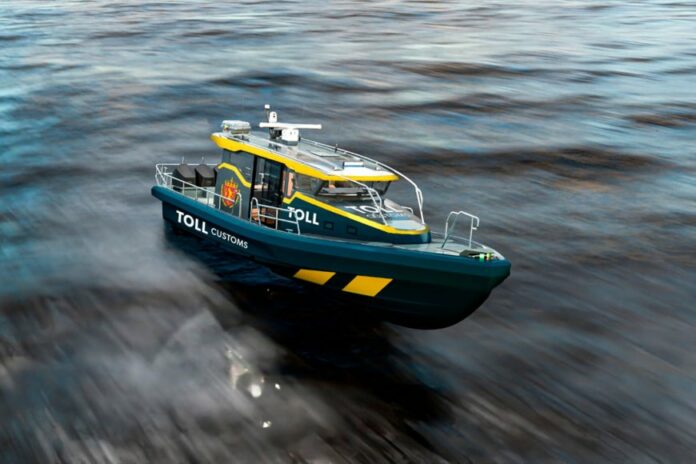
VIKING Life-Saving Equipment has signed a contract with Tolletaten (the Norwegian Customs Service) to deliver a new fleet of cutting-edge patrol and fast response craft. 

The agreement covers the delivery of four VIKING Norsafe boats including one Marathon S-900, powered by twin 350 HP Mercury engines, and three Munin S-1400 patrol boats, each equipped with triple 500 HP Mercury engines. Combining speed, control and endurance, the boats are purpose-built for demanding professional operations. Deliveries are scheduled for 2026 and 2027, with options for additional vessels. The total contract value is approximately NOK 43 million.

“We would like to commend Tolletaten for a procurement process that has been both thorough and constructive, with valuable input from users and clear dialogue throughout,” says Eirik Møllergaard, Sales Manager at VIKING Life-Saving Equipment. “Succeeding on this tender is a recognition we value highly, and we look forward to delivering vessels that will support Tolletaten’s important work in Norwegian waters.”

Designed for speed, control and reliability, the VIKING Norsafe Marathon and Munin series are purpose-built for professional maritime operations. Their advanced hull designs, combined with powerful Mercury propulsion systems, ensure rapid acceleration and precise manoeuvring in challenging sea conditions. Both models feature shock-mitigation technology and flexible deck layouts to support maritime law enforcement and patrol operations, where endurance and crew safety are paramount.

The boats will be built at VIKING’s production facilities in Arendal, Norway, combining Norwegian design heritage with world-class safety and performance standards.

Fincantieri launches the first integrated underwater drone system

0

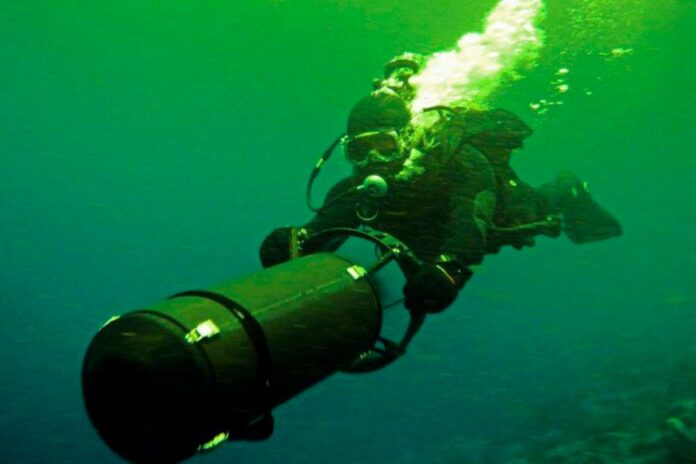
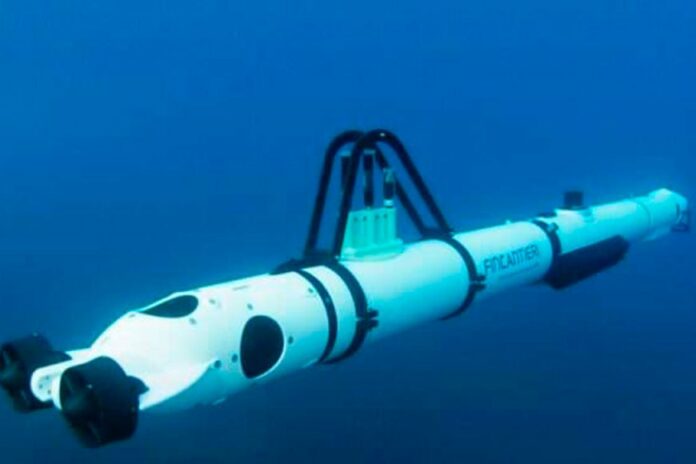
The DEEP system is a cutting-edge integrated solution for the protection, development, and maintenance of critical underwater infrastructure and port areas, also performing monitoring and environmental protection activities. 

The system was designed from the outset with a dual purpose, capable of responding to both civil needs and defense and security applications. This versatility allows DEEP to operate in diverse contexts, offering high value-added solutions for environmental and infrastructure protection, as well as operational support.

The platform consists of a network of underwater sensors for early warning (Early Warning System), a Command and Control Center for real-time operational management, a team of autonomous underwater vehicles (AUVs) capable of conducting missions at different levels of autonomy, cooperation, and coordination, and an AI-based system dedicated to data analysis and processing.

The launch of DEEP is part of Fincantieri’s strategy to consolidate its underwater sector, where the Group stands out for its ability to offer integrated, high value-added solutions, thanks to a unique industrial supply chain and cross-functional expertise brought together within the Underwater Technology Hub, which coordinates all activities related to civil, military, and dual-use systems through a unified management approach. Thanks to this integrated approach, Fincantieri is able to oversee markets and respond to the most complex needs of private and institutional clients, consolidating its pioneering and reference role in technology and industry in the international underwater landscape.

Today, the underwater domain is a key area for security, energy, environmental monitoring, and underwater communications, with a global reference market estimated at around 50 billion euros per year and an accessible component for Fincantieri of about 22 billion euros annually. Fincantieri aims to be a leading player in the development of this new strategic infrastructure, leveraging its ability to integrate complex expertise and high-tech industrial assets.

Pierroberto Folgiero, CEO and Managing Director of Fincantieri, stated: 

“The launch of DEEP is tangible proof of our commitment to pushing the boundaries of innovation ever deeper. Today we have validated an integrated unmanned underwater drone system that represents an innovative and concrete solution to the challenge of protecting critical infrastructure by using the best technologies available. This achievement is the result of the work of an outstanding industrial supply chain that enables us to anticipate market needs and position ourselves for the future. We are proud to lead this transformation, which makes a real contribution to the security, growth, competitiveness and technological autonomy of our national system, while also projecting us toward global leadership in the underwater economy”.

Fugro UST21 completes work for Ørsted on South Korea’s largest offshore wind project

0

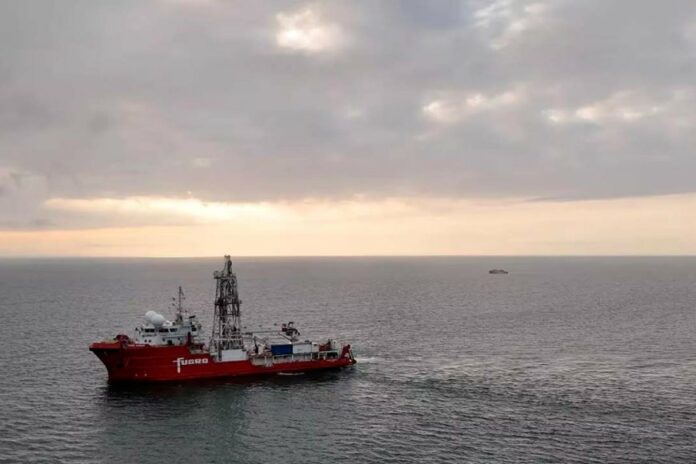
Fugro UST21 has completed offshore geotechnical site investigations for Ørsted’s 1.4 GW Incheon offshore wind project in early August 2025, located approximately 70 km off the coast of Incheon, South Korea. 

Fugro’s Geo-data will support the design of foundations and cable routes across the whole development area of Incheon offshore wind project. The work covers a comprehensive scope of marine geotechnical services, including seabed cone penetration testing, downhole sampling, pressure metre testing, and laboratory analysis.

 “We are proud to support Ørsted in launching South Korea’s largest offshore wind project,” said Robert Shapcott, General Manager, Fugro UST21. “Our work will provide the critical Geo-data needed to inform safe and efficient foundation design, helping Ørsted deliver on its sustainability commitments and local economic development goals.”

 “We would like to extend our sincere thanks to Fugro for their exceptional contribution to the Incheon offshore wind project. Their technical expertise and dedication to safety and quality, and careful consideration of all stakeholders, have played a vital role in the success of this campaign. We truly value their expertise and the professionalism they brought to the project,” said Kasper Mortensen, Ørsted’s Site Investigation Project Manager.