-2.6 C
New York
Home Blog Page 1018

Jan De Nul bags 600MW Kriegers Flak contract

0

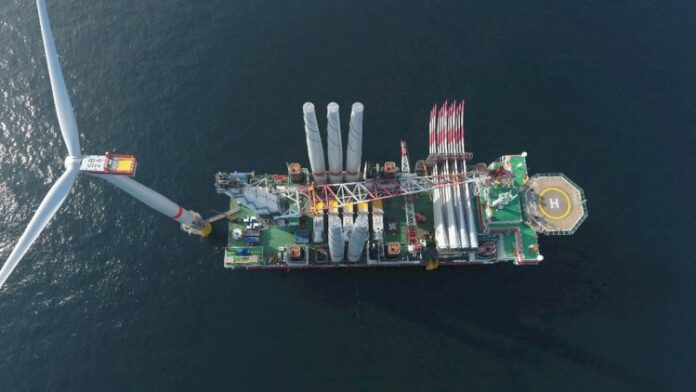
Jan De Nul Group signs a contract with Vattenfall Vindkraft Kriegers Flak P/S for the transport and installation of 72 8.4MW Siemens Wind Turbine Generators (WTG) for the Kriegers Flak Offshore Wind Farm (OWF) in Denmark.

Philippe Hutse, Offshore Director at Jan De Nul Group, says:

“We are proud to have been awarded an offshore WTG installation project of this magnitude. It confirms that Jan De Nul is a trustworthy experienced partner in installing large wind farms at sea. Our investments in knowhow and equipment for offshore installation works bear fruit”.

The Kriegers Flak OWF is located in the Baltic Sea in water depths varying between 15 and 30 metres, at 15 kilometres from shore. In 2017-18, Jan De Nul Group already built, towed and installed two large Gravity Based Foundations for the Offshore High Voltage stations of the Kriegers Flak OWF.

Installation works will start in the first quarter of 2021 and will take four months.

Port of Baltimore receives federal grant to strengthen cybersecurity

0

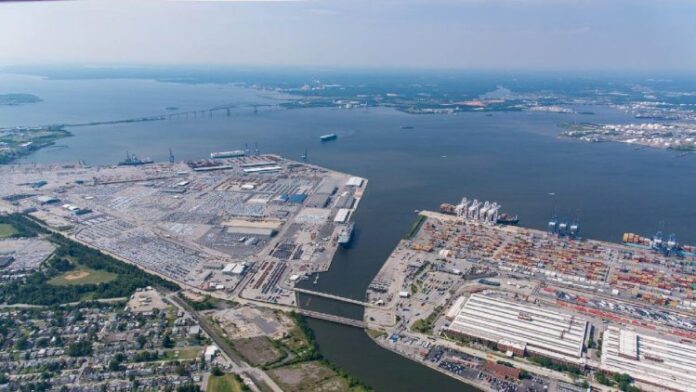
Funding will augment port’s existing access and cybersecurity systems.

The Maryland Department of Transportation Maryland Port Administration (MDOT MPA) has been awarded $703,116 in the most recent round of funding through the Federal Emergency Management Agency’s (FEMA) Port Security Grant Program.

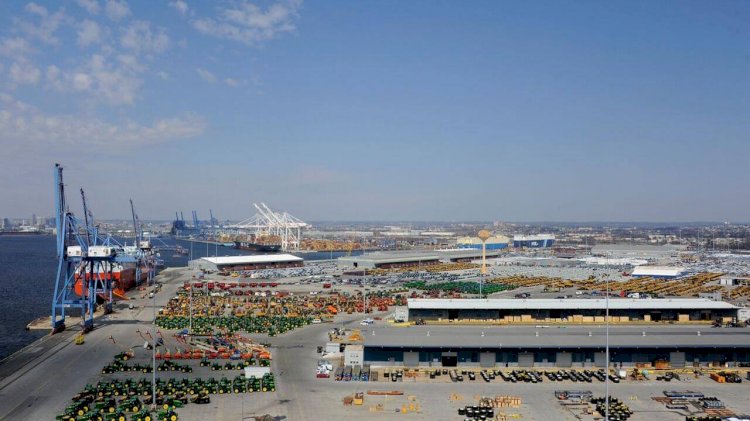
The funding, nnounced earlier this month, will help strengthening access control points and cybersecurity efforts at the Helen Delich Bentley Port of Baltimore’s state-owned public marine terminals.

Governor Larry Hogan said:

“As the Port of Baltimore continues to break cargo records and generate higher numbers of jobs, we want to make certain it remains one of the most secure seaports in the nation. This funding will help further our mission to ensure the security of the men and women who work at the Port, as well as the inbound and outbound cargo that comes through the Port.”

For 10 consecutive years, the Port of Baltimore’s public marine terminals have received a top rating on an annual security assessment conducted by the U.S. Coast Guard. The new FEMA allocation will be used for three specific projects to help make the Port’s security even stronger. One project will upgrade and add new security features to access control software that prevents unauthorized access to the public marine terminals. Another project will add three additional access control booths on the terminals. In the third project, MDOT MPA will incorporate additional mechanisms and upgrades to its cybersecurity platforms.


BOEM approves Cook Inlet geophysical survey

0

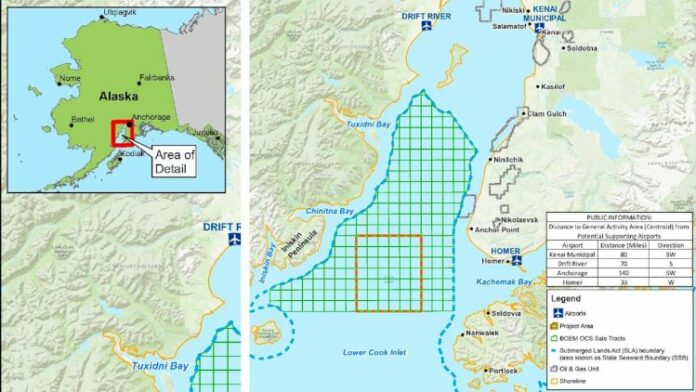
After a careful environmental review, the Bureau of Ocean Energy Management (BOEM) has announced it has approved a permit from Hilcorp Alaska LLC to conduct a geophysical survey in the federal waters of Cook Inlet, off the coast of Southcentral Alaska. The area to be surveyed is in the lower Cook Inlet, west of Kachemak Bay.

Hilcorp expects to begin the survey in late summer or early fall. The company will have 60 days to complete the survey; the exact length of the survey will depend on weather and any schedule adjustments needed to protect marine mammals.

In June 2017, Hilcorp acquired 14 Outer Continental Shelf (OCS) blocks from Lease Sale 244. The survey area comprises 42 OCS blocks, including eight of Hilcorp’s 14 leased blocks, covering approximately 969 square kilometers. Data acquired from the survey can be used to identify potential offshore oil and gas resources.

The survey will involve one seismic acquisition vessel and two support vessels. The seismic acquisition vessel will tow the airgun array and the streamers. The support vessels will provide general provisions for the source vessel, including supplies, crew changes, etc. Support vessels will also monitor the in‐water equipment and maintain a security perimeter around the streamers.

Vessel‐based monitoring for marine mammals will be conducted by trained protected species observers deployed on vessels throughout the survey program.

Pursuant to the National Environmental Policy Act, BOEM has completed an Environmental Assessment of the proposed action, and issued a Finding of No Significant Impact.

The Hilcorp survey will be the first geophysical survey in Cook Inlet since a July 2005 survey conducted by Veritas DGC.

Scandlines installs Norsepower’s rotor sail solution on board hybrid ferry

0

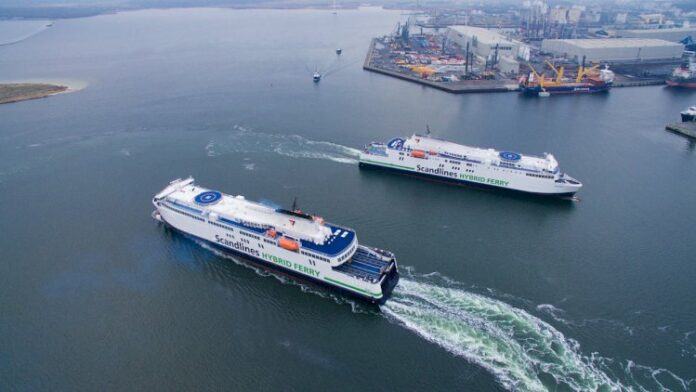
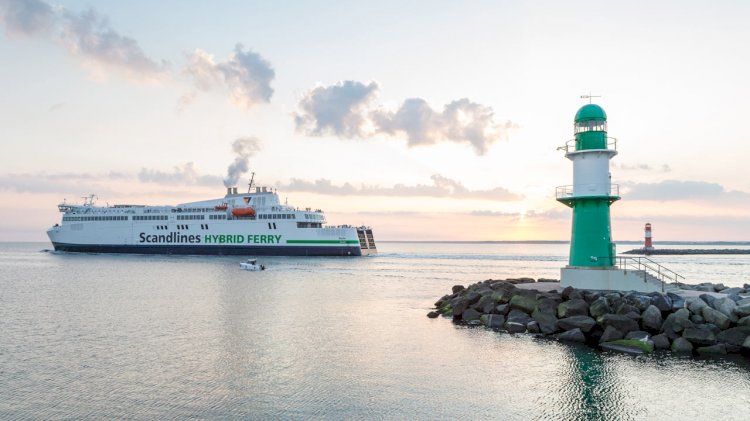
Ferry operator Scandlines has signed an agreement with Norsepower Oy Ltd, leading clean technology and engineering company pioneering modern wind propulsion technology, to install Norsepower’s Rotor Sail Solution on board the M/V Copenhagen, a hybrid passenger ferry.

Operating between Rostock in Germany and Gedser in Denmark, the M/V Copenhagen belongs to the world’s largest fleet of hybrid ferries, which combines diesel and battery power. Since 2013, Scandlines has invested more than EUR 300 million in building and retrofitting ferries from conventional diesel-driven to hybrid ferries. With the addition of Norsepower’s technology, the vessel will further reduce its emissions.

The Norsepower Rotor Sail Solution is a modernised version of the Flettner rotor – a spinning cylinder that uses the Magnus effect to harness wind power to thrust a ship. It is the first data-verified and commercially operational auxiliary wind propulsion technology for the global maritime industry. When wind conditions are favourable, it enables the electric propulsion thrusters and center propel to be throttled back, reducing emissions – while providing the power needed to maintain speed and voyage time. Because it generates supplementary thrust from wind, the solution is compatible with all other emissions saving technologies.

The route between Gedser to the north and Rostock to the south is almost perpendicular to the prevailing wind from west giving Scandlines favourable conditions for using Rotor Sails on the ferry crossing.

Preparations for the retrofit will take place in November 2019 with the installation scheduled for Q2 2020. M/V Copenhagen is set to be retrofitted with one large-sized Norsepower Rotor Sail unit that is 30m in height and 5m in diameter. Scandlines CEO Søren Poulsgaard Jensen says:

“By installing a Rotor Sail, we can reduce CO2 emissions on the Rostock-Gedser route by four to five per cent."

NABU, the German Nature and Biodiversity Conservation Union, is pleased with Scandlines’ decision to further reduce CO2 emission. Malte Siegert, Head of Environmental Policy at NABU, says:

“NABU welcomes Scandlines’ various efforts towards sustainable shipping. With rotors besides hybrid drives, the company sets new standards in terms of integrating different technical solutions to mitigate especially climate and air pollution emissions. To reach the Paris climate goals, more corporate responsibility by other shipping companies is needed."

Commenting on the deal, Tuomas Riski, CEO, Norsepower says:

“As a leading clean technology and engineering company, we are proud to be partnering with Scandlines as we work towards a modern era of auxiliary wind propulsion for the global maritime fleet, while supporting shipping’s transition to a low-carbon future.”
About Scandlines

Scandlines stands as a symbol of a historical and close cooperation between Denmark and Germany. Scandlines runs two ferry routes with high capacity and frequency as well as with a green vision for the future. The core business is to provide an efficient and reliable transport service for both passengers and freight customers. The main focus for all activities in Scandlines

JFD and Aquacentrum Den Helder to provide submarine escape training

0

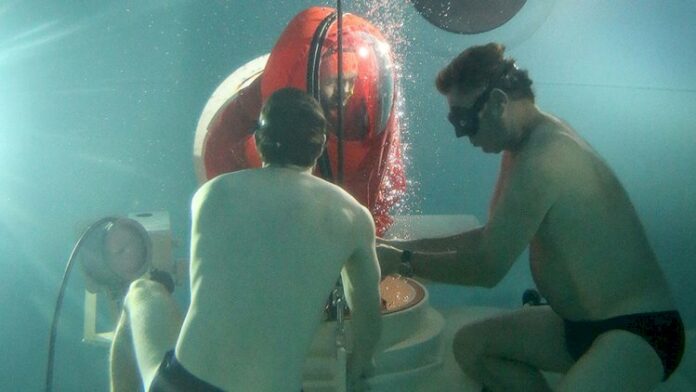
JFD, the world leading underwater capability provider serving the commercial and defence diving markets and part of James Fisher and Sons plc, has announced a strategic partnership with the Aquacentrum Den Helder, which combines submarine escape training, commercial diving training and recreational pools for public use within a single building.

The partnership between JFD and Aquacentrum Den Helder will allow both new and existing submarine operating nations to train their submariners in escape and abandonment in the most realistic environment possible. The partnership continues JFD’s strategy to provide customers with a total support capability from SMERAS capability support from escape training through to a full submarine rescue service.

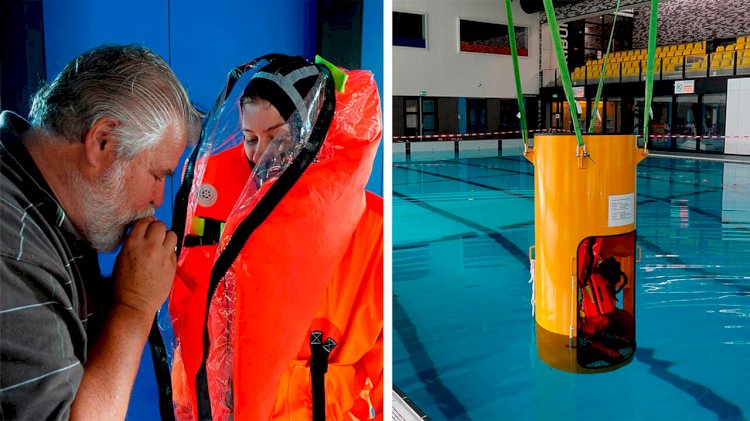
The facility, which is owned by the City of Den Helder, will provide JFD and its customers with access to a uniquely realistic experience in simulating an escape from a distressed submarine utilising an 11-meter-deep pressurised escape tower in a safe and disciplined environment. JFD will provide three-day courses for international navies, even at short notice, ensuring that the capability can be easily accessed, and that the training is tailored for each customer accordingly.

Giovanni Corbetta, Managing Director, from JFD commented:

“Ensuring the safety of submariners and subsea operators remains at the heart of JFD and the foundation from which our company has been built.  Providing training in the most realistic environment and conditions possible is a critical element in ensuring that submariners have the skills and resources to survive in the event of an incident.  The partnership with Aquacentrum Den Helder demonstrates JFD’s commitment to providing our customers with the best possible facilities and capabilities to conduct this essential training, as well as our focus on providing a full end-to-end support capability for international navies and submariners.”

JFD can also provide many other courses including Distressed Submarine Survival Training, Senior Survivor and Contractor courses.  Other types of training include Pod Posting and diver exit and re-entry training. The facility also provides ‘train the trainers’ courses for other escape centres and nations procuring their own indigenous training capability.

Herbert de Vries, Dive Safety Manager from Aquacentrum Den Helder, commented:

“Providing submariners with the most realistic environment to simulate submarine escape and rescue is fundamental in delivering the best possible training.  Accommodating the only non-military escape tower in Europe which can support both diver training and escape training makes the facilities of Aquacentrum Den Helder unique to the region, and in partnering with JFD we can create a benchmark for best-in-class training for submariners and those that operate beneath the sea, often in the harshest of conditions.”

JFD operates at the forefront of innovation and is a global leader in the provision of submarine rescue and support services, working with most of the advanced navies in the world.  Using its market knowledge and long experience, the company continually looks to set new standards in the delivery of comprehensive systems, technologies and training that break new ground in safety and protecting life at sea.

MARSS secures man-overboard detection system contract for new cruise ship

0

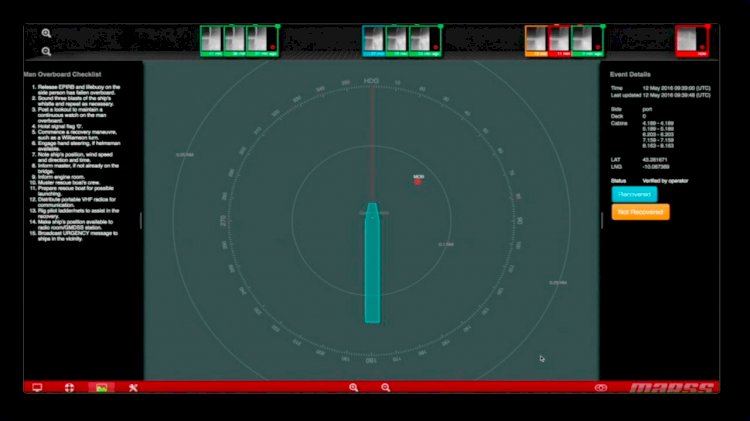
MARSS secures contract for the installation of MOBtronic, their advanced man-overboard detection and tracking system onboard new cruise ship. 

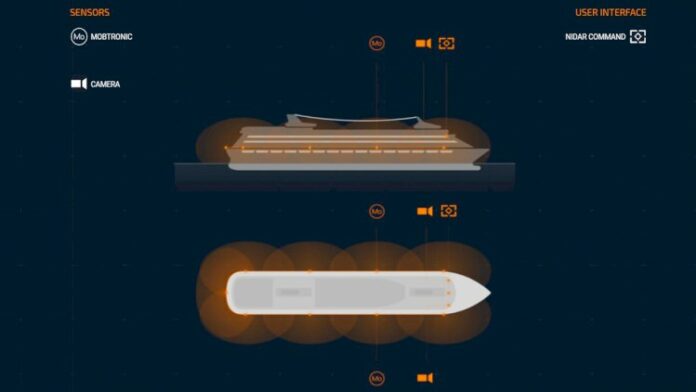
The contract includes the installation of a network of MOBtronic marinised pods that are strategically positioned to cover the volume around the entire vessel, creating a virtual shield which automatically detects and classifies a man-overboard event. 

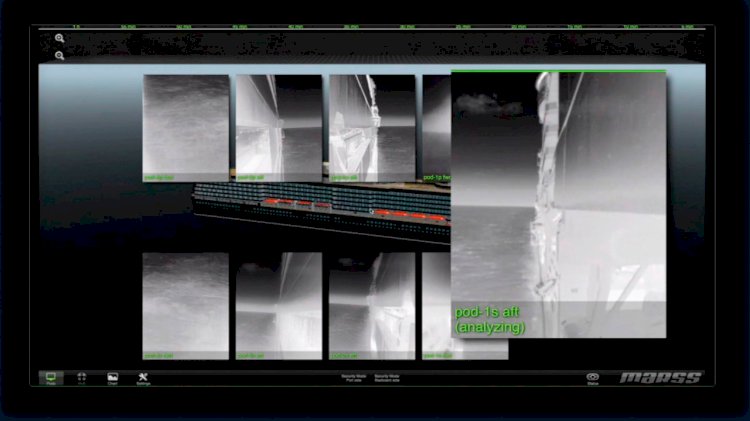
The system features a patented configuration of sensors that reliably detect a fall and notify crew when a man-overboard event occurs. Using a combination of multi-sensor data and MARSS proprietary software, MOBtronic provides alerts, live tracking and video playback via an intuitive user interface to aid crew in managing SAR operations and to analyse a MOB incident.

MOBtronic is unique with its exceptionally low false positive rate (less than 1 per day) often caused by birds, breaking waves and other objects, significantly reduces false alarms and ensures a >95% detection rate. 

MARSS Senior Vice President of Science, Dr Alberto Baldacci, says:

“We are delighted to be delivering the most advanced and proven man-overboard detection system to this vessel which will ensure the safety of both guests and crew onboard”. 

The MOBtronic system is currently being installed with the vessel due for operation later this year.

DNV GL supplies software to realize Saipem 7000’s digital twin

0

Saipem, the energy and infrastructure solution provider, is implementing DNV GL’s hull planned maintenance system, ShipManager Hull, based on 3D digital twins of crane and pipelaying vessels.

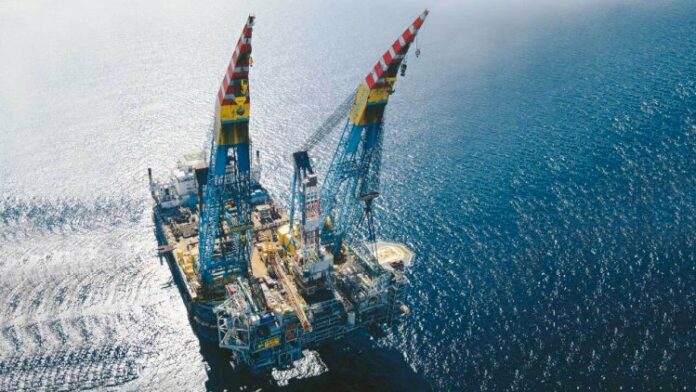
DNV GL will supply its advanced software, ShipManager Hull, for implementation on five vessels of the Saipem fleet. It will start with Saipem 7000, one of the world's largest crane vessels with a lifting capability of 14,000 tonnes at 42 meters. Indeed, crane vessels are exposed to high stresses during lifting, demanding particular attention to structural integrity. The frequent ballasting of the vessel increases the need for efficient monitoring of ballast tank corrosion. Saipem will be able to use a digital twin of the entire structure for optimal planning of periodic inspections and dry-dock repairs.

With ShipManager Hull, owners can use 3D digital twins for full lifecycle management of the hull structure. All data is centralized and easily accessible for steel and coating calculations and predictive analytics, enabling significant cost savings, especially in dry-dock.

Giampaolo Bonalumi, Asset Digital Transformation Leader at Saipem, says:

“With this powerful tool we will be fully in control of the condition of the hull of our construction vessels.”

ShipManager Hull will also be used for the crane vessel FDS2 (2011) and pipelaying vessels FDS (2000), Constellation (2014) and Castorone (2012). The implementation of ShipManager was chosen by Saipem as one of the first initiatives to demonstrate efficiency gains through digitalization and improved data management.

Ketil Aamnes, VP and Regional Manager, EMEA, DNV GL – Digital Solutions, says:

“ShipManager Hull is a proven tool in the maritime industry and is growing within the offshore industry. Saipem is demonstrating the value of the solution for specialized structures such as crane and pipelaying vessels”.

ShipManager Hull, installed on more than 500 vessels worldwide, is part of DNV GL’s maritime software portfolio for ship management and operations, used on 6500 vessels. ShipManager covers modules for technical management, procurement, hull integrity management, QHSE, crewing and business intelligence.

DEME’s new dredger features SCHOTTEL propulsion solutions

0

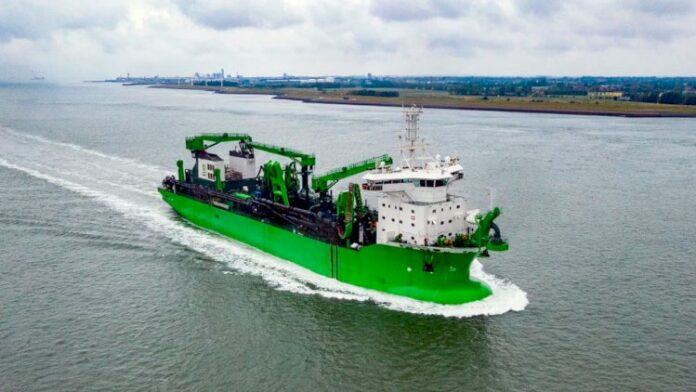
The trailing suction hopper dredger (TSHD) “Bonny River”, built at Royal IHC’s Chinese partner yard COSCO Guangdong Shipyard, is propelled by SCHOTTEL.

Recently handed over to the Belgian dredging company DEME, the TSHD is driven by controllable pitch propellers and transverse thrusters from the German propulsion expert. With a 15,000 cbm capacity, the vessel is capable of dredging hard soil and able to work in water depths of more than 100 m.

Jan Gabriel, Head of the Technical Construction and Conversion Department at the DEME Group, comments:

“The design of the ‘Bonny River’ is inspired by a drive to continuously innovate from an ecological and efficiency perspective. As such, DEME continues to be at the forefront of the industry and significantly reduces the environmental impact of its operations. SCHOTTEL’s propulsion solutions fit in this strategy.”

“Bonny River” is driven by two SCHOTTEL Controllable Pitch Propellers type SCP 129 4-XG with an input power of 8,000 kW each and a propeller diameter of 4.5 m. It reaches a speed of approximately 16 knots. Beyond this, maximum manoeuvrability and propulsion efficiency are provided by tunnel thrusters – two STT 3 FP (750 kW each) and one STT 5 FP (1,500 kW) – which can be demounted from above.

Together with SCHOTTEL’s control partner NORIS and IHC Systems, a complete power management system was developed. This controls the mechanically driven dredging pump, PTOs and the propellers without overloading the dual-fuel engines.

About “Bonny River”

The new dredger combines various functions and has a large transport capacity – all at limited depth. The vessel is highly suitable for coastal protection assignments, even in regions with shallow beaches. “Bonny River”, part of DEME’s multi-year fleet investment programme, is currently being mobilized in Flushing (Vlissingen), Netherlands, for its first assignments. 

VIDEO: PB3 PowerBuoy poised to transform ocean operations

0

The Oil & Gas Technology Centre (OGTC) is celebrating a major milestone in an integrated energy project which moves the dial on North Sea challenges.

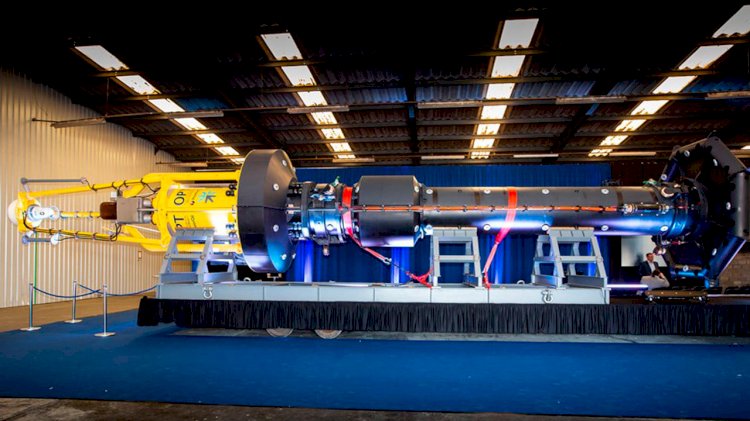
The project, supported by the OGTC and Premier Oil (Premier), saw wave energy technology developer Ocean Power Technologies Inc. (OPT), in partnership with the Acteon Group, unveil the PB3 PowerBuoy® in Montrose this month – prior to its demonstration in the North Sea on Premier’s Huntington field.

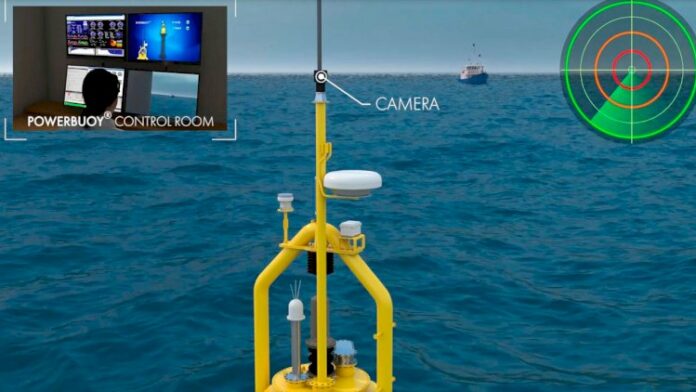
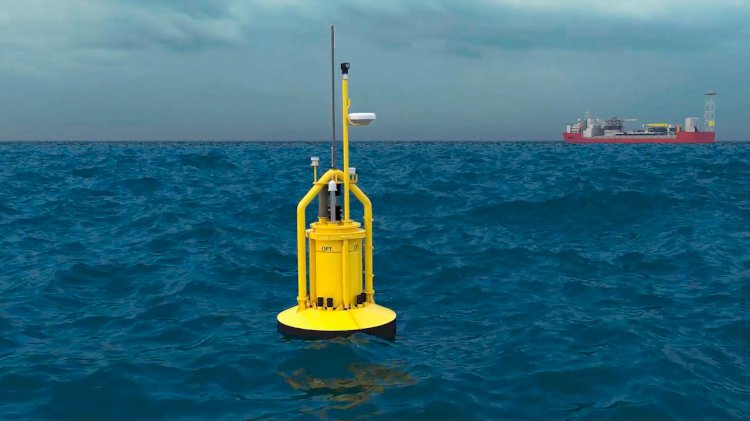
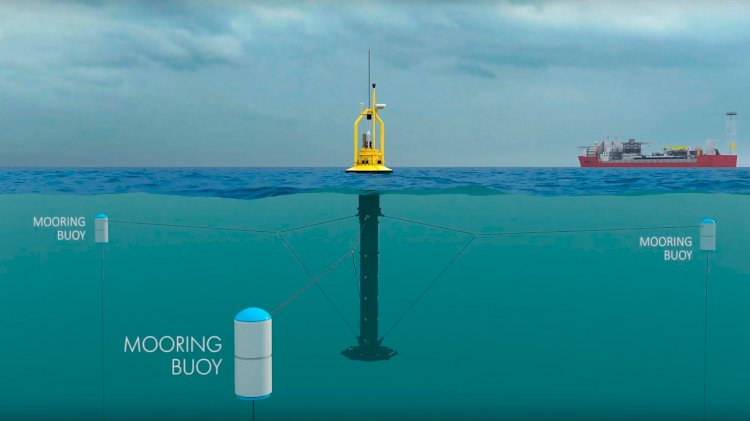
The PB3 PowerBuoy is a first-of-its-kind deployment in the North Sea, whereby a moored buoy captures power from the motion of ocean waves to allow it to provide monitoring capabilities and protect subsea architecture.

The buoy acts as an uninterruptable power supply which constantly recharges itself by harvesting energy from waves, operating in ocean depths from 20 metres. Powering on-board sensors (or even those on the seabed), it enables real-time data transfer and communication with remote facilities. The ability to store energy also allows the PB3 to operate during periods of calm seas.

During its flagship field trial, the PB3 will be deployed on Premier’s Huntington field to support their journey to decommissioning. However, this technology also represents a move towards decarbonisation and can deliver other value-adding opportunities when paired up with different payload configurations, such as to support small field developments or as a charging/communications hub for Autonomous Underwater Vehicle (AUV) applications.

Commenting on the project milestone, Graeme Rogerson, Project Manager at the OGTC said:

“This is an exciting time both in the development of the project and for the OGTC. It's the first time we’ve seen a deployment like this both in the North Sea and for the OGTC. This transformational approach to offshore power generation has huge potential in, decarbonising our industry and supporting the transition to a low carbon economy. We look forward to working together with project partners to support the field trial and subsequent results.”

Paul Watson, Director of Business Development UK and Europe at OPT commented:

“This project is important for OPT and reflects our commitment to support customers where decommissioning activities can benefit from an autonomous solution for surveillance and monitoring. The project with Premier demonstrates the potential for expanded us of the PB3 PowerBuoy as a clean energy solution for autonomous intelligent monitoring and surveillance.”

Paul Williams, UK Business Unit Manager at Premier commented:
“We are excited to be trialling the OPT PB3 PowerBuoy at our operated Huntington field.  This is a great opportunity to prove new technology which will enable us to minimise the environmental impact of our decommissioning programmes, whilst maintaining flexibility to deliver maximum economic recovery from our fields. Assuming success, we will look at the potential to deploy this technology on other assets and for different purposes, both in the UK and further afield.”

VIDEO: ARES Security releases new software for seaports

0

ARES Security is now offering their Avert C2 (formally CommandBridge) system as a SaaS platform for small and medium sized ports to leverage the powerful capability that has been used by more than a third of the largest seaports in the U.S. since 2006. The solution is also deployed at several law enforcement, transportation and DoD facilities throughout the country. 

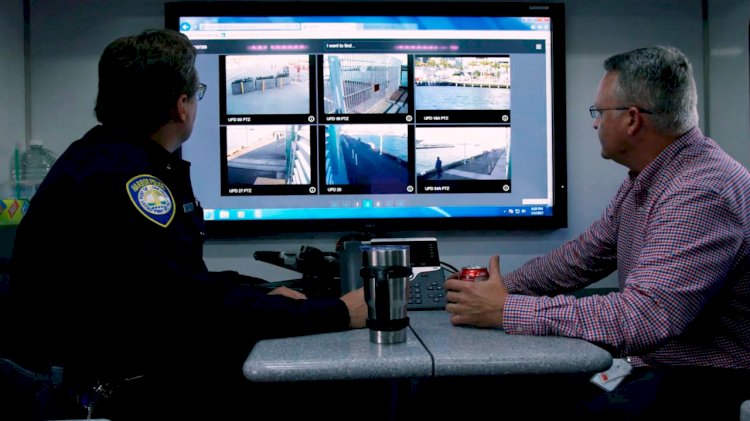
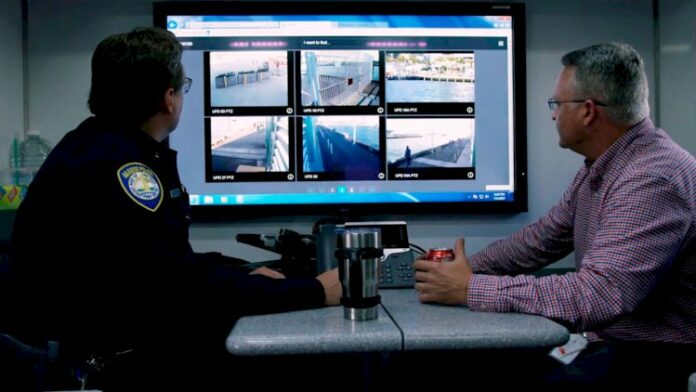
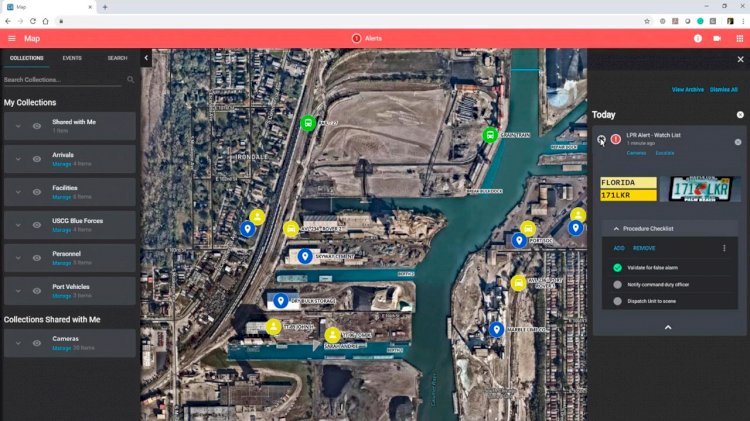
AVERT C2 is a robust command and control platform that integrates disparate security and operational systems and sensors, communications systems and other information sources such as asset locations, access control, cameras, GIS and more. AVERT C2 users are provided with a customizable, unified contextual display that allows them to quickly access relevant information in real-time.

This capability streamlines workflows and collaboration so that no time is wasted switching between systems or fumbling through Standard Operating Procedures during an incident response. With time being the most critical factor to help save lives and money during a response, AVERT C2 enables rapid decision making that is in accordance with established procedures and coordinated across all responding agencies.

The new SaaS solution provides small and medium sized ports with a version of AVERT C2 that can be added to and expanded upon over time, allowing the platform to grow with the port’s needs. Ben Eazzetta, CEO of ARES Security states:

“We are excited to offer the first of a series of planned SaaS solutions to our customers and provide enhanced security, automation and operational capabilities to the entire market.” 

Ports can also add advanced applications including reporting, event planning and management, berth scheduling, and more to the base system to further enhance the operations at their port. These applications not only improve outdated workflows but also improve the user interfaces and ease of use for clients’ existing systems.

The berth scheduling application provides a simplified process for submitting and managing berth requests that is tied to the geofencing and reporting for more accurate billing. The events application allows users to create focused event profiles that include all the assets relevant to an event that can easily be shared with partnering agencies. The secured sharing of this pertinent information brings the command center into the hands of security teams and first responders for heightened awareness and truly collaborative responses.