-1.5 C
New York
Home Blog Page 1003

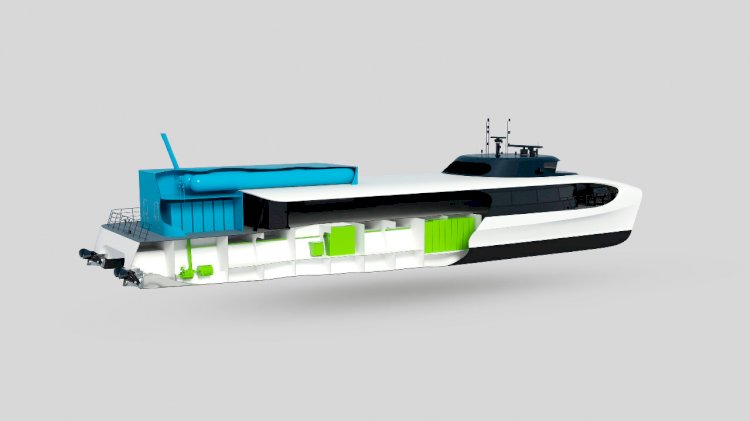
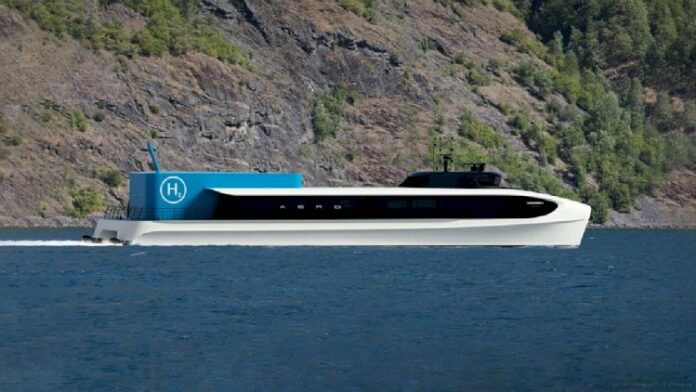
Brødrene Aa presents a new aerodynamic fast ferry design

0

Brødrene Aa is known for our high-end carbon fibre fast ferries which can reduce fuel consumption by up to 40% compared to traditional vessels.

With its groundbreaking “Aero”-design, company push efficiency and design even further. The sleek, one deck Aero is estimated to contribute with an additional 10% reduction in energy consumption. Good for the environment, good for the operating costs.

The Aero-design was first presented in Trondheim, 3 September, where Brødrene Aa together with industry partners Westcon, Boreal and Ocean Hyway Cluster introduced a newly developed hydrogen fast ferry concept. The hydrogen concept shows the versatility of the Aero design, as it can be applied on a broad range of vessels. 

Brødrene Aa believes that future battery and hydrogen powered fast ferries will require light weighted structures and highly energy efficient configurations and design. Company is working step by step towards a zero emission future, building on its proven experience with carbon fibre material, efficient hull designs and battery powered ferries such as Future of the Fjords.

Though introduced as a concept, the design is ready for application and production.

Wello Oy to bring its wave energy converter to the Basque country

0

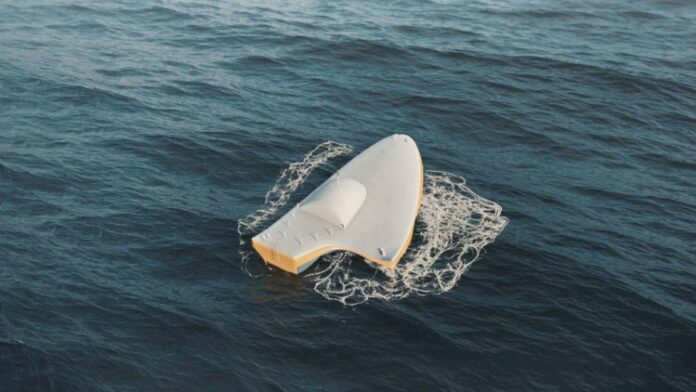
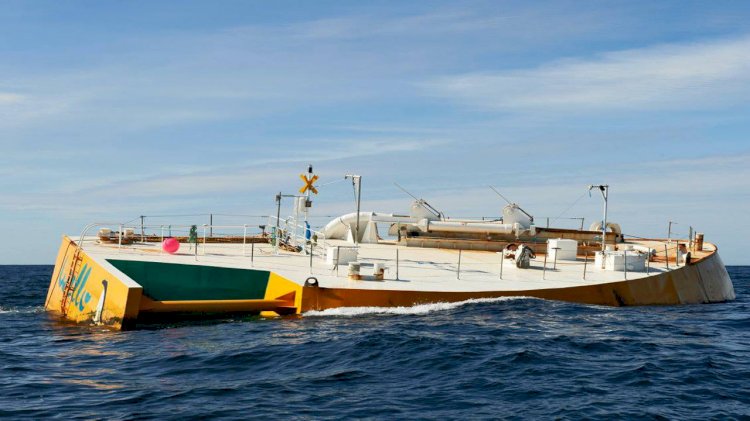
In the coming months Finnish based company Wello Oy will be bringing its wave energy converter (WEC) to the Basque country deploying at BiMEP’s site in Armintza. Thanks to the quick and diligent effort by the members at EVE and BiMEP, in cooperation with Wello they have secured funding for the installation, deployment and operation of the Penguin WEC to their site.

In 2012 Wello Oy deployed their original prototype device in Orkney, Scotland for several years. During that time the prototype celebrated a successful testing campaign and surpassed the expectations of the Finnish developer. Through many successful deployments, trials and lessons learnt from the testing period and the accomplishments of the device, Wello has transferred all this experience to the new fully actualized Penguin WEC. The CEFOW project in Scotland has come to end.

The Penguin finished construction in June and will now commence towing to its new home in Armintza. Wello is eagerly awaiting the arrival and a quick and successful deployment, generating clean renewable energy from the ocean’s waves directly to the grid at Armintza.

Wello’s CEO Heikki Paakkinen has this to say:

‘The Basque country has huge potential for wave energy, and we are extremely happy with the funding decision. This new project has the potential to set in motion more projects in and around the area, with many parties already showing interest in developing the site further. We know that we can create many opportunities in The Basque country and across the globe. We are excited for the coming months and look forward to working with BiMEP on this project.’

Irminger Sea: The buoy meteorology system returned a wealth of scientific data

0

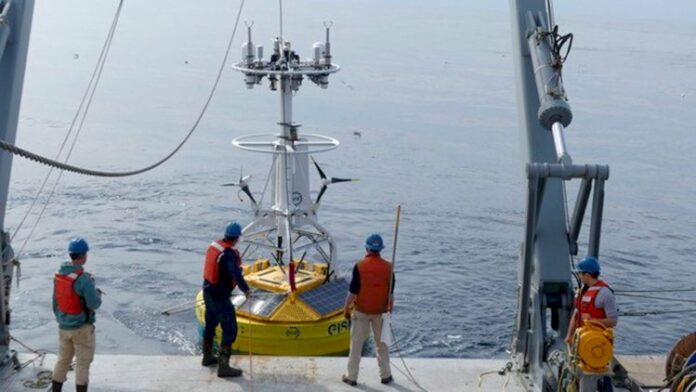
The recently completed OOI mooring service cruise on the R/V Neil Armstrong (2-25 Aug 2019) established a significant milestone – the Irminger Sea Global Surface Mooring was sustained for over a year and returned high quality data. This is the first surface mooring with instrumentation to compute bulk air-sea fluxes of heat, moisture and momentum that has operated through a full annual cycle in this region.

It is now recognized that extreme heat loss in the Irminger Sea results in deep water formation, which ultimately influences the strength of the Atlantic Meriodonal Overturning Circulation and has important climate implications. The strong heat loss in the region is largely driven by episodic cold-air outbreaks from the southern tip of Greenland.

Cold-air outbreaks are associated with high winds, sub-freezing temperatures, and large, steep waves, which create very difficult conditions for sustained observations at the air-sea interface. The situation is further complicated by the occasional passage of icebergs, which could impact the buoy. The lack of continuous time series data through the winter season capable of identifying episodic events has hindered understanding of air-sea interaction in the Irminger Sea.

The biggest risks to sustained operation of the OOI Irminger Sea mooring were determined to be icing on the buoy tower & freezing of sensitive instrument components. Icing could not be controlled, but potential impacts could be mitigated, for example by shutting down the wind turbines to reduce the likelihood of broken blades. However, a turbine shut-down also meant reduced power generation. Freezing of the precipitation sensor was controllable using a built-in heater, but at the cost of additional power.

The CGSN operations team took on the challenge by monitoring weather forecasts for conditions conducive to icing, adding cameras to the buoy tower to detect icing, and implementing a power management strategy during storms. When icing conditions were forecast, the wind turbines were shut down to reduce the likelihood of damage, while some mooring components were simultaneously shut down to save power. Power to high priority instruments (including the bulk meteorology system) and the precipitation sensor heaters was maintained.

The strategy was effective, but the difficulty of sustained observations was still evident: The direct-covariance flux package was damaged upon deployment and did not return useful data. The buoy sustained damage to the wind vane, a solar panel and a wind turbine during the winter storms. This compromised power generation capability eventually led to an eight-day data gap in June 2019 due to sustained low wind and overcast skies.

Despite the challenges, the buoy bulk meteorology system operated for 420 days of the 428-day deployment (8 June 2018 – 9 Aug 2019) and returned a wealth of scientific data. One-minute records from the bulk meteorology sensors show wind speeds up to 25 m/s and air temperatures as low as -5 C associated with cold -air outbreaks that likely dominate the cumulative wintertime heat loss.

The availability of the first annual cycle of surface meteorology, in conjunction with subsurface data from the OOI Irminger Sea array and the Overturning in the Subpolar North Atlantic Program (OSNAP) array, provide the potential for new insights into the nature of deep mixing, carbon sequestration and deep-water formation in the region.

thyssenkrupp Marine Systems unveils 4th generation fuel cell system

0

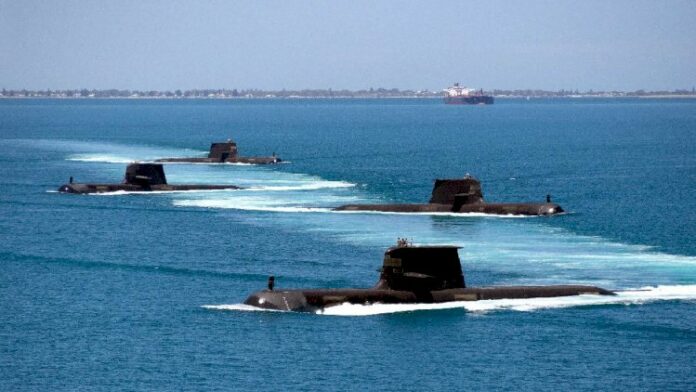
During its quadrennial SubCon submarine conference held in Kiel, thyssenkrupp Marine Systems unveiled the 4th Generation Fuel Cell (FC4G) for submarine applications after having finished an extensive test program with more than 70,000 operating hours in the test environment. This is an improvement of an already unrivalled and proven system.

Dr. Rolf Wirtz, CEO of thyssenkrupp Marine Systems:

"Our customers have been using our fuel cell systems for more than 15 years now. With this 4th generation we are making something great even greater. This is the next big step with huge improvements in availability, redundancy, and stealth. I am proud that we are again advancing our customers by setting new standards."

The FC4G is designed to be a high-availability modular system composed of redundant components to retain a maximum performance at all times. In terms of H2-storage, the systems rely on the well-proven and exceptionally safe system of metal hydride cylinders as previous generations. These cylinders do not contain any active components; thus, reducing failure to a minimum holding hydrogen molecules safe in place in the crystal lattice of the hydride. Since hydrogen is fed to the system in its purest form, no chemical conversion is required and, therewith, the efficiency of the overall system remains very high.

In contrast, reformer systems inevitably create CO2 out of a liquid fuel such as diesel oil leaving a trace of CO2 – and potentially other by-products contained in diesel oil such as Sulphur – that must be dissolved into the surrounding sea water by operating electrical pumps. The same applies to AIP systems based on other principles, such as Stirling engines, closed-cycle diesels, or closed-cycle steam turbines. Not so the FC4G system. The only by-product besides electrical energy is pure water, which is stored on board for weight compensation. H2 is easily available where ever chemical industry is operative, typically in every customer country, or may be produced by utilizing green energy sources by splitting water into H2 and O2.

Overall signatures of the FC4G are the most favorable ones on the market. No byproducts put overboard, the thermal and the acoustic signatures are kept to a minimum while the overall system efficiency is twice as good as any combustion engine.

Philipp Schön, Head of Product Sales Submarines: 

"These are the reasons, why 38 systems were contracted so far with 7 customer navies, another 10 systems presently being under negotiation."

Autonomous ‘SharkCam’ filmed basking sharks in water for the first time

0

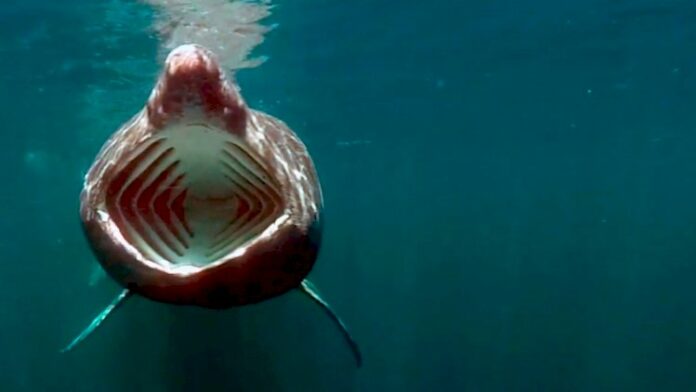
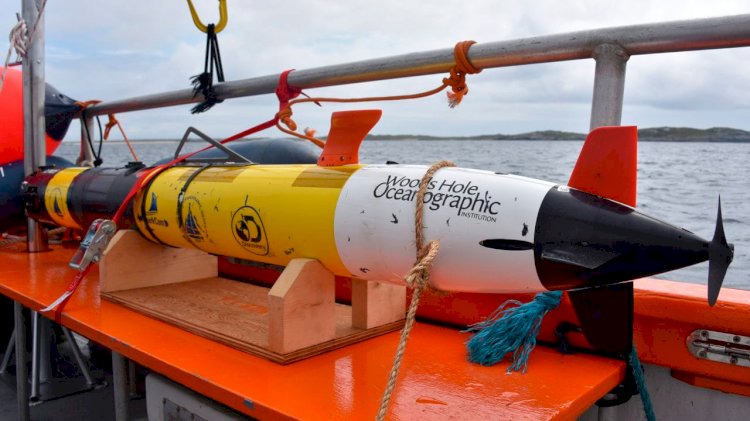
An autonomous underwater vehicle (AUV) known as the REMUS SharkCam has been used in the UK for the first time to observe the behaviour of basking sharks in the Inner Hebrides, off the west coast of Scotland.

The groundbreaking technology, designed and built by the Oceanographic Systems Laboratory at Woods Hole Oceanographic Institution (WHOI), is set to reveal the secret lives of the world’s second largest fish—a species that little is known about, despite being prevalent in the region’s waters.

The research team, which included colleagues from the University of Exeter, World Wildlife Fund (WWF), Sky Ocean Rescue, Scottish Natural Heritage (SNH), hope the stunning images captured by the AUV will strengthen the case for creating the world’s first protected area for basking sharks in this part of the sea.

The team used SharkCam to track sharks once they were tagged and disappeared beneath the water’s surface. The robot collects wide-angle, high definition video of their behaviour from a distance, as well as high quality oceanographic data, such as ocean temperature, salinity, biological productivity and bathymetry, which shows how far the sharks are off the bottom of the seafloor.

WHOI Research Engineer Amy Kukulya and SharkCam Principal Investigator said:

“Every time we deploy REMUS SharkCam, we learn something new about the species we are studying. We’re able to remove the ocean’s opaque layer and dive into places never before possible with this groundbreaking technology, answering questions about key species and revealing new ones.”

Equinor promises to clean up the Bahamas oil spill

0

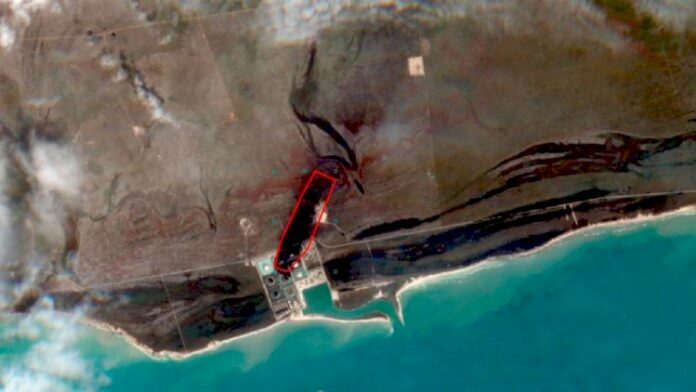
In the aftermath of Hurricane Dorian there are reports of widespread devastation across the Bahamas. Equinor will clean up the spills from the South Riding Point oil terminal. Resources are being mobilized as quickly as possible to safeguard people, the environment and the facility.

At the time of arrival of the hurricane, Equinor had 54 personnel on Grand Bahama. All are confirmed safe and accounted for. Employee relief is being provided, including water and food.

The South Riding Point oil terminal has sustained damage from the hurricane and oil has been observed on the ground at the terminal site and in neighboring areas. The size of the spill is not yet clear.

Based on current visual assessments, there are no indications of continued oil leakage from the tanks or of oil spills from the terminal to sea or beaches. Further examination is ongoing to assess the full impact of the spill.

Security personnel is on site at the terminal working to secure the area and identify potential hazards.

Equinor has secured vessels and equipment for oil spill response in Port Fourchon, Louisiana, and from various ports across southeast Florida. Some are now en-route, while some are pending customs to be en-route as soon as possible. Upon arrival, clean-up and remediation will start immediately.

The equipment mobilized includes skimmers, oil containment booms, absorbents, pumps, pressure washers and boats.

The situation is complex and challenging, with damage to infrastructure hampering progress in relief and response efforts.

Equinor has almost 100 members of its incident management organization in Norway and the US now working in coordination with our people on Grand Bahamas Island.

Equinor will come back with more updates as work continues and more information becomes available.

SCHOTTEL delivered propulsion units for two ferries to Damen Shipyards Galati

0

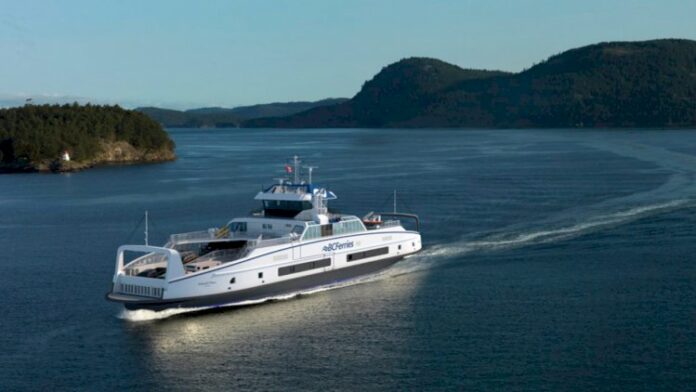
German propulsion manufacturer SCHOTTEL has delivered propulsion units for two 81-metre road ferries to Damen Shipyards Galati, Romania.

Each of the newly built vessels ordered by Canadian operator BC Ferries will be equipped with two high-efficiency SCHOTTEL Twin Propellers. Once operational, they will serve the Northern Gulf Islands off the coast of Vancouver.

Paul Catsburg, Director Vessel Replacement program at BC Ferries, said:

“This class of vessels is very important for BC Ferries as it introduces a state-of-the-art, battery-electric, hybrid propulsion system. This is some of the most advanced, clean marine technology in the world. The ships’ hybrid design is important for two main reasons: firstly, to improve environmental stewardship and, secondly, to reduce operating costs by evolving to full electric propulsion.”

The main propulsion for the ferries consists of a pair of electric motors – each rated 900 kW at 1,600 rpm and driving the SCHOTTEL STP 340 azimuthing thrusters. Provided with a propeller diameter of 1.85 m, the STP 340 enables a free-sailing speed of 14 knots.

Beyond this, SCHOTTEL Twin Propellers are the ideal alternative for quiet vessels or applications with limited installation space, draught or propeller clearance. By sharing the load between two propellers, the risk of cavitation is minimized and tip clearance is increased. Both of these characteristics, in turn, lead to low noise and vibration levels. This concept also improves the efficiency of the propulsion system and reduces fuel consumption compared to single propellers.

Built to Damen’s Road Ferry 8117E3 design, the vessels will be capable of carrying up to 300 passengers and crew as well as 47 vehicles. Both ferries will operate in the province of British Colombia on Canada’s Pacific coastline. 
The road ferries are expected to enter operation in the spring of 2020. 

About BC Ferries

BC Ferries is one of the largest ferry operators in the world, providing year-round vehicle and passenger service on 25 routes to 47 terminals, with a fleet of 37 vessels. Serving as a vital transportation link, the company connects coastal communities and facilitates the movement of people, goods and services.

VIDEO: Autonomy enabled spill-response vessels by Sea Machines Robotics

0

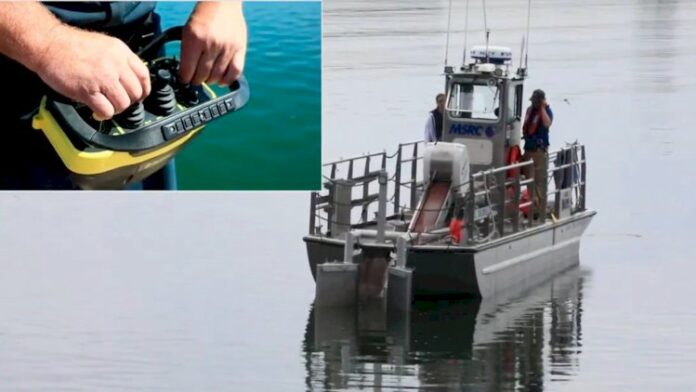
As a part of its cooperative agreement with the U.S. Department of Transportation Maritime Administration (MARAD), Boston-based Sea Machines Robotics successfully demonstrated its SM300 autonomous systems in action on board a Marco skimmer boat during events held along the Portland, Maine, harbor in August 2019.

During the event, Sea Machines proved its ability to increase the safety, productivity, and predictability of response for marine oil-spill operations. The on-water demonstrations took place aboard the world’s first autonomous spill response vessel – a Vigor/Kvichak Marine Industries-built skimmer boat, owned by Marine Spill Response Corp. (MSRC) – before a live audience of MARAD, government, naval, international, environmental and industry representatives.

In this video, listen to the observations made by MARAD and MSRC representatives about the impact Sea Machines autonomous systems is having on the commercial marine spill-response industry.
 

Cruise lines choose BMT’s REMBRANDT maritime simulator

0

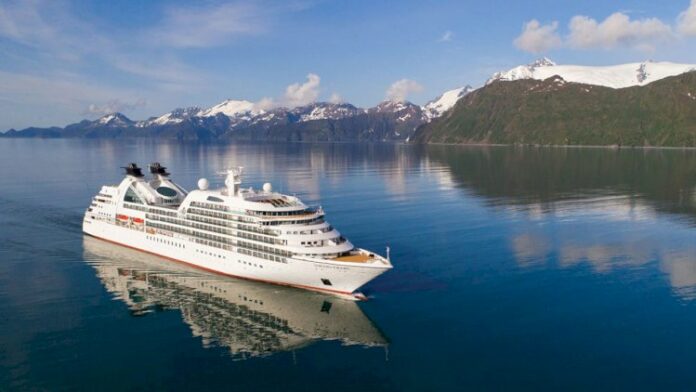
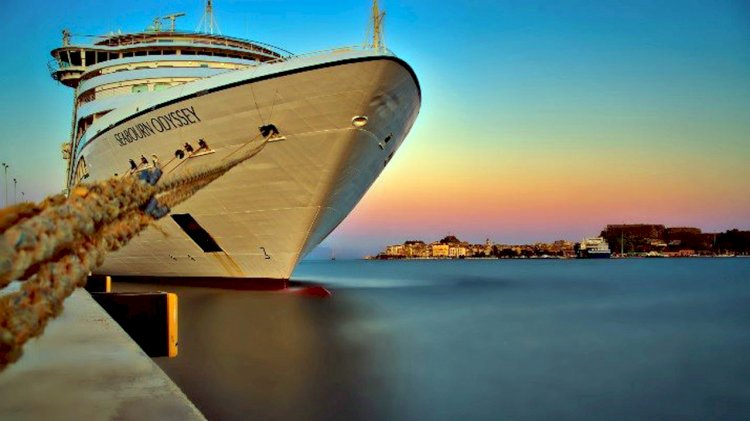
BMT has reported phenomenal growth in sales of its maritime simulator and has just signed multiple key contracts with select cruise lines including Holland America Line, Princess Cruises, Seabourn in North America and P&O Cruises Australia.

The orders for both office and ship-based licences of BMT’s REMBRANDT maritime simulator will support cruise lines on more than 39 cruise ships.

Dr. Phil Thompson, Simulation and Training business director at BMT, commented:

“It is a proud day for BMT to have been entrusted to provide our versatile and scalable systems to power international fleets for some ships within the world’s largest leisure travel company. With its unique capabilities, REMBRANDT delivers the highest standards of manoeuvring simulation within an S-57 and S-63 ENC environment.

This has been further enhanced by a high-fidelity, 3D scene reconstruction from multiple uncalibrated views using VDR and AIS data to generate visual reconstructions and playback files with a “pause and take control” feature that opens up new and exciting opportunities for state-of-the-art reflective training. We are looking forward to supporting these widely recognised cruise line brands, to realise a successful systems’ application and delivery.”

Eric Chamberlin Vice President of Marine for Princess Cruises, Holland America Line, Seabourn and P&O Australia, said:

"At Holland America Line, Princess Cruises, Seabourn and P&O Cruises Australia, our number one priority is the safety and comfort of the guests who sail with us every year. For us, providing one of the world's leading solutions for maritime simulation and virtual training to support international operations is essential in helping us meet that priority. For that reason, we have formed an important partnership with BMT, one of the world's most respected leaders."

REMBRANDT is fully scalable – operating in full mission modes through to desktop and laptop configurable modes. It is a fully certified DNV GL-Class A, B, C and S simulator and has been adopted by a large number of high-profile maritime stakeholders.

The shipboard technical equipment simulator supports modern offshore vessels with scalable ship bridge simulation and training applications, including complex shipping manoeuvres in shallow, hydrodynamic waters, training and assessment for the entire crew and ship to ship transfers.

This innovative technology has recently been adopted by the world’s leading statutory marine agencies. These include the U.S. National Transportation Safety Board’s (NTSB) Office of Marine Safety (OMS), the UK’s Marine Accident Investigation Branch, the Australian Transport Safety Board and the Dutch Safety Board.


CONTROP presents a complete solution for coastal and maritime surveillance

0

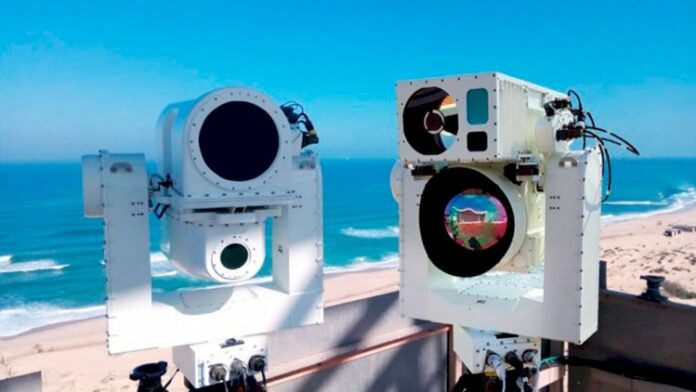
CONTROP Precision Technologies Ltd. – a company specializing in the field of Electro-Optics (EO) and InfraRed (IR) Defense and Homeland Security solutions ‒ presents a unique EO suite comprising the TORNADO-ER and the SPEED-ER systems.

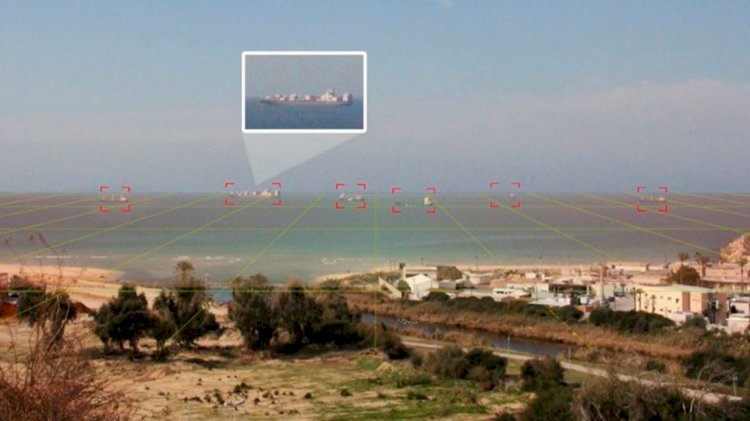
The comprehensive coastal surveillance system provides real-time large area detection capabilities with long range, multi spectral, powerful zoom and identification performance.

The TORNADO-ER provides a panoramic InfraRed (IR) image, automatic detection of moving maritime targets as well as multi-target tracking capability, covering dense maritime areas and detecting swimmers at short ranges and vessels up to 12km.

The SPEED-ER is a long-range observation system that is cued to those targets which have been detected by the TORNADO-ER, enabling users to explore the targets and their contents, and providing highly accurate locational details. The two solutions are controlled by a dedicated C2 system, a man-machine interface (MMI) which includes intuitive panoramic imagery, maps, enlarged images, and observation videos. The user-friendly MMI presents targets on the map and on the panoramic image, providing all required information upon request.

The TORNADO-ER includes two mid-wave infrared (MWIR) cameras. The live videos from these cameras are "stitched together" to provide one panoramic stream. The system scans at a rate of 3 seconds for 360°.

The SPEED-ER has an extended long range camera and highly stabilized optics, featuring CONTROP’s unique technologies. The sensors include MWIR, Short Wave InfraRed (SWIR), Daylight Channels, Laser Range Finder (LRF) and an optional Laser Pointer.

Mr. Ra'anan Shelach, CONTROP’s VP Marketing, says:

“Always attentive to the needs of our customers, we have developed a comprehensive coastal solution for maritime surveillance that enables a single operator to essentially control the seas. It is already in operational use, providing highly effective surveillance capabilities, mainly in dense waters and seas with crowded traffic, such as ports, waterways, straits, etc.”