-2.7 C
New York
Home Blog Page 993

New multi-functional catamaran by Incat Crowther

0

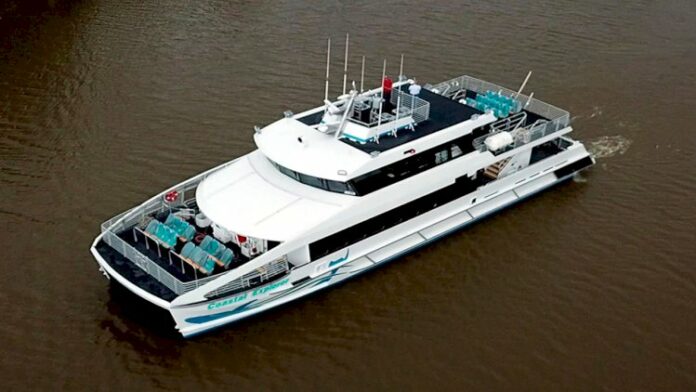
Incat Crowther has announced the delivery of the multi-functional 30m catamaran passenger vessel, Coastal Explorer. The vessel closely follows two predecessors delivered in 2018, Acadia Explorer and Schoodic Explorer and brings the popular operator’s number of Incat Crowther vessels to five total.

Built by Gulf Craft in Franklin, LA for Bar Harbor Whale Watch Co, the USCG Subchapter T certified vessel will be used for whale watching excursions, nature cruises and light house tours in the Acadia National Park and surrounding areas as well for providing tender services to cruise ships which frequent picturesque Bar Harbor, Maine during the spring and summer months.

The Coastal Explorer features three boarding areas on each side of the vessel to facilitate efficient loading and unloading and a pair of stairs leading to the upper deck enhances passenger flow.

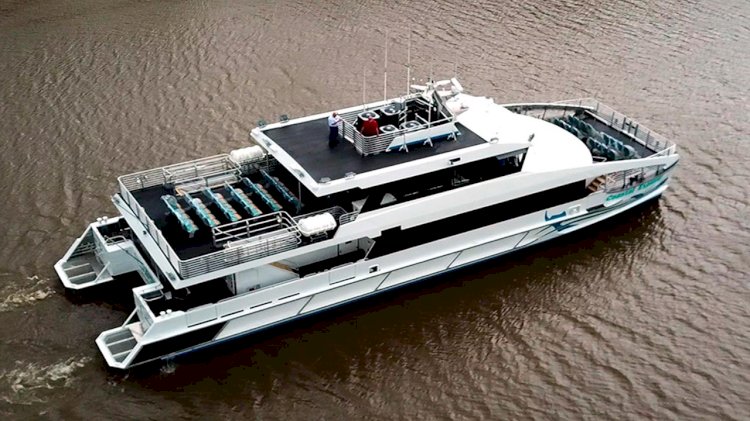
The ADA-compliant main deck cabin has seating for one hundred fourteen (114) passengers in a climate-controlled interior. In addition the forward doors provide access to the exterior foredeck seating for sixteen (16) passengers. The comfort of passengers is addressed with ergonomic seating fitted with tables, a large kiosk serving various snacks and refreshments and five televisions for entertainment. The aft end of the accommodations includes two (2) heads, one (1) of which is ADA compliant.

The upper deck provides a spacious and open view of the environment with seating for sixty-five (72) total passengers, with thirty-six (36) under cover. Entertainment is provided by a large screen television centered to seating. The large pilot house is equipped with wing stations and the latest electronics for safe navigation.

The roof above the pilot house is fitted with a station for a naturalist who is tasked with disseminating information to passengers about landmarks and wildlife which are within viewing distance.

While the initial two 2018-built vessels in this series had twin Caterpillar C32 main engines, propulsion for the Coastal Explorer is provided by four (4) EPA Tier 3 Cummins QSK19 rated at 800hp @ 2100rpms driving four (4) Hamilton HM461 waterjets with a service speed of 28 knots at a modest engine load. Active ride control for passenger comfort is provided by a compliment of Humphree interceptors.Electrical power is provided by a pair of Caterpillar C4.4 generating sets.
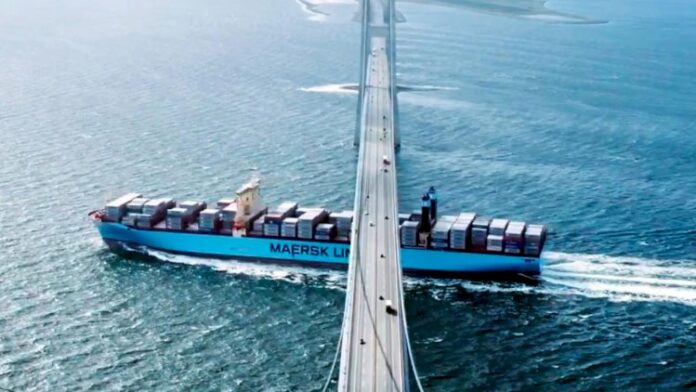
VIDEO: Maersk aims to be CO2 neutral by 2050

0

As world trade and thereby shipping volumes continue to grow, efficiency improvements on the current fossil-based technology can only keep shipping emissions at current levels but not reduce them significantly or eliminate them.

Maersk will continue to work on efficiency measures to continue to decouple growth in our business from our CO2-emission levels. The company has invested substantially in efficiency measures for 10 years and have reduced our relative emissions by 41% compared to 2008. Efficiency is not enough to live up to the Paris Agreement’s ambition of keeping global warming below 1,5 degrees Celsius.

To achieve this goal, Maersk plans fully move to new carbon neutral fuels, and supply chains must fully eliminate fossil fuels. Moller-Maersk has set ourselves the goal of reaching carbon neutrality in own operations by 2050. 

New GreenSteam Manager delivers proven fuel savings

0

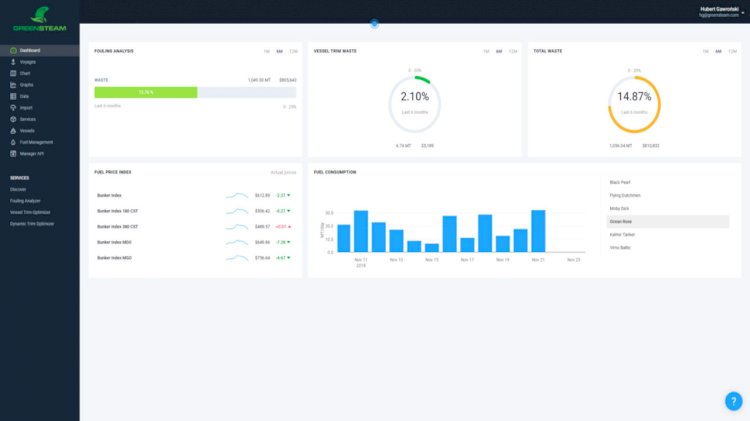
This new unique platform delivers proven fuel savings using a decade’s experience in shipping specific machine learning.

GreenSteam Manager builds a precise vessel performance baseline and ensures accurate fuel saving predictions.

With a focus on user experience, the new GreenSteam Manager delivers deep insights and actionable advice through an intuitive dashboard. Benefits of GreenSteam Manager:

• The unique GreenSteam Machine Learning platform provides higher levels of accuracy than ISO 19030 when applied to hull fouling.

• See fuel wastage through trim and fouling, and potential savings for a fleet, or individual vessel.

• Robust vessel to vessel comparisons, highlighting high and low performers instantly.

• Clearer information to help you make informed decisions on the ideal vessel trim for best fuel economy.

• Better fleet monitoring with enhanced map display showing live sat-AIS positions, ECA zones and KPI performance.

• Identify the impact on performance after a hull cleaning or docking.

• Improved loading of vessels through online accurate trim tables.

Qatargas delivers first Q-Flex LNG cargo to Petrobangla

0

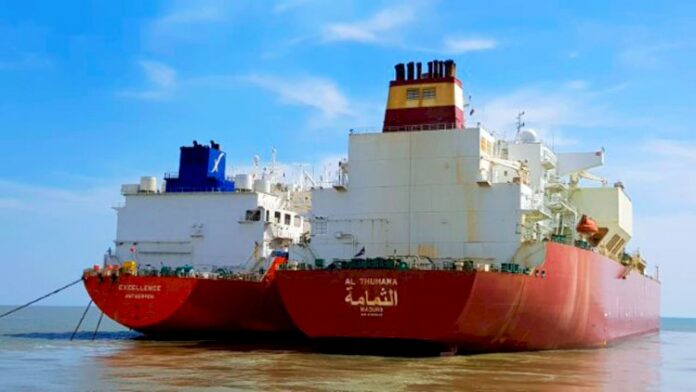
Qatargas Operating Company Limited (Qatargas) has delivered the first cargo of liquefied natural gas (LNG) on a Q-Flex vessel to the Floating Storage and Regasification Unit (FSRU) named 'EXCELLENCE' and known as Moheshkali LNG Terminal (MLNG), located offshore Bangladesh.

The cargo, aboard Qatargas-chartered 'Al Thumama', was loaded at Ras Laffan on 4th September and delivered to MLNG on 20th September 2019.   

This is the first commercial open water ship-to-ship transfer involving a Q-Flex vessel. MLNG is a project jointly developed by Excelerate Energy and the Bangladesh Oil, Gas and Mineral Corporation (Petrobangla) on a build, own and operate basis. The FSRU 'EXCELLENCE' is under a 15 year charter deal to Petrobangla and carried the inaugural LNG cargo from Qatar in April 2018. 

​'Al Thumama' is a Q-Flex class LNG vessel with an overall cargo carrying capacity of 216,000 cubic meters. 

​​The deliveries to Petrobangla are made under a long-term Sale and Purchase Agreement (SPA) signed in September 2017 between Qatargas and Petrobangla to supply up to 2.5 Million tons of LNG per annum for 15 years.

DNV GL’s Veracity strengthens maritime digitalization with new Asia-Pacific hub

0

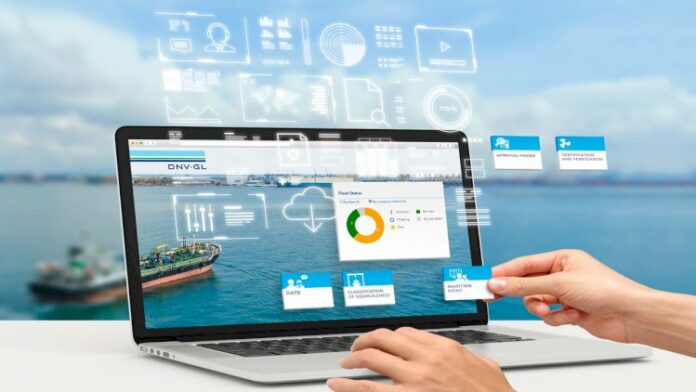
Veracity, DNV GL’s open industrial data platform, opens new base in Singapore with the aim to stimulate closer collaboration in the maritime sector through the sharing of data.

Veracity is DNV GL’s industrial data platform that enables the secure exchange of data-sets, APIs, applications and insights between industries. By bringing Veracity to Singapore, DNV GL aims to spur on the digitalization of the maritime industry by helping this sector to better leverage the use of data.

Mikkel Skou, Director of Veracity says:

“Asia-Pacific is thriving due to a great deal of investment and innovation across industry. By having a local presence in Singapore, we are better equipped to support the maritime industry in particular with its efforts to use data as a resource to increase efficiency.”

The new Veracity office in Singapore will be headed by Magnus Lande, who serves as the Commercial Director for Veracity, with a focus on maritime.

Magnus Lande says: 

“A broad range of organizations, from shipowners to authorities, need to better leverage available data in their core activities. This could be data owned by the organization or owned data combined with available public or industry data. We will help organizations unlock this potential by facilitating secure data sharing and collaboration between industry players on our data platform and ecosystem.” 
 

Ørsted and Pict Offshore to develop new technology for offshore wind operations

0

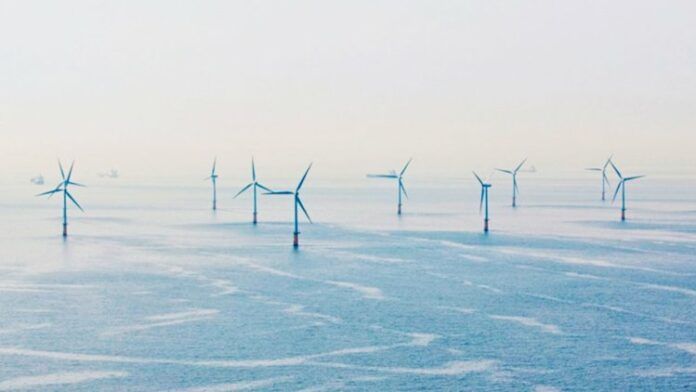
Ørsted has acquired a 22.5% share in Pict Offshore, the Scottish developer of an innovative technology set to transform the way technicians access offshore wind turbines.

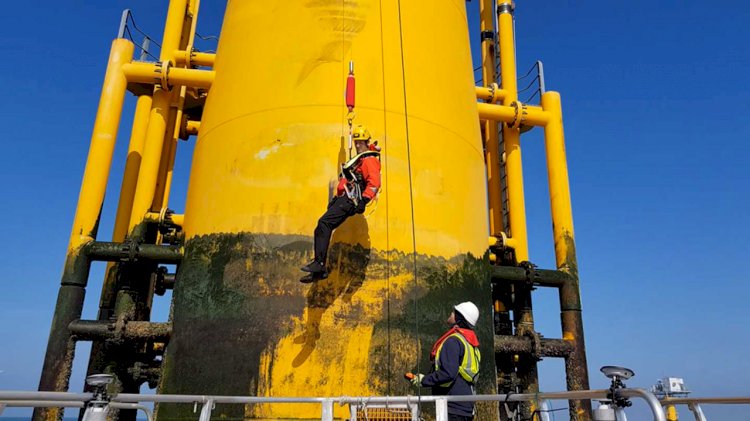
The Get Up Safe (GUS) system, developed in partnership between Ørsted and Pict Offshore, is a motion compensated hoist solution that enables technicians to safely transfer between small moving vessels and offshore wind turbines. 

Using this technology means that technicians will no longer have to step from a moving boat onto a ladder and then climb (sometimes over 20 metres) to reach the base of the turbine. Instead they can clip onto the system and be safely and effortlessly hoisted up to the turbine base directly from the boat. 

The system’s motion compensation capability means that the hoist automatically adjusts the line position to take account of the boats movements so that even in periods of high and varying wave heights, there is no danger of collision between the technician and the boat. 

In addition, the technology removes the need for external access ladders on the turbines, reducing the amount of steel required in the structure and provides further potential for cost reduction. 

The technology is patent-protected and in the final stages of development. More than 1,600 successful hoists have already been conducted at Ørsted sites as part of the testing process.

Mark Porter, Senior Vice President for Offshore Operations at Ørsted, said:

“The offshore wind sector already has a proven track record of innovation and rapid cost reduction, and we’re continually looking at new technologies to enhance both the construction and maintenance of our projects.  This game-changing new technology can provide a more efficient, safe and cost-effective way of transferring technicians onto offshore wind turbines. 
We’re excited to be working alongside an innovative small business in Pict Offshore to revolutionise the way our technicians get to work. As the global offshore wind industry continues to grow, the opportunities for this technology are huge.”

Philip Taylor, Managing Director at Pict Offshore, said:

“We have hugely benefited from the experience and knowledge of Ørsted, the world’s largest offshore wind developer. Partnering with them has accelerated our ability to bring this new technology to market. The Get Up Safe motion compensated lifting system is an ambitious step forward for the whole offshore wind industry. It completely revolutionises the way technicians get to work, and we’re delighted to have reached the final stages of testing. We’ve also hugely enjoyed working alongside Ørsted and seeing first-hand the company’s passion for innovation.”

Pict Offshore is a spin off from height safety innovator Limpet Technology and is headquartered in Fife in Scotland.

The development of the product commenced in 2016 and was helped by a Scottish government innovation grant. 

From 2017, prototypes of the system were tested at the ORE (Offshore Renewable Energy) Catapult’s 7MW Levenmouth Demonstration Turbine in Scotland and featured in their “Backing the Game Changers” campaign. 

Although the system was initially developed to assist technicians transfer between boats and access ladders in increased wave heights, Ørsted has worked with Pict Offshore to further develop the product, ultimately removing the need for boat landing ladders altogether and allowing the vessel to push directly onto the turbine.


Accelerating decline in ocean health reported in latest EU Copernicus research

0

The third edition of the Ocean State Report (OSR) describes the continuation of trends highlighted in last year’s edition, but at an alarmingly accelerating pace. Dramatic changes in sea ice extent at the poles, increased ocean heat content, deoxygenation, and even the appearance of a giant hole in the Antarctic ice are but a snapshot of the bleak outlook divulged in the report.

The Copernicus Marine Service’s OSR is published as an annual special supplement in the Institute of Marine Engineering, Science and Technology’s (IMarEST) Journal of Operational Oceanography. It provides a comprehensive and state-of-the-art assessment of the current state, natural variations and changes in the global ocean and European regional seas.

The OSR provides a 4-D view including forecasts from above (through satellite remote sensing data) and from the interior (in situ measurements) of the blue (e.g. hydrography, currents), white (e.g. sea ice) and green (e.g. phytoplankton) ocean.

It is written by more than 100 scientific experts from over 30 European institutions, drawing on data from the European Union’s Copernicus Earth Observation programme Mercator Ocean International – a centre for ocean analysis and forecasting.

The third edition of the report draws attention to the changes that have occurred in the marine environment in 2017. Ongoing rising heat content of the global ocean and European regional seas is reported, with 2017 cited as the 6th warmest year for sea surface temperatures on record in the Mediterranean Sea.

The Pacific Island States will be particularly vulnerable to this changing marine environment, as the Copernicus Marine Atlas shows them to have been subjected to a +0.02℃ increase in sea surface temperature per year since 1993.

There have also been substantial modifications at the base of marine food chains, where phytoplankton – whose photosynthesis contributes more than half of the Earth’s oxygen content – are declining. Chlorophyll-A (the proxy used to monitor phytoplankton abundance) has been diminishing at -0.4% per year – a very worrying trend considering they also consume an enormous amount of carbon.

With such sustained and drastic ocean warming, sea level rise and a decrease in the base of the marine food chain (phytoplankton), the Pacific States will face unprecedented threats to the three pillars of sustainable development: economy, environment, and society.

The Arctic region is warming twice as fast as the global mean and is undergoing drastic changes. Since 1993, sea ice extent has declined by 770,000 square kilometres (-5.89%) per decade – equivalent to well over two times the area of Germany.

A not too dissimilar picture is painted on the other side of the globe, where the Antarctic has also seen a sharp decrease in sea ice extent in 2016 and 2017. Previously, since the beginning of the Copernicus Marine record in 1993 until around 2015, sea ice had actually been slowly but steadily expanding, with a record high in 2014 that lasted several months. However, from late 2014 to 2017 there was a staggering loss of some 2 million square kilometres of sea ice – equivalent to nearly four times the area of Spain, lost in three years.

This sudden and substantial event is made even more worrisome by the reopening of a large hole (polynya) in the Antarctic winter sea-ice cover. The opening in the Weddell Sea reached 80,000 square kilometres at its peak and stayed open for nearly three months. This marked the first reopening of the Polynya to this extent since it was first observed in the winters of 1974-76.

Orpheus AUV explores the ocean’s depths in Veatch Canyon

0

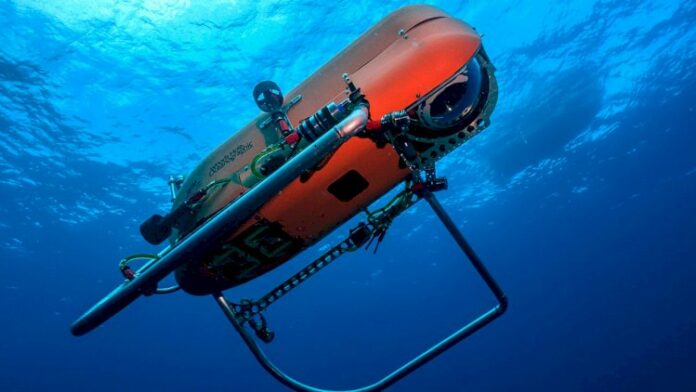
Orpheus, an autonomous underwater vehicle (AUV) developed by WHOI, begins its descent into Veatch Canyon on the continental shelf off of the U.S. Northeast during one of several dives from the R/V Neil Armstrong in September 2019.

Designed by WHOI lead engineer Casey Machado and WHOI deep-sea scientist Tim Shank in collaboration with NASA’s Jet Propulsion Laboratory, the AUV is a critical component of WHOI’s HADEX deep ocean exploration program.  The small, lightweight vehicle is the first in a new class of AUVs designed to withstand the pressure of the ocean’s greatest depths, while working independently or as a networked “fleet” to explore and conduct research in the deepest parts of our planet.

Data collected with Orpheus will enable greater understanding of the ocean’s hadal zone (20,000 to 36,000 feet deep) and usher in a new era of hadal research. This includes investigations into trench ecosystems, and novel adaptations that have evolved to sustain life under extreme pressures in the deepest regions of our ocean.

The program will also set the stage for exploration of other ocean worlds, such as Jupiter’s moon Europa and Saturn’s moon Enceladus, which are known to harbor liquid water oceans beneath a thick crust of ice.

Crown Estate launches the UK’s first major offshore wind leasing round in a decade

0

The Crown Estate has launched Offshore Wind Leasing Round 4, opening up the potential for at least 7 GW of new seabed rights for offshore wind development in the waters around England and Wales – enough to meet the electricity needs of over six million homes.

The Crown Estate, which acts as manager of the seabed around England, Wales and Northern Ireland, is making four broad areas of seabed available to the market, within which potential developers will have the opportunity to bid for project sites.

This launch follows over 18 months of engagement with the market and stakeholders through which The Crown Estate has developed and refined its proposals.

Huub den Rooijen, Director of Energy, Minerals and Infrastructure at the Crown Estate said:

“The UK is home to the world’s largest offshore wind market, attracting global investment, meeting UK electricity needs, and playing a crucial role in the transition to a net zero economy. Round 4 projects will take the UK sector from strength to strength, delivering clean, affordable, home-grown electricity and joining a robust pipeline of projects in UK waters, which together will deliver a fourfold increase in operational offshore wind capacity by 2030”.

VIDEO: Oceaneering presents a new ROV technology

0

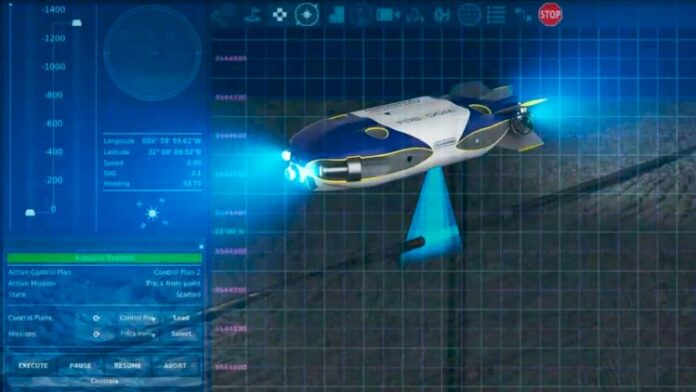
Freedom ROV provides a new level of flexibility and efficiency while performing common ROV tasks, including survey, inspection, valve and torque tool operations, manipulator-related activities, and underwater inspection in lieu of drydocking (UWILD) operations.

Freedom’s architecture is based on reliable hardware and software that enables increased autonomy, endurance, and missions. Adopting a plug-and-play operational philosophy, Freedom provides a low-maintenance, field-configurable vehicle that can be optimized via interchangeable payload packages and sensor suites specifically designed to meet diverse work scopes. 

The modular design of the vehicle enables configuration to best meet dynamic mission work scopes including infield inspection, long-range survey, and light intervention. 

The ROV can operate in both autonomous and tethered modes and is supported by a subsea docking station. Freedom is intrinsically modular and can be configured to meet project demands. Freedom includes a novel subsea-mateable tooling interface at the front and rear of the vehicle to provide increased functionality.