2.5 C
New York
Home Blog Page 985

Final wind turbine installed on the offshore wind farm Hornsea 1

0

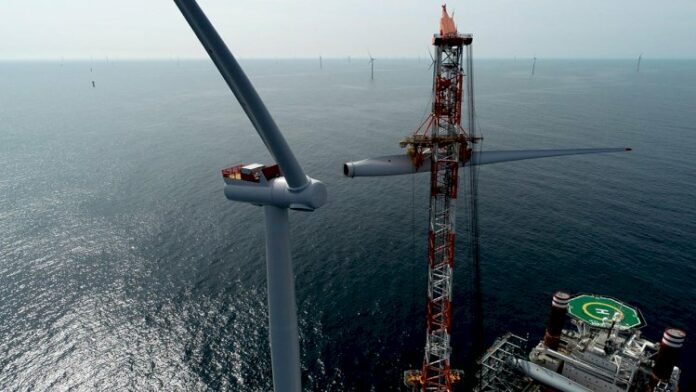
Ørsted has announced that the final of 174 wind turbines has been installed at the world's largest offshore wind farm Hornsea 1. The component loadout took place at Siemens Gamesa Renewable Energy's factory in Hull, where the majority of blades were constructed, and the components were then transported 120km out to sea.

The wind turbines were transported by two specialist vessels: The Bold Tern, owned by Fred. Olsen Windcarrier, and DEME Group's Sea Challenger. Both are installation vessels which jack up in the sea to provide a sturdy base for lifting.

Four turbines were loaded on to the vessel each time. The main components are a steel tower, three turbine blades and a nacelle which houses all generation components for the turbine. On average, it takes around 12 hours of precision working to install a turbine in full.

Standing a proud 190m above sea level and with its three 75m long blades, each 7MW turbine will be able to power a UK home for over a day with each single rotation.

Part of an impressive array dotted over 407 km2 of North Sea more than 100km from the Yorkshire coast, the final turbine completes the 174-strong array of turbines, which make up the world's largest offshore wind farm.

Now the final turbine is installed, the project will undergo a period of commissioning, and will be officially inaugurated in 2020 as the world's largest offshore wind farm.

First wind farm to cross 1GW capacity

Once complete, the site will be the world's first offshore wind farm to be able to generate over 1GW of electricity – enough to power well over one million UK homes.

Duncan Clark, Ørsted Programme Director for Hornsea 1 said:

"The milestone of this last turbine being installed only nine months after the first one was erected is just one small part of this record-breaking project. Hornsea 1 has truly paved the way for the next generation of offshore wind farms. At the time of taking on the project, it's scale and the technical pioneering required seemed a Herculean challenge, but a truly extraordinary effort from all those involved have managed to make this impressive feat of engineering the new norm. We have benefitted from fantastic working relationships with contractors and suppliers, and that includes vessel providers who have maintained a constant stream of communication to ensure that turbine installation has been concluded on time and within budget."

Offshore construction started in January 2018, when the first monopile foundation was installed by GeoSea's installation vessel, Innovation. It has taken a whole host of contractors, suppliers and Ørsted employees to reach this landmark with over 8,000 people having been inducted to work offshore at Hornsea 1's site.

Due to the distance from shore, the offshore construction team based themselves on site, 120km out to sea, to help ensure the project kept safe and to schedule in dynamic weather conditions.

Living on board the GMS Endeavour for two weeks at a time, they were able to stay close to the action, as well as enjoy a gym, catered for, laundry service and high-speed internet.

Facts about Hornsea 1:

  • Hornsea 1 is the world's biggest offshore wind farm with a capacity of 1.2GW, nearly double the current world's largest offshore wind farm, Walney Extension.
  • The wind farm comprises 174 Siemens Gamesa 7MW turbines (190m from sea level with 75m long blades) and will be capable of powering well over one million UK homes.
  • At 120km from shore, it's the furthest from shore an offshore wind farm has ever been built.
  • Hornsea 1 features the longest ever AC offshore wind export cable with a total length of 467 km.
  • Three 400MW offshore substations will convert to high voltage the clean electricity from the medium voltage cables connected to each wind turbine.
  • Hornsea 1, which will cover an area of 407 square km, is 50/50 joint venture between Ørsted A/S and Global Infrastructure Partners (GIP).
Port of Los Angeles unveils world’s first zero-emissions top handlers

0

Pioneering All-Electric Equipment Advances Clean Cargo Handling Solutions.
 
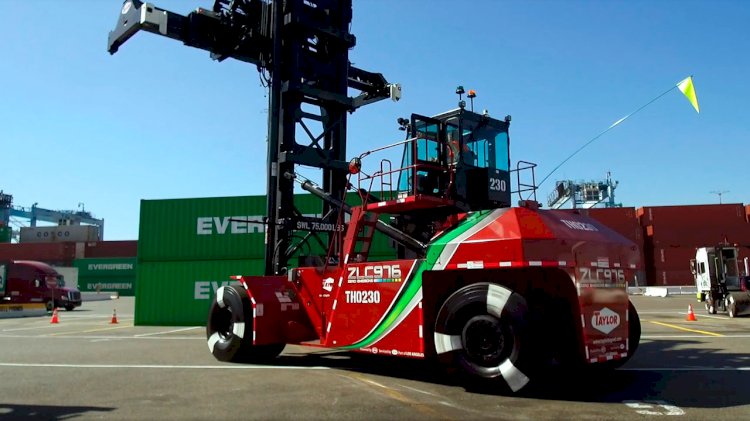
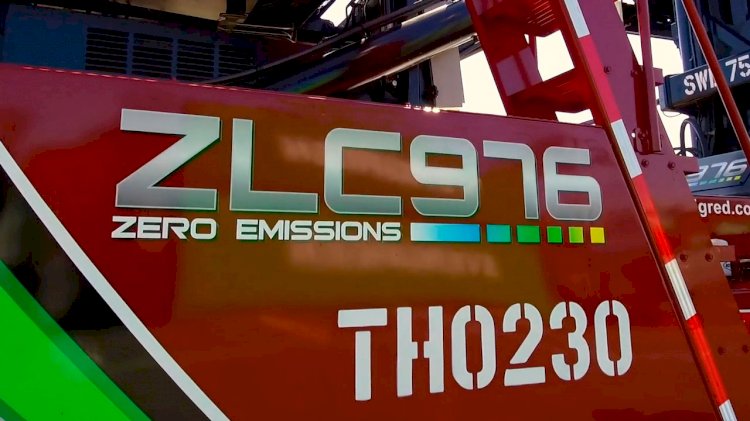
Clean cargo handling operations at the Port of Los Angeles are taking a giant leap forward with the demonstration of the world’s first zero-emissions top handlers. Joined by Los Angeles Mayor Eric Garcetti in celebration of California Clean Air Day, the Port today showcased two pre-commercial battery-electric top handlers that will be tested at the Everport Container Terminal.

Mayor Eric Garcetti said:

“Every Angeleno deserves to know that future generations will inherit a sustainable city and a livable planet — and that our air, water, and natural resources will be protected and preserved. Clean Air Day gives L.A. an opportunity to show what it means to put our principles into practice with cleaner transportation, goods movement, and energy sources — to leave a healthier world for our children and grandchildren.”

Port of Los Angeles Executive Director Gene Seroka said:

“Today shows we are making good on our pledge to do the hard work of advancing commercially feasible solutions to meet our goal of transitioning all cargo handling equipment to zero emissions by 2030. We’re excited to power up these battery-electric top handlers and test them under the real-world conditions of a working container terminal.”

The world’s first battery-electric top handlers were designed and built in the U.S. by Taylor Machine Works, Inc., a leading heavy-duty equipment manufacturer and the largest supplier of top handlers in service at the Port. Also known as top picks, top handlers are off-road vehicles with an overhead boom for loading containers weighing up to 75,000 pounds onto trucks and trains, unloading them, and stacking them on terminals between pickups and deliveries.

Taylor’s zero-emissions top handlers run on a one-megawatt battery designed to operate for up to 18 hours between charges. Each top handler has a data logger for tracking hours of operation, charging frequency, energy usage and other performance indicators.

The data collection process also involves obtaining feedback from all demonstration participants, including the drivers and mechanics who will operate and maintain the top handlers. Workers will be able to provide valuable input on the maneuverability, noise level and safety of the equipment.

The top handlers will be tested over a 12-month period, expected to begin by the end of the year. The Port and its partners will also evaluate the functionality of the connections and systems for charging the top handlers.

The battery-electric top handlers are a key component of the Port’s $7.7 million Everport Advanced Cargo Handling Demonstration Project. The California Energy Commission (CEC) is supporting the large-scale zero-emissions technology project with a $4.5 million sustainability grant.

Energy Commissioner Patty Monahan said:

“The CEC is proud to be working with forward-thinking partners like the Port of Los Angeles to accelerate the adoption of innovative and sustainable freight technologies. Projects like this are critical to showcasing zero-emission equipment that can make the state’s freight industry more efficient and competitive, while helping clean California’s air.”

The Everport demonstration is one of 16 projects in which the Port is either the lead agency or a participant working with multiple partners to test near-zero emissions and zero-emissions engines, emissions control technology, and alternative fueling and charging stations. In addition to the battery-electric top handlers, the projects include testing hybrid natural gas and fully battery-electric fuel cell heavy-duty trucks; battery-electric forklifts, yard tractors, and rubber-tired gantry cranes; and emissions control equipment on large ships and harbor craft.

Taylor has decades of experience working with the Port’s marine container terminal operators to meet their equipment needs. Since the 2006 launch of the Clean Air Action Plan, the Mississippi-based manufacturer has played a key role in the Port’s air quality progress by helping terminal operators transition their top handlers to the cleanest available in today’s market. Currently, more than 60% of the 213 top handlers in Port service meet Tier 4 off-road diesel engine standards.

Eliminating tailpipe emissions from cargo handling equipment is essential to achieving the Port’s larger goal of reducing greenhouse gases (GHGs) from all port-related sources. Port targets call for reducing GHGs 40% below 1990 levels by 2030 and 80% below 1990 levels by 2050.

HMS Prince of Wales hits top speed at sea

0

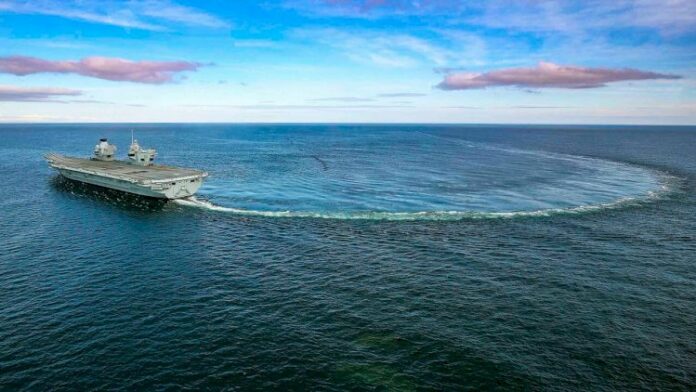
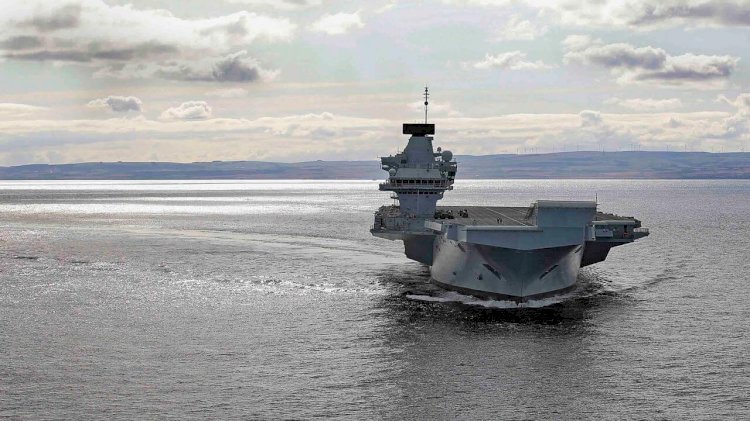
Britain's newest aircraft carrier has hit top speed as she tested her engines to the max in the North Sea.

HMS Prince of Wales thundered through the sea at 25 knots as her diesel generators and gas turbines were pushed to full throttle during only her second week of trials.

It took almost all the 109 Megawatts of power – enough to meet the needs of a city the size of the carrier’s home of Portsmouth – the six engines generate to propel the 65,000-tonne warship along at full speed.

And it required another two miles of clear sea to bring the 280-metre-long aircraft carrier to a stop again – such is the momentum generated by the engines running flat out.

Overseeing the full speed trials was Warrant Officer Rob Firth who made certain the leviathan gradually increased speed until she topped out at over 25 knots:

“I felt privileged to be the first Propulsion Warrant Officer to take HMS Prince of Wales to full power making use of the majority of her 109 megawatt generation capacity – but this couldn’t have been achieved without the considerable effort of the whole department.”

The carrier is powered by four diesel generators and two gas turbines, run by the 170-strong marine engineering department – one third the size of the equivalent department on the Navy’s last conventional carrier, HMS Ark Royal, which left service 40 years ago.

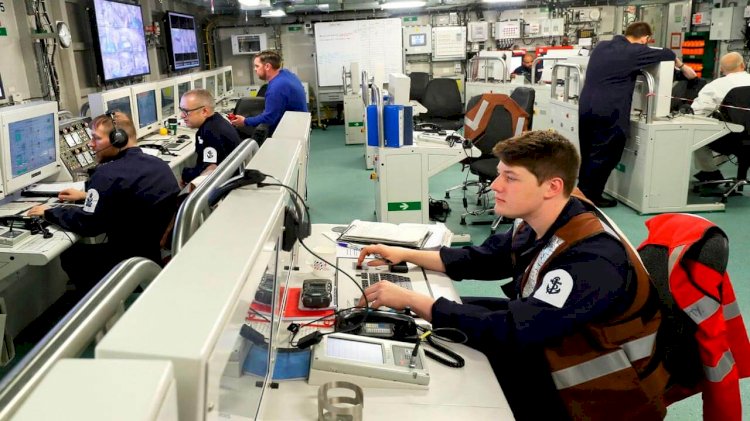
Rather than be covered in oil and grease like stokers of old, the engineers in Prince of Wales are is more likely to be found typing on a keyboard or using touch-screen technology to control the Integrated Platform Management System.

It monitors and operates the generation, propulsion and fluid systems that provide the ship’s company of up to 1,600 people with the ‘hotel services’ (fresh/hot/cold water, electricity, air-conditioning, sewage and rubbish systems) as well as powering the engines, sensors and weapons systems on the UK’s most advanced warship. Engineering Technician Connor Cope said:

“The ability to operate the myriad of complex systems on such a huge scale with so few people is highly dependent on modern technology.”

The ship is building on the experience of her older sister HMS Queen Elizabeth, currently in the USA for F-35 Lightning jet trials, plus extensive training on simulators ashore and on board and tests throughout her nine-week period of trials in the North Sea.

Aside from more than 600 sailors, led by Commanding Officer Captain Darren Houston, there are around 400 civilian contractors to bring the engineering systems, radars, communications and essential systems to full working order before the vessel is officially handed over to the Royal Navy in December.

The initial focus is on the ship’s engineering/propulsion systems, hence the speed trial.

Commander Peter Buckenham, who heads the department, said:

“I am immensely proud of the achievements of the marine engineering team. From the very beginning they have rallied, bringing together the wisdom and experience of mature watchkeepers, the enthusiasm and thirst for knowledge of the junior engineering technicians and our close relationship with our industrial colleagues. The culmination of these efforts and the sheer dedication over the past three years have brought us to this historic moment.”

HMS Prince of Wales continues her trials throughout the autumn – with short breaks planned in Invergordon to take on fresh supplies – before making her debut in Portsmouth, followed by a formal commissioning in December.

Subsea 7 acquires 4Subsea and expands its digital capability

0

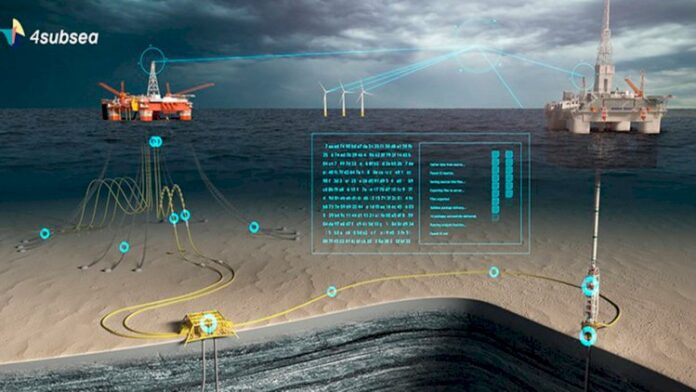
Subsea 7 has acquired 4Subsea, a leading provider of technology and services that delivers key decision support to oil & gas and offshore wind operators worldwide.

4Subsea will function autonomously within Subsea 7, maintaining an independent brand and management team. 4Subsea’s Peter Jenkins will continue in his role as CEO of the company.

4Subsea will support Subsea 7 in delivering advanced digital solutions to customers within Life of Field and Field Development contracts and be a key contributor to the ongoing digital transformation of Subsea 7 business delivery.

Stuart Fitzgerald, Executive VP – Alliances and Strategy, Subsea 7, said:

“We regard the acquisition of 4Subsea as an important opportunity for Subsea 7 to expand its digital capability and offering. 4Subsea digital insights will create value for Subsea 7 in both our services provided to customers, and to improve efficiency within our own operations and delivery. 4Subsea’s experienced team of subsea domain experts and data scientists provides innovative digital solutions to energy operators, reducing operational risk, cost and providing actionable insights. We are delighted that the 4Subsea team is now part of our Group, and we look forward to jointly delivering enhanced value to our customers.”

An early priority project will be a joint effort between Subsea 7 and 4Subsea towards monitoring of key operational data on Subsea 7 vessels, contributing to the digitalisation of its marine operations. With the use of advanced algorithms and artificial intelligence, 4Subsea will deliver key insights and decision support with digital twins, in order to optimise these activities.

Peter Jenkins, CEO, 4Subsea:

“We are proud and happy to become a Subsea 7 company, as we regard this as an excellent opportunity to scale our technology and services to a larger market. We aim to combine our ability to deliver quick and targeted business value within well intervention, drilling, subsea operations, and offshore wind with Subsea 7’s strong position as a leading player within the subsea and renewables market.

We believe there is significant value to energy operators in combining our services with Subsea 7’s Field Development and Life of Field business. In addition, we can create value within Subsea 7 with the vessel monitoring project, in the same way we have developed digital twins for subsea production and drilling.” 

PTTEP selects Halliburton’s digital program to automate drilling

0

Halliburton Company has announced PTTEP, a national petroleum exploration and production company in Thailand, selected Halliburton Landmark’s Digital Well Program application to automate drilling, completions and engineering processes across the well lifecycle. 

Digital Well Program™, an application within DecisionSpace® 365, transforms how wells are constructed and delivered by combining a digitalized planning and design process with engineering models on a single and open platform. The product, running on a public cloud platform, will support all new wells drilled and leverage data from over 1,500 existing wells to reduce planning cycle times, enable automation, advanced analytics and optimize well design using machine learning and artificial intelligence. 

Sid Whyte, senior vice president of Halliburton Asia Pacific, said:

“We are excited to collaborate with PTTEP to improve drilling performance. Digital Well Program, as an out of the box product with best in class workflows, will allow PTTEP to extend their existing drilling and completions practices for faster and more accurate well delivery. This contract demonstrates Halliburton’s commitment to understanding customer challenges and applying the right technology that maximizes their asset value.”
 

Svitzer signs deal for innovative icebreaking tugs

0

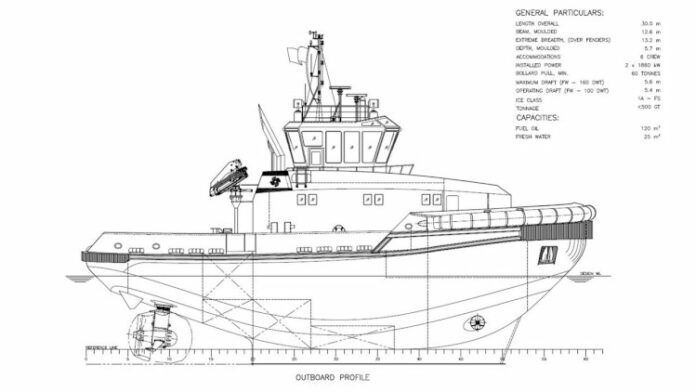
Svitzer has signed a new deal with Turkish shipbuilder Med Marine for two new ice class tugs. The new 30m ice class tugs are expected to be delivered in Q4 2020 and Q1 2021, and will join Svitzer’s 30-strong fleet of towage vessels in Scandinavia and Germany.

The tugs have been custom designed to fit Svitzer’s requirements across its Scandinavian operations. The new TundRA 3000 designs were created by Canadian naval architecture firm Robert Allan Ltd and have Finnish-Swedish ice class 1A status, giving them icebreaking capabilities.

The vessels will use azimuth stern drive (ASD) to generate an all directional propulsion force, with a minimum bollard pull of 60 tons. The vessels will also be installed with an innovative ultrasonic anti-fouling system on its box coolers and the hull, eliminating the need for antifouling paints, helping to reduce the vessels’ impact on the local environment. Additionally, the main engine rooms have been future-proofed for impending MARPOL Tier III NOx regulations and will be prepared for selective catalytic reduction technologies.

The new tugs will replace icebreaking tugs Svitzer Helios and Svitzer Dynan, two of Svitzer’s oldest vessels with a combined 90 years of service. Both Helios and Dynan currently have a bollard pull below 40 tons, making the new designs a considerable upgrade on the older vessels.

Speaking on the deal, Mattias Hellström, Cluster Managing Director, Scandinavia & Germany, Svitzer, said:

“We are delighted to have closed this deal with Med Marine to build our two new custom designed TundRA 3000 icebreaking tugs. In addition to upgrading our Scandinavian harbour towage fleet, this move also secures our long-term icebreaking capabilities in the region. The new arrivals will allow us to finally retire our last two conventional ice-breaking tugs from the Scandinavian fleet, each after more than four decades of service. The new tugs are truly custom designed for the requirements of the Scandinavia region, highlighting Svitzer’s commitment to pushing the boundaries for towage.”

R. Hakan Sen, CEO, Med Marine, said:

“We are pleased to have signed this agreement with Svitzer to build two new icebreaking tugs for their Scandinavian fleet. As an organisation, Med Marine is committed to the highest standards, so it is a natural fit for us to work with Svitzer to build these new vessels at, group owned, Eregli Shipyard. We are excited to get to work and to deliver these vessels between Q4 2020 and Q1 2021.”

Once delivered, the vessels will operate across Scandinavia, predominantly serving ports in Denmark and Sweden. The vessels have also been built to be able to navigate the locks in the Swedish city of Trollhättan, enabling icebreaking on the river as well as in lake Vänern.

About TundRA 3000 design ice class tugs:
•  Length overall: 30m
•  Beam of hull: 12.6m
•  Extreme beam (including fenders): 13.2m
•  Depth moulded: 5.7m
•  Maximum draft: 5.6m
•  Gross tonnage: <500GT
•  Minimum bollard pull: 60ton
•  Power: Approx 3900 kW
 

Saipem and Equinor signed pioneering wireless subsea drone contract

0

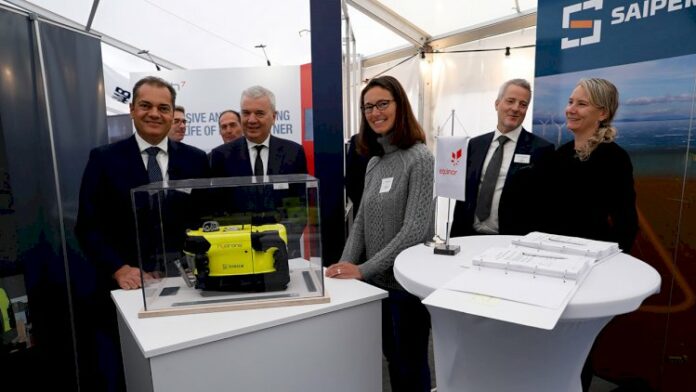
Equinor, on behalf of the Njord licence, has awarded Saipem a subsea service contract using a wireless underwater intervention drone and an ROV. This contract will make Equinor the first user of technology expected to be completed in 2020. 

Anders Opedal, executive vice president, Technology, Projects & Drilling, says:

“This is a historic contract in the oil and gas industry. It is the first contract signed for the use of advanced wireless drone services. We are pleased to secure a contract that will bring subsea technology a big step forward. Equinor aims to help shape the development of this type of technology, which this contract underscores."

The services from Saipem Limited Norway Branch will be employed when the Njord field resumes production in 2020. Lasting for ten years, the contract has five 2-year options for additional extension. The value of the fixed part of the contract is estimated at about EUR 40 million.  The contract lays down requirements for permanent presence in Norway and Norwegian-speaking personnel.

The new technology employs an underwater intervention drone (Hydrone-R) and an all-electric work class ROV (Hydrone-W). The drone may be autonomous below Njord for months between scheduled maintenance, whereas Hydrone-W will be connected to the platform like a traditional ROV. Both are electric and can be operated without a surface vessel. The use of this technology will therefore contribute to significant carbon reduction. In addition, the response time will be reduced. Furthermore, the operations will not be dependent on weather conditions.

Olav A. Godø, operations manager, Njord, says:

“It is very exciting to be a pioneer for this type of technology offshore. Enabling personnel to plan and perform operations from shore rather than being flown offshore, this pathbreaking technology will also reduce costs.“

Equinor’s proprietary docking station for data transmission and subsea induction charging will be installed below Njord and used by the underwater drone.

Study: Online technology platforms could improve vessel utilisation levels

0

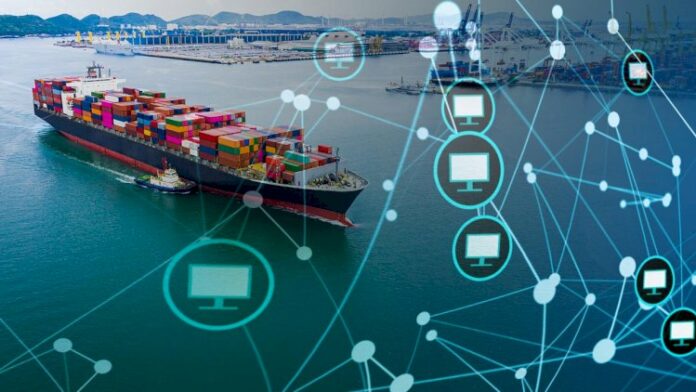
Online technology platforms where shipping lines and their customers can negotiate forward contracts could help improve vessel utilisation levels and reduce freight rate volatility, according to a joint study conducted by global shipping consultancy, Drewry and maritime supply chain technology provider, CyberLogitec.

While the shipping industry has changed dramatically in recent years, the market for ocean freight services remains exposed to the inherently dynamic nature of demand and fixed nature of supply which results in oscillating vessel load factors and freight rate volatility. This fundamental supply and demand mismatch causes significant structural inefficiency which adversely impacts all market participants.

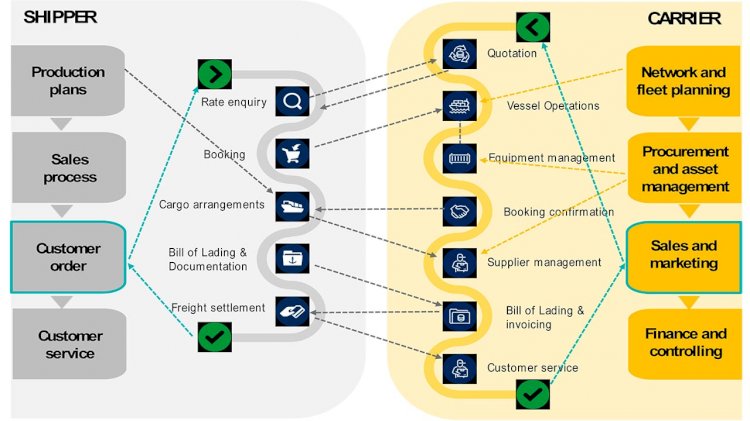
Main interactions that take place in container spot markets and where they are situated in the organisations of shippers and carriers respectively:

In this study Drewry assessed the ability of technology platforms to help reduce the fundamental mismatch between supply and demand in global liner shipping spot markets.

Philippe Salles, Head of e-Business, Transport and Supply Chain at Drewry Supply Chain Advisors, said:

“Our study concluded that many of the market’s pain points could be addressed through a capability to flexibly buy or sell ocean freight services in advance, using a neutral, global platform. Volume commitments and capacity guarantees would provide an early visualisation of demand to the market, thereby reducing the supply-demand mismatch and rate volatility, to the benefit of all market participants.”

 
Chris Na, VP and Head of Platform Division at CyberLogitec, said:

“As an independent market analyst with rich heritage in the global container shipping market, we approached Drewry to help define the major structural issues facing today’s container liner industry. With a clear understanding of the origin and mechanics of the problem we believe we are well placed to develop innovative and robust solutions that can benefit all market participants.”

The study identified the following end benefits resulting from technical platforms enabling the market:

  • For shipping lines, forward selling of vessel slots, underpinned by volume commitments, would put them in a stronger position to forecast their revenues and reduce their cost of capital. The early visualisation of demand could also be linked to collaborative, dynamic capacity management and increase vessel load factors. The reduced freight rate volatility would assist in stabilising vessel P&L’s and improve invoice accuracy. The ability to ‘sell forward’ will provide an effective hedge against freight rate decreases.
  • For shippers and forwarders, the reduction in freight rate volatility and the ability to ‘buy forward’ would protect their product margins and provide an effective hedge against freight rate increases. Together with space guarantees, enforced through a deposit scheme and vendor reliability scores, this would result in more stable and elevated service levels of their ocean providers that enable reduction of safety stock levels. Forward buying ocean freight provides procurement teams with an additional ocean freight procurement tool with flexible timings, thereby improving the agility of their logistics management teams.
  • For IT providers, a platform which provides these forward negotiation capabilities would be the ideal starting point to also provide the ensuing requirements involving electronic booking, documentation, freight settlement and cargo visibility. These items combined would provide a unique position in today’s market place offering unparalleled scope and exciting opportunities to optimise their customer’s ocean freight experiences by eliminating other pain points like:
  1. Ambiguous freight agreements and extensive contract management efforts.
  2. Uncertain booking and cargo statuses.
  3. Unreliable contracts.
  4. Low documentation and invoice quality.

Port of Helsinki orders Cavotec’s automated mooring system

0

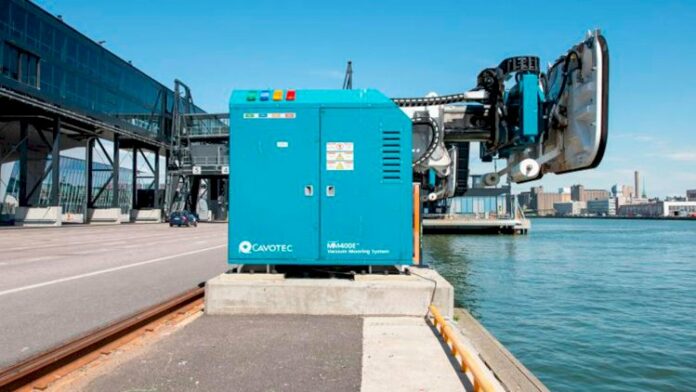
Port of Helsinki has made a repeat order for Cavotec’s MoorMaster™ automated mooring system as part of wider efforts to optimize safety and efficiency and reduce environmental impact. This is the second MoorMaster™ order at Port of Helsinki and follows similar orders from the Port of Turku and Port of Tallinn in recent months.

Sari Nevanlinna, Vice President Passenger Services, Port of Helsinki, says: 

“An auto-mooring system decreases the time taken for vessel mooring and release. The time saved amounts to significant reductions in fuel consumption, improved local air quality and reduced noise pollution. The Port of Helsinki is committed to reducing the carbon footprint of harbour operations through its Carbon Neutral programme. Auto-mooring systems at the busiest berths play a vital part in the successful reduction of vessels’ carbon emissions. As our passenger terminal, T2, is centrally located, nearby residential areas, reducing the impact of harbour operations is of the utmost importance to us.”

Cavotec will supply a multi-unit MoorMaster™ automated mooring system for berth LJ8 at Port of Helsinki’s Western Terminal. The 180m-long ROPAX ferry M/S Finlandia will use the system two to three times a day. 

The Finlandia is operated on a service to the Estonian capital Tallinn, where another MoorMaster™ system is currently being installed. A similar MoorMaster™ system was introduced at the Port of Helsinki in 2016, which has carried out more than 5,000 moorings to date.

“Green” hydrogen: A unique concept for an offshore platform

0

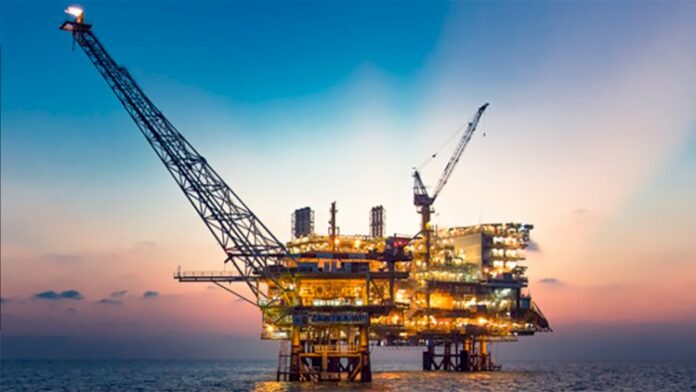
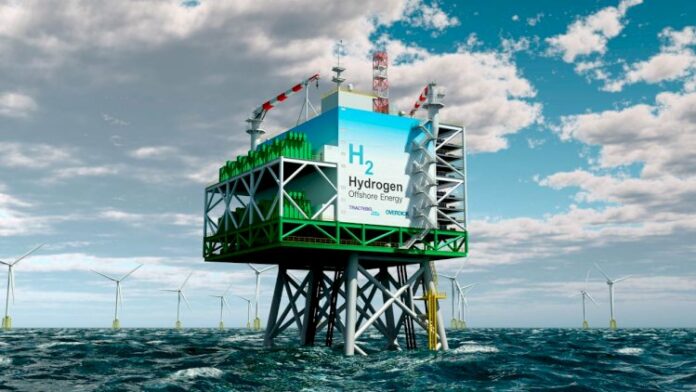
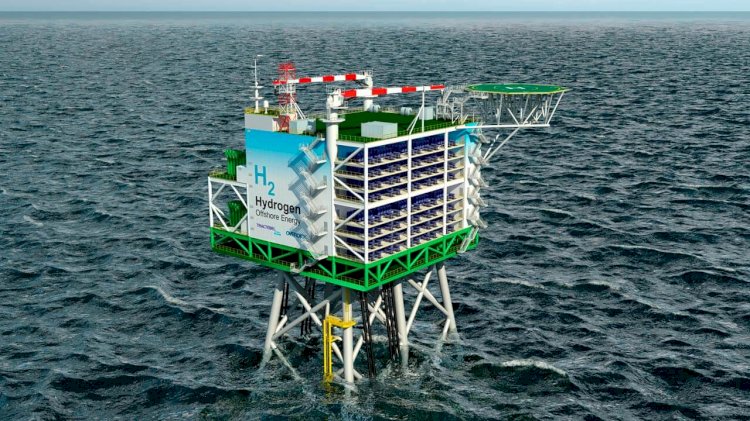
Putting the brakes on climate change and meeting the challenges of the energy transition is now more urgent than ever. An experienced team of energy experts from Tractebel Engineering GmbH and offshore engineers from Tractebel Overdick GmbH are therefore developing a unique concept for an offshore platform.

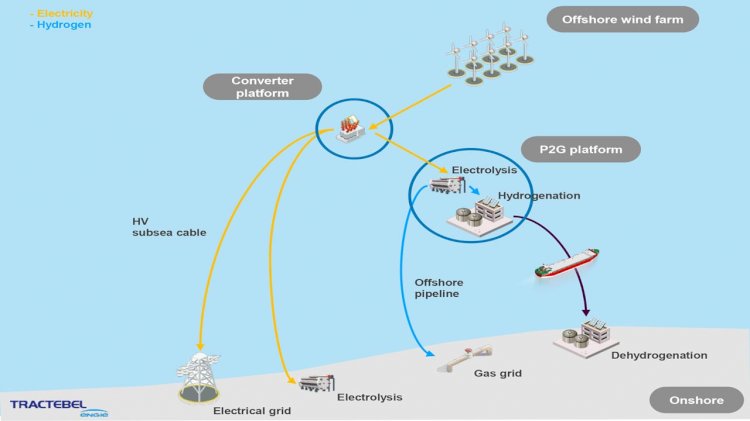
This makes it possible to produce environmentally friendly “green” hydrogen from offshore wind energy at an industrial scale using electrolysis. Delivering up to 400 MW, this kind of plant exceeds the output of previous technologies many times over. It could already be put into practice today, for example in the North Sea.

The innovative offshore platform can enable a number of tasks to be solved simultaneously. The proportion of “green” hydrogen (H2) in the energy mix can be increased on a CO2-neutral basis. In addition, the wide range of options for transporting H2 provide relief for the electricity transmission grid, the capacities of which are limited. Furthermore, H2 as an efficient energy storage medium can balance out seasonal fluctuations in renewable energy sources.

The role of Hydrogen (H2) is gaining importance in the energy mix, because it serves as an efficient form of storing energy and is easily transportable. Existing infrastructure can be used for the purpose. H2 is used to power gas turbines and fuel cells, can be used along with natural gas in private households and is also a key industrial raw material. It can be used as a CO2-neutral reducing agent to substitute coke in steel production.

In large-scale offshore wind farms Tractebel sees enormous potential for CO2-neutral production of “green” hydrogen. On the basis of the new type of platform model, the Tractebel team are currently working on a detailed solution for the use of the platform at an industrial scale (400 MW). It accommodates all the technical components required for production – including electrolysis units, transformers and desalinisation plants.

The means of transport for the energy generated in this way, via pipeline or ship, are flexible. They provide alternatives to the contentious or overloaded cable lines – in the sea or over land. Compared to the costs of production of “grey” hydrogen from fossil sources, the costs for “green” hydrogen are currently somewhat higher. Among other things a higher tax on CO2 emissions will ensure greater equality of opportunities here. The critical cost factor is the design of the system and the efficiency of the plants. The Tractebel concept includes the appropriate solutions for cost-optimised designs and efficient operation.

Tractebel is in a position to undertake all the engineering services for every stage of planning, from the feasibility study through to the detailed design. Moreover, as part of the ENGIE Group, the company is in a perfect position to deliver and operate offshore H2 platforms as an EPC supplier and to offer solutions for large-scale storage.