4.1 C
New York
Home Blog Page 982

Austal’s new platform to real-time monitoring and analysis of fuel

0

Austal has launched a valuable new addition to the proven MARINELINK product range, MARINELINK-Fleet.

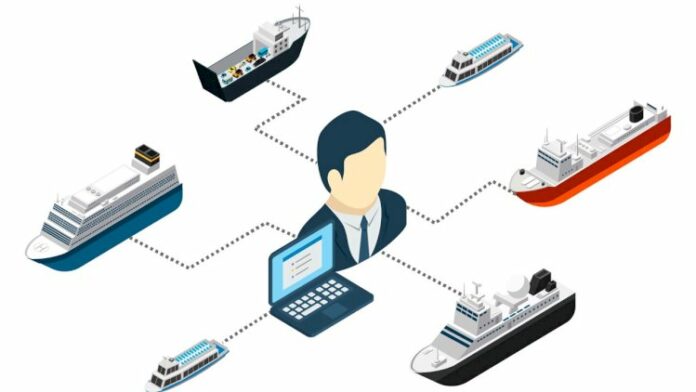
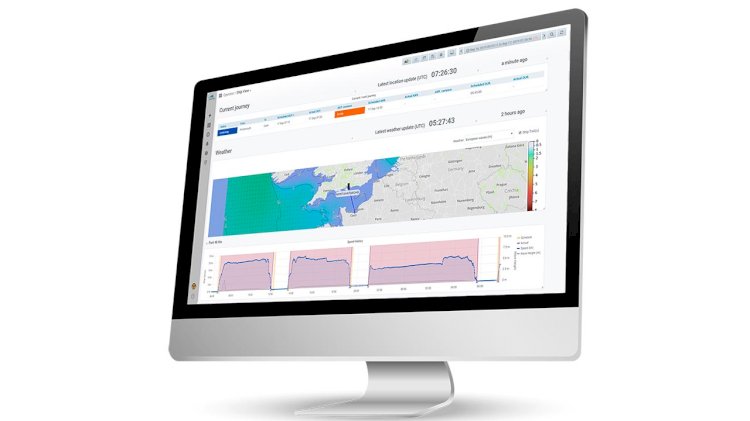
Building upon Austal’s original, proprietary MARINELINK on-board vessel monitoring, alarm and control system – and recent MARINELINK-Smart application that adds ‘smart ship’ capabilities – MARINELINK-Fleet offers ferry operators a live, integrated view of a fleet’s operating environment, schedule, comfort and fuel performance.

Introducing MARINELINK-Fleet at the annual Interferry conference in London, Austal’s Technology Development Manager Max van Someren said the new product enables any ferry operator to more effectively monitor their fleet and achieve optimum vessel performance and customer experience.

Mr van Someren said:
“MARINELINK-Fleet is available to any ferry operator and is suitable for use on any type of ship, from any builder. MARINELINK-Fleet literally puts you at the centre of your ferry operations – with enhanced visibility of your ships’ location, schedule and current local weather in one easy-to-use web-based interface. MARINELINK-Fleet helps you identify operational issues in real-time and act before they impact your fleet's schedule and costs.”

Austal has fitted MARINELINK to over 160 high speed ferries since 1996 and is now fitting MARINELINK-Smart, an intelligent ‘smart ship’ platform that provides real-time monitoring and analysis of fuel, trim and other operating systems to on-board crew and on shore engineers on all new Austal builds. MARINELINK-Fleet further extends the insight available to operators by delivering real time and historical information on vessel route(s), live fleet locations, schedule performance and ETAs, speed profile and live weather conditions.

Austal is also offering another new product, MARINELINK-Sense, which tracks and reports passenger comfort (based on vessel motion and stability in various sea states) throughout every journey. Easily fitted to any vessel, MARINELINK-Sense complements MARINELINK-Smart and MARINELINK-Fleet to deliver a complete package of valuable insight for ferry operators.

Austal has been working closely with a number of ferry operators including Fred Olsen SA to develop the MARINELINK-Smart, Fleet and Sense products with the aim of enhancing their operations with valuable data that enables informed decision making, in real time.

 

Babcock secures MOD gun system automation contract

0

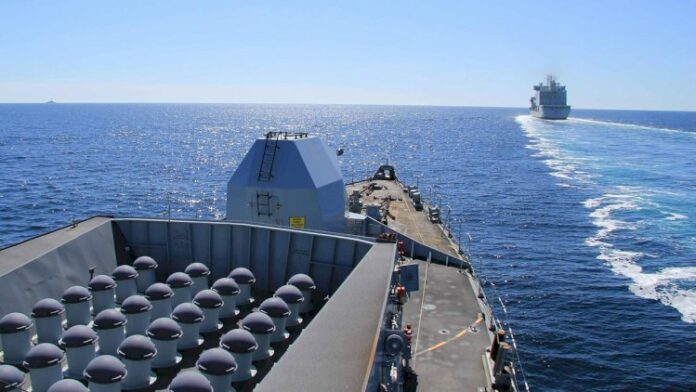
Babcock International has secured a three year contract, with two year optional extension, for the Gun System Automation (GSA) 9 in-service support contract with the Ministry of Defence supporting the UK Royal Navy.

Operating jointly from Babcock's South West facilities at Devonport and Portsmouth – specialising in warship support – this contract will provide support for all aspects of GSA9 support including Electro Optical Gunfire Control System (EOGCS), the Electro Optical Sensor Platforms (EOSPs), the Quick Pointing Devices (QPD) and below decks equipment of six Control Consoles, Gun Allocation Subsystem, Gunnery Check Fire System and two Maintenance and Analysis Facilities (MAF).

Through GSA9, Babcock will deliver critical services to the Royal Navy’s T45 Destroyers and manage a portfolio of sub-contractors and suppliers.

Richard Drake, Managing Director Babcock DST, said:

“Babcock is uniquely positioned to support the defence industry through our proven weapons expertise. By combining our comprehensive technical knowhow and joining multiple equipment’s together, we are well placed to deliver a superior capability for the Royal Navy.”

Babcock’s end-to-end solution, backed by more than a century of maritime heritage, is trusted to deliver in support of naval gunnery programmes.

K Line starts research on maritime logistics using AI

0

Kawasaki Kisen Kaisha (K Line) has reached an agreement with Hiroshima University, the National Institute of Maritime, Port and Aviation Technology (MPAT) and Marubeni Corporation (Marubeni) to jointly work on research and analysis on maritime logistics and shipping market conditions using AI (The Research).

In recent years, it has become possible to use comprehensive, chronologically ordered ship movement and static data, such as position (coordinate information), speed, direction, port of call and drafts, for ships with over 300 gross tonnage traveling internationally. This data is being applied in a variety of ways. Additionally, AI is making remarkable progress with improving machine learning and deep learning technology, and there is much research and practical application of this technology that is being used to find patterns hidden in big data and to make predictions. The purpose of The Research is to estimate maritime logistics by combining data and technology, and to explore the possibility of developing predictive models with high accuracy.

The shipping market is one of the more difficult economic indicators to predict because it fluctuates greatly under the influence of various market and social conditions, and sometimes market sentiment as well. The method developed by The Research is expected to enable more accurate and transparent business decisions.

“K” Line Group is promoting the application of digital technology which never stops evolving, such as AI/IoT to our existing business by assigning “AI/Digitalization Promotion Division” as a driver.
 

Ulstein designed an innovative heavy installation crane vessel

0

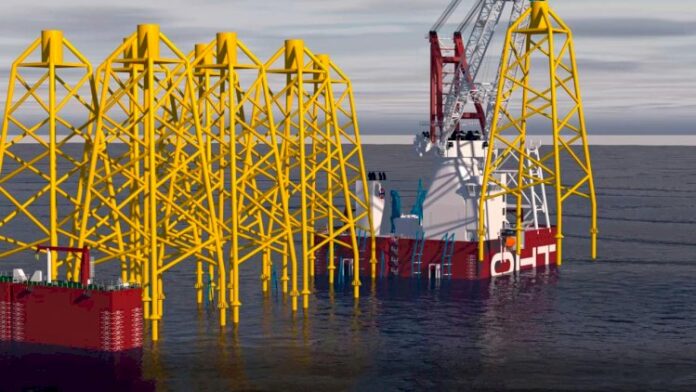
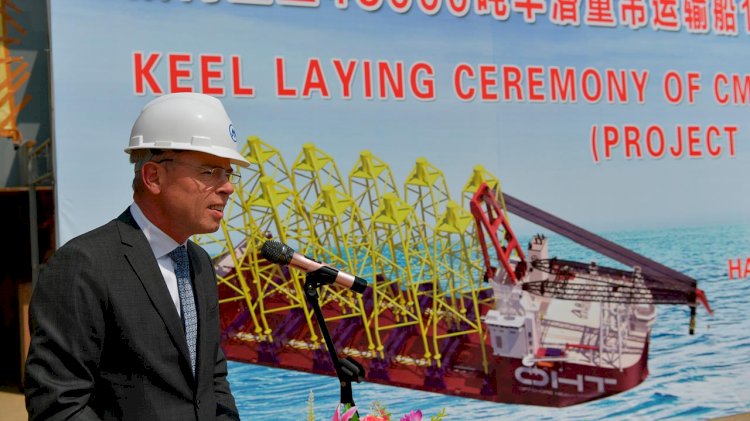
OHT’s new heavy installation crane vessel Alfa Lift, designed by Ulstein Design & Solutions BV and currently under construction at China Merchants Heavy Industry (CMHI) in China, has reached its second significant build milestone with the laying of the keel.

For the first time the fabricated blocks have come together for assembly in the dry dock and the vessel will start to take shape, weeks ahead of schedule. This is the next significant step in bringing Alfa Lift to the market, following the steel cutting ceremony that took place on 1 March this year.

This milestone was marked with a keel laying ceremony on 25 September. OHT’s CEO Torgeir Ramstad commended the hardworking people at CMHI and key suppliers, having made great progress since the first milestone in March.

Mr. Ramstad said:

‘We have worked together with the shipyard in an open and cooperative way to ensure the utmost quality of construction. Because OHT places a high degree of importance on quality. According to our customers our vessel will be ground-breaking and will serve the growing offshore wind market for decades to come. The word "growing" is perhaps not precise enough to describe what is happening in the offshore wind market’.

The Alfa Lift vessel of Ulstein design will be the largest and most innovative, custom-built offshore wind foundation installation vessel in the world. The vessel is due to be delivered early 2021. The next major milestone will be the launching ceremony which is planned for March 2020.

First SOx scrubber-equipped VLCC in the NYK’s fleet

0

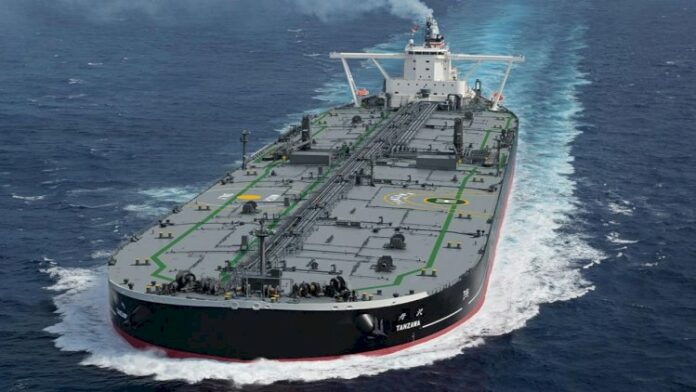
The very large crude oil carrier (VLCC) Tanzawa, the first new NYK-owned vessel to include an SOx scrubber, has been delivered into the NYK fleet. On October 3, a naming and delivery ceremony was held at the Kure shipyard of Japan Marine United Corporation, and attended by Akira Kono, NYK managing corporate officer, and other related parties.

The new vessel is equipped with a scrubber that is compliant with the International Maritime Organization’s (IMO) more stringent SOx emission regulation, which is scheduled to become effective in January 2020.

The ship will be about 23% more energy efficient (reducing CO2 emissions per unit of transport), exceeding the IMO EEDI phase 2 requirements that will become effective in 2020. In addition, a highly corrosion resistance steel has been used in the cargo tank, thus making anti-rust paint unnecessary. The refrigerant used in the onboard refrigerator and air conditioner is also compliant with environmental regulations, thus making the ship a more environment-friendly chemical tanker.

For further safety and optimal vessel operation, NYK has employed its “integrated information and bridge system,” which an optimally, ergonomically arranged bridge layout, digital instruments, and a 360-degree view from the cockpit.

NYK continues to contribute to stable crude oil transportation to meet customers’ demand, and the company is making efforts to contribute to realizing a sustainable society through the operation of environment-friendly ships.

Minerva Marine invests in digital solutions for the real-time monitoring of its fleet

0

RINA’s digital platform will be deployed on Minerva’s fleet to enhance operational efficiency and effectiveness.

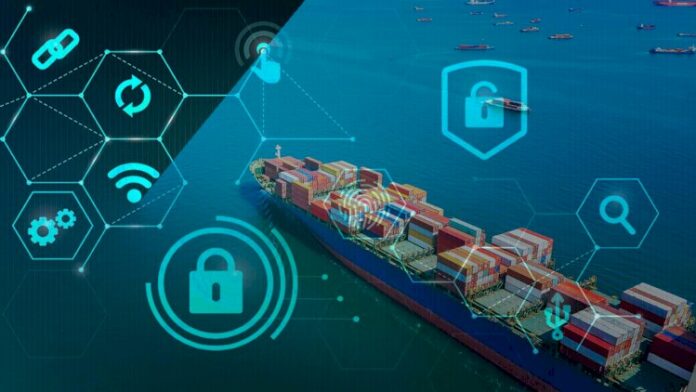
Minerva Marine Inc., one of the leading ship management companies worldwide, announced that it intends to invest in one of the latest industry digital technology solutions for the real-time monitoring of its fleet. RINACube, RINA’s digital platform, will be deployed on Minerva’s fleet, to enhance operational efficiency and effectiveness by enabling, through the collection and analysis of data, shore and seagoing personnel to make more informed decisions. RINA’s platform will show real-time ship and voyage related data as well as KPIs and, ultimately, provide valuable insights, allowing the operation of the vessels to be carefully monitored and improved.

Sokratis Dimakopoulos, Chief Operating Officer at Minerva Marine Inc, stated:

“Minerva Marine has decided to take advantage of the digitalization capabilities in optimising operation and control of fleet vessels, enhancing decision-making and planning, ensuring more efficient cost control management as well as more transparent and compliant operations”.

Anastasis Kontaratos, Chief Strategy Officer at Minerva Marine Inc, said:

“In today’s digital world, our competitive advantage does not lie on just getting data from our fleet and analysing it. It’s about presenting the outcome of our analysis in an insightful manner that will enable our operators to be pro-active, more efficient and better decision-makers.”

Paolo Moretti, Marine Chief Commercial Officer at RINA said:

“We recognised at the early stages the huge potential of digital technologies in increasing the efficiency of operations in the marine sector and we strongly believe in the role class societies will have in this process. We have listened to the market closely as we developed RINACube that is now on board of a number of vessels. The product is now mature, encompassing RINA’s huge experience in the marine sector. Minerva Marine joins an increasingly large number of shipping companies that has deployed our digital platform”.

Scientists use SAMS’ technology to measure arctic sea-ice melting

0

Scientists taking part in the largest-ever Arctic expedition will use technology developed by SAMS Research Services Ltd (SRSL), to measure sea ice melting.

The German Research Vessel Polarstern has arrived in the Arctic where it will lock itself in the sea-ice and drift for an entire year. Hundreds of scientists will visit the ship in that time to use it as a base from which to study the climate.

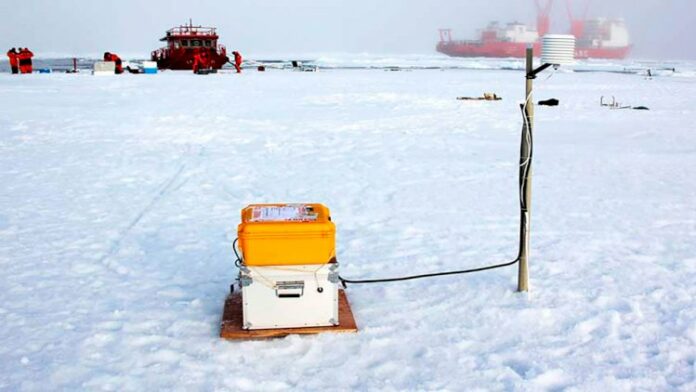
As part of the research activity, polar scientists will deploy up to 18 hi-tech devices, developed by SRSL, known as Sea Ice Mass Balance Arrays (SIMBA), which can remotely measure the location, thickness and the melting rate of sea ice.

The sensors, which are designed to withstand temperatures as low as minus 40 degrees Celsius, are contained within a box no larger than a briefcase. They are currently used throughout the world but never have so many been used in one co-ordinated study of sea-ice.

The 130 million Euro project, Multidisciplinary Observatory for the Study of Arctic Climate (MOSAiC), has seen Polarstern head to the Siberian sector of the Arctic ocean to find the most suitable place in the floes for the Polarstern to begin its drift.

Precise positioning will be important. Modelling of the winds and currents suggests the ship should drift across the top of the planet, getting to within a couple of hundred km from the North Pole, before then being ejected from the frozen floes between northeast Greenland and Svalbard – the Fram Strait.

Its scale means it must be an international effort. RV Polarstern will also be supported by icebreakers from Sweden and China. In deep winter, when these vessels can't pierce the ice to reach the German ship, aeroplanes and long-range helicopters will deliver the supplies and relief teams.

Prof Nicholas Owens, Director of SAMS and Chief Executive of SRSL said:

“It is thrilling to know that we are playing a small but significant part in this historic and grand experiment. Continuous observations in harsh and unpredictable environments such as the high Arctic are challenging and it takes international collaborations and clever technologies to make it possible. Through oceanographic moorings and marine robotics we are constantly learning more about the Arctic Ocean but the SIMBA units will give a unique insight into Arctic ice melt, a major indicator for rising global temperatures.”

SRSL’s partners involved in this project include the Alfred Wegener Institute (AWI), the Finnish Meterological Institute (FMI), the Polar Research Institute China (PRIC) and the Arctic University of Norway (UiT).

More than 400 scientists from 19 countries, including some of the world’s top Arctic researchers, will participate in MOSAiC.

Blockchain trial signals Marseille hinterland logistics boost

0

Completion of a Blockchain pilot scheme coordinated and part-financed by the Marseille Fos port authority has proven the solution’s scope for enhancing intermodal freight movements on major French logistics axis the Mediterranean-Rhone-Saone (MeRS) corridor.

Results from trials held over recent months have now been reviewed at a meeting hosted by the port and demonstrated that harmonisation of the digital transport chain improved fluidity, reliability and competitiveness of pre- and post-forwarding on the crucial hinterland axis.

Focused on export processes between Lyon and Marseille Fos, the pilot was carried out by cargo tracking specialist Marseille Gyptis International (MGI); BuyCo, which provides shippers with a collaborative platform simplifying container imports and exports; and Blockchain solutions company KeeeX. Using the KeeeX Stories solution, the tests were supported by various manufacturing companies together with their road and river transport suppliers.

The Blockchain solution allows users to share access to protected data ranging from customs documentation to cargo tracking including the loading/discharge, weight and origin/destination of containers.

The project is being overseen by an inter-ministry MeRS development body as a key part of national port strategy and the French Smart Port in Med initiative. Alongside Marseille Fos, the pilot was financed by La Banque des Territoires – an arm of public sector investment institution Caisse des Depots – and waterways bodies Voies Navigables de France and La  Compagnie Nationale du Rhone. 

Researchers use the innovative method to weigh whales

0

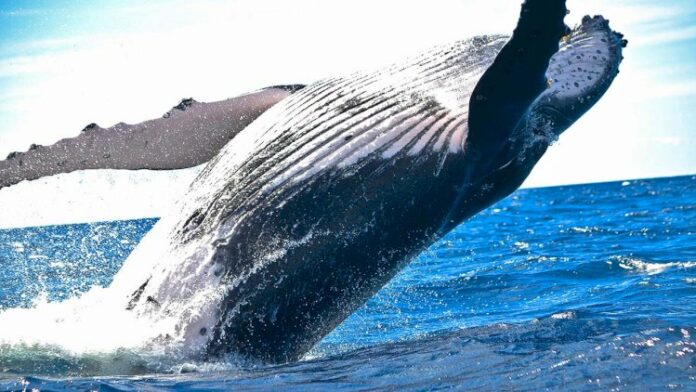
How do you weigh a living whale? The obvious response is very carefully, but scientists can’t exactly put these large marine mammals on a scale. Researchers from Aarhus Institute of Advanced Studies (AIAS) in Denmark and Woods Hole Oceanographic Institution (WHOI) in the U.S. devised a way to accurately estimate the weight of free-living whales using only aerial images taken by drones. The innovative method, published in the British Ecological Journal Methods in Ecology and Evolution, can be used to learn more about the physiology and ecology of whales.

By measuring the body length, width and height of free-living southern right whales photographed by drones, researchers were able to develop a model that accurately calculated the body volume and mass of the whales. Because of their large size and aquatic life, previously the only way to obtain data on the body mass of whales was to weigh dead or stranded individuals.

Fredrik Christiansen, an assistant professor at AIAS and lead author of the study, which was funded by a research grant from the National Geographic Society, says:

“Knowing the body mass of free-living whales opens up new avenues of research. We will now be able to look at the growth of known aged individuals to calculate their body mass increase over time and the energy requirements for growth. We will also be able to look at the daily energy requirements of whales and calculate how much prey they need to consume.”

Michael Moore, a biologist at WHOI and a co-author of the paper, adds:

“Weight measurements of live whales at sea can inform how chronic stressors affect their survival and ability to produce offspring.”

To calculate the body volume and mass of southern right whales the researchers first took aerial photos of 86 individuals off the coast of Península Valdés, Argentina. The clear waters and the large number of whales that gather there every winter for breeding made it an ideal place to collect high quality images of both the dorsal and lateral sides of the whales. From these they were able to obtain length, width and height measurements.

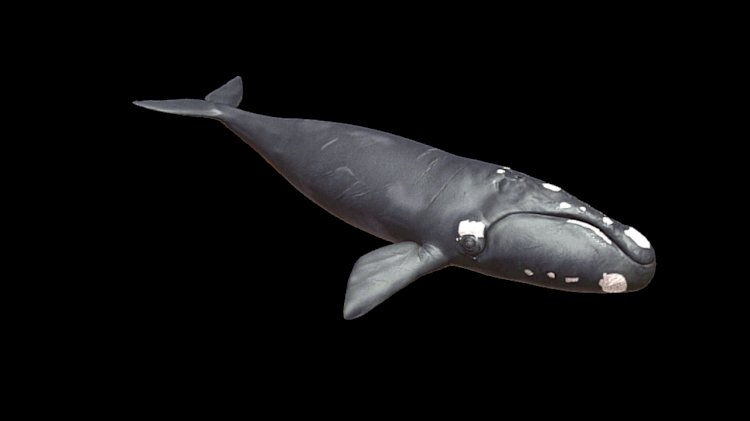
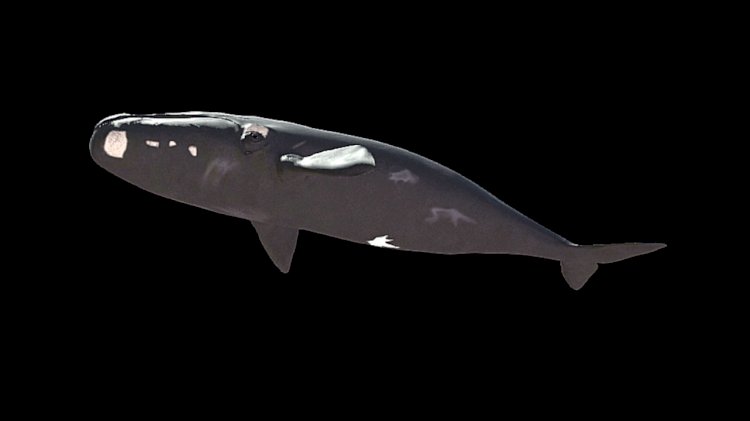
The model also allowed the researchers to collaborate with the Digital Life Project at the University of Massachusetts at Amherst in the USA to first recreate a 3D mesh of the whale, and then to work with CG artist Robert Gutierrez to recreate the full-colour 3D model of the right whale. These models can be used for both scientific purposes, such as studying movement, as well as for educational uses.

By adjusting the parameters of the model, the approach could be used to estimate the size of other marine mammals where alternative, more invasive, methods aren’t feasible or desirable.

Baleen whales, which include species like the blue whale, are the largest animals on this planet, with body mass being central to their success as an animal group. However, data on their size has historically been limited to dead specimens, with most samples coming from whaling operations, accidental fisheries bycatch or beach strandings.

Collecting data on dead whales has limitations such as being unable to collect longitudinal data over a whale’s life span and inaccuracies from physical distortion of carcasses caused by bloating and deflation.

Christiansen says:

“The difficulty in measuring body mass reliably in free-living whales, has prevented the inclusion of body mass in many studies in ecology, physiology and bioenergetics. This novel approach will now make it possible to finally include this central variable into future studies of free-living whales.

New submarine system between Australia, New Zealand and the USA

0

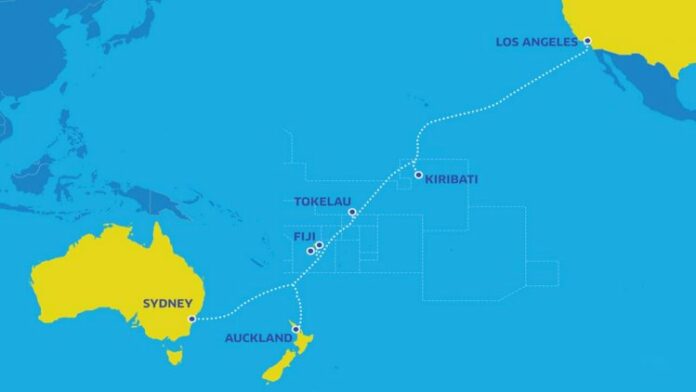
Southern Cross Cables Limited (SCCL) and Alcatel Submarine Networks (ASN) have signed a contract for ASN to build and install a new submarine system between Australia, New Zealand and the US called Southern Cross NEXT.

This high-capacity, state-of-the-art system based on an Open Cable architecture and 4 optically amplified fiber pairs using C-band technology, will provide an additional 72 terabits per second of capacity to Southern Cross customers, adding to the existing current capacity of 20 terabits per second.

Southern Cross NEXT will connect Sydney and Auckland to Los Angeles providing the largest capacity and lowest latency connection between Sydney, Australia and Auckland, New Zealand to Los Angeles on the US West Coast. The system includes the latest generation of ASN repeaters, Branching Units (BU) and WSS ROADM, enabling additional branches to Fiji, Tokelau and Kiribati.

Southern Cross’ President and CEO, Mr Laurie Miller said:

“This achievement is a testament to the efforts of the Southern Cross and ASN teams over many months on the project. The addition of the new Southern Cross NEXT route to our existing eco-system will provide existing and future Southern Cross NEXT customers with further resiliency and connectivity options between Australia, New Zealand and the United States. We are delighted to have successfully achieved this key milestone, and all focus will now turn to the timely implementation of the new system, and the continued development of product enhancements to meet our customers growing and changing requirements.”

Mr Philippe Piron, President of Alcatel Submarine Networks, said:

“Alcatel Submarine Networks is very pleased to launch the construction of Southern Cross NEXT, a new chapter after building the original Southern Cross dual cable network twenty years ago. The partnership we developed with Southern Cross all along these years in the Pacific is one of the most successful we ever had with a strategic customer. Over the last three years, having built and deployed five submarine networks landing in Australia, Alcatel Submarine Networks is totally focused on connecting Australia and the South Pacific region with the leading-edge subsea telecommunication technology for long-haul and off-shore platform connectivity.”

The system design comprises multiple Power Feed Equipment (PFE) units with single-end feeding capability, making Southern Cross NEXT an ultra-secured and high-performance system with solid powering resilience.

With the largest capacity, lowest latency, enhanced reliability and network efficiency, Southern Cross NEXT is a best-in-class subsea system in the South Pacific, providing key interconnection infrastructure for major data centers in Sydney, Auckland and Los Angeles.

The Open Cable design ensures the system will be compatible with future generations of line terminal equipment incorporating the latest technologies such as PCS (Probabilistic Constellation Shaping).

Southern Cross can rely on ASN expertise and experience in this part of the world, with numerous subsea projects successfully deployed in the South Pacific, including the first Southern Cross cable system 20 years ago.

Southern Cross NEXT is planned to be completed by December 2021 – January 2022.