5.3 C
New York
Home Blog Page 979

Kongsberg Digital and Shell sign agreement on digitalization partnership

0

Kongsberg Digital, a subsidiary of KONGSBERG, signs an agreement to digitalize the Nyhamna facility, a gas processing and export hub for Ormen Lange and other fields connected to the Polarled pipeline. A/S Norske Shell is entering the partnership as operator of Ormen Lange and on behalf of Gassco as the operator of Nyhamna. The value of the contract scope, with a fully realized dynamic digital twin, is approximately 100 MNOK – with agile and iterative deliverables starting from Q4 2019.

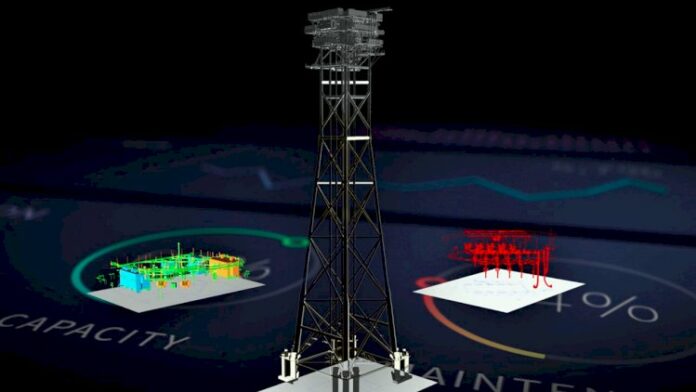
KONGSBERG will utilize Kognifai® Dynamic Digital Twin to establish a dynamic virtual representation of the gas plant and its behavior – continuously updated with integrated information reflecting the status of the facility in real time. As Technical Service Provider at Nyhamna, Shell will be equipped with the ability to simulate scenarios and uncover new options for optimization of its real-life counterpart.
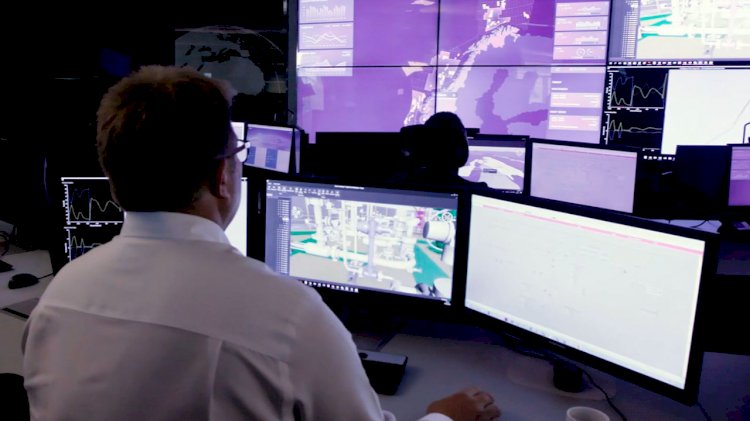
KONGSBERG's Dynamic Digital Twin is an enabler for digitalization of oil & gas assets at scale. Visualization of an asset or a set of assets is one aspect, but the application scope goes vastly beyond this. Kongsberg Digital’s Dynamic Digital Twin will digitally recreate an asset that is continuously updated with contextualized information reflecting the status of the asset in real-time. The key differentiator is our high-fidelity simulators which enable accurate simulation of process data combined with real-time and historical data, enabling advanced machine learning, AI and higher levels of autonomy. With the new digitalized version of the asset, the company who operates or owns the asset will be equipped with the ability to simulate scenarios and uncover options for optimization of its real-life counterpart, whether the goal is increased efficiency, sustainability or safety.
Free training video: The 2020 Sulphur Regulations

0

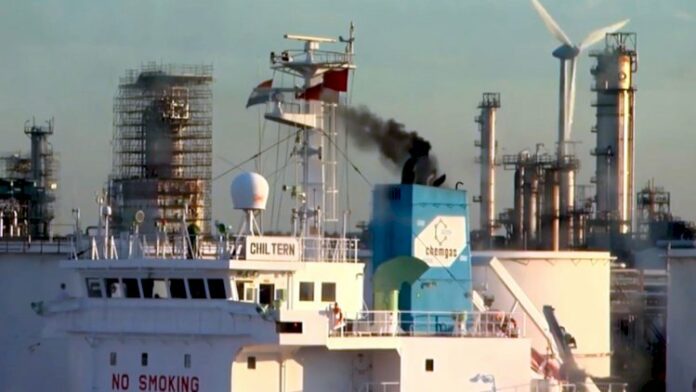
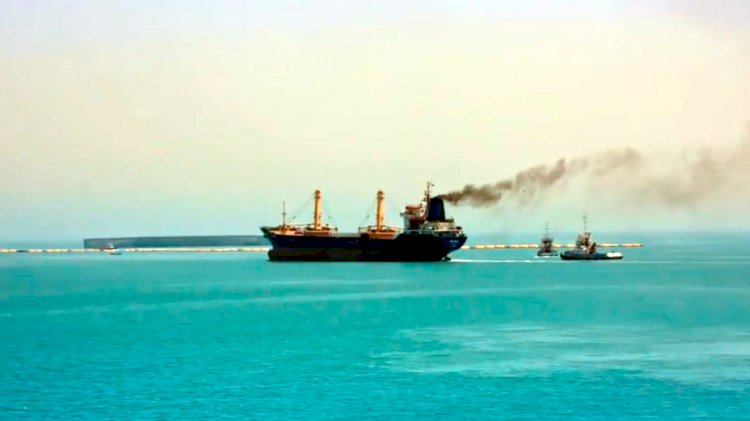
Videotel are offering free access to their new training video: The 2020 Sulphur Regulations – Achieving Compliance. The video outlines the new regulations, where and how they apply, how they are enforced, and what crews and owners need to do to be compliant.

As part of the global fight against pollution and environmental change, the International Maritime Organization (IMO) is working to reduce the impact of the shipping industry on the quality of the air that we breathe. From the 1st January 2020, the IMO has introduced a new global sulphur limit of 0.50% in fuel unless an exhaust gas cleaning system is fitted. All vessels entering Emission Control Areas (ECAs) will still be required to switch to fuels with a sulphur content of no more than 0.10%.

The 2020 Sulphur Regulations – Achieving Compliance is an awareness video that lays out clearly the new regulations, where and how they apply, how they are enforced, and what crews and owners need to do to be compliant. It explains that there are three methods to meet the new requirement:

  • Burn compliant fuels;
  • Use alternative fuels;
  • Install an exhaust gas cleaning system;
  • ‘scrubber’.

​The pros and cons of each are discussed, and the video explains what ships have to do in case things go wrong.

To get the free download, click here.


Study of bird’s-eye view monitoring system on tugboat

0

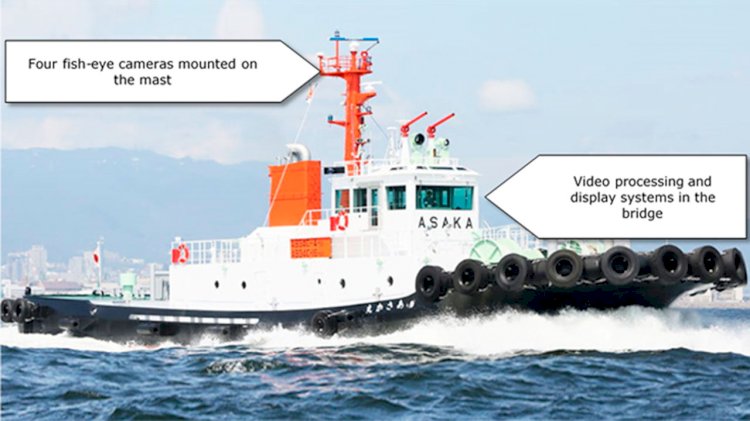
Mitsui O.S.K. Lines, Ltd. has announced that it has teamed up with Oki Electric Industry Co., Ltd. to start a joint study on the use of OKI's new "FlyingView®" bird's-eye view monitoring system to monitor a 360° field of view around a tugboat. In preparation for the study, the system was installed on the tugboat Asaka Maru (built in September 2012, 233 gross tons) owned by Nihon Tug-Boat Co., Ltd. (President: Tetsuro Nishio; Headquarters: Chuo-ku, Kobe), and a preliminary experiment was conducted.

As a tugboat approaches a large vessel for assistance, only a small part of the vessel's hull can be seen from tug's bridge, and therefore, the tugboat relies on instructions through the radio from the pilot onboard the target vessel. The experiment was done in a situation with OKI's "FlyingView" setting four fish-eye cameras on the mast, and a digital compositing system and display in the bridge, making the captain to be able to objectively grasp conditions around the tugboat in real time. This makes it possible for the tug's operator to objectively recognize the boat's surrounding situations. The boat can also instinctively grasp its distance from surrounding obstacles and other vessels, and this leads to reducing the risk of an accidental contact with the target vessel and more effectively assisting its safe berthing and unberthing.

MOL positions navigation support systems featuring image recognition, such as the AR Navigation System, which is already in practical use, as part of its challenge project, called the "FOCUS EYE" series, aimed at developing technologies that will contribute to company's world-leading level of safe operation. It focused on OKI's "FlyingView" system as a part of the series, with the goal of speeding up its initiatives on enhancing safe operation by advancing joint development of the system, including a study of ways to adopt it on large vessels.

MOL has moved ahead with advanced support of safe operation and reduction of its environmental impact, as set out in the "ISHIN NEXT – MOL SMART SHIP PROJECT -," launched in November 2016, and aims to become the customers' first choice as a logistics partner by applying information and communications technology (ICT) to improve service quality and efficiency.

"FlyingView" bird's-eye view monitoring system comprises four fish-eye cameras mounted on mast of the tugboat, digital compositing system, and display. Camera images are composed on the field-programmable gate array (FPGA), which has high-resolution image processing capabilities, to realize large-capacity, high-quality image processing in real time and in portable energy saving system, providing seamless, bird's-eye view image monitoring with virtually no blind spots in a wide area surrounding the tugboat. FPGA is an integrated circuit that the purchaser and designer can custom-configure after manufacturing, and is a type of programable logistic device (PLD) in a broad sense.

Aiming for cleaner air in German port cities

0

Federal economics minister Altmaier and coastal states agree package of measures for shore-generated power.
 
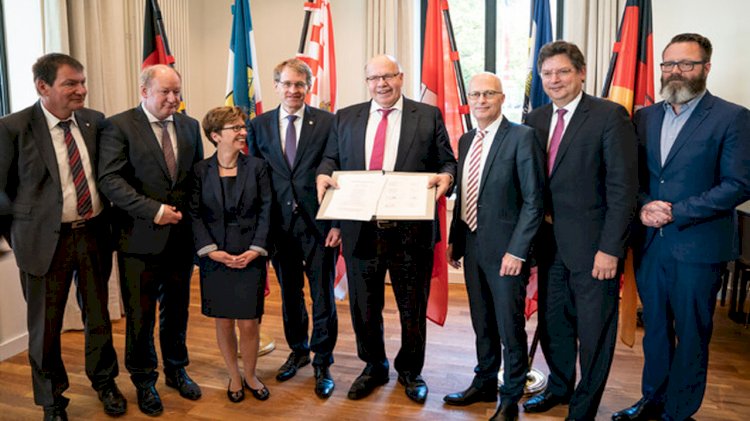
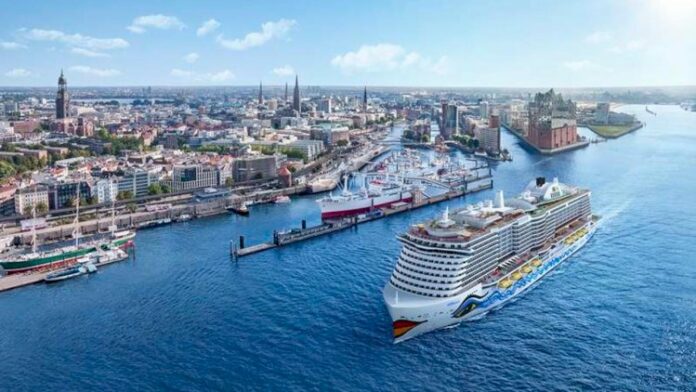
Instead of burning fossil fuels to generate shipboard electric power, in future vessels in port should be using renewable shore-based energy. The German government is now launching appropriate measures to promote shore-generated power. Along with the premiers of Schleswig-Holstein and Hamburg and representatives of the state governments of Mecklenburg-Western Pomerania, Lower Saxony and Bremen, that was confirmed today by German economics minister Peter Altmaier. Meeting in Kiel, they signed an agreement listing the conditions for use of shore-generated power to provide cleaner air in German port cities.
 
Minister Altmaier:

“We aim to make German port cities cleaner. With these measures, we are making a significant contribution towards cleaner air and a reduction of CO2 and noise in port cities along the North Sea and Baltic coasts. We are also giving ports and shipowners planning certainty for expanding facilities and refitting ships. As an exporting country, Germany depends on sea transport. More and more people are also discovering the sea aboard cruise ships. So we attach great importance to the commercial viability and competitiveness of our ports and shipping.”

Premier Daniel Günther of Schleswig-Holstein:

“Shore-based power supply as an alternative to operating shipboard diesels represents a tangible contribution towards cleaner air and protecting the climate. That applies to the port in Kiel and all other port cities on the North Sea and Baltic. The memorandum is an initial, important step towards improving the commercial viability of shore-based power. The paper includes the reduction of the EU levy to 20 percent favoured by Schleswig-Holstein. By mid-2020 we should have initiated the essential legal steps. I am expecting rapid implementation of what we have agreed.”

The First Mayor of the Free and Hanseatic City of Hamburg, Dr. Peter Tschentscher, said:

“The memorandum is an important step in speeding up the practical use of shore-generated power in German ports. Sea trade routes are now the most economical and environment-friendly mode of transport for worldwide freight traffic. Extensive use of shore-generated power during lay times in port will make maritime logistics in general more climate-friendly.”

Use of shore-based power derived from renewable energy sources can substantially reduce emissions from ships during lay times in German seaports. However, since the costs are too high compared to those for power supply from the conventional sources, i.e., ship’s auxiliary diesels, there is currently barely any demand for it from shipowners.

Among other things, the package of measures provides for rulings that make a start on reducing levies, as well as special network charges, for cruise liners, ferries and containerships. Compared to inland shipping, seagoing ships have to reckon with distinctly higher costs, since they consume considerably more electricity during longer port lay times. They can currently only secure a supply on the basis of extremely unfavourable consumer profiles. At the same time, a programme of subsidies totalling 140 million euros should be in place from 2020 to assist states and ports in expanding essential port infrastructure.

The proposed measures have been drafted by the ‘Shore Power’ working party set up by Federal Economics Minister Altmaier along with SH premier Daniel Günther during the former’s visit to Kiel in August 2018. This includes representatives of central and regional state governments and aims to present draft regulations to the Upper and Lower Houses of the German parliament – Bundesrat and Bundestag – at an early date.

Hamburg, Kiel and Rostock seaports are already planning far-reaching expansion. A shore power supply unit for ferry services entered service in Kiel in May. The measures announced should enable such units to be operated on a commercial basis.

Wärtsilä will upgrade two Atlantic Offshore’s vessels

0

Wärtsilä Hybrid upgrades will save fuel and reduce greenhouse gas emissions for two offshore supply vessels.

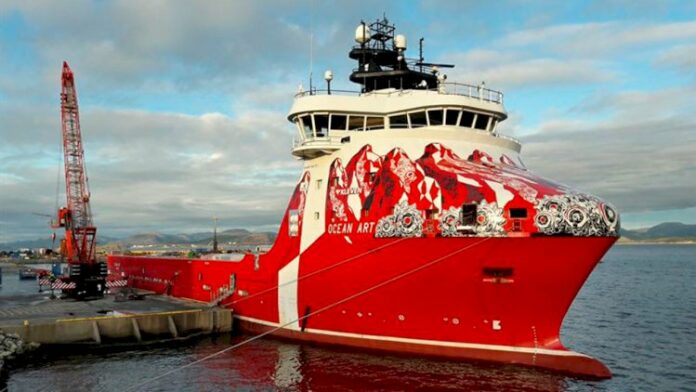
The technology group Wärtsilä will engineer, supply, and install complete battery hybrid packages to two offshore supply vessels owned by the Norway-based operator Atlantic Offshore. The upgrading project will be carried out at the Fitjar shipyard in Norway. By converting the vessels to hybrid propulsion, the owners will benefit through more economical fuel consumption and a reduced environmental impact. The order with Wärtsilä was placed in June 2019.

The 746 kWh battery hybrid systems will be installed on the ‘Ocean Star’ and ‘Ocean Art’. Both ships were designed by Wärtsilä, and are fitted with Wärtsilä engines and Wärtsilä Low Loss Concept (LLC) electrical systems. The LLC reduces electrical losses and delivers higher individual engine loads to provide better fuel efficiency. By selecting Wärtsilä for the hybrid battery upgrading, the integration with the existing control systems will, therefore, be seamless.

CEO Roy Wareberg, Atlantic Offshore, says:

“Wärtsilä’s Smart Marine approach, with its focus on greater efficiencies and better environmental performance, is an important background to this upgrading project for these two vessels. In addition to saving fuel and reducing greenhouse gas emissions, the hybrid package will make the vessels more attractive to potential charterers. Atlantic Offshore is committed to promoting sustainability throughout our operations and having the ‘Ocean Star’ and ‘Ocean Art’ converted to hybrid propulsion is fully in line with this commitment. We thank Wärtsilä for its excellent support and capabilities in bringing this project to reality.”

Wärtsilä will also carry out the testing and sea trials for the systems following installation. Completion of the project for both ships is expected in early 2020.

Jan De Nul successfully completes Port Hedland dredging

0

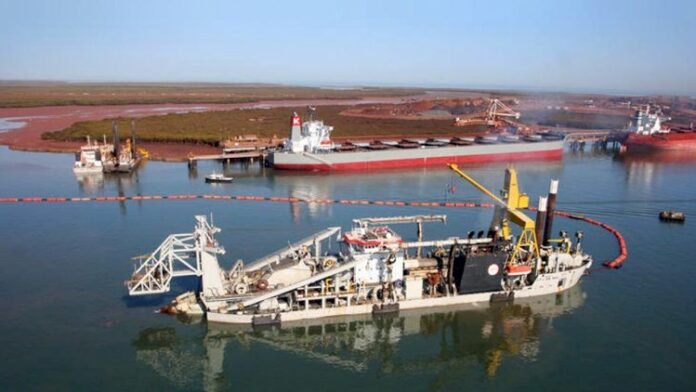
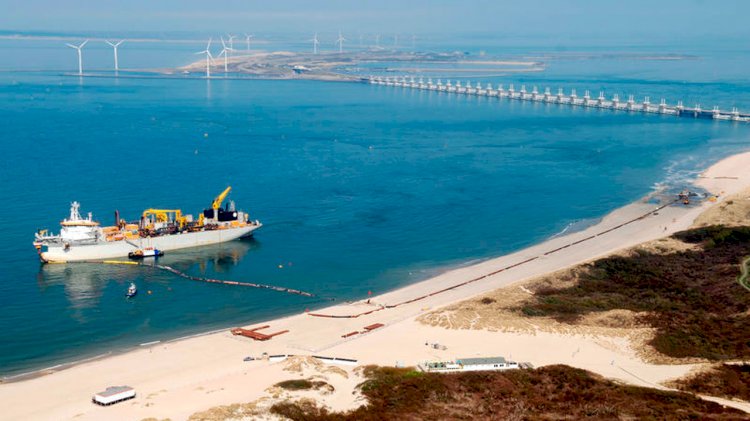
Jan De Nul Group completes the capital dredging works for the Channel Risk and Optimization Project (CROP) in Port Hedland, Western Australia, and can look back on a successful three-year cooperation with the Pilbara Ports Authority (PPA).

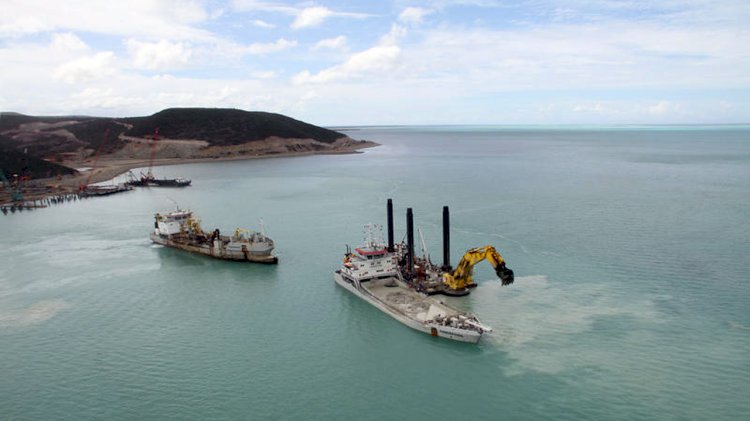
Over the past three years a combination of Hopper Dredgers, a Cutter Suction Dredger and Split Hopper Barges were deployed to dredge sections of the 42-km long navigational channel and to further enhance the safe and sustainable access to the port of Port Hedland. The project, part of the Channel Risk and Optimisation Project (CROP), included the removal of high spots and the creation of two refuge zones and an emergency passing lane alongside the outer section of the shipping channel.

Port Hedland is situated on the North-West coast of Australia and is Australia’s largest export port by annual throughput. It is also the largest bulk mineral export port in the world with iron ore being the main export commodity. Currently it facilitates the safe and efficient management of approximately 6,000 vessel movements each year.

David Jonckheere, Area Director Oceania and Asia at Jan De Nul Group, says:

“We are pleased that we were able to partner once again with the PPA in successfully delivering this critical and vital phase of the project. The final portion of this three-year project was specifically challenging as it had to be executed within a fully operational and extremely busy port. We are also greatly appreciative of the close and practical approach we received from the PPA representatives on an ongoing day-to-day basis.”

Strict environmental requirements and operational constraints within the busy precinct of Port Hedland resulted in Jan De Nul adapting specific execution methods catering for such challenging conditions. As such, Cutter Suction Dredger Niccoló Macchiavelli was mobilised in barge loading mode, assisted by two Split Hopper Barges. The risk of temporarily jeopardising the safe use of the existing channel was hereby reduced to a minimum and a non-compromised access to and from the berths in the inner port was secured.

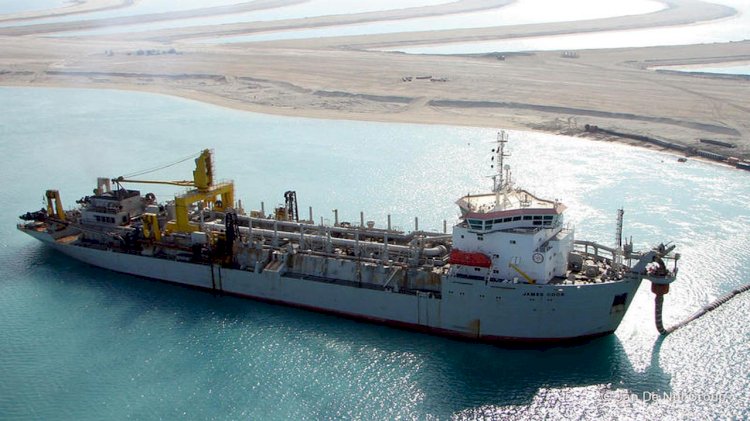
Jan De Nul Group further customized its fleet in order to meet the planning and strict operational and environmental requirements. The Trailing Suction Hopper Dredger Charles Darwin was fitted with an in-house designed ripper draghead, providing enhanced capabilities. In addition and for specific areas within the dredge area, the Hopper Dredger Juan Sebastián de Elcano was equipped with an in-house developed milling draghead, adding to the flexibility and cost/time efficiency in executing the works.

New generation of fuel cells for passenger ships

0

2021 First practical test on board AIDAnova planned as part of the Pa-X-ell2 project.

The Pa-X-ell2 research project is entering the next phase with a consortium of eight project partners. The aim of the companies involved is to investigate and develop a decentralised energy network and a hybrid energy system with a new generation of fuel cells for use on ocean-going passenger ships. The first project meeting took place at MEYER WERFT.

Since October 2019 the project consortium of Pa-X-ell2 includes MEYER WERFT, Lürssen Werft, Freudenberg Sealing Technologies, DNV GL, the German Aerospace Center (DLR), AIDA Cruises represented by Carnival Maritime GmbH, Besecke automation and EPEA GmbH – Part of Drees & Sommer.

The current project phase runs until the end of 2021 under the leadership of MEYER WERFT. In addition to the development of the fuel cells, the entire energy system and its integration on board will also be investigated. The development of energy networks and energy management as well as ecological and economic analyses are also part of the project.

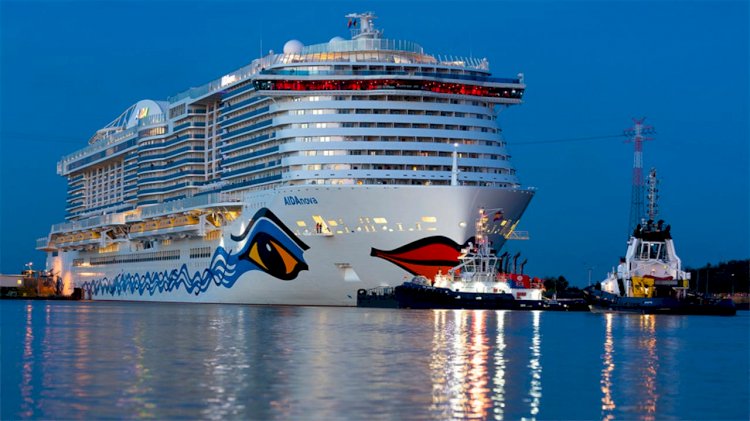
As early as 2014, MEYER WERFT commissioned a fuel cell demonstrator on shore as part of its predecessor project Pa-X-ell. Since 2016, MEYER WERFT has carried out a first test of fuel cells on board the Baltic Sea ferry Mariella. In the new project phase, the new fuel cells will be tested on the cruise ship AIDAnova. AIDAnova is the first cruise ship in the world to operate completely with low-emission liquefied natural gas (LNG) and was delivered to AIDA Cruises by MEYER WERFT at the end of 2018.

The fuel cell offers the possibility of even lower emission energy generation on board than is currently possible with LNG. It operates with low emissions, low noise and low vibration. The fuel cell is powered by hydrogen, which is reformed from methanol. This can be generated in the long term with regenerative energies and thus the fuel cell can be operated emission-neutral. Methanol as an energy carrier also offers good properties with regard to the storage volume.

After intensive tests on land, the fuel cells manufactured by Freudenberg are to be tested for the first time in real operation on board AIDAnova from 2021 onwards. For this reason, the fuel cells from Freudenberg Sealing Technologies will also be designed for significantly higher durability. Initial tests have shown that a service life of more than 35,000 operating hours can be achieved.

The Pa-X-ell2 research project is part of the e4ships cluster, as is the RiverCell2 project, which is carried out to research fuel cells on board river cruise ships. The research projects belong to the National Innovation Programme Hydrogen and Fuel Cell Technology and are funded by the Federal Ministry of Transport and Infrastructure.

ISASecure® program: DNV GL to conduct cybersecurity certifications

0

The ISA Security Compliance Institute (ISCI) announces that DNV GL – Digital Solutions has signed an agreement to conduct cybersecurity certification assessments as an ISO/IEC 17065 accredited ISASecure® certification body.

The ISASecure certification program, developed within the International Society of Automation, certifies conformance to the ISA/IEC 62443 series of internationally adopted industrial cybersecurity standards. ISASecure assesses industrial automation and control products and systems to ensure they are robust against network attacks, free from known vulnerabilities, and meet the security capabilities defined in the ISA/IEC 62443 standards.

Through its agreement with the ISASecure program, DNV GL will become the third certification body within the ISASecure certification program in South East Asia. The ISASecure program — which currently has ISO/IEC 17065 accredited certification bodies in the US, Japan, Germany, and soon, Canada — is rapidly expanding its global reach through additional agreements with certification bodies around the globe who are in the accreditation process.

Mathias Steck, Regional Manager, Digital Hub, Asia at DNV GL – Digital Solutions, says:

“At DNV GL, we’re dedicated to improving maritime and energy sector safety and integrity, and providing high-quality certification services. Companies rely on DNV GL to manage their critical risks and demonstrate compliance with regulations and standards. By joining the ISASecure program, we’re able to meet our customers’ growing demand for automation and control system cybersecurity using the internationally accepted, consensus-based ISA/IEC 62443 standards.”

Andre Ristaino, Managing Director of the ISASecure Program, commented:

“We’re pleased to welcome DNV GL as an ISASecure certification body. As an international company with a solid reputation, DNV GL provides additional credibility to the ISASecure program; and enables companies in their region to do business locally and extends global coverage for cybersecurity certification of automation.”

Founded in 2007 as a wholly owned subsidiary of the International Society of Automation, the ISA Security Compliance Institute’s mission is to provide the highest level of assurance possible for the cyber security of automation control systems.

The Institute was established by thought leaders from major organizations in the industrial automation controls community seeking to improve the cyber security posture of critical Infrastructure for generations to come. ISCI Members include Chevron, ExxonMobil, Shell, Aramco Services, Honeywell, Schneider Electric, Yokogawa, exida, Codenomicon, CSSC, and IPA-Japan.

The Institute’s goals are realized through industry standards compliance programs, education, technical support, and improvements in suppliers’ development processes and users’ life cycle management practices. The ISASecure® designation ensures that automation and control system products conform to industry consensus cyber security standards such as ISA/IEC 62443, providing confidence to users of ISASecure products and systems and creating product differentiation for suppliers conforming to the ISASecure specification. 

Kalmar introduces a new automation system for container terminals

0

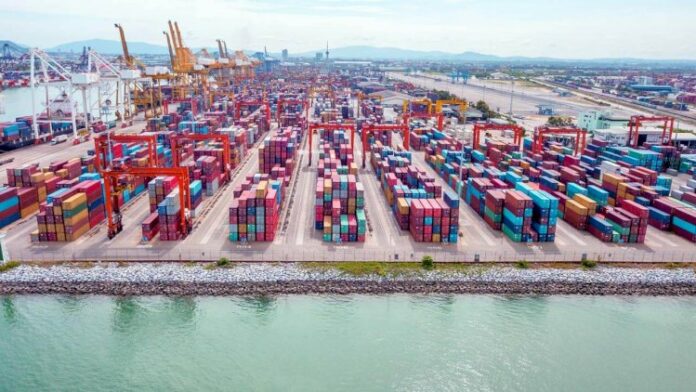
Kalmar, part of Cargotec, introduces Kalmar One, the first open automation system for container terminals. Kalmar One is a modular and scalable system that provides a robust foundation for automating container handling operations regardless of the vendor, equipment type, operation mode or automation level at the terminal. 

Antti Kaunonen, President, Kalmar Automation Solutions, says:

"Kalmar One is the next step on our journey to promote openness in our industry. We want to speed up the industry transformation by offering a standardised system that allows customers to change the automation level of their operations at a pace that suits their business. One of the most important factors holding back our industry is the lack of global commercial standards for terminal automation. Our automation system brings clarity to the automation offering and enables customers to take ownership of their terminal’s automation journey."

Kalmar One combines Kalmar’s equipment control system and process automation capabilities into one system with open interfaces. The openness of the system is enabled by Kalmar Key that was introduced two years ago. Built on the extensive experience Kalmar has in automating container terminals, Kalmar One makes it possible for customers to streamline their container handling operations faster, easier and more cost-efficiently. The extensive portfolio of automation products ranging from process automation to fully automated moves as well as the provided lifetime support provided allows customers to choose the level of automation they wish to deploy based on their business requirements. 

Tero Kokko, COO, SVP, Terminal Automation Solutions, Kalmar, says:

“We have defined and bundled common functionalities of container handling into product families that can be used to automate both Kalmar applications as well as solutions where competitor equipment is part of the solution. Because the same automation products are used to build different applications, our support will be more responsive and customers can trust that the new enhancements and features will work and are available during the whole lifetime of the application.”

The Kalmar One automation system has six product families and system tools that provide the customer with the right solution for their operating environment. 


German icebreaker embarking on a global climate mission

0

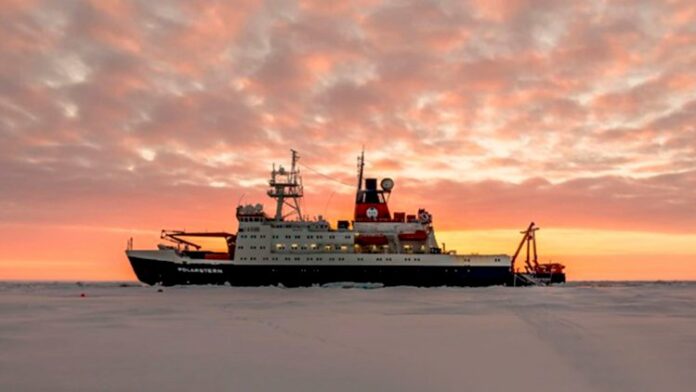
As the world steps up environmental awareness, the R/V Polarstern prepares for a yearlong stay in the Arctic ice drift, and MacArtney is playing a small part.

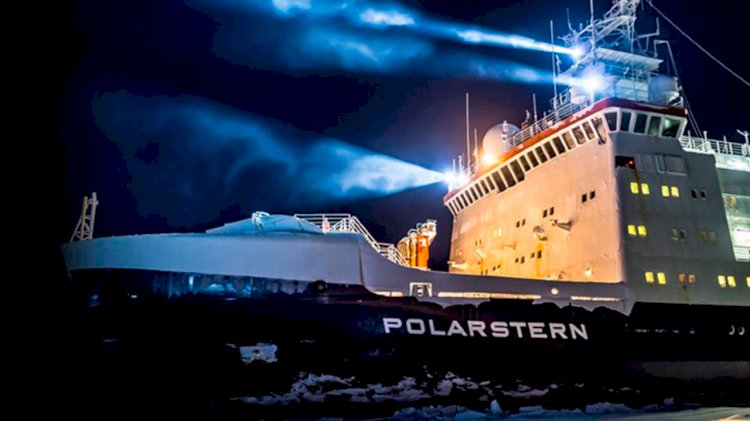
MacArtney Germany has recently designed and delivered an underwater ice camera system for the research vessel, the R/V Polarstern – a German icebreaker embarking on a global climate mission to investigate and research previously inaccessible regions during an Arctic winter.

The MOSAiC International Arctic Drift Expedition, led by the Alfred Wegener Institute, Helmholtz Centre for Polar and Marine Research, will collect vital data on climate change over the course of the year.

With a total of 600 scientists from 19 nations taking part over the course of a year, the expedition will complete research on top and beneath the Arctic ice shield, to better understand how changes in the Arctic impact global climate change.

Delivered from MacArtney operations across the globe, the under-ice camera system comprises of several components including LUXUS HD cameras and LUXUS High Power LEDs, powered by 550 metres of hybrid cable. The package additionally includes an EMO Mini-T Multiplexer and TrustLink stress termination completed with OptoLink and SubConn® connectors.

The hybrid cable, manufactured to resist air temperatures as low as minus 45 degrees, along with the rugged design and reliable performance of the TrustLink stress termination ensures safe power supply between the surface and the frozen depths — all deployed by the MacArtney CORMAC B manual drive winch.

Working together, MacArtney Germany, conceptualised, designed, engineered and mounted the underwater ice camera system as well as providing software for operation and data recording. With the help of the MacArtney Group operations, MacArtney Germany delivered a fit for purpose system solution, highlighting the MacArtney Group as a collaborative team.

Providing system solutions, big or small to ocean science ventures is frequently at the heart of what MacArtney does. As a well-positioned global company, we have the expertise and knowledge to create innovative system solutions for a range of applications to support our customers’ needs.