-2.5 C
New York
Home Blog Page 958

Aberdeen Harbour one step closer to digital transformation

0

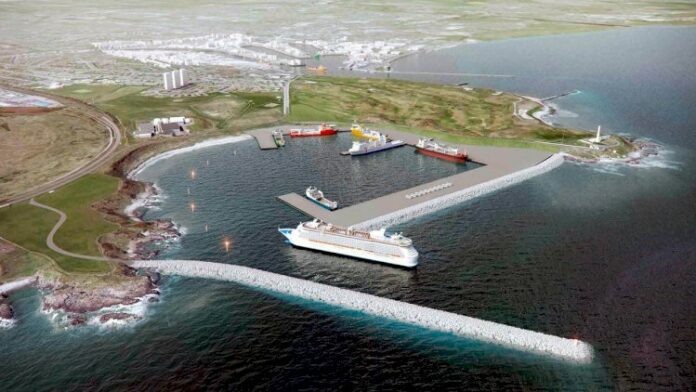
Aberdeen Harbour Board is “one step closer to digital transformation”, thanks to a £161,000 grant to fund a three-year Knowledge Transfer Partnership (KTP) with the Robert Gordon University.

The Partnership, which is funded by Innovate UK and the Scottish Funding Council, aims to result in a digital decision support system based on live data, enabling the port’s Marine and Operations Departments to maximise the efficiency of North Harbour.

The systems devised will be applied to South Harbour, once it opens in 2021.

Michelle Handforth, Chief Executive of Aberdeen Harbour Board, said: “We are thrilled to be working with the Robert Gordon University on this exciting project, which will revolutionise planning and berth utilisation in our busy North Harbour.

By using valuable data which can be gathered from operations every day, we can provide our customers and port users with efficient, streamlined services, while also eradicating unnecessary journeys and waiting times, thus helping to meet objectives around carbon emissions.

Ports operating in the 21st Century must make use of digital innovations, and we look forward to seeing the benefits this Partnership will bring to Aberdeen Harbour.”

Prof. John McCall of Robert Gordon University said:

"My team and I are very excited to have the opportunity to apply our digital expertise to help optimise harbour operations, promote efficiency and to have a real impact on marine carbon emissions."

Ian Heywood, Knowledge Transfer Adviser for the Knowledge Transfer Network, said:

“This fascinating KTP will transform the commercial and operational functions of the Harbour, and will support their expansion plans.  Both teams are very experienced, and we are honoured to be working with the UK’s oldest existing business, at this time of ambitious, strategic change.”

Equinor, Masdar and ORE Catapult share floating offshore wind data via the POD service

0

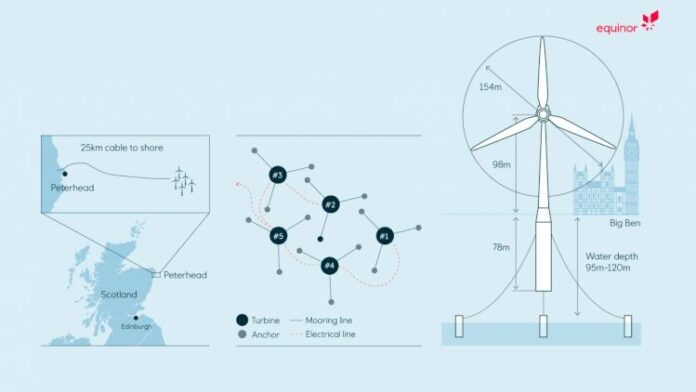
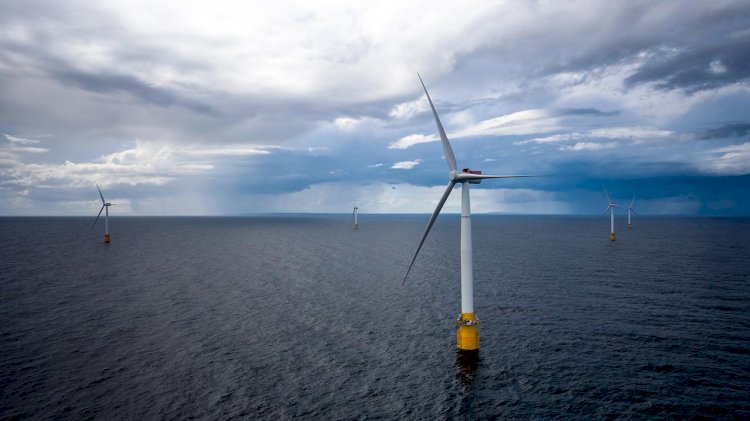
Operational data from the world’s first floating offshore wind farm, Hywind Scotland, is now available to access on a free to use basis for supply chain businesses and academia through the Offshore Renewable Energy (ORE) Catapult’s Platform for Operational Data (POD) service.

The POD service is designed to offer comprehensive data sets from offshore wind demonstrator sites across the UK to improve our understanding of how offshore wind farms operate in real-world conditions and support innovative research, projects and product development.

Under this agreement between Equinor, Masdar and ORE Catapult, subscribers can access a pre-defined set of full-scale measurements from one of Hywind Scotland’s five turbines.

By enabling access to this information, the three organisations aim to better engage industry, academia and the offshore wind supply chain in the UK and internationally, to foster collaboration and drive innovation in floating offshore wind.

The shared long-term goal is to reduce the cost of floating offshore wind, making the technology a cost competitive industrial solution.

Sebastian Bringsværd, head of Floating Wind Development at Equinor, says:

“This initiative shows Equinor’s strong commitment to support dissemination and education in the UK and abroad, as well as providing a platform for collaboration across the floating wind supply chain. Floating offshore wind is a corner stone in our renewable strategy to become an offshore wind major and we believe this technology will play a key role in delivering the UK’s Sector Deal and decarbonisation goals."

Chris Hill, ORE Catapult’s Operational Performance Director, added:

“The inclusion of free to use operational data from Hywind Scotland will be a great addition to our POD service, and greatly enhance our offering to our users. Big data is transforming our understanding of how wind farms work, and therefore our approach to building, operating and maintaining them. Our POD service was the first to offer, for a nominal charge, open access data sets from our operational offshore turbine based at Levenmouth for the benefit of the wider industry, academic and research communities and we hope to expand the data sets available in the future.”

The data shared will include environmental data, motions of the floating wind turbine and loads in the mooring system. POD was enabled through funding from the Scottish Government. 

K-LINE installs alcohol detector linked to smartphone onboard its vessels

0

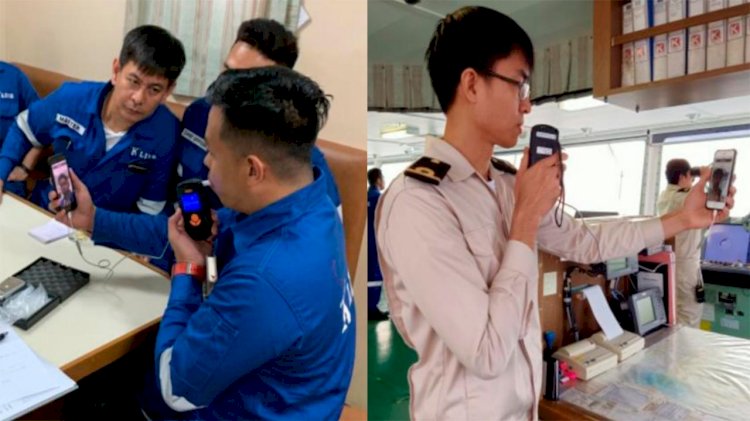
“K” LINE has started to install alcohol detector linked to smartphone, developed by the system development company “Pai-R Co., Ltd.,” to vessels under the management of “K” LINE group company in order to further strengthen management in its efforts to successfully achieve promotion of safe navigation.

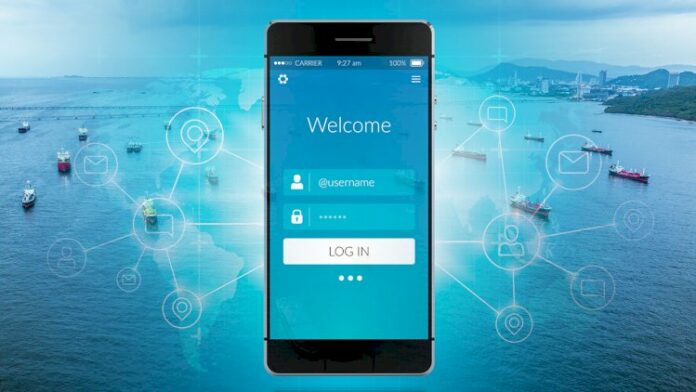
An alcohol detector is connected to the smartphone to launch the dedicated application, then one blows into the detector. The face photo of subject being tested is automatically taken and sent to the cloud on shore via satellite communication along with the test result. This detection data is saved and managed by the shore server and can be accessed and confirmed by management on the vessel as well as in the shore office. In case alcohol is detected, an alert e-mail will be sent to the registered e-mail address that will enable monitoring the alcohol test onboard the vessel in real time.

With introduction of this system, “K” LINE expects to have the advantage in further enhancement of alcohol management and reduction in workload that will contribute to Work Style Reform onboard its vessels compared to previous alcohol test methods such as using simple alcohol detectors and managing the record of test results by ship’s crew.

Company will continue installing them from November 2019 with the target of having them installed in all our managed vessels during first half of year 2020.

Vattenfall’s wind farm to be fitted with new SGRE turbines

0

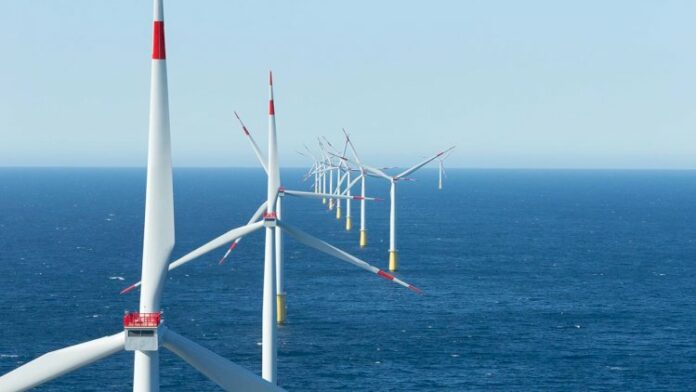
Siemens Gamesa Renewable Energy (SGRE) and Vattenfall extend Hollandse Kust Zuid turbine supply to cover the entire Hollandse Kust Zuid wind farm zone, making this the largest turbine collaboration to date for Vattenfall. Vattenfall will act as launching customer to pioneer Siemens Gamesa’s most powerful offshore wind turbine.

At the WindEurope Offshore 2019 Conference & Exhibition in Copenhagen, Vattenfall and Siemens Gamesa Renewable Energy (SGRE) announced that they have agreed to extend the Hollandse Kust Zuid (HKZ) turbine supply, subject to certain conditions including Vattenfall’s final investment decision, to now also include HKZ 1&2 in addition to HKZ 3&4.

The HKZ wind farm zone is planned to be fitted with approximately 140 units of SGRE’s upgraded version of its Direct Drive offshore wind turbine, which now features the ability to reach a capacity of 11 MW.

This capacity upgrade, available under certain site conditions, means that fewer turbines are needed to generate the same amount of energy. This will reduce installation, operations and maintenance costs and thereby contribute to further reductions in Levelized Cost of Energy for offshore wind. Furthermore, it significantly reduces the environmental impact of installation and operation of the wind farm.

Andreas Nauen, CEO of the Siemens Gamesa Offshore Business Unit, says:

”Our robust cooperation with Vattenfall becomes even more powerful with this conditional order. The newest version of our largest offshore Direct Drive machine is now setting the benchmark for turbines in subsidy-free offshore wind power projects. We’re thankful for the trust Vattenfall has placed in us to deliver the high levels of safety, reliability, and performance which they value so highly. Delivering clean energy for generations to come at a low Levelized Cost of Energy is a joint target which we’re committed to achieving together.”

Gunnar Groebler, Senior Vice President and Head of Business Area Wind at Vattenfall, says:

“By deploying one of the largest and most efficient turbines ever for the first subsidy-free offshore wind farm to date, Vattenfall is underlining its position as a leader in the offshore wind industry. It’s a major step for Vattenfall in realising its mission to enable fossil free living within one generation. Using their newest turbine variant, highlights our strong and long-standing partnership with Siemens Gamesa. This milestone follows an intensive, open tendering process which resulted in a choice for Siemens Gamesa after they entered the most competitive bid.”

In July 2019, Vattenfall won the tender to build Hollandse Kust Zuid 3&4. In March 2018, a permit had already been awarded to Vattenfall to build Hollandse Kust Zuid 1&2. Both tenders were won by Vattenfall with a zero subsidy bid. Once fully operational, Hollandse Kust Zuid will generate enough power to supply up to three million households with green electricity. The development of the wind farm is subject to certain conditions, including Vattenfall’s final investment decision.

Valenciaport presents its time-tracking tool Scale Times

0

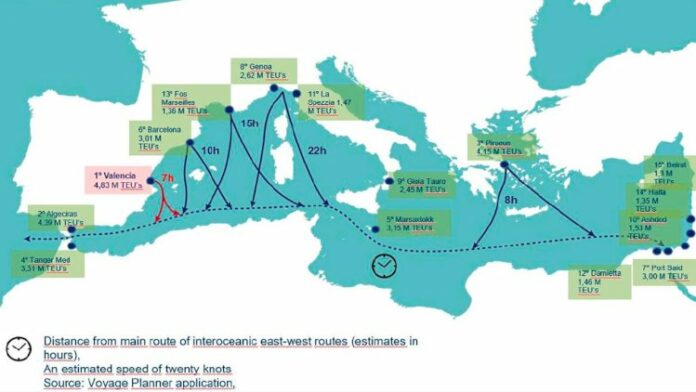
The Port Authority of Valencia (PAV) has presented this morning its new tracking tool “Scale Times” in Valenciaport. This tool, unique in the world, is aimed primarily at shipowners and shipping companies and provides information on the time spent in the port, both in operating and idle time, as well as the degree of satisfaction in the different port services offered.

As explained by Aurelio Martínez:

“There is no international consensus in the way in which the port service should be measured, nor are the ports willing to provide that information. And this lack of information leads the sector to the inability to optimize its operations and, therefore, to an increase in costs. Therefore, the Scale Times tool that we are presenting today is unique in the world and is another example of Valenciaport’s commitment to transparency.

The level of efficiency of the ports – the president of the PAV has continued – must be measured by the times of call. It is a key indicator to articulate the rotation times of ships and, therefore, affects the programming of shipping companies. But, in addition, it directly influences both direct costs, fees, and indirect costs and is vital in the decarbonization processes of ports. Therefore, it is necessary to know both the operating times and idle times of the vessels in our enclosures. According to a study prepared by the Valenciaport Foundation, for a ship of 14,000 TEUs that scales in the port of Valencia, its inactivity within the enclosure implies a cost of $ 106.68 per minute”.

As explained by Aurelio Martínez:

“There is enormous potential to reduce idle times in ports. For our part, the savings can occur mainly in the terminals and, therefore, we want to advance the study by segmenting the time in the terminals to increase the efficiency of the analysis. It would be essential to have similar jobs in other ports in order to establish credible comparisons and find improvement points.”

The Portcall Times tool has been made based on the information on the scales collected by the Maritime Traffic Coordination and Control service for each of the 6,091 stopovers in Valenciaport between August 2018 and July 2019. For each of The scales have measured the time consumed in 12 variables: entry into port waters, anchorage, practical response to the entry, practical at the entrance of the ship, docking, beginning of operation, operating time, end of operation, practical response departure , practical in ship departure, scale and exit of port waters.

Likewise, the portcalls have been divided according to the typology of the ships that have docked in Valenciaport: general cargo, cruise ship, bulk carriers, Roro merancía, Roro Pax, tanks, container ships and others. In turn, in the case of container ships different types have been established depending on their size: small feeder (up to 999 TEU), regional feeder (between 1,000 and 1,999 TEU), feedermax (between 2,000 and 2,999 TEU), subpanamax ( between 3,000 and 3,999 TEU), panamax (between 4,000 and 5,446 TEU), postpanamax (between 5,447 and 9,999 TEU), VLCS (between 10,000 and 14,999 TEU) and ULCS (between 15,000 and 20,000 TEU).

The study concludes that the average time of a container ship without funding in Valenciaport is 28 hours and 29 minutes, of which 22 hours and 2 minutes is operating time. If the ship needs to anchor, the stop time in Valenciaport rises to 50 hours and 45 minutes, of which 21 hours and 53 minutes is operating time and more than 23 hours are dedicated to anchoring. With regard to larger container ships, the ULCS, the average stay in Valenciaport is 43 hours and 56 minutes, of which 38 hours and 41 minutes is operating time.

Of the total portcalls of container ships, 19% have needed funds. Of these, 77% corresponds to feeders and the largest number to regional feeder. In addition, the tool concludes that the average duration of the input maneuver for container ships is 50 minutes and the output 35 minutes. The relationship between operating time and berthing time is 84% ​​on average (figure that rises to 94% in the case of the ULCS) and between operating time and scale time of 62% (86% in ULCS).

The Portcall times tool joins the numerous indicators launched by the Port Authority of Valencia to provide the port sector with proven information about its activity. In this regard, indicators aimed at importers and exporters have been launched, among which the VCFI and the connectivity index stand out. Specifically, the VCFI, on a monthly basis, allows exporters from the hinterland of Valenciaport to know the evolution of the freights they must pay for their shipments abroad. As for the connectivity index, published every six months, it is essential for exporters to know which are the direct destinations and the links of the port of Valencia with the main destinations in the world. Likewise, the PAV also regularly prepares the service quality and safety indicator.

Likewise, Valenciaport has indicators to show its competitive advantages, among which are: the “fun line”, the economic weight of each hinterland measured by a standard distance of 350 km, the evolution of the carbon footprint, the economic impact of the port in the Valencian Community and the social impact on the employment generated in the port environment.

Marlink launches a digital platform to enhance maritime operational efficiency

0

Marlink has unveiled BridgeLink, a technology agnostic solutions portfolio designed to interconnect on board Operational Technology (OT) within a standardised data structure.

BridgeLink addresses compatibility and interfacing challenges by providing an open, technology agnostic platform for unifying on board equipment and sensors with network infrastructure and satellite IP connectivity, so that data from any system can be accessed, collected and shared in a single interface at sea or ashore.

Providing access to data from OT such as radar, automation, power and propulsion systems, BridgeLink enables Marlink customers to use scalable remote ship management and smart maintenance systems to further enhance and improve vessel efficiency using secure data collection for specialised analysis and applications.

Fully customisable to fit any specific technical needs, the solution creates the link between on board systems and sensors and how critical data they generate is used to optimise operations, including reducing fuel consumption and thus remaining compliant with IMO regulations, extending equipment lifecycle and improving ‘first time fix’ success rates.

BridgeLink is the next stage in Marlink’s maritime digital enablement strategy, which already provides a platform for data-driven safety and efficiency improvements on thousands of ships worldwide, through unified smart global connectivity, cyber security services and IT network management solutions.

Through the secure collection of data from onboard systems as a maritime IIoT service and data analysis for i.e., predictive maintenance purposes, Marlink subsidiary Telemar will leverage BridgeLink to introduce a unique smart maintenance service, ensuring that ship owners can secure more availability of their assets at sea.

Tore Morten Olsen, President Maritime, Marlink, said:

"We created BridgeLink to make remote ship management and maintenance processes more straightforward, streamlined, agnostic and secure than ever before. With its capacity to integrate, analyse and clearly present any data from any vessel in any back-end system, it introduces the same flexibility and choice that our customers already experience with Marlink’s Smart Connectivity, CyberGuard and ITLink portfolios."

Inmarsat increases GX capabilities for maritime connectivity

0

Inmarsat, the world leader in global, mobile satellite communications, has confirmed the successful launch of GX5, the fifth satellite in its Global Xpress (GX) fleet. The satellite was lifted into orbit by an Ariane 5 launch vehicle from the Ariane Launch Complex No. 3 (ELA-3) in Kourou, French Guiana. GX5 is scheduled to enter commercial service in early 2020 and deliver additional, focused broadband capacity over Europe and the Middle East.

Rupert Pearce, CEO, Inmarsat, said: 

“I am delighted to confirm the successful launch of GX5, the next exciting step in the story of Global Xpress, which has already become the gold standard of worldwide mobile satellite broadband. This marks the first of eight launches in the coming four years that will grow our world-leading services to meet rapidly-expanding demand, connecting people around the world to reach their full potential. GX5 will also continue to ensure that Inmarsat’s thousands of Global Xpress customers remain at the cutting-edge of global connectivity technologies as their needs evolve.

My thanks go to the team at Inmarsat, as well as at our partners Thales Alenia Space and Arianespace, for their tireless efforts to reach this exciting stage. We now move on to manoeuvring GX5 into its orbit and carrying out the necessary tests prior to its deployment early next year, delivering additional next-level high-speed broadband services to our customers in Europe and the Middle East.”

With a particular focus on aviation passenger wi-fi, the commercial maritime market and meeting growing government demand, GX5 will deliver more capacity into the region than the existing four satellites in the Global Xpress network (GX1-GX4) combined provide worldwide. Over the next four years, this new satellite will be joined by a further seven advanced GX payloads, which represent unprecedented enhancement in overall capacity and capabilities of the GX network; the world’s first and only, globally available, seamless mobile broadband network.

The satellite was built by Thales Alenia Space and launched by Arianespace at 21:24 UK time on Tuesday 26 November, 2019. Following satellite separation from the rocket at 21:58 UK time on 26 November, telemetry was successfully acquired shortly after separation and the mission is proceeding to plan.

The launch teams from Inmarsat and Thales Alenia Space will deploy the satellite’s solar panels and antenna reflectors after raising its orbit to geostationary altitude (approximately 36,000km above the Earth). They will then carry out rigorous testing and calibration before the spacecraft enters commercial service.

GX is the most successful service launch in the history of Inmarsat and remains the world’s only, globally available, ‘true’ broadband service.  The company’s recent announcements of GX7, 8 & 9 and two Arctic payloads, GX10a and 10b, combined with continuing commercial success in the Maritime, Aviation, Government and Enterprise sectors, have provided fresh impetus to Inmarsat’s GX success story.

In less than four years, GX has established itself as the benchmark for reliable communications across the fastest growing sectors for mobile connectivity. The further seven GX payloads scheduled to launch over the next four years will further extend Inmarsat’s global leadership in true broadband services, which are supported by the company’s network of world leading technology, manufacturing and channel partners.


Unique partnership for the construction of a new diamond mining vessel

0

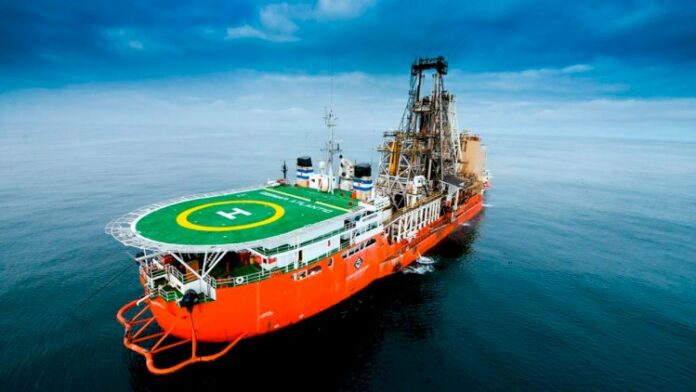
Shipbuilder Damen Shipyards Group and electrical system integrator Bakker Sliedrecht join forces in the construction of a new complex offshore diamond mining vessel for De Beers Marine Namibia. The two companies signed a cooperation agreement for project AMV 3 at the Europort in Ahoy, Rotterdam.

The e-integrator and shipbuilder will be responsible for the project engineering together as a team. Normally the engineers work separately from each other. This is the first time that Bakker Sliedrecht is operating in this form, as an electrical system integrator of Damen Shipyards Group. The unique and transparent partnership means better quality assurance, higher efficiency and cost-effectiveness for both parties.

Within the new construction project, Bakker Sliedrecht will take responsibility for the electrical system integration, detailed engineering, the supply of 150-meter switchboard and the supply of consoles and electrical systems. Damen Shipyards Group is responsible for the installation of all components on board the ship.

The new diamond mining vessel will be built at the new Damen Shipyards Group yard in Mangalia, Romania. Once Additional Mining Vessel 3 has been delivered, the vessel will be used for diamond mining off the coast of Namibia from 2022 onwards.

LNG-fuelled propulsion solution for VW car carriers

0

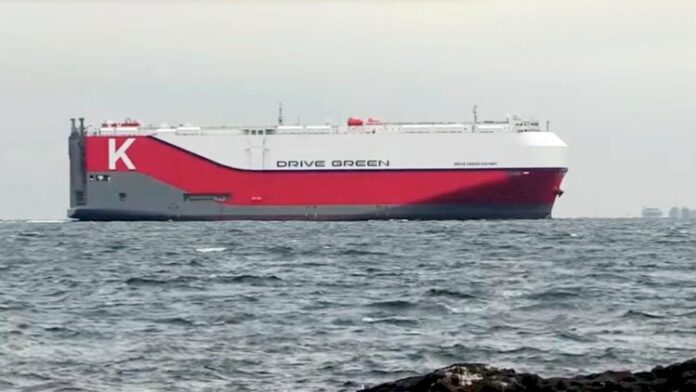
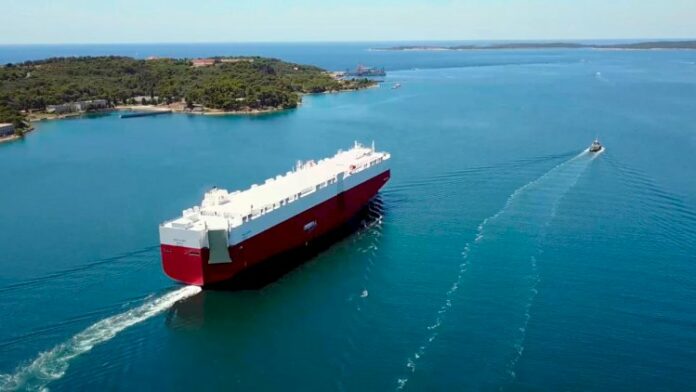
Siem Car Carriers has officially launched its latest vessels at a naming ceremony at Xiamen Shipyard in China on November 15th, 2019. The ‘Siem Confucius’ and ‘Siem Aristotle’ are the very first, trans-Atlantic PCTCs (Pure Car Truck Carriers) to operate full-time on LNG and are both powered by an identical MAN Energy Solutions’ propulsion solution. The vessels will transport cars for the VW Group between Europe and China.

Mikael Adler – Vice President, Head of Region Asia Pacific – Engines and Marine Systems, represented MAN Energy Solutions at the event and said:

“I’m very happy to be here for what is the culmination of several years’ work. These vessels represent a new departure and a new ambition with their LNG-fuelled propulsion solution heralding a new era of diminishing emissions within trans-Atlantic shipping as well as within the global, car-manufacturing supply chain. This ties in perfectly with MAN Energy Solutions’ belief that it is time for a ‘Maritime Energy Transition’ to find clean, decarbonised solutions for seaborne trade and transportation.”

As such, each vessel features individual MAN B&W S60ME-GI (-Gas Injection) dual-fuel, two-stroke engines that deliver 12,600 kW with direct injection and exhaust-gas treatment to further reduce emissions. Each main engine is accompanied by 2 × 9L28/32DF + 1 × 7L28/32DF dual-fuel auxiliary engines.

Finally, each vessel is driven by a four-bladed MAN Alpha fixed pitch propeller of the highly-efficient Kappel design. The propellers have a diameter of 6.95 m and were produced by MAN’s propeller licensee, Dalian Marine Propeller Co., Ltd., in China.

MAN reports that these are the very first L28/32DF units approved for Tier III operation without SCR (Selective Catalytic Reduction), as well as being the first such units to be built by Chinese licensee, CMP. Furthermore, these are the first 28/32DF engines to be built in a 7-cylinder variant. All GenSets are turbocharged by individual MAN TCR 16 (for the 9L28/32DF units) or TCR 18 (for the 7L28/32DF units) turbochargers, with the entire set-up overseen by MAN’s proprietary SaCoS engine-control system. 

Bjarne Foldager – Senior Vice President, Head of Two-Stroke Business at MAN Energy Solutions – said:

“Our dual-fuel portfolio can rightly be considered as mature technology with references now in every major marine segment. With 2020 and the new IMO emissions legislation fast approaching, our dual-fuel engines continue to act as standard bearers for environmentally friendly, reliable propulsion technology with their seamless switching between fuels and elimination of methane slip. Furthermore, the ME-GI’s use of the Diesel combustion principle ensures that it can easily adapt to run on whatever fuels the industry may prefer in the future.”

Foldager continued:

“With well over 400 sales already amassed by MAN Energy Solutions’ entire portfolio of dual-fuel engines – all running on clean fuels such as methanol, LPG or LNG – these car carriers mark yet another milestone in the development of the dual-fuel market segment and cement the success of the strategy MAN Energy Solutions has laid over the past decade. The machinery we have provided for these vessels also fits with our desire to increasingly become a supplier of complete propulsion solutions.”

VW stores its vehicles at German port, Emmen, for transport to China. As the shipping of cars from one continent to the other contributes its fair share of emissions, VW – as one of the first OEMs – decided to significantly improve the environmental balance of its marine transport fleet by ordering the new car carriers.

Thomas Zernechel, Head of Group Logistics, commented on the ship’s strategic importance for Volkswagen Group's vehicle logistics:

"We are entering a new field here to reduce emissions. Both ships are the first overseas car freighters in the world to be LNG-powered. In addition to the increasing use of LNG trucks, conversion of our many rail transports to green electricity and the use of biofuel in the short sea segment, the two new LNG ships represent an important building block for our strategic goal of climate-neutral logistics.”

Each of the newbuildings operated by Siem Car Carriers will be capable of carrying 4,700 vehicles. Both ships will be equipped with a 2 × 1,800 m3 LNG tanks installed below deck to fuel the MAN B&W ME-GI main drivers. The vessels are replacing two of nine conventional PCTCs in Siem’s fleet. Each newbuilding is estimated to cut CO2 emissions by up to 25%, NOx by up to 30%, particulate matter by up to 60%, and SOx almost completely. With this new approach, VW is taking a step in cutting down emissions in its supply chain – from manufacturing to final deliver

Partners announce the first floating WTG installation for wind farm

0

The announcement of the first floating WTG installation for Arcadis Ost 1 followed by the signing of a conditional agreement for turbine supply between Parkwind and MHI Vestas marked the first day of the Wind Europe conference in Copenhagen.  

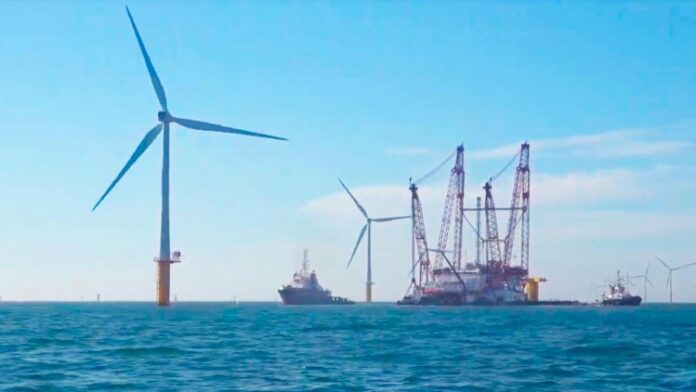
Parkwind’s German Arcadis Ost 1 project will be the first offshore wind farm that will make use of a floating vessel for the installation of Wind Turbine Generators. This achievement is the result of a year-long joint development between Parkwind, Heerema Marine Contractors and MHI Vestas Offshore Wind.

After being a successful bidder in the German offshore wind auction in 2018, Parkwind is developing the 257 MW Arcadis Ost 1 offshore windfarm. The project, located 20 km northeast of the island of Rugen in the Baltic Sea, will consist of 27 MHI Vestas V174-9.5MW turbines mounted on monopile foundations and one offshore substation. The Arcadis Ost 1 windfarm will supply green power to an estimated 300,000 German households.

Considering the challenging soil conditions at the Arcadis Ost 1 site, Parkwind looked at possible alternatives to traditional installation methodologies. In joint cooperation with Heerema Marine Contractors and MHI Vestas, the floating installation method was developed.

This innovative installation methodology provides two unique advantages: it avoids all interaction with the soil thereby reducing the project’s risk compared to a traditional jack up installation and this method allows for a reduced installation time. The floating installation method contributes to the further reduction of the levelized cost of offshore wind energy and will unlock the potential of many offshore areas around the world.

The developed method is based on utilizing a floating installation vessel to assemble the WTG components. The vessel will have all turbine components on its deck including a dummy tower. This tower will provide a stable platform on board the vessel to assemble the nacelle and the blades. The first step will be lifting the WTG tower onto the pre-installed turbine foundation. The second step is the most advanced element in the assembly process which includes lifting the nacelle onto the dummy tower and attaching the blades.

This process ensures full control over the blades thereby guaranteeing a safe and highly reliable blade assembly. After the Rotor Nacelle Assembly [RNA] on the installation vessel, the complete RNA will be lifted as one piece onto the WTG tower.

Parkwind’s co-CEO Eric Antoons commented:

“Taking the turbine installation based on a floating vessel from theory to practice is a major step forward for the offshore wind industry, supported by Heerema Marine Contractors and MHI Vestas, we saw this as the best solution for our German Arcadis Ost 1 project where soil conditions are challenging.” 

Koos-Jan van Brouwershaven, CEO of Heerema Marine Contractors, added:

“More than one year ago, Heerema Marine Contractors, together with our partners MHI Vestas and Parkwind, started an intensive research to find out the possibilities of installing turbines utilizing our fleet of floating assets. In our Simulation Center, we created an authentic visualization of the local situation, including crane and vessel controls, realistic weather conditions, sea swell patterns and seabed conditions. This collaboration led to an innovative method which will be used for the installation of turbines in the Arcadis Ost 1 wind park. Heerema Marine Contractors is very proud to participate in this unique project. It shows our ambition to remain a frontrunner in the offshore energy market, and our commitment to operate in wind projects all over the world.”
 
Furthermore, Arcadis Ost 1 will be the first offshore wind farm to install the newly developed MHI Vestas V174 turbines.

Henrik Jensen, MHI Vestas Chief Sales Officer, said: 

“We are exceptionally pleased to be chosen by Parkwind once again for such a milestone project. Today’s announcement is a testament to the strong partnership and trust between Parkwind and MHI Vestas as we embark on our fifth project together. We look forward to bringing our technology and experience to bear at Arcadis Ost 1 and contributing to the German renewable energy transition.”