-0.7 C
New York
Home Blog Page 506

Neptune Energy extends drilling contract with Odfjell Drilling

0

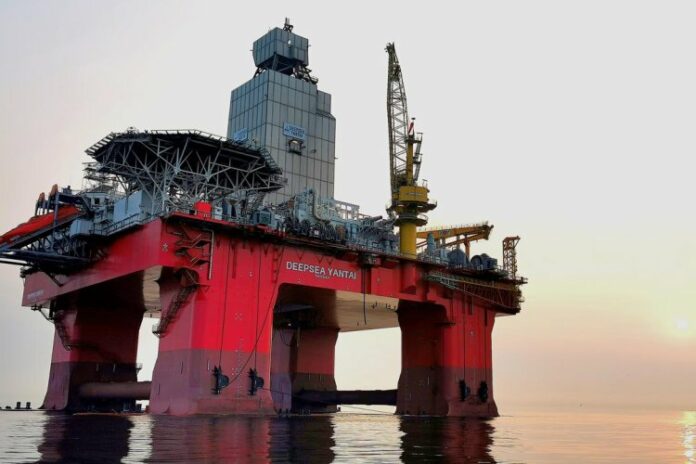
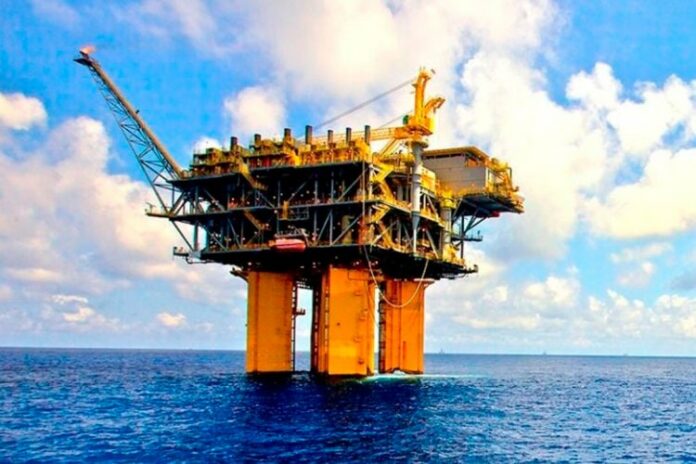
The Deepsea Yantai is currently drilling the production wells at the Neptune-operated Fenja field in the Norwegian Sea.

The extension will include one additional well at the Fenja field and two exploration wells within core areas of the Norwegian sector. Neptune also has the option to include additional wells under the current contract.

Neptune Energy’s Managing Director for Norway, Odin Estensen, said:

“The extension of the contract for the Deepsea Yantai plays a vital role in our busy drilling program for next year, including both development and exploration drilling in our core areas with a clear ambition to further grow our business on the Norwegian Shelf.”

The Deepsea Yantai, owned by CIMC Raffles, has been operating for Neptune Energy in Norway since November 2019. This included completion of the appraisal and production wells at the two new Gjøa P1 and Duva fields, and several exploration wells including the Dugong discovery last year.

Saipem: awarded a new offshore contract for the Búzios 7 project in Brazil

0

Saipem has been awarded by Petrobras a new SURF EPCI contract for the installation of a rigid riser-based subsea system for the Búzios 7 project, to serve the pre-salt field located about 200 km offshore the state of Rio de Janeiro, in water depths of around 2,000 meters. 

The project awarded to Saipem includes the Engineering, Procurement, Construction and Installation (EPCI) of the Steel Lazy Wave Risers (SLWR) and associated flowlines interconnecting 15 subsea wells to the FPSO together with the related service lines and control umbilicals. Furthermore, Saipem will also be responsible for the provision and installation of the FPSO anchors and for the hook up of the FPSO at field.

Saipem will use its FDS, its state-of-the-art field development ship, for the installation of the SLWRs.

In July 2020 Saipem had already been awarded a contract by Petrobras for the Buzios 5 project for the Engineering, Procurement, Construction and Installation (EPCI) of the Steel Lazy Wave Risers (SLWR) and associated flowlines between all wells and the FPSO.  

Francesco Caio, CEO and General Manager of Saipem commented:

“This project is a further important evidence of a new investment cycle and of Saipem’s competitiveness in projects with a high technological content. The contract also confirms the trust placed in Saipem by major clients such as Petrobras for the realization of projects central to their strategies, as well as it confirms the solid position of the company in geographic areas with significant development prospects”.

NYK conducts successful biofuel trial on vessel transporting Tata Steel cargo

0

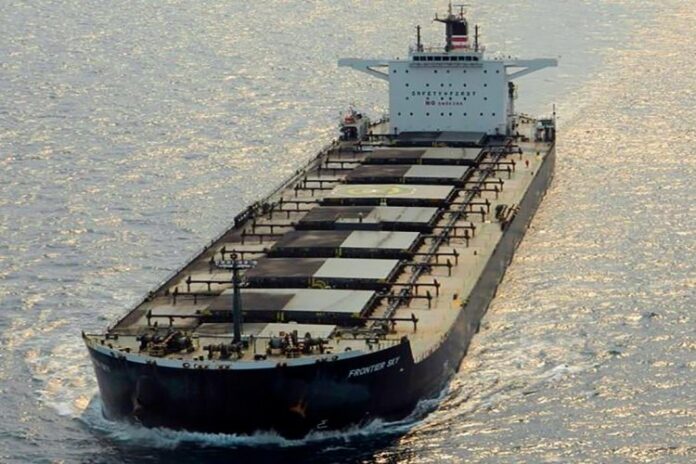
The bulk carrier Frontier Sky, which is owned by NYK and operated by Tata NYK Shipping Pte. Ltd., has conducted a trial use of biofuel to transport cargo provided by Tata Steel Limited, the major steel manufacturer in India. This is the third successful trial use of biofuel by an NYK vessel.

Biofuels are considered to be carbon-neutral because the carbon dioxide that is absorbed by the source of the biomass is equal to the carbon dioxide that is released when the fuel is burned. With increasing demands for reducing greenhouse gases emitted from ships by oceangoing shipping around the world, biofuels are currently attracting attention as an alternative fuel for ships to replace heavy oil.

In this test voyage, the vessel was fueled with biofuel by Toyota Tsusho Petroleum Pte. Ltd. at the port of Singapore on November 14 and a test voyage was conducted on a route to the port of Dhamra, India.

This test voyage was realized by matching the objectives of Tata Steel, which aims to decarbonize marine transportation in the supply chain, and NYK, which wanted to further verify the safety and quantity of GHG reduction following the company’s second successful trial use of biofuel. 

NYK provided technical support, such as biofuel refueling arrangements and engine operation planning, and Tata NYK provided operational cooperation for the test voyage. The knowledge gained from this test voyage will be shared among Tata Steel, NYK, and Tata NYK the three companies will continue to collaborate with Tata Steel in an effort toward decarbonization.

Finnlines’ third hybrid ro-ro vessel launched

0

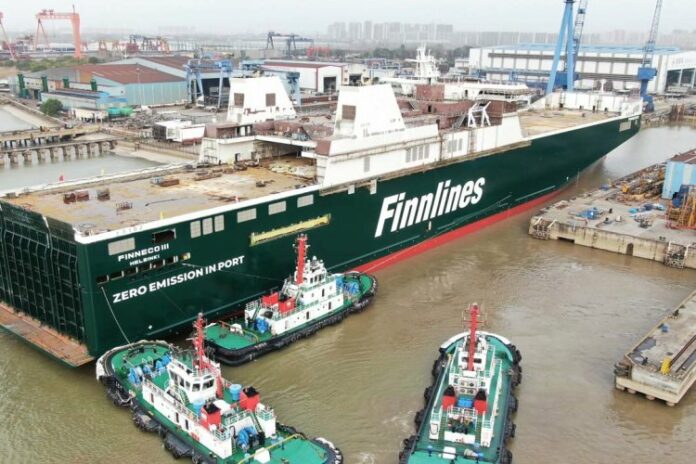
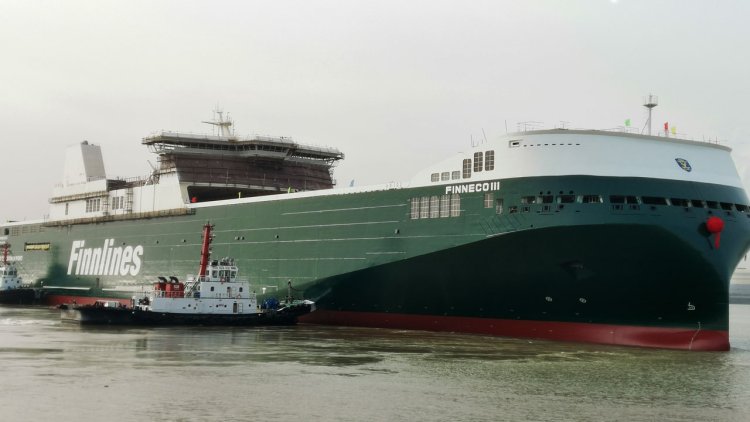
Finneco III, the third hybrid ro-ro vessel in a series, was launched in China Merchants Jinling Shipyard (Jiangsu) in China on 22 November 2021.

The Finneco series vessels will be 238 metres long with a cargo capacity of 5,800 lane metres. Compared to the Company’s largest ro-ro vessels today, cargo capacity increases by nearly 40%.

When entering the Finnlines traffic, the new vessels will reduce environmental impact of the fleet and improve energy efficiency. Lithium-ion battery systems will allow zero-emission port visits and low-emission two-stroke engines, emission abatement systems, solar panels and an innovative air lubrication system will cut emissions further.

Finnlines’ EUR 500 million Newbuilding Programme includes three hybrid ro-ro vessels and two eco-sustainable Superstar ro-pax vessels. The hybrid ro-ro vessels will start in Finnlines’ Baltic, North Sea and Biscay traffic in 2022 and Superstar ro-pax vessels in the Naantali–Långnäs–Kapellskär route in 2023.

Emanuele Grimaldi, CEO of Finnlines, says:

“Our ambitious strategy to expand services is a response to growing demand. We will bring a total of five new vessels to traffic over the next few years, which will increase our cargo and passenger capacity significantly. We are improving our performance while at the same time reducing the environmental impact of our fleet. The hybrid vessels will be among the most innovative and efficient ships in the world and are part of the investments we make in the responsible and sustainable operations of our fleet.”

Wärtsilä launches new lighter, smaller IQ Series scrubber

0

The technology group Wärtsilä has launched its new IQ Series exhaust gas treatment system, designed by its Exhaust Treatment business unit in Moss, Norway.

The IQ Series is the latest advancement in maritime exhaust gas treatment technologies, and it features several improvements that make the technology especially well-suited to container vessels, satisfying the increased demand in scrubbers as a compliance option from the container market segment.

The IQ Series scrubber uses an innovative design that allows the same exhaust gas cleaning results to be achieved within a smaller footprint. The scrubber takes up 25% less space, is 30% lighter, and has 35% less volume, which minimises the impact on a vessel’s cargo-carrying capacity, and therefore its profitability.

This makes the new scrubber particularly beneficial on container ships, where space is a key commercial priority.

Additionally, the scrubber – which can be configured to use between 20 and 70 MW of power depending on vessel requirements – features the same modular design as Wärtsilä Exhaust Treatment’s other exhaust gas cleaning solutions.

This means that the IQ Series can be upgraded with further technologies that enable other pollutants to be tackled within the stack, including exhaust gas recirculation (EGR) to cut NOx, a black carbon filter to cut particulate matter (PM), a depluming unit to cut visible steam from the stack, and even a carbon capture and storage (CCS) module that Wärtsilä is currently developing in its Moss test facility.

IQ Series is also a more environmentally-friendly option for owners and operators looking at the impact of their investment decisions, with Wärtsilä manufacturing the technology using 50% recycled steel.

Commenting on the launch of IQ Series, Sigurd Jenssen, Director, Wärtsilä Exhaust Treatment, said:

“It is fantastic to be able to unveil our new IQ Series scrubber to the market. We believe that this new scrubber features several technology improvements that make it an obvious and front-running compliance option for interested owners and operators. We have particularly designed IQ Series with our container segment customers in mind. There is huge demand in the container market for exhaust gas cleaning solutions that enable compliance and have a minimal impact on the profitability of the vessel. That’s why we have brought to market this new design that is lighter, smaller and less voluminous, enabling us to respond to what our customers are asking for, while also maintaining the same high-quality engineering and results they expect from Wärtsilä.”

BHP and Woodside agree to create a global energy company

0

BHP Group (BHP) and Woodside Petroleum Ltd (Woodside) have today signed a binding share sale agreement (SSA) for the merger of BHP’s oil and gas portfolio with Woodside (Merger). Woodside will acquire the entire share capital of BHP Petroleum International Pty Ltd (BHP Petroleum) in exchange for new Woodside shares. 

The signing of the SSA follows the merger commitment deed announced on 17 August 2021.

On completion, the Merger will create a global top 10 independent energy company by production and the largest energy company listed on the ASX. The combined company will have a high margin oil portfolio, long life LNG assets and the financial resilience to help supply the energy needed for global growth and development over the energy transition.

BHP CEO Mike Henry said BHP’s petroleum business and Woodside are better together and will create value for BHP shareholders. He said:

“Merging our petroleum business with Woodside creates a large, more resilient company, better able to navigate the energy transition and grow value while doing so. Through the merger we will provide value and choice for BHP shareholders, and unlock synergies in how these assets are managed.”

An alternative option carefully considered by the Board was to implement a demerger through a distribution to shareholders of shares in a newly listed entity. However, while a demerger would result in a strong and financially viable stand-alone entity, the Board determined that the Merger was the best alternative for shareholders given that it would capture the additional value flowing from the advantages and benefits outlined above.

On completion of the Merger, Woodside will issue new shares expected to comprise approximately 48% of all Woodside shares (on a post-issue basis) as consideration for the acquisition of BHP Petroleum. The Merger ratio is based on the number of Woodside shares at the effective date. The number of new shares issued on completion will be adjusted to reflect shares issued by Woodside under its dividend reinvestment plan after the effective date.

Completion is targeted for the second quarter of the 2022 calendar year. Prior to completion, BHP and Woodside will carry on their respective businesses in the normal course and, will put in place appropriate plans to enable a smooth transition of ownership.

The effective date of the Merger will be 1 July 2021. 

On completion, Woodside will make a cash payment to BHP in relation to cash dividends paid by Woodside between the effective date and completion. BHP will make a cash payment to Woodside for the net cash flow generated by BHP Petroleum between the effective date and completion (or, if that amount is negative, Woodside will make a cash payment to BHP). Where applicable, these amounts will be netted off.

BHP Petroleum will transfer to Woodside on a cash and debt-free basis, based on the balance sheet at the effective date, subject to certain exclusions including legacy assets and liabilities that will remain with BHP. In its Financial Report for the half year ending 31 December 2021, BHP expects to present the results of BHP Petroleum as a discontinued operation and the BHP Petroleum balance sheet as held for sale, subject to the status of the Merger’s conditions precedent outlined below.

PIL boosts Asia coverage with new China Straits Service (CSS)

0

In anticipation of growing trade flows within Asia, Pacific International Lines (PIL) is pleased to introduce a new weekly direct service connecting key ports in China, Singapore and West Malaysia.

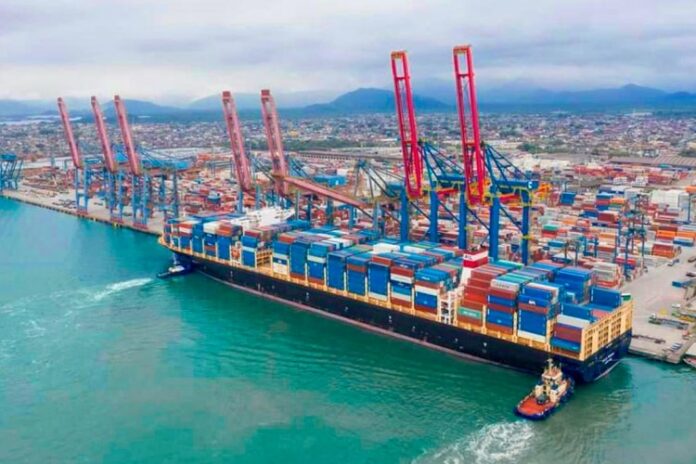
The new service, known as China Straits Service (CSS), will commence on 18 December 2021 from Qingdao. It will be served by a consortium of four vessels with an average capacity of 2800 TEUs, jointly deployed by PIL, Goldstar Lines (GSL) and Orient Overseas Container Line (OOCL).

Mr Tonnie Lim, Chief Trade Officer, PIL, said:

“With growing signs of recovery in the global economy, we expect Asia to continue to play a pivotal role in international trade. The new China Straits Service, with its comprehensive coverage of China ports, Singapore and West Malaysia, is designed to support our customers in riding this positive growth trend in Asia. We are happy to expand our Asia coverage and offer this new service to our customers.”

The ports of call for the CSS service are:

Qingdao – Shanghai – Xiamen – Nansha – Singapore – Port Kelang – Penang – Port Kelang – Pasir Gudang – Nansha – Qingdao

BV and BESSÉ join forces to strengthen cyber security in the maritime sector

0

Responding to the increasing threat of cyber-attacks in the maritime sector, Bureau Veritas (BV), a world leader in testing, inspection, and certification, and insurance consultancy major BESSÉ have announced a partnership to support shipowners with tailored solutions to improve their cyber security and cyber insurance. 

This partnership will see BESSÉ and BV combine their complementary expertise to help shipping stakeholders manage the risk of cyber-attacks, which has risen in recent years, particularly for shipowners. This will also be key to help them comply with IMO and IACS requirements.

Bureau Veritas helps shipowners and operators develop and implement an effective cyber security strategy on ships and ashore. To this end, BV has developed a set of rules (NR 659) which make up a framework for assessing maritime cyber security. This framework enables BV to assess the level of cyber risk for shipowners/operators and to recommend organizational, technical and procedural measures to reduce this risk to an acceptable level. 

This process includes:

  • conducting a complete inventory of equipment, systems and networks connected at sea and on land;
  • conducting a cyber risk analysis to identify vulnerable systems and equipment;
  • developing and implement a cyber risk management policy;
  • ensuring the effective implementation of technical and organizational procedures;
  • enabling shipowners/operators to ensure compliance with IMO cyber security requirements.
  • validating the management of cyber risk on board through an additional Class Notation.

BESSÉ then responds to the identified risks through insurance solutions, by helping shipowners transfer part of the cyber risk to insurers. As many insurance companies now require their clients to demonstrate high standards for cyber risk management, BESSÉ builds on the results of the systems optimization achieved though BV’s rules to assist its clients in presenting these risks to insurers.

GILDAS TUAL, Director, BESSÉ Maritime and Logistique, said:

“Managing cyber risk is still a new challenge for companies in general, and shipowners and operators in particular. This is why we are delighted to partner with Bureau Veritas to offer tailor-made solutions for our clients.”

Matthieu de Tugny, President of Bureau Veritas Marine & Offshore, said:

“Thanks to our experience and expertise in maritime cyber security, which we deliver every day to our clients around the world, Bureau Veritas is now able to provide BESSÉ with parameters for assessing the cyber resilience of a ship or a fleet. This evidence-based picture provides the basis for the insurance industry to meet the new expectations of shipowners and operators.”

New report examines sea-based sources of marine litter

0

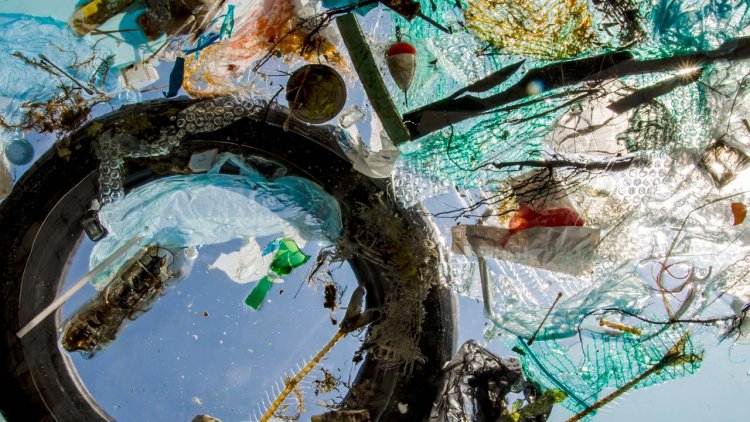
The report, which can be downloaded here, outlines the various sources of marine litter and the impact and assesses the current availability of data and identifies knowledge gaps for the main categories of sea-based sources of marine plastic litter. 

Although very little quantification of sea-based sources of marine litter exists in the scientific, peer-reviewed and grey literature (highlighted as an area for further research), the report looks at five main categories. These are:

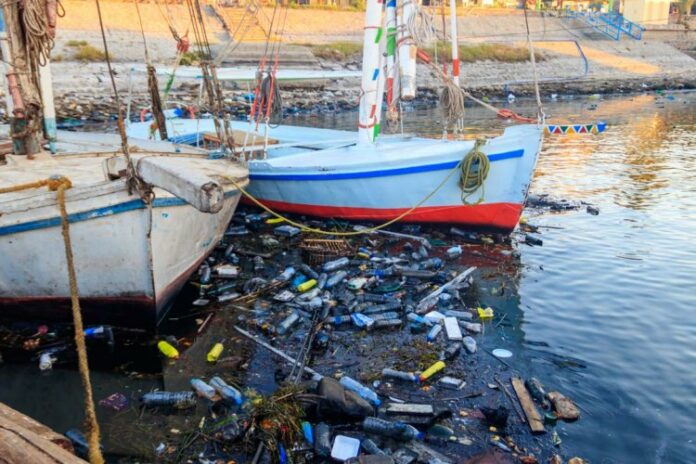
  • Fishing: Abandoned, lost, or otherwise discarded fishing gear (ALDFG) from artisanal, commercial and recreational fishing operations is a large source of marine litter. It can include surrounding nets, seine nets, trawls, dredges, lift nets, falling gear, gillnets and entangling nets, ropes, traps, hooks and lines, floats and buoys, sinkers and anchors and miscellaneous gear including metallic materials. This gear can be lost regularly, episodically or catastrophically for a number of reasons ranging from inclement weather, ordinary wear and tear, wildlife interactions to natural occurring and human-made underwater obstructions. The impact of ALDFG includes economic losses, reduction of ability to target specific marine life, marine wildlife entanglement in and ingestion of marine litter, damage to marine habitats, impact on human habitats such as beaches and coastal areas and also loss of human life due to debris entanglement.

  • Aquaculture: Ocean and coastal farming can be a source of marine litter in the form of aquaculture equipment and plastics, including ropes, buoys, mesh bags, anti-predator netting, cages, tanks, etc. This equipment may be damaged or discarded leading to marine litter which is often concentrated in coastal areas where aquaculture is practiced. Expanded polystyrene is the leading form of marine litter from ocean and coastal aquaculture activities, but there are currently no global estimates for the amounts of marine plastic litter generated from this sector.
  • Shipping and Boating: Marine litter from merchant ships, cruise ships, yachts and leisure craft can take the form of solid waste, waste from cargo holds (e.g. wire straps, packaging materials, plastic sheets, boxes etc.), waste generated during the normal operations of the ships, personal litter from individuals onboard, debris from vessel wear and tear, and sewage (although this is regulated by IMO’s MARPOL treaty, accidental discharges occur occasionally). Microplastics from shipping and boating are also highlighted in the report as are shipwrecks, lost containers and cargo. In addition to impacting marine life, affecting coastal areas and potentially damaging other ships, litter from shipping and boating can also damage coastal and ocean-based aquaculture. The report highlights that few detailed studies are available that quantify the amounts and types of marine litter from shipping, and that further work is needed to address knowledge gaps in terms of mapping and modelling of ship generated litter sources and distributions, microplastics in ship surface coatings, as well as socio economic impacts of marine plastic litter generated from this sector.

  • Dumping of waste and other matter at sea: this category includes dredged materials, which is by far the most significant in terms of volumes, and potentially the largest source of plastic or other litter from wastes dumped at sea. However, there is limited information on the quantities of plastics in the waste streams, despite efforts by the London Convention and London Protocol Parties, the treaties that regulate the prevention of pollution from dumping of wastes at sea. Therefore there is a need for a better understanding of the presence of plastics in wastes dumped at sea, both in terms of the characterization of the plastics present as well as the geographical distribution.
  • Other ocean uses: marine litter can occur as a result of offshore oil and gas exploration; shark and “stinger” nets set up in beach areas to prevent harm to humans; weather monitoring, which can create debris, such as weather balloon equipment including acidic batteries, plastic components and latex rubber; artificial reefs, which may be constructed out of waste materials such as old tyres, etc and may be impacted by tidal and weather conditions; scientific research equipment and activities; and fireworks.

The report concludes that sea-based activities do contribute to the global burden of marine litter, and that this does warrants concern. However, it is not possible to estimate the total contribute of sea-based sources and a concerted effort to updates global estimates is needed to fill these knowledge gaps, together with renewed efforts to reduce inputs of marine litter from all sources.

It is of note that this report does not examine the potential toxic effects of plastics on marine life, as this and other subjects are covered in detail in the reports produced by GESAMP Working Group 40 on Sources, Fate and Effects of Microplastics in the Marine Environment, see in particular its second report (GESAMP Reports and Studies No. 93, published in 2016.

*GESAMP is made up of scientific experts from IMO, FAO, Intergovernmental Oceanographic Commission of UNESCO (IOC-UNESCO), United Nations Industrial Development Organization (UNIDO), World Meteorological Organization (WMO), International Atomic Energy Agency (IAEA), United Nations (UN), UNEP, United Nations Development Programme (UNDP), and the International Seabed Authority (ISA).

AfCFTA could boost maritime trade in Africa

0

UNCTAD’s Review of Maritime Transport 2021 published on 18 November points to positive trends in maritime trade that might sustain economic growth in Africa, notably the entry into force of the African Continental Free Trade Area (AfCFTA) and the potential of technology to facilitate the continent’s trade and transport.

The AfCFTA agreement, under which trading started in January 2021, aims to increase intra-African trade by eliminating import duties – and to double this trade if non-tariff barriers are reduced. UNCTAD estimates that the agreement could boost intra-African trade by about 33% and cut Africa’s trade deficit by 51%.

The continental free trade area has significant implications for maritime transport and services trade.  The report says:

“The AfCFTA is expected to increase demand for different modes of transport, including maritime transport, which in turn will increase investment requirements for infrastructure and equipment – ports and vessels in the case of maritime transport.”

It emphasizes the critical need to finance and develop adequate transport infrastructure and services in Africa to support maritime connectivity to fully realize the benefits of the AfCFTA.
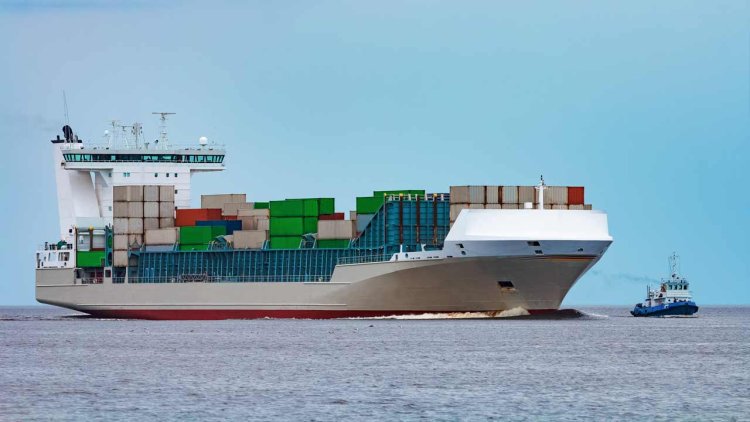
A study by the UN Economic Commission for Africa with a time horizon of 2030 indicates that cargo transported by vessels would increase from 58 million to 132 million tons with the implementation of AfCFTA.

The study says Comoros, Gabon, Gambia, Ghana, Madagascar, Mauritius, Mozambique, Namibia and Somalia will experience a surge in traffic through their ports by 2030 as a result of AfCFTA. 

If the necessary infrastructure projects are implemented, Africa’s maritime fleet is projected to increase by 188% for bulk and 180% for container cargoes. 

The report also highlights the challenges that continue to weigh on the maritime sector, including the long port call times for vessels, significant liner shipping connectivity issues and drops in maritime volumes due to disruption caused by the COVID-19 pandemic.

Africa is expected to see some recovery in output and cargo imports, but it would be relatively moderate compared to other world regions. Africa’s maritime trade down in 2020 and lagging container port performance.
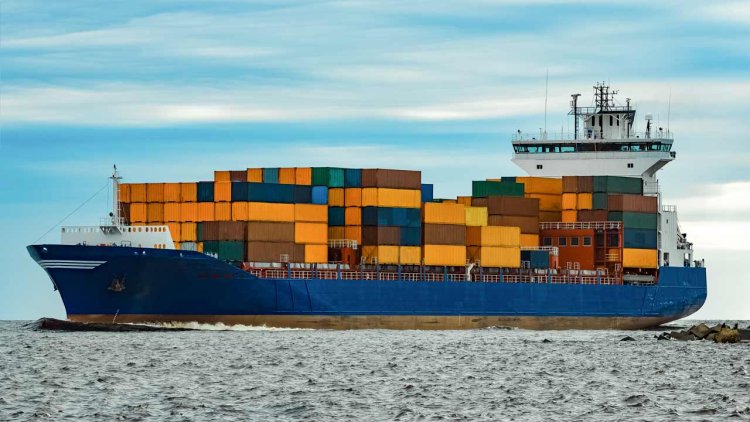
UNCTAD estimates Africa’s international maritime trade, including both goods loaded and discharged, to have fallen by 7.6% in 2020. While 2021 saw a revival in world cargo trade, the recovery was uneven, with exports from Africa and the Middle East remaining under pressure.

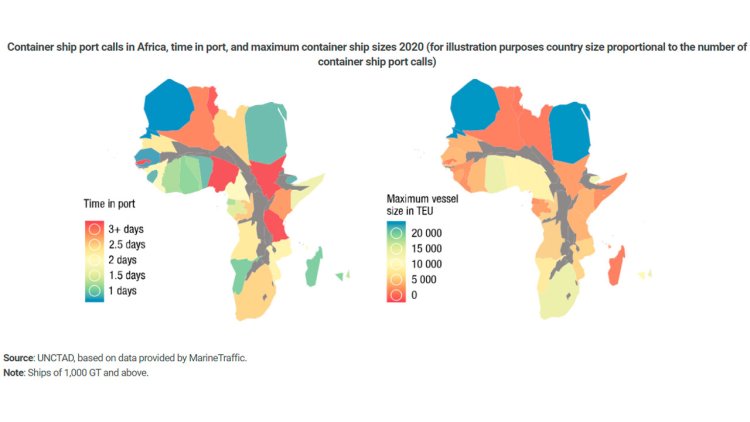
Africa’s contribution to global containerized trade remained relatively low in 2020, with container ports on the continent holding a 3.9% share of global container port traffic, compared to Asia with nearly two-thirds and Europe with 14.9%.

The report notes that the longest times in port for container ships are generally in Africa, notably in Nigeria, Sudan and Tanzania. Morocco is an exception, with one of the world’s shortest times for vessels in port. Tanger Med, Morocco, was also Africa’s best-connected port in 2020, the report states.

The report specifically analyses port performance and profitability based on members of the UNCTAD TrainForTrade Port Management programme port network, with results that demonstrate the challenges for Africa. For example, in 2020 average profitability for ports in the network declined by 12% in Europe, by 17% in Asia and by 25% in Africa. Latin America showed no change.