2.3 C
New York
Home Blog Page 1190

Five missing after car carrier catches fire

0

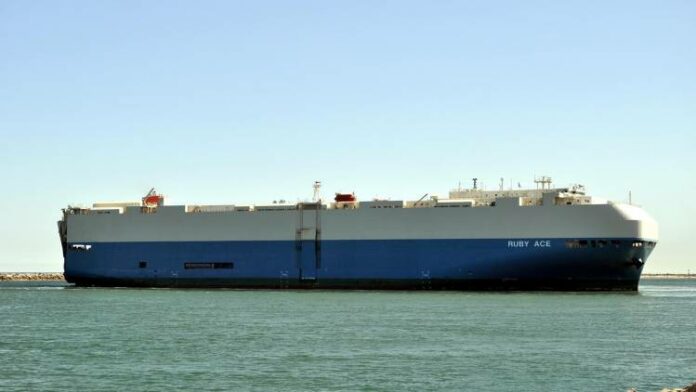
The US Coast Guard and good Samaritans aboard several commercial vessels responded to a vessel fire on the 650-foot Sincerity Ace 1,800 nautical miles northwest of Oahu on the high seas, on December 31. 16 of the 21 crew were rescued, but there are five missing, with fears that three of them are dead.

The Coast Guard Joint Rescue Coordination Center (JRCC) in Honolulu received notification from JRCC Japan at 1:04 a.m. of the situation. Watchstanders in Honolulu immediately issued a SafetyNet broadcast asking the assistance of vessels in the area and directed the launch of the Hercules from US Coast Guard Air Station Barbers Point.

The master of the Sincerity Ace reported a significant vessel fire, ongoing firefighting efforts, and an intent to abandon ship. The crew was able to launch one of the life rafts, and four of the 21 mariners abandoned ship with lifejackets. It is not known if they reached the life raft upon entering the water. The remaining 17 crew are reportedly continuing to fight the fire.

Giving an update on the incident, USCG said that good Samaritans aboard four merchant vessels rescued 16 of the 21 crew. Three of the five missing mariners reportedly were located but remain in the water as they are unresponsive and unable to grab onto life saving equipment to be brought aboard. Search efforts are now focused on the two remaining potential survivors in a search area of 5,832 square nautical miles.

One commercial vessel, the Green Lake, went on scene to provide assistance and rescue options, with three additional commercial vessels and a US Coast Guard HC-130 Hercules aircrew en route.

Two additional vessels, a car carrier, and a tanker are en route, while the USCG is also launching a second Hercules from Air Station Barbers Point. Both Hercules airplanes are equipped with self locating datum marker buoys to track positions and additional search and rescue equipment such as life rafts and survival gear that can be dropped to survivors. In addition, the US Navy will provide a fixed wing aircraft to assist in search efforts. Other military surface and air assets are being considered.

Source:safety4sea
Mega container ship lost containers in North sea, some with dangerous cargo

0

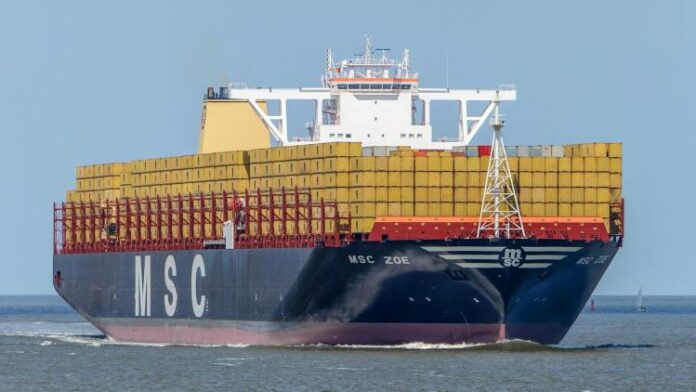
Mega container ship MSC ZOE lost 30+ containers during the night Jan 1 – Jan 2 in North sea in rough weather, north of Borkum, Germany, while en route from Sines Portugal to Bremerhaven Germany.

18 containers reportedly are located, 7 containers were washed ashore along Dutch coast in Vlieland and Terschelling area, with their content scattered around, said to be mainly car parts and toys. 3 containers contain organic peroxides, which can be dangerously reactive.

They can decompose very rapidly or explosively if they are exposed to only slight heat, friction, mechanical shock or contamination with incompatible materials.

Those 3 containers, as of 1200 UTC, weren’t yet located. MSC ZOE meanwhile, is slowly moving in northern direction, reportedly trying to assess the number of lost containers, and probably, other damages. 

Source:fleetmon

German wind ‘close to 15TWh in December’

0

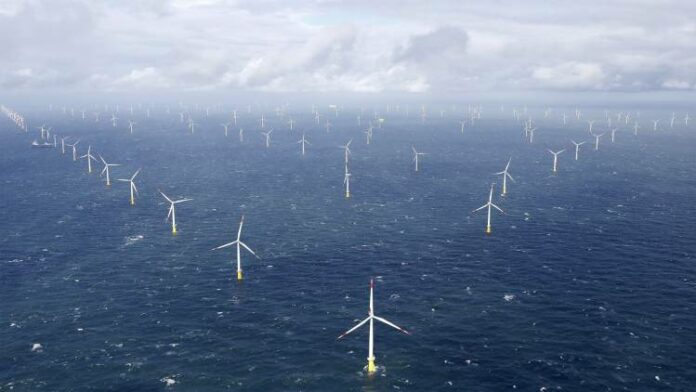
Onshore and offshore wind farms in Germany generated almost 15 terrawatt-hours of electricity in December, according to the energy and water industry trade association BDEW.

The association said a total of 14.83 billion kilowatt-hours was produced by wind power in the last month of the year.

This would be enough to cover the electricity consumption of Berlin or Schleswig-Holstein for one year, it said.

However, in reality there is a lack of energy storage facilities to use volatile renewable power as needed, BDEW added.

The association also said there is a need for grid expansion – particularly to transport electricity from production centres in the north of the country to areas of demand in the south.

Source:renews

Hull port hub for Hornsea 1 blades

0

Associated British Ports is to provide storage in Hull for Siemens Gamesa turbine blades destined for the 1218MW Hornsea 1 offshore wind farm off the east coast of England.

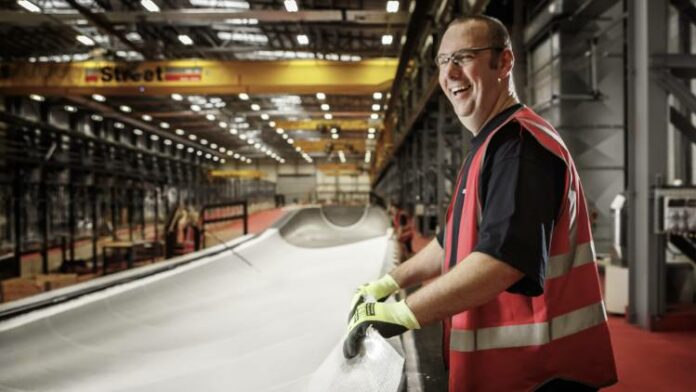
Siemens Gamesa has leased for 12 months a 2.5-hectare area at the Port of Hull's eastern access on King George Dock to store 37 blades, which are each 75 metres long and weigh 30 tonnes.

The blades will be transported just over 3km from the manufacturer's factory at Alexandra Dock to the storage site using a remote-controlled loader, ABP said.

It added that each blade takes about 1 hour and 15 minutes to move during the early hours of the morning to cause minimal disruption to port traffic.

ABP Humber head of property David Morriss said: “We're proud to be able to say that we have been an essential link in a major green project such as this, which will eventually see the blades powering one-million homes."

It’s also another example of our expertise in handling such large and specialist components.

We have worked closely with Siemens Gamesa to offer solutions and to support their business growth, so that together as partners, we can keep Britain trading and provide the nation with environmentally-friendly power.

Siemens Gamesa factory director Anton Bak said: “Siemens Gamesa is delighted to again be working with ABP, continuing a ground-breaking partnership in Humberside."

To deliver clean, green energy to millions of UK households is a complex team effort, and ABP is a crucial member of that team.

Source:renews

Port of Colombo achieves record breaking 7 millionth TEU

0

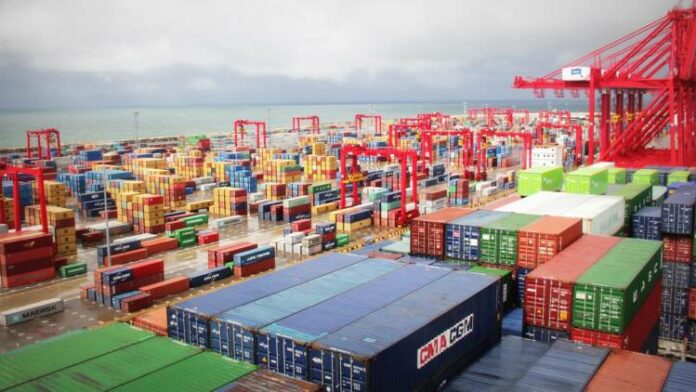
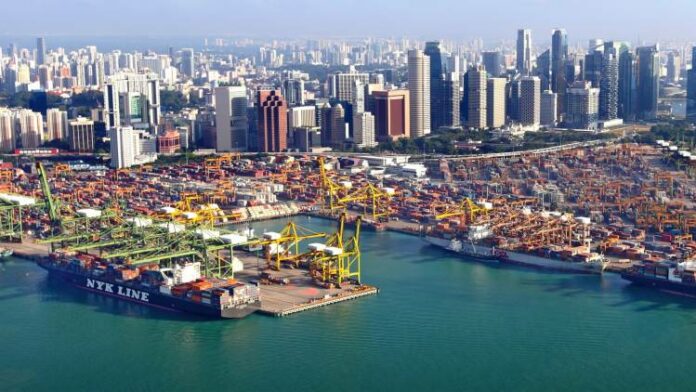
Sri Lanka’s Colombo port highlighted that it has handled a record 7 million TEUs for 2018, a rise by 1 million TEUs, in comparison to its 2017-handling, as stated by Sri Lanka Ports Authority (SLPA).

Dr. Parakrama Dissanayake, the Secretary of the Ministry of Ports, Shipping and Southern Development and Chairman of SLPA, addressed that the port showed an important increase in TEUs since during 2017 it handled 6 million TEUs and in 2018 it managed 7 million TEUs.

He highlighted that by the end of 2018 the transshipment volumes of the Port of Colombo has increased by 19.3%.

Sri Lanka's Port of Colombo is the world's top port with the highest container growth for the first half of 2018.

According to SLPA, the three terminal operators at the Port of Colombo, the Jaya Container Terminal (JCT) under SLPA, the South Asia Gateway Terminal (SAGT) and the Colombo International Container Terminal (CICT) early this year, reached into a Memorandum of Understanding (MOU) to operate collectively to promote the Port of Colombo.

The MoU focused on eliminating the waiting time of all container vessels outside the port waters by allowing operations of vessels at the immediately available terminal.

SLPA signed its first Public Private Partnership (PPP) agreement with the SAGT in 1999 for 30 years that brought an investment of $220m up to today.

The next PPP agreement by SLPA for terminal operation was with the CICT in 2013 for 35 years that brought an investment of $550m to the Sri Lankan port sector.

Finally, the JCT that 100% belongs to SLPA is operated as the main state-owned terminal. The terminal reached a 15% increase during 2017, handling 2.3m TEU by the end-2018, despite showing a negative growth in 2016.

Source:safety4sea

S. Korea and Ocean Infinity to search for Stellar Daisy using AUVs

0

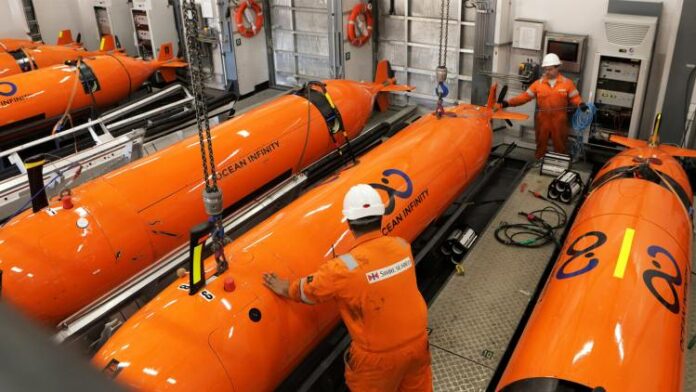
Ocean Infinity, the next generation seabed survey and ocean exploration company is collaborating with the Government of South Korea to search for the wreckage of the ship 'Stellar Daisy', lost in late March 2017.

Specifically, the vessel was lost in the South Atlantic Ocean approximately 2500 nautical miles due east of Uruguay with 24 people on board, whilst transporting iron ore from Brazil to China.

The operations to look for the vessel will begin in January 2019.

Moreover, Ocean Infinity noted that for the investigation they will deploy a fleet of Autonomous Underwater Vehicles (AUVs). In order to locate the wreck, the Government along with the company will continue a detailed survey using the latest 3D imaging technology.

Oliver Plunkett, Ocean Infinity's CEO, addressed that they hope to find Stellar Daisy and collect evidence concerning the loss. He continue stating that with deep sea search there is no guaranteed success since the location and the circumstances are unknown.

Finally, Ocean Infinity stated that further details concerning the investigation will be made in due course.

Source:safety4sea

MPA Singapore to test autonomous and remotely operated underwater vehicles

0

MPA Singapore informed that it will conduct testing of autonomous and remotely operated underwater vehicles off St. John's Island. The tests will take place from January 7 until January 18. The tests will last from 9 am to 5 pm daily.

Namely, the craft will show the appropriate local and international day signals. Specifically, a work boat will deploy and recover the underwater vehicles by crane, while a safety boat will be in attendance at all times to warn and re-direct craft in the vicinity to keep clear of the working area.

The working area will be the following:

In order to protect mariners, MPA warned them that when they are near the working area, they should:

  • Keep well clear and not to enter the working area;
  • Maintain a proper lookout;
  • Proceed at a safe speed and navigate with caution;
  • Maintain a listening watch on VHF Channel 68 (West Control);
  • Communicate with West Control on VHF Channel 68 for assistance, if required.

You may see another map of the are where the works will take place below
Source:safety4sea

Hyundai to push on with new low-cost deepwater FLNG hull

0

Hyundai Heavy Industries’ new hull design for a low-cost, next-generation deepwater floating LNG vessel has the green light from the American Bureau of Shipping in yet another boost for the offshore delivery of the gas.

The Bureau has granted approval in principle for the design, which the shipbuilder said can be constructed at less than half the cost of a conventional FLNG hull. According to ABS, the hull is based on current designs for LNG carriers, but equipped for LNG production with structural reinforcements to take the loads of heavy topsides. The hull is designed to operate for 25 years without the need for drydocking.

A ready-to-convert offshore FLNG hull opens a whole product line, according to the executive vice-president of HHI’s shipbuilding division, Hyungkwan Kim. “In the current emerging gas market the hull, with ABS certification, at affordable capital expenditure, this is an important product for the monetisation of gas reserves around the globe,” he said.

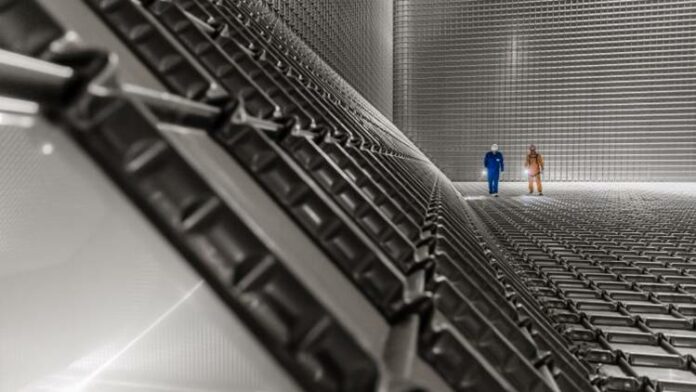
The design features a barge-shaped hull, a GTT Mark III containment system with storage for about 192,000 m3, provision for an internal turret, and 45,000 tonnes of topside structures designed to deliver 2.5M tonnes a year of LNG.

According to ABS, the South Korean group has developed a technically feasible FLNG hull that combines the latest industry trends with first-class shipbuilding practices under ABS rules. Safety standards are high, the Bureau said, and added HHI has a background in low-cost FLNGS. In 2017, ABS approved a near-shore FLNG hull. The two groups – HHI and ABS – have been working on the harsh-environment deepwater hull since then to meet increasing demand.

Source:lngworldshipping

Construction of Russia’s High Arctic Research Platform Commences

0

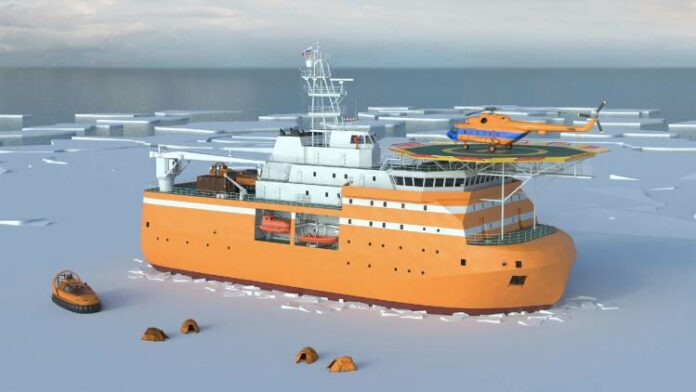
Russia's Admiralty Yard has officially started construction on the high-Arctic research platform North Pole.

The 10,390-ton, 84-meter platform will be the world’s first research station permanently based in high Arctic waters. It is expected to be ready for operation in 2020 and will be operated by Russia's meteorological institute Roshydromet.

The platform will be capable of sailing through light ice at 10 knots, but will drift across the Arctic for up to two years at a time with 14 crew and around 40 researchers on board.

The Soviet Union and later Russia has had floating research stations in the Arctic since 1937. In recent years, research stations have been set up on an ice floe in September-October with around 20 scientists over-wintering there. However, it has become increasingly difficult to find ice floes solid enough to hold a station.

Russian research has encompassed marine life, meteorology and natural resources. Recent research has also focused on studying the Lomonosov Ridge to collect evidence that could strengthen Russian territorial claims to the seabed in that region within the Russian sector of the Arctic. 

Source:maritime-executive

Novatek, Saibu Gas Ink MoU

0

Russia's largest independent natural gas producer Novatek said it had agreed with Japan's Saibu Gas to study the possibility for the Russian company to enter the Japanese energy market.

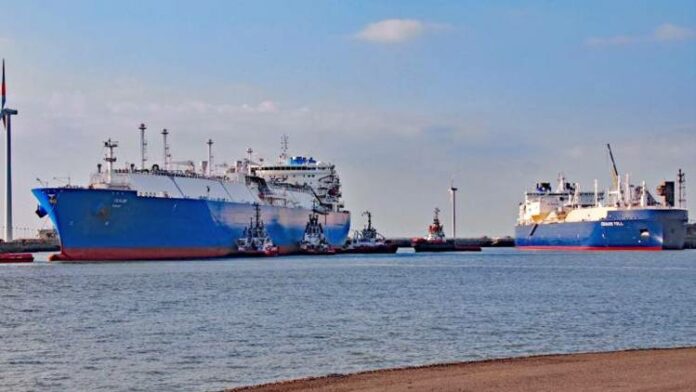
Novatek said in a press release that PAO Novatek and Saibu Gas Co Ltd signed a  Memorandum of Understanding (MOU), whereby the parties agreed to consider potential cooperation to enter the end-customer market and optimize Novatek’s LNG portfolio supplies to the Asia-Pacific region by utilizing Hibiki LNG terminal in Japan.

Novatek's First Deputy Chairman of the Management Board Lev Feodosyev noted “The Asia-Pacific region is a priority destination for Novatek's LNG projects. Our ability to use the Hibiki terminal will help diversify our customer base and increase the flexibility of deliveries to the premium LNG markets.”

Meanwhile, PAO Novatek is one of the largest independent natural gas producers in Russia, and in 2017, entered the global gas market by successfully launching the Yamal LNG project.

Novatek  is one of the largest independent natural gas producers in Russia, and in 2017, entered the global gas market by successfully launching the Yamal LNG project.

Source:marinelink