13.4 C
New York
Home Blog Page 1086

APM Terminals launches The Gothenburg Gateway

0

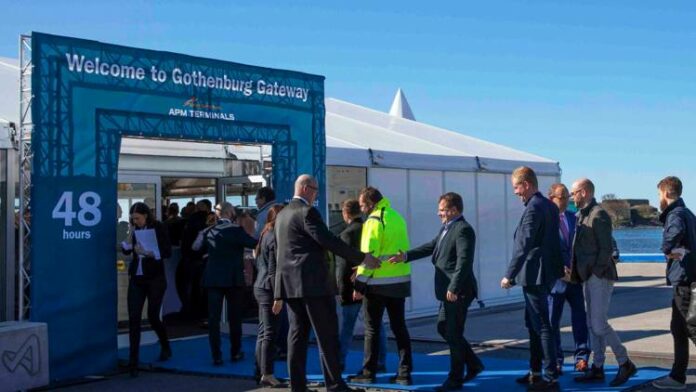
APM Terminals Gothenburg launched The Gothenburg Gateway this week. This will ensure that a container placed on a freight train anywhere in Sweden is loaded onto a large ocean-going vessel within 48 hours, and will shave up at least a week off the transit time to Shanghai, the company said in its release.

APM Terminals Gothenburg’s goal is for all parts of the country to have the same fast access to the world market. The Gothenburg Gateway, a new concept in Swedish logistics, combines:

 Fast, efficient freight trains from all over Sweden to Gothenburg  An efficient container port that loads between trains and ships  More ocean-going vessels calling Gothenburg.

APM Terminals has worked hard to increase efficiency and increase digitization to enable faster handling of goods. “Via The Gothenburg Gateway it should take a maximum of 24 hours to reach Gothenburg by freight train, and a maximum of 48 hours in total to place a container on an ocean-going vessel,” says Henrik Kristensen, CEO APM Terminals Gothenburg.

During the launch of The Gothenburg Gateway, interesting ideas and plans were discussed to take Gothenburg's port to the next level. In conclusion Axel Josefson, mayor of Gothenburg, said that he believed the initiative in Gothenburg should be given priority as the region is vital for the country's economy. He emphasised the importance of planned investments for dredging and the rail network happening as soon as possible.

Next week, the first train of Green Cargo will depart from APM Terminals own operated inland terminal in Gävle. Today, 90 percent of all goods arrive in, or depart from Sweden via ports. APM Terminals’ market share of container imports and exports in Sweden is 41 percent. APM Terminals Gothenburg recently beat Scandinavian records when 4,350 container lifts were carried out on a single call.

Aker Solutions signs carbon capture contract with Twence in the Netherlands

0

Aker Solutions has signed an agreement for delivery of carbon capture and liquefaction at Twence's waste-to-energy plant in Hengelo in the Netherlands, the company said in its release.

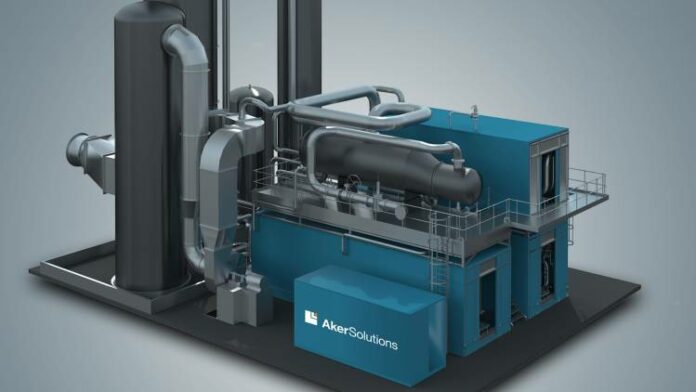
The solution that will capture Twence's CO2 emissions is called Just Catch, a modular carbon capture system developed by Aker Solutions to be as simple, low-cost and environmentally friendly as possible.

Twence converts 1 million tons of waste to energy every year, from households and other sources. A majority of the waste comes from bio materials. To contribute to the Netherlands' progress towards the goals set in the Paris climate agreement in 2015, Twence ran a public procurement process to find a carbon capture, utilization and storage (CCUS) provider. Major determining factors for winning the competition were price, time to implement and environmental attributes. Aker Solutions has gained the experience necessary to meet these requirements through a long-term commitment to CCUS.

Aker Solutions has previously gained one year operational data collection and experience from carbon capture at a waste to energy plant similar to Twence. The Just Catch and liquefaction plant at Twence's facilities has a capacity of 100,000 tons of CO2 per annum (TPA) and is planned to be in operation by 2021. Once the CO2 is captured and liquefied, it will be supplied by road tankers to users such as nearby greenhouses, where it will increase the yields of plants and vegetables. This supply replaces emissions from the traditional method of producing CO2 for greenhouses: burning fossil fuels.

Just Catch is standardized and can be delivered in several different sizes, ranging currently from 10,000 to 100,000 TPA. Just Catch can therefore meet the needs of different-sized operations, for example waste-to-energy, fossil power plants or cement factories. It will help customers realize their carbon capture ambitions with predictable costs, implementation time and physical footprint. Once the system is fabricated, Aker Solutions can deliver the four process container modules by trucks, in a single shipment.

Aker Solutions helps the world meet its energy needs. Aker Solutions employs approximately 15,000 people in more than 20 countries.


Judge Threatens to Bar Carnival Cruise Ships from U.S. Ports

0

Carnival Corporation's vessels could be banned from U.S. ports over alleged violations of the cruise line's oil pollution probation agreement, a federal judge warned Wednesday. The impact would be immediately felt in South Florida, Carnival's home base and the center of the world's cruise industry. 

All of Carnival's cruise ships are built and flagged outside of the United States, and their visits to the U.S. are subject to port state control.  On Wednesday, U.S. District Judge Patricia Seitz said that she may ban them from American ports after prosecutors presented evidence of alleged violations of the company's five-year probation agreement.

The probation was one of the terms of a 2016 settlement related to Princess Cruises' practice of discharging untreated oily bilge water. Princess – a Carnival brand – also pled guilty to seven felony MARPOL charges and paid a $40 million fine, the largest ever criminal penalty for deliberate pollution from a vessel.

Under the terms of the probationary agreement, a third-party auditor would periodically inspect ships belonging to Carnival's brands. Prosecutors now allege that Carnival staff have been in the practice of "prepping" the ships prior to inspectors' arrival in order to "prevent audit findings." Among other evidence, prosecutors presented internal emails from two Carnival brands regarding this practice. 

In addition, auditors made several significant findings. An engineer aboard the Holland America vessel Westerdam allegedly falsified records on equipment testing and cleaning, and the same vessel allegedly discharged thousands of gallons of gray water into Glacier Bay National Park, a protected area where this practice is prohibited by concession agreements. Separately, another monitoring report alleged that the crew of Carnival Elation discharged plastic trash over the side during an audit in December, a violation of MARPOL. 

In a statement, Carnival Corp said that "we intend to fully address the issues raised at today's court conference." The firm also suggested that there were some "mischaracterizations" made during Wednesday's hearings. 

Judge Seitz indicated that she thought Carnival was not treating its probationary status with the appropriate degree of seriousness. "The people at the top are treating this as a gnat," she said at the hearing. "If I could, I would give all the members of the executive committee a visit to the detention center for a couple of days. It's amazing how that helps people come to focus on reality."

Source:maritime-executive

New Study Finds GHG Benefit for LNG as a Marine Fuel

0

SEALNG and the Society for Gas as a Marine Fuel have sponsored a new study by consultancy Thinkstep on LNG's total greenhouse gas emissions profile, from well to wake. The analysis determined that compared with HFO, LNG delivers lifecycle greenhouse gas emission reductions of between 14 and 21 percent for two-stroke engines.

Burning LNG can reduce on-board CO2 emissions by as much as 30 percent. The full "well-to-wake" lifecycle of gas production, liquefaction, transport and utilization of LNG as a marine fuel involves additional emissions sources which reduce LNG's net climate benefit – including fugitive emissions of methane, the main component of LNG. When burned, methane produces water and carbon dioxide; when released unburned, it is a greenhouse gas with 30 times the potency of CO2. 

According to Thinkstep, the lifecycle emissions of LNG-fueled two-stroke engines offer a 14-21 percent reduction in net GHG emissions relative to HFO in two-stroke engines. The reduction is even more favorable when considering post-2020 sulfur requirements: exhaust scrubbers increase the GHG emissions of HFO fuel operation, and the study estimates that LNG's GHG advantage widens by an additional percentage point when compared with a scrubber-equipped ship. 

Not all studies have reached similar results. In a recent review by Imperial College London, researchers found a relatively limited GHG reduction benefit for using LNG as a marine fuel. The studies examined in the review indicated that LNG's GHG profile is "six percent lower on average [than HFO] and ten percent lower when comparing lowest estimates." In addition, the metastudy found that "at worst, natural gas fueled [ships] may have lifecycle emissions exceeding" HFO-fueled ships – especially for low pressure dual fuel (LPDF) engines, which tend to release more uncombusted methane. 

The authors acknowledged that the results of any study of this nature are contingent on input variables. "GHG emissions are highly dependent on the application and hence engine technology," Thinkpoint wrote. "General statements on the GHG of LNG as marine fuel can therefore be rather misleading and special care has to be taken when comparing the results."

Source:maritime-executive

Chevron Buys Anadarko for $33 Billion

0

American oil supermajor Chevron is buying competitor Anadarko, the largest operator of floating offshore facilities in the Gulf of Mexico, for $33 billion dollars – $50 billion if including debt. It is the largest oil and gas acquisition deal since Shell bought BG Group in 2015.

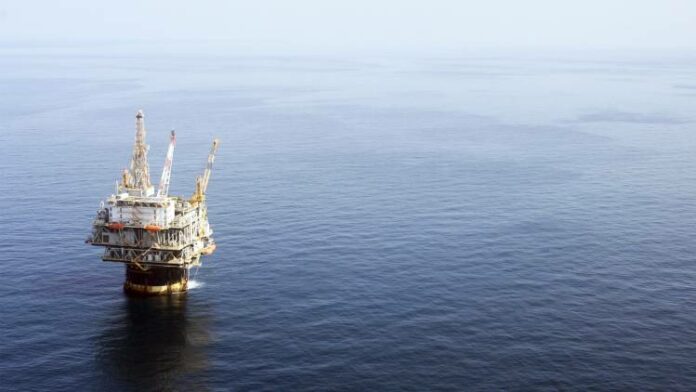
Anadarko is one of the largest leaseholders in the U.S. Gulf of Mexico, with 10 operated facilities, including two large spar platforms installed in 2015 and 2016. It has a long history in the U.S. GOM: it was the first company to drill out of sight of land on the Gulf Coast. Its current development activities are focused on tiebacks to existing infrastructure, leveraging existing capex to avoid the expense of new platforms. 

Chevron operates six deepwater production platforms, and the Anadarko facilities will more than double its portfolio. It also gains access to significant possibilities for more tiebacks: some of its undeveloped lease blocks are within striking distance of an Anadarko platform, and some of Anadarko's lease blocks are close to a Chevron platform. 

On shore, Chevron also has its eye on Anadarko's Permian Basin shale activities. Anadarko has about 240,000 acres of oil rights in Loving and Reeves Counties, which sit above the heart of the Permian, and these premium lease areas are bordered on all sides by Chevron holdings. The acquisition of a continuous swath of development rights will give Chevron significant economies of scale to deploy the latest, most efficient horizontal drilling techniques. 

source:maritime-executive

Norwegian NOx Fund proposes GHG-reduction deal to the UK

0

The Norwegian NOx Fund offers the UK and the International Maritime Organization a model that could be adapted to deliver GHG emission reductions in shipping. Since the 2008 creation of the NOx Fund, Norwegian nitrogen oxide (NOx) emissions have decreased by 44,000 tonnes.

Specifically, up to now the Fund has paid out over NOK 4 billion (US $467 million) in support of NOx reductions, with Norwegian companies leading the world in this field.

The Fund has, reportedly, received over 1,000 applications from business members requesting support for NOx reduction measures and technologies.

Therefore, the Nox Fund supports that the UK should consider implementing to tackle greenhouse gas emissions from UK shipping as part of its Maritime 2050 strategy.

In the meantime, the Fund urges the IMO to consider creating a similar fund to support research, development and deployment of zero carbon technologies across the world fleet.

The Norwegian Nox Fund was created when Norway imposed a NOx tax in 2008. Then, businesses had the option of not paying the tax if they committed to reduce NOx emissions by a certain amount.

Thus, Norwegian businesses founded the NOx Fund – allowing the businesses to pay into the fund at a lower rate than the tax, but with the collected money used for NOx emission reduction measures. If the businesses do not reach the agreed reductions, then the tax would be re-imposed. To date, the emissions reduction measures have been successful at reaching their target.

The concept of paying a smaller fee to the Fund in place of the larger NOx tax is attractive to businesses from various industries.

Continuing, the Fund supports that as the UK seeks on decreasing GHG emissions, the NOx Fund could be a model to consider.

It allows money to be recycled into emissions reduction technologies within the industry by providing a pot of money to be used to purchase green technologies that would not have otherwise been bought. The UK could easily impose a low fee on vessels in UK waters, for journeys to the UK and/or UK flagged vessels that would create a pot of money to fund low carbon technologies for shipping.

In addition, it is an interesting model for the International Maritime Organisation, as it illustrates how a small price on emissions can stay within the sector and drive emissions reductions that would otherwise not happen.

In order to join to the Fund, all businesses must develop a long-term plan for reducing their NOx emissions that identifies all possible.

Moving on, as the UK recently published the Clean Maritime Council in order to consider policies to make UK shipping sustainable, it should think of introducing concrete polices that will work to de-risk investment in shipping greenhouse gas emissions reduction technology, as the NOx Fund has done in Norway for NOx emissions.

The Nox Fund addresses that it is an interesting project for the UK to think of, as it is looking for ways to cut GHG emissions from its shipping sector.

Concluding, the model allows businesses to recycle money within their industry while also incentivizing emissions reductions beyond those driven simply by a flat tax on emissions, by creating an investment pot.

If a price is placed on carbon emissions from international shipping, the revenue generated can be recycled into investments into research, development and deployment of zerocarbon fuels and ships, in order to drive the quickest possible route to decarbonisation. The technologies exist to decarbonise the shipping industry. All that is needed is a sensible policy to enable the investments to happen. The NOx Fund provides a good working example of just such a policy.

Source:safety4sea

ISSA urges IMO to act over unfair Port Access practices

0

The International Shipsuppliers & Services Association (ISSA) has taken the issue of unfair port access practices levied against its members to the international stage by delivering a verbal intervention on the issue at the IMO.

The delegate that attended FAL43, ISSA Secretary Sean Moloney, commented that the members of the association keep on facing unwarranted delay, obstruction and unfair charges when they wish to enter ports to deliver stores to ships.

"When the ISPS Code was devised and passed into IMO law, we worked hard to ensure that the role of the ship supplier was highlighted, recognized and incorporated into the legislation."… Moloney stated.

He continued that ship supplies are driven by the shipowners and the ship managers. The procedure is based on full documentation; Ship suppliers don't just arrive at a dock gate without orders and documentation.

Moreover, Moloney marked that in 2016 when the legislation was updated, ISSA members launched a detailed booklet highlighting the agreed operational parameters within which ship suppliers would operate to ensure both the spirit and letter of the law were observed during ship supply operations.

Yet, he talked about port authorities not co-operating with ship suppliers.

"Daily our members – and we are sure non-members also suffer similar obstruction – encounter unwarranted delays, unworkable time slots for stores deliveries and absurdly high charges by some ports simply to allow a stores truck to enter and go about its lawful business."… Moloney addressed.

He concluded asking for a reminder to the Member States that the ship supply sector has to be properly treated.

Source:safety4sea

Japanese JV reveals 500MW offshore plan

0

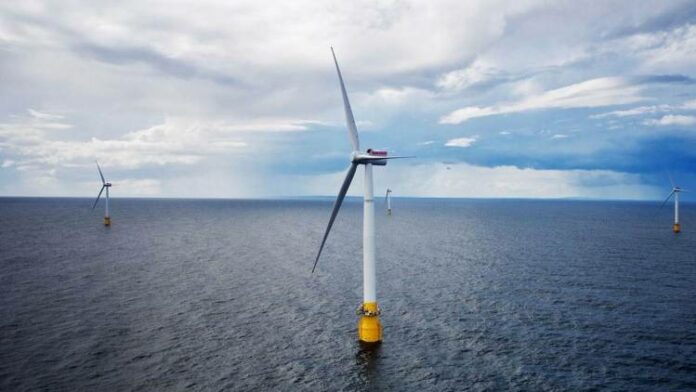
A joint venture of Hitachi Zosen Corporation and Eco Power is planning to build a 500MW offshore wind farm off the coast Aomori prefecture in Japan.

The Aomori Nishikita Offshore Wind Power Joint Company aims to have the up to 125-turbine project operational some time after 2025.

Turbines will have individual capacity of between 4MW and 9.5MW, Hitachi Zosen said.

The joint venture said it will install and operate the Nishikita offshore wind farm and distribute the electricity generated to the Aomori prefecture.

Source:renews

Sabella tidal device undergoes maintenance

0

French renewables developer Sabella has removed its D10-1000 tidal turbine from the Fromveur Passage off the coast of France to perform maintenance.

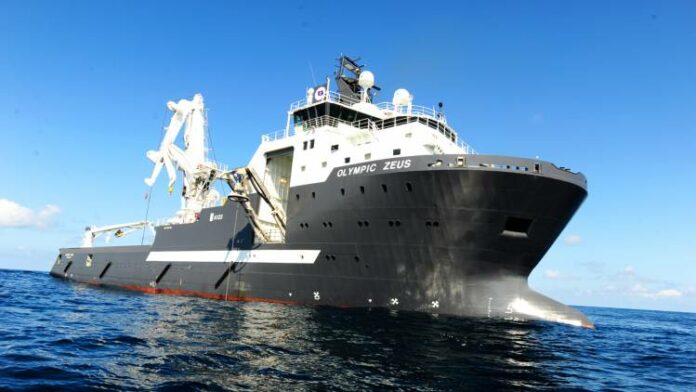
The recovery work was carried out by Inyanga Maritime using the Olympic Zeus vessel.

Sabella said the removal followed a “very satisfactory operating period” after redeployment in October 2018, as part of the European ICE project led by Bretagne Developpement Innovation.

However, during the tests a defect was detected in the nacelle’s cooling system that allows the various components to be cooled.

Sabella said the defect did not prevent the operation of the turbine but limited its operating conditions due to possible temperature rises of the components, which could cause greater damage on the electrical chain.

The D10-D1000 will undergo servicing for about three months at the port of Brest to resolve the problem and also to review the conditions of the device's other components.

Sabella said the technology will be redeployed and connected to Ushant Island grid at the beginning of the summer for operation until 2021.

Source:renews

Port of Oslo Invests in Novel Electric-Powered Workboat

0

The Port of Oslo is investing in a novel harbor workboat – a battery-powered, all-electric skimmer for cleanup. The new litter skimmer boat is believed to be the first of its kind in the world. It will have a run time of up to five hours, and can recharge in two hours when berthed at a shore power station. 

The 40-foot aluminum vessel will be built by Grovfjord Mek. Verksted (GMV), the shipyard that built the world's first all-electric fish farm boat. Britsh Columbia-based power storage company Corvus Energy is supplying the batteries, and it predicts that ports will soon see the advantages of all-electric workboats.  

"We are confident that we will see a massive shift from diesel to battery on all kinds of harbour-going vessels due to substantial benefits," said Roger Rosvold, VP of sales for Corvus. "Battery power reduces emissions, which are increasingly regulated in many ports and harbours. Moreover, batteries are safer and quieter for the crew, and save both fuel and maintenance costs for the owners.”

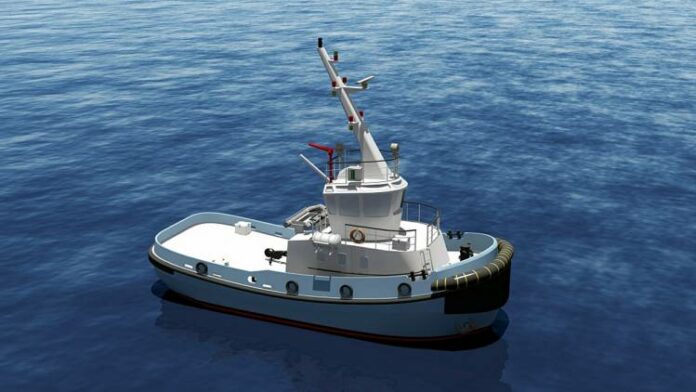
Rosvold pointed to the Navtek NV-712 ZeeTUG (Zero Emissions Electric Tug) as an example. The ZeeTUG will operate within tight, confined waterways in Istanbul's harbor, and the owner decided to go all-electric rather than hybrid in order to get the most compact package available. It will be the world’s first battery-powered, all-electric tugboat when it enters service this year, and Navtek plans to build three more.