2.5 C
New York
Home Blog Page 1036

The importance of antivirus software and contingency planning for vessels

0

The final article in our cyber risks series, produced in collaboration with Secure State Cyber, focuses on the benefits of antivirus software, the importance of contingency plans in the event of a cyber-attack and what actions Members can take to ensure good security practice on board their vessels.

What are the benefits of using antivirus software and why must it be updated?

An antivirus software aims to check devices for viruses, by carrying out scans on devices and searching for known viruses which are stored in its database. Cyber criminals are updating and re-configuring their virus every day with more than 300 million new viruses in 2018. As a result, the antivirus software must look for the newest viruses, and it must be regularly updated.

The benefits of having an updated well configured antivirus software are:

  • Detection: The user will be notified if a virus is active on a device;
  • Prevention: The device will be quarantined.

It must be kept in mind that an antivirus software is only effective when used consistently. Members should have a policy of regularly scanning storage devices and equipment prior to each time they are plugged in or integrated with the system. This policy should apply to all systems and personnel without exception

the Shipowners' Club notes.

Moreover, an antivirus does not completely prevent cyber threats and attacks. It is, therefore, of paramount importance that the antivirus is supported by good policies and procedures.

What concerns should operators consider when developing contingency plans and drills for safe operations in case of a cyber-attack?

Businesses and organisations that require minimal or close to no downtime during an event like a significant cyber-attack, should develop and maintain a sound Business Continuity Plan (BCP) and Disaster Recovery Plan (DRP). These can also be applied to on board plans and procedures.

BCPs keep the organisation operating throughout an event which threatens normal functionality. A disaster recovery plan mainly focuses on making a full or near-full recovery after a disaster has taken place. These are equally important and they should be carefully planned. When plans are developed, they should be regularly revisited, for any review or amendments.

In addition, it is very important that:

  • The documents are regularly updated;
  • The plans are tested regularly to determine their effectiveness in meeting their goals;
  • The relevant employees are tested regularly to determine their effectiveness in the role they play in a disaster scenario. Table-top exercises and round table reviewing and assessing of the BCP and DRP should be carried out on a regular basis.

Is it important to regularly change the WI-FI password?

This is a crucial step to maintaining good security practice. The Club suggests that the non-guest Wi-Fi password should be changed every six months, or at least every year.

What is more, it is recommended that the following Wi-Fi password policies are used:

  • More than 25 characters;
  • Do not use dictionary words;
  • Have at least one lowercase letter, uppercase letter, number and symbol;
  • Temporarily block a user after five failed attempts to log in, we recommend a block time of 15 minutes;
  • Use WPA2 with AES.

In case of admin access to Wi-Fi routers, it must be ensured that the Admin user name and password are changed from the default setting and that these details are shared with as few people as possible.

Should operators perform periodic run checks to make sure that the systems are updated and not infected/vulnerable?

Carrying out regular checks is a good way of reducing risks. If system expertise is not available within the organisation, experts can be consulted to perform periodic checks of systems and networks for vulnerabilities. This is known as vulnerability scanning and can be conducted by most cyber security companies.

In the cyber-security industry, vulnerability scanning is a sub-task of the wider performance of vulnerability management.

Should operators have a set of checklists to help crew comply with cyber procedures?

It is important that all crew know the risks and have the necessary tools and knowledge to fulfil a crucial cyber-security role. Thus, having a checklist, is recommended to help the crew carry out their cyber related duties on board as necessary.

To add to the checklists, a comprehensive cyber-security awareness training program might also be valuable. Considerations can be made to establish 'playbooks' and checklists for the crew members to review and be aware of the proper procedures in an easy and understandable format.

There should be clear and in-depth policies and procedures for everything allowed and specifically not allowed on board and the crew should also be regularly tested on these procedures

the Shipowners' Club concluded.
WMU-Koji Sekimizu PhD Fellowship on Maritime Governance

0

The WMU-Koji Sekimizu PhD Fellowship on Maritime Governance was officially launched on 25 June 2019 at the International Maritime Organization (IMO) in London. Spearheaded by the World Maritime University (WMU) with support from the Maritime and Port Authority of Singapore (MPA) and Dr. Koji Sekimizu, Former Chancellor of WMU and Former IMO Secretary-General, the PhD Fellowship will enable an assessment of the role and impact of maritime governance over the past 60 years. Account will need to be taken of the role of the IMO as well as of relevant United Nations agencies and bodies that have impacted maritime governance.

The launch of the fellowship is in commemoration of the 70th anniversary of the adoption of the IMO Convention in 1948. The IMO Convention entered into force in 1958. As this year is also the 21st anniversary of the IMO-Singapore Memorandum of Understanding on Third Country Training Programme (TCTP), MPA’s support of this fellowship is therefore timely. Since 1998, MPA has been training the international maritime community under the IMO Singapore TCTP. To date, more than 2,000 officials from over 90 countries have been successfully trained under MPA Academy flagship programmes and IMO-Singapore TCTP. 

Dr. Cleopatra Doumbia-Henry, President of WMU, expressed her appreciation to the MPA for funding this fellowship. Dr. Sekimizu served the IMO for 26 years, including four years as the Secretary General of the organization. She noted the importance of the impact that IMO has had over the past 60 years in ensuring that shipping is safe, secure, efficient and environmentally sustainable.

She stated,

“At WMU, we pride ourselves on educating generations of students at the postgraduate level to be in a position to ensure the uniform application and effective implementation in law and in practice of global shipping instruments adopted by the IMO and other relevant international organizations. This PhD fellowship on maritime governance is timely. It will enable a broad-based assessment of the role and impact of relevant international maritime instruments, with a primary focus on IMO instruments and taking into account the United Nations Convention on the Law of the Sea (UNCLOS) and relevant instruments of other UN agencies.”

Ms Quah Ley Hoon, MPA’s Chief Executive, said,

“MPA is pleased to contribute to the WMU-Koji Sekimizu PhD Fellowship on Maritime Governance programme, under Singapore’s enhanced technical co-operation and training package for the IMO and its Member States.  We are confident that in the long run, the programme would reap great dividends in nurturing the next generation skilled maritime professionals who will make significant contributions to the international shipping community.”

Fincantieri signs agreement for the shipbuilding sector in Liguria

0

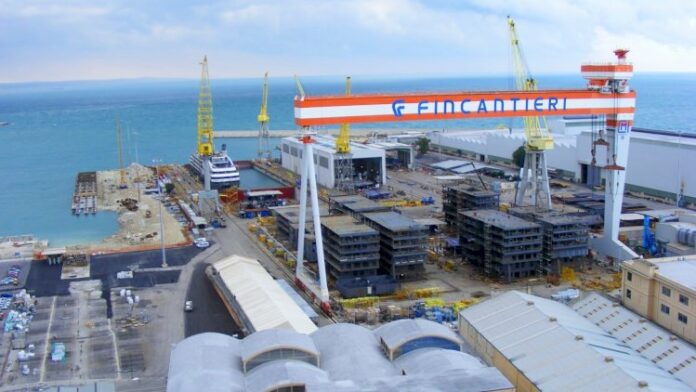
Pursuant to the agreement signed last year between Fincantieri, the Liguria Region and the trade unions Cgil, Cisl and Uil, aimed at carrying out a series of initiatives to encourage job placement processes, the offer of the courses of the technical institutes of higher education for next autumn is to be extended. In fact, a new educational pathway meeting the employment needs of the shipbuilding sector will start in Liguria at the Accademia della Marina Mercantile (the Merchant Navy Academy).      

The Regional Council, following the proposal of the Councilor Cavo, has approved the scheduling of the post-high school diploma specialization course “Foreman for production and maintenance of ships and/or related infrastructures”, developed thanks to Fincantieri proactive push and coordinated by the Regional training Department.

The goal of the specialization course is to meet employment demands which the shipbuilding segment is casting, taking into consideration the important existing and future workload, as well as the need to oversee the development of innovative systems for the ship product”,

said Giovanni Toti, President of the Liguria Region. “n this way supply and demand intersect effectively, with a view to determine positive impacts on employment for the young people in our area, relying on a recruitment forecast for nearly all the attendees of the course.   

In particular, the professional profile to be trained will be a technician specialized in supervising the construction of onboard systems in compliance with production schedules, safety rules, quality standards and budget estimates. In particular, the profile will oversee the stages of outitting, assembly, and testing of the electrical systems and devices, of the automation systems, air-conditioning systems and others necessary for ship functioning. Such profile will work together with the design and production departments thanks to his in-depth knowledge of the ship’s systems. The request was made by Fincantieri, which has openly underlined the need of introducing courses in order to train people to acquire this specific profile. Other companies of the same segment have raised this requirement underlining its urgent need. The course, indeed, provides for an operational partnership with Fincantieri, San Giorgio al Porto, Amico e Co Srl, T.Mariotti S.p.a. and Tecnomarine, companies which have all expressed an urgent need to find this qualified profile, envisaging a recruitment forecast of at least 70% of the trainees, not ruling out the possibility of building full employment.

Dolphin Drilling business completes financial restructuring and appoints new management team

0

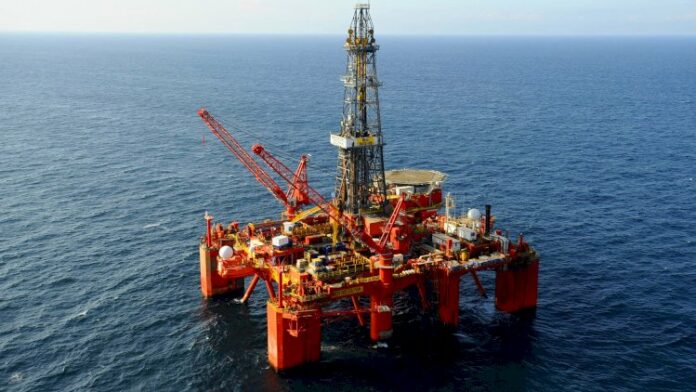
Dolphin Drilling, a leading harsh environment drilling contractor for the offshore oil and gas industry, today announced that it has successfully completed a financial restructuring which will enable it to move forward and deploy its rigs into the attractive UK and Norwegian markets.

Dolphin Drilling ASA’s operating subsidiaries have now been transferred to a new holding company, Dolphin Drilling Holdings Limited  which is incorporated in Jersey and will be net-debt free, with a strong balance sheet and increased financial flexibility.

Dolphin Drilling ASA, the old holding company, filed for bankruptcy today 26th of June in Norway and is expected to be wound down in an orderly fashion.

Following the successful completion of this financial restructuring a new world-class management team, which collectively has over 100 years of experience in offshore drilling, will drive the company forward. Dolphin Drilling can now focus on putting its ready-to-operate fleet to work.

The company’s new majority shareholder, investment funds advised by Strategic Value Partners, LLC and/or its affiliates (“SVPGlobal”), is fully supportive of the company and the new management team. These developments, combined with Dolphin Drilling’s 55 years of industry leading harsh environments market experience, position the company well for the future.

Bjørnar Iversen, incoming Chief Executive Officer of Dolphin Drilling, said:

We are delighted that Dolphin Drilling has now emerged in a strong position for the future. In addition to the company’s focused, nimble fleet and high-quality team, we now have the firm financial footing we need to win new business. I look forward to working with the team to ensure that the company fulfills its full potential.

Jørgen Peter Rasmussen, incoming Chairman of Dolphin Drilling, added:

This financial restructuring is a vital milestone in the resurgence of Dolphin Drilling. The solid platform it provides, and the backing from our new majority shareholder, means that the incoming leadership team, alongside all of Dolphin Drilling’s highly experienced staff, can now focus on delivering top class services and value to our customers.

Green-light for Neptune Energy’s DUVA and GJØA P1 projects

0

Neptune Energy confirmed its development plans for the Duva (PL636) and Gjøa P1 (PL153) projects in the North Sea have been approved by Norwegian authorities.

First production from the projects is expected in late 2020 with total recoverable resources estimated to be 120 million barrels of oil equivalent (boe) (maximum production is expected to be respectively 30,000 boe from Duva and 24,000 boe from Gjøa P1).

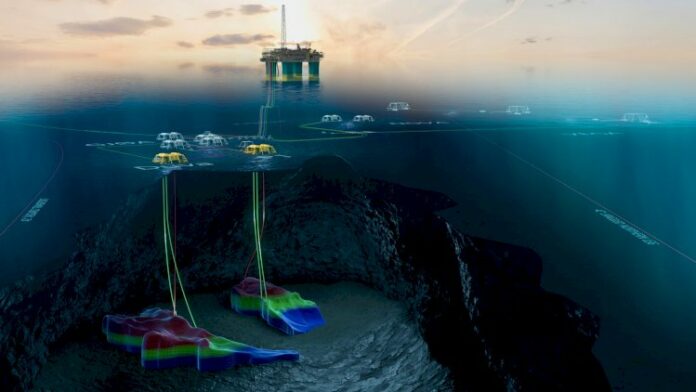
The fields will be developed through subsea tie-backs connecting two templates to the nearby Gjøa platform, operated by Neptune Energy Norge.

Neptune Energy Norge’s Managing Director Odin Estensen, said:

“This is a significant milestone for our business and for the licence partners in Duva and Gjøa. With these plans approved, we remain on track for the successful execution of these important projects. Not only do these developments strengthen Gjøa’s position as a major hub in the northern North Sea, they demonstrate our ambitions to continue growing our business on the Norwegian Continental Shelf.”

On behalf of the licence owners, Neptune Energy submitted development plans for the Duva (PL636) and Gjøa P1 (PL153) projects to Norwegian authorities on 21 February this year.

The Plan for Development and Operation (PDO) of the Duva field was submitted on behalf of the Duva partnership, which consists of Idemitsu Petroleum Norge (30%), Pandion Energy (20%), Wellesley Petroleum (20%) and Neptune Energy (30% and Operator). Duva’s recoverable resources are estimated to be 88 million boe and it’s expected to yield around 30,000 boe per day at maximum production. Developed with a four-slot subsea template, the Duva field will be tied back to the Gjøa platform for processing and export. The field will have three production wells, two oil producers and one gas producer, with the potential for an additional oil well.

As the P1 segment was already covered by the development plan for the Gjøa field, an application for exemption from PDO was submitted on behalf of the Gjøa licence partners, consisting of Petoro (30%), Wintershall (20%), OKEA (12%), DEA (8%) and Neptune Energy (30% and Operator). P1’s recoverable resources are estimated to be 32 million boe and it is expected to yield around 24,000 boe per day at maximum production.

The subsea tie-backs will be delivered by TechnipFMC utilising the Neptune Subsea Alliance Agreement, the drilling operations will be undertaken by Odfjell and topside modifications completed by Rosenberg Worley.

Erik Oppedal, Projects & Engineering Manager for Neptune Energy Norge added:

“The approval of the plans allows us to start this summer with the first step in our parallel project execution– the subsea installation of the Duva template. Together with the ongoing installation activities for the Fenja development in the Norwegian Sea, this demonstrates the company’s ability to execute developments with pace and efficiency optimising resources and accelerating time to production”.

Equinor and OMV sign two MoU to cooperate in the Barents Sea and in the Norwegian Sea

0

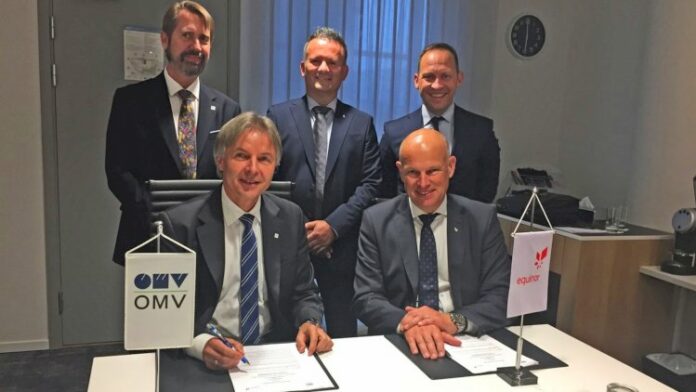
Equinor and OMV have signed two memorandums of understanding (MoU) to cooperate on both the Wisting development in the Barents Sea and the concept development for the Hades/Iris discovery in the Norwegian Sea.

Both MoUs were signed this week by Arne Sigve Nylund, Equinor’s executive vice president for Development and Production Norway, and Johann Pleininger, executive board member responsible for Upstream in OMV.

“It is important for us to create value and maintain activity on the Norwegian continental shelf for many decades ahead, in close cooperation with other players. We are pleased to take over and pursue such a well-prepared project through this cooperation,”

says Nylund.

As development operator, Equinor will lead project development. In an integrated project organization, OMV personnel will have leading positions within subsurface work, drilling operations and activities related to the operating phase.

“This kind of cooperation is a competitive force of the NCS. Our experience from developing large offshore projects and our many years of presence in the Barents Sea, combined with OMV’s experience as a global operator, prove that we can utilize the strength of each company,”

says Nylund.

The Hades/Iris discovery is located on Haltenbanken close to the Equinor-operated Morvin, Kristin, Heidrun and Åsgard fields.

The MoU calls for the companies to cooperate on finding the best solution for development and tie-in of Hades/Iris to the existing infrastructure. According to the agreement OMV will continue as operator.

“Close cooperation between the largest owners of these two licences is based on the expertise of both companies, and these agreements will enhance diversity on the NCS. We will share knowledge and ensure continuity in these projects,”

says Pleininger.

Formal transfer of the Wisting operatorship is scheduled for the third quarter of this year and is subject to approval by Norwegian authorities.

MacGregor is working together with MSC to maximise performance and reduce emissions

0

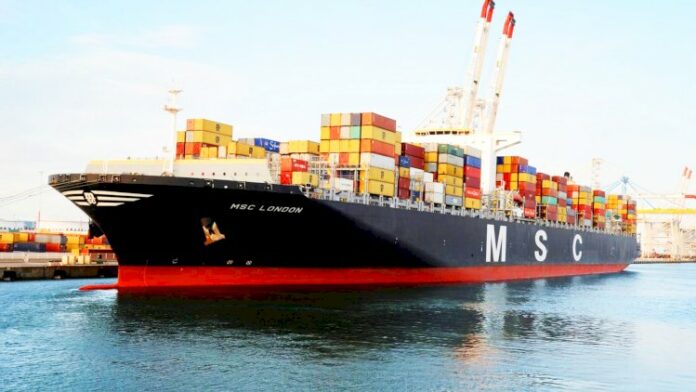
Cargotec`s MacGregor, MSC Mediterranean Shipping Company and Guangzhou Wenchong Dockyard have signed a contract to upgrade the cargo systems on 6 x 16,000 TEU containerships owned and operated by MSC. These Cargo Boost orders will be booked into MacGregor`s second quarter 2019 order intake and the upgrades will be implemented during drydocking in 2020. The parties have agreed not to disclose any further contractual details.

MacGregor and MSC have together defined and developed the cargo system solution for these vessels.

"The objective was to determine the best solution for the operating profile and to deliver a modern, efficient and environmentally-friendly upgraded cargo system,"

says Magnus Sjöberg, Senior Vice President, Cargo Handling and RoRo, MacGregor.  

MSC is committed to promoting a sustainable business model that goes far beyond a "business as usual" approach, remaining true to its roots and its core family values.

"MacGregor's Cargo Boost is a good example how we can drive down the energy required to transport each individual container and reduce emissions per transported TEU,"

says Giuseppe Gargiulo Head of Department, New Building, Dry Dock and Conversions, MSC Mediterranean Shipping Company.

Colombo Dockyard delivers cable laying vessel built for Kokusai Cable Ship

0

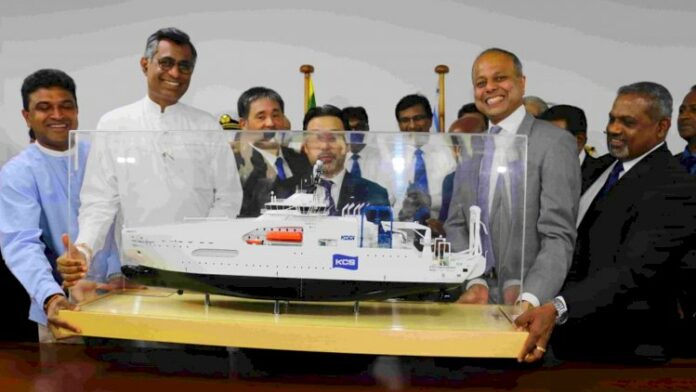
Colombo Dockyard PLC (CDPLC) delivered the first ever modern Cable Laying Vessel built for Kokusai Cable Ship Co. Ltd. (KCS) Japan, on 21st June 2019 attended by a host of dignitaries. This is the biggest ever vessel, price-wise as well as length-wise, built by Colombo Dockyard in its illustrious journey of shipbuilding excellence and the first ever ship built ‘in its class’ from Sri Lanka to Japan.

This Cable Laying Vessel is 113.1 meters in length, 21.5 meters in breadth, 8.8 m depth, with a maximum load laying draught of approx 7.1 meters has a deadweight carrying capacity of 5,757 DWT and a speed of 14.5 knots with accommodation facilities for 80 persons.

This vessel is a modern, high technology vessel, which is intended for subsea operation and cable installation and repair works of ‘optical cables’ as well as ‘power cables’ adding to the versatility of the Vessel. For the handling of power cables, the forward tank has been fitted with a carousel system with a Spooling Arm.

The vessel is specially designed and equipped with a focus on maintaining good sea keeping ability and excellent station keeping performance. Passive roll reduction tanks help minimize the effect of ship rolling. The vessel has many special features including low resistance hull lines designed for higher speed and low fuel consumption. The vessel is also extremely eco-friendly. High tech systems are in place to reduce harmful emissions complying with IMO Global Sulphur Cap 2020 requirements, waste storage solutions, water ballast treatment systems, eco-subsea coating solutions etc…

The vessel is diesel electric driven and has optimized power, which is another key feature. Power is provided by four generator sets, developing 2,300kW each. Three generators out of the four available are sufficient to cope with the highest propulsion power demands, ensuring high reliability. Transit at economic speed with two engines efficiently running will optimize fuel consumption. The Vessel shall have a bollard pull of 80 tonnes with a range of 10,000 nautical miles and has Dynamic Positioning capability to Class 2 for precision maneuvering and station keeping.

The basic design and production drawings for the construction were supplied by VARD Designs, Norway. The vessel has flexible operational capabilities and provides a comfortable platform for the operational personnel and the interior design of the vessel is aesthetically appealing. The vessels material, equipment, construction, quality and performance conform to the highest internationally accepted marine industrial norms and standards. This Vessel is built to ClassNK classification society standards and meets the regulatory requirements of the Japanese Government (JG requirements).

Colombo Dockyard PLC is a flag ship investment of Japan and operates in joint collaboration with Onomichi Dockyard Company Limited of Japan. The Sri Lankan Government institutions hold more than 35% stake in the Company. Colombo Dockyard PLC is Sri Lanka’s front runner of its industrialization drive.

Gasum’s Coralius reaches bunkering milestone in Rotterdam bunkering ship-to-ship

0

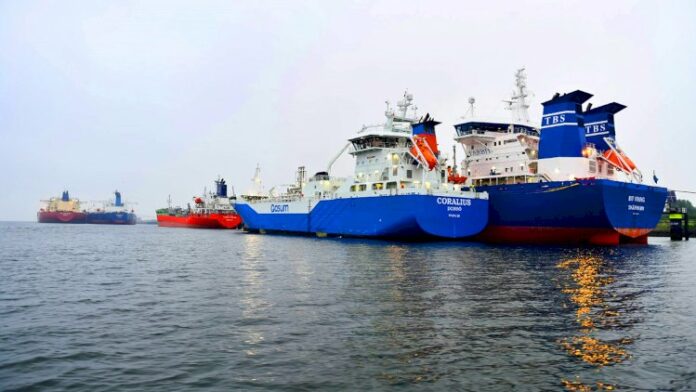
Gasum’s liquefied natural gas (LNG) bunker vessel, Coralius, made its first bunkering in the port and refining area of Rotterdam, one of the most important logistics hub in Europe. A milestone of her ship-to-ship bunkering history is reached when proving her availability in the ARA (Amsterdam-Rotterdam-Antwerp area). Liquefied natural gas (LNG) was supplied to the vessel Bit Viking.

“It’s time to celebrate,”

says Kimmo Rahkamo, Vice President, natural gas and LNG, Gasum.

“Finally, being able to bunker our clients in the ARA area increases LNG availability and security for the LNG fueled fleet. The amount of LNG driven vessels is growing rapidly globally, and we will definitely be part of the growth in being present where LNG is needed,”

he concludes.

Coralius has her main operation area in the North Sea and the Skagerrak area. End of February she celebrated another milestone as she completed her 100th bunkering operation in just 18 months. Coralius delivers LNG through ship-to-ship bunkering at sea and in port. This has significantly increased Gasum’s flexibility and responsiveness to vessels that require LNG but are unable to visit a terminal or a port. By making LNG more accessible to vessels, ship-to-ship bunkering also boosts efficiency.

“We are happy with this opportunity to get LNG by ship-to-ship bunkering also in the Port of Rotterdam. Our vessel Bit Viking converted to LNG already in 2011. Since then we have operated on LNG about 97% of the time, mainly supported by Gasum. We would like to continue on this path and consequently we are depending on reliable and flexible LNG supplies,”

says Anders Hermansson, Technical Manager of Tarbit Shipping.

Gasum foresees an increase in the average amount of delivered stem, as it will perform bunkerings on shuttle tankers and other bigger vessels.  Coralius has increased its efficiency due to LNG bunkering operations becoming faster – they are now nearly as quick as conventional oil bunkerings, which has also increased customer satisfaction.

LNG marine fuel meets all current SOx (sulphur oxides) and planned NOx (nitrogen oxides) requirements. It eliminates particles and can reduce CO2 emissions by at least 20% compared to traditional fuels. LNG is suitable for all vessel types and it contributes significantly to a greener shipping environment.

Awarding sand screen services contracts worth one billion NOK

0

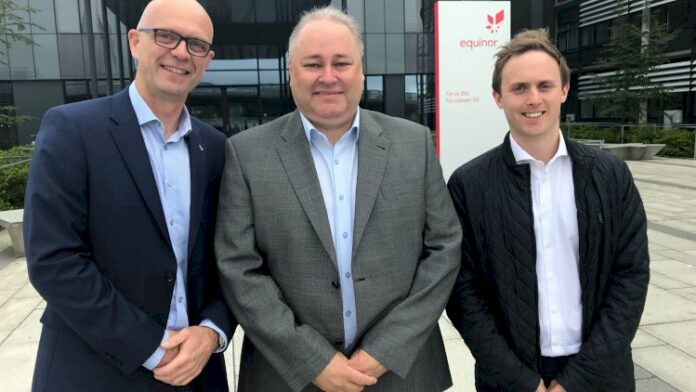
Equinor has signed three-year contracts with Tendeka AS and Baker Hughes Norge AS for providing sand screen services at a total value of around NOK one billion, including options for five two-year extensions.

The contract awards were marked at Equinor’s head office at Forus on 26 June.

The sand screen technology is based on a metal filter preventing sand from entering and damaging the wells. This key technology is applied by Drilling & Well for purposes such as securing production and extending the life of wells.

“These suppliers have been our service providers over time. They will be central in our effort of making wells more profitable. We are looking forward to continuing our good cooperation for many years ahead,”

says Peggy Krantz-Underland, Equinor’s chief procurement officer.

Tendeka AS has been awarded a contract for providing sand screen services to the Troll field, which has the most widespread use of such screens. Furthermore, they have already signed contracts for similar services to the two Cat J rigs that are drilling for the Gullfaks and Oseberg fields.

Baker Hughes Norge AS has been awarded a contract for providing sand screen services to the other Equinor-operated fields on the Norwegian continental shelf.

Both suppliers will also supply valves preventing undesirable fluids from entering the production stream, in addition to preventing sand from entering the wells.