-2.5 C
New York
Home Blog Page 1013

MUSICA project was granted €9 million for building a floating offshore platform

0

INNOSEA, a subsidiary of LOC Group, the premier international marine and engineering consulting firm, has been awarded the role of lead engineer for the H2020 MUSICA project (“Multiple Use of Space for Island Clean Autonomy”) by Marine and Renewable Energy Ireland (MaREI), the SFI Research Centre for Energy, Climate and Marine hosted by University College Cork.

The MUSICA project’s objective is to provide an all-encompassing decarbonising offering to small island communities.

The project was granted €9 million for a floating offshore platform to be built, that will aim to provide solutions for small island renewable energy, water and aquaculture. MUSICA will attempt to provide 70% of the electricity and 100% of freshwater for a small island with up to 2000 inhabitants; providing a cost-effective solution whilst also allowing for independence. The energy will be supplied via renewable energy and will be a combination of wind, photovoltaics (“PV”) and wave energy, with the desalinated water being powered by green renewable electricity.

The five-year project, which has 15 partners from seven EU Member States, is aiming to develop a business plan to roll-out the MUSICA concept to the wider market and will start by developing roadmaps for three trail case study islands: Malta, Canaries and Chios in the Aegean. Ireland also has an interest in offshore floating platforms, wanting to be a world leader on offshore floating wind as well as floating platforms containing sensors and data monitoring.

The MUSICA project will study a site located in deep waters two kilometres offshore and with onsite production of desalinated water. The multi-use floating platform will also provide support and testing infrastructures for local aquaculture. A successful demonstration will mean that MUSICA will enable aquaculture to move offshore, providing higher fish yields, and an environmentally sustainable product.

The project will pilot a multi-use platform which will be a decarbonising one-stop shop for small islands, including their marine initiatives and ecosystems.

Hakim Mouslim, CEO of INNOSEA, commented:

“We are delighted to be involved in MUSICA; an initiative that is transcending renewable energy opportunities for small islands. As the lead engineer on the project, it is very exciting to be at the core of providing solutions for the islands market. We look forward to using our expertise to deliver the very best solutions for these off-grid islands and watching as the project goes from strength to strength.”

R V Ahilan, CEO of LOC Group, commented:

“Through INNOSEA, we are proud and excited to be a part of such a dynamic and transformative project. MUSICA is looking to change small islands’ access to affordable clean energy and provide a cost-effective solution to these communities. We look forward to deploying our industry-leading expertise, in order to help deliver such a pioneering project. Our involvement in the MUSICA project is a further example of LOC’s being at the heart of innovation within the sectors in which we operate.”

Schlumberger plans to join the Open Subsurface Data Universe

0

Schlumberger has announced that it will open source its data ecosystem and contribute to The Open Group Open Subsurface Data Universe™ (OSDU) Forum to accelerate the delivery of the OSDU Data Platform. Schlumberger’s data ecosystem is based on core components of the DELFI cognitive E&P environment.

Open source data ecosystem enables collection, integration, management, enrichment and discovery of upstream oil and gas data. Oil and gas companies will be able to accelerate their digital progress by moving data to the cloud using the OSDU Data Platform, enabling a seamless experience when deploying their own applications or adapting the DELFI applications to their needs. Rapid improvements in data control and integration across enterprise data sources, operations and security will be enabled. An ecosystem is created where customers, vendors and academia across and beyond the E&P industry can contribute their software code and promote their digital solutions.

Ashok Belani, executive vice president, Technology, Schlumberger, said:

“The Schlumberger open source data ecosystem contribution to the OSDU Forum is an important step to enable a rapid pace of innovation and agility for our customers. We are committed to supporting the development of an updated OSDU Data Platform, which together with the contributions of others will provide unique capabilities and experience. This technology collaboration is an industry first—it will revolutionize the E&P workflows from traditional ways of working by bringing them into the digital future.”

Steve Nunn, CEO, The Open Group, commented:

“Schlumberger has extensive expertise in the deployment of data in the oil and gas industry, and this contribution to The Open Group Open Subsurface Data Universe Forum is hugely significant. With the move to an open source-based OSDU Data Platform, we really are making the Subsurface and Wells portfolio far more accessible for innovative applications from a much broader spectrum of application developers and, therefore, really giving a boost to this portfolio. This collaboration will help us to make strides in the development of technology standards to transform the way we store, share and analyze subsurface data and, by fostering innovation in the field, we will enable those in the industry to operate more freely and be part of an open ecosystem.”

The Schlumberger contribution will enable the OSDU Forum to accelerate its open source technology while protecting the principles and drivers of its community. The collaboration will provide speed, diverse involvement, flexibility and retention of business continuity. Customers can leverage the investment that they have already made and avoid creating fragmentation of data and workflows that inhibits collaboration or creates barriers to innovation within the industry.

About Forum

The Open Subsurface Data Universe™ Forum is an international forum of oil and gas operators, cloud services companies, technology providers, suppliers of applications to oil and gas operators, academia, and other standards organizations working together to develop an open, standards-based, data platform that will bring together exploration, development, and wells data.

About The Open Group

The Open Group is a global consortium that enables the achievement of business objectives through technology standards. Our diverse membership of more than 700 organizations includes customers, systems and solutions suppliers, tool vendors, integrators, academics, and consultants across multiple industries.

About Schlumberger

Schlumberger is the world's leading provider of technology for reservoir characterization, drilling, production, and processing to the oil and gas industry. With product sales and services in more than 120 countries and employing approximately 100,000 people who represent over 140 nationalities, Schlumberger supplies the industry's most comprehensive range of products and services, from exploration through production, and integrated pore-to-pipeline solutions that optimize hydrocarbon recovery to deliver reservoir performance.
 

DNV GL launches renewables certification operations in U.S.

0

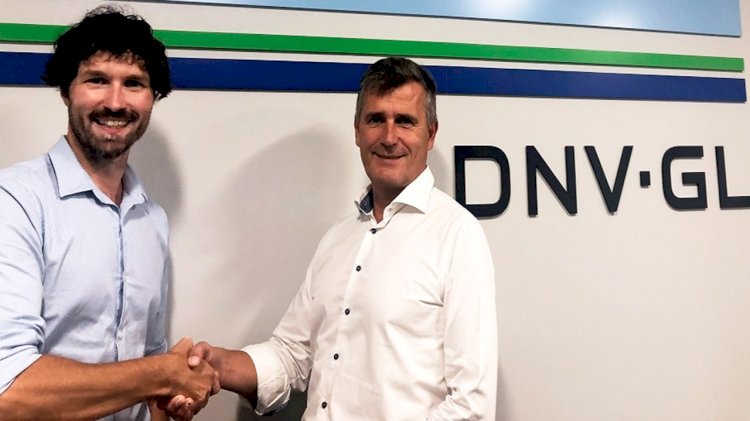
DNV GL has established a Renewables Certification office in the United States to meet the growing demands for certification services for the nascent offshore wind industry.

According to the U.S. Department of Energy (DOE), there is the potential to install 22,000 MW of offshore wind projects in the U.S. by 2030. Much of this activity is taking place in the Northeast, with Massachusetts and New York setting aggressive targets and leading the way in opening up the market for offshore wind. For this reason, DNV GL selected its Medford, Mass. office as base for its U.S. Renewables Certification group, given its proximity to both Boston and New York City.  The U.S. operations will be managed by David Maloney, who first served as Certified Verification Agent (CVA) on the Cape Wind Project in 2012. 

Much of the potential development of offshore wind lies in federal waters, which requires third party certification for the design, manufacturing and installation of the entire facility, so the demand for CVA services is rapidly growing as project development moves ahead. DNV GL has more than30 years of experience in certifying offshore wind globally and has been involved in past U.S. projects through its Renewable Certification offices in Europe. With its certification services DNV GL creates confidence among all project stakeholders in terms of reliable quality, stable operation and proper risk management of wind farms.

Kim Mørk, Executive Vice president, Renewables Certification at DNV GL Energy, said:

“By establishing a presence for Renewables Certification in the U.S., DNV GL can be more responsive to the localized needs of the industry as it grows while drawing upon our thirty years of experience in offshore wind globally. As the world transitions to generating electricity primarily through renewable resources, offshore wind will become a crucial part of that mix, and the opportunities available in the northeast region of the U.S. are many and growing.” 

The first time in history: Vessel powered by ABB Azipod propulsion reaches North Pole

0

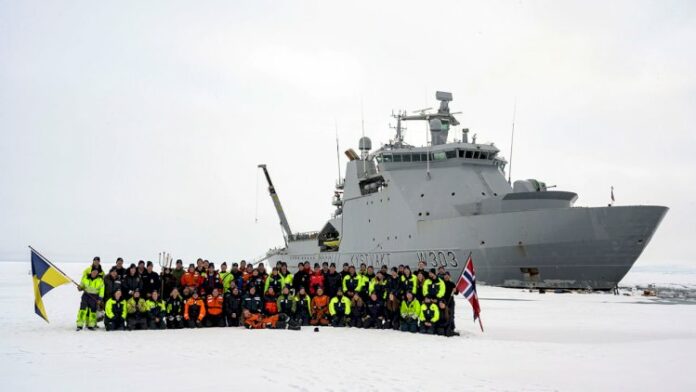
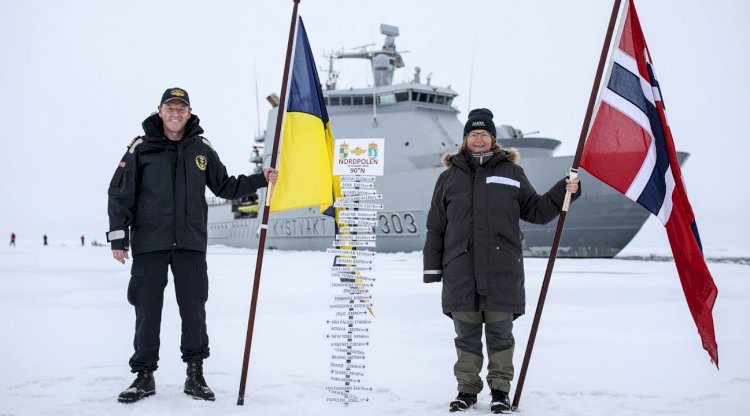
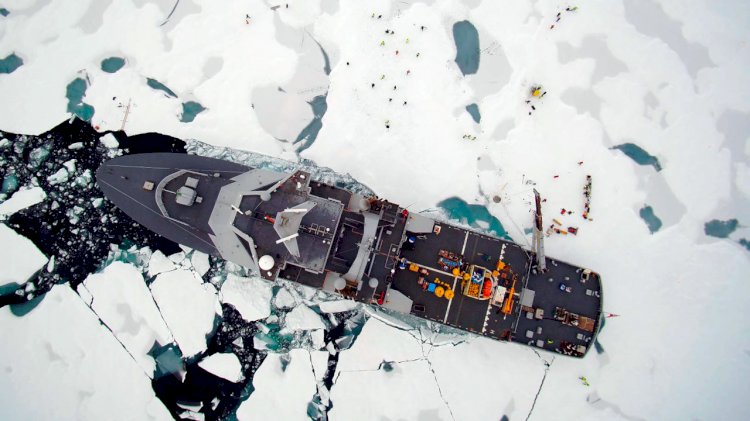
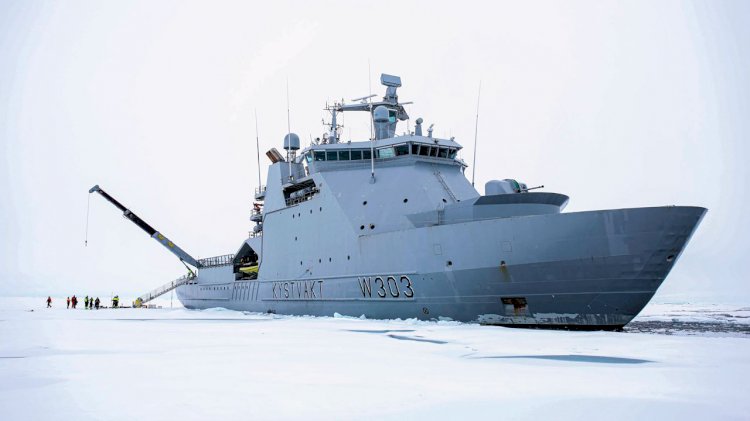
Norwegian Coast Guard’s vessel KV Svalbard was on an international environmental research expedition when it became the first ever Azipod®-powered ship to reach the North Pole.

With its superior performance in the harshest of ice conditions, Azipod® propulsion has become an industry standard for icegoing vessels, enabling vessels to cross the Northern Sea route independently. In late August 2019, Azipod® propulsion has made history, driving a Norwegian Coast Guard icebreaker all the way to the North Pole. In another historical debut, KV Svalbard became the first Norwegian vessel to sail to the ‘top of the world’.

KV Svalbard, built in 2001 and equipped with twin 5MW Azipod® icebreaking units, was sailing in the Arctic waters as part of the international scientific expedition, Coordinated Arctic Acoustic Thermometry Experiment (CAATEX), led by a Norwegian non-profit research foundation Nansen Center.

The aim of the expedition was to place seabed sensors that would allow the scientists to monitor water temperatures in the Arctic waters. Reaching the North Pole adds another dimension to the research, enabling data collection from some of the most remote parts of the Arctic Ocean.

Ottar Haugen, Commander of the Norwegian Coast Guard, said:

“We were able to navigate through the Arctic waters and reach the North Pole faster than we thought possible. This is a significant milestone for us and a proof that we have a vessel in our fleet equipped with a robust propulsion system that enables operations in the harshest ice conditions – all the way to the North Pole.”

The Azipod® propulsion system, where the electric drive motor is in a submerged pod outside the ship hull, can rotate 360 degrees to increase maneuverability, which is particularly crucial for vessels operating in ice. Azipod® icebreaking propulsion is capable of breaking up to 2.1 m thick Arctic ice and has a proven ability to cut fuel consumption by up to 20 percent compared to traditional shaftline propulsion systems.

ABB has delivered electric propulsion systems to over 90 icebreakers or ice-going vessels with a propulsion power of up to 45 MW. Options for Azipod® propulsion span 1MW to 22MW, and the technology has played a key role in developing ABB’s strong position for environmentally-friendly electric propulsion.

About ABB

ABB is a pioneering technology leader with a comprehensive offering for digital industries. With a history of innovation spanning more than 130 years, ABB is today a leader in digital industries with four customer-focused, globally leading businesses: Electrification, Industrial Automation, Motion, and Robotics & Discrete Automation, supported by its common ABB Ability™ digital platform.


Konecranes wins combined order for yard and quay cranes in the Philippines

0

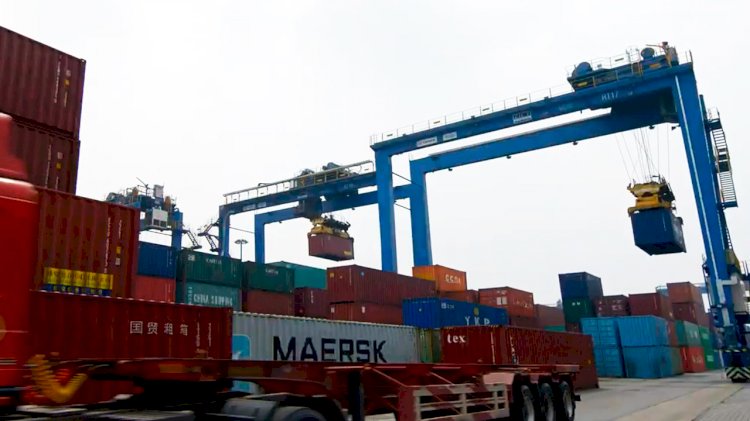
Kudos Trucking Company has ordered two Konecranes Noell Rubber Tired Gantry (RTG) cranes and two Konecranes Gottwald Model 5 Mobile Harbor Cranes (MHCs) for their terminal in Davao City, the Philippines. Konecranes booked the order in June 2019.

With the economy of the Philippines growing rapidly, Kudos Trucking Company (KTC) placed the order to better cope with a surging volume of containers. The agreement marks the next growth step for a company that started hauling ship cargo and containers, then moved to operating container yards, and now has its own port terminal in Davao, a hub of trade, commerce and industry on the southern Philippines island of Mindanao. It also underscores the strength of Konecranes’ portfolio of manned, remotely operated and fully automated container handling equipment and services for the quayside, horizontal transport and container yards.

Jefferson Tao, General Manager of KTC. says:

“We’ve had a consistently good experience with lift trucks under Konecranes’ legacy brands. So when the time came to increase terminal capacity, we thought it would be worth investing in more Konecranes machines. And we were also pleased that we could get all the cranes we needed from a single supplier.”

This combined order consists of both MHCs to load and unload vessels up to Post-Panamax class at the quayside and RTGs for handling containers in the yard. At the end of 2019, KTC will receive two electric Konecranes Gottwald Model 5 mobile harbor cranes, both with a lifting capacity of 125 tons. In June 2020, they will add two Konecranes Noell RTGs to their fleet, each with a two-speed engine and a lifting capacity of up to 41 tons. The eco-efficient drive technology of all four machines will reduce operational costs like fuel consumption and carbon emissions.

Jerry Fann, Sales Director of Port Cranes, Konecranes Port Solutions, says:

“We are happy to help create a further success story in the Philippines. In particular, this combined order underlines the strength of our offering – the widest and deepest in container handling.”

MPI Resolution started blade repair campaign in offshore wind farm

0

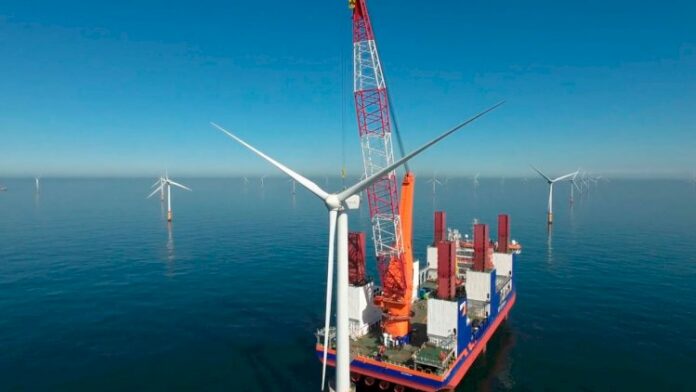
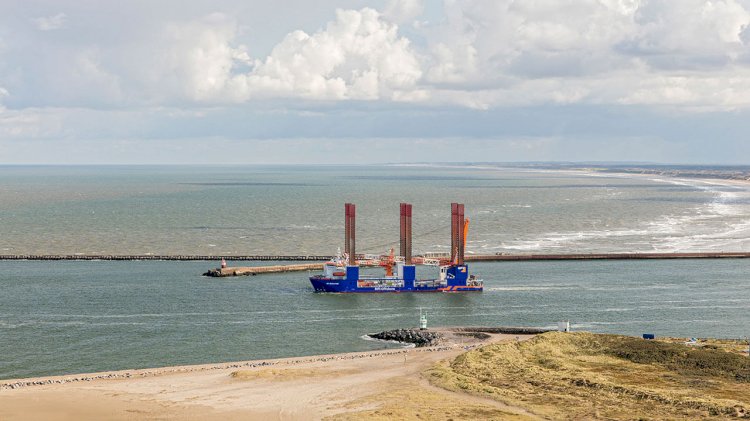
Offshore installation vessel MPI Resolution recently started its work for the Prinses Amalia windpark in the Netherlands. MPI Offshore, a subsidiary of Van Oord, has been contracted to repair and upgrade all of the blades for 29 of the 60 turbines in the offshore wind farm.

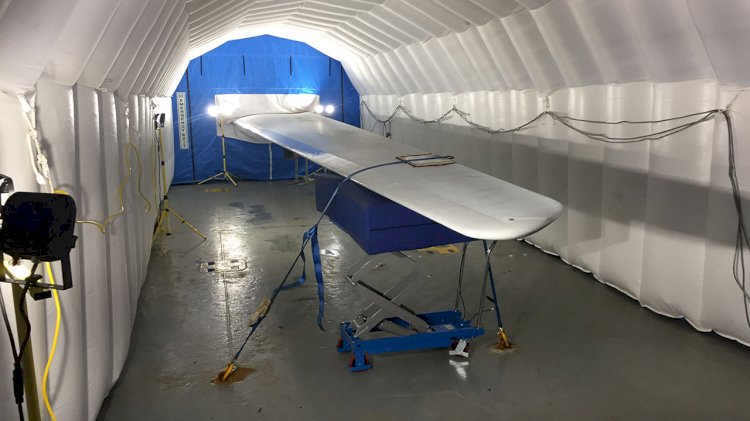
The MPI Resolution offers the possibility to repair and upgrade damaged blades on board the vessel whilst remaining within the wind farm. To be able to do this work in any weather condition, mobile repair habitats have been installed on the deck of the vessel.

How does it work? The vessel sails to the site location with three repaired and/or new blades. The damaged blades will be replaced by another blade and brought back on board. There, the blade will be repaired and upgraded. The repair consists of applying ‘shells’ that are glued to the blades. When finished it will be installed at the next location. The expectation is that with this repair the blades can last until the end of the expected life of the park.

After the blade repair and upgrade campaign, the MPI Resolution will continue its work for the five-year maintenance contract for the major components exchange at the Prinses Amalia windpark. 

About MPI Offshore

Since 2018 MPI Offshore, a UK based specialist in offshore wind installation, is part of Van Oord. With the acquisition of the MPI Offshore organisation and two installation vessels, Van Oord also acquired project contracts related to the vessels, i.e. offshore wind farms London Array, Prinses Amalia offshore wind farm and Rampion.

CADMATIC acquires Finnish software company Kymdata

0

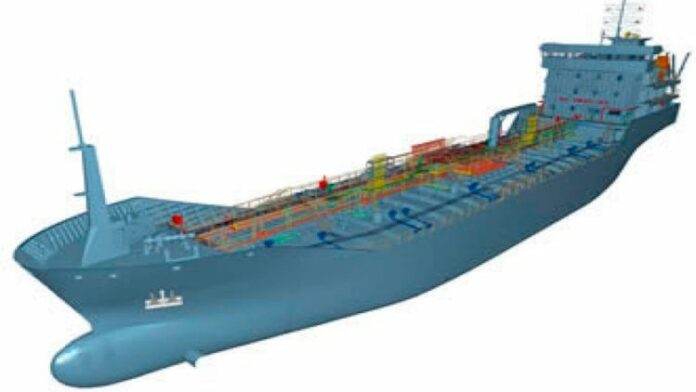
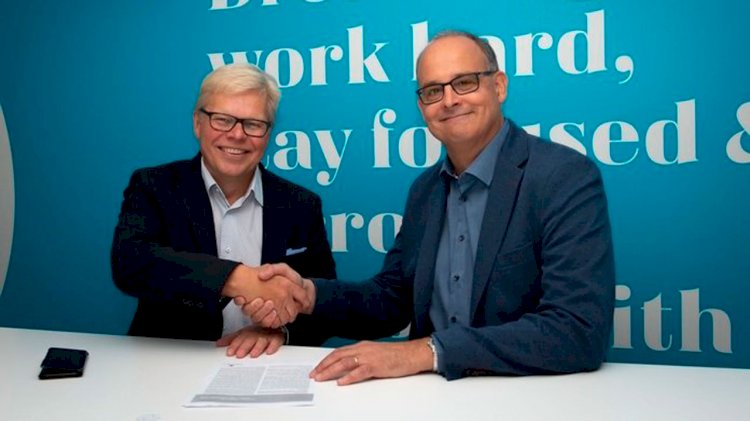
CADMATIC Ltd has acquired Finnish software company Kymdata Ltd. The strategic acquisition expands CADMATIC's product portfolio and includes the entire share capital as well as IPRs to all Kymdata’s CADS software and its business agreements.

The acquisition increases CADMATIC’s estimated turnover to EUR 28 million. With the addition of Kymdata’s 43 employees, CADMATIC will employ over 200 persons.

Kymdata's CADS Electric software is the market leader in electrical and automation design in Finland and Estonia. The CADS product family also includes software modules e.g. for HVAC calculation and modeling as well as structural design. CADS products are an excellent complement to CADMATIC's product portfolio of structural and mechanical design and information management for ships and process plants in the global market.

CADMATIC CEO Jukka Rantala says:

"Kymdata is a well-run, profitable and growing company. I am very pleased that we have acquired the company and its products. The acquisition is in line with CADMATIC's growth strategy. It expands our product portfolio and position in our core business area, while providing us with excellent opportunities for future growth. The strong position of CADS products in their business areas demonstrates the competitiveness of the products. The employees of both companies are extremely motivated and I am convinced that the we will achieve great success as a strong team in the future."

The acquisition supports CADMATIC's strategic growth goals and strengthens CADMATIC's position as a global market leader in marine and process design and information management software. It also gives CADMATIC access to significant customer relationships related to construction.  Following the acquisition, CADMATIC will be able to provide design and information management software to its customers in all design disciplines as a “one-stop shop”, which will create excellent opportunities for future growth.

CADMATIC has a strong presence in global markets where CADS products are not yet active. CADS products, in turn, open new opportunities for CADMATIC with an integrated product portfolio and strongly growing automation.

The deal will also see the transfer of a significant amount of expertise in electrical, automation, instrumentation design and construction to CADMATIC.

Both companies have clear and strong product development programs for the future, and their special expertise areas complement each other well. There are virtually no overlapping product areas.

Kymdata CEO Jyrki Metsola sayd:

“We are very happy that we have reached an agreement with CADMATIC. Kymdata and CADMATIC are very similar companies; product development oriented and utilizers of the latest technologies. We have a similar value base, including strong customer-oriented operations. We see significant synergies and growth opportunities for all our products. CADMATIC’s strong international expertise and worldwide sales network enable our CADS products to have a clear acceleration lane for internationalization.”
 

World’s first: Enova supporting pioneer project

0

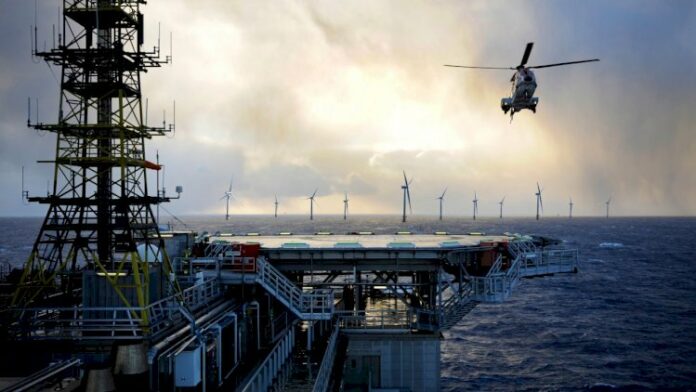
Enova has approved an application for funding of up to NOK 2.3 billion to support the Hywind Tampen project for developing the world’s first floating offshore wind farm supplying renewable power to offshore oil and gas installations.

Equinor and its partners are considering the possibility of supplying electricity from a floating offshore wind farm to the Gullfaks and Snorre fields. Today the licences received confirmation that the Hywind Tampen project has been granted funding of up to NOK 2.3 billion from Enova’s programme for full-scale innovative energy and climate measures.

Pål Eitrheim, executive vice president for New Energy Solutions in Equinor, says:

“The support that the licences have received for the Hywind Tampen project demonstrates the will of Norwegian authorities to invest in and develop floating offshore wind farms and renewable energy supplies. With this support we have taken an important step forward in realising the project. Now it is up to the licences to further mature the project towards a final investment decision this autumn.”

Earlier the Business Sector’s NOx Fund decided to support the Hywind Tampen project by an investment grant of up to NOK 566 million.

Olav-Bernt Haga, project director for Hywind Tampen, says:

“The Hywind Tampen project will contribute to further developing floating offshore wind technology and reducing the costs of future floating offshore wind farms, offering new industrial opportunities for Norway, the licences and Norwegian supplier industry in a growing global offshore wind market.”

Hywind Tampen may be the first project in the world for supplying electricity generated by floating offshore wind turbines to oil and gas platforms. The project will ensure profitable oil and gas production from the Snorre and Gullfaks fields with low CO2 emissions. The project may reduce CO2 emissions by more than 200,000 tonnes per year, equivalent to emissions from 100,000 private cars.

The Hywind Tampen offshore wind farm will consist of 11 wind turbines with a total capacity of 88 MW. The wind farm will be able to meet around 35% of the annual demand for electricity of the five platforms: Snorre A and B and Gullfaks A, B and C. In periods of strong wind, the percentage will be much higher.

The seven partners in the Snorre and Gullfaks licences are planning to make a possible investment decision for the Hywind Tampen project during the autumn of 2019.
 

Damen wins UX Design Award for human machine interface for tugs

0

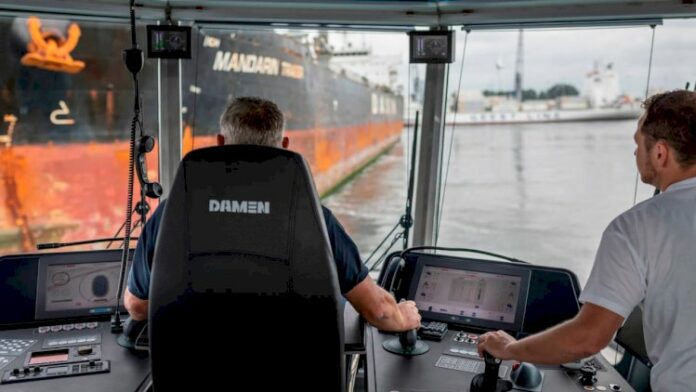
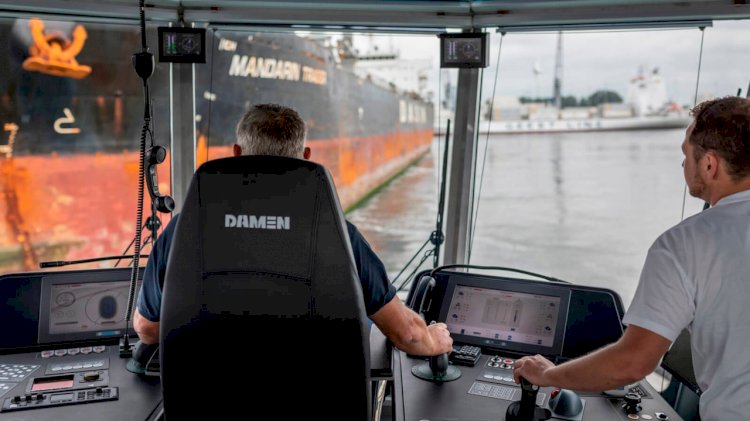
Damen Shipyards Group has won an award for the Human Machine Interface that it has been developing over the past two years for its Next Generation Tug Series. The UX Design Awards are intended to honour innovative solutions that add value to applications, technologies and services through positive experiences, thereby strengthening people's abilities, enabling novel applications and facilitating access to new fields of knowledge.

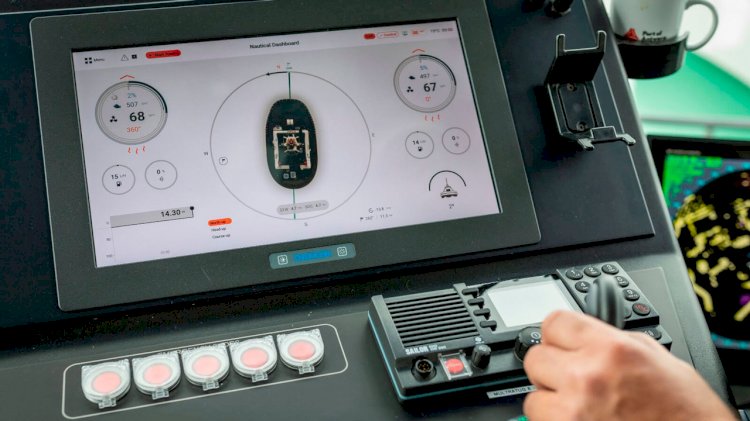
The Human Machine Interface (HMI) developed by Damen in partnership with VanBerlo has won a Product 2019 Award. The system was created in close consultation with captains and chief engineers to improve the safety and efficiency of Damen’s tugs by providing the crew with the information needed to control and operate the vessel in a format that is as easy to use as a mobile device.

Damen’s Jeffrey Jacobs, Technical Manager Tugs, explains:

“During operations, decision making by the crew has to be quick, despite them being under pressure, so any information has to be clear and relevant to each particular stage of the operation. At the same time the ease of operating the system requires an intuitive and simple interaction. The HMI covers the full integrated class-approved Alarm, Monitoring and Control system and can be accessed from the wheelhouse control station, on the main deck and in the switchboard rooms of the tugs. The system is also future-ready having been designed to accept additional applications on multiple devices at a later stage.”

The #UXDA19 expert jury nominated 51 projects from over 20 countries to participate in the UX Design Awards 2019. From those it selected ten winners based in two days of thorough testing and intensive deliberation. In making the award to Damen, the jury stated that:

“the Tugboat Alarm, Monitoring and Control System stands out for its innovative visual design and user-centered development process, especially in the context of the maritime industry. The system balances visual material and data well. Being both context and role-sensitive, it is a flawless example of a tailor-made approach that meets the requirements of different user groups, including captains and engineers.”

The awards will be presented during a gala ceremony taking place at the global technology show IFA in Berlin on 6 September 2019. Damen will also be demonstrating the system to the public as part of a special exhibition at the show.

Users worldwide now have the opportunity to vote for their favorite solutions. Voting for the audience prize “UX Design Award | Public Choice” opened on 20 August and continues until 31 October 2019 on the UX Design Awards website. The winner of the audience prize will be announced in November 2019.

TechnipFMC awarded Shell’s PowerNap project

0

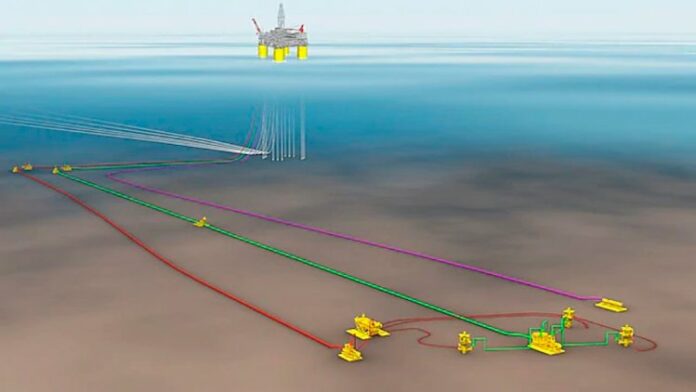
TechnipFMC has been awarded a significant integrated Engineering, Procurement, Construction and Installation contract by Shell for the PowerNap project, located in the Gulf of Mexico.

TechnipFMC will design, manufacture and install subsea hardware, including subsea tree systems, subsea distribution controls, topside controls, flying leads and connectors for three wells, in addition to the supply of 20 miles of production umbilical and flowlines.

Arnaud Pieton, President Subsea at TechnipFMC, commented:

“We are very pleased to have been awarded this iEPCITM contract for the Shell PowerNap project. We look forward to executing the scope of work and to further expanding our 25-year successful relationship with Shell and our deep water portfolio in the Gulf of Mexico.”

About PowerNap

PowerNap is a subsea tie-back to the Shell-operated Olympus production hub.

The project is expected to start production in late 2021 and produce up to 35,000 barrels of oil equivalent per day (boe/d) at peak rates. It is anticipated to have a forward-looking break-even price of less than $35 per barrel and is currently estimated to contain more than 85 million barrels of oil equivalent recoverable resources.