-3.6 C
New York
Home Blog Page 1000

Port of Rotterdam uses blockchain to reinvent global trade

0

Blockchain is most widely known as the technology that underpins digital currencies such as Bitcoin. But, blockchain has the potential to transform a whole host of of industries, not only banking. Pilot projects run by the many dynamic companies and organisations based in Rotterdam’s exceptional maritime sector, are already giving us tantalising glimpses of future scenarios.

Martijn Thijsen, Digital Strategy, Transformation and Business Development at the Port of Rotterdam, explains:

“With blockchain, we are already beyond the hype. It’s early stages and there are challenges to figure out. But, we see multiple uses for blockchain technology and the impact potential is enormous. Rotterdam’s ambition is to be the world’s smartest port and we see this technology as key to supply chain optimisation and energy sustainability.”

Stakeholders across the enormously complex logistics supply chain are urgently demanding faster, cheaper and more secure and sustainable flows of goods, services and energy. All this while global trade is becoming more complex and less predictable. Digitalisation has delivered some improvements, but there remains a mountain of documentation, time delays and a lack of interconnectivity. Companies still operate with completely different administrative systems in their own little silo, which can be immensely time consuming and expensive. For example, it can take weeks to trace a single product and all its components through the entire supply chain, and to clarify its origin and ownership at every step in the timeline. A single PO number from beginning to end is typed over more than a 100 times in mails, systems and documents.

Rotterdam’s innovative maritime community recognises that blockchain has the potential to solve such issues and improve the efficiency of supply chain management and port logistics. This open and collaborative eco-system welcomes companies large and small and offers them excellent business opportunities to develop, test and bring blockchain solutions to market.

BlockLab was co-founded by the Port of Rotterdam and the City of Rotterdam. As a Smart Industries Field Lab their role is to put blockchain technology into practice. They are also embedded in the regional innovation ecosystem with the Port Authority and they participate in the Dutch Blockchain Coalition.
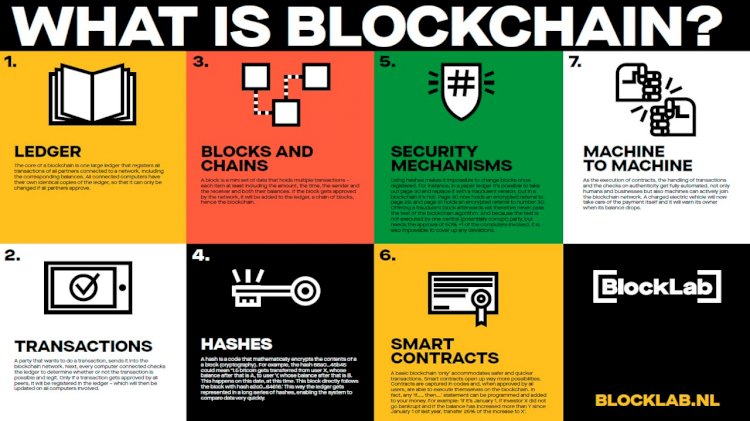
Blockchain is effectively a way of sharing a database securely across a network of computers. It’s often described as a digital ledger or spreadsheet duplicated thousands of times and stored in a distributed network across multiple locations. This network is designed to regularly and instantly update the spreadsheet or ledger, wherever it is located.

Once a record (block of data) has been added to the chain, it is very difficult to change. And, to ensure all the copies of the database are the same, the network makes constant checks. That means digital information can be distributed, but not copied, and the information is constantly reconciled with the database and updated instantly.

Such reliable, public and verifiable records increase transparency and trust. As there’s no central location and the data exists simultaneously in millions of places, it is also more difficult to hack. Effectively, blockchain technology creates a database (shared by every participant in a network) that stores data that can’t be modified without the approval of all members.

But blockchain is more than just making sure that we all look at the same validated dataset. It also makes it possible to jointly agree and execute on the transactions we want to do with that data, without having to worry whether the other party will keep its part of the deal. This allows us to automate the very thorny issue of transfer of ownership as we can remove the catch-22 buyers and sellers face when interacting with each other: “will I get the goods, will I get paid?”.

This system significantly enhances security and traceability. It also reduces or eliminates the need for third parties to verify the exchange of goods and services. This lowers costs and improves efficiency.

Modern logistics networks are decentralised and include many small and medium sized enterprises. The sector is also strongly data-driven and highly dependent on trust, transparency and security. For example, an average of 28 parties are involved in transporting sea containers, and they exchange data around 200 times on any route to ensure a container reaches its intended destination.

Aljosja Beije, Logistics & Technology Lead at BlockLab and co-author of Blockchain and the Supply Chain Concepts, Strategies and Practical Applications, explains:

“Despite massive increases in the volume of international trade over the last 50 years, most of it is still run on documents that go back to the 14th century. We have digitised but, so far, we have not automated. That’s where blockchain will have a big impact.”

Watch Aljosja Beije from BlockLab outline the reasons why blockchain is so valuable to international supply chains.

Lack of trust and inter-connectivity are the main factors behind the current high costs of shipping goods around the world. Each organisation along the supply chain, from banks and customs authorities to import/export companies, have their own systems involving huge amounts of paperwork, a single shipment encompassing over 130 pages of documents, time consuming money transfers, high fraud risk and insurance costs. These processes require constant monitoring and complex financing.

In decentralised networks of companies and institutions, without a single overarching authority, efficient co-ordination and trust is essential. Blockchain not only simplifies processes, it enhances levels of trust because manipulating or deleting data is virtually impossible. As such, the technology could be a critical enabler for secure, controlled and scalable data sharing across the logistics and maritime sector. It would allow logistics service providers to disclose goods, money and information streams flexibly, securely and simultaneously, while reducing costs.

This technology offers the potential, for example, to track and safely monitor the (often perishable) content of sea containers, reduce administrative costs and improve traceability. This is hugely significant. The cost of the documentation required to process and administer goods represents, on average, one-fifth of the costs of physical transport. According to the World Economic Forum*, reducing these barriers could boost worldwide trade by $1Trillion in the next 10 years.
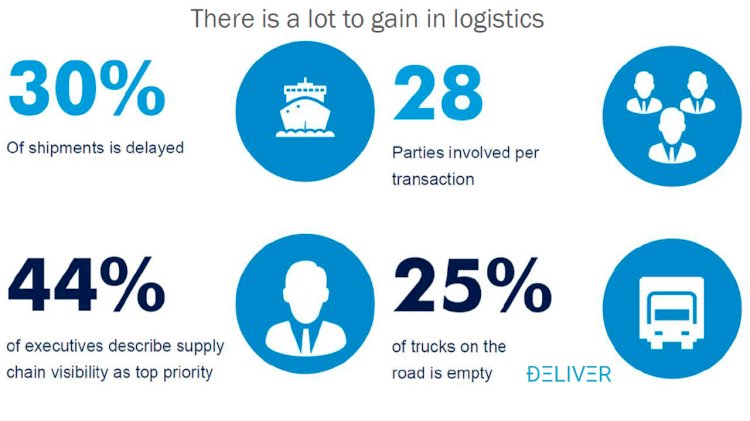
As Europe’s largest and busiest port, Rotterdam is driving the development and implementation of blockchain technology in port logistics. BlockLab is leading the development of these applications by offering blockchain expertise, network and infrastructure to partners.

Aljosja Beije says:

“Blockchain is particularly suitable for collaborative co-ordination. It also suits the way we work here in Rotterdam, where we have a history of forming consortiums to co-create workable solutions. This culture, combined with our outstanding port infrastructure and expertise in digital innovation, makes us the go-to place for partners with similar goals.”

Collaborative blockchain projects can have an immense impact on how we manage supply chains. One example of this is DELIVER. BlockLab partnered with Port of Rotterdam, ABN AMRO and Samsung SDS to develop this pioneering, blockchain-powered supply chain management platform.
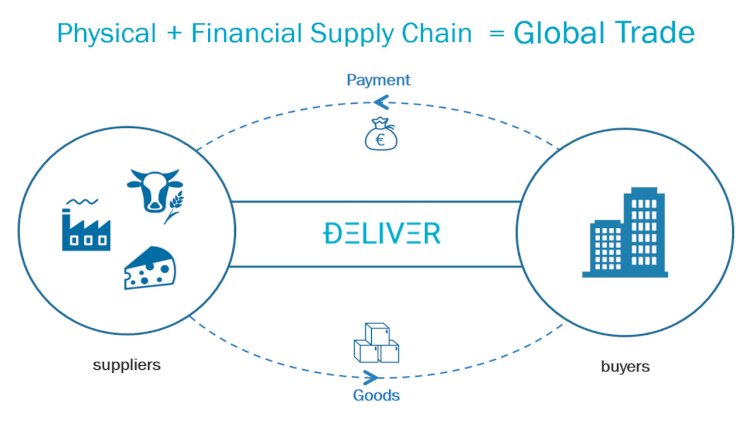
Eric-Jan Iding, Marketing Manager at Samsung SDS, explains:

“What we have co-created with DELIVER is an open and neutral industry platform that optimises both the physical and financial supply chain. DELIVER fixes the supply chain’s trust and transparency problem by enabling a more transparent, efficient, predictable and secure exchange of information. It tracks orders, shipments and finance in real time, improves data sharing, reduces risk and enhances interoperability.”

In July 2019, two containers from South Korea arrived at the Samsung SDS warehouse in Tilburg, the Netherlands via the Port of Rotterdam. 

Martijn Thijsen at the Port of Rotterdam says: 

“The shipment was completely paperless, instantly financed and door-to-door tracked using DELIVER. Integrated container tracking meant everyone could always see where they were, documents were always accessible and everything, right up to proof of delivery, was put automatically into the DELIVER blockchain.”

The success of this project has proved that blockchain technology can enhance supply chain transparency and efficiency, and potentially unlock millions of euros in cost savings. But, these first containers were just the Proof of Concept phase. Aljosa explains:

“We’re developing extra functionalities and capabilities for the platform.”

Eric-Jan says:

“We’re now extending the DELIVER pilots with external companies on various trade lanes. Ultimately, our goal is to facilitate transparency, eliminate barriers to trust and reinvent global trade.”

Energy is another high dependency sector for the maritime industry that is particularly suitable for blockchain innovation. The transition to sustainable energy, with a decentralised network of wind turbines and solar panels, is resulting in increasingly complex power supply and consumption models.

Together with S&P Global Platts, BlockLab is also building a platform that coordinates the supply and demand of energy. This energy platform is complete in principle and the first practical tests are about to start in the Innovation Dock in Rotterdam where the Port Authority has its own site with smart energy meters. The most important thing is that big organisations gain confidence in blockchain. They need to dare to take the step to using this on a large scale.

BlockLab has also supported the development of four blockchain technology prototypes that coordinate a flexible trading platform to continuously align supply with demand. These prototypes range from smart meter identities to smart Power Purchase Agreements and two are already receiving market readiness support.

In addition, BlockLab stimulates research in the blockchain community through its Open Energy Hub. This virtual energy lab connects energy pioneers´ smart meters to an online development community.

Janjoost Jullens, Energy Lead at BlockLab, explains:

“Currently, one group is developing a fair data marketplace and another is preparing the first user driven case studies,” 

This provides an open source data platform connected to several hundred smart meters for other parties to experiment on. BlockLab takes care of the blockchain infrastructure so parties can run their applications on live data.

Martijn Thijsen says:

“Rotterdam has long been a frontrunner in digital innovation and collaboration. Our whole ecosystem is based on being one-step ahead. We want to lead in digital, as well as physical infrastructure, and to achieve that we need to co-create with our partners and become a globally connected smart port. Rotterdam’s focus on innovation puts us in an ideal position to be able to collaborate and facilitate across the global supply chain.”

Pilot projects, such as DELIVER, have proved the potential for blockchain, integrated with other IoT and AI-enabled technologies, to drive a wholesale reimagining of the global logistics industry. Rotterdam’s maritime innovators have shown it is possible to break down many of the common barriers in supply chains and securely digitise and automate many processes.

Leading research institutions, such as SmartPort Rotterdam, a living lab where applications are developed and put into practice, are now exploring future blockchain applications. The knowledge gained in this living lab, will determine future opportunities for harnessing blockchain in port logistics. There will be steep learning curves. And, many technical, legal and cultural hurdles to overcome.
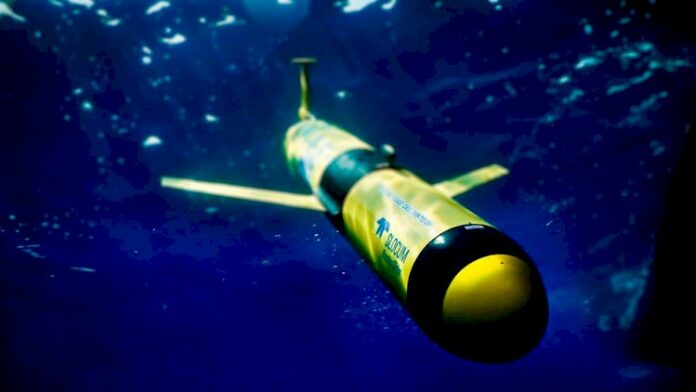


Woodside invests in emerging technology for ocean bottom seismic data

0

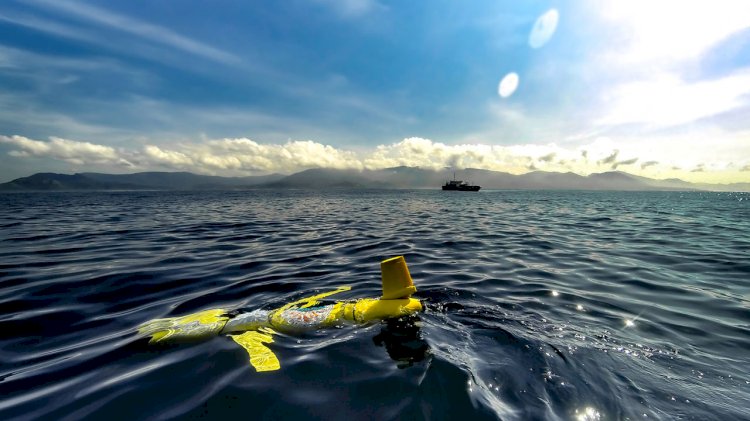
Woodside has signed a Shareholders Agreement with Perth-based Blue Ocean Monitoring Ltd (BOM) to invest in Blue Ocean Seismic Services Ltd (BOSS). BOSS is developing an innovative solution that has the potential to make ocean bottom seismic data acquisition cheaper and more accessible.

Seismic data is critical for understanding geological formations and the nature of hydrocarbon resources that may be contained within them. Current methods use remotely operated vehicles to place nodes on the ocean floor that capture and record soundwaves.

The concept was jointly developed by Woodside and BOM and focuses on using Autonomous Underwater Vehicles (AUVs) in place of remotely operated vehicles. The AUVs are small submarines that are preprogrammed to self-deploy to the ocean floor and reposition multiple times. This method will improve efficiencies, lower costs and reduce people’s exposure to health and safety risks. Subject to satisfaction of conditions precedent, Woodside will take a 35% shareholding in BOSS.

Woodside Executive Vice President Sustainability Shaun Gregory noted the agreement with BOM continued Woodside’s support of Western Australian technology companies:

“The use of AUVs is a priority in our technology strategy, and has global applications. We see ocean bottom monitoring playing an important role in helping us to understand more complex geological settings.”

Simon Illingworth, Blue Ocean Monitoring’s Group Managing Director, commented:

“It has been a pleasure collaborating with Woodside over the last two years on this project. Woodside is committed to investing in innovative and disruptive technologies in the oil and gas industry, whilst striving to continuously improve safety. We look forward to continuing to develop this promising technology with Woodside’s support.”

The project participants are focusing on small sea trials in 2019, ahead of the first seismic test in early 2020.

Siemens Gamesa to build the world’s largest wind turbine blade test stand

0

Siemens Gamesa Renewable Energy (SGRE) has begun construction of the world’s largest wind turbine blade test stand in Aalborg, Denmark. The site will be capable of performing full-scale tests on the next generations of SGRE rotor blades and is expected to be fully operational before the end of 2019.

This significant R&D investment in extensive testing will represent additional savings for SGRE’s clients in the future. Such high value-adding R&D activities enable the company to significantly reduce the risk of technical issues and simultaneously deliver wind turbines that are innovative and reliable.

Vicente García Muñoz, Head of Validation Means Management at SGRE, said:

“The first tests will be on the 94 meter-long blades for the SG 10.0-193 DD offshore wind turbine, which are almost the same length as one soccer field. We are however building the test stand to accommodate the blade sizes that we will see in the future.”

The gigantic structure in Aalborg will have more steel rebar reinforcement per square meter than a wind turbine foundation, so that it has the capability to accelerate the test and prove full reliability over the lifetime of the blade in the shortest possible time, while full respecting IEC regulations.

GNS adds KPIs in Voyager FLEET INSIGHT Navigation Management

0

GNS has announced that Voyager FLEET INSIGHT Navigation Management service now includes two new modules to support better fleet management and reporting.

From 13 September subscribers to the Navigation Management service in Voyager FLEET INSIGHT will benefit from a new KPI tool to make monitoring of navigation spend, ENC usage and asset utilisation easier as well as the ability to define their own reports.

The new KPI module provides a graphical view of a growing range of Key Performance Indicators (KPIs). Initially these relate to digital spend, usage of digital charts and publications purchased and sailing statistics – distances travelled and percentage time spent sailing.
The new Reports module enables users to view and export specific lists of data related to their fleets. It includes a library of pre-defined reports designed to reflect popular reporting requirements as well as the ability to create and manage your own reports to meet specific company and department reporting requirements and add them to a personal library. Reports can also be shared with colleagues.

Hayley van Leeuwen, GNS’s Director of Product and Marketing, said:

“We’re excited to be introducing these two new management and reporting tools to provide an increasingly rich user experience for VFI users.” 

The new KPI and Reporting modules are free of charge to all subscribers to Voyager FLEET INSIGHT Navigation Management and GNS’s Voyager Navigation as a Service as well as qualifying Voyager Fixed Price Bundles users.

Voyager FLEET INSIGHT, GNS’s online vessel tracking, navigational compliance and cost management service, was launched in October 2018. A free level of service for GNS customers provides hourly vessel tracking, vessel information, navigation subscription and inventory management, navigation compliance management and Port State Control inspection histories. The Navigation Management service is available to all shipping companies on subscription and provides premium AIS tracking at 10-minute intervals, historic trading patterns, navigational usage analysis, port call data, a wallboard feature that provides continuous display of live vessel positions on large screen in Operations centres and reception areas, KPIs and Reporting.
 

KONGSBERG to supply ‘Full Picture’ hybrid upgrade for Tidewater Marine OSV

0

Milestone contract sees KONGSBERG providing energy-efficient solution that meets industry requirements to reduce CO2, NOx and SOx emissions.

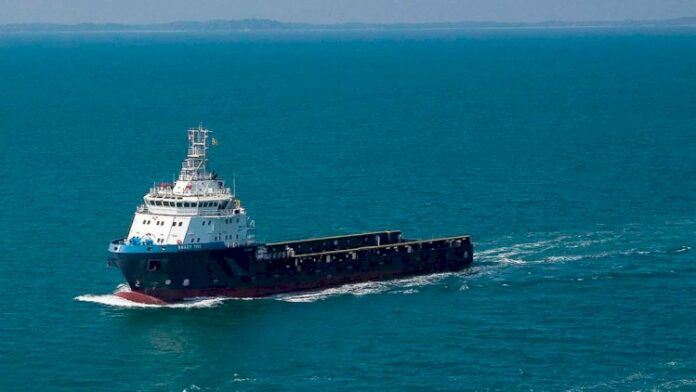
KONGSBERG has announced that it has been contracted to provide a ‘Full Picture’ upgrade for the Tidewater Marine Offshore Supply Vessel (OSV), Bailey Tide.

As a single supplier under the terms of the contract, KONGSBERG will deliver and install a state-of-the-art hybrid power solution including K-Pos DP (Dynamic Positioning), K-Chief 700 IAS (Integrated Automation System) and AGS (Advanced Generator Supervisor) upgrades designed to significantly improve energy efficiency, optimise power management and enhance vessel positioning maneuvers. As well as advancing onboard safety and energy storage, the hybrid solution will substantially cut operational costs by helping to reduce the vessel’s fuel consumption.

The hybrid upgrade will be accompanied with the installation of a KONGSBERG Information Management System (K-IMS), an interactive and collaborative web-based platform which will give Tidewater Marine and its sub-suppliers continuous data access, both on board and on shore. Work on Bailey Tide’s upgrade has already started, and is expected to be completed before May 2020.

Deepak Thomas, Sales Manager from Kongsberg Maritime Singapore, says:

“We are hugely looking forward to collaborating with Tidewater on this project, continuing to deliver the best energy solutions in the maritime sector while simultaneously respecting all environmental requirements. Our AGS software functionality has also proved its worth across the Tidewater fleet in mitigating blackouts and increasing the reliability and safety of the Power Management System, and we’re keen to assist the company in progressing ever further in the pursuit of environmentally-responsible, cost-effective energy efficiency.”

Jeff Gorski, Chief Operating Officer for Tidewater Marine, adds:

“KONGSBERG’s comprehensive hybrid upgrade positions us as a pioneer in the OSV sector, in helping our clients to meet strict environmental regulations, due to be introduced in 2020, for decreasing CO2, NOx and SOx emissions. It manifests our leadership approach towards reducing the carbon footprint on the global maritime map.”

Tritech announces dual frequency sonar

0

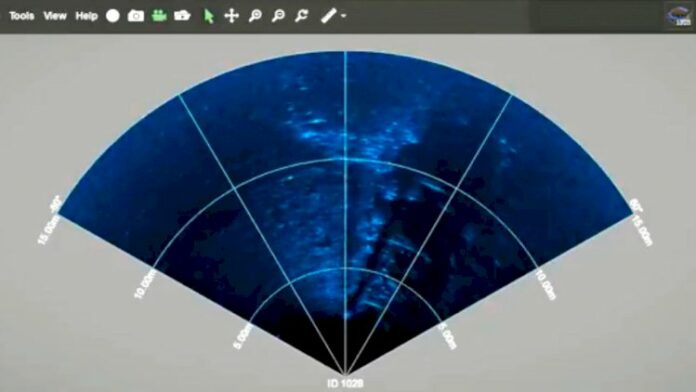
Tritech International Limited, a Moog Inc. company, has announced the release of the Gemini 1200ik Dual Frequency sonar: the latest addition to the popular Gemini range.

The multibeam imaging sonar offers two operational frequencies with the ability to switch between low and high frequency dependant on the user’s requirement. The 720 kHz low frequency setting is designed for target identification and obstacle avoidance at long range, whilst the 1200 kHz high frequency setting offers extremely detailed multibeam images, ideal for inspection at close range.  Switching frequencies can be set to automatically switch over at a specific range or done manually. Unique to the Gemini 1200ik is the ability to maintain a 120° field of view across both frequencies ensuring the target remains in view when operating at high frequency and at short range. 

Scott McLay, Sales Director at Tritech, commented:

“With the increase in shallow water operations, especially around offshore renewable energy operations, the need for better ways to “see” in zero visibility conditions have never been higher. The dual frequency Gemini 1200ik can be used not only for navigation but for target identification and classification in these zero visibility conditions which has benefits within both commercial and defence industries.” 

Tritech’s Gemini range is used globally in a wide mix of applications from oil and gas operations to search and recovery and shark detection. With a depth rating of 350m, the 1200ik marks the next generation of sonars from Tritech which are ready to take on tougher environments and more challenging operations. Significant engineering development has resulted in this latest Gemini imaging sonar offering a 2.4mm range resolution, as well as an effective angular resolution of only 0.12°. 

David Bradley, Managing Director at Tritech, commented:

“We are delighted to be able to bring this new advanced technology sonar to the market after a lot of hard work to develop a product that is superior in quality to anything else in its class. Tritech continues to innovate in sonar technology in order to meet market needs both in traditional and evolving markets for these products. We have also significantly improved the way we develop these products which we believe will allow us to solve more customer challenges in a timely manner.” 

The Gemini 1200ik will be showcased at this year’s DSEI in London where the Tritech team will be able to address your questions about this latest innovative new sonar.

SeaCube and Globe Tracker to supply IoT-enabled gensets to ONE

0

SeaCube Containers, a global leader in refrigerated shipping containers and gensets, and Globe Tracker (GT), a leader in IoT tracking and monitoring solutions for logistics assets, have announced their partnership  to provide Internet of Things-enabled gensets for the 6th largest shipping line in the world, Ocean Network Express (ONE).

The cutting-edge GT technology provides cellular communication of operational parameters from gensets including, fuel level, battery voltage, events and alarms and even remote shut-off capability for certain genset brands.

John Harnett, Senior Director Marine and Intermodal at Globe Tracker, notes:

“We are extremely pleased to be working with SeaCube in providing this best-in-class genset solution to ONE. In genset telematics, we are the only provider integrated into the micro-controller of 2 out of the 3 leading brands in North America. This provides ONE with the most robust amount of data and assists in setting maintenance intervals, reducing maintenance costs, extending asset life, monitoring fuel consumption and having full operational visibility of their genset assets.”

Greg Tuthill, Chief Commercial Officer at SeaCube, said:

“The growing demand for greater tracking, transparency, security, diagnostics and asset fleet management using smart technology will continue to be a key driver for leased solutions. By partnering with Globe Tracker, we will continue to enhance our leading-edge technology solutions and expand our commitment to the intermodal industry by providing smart asset technology leased products.” 

This solution highlights the recent increase in IoT deployments in maritime logistics which are improving visibility and efficiency across reefer fleets.  The gensets are already in production and will be operational starting the middle of September through December 2019.

Babcock delivers iFrigate trial first for royal navy warship

0

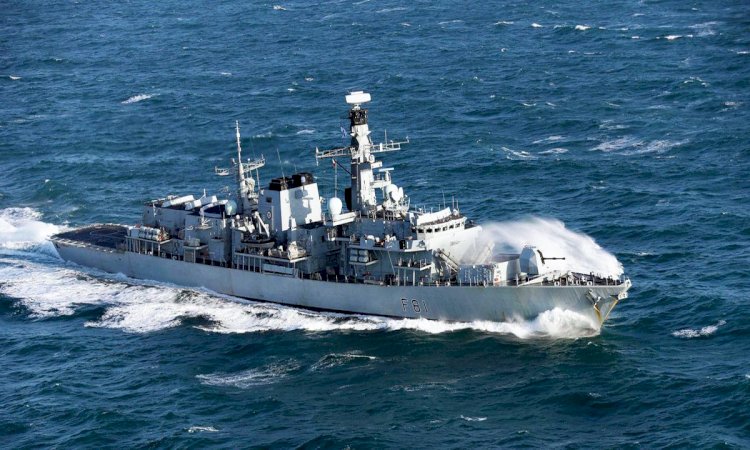
Babcock, the highly-skilled Aerospace and Defence company, has undertaken a pioneering technology trial with the UK Royal Navy (RN) on board the Type 23 frigate, HMS Sutherland, delivering innovative smart technology used to predict and support future maintenance and through-life support decisions as well as empowering the maintainer.

Combining technology and deep engineering expertise to create value for its strategic partner, the six-month trial on the in-service frigate included a suite of technology and sensors installed on the Warship allowing RN personnel to get closer to the beating heart of their equipment by accessing up-to-the second maintenance information, empowering them as on-board service engineers.

The sensors captured data using a hard wired network and was transmitted to an analytics suite on board the vessel to enable personnel to remotely observe and analyse data helping to inform risk based decisions. The sensor data and analytics screens were also mirrored onto a ruggedized tablet connected to a server via a secure LiFi connection in the CW Plant Space providing the maintainers with live information at the point of need.

The Royal Navy maintainer then provided the insight from the Platform to the ashore Class Output Support Team enabling improved, optimised support planning and targeted interventions against know system performance risk. The trial is part of Babcock’s iSupport360 Programme, launched at DSEI 2019.

iSupport360 is Babcock’s own approach to the integration of next level technology to create valuable information for the management of critical assets. By combining its expertise with unique insights across the enterprise, iSupport360 provides a powerful way for personnel to see the bigger picture and optimise the effectiveness of any asset such as; a ship, a submarine or critical infrastructure – helping to predict the future maintenance requirements of some of the most sophisticated equipment on the planet.

Ian Cowper, Engineering Director – Warships, Babcock said:

“This ‘at sea’ predictive analysis of equipment is the first trial of its kind for the Royal Navy and brings together Babcock’s engineering know-how, technology provision, systems integration and through life support experience. We thrive in complex environments which require specialist engineering expertise such as this and seek to deliver innovation in every aspect of our work using our expertise to adapt and implement our technology solutions.

By enabling enhanced decision support and optimising planning, it will ultimately improve the availability of the asset, reduce maintenance costs and safety risks and equip Royal Navy personnel to make informed real-time maintenance decisions at a systems level. We are extremely excited about this breakthrough approach to ship support and look forward to continuing this work with our RN and DE&S colleagues.”

Following on from a similar onshore trial at Babcock’s Devonport facility, where LiFi technology was successfully trialled to harness data from a shoreside support facility, the Connected Platform trial supports Babcock’s iFrigateTM product where commercially available technology will be embedded during the build process of future Babcock designed OPV’s and Frigates.

Capt Matt Bolton, Navy Command trial sponsor said:

“The Connected Platform trial is in direct support of the RN’s Maritime Support Information Exploitation (MarSIX) Strategy and is helping to deliver against the Naval Engineering Strategy which is seeking to enable, empower and equip the RN maintainer.”

Lt Cdr Dave Morton, the ship’s Marine Engineer Officer, commented that:

“This trial used innovative, digital technology to measure system performance on the Chilled Water and HPSW systems – helping to detect potential issues early and it included the first UK military use of LiFi. The outputs will enable proactive support planning by the COM and an improved understanding of operational risk, whilst also empowering our maintainers at sea with new diagnostic capabilities. HMS SUTHERLAND is delighted to be the trial ship.”

The T23 Platform Chief Engineer at the time, Cdr Duncan McDonald added:

“This trial is fully integrated with DE&S and NCHQ support strategies. We are proving this on the Royal Navy’s largest class, as it de-risks the direction of travel for digital legacy and future platforms.”

The drive to understand the condition of existing equipment and to support maintenance decisions based on accurate and up-to-the-minute data is a key driver as Babcock explores ways to constantly improve its delivery of through-life management and support of customers’ critical assets. Its focus on designing and trialling embedded technology allows engineers to better understand and visualise both platform and facility performance in real time.
 

BMT announces a new multi-role auxiliary vessel ELLIDA

0

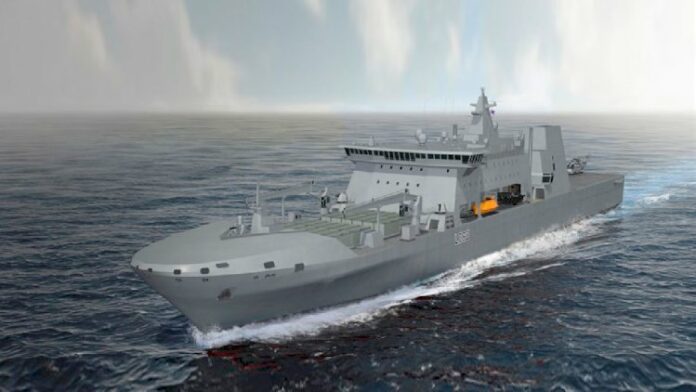
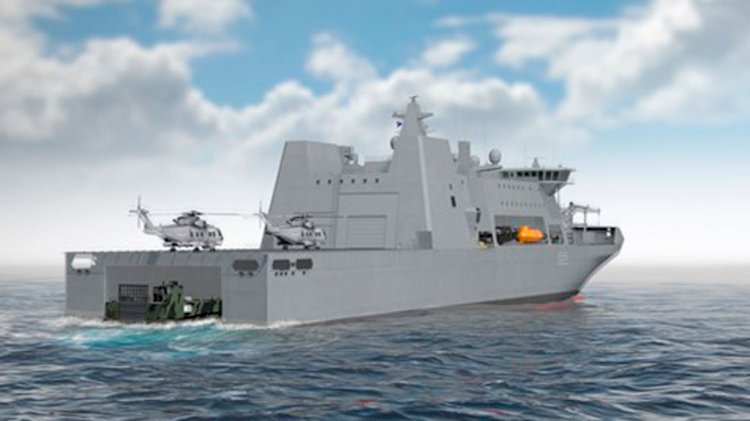
BMT has unveiled its latest concept design, the ELLIDA™ multi-role support ship, at this year’s international defence trade show DSEI 2019. ELLIDA™ will be the third family of vessels designed by BMT for the auxiliary market and will complement the AEGIR and SALVAS families.

The ELLIDA™ concept is underpinned by the proven experience that BMT has gained while designing the AEGIR vessels now in service, the Tide class with the Royal Fleet Auxiliary, and HNoMS Maud with the Royal Norwegian Navy.

The first member of the ELLIDA™ family is a 195m multi-role support and logistics vessel designed to provide the capabilities needed in future global operations, offering the flexibility of a large hull, with internal vehicle and stowage decks, weather deck stowage and additional accommodation.

It has the utility to transport and deliver troops, vehicles, equipment and supplies from anywhere in the world in support of amphibious warfare and littoral manoeuvre. Its versatile mix of ship-to-shore offloading and logistics capabilities allow support to naval operations through landing craft, boat operations, multi-spot aviation and replenishment at sea.

BMT considered the operational background and future requirements during the development of ELLIDA™ – including the development of operational concepts against current and future doctrines of several navies. The result is a balanced design, able to react to the dynamic operational requirements of military commanders in support of government policy for a number of different nations.

Benjamin Dunscombe, Business Development Manager at BMT, comments:

“In Norse mythology, God of the Sea, Aegir, presented Viking with a magical ship called Ellida – so the name for our latest family of vessels seemed like an obvious choice. Navies around the world need to be equipped with the best possible auxiliary platforms to support global operations as flexibly, safely and reliably as they can. As designers of proven in-service auxiliary platforms, we are confident that the ELLIDA™ family of vessels will help to deliver this objective.”

Baltic Exchange launches new ship operating expenses assessment

0

The Baltic Exchange has launched a new assessment to track the cost of operating vessels. Initially covering a range of dry bulk vessels, the service will also be expanded to tankers and other sectors. 

The Baltic Operating Expense Index (BOI) will be published quarterly and based on assessments from three leading independent third-party ship management companies: Anglo-Eastern, Columbia Shipmanagement and Fleet Management. Collectively they manage a fleet of over 1,800 vessels. Additional companies are expected to join the panel in the future and a residual price calculation added later this year. 

Baltic Exchange Chief Executive Mark Jackson said:

“The Baltic Operating Expense Index is intended to provide transparency to the fluctuations in running costs. Daily operating costs are one of the variables used by shipping investors to calculate the profitability and residual value of their assets. We already provide independent freight, sale & purchase and recycling assessments. With the addition of operational expenses assessments, shipping investors now have a complete toolkit to manage their risk and aide their decision process.”

Each panel member will submit four numbers, expressed in USD per day. Three will be combined to produce the BOI:

• Crew (USD per day, including all fees)
• Technical ((USD per day, including all fees)
• Insurance (USD per day, including all fees and rebates)The fourth, an assessment of a five year

Drydock cost, will be amortised over five years to give a USD/day price, but published separately and will not contribute to BOI. 

Assessments will be provided quarterly. Q4 2018 and Q1 and Q2 2019 assessments are available following a recent trial. Q3 2019 assessments will be published on 17 October. 

The vessels initially assessed are:

  • Capesize: 180,000 mt dwt built in “first class competitive yard", 199,000cbm grain, LOA 290m, beam 45m, draft 18.2m SSW. Not ice classed, not scrubber fitted, 5 years old & special survey passed.
  • Panamax: 82,500 mt dwt built in “first class competitive yard", 97,000cbm grain, LOA 229m, draft 14.43m. Not ice classed, not scrubber fitted, 5 years old & special survey passed.
  • Supramax: 58,328 mt dwt on 12.80m draft SSW built in “first class competitive yard”. LOA 189.99m, Beam 32.26m, 72,360 cbm grain, 5 holds/hatches, 4 x 30mt cranes with 4 x 12cbm grabs. Not ice classed, not scrubber fitted, 5 years old & special survey passed.
  • Handysize: 38,200mt dwt at draft 10.538m SSW, built in “first class competitive yard", 47,125cbm grain, LOA 180m, beam 29.8m, 5 holds, 5 hatches, 4 x 30mt cranes. Not ice classed, not scrubber fitted, 5 years old & special survey passed.