-0.1 C
New York
Home Blog Page 970

UK Chamber of Shipping calls for more hybrid ferries

0

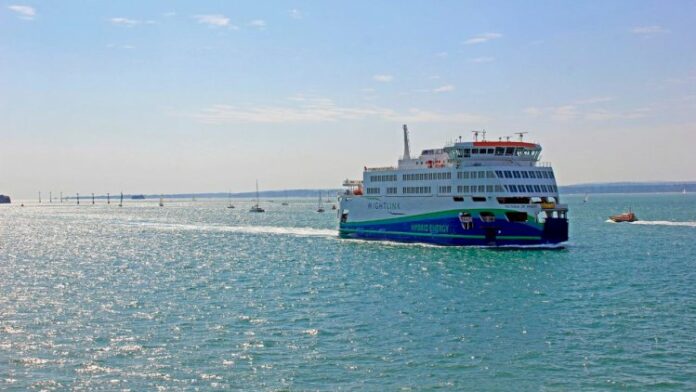
Tackling climate change is the number one priority for the UK Chamber of Shipping and Chief executive Bob Sanguinetti visited Wightlink in Portsmouth where he was shown their state-of-the-art hybrid ferry.

Victoria of Wight, which takes passengers all year round to the Isle of Wight, entered service in August 2018 and was the first hybrid ferry in England.

The ship uses a hybrid energy system, which works much like a hybrid energy car, allowing her to run partly on electricity when required. At the time of launching the Victoria of Wight used 17% less fuel than the next largest ship on the route, the St Clare.

Speaking during his visit Bob Sanguinetti, Chief Executive of the UK Chamber of Shipping, said:

“At the UK Chamber of Shipping we are determined to do all we can to help tackle climate change. I wanted to see for myself how this great ship was doing its bit to reduce carbon emissions. If shipping is to tackle climate change, we need to see greater use of hybrid technology and I want to see more hybrid ferries being developed and used across the UK and the wider world.”

Chief Executive of Wightlink Keith Greenfield commented:

"We at Wightlink are proud to have England’s first hybrid energy ferry in our fleet. Victoria of Wight is key to our commitment to reduce emissions but also gives our customers a quieter and more comfortable journey across the Solent. We are delighted with our new flagship and she is already proving popular with islanders and visitors to the Isle of Wight."

The UK Chamber of Shipping has called for a new Green Industrial Revolution in the UK to take advantage of the move to a cleaner, greener economy.

With the launch of the Maritime 2050 strategy and Clean Maritime Plan, this has set a clear pathway for industry and government to work together to innovate and develop new technologies. The Clean Maritime Plan will require all-new ships trading in UK waters, both international and domestic, to be designed with zero-emission capable technologies. The targets set are a huge challenge.

The UK will need concerted R&D activity, led and incentivised by government, and supported by the industry, manufacturers, academics and innovators. The UK Chamber of Shipping also believes new investment in skills, research and innovation and infrastructure will be needed so the UK can take advantage of future opportunities that will be presented by a move to a clean growth economy.

Portugal takes a step closer to commercial wave energy

0

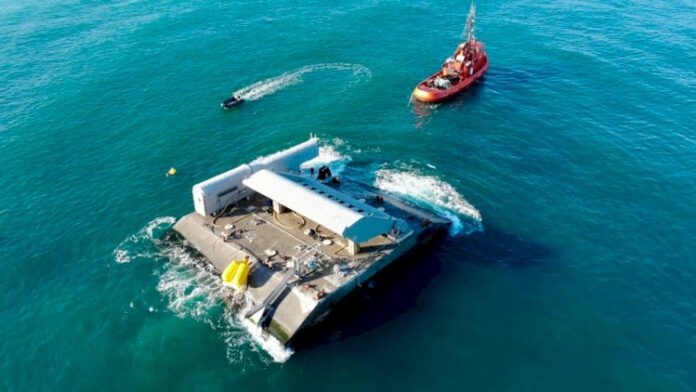
Portugal takes a step closer to commercial wave energy using the technical capability of AW-Energy’s WaveRoller® to power up electricity for local homes. The first-of-a-kind commercially-ready offshore wave power generation device has been deployed and is being commissioned offshore at Peniche, a seaside municipality in Portugal.

Christopher Ridgewell, CEO of AW-Energy Oy, said:

“I am delighted to confirm we have successfully installed WaveRoller® 820 metres offshore from Peniche. At this phase of the installation, we are collecting data 24/7 to monitor the performance of the device using motion, pressure and strain gauge sensors that are engineered in to its panel, foundation and bearings. The data we are receiving indicates WaveRoller® is operating well and performance is in accordance with our expectations.”

Extended sea trials are being used to fine-tune the WaveRoller®’s control system to maximise its performance and yield. Engineers are also monitoring the device’s performance using the company’s monitoring software which can be used to remotely access the device from anywhere in the world at any time, to help assess and manage the performance of WaveRoller®.

Ridgewell says:

“The next phase of the project is injecting the power output to the Portuguese National Transmission Grid from the onshore substation. Commissioning work is already in progress with the local authorities to connect the substation to the local grid which will ensure residents of Peniche can benefit from sustainable energy supply using wave energy.”

The deployment in Peniche is an important step towards the commercialisation of wave energy by testing the end-to-end commercial and technical capabilities of the latest WaveRoller® wave energy device. It demonstrates AW-Energy’s long-term commitment to invest in wave energy technology that provides electricity out-of-phase with local wind conditions and solar that needs the sun.

ORE Catapult launches new Floating Wind Centre of Excellence

0

The Offshore Renewable Energy (ORE) Catapult has launched a new multi-million pound national Floating Offshore Wind Centre of Excellence to drive forward the development of next generation offshore wind technologies.

The initiative is backed by up to £500,000 funding each from the Scottish Government and the Catapult’s Welsh-based Marine Energy Engineering Centre of Excellence (MEECE), match funding from industry and active support from Cornwall & Isles of Scilly Local Enterprise Partnership. The aim is to develop an internationally recognised centre of excellence that will work to reduce the cost of energy from floating wind, accelerate the build out of floating farms, create opportunities for the UK supply chain, and drive innovations in manufacturing, installation and operations and maintenance.

The advancement of floating wind technologies is seen as vital if the UK is to deliver on its ambitious offshore wind growth target of 30 gigawatts by 2030 and meet the Committee on Climate Change’s recommendation of 75 gigawatts by 2050. ORE Catapult’s Macroeconomic Benefits Report, released in September 2018, and the joint Renewable UK and Scottish Renewables Floating Wind – The UK Industry Ambition report released today, both identify Scotland, Wales and South West England as key areas that could benefit from floating offshore wind, creating 17,000 jobs and generating £33.6 billion for the UK economy by 2050.

The Centre of Excellence will cover all the areas of floating wind activity in the UK aligning activity nationally and developing projects focused on regional priorities.

Announcing the launch, Scottish Government Energy Minister Paul Wheelhouse said:

“We recognise the vital role that floating offshore wind will play in our future energy system as we continue our transition to a net zero economy and we strongly support this innovative technology. Scotland’s unique deep-water profile and significant expertise in oil and gas mean we are exceptionally well placed to take advantage of the huge economic opportunity presented by early adoption of commercial scale floating projects.

The Scottish Government is delighted to support ORE Catapult’s Floating Wind Centre of Excellence to further develop this technology and drive down costs in the sector. The collaborative programme of work delivered through the Centre will ensure that Scotland remains a world leader in floating offshore wind innovation and move us closer to seeing widespread deployment in more than 462,000 km2 of seas within Scotland’s Exclusive Economic Zone.”

Chris Hill, ORE Catapult’s Operational Performance Director, commented:

“According to International Energy Agency estimates, the next generation of floating turbines could generate enough energy to meet the world’s total electricity demand 11 times over in 2040. Our team of innovation experts and engineers will work across industry and academia to accelerate floating offshore wind technology deployment and de-risk and encourage innovation to ensure we deliver UK economic benefit from the global growth of floating offshore wind – growing local supply chains and delivering UK content and jobs.

We’ve already had strong interest from more than 10 offshore wind developers, including Total, Equinor, Mainstream Renewable Power and EDP Renewables, along with  three UK universities, in joining the initiative, and are closely aligning the Centre’s activities with key stakeholders including Welsh Government, the Celtic Sea Cluster, Opportunity North East (ONE), the Oil and Gas Technology Centre (OGTC), the Deepwind Offshore Wind Cluster, Scottish Enterprise, Cornwall & Isles of Scilly Local Enterprise Partnership, Highlands and Islands Enterprise and Crown Estate Scotland.”

Sir Ian Wood KT, GBE, Chairman of Opportunity North East said:

“With more offshore installations than any other country, the world’s largest floating wind farm and plans for a seven-fold increase in capacity, this is a very exciting time for our offshore wind sector. And the new Floating Wind Centre of Excellence will play a vital role in helping the UK leverage its leadership position, connecting our strong regional clusters to drive innovation and collaboration.”

Sir Ian Wood KT, GBE, Chairman of Opportunity North East said:

“With more offshore installations than any other country, the world’s largest floating wind farm and plans for a seven-fold increase in capacity, this is a very exciting time for our offshore wind sector. And the new Floating Wind Centre of Excellence will play a vital role in helping the UK leverage its leadership position, connecting our strong regional clusters to drive innovation and collaboration.”

Dr Paul Ellsmore, Programme Manager for MEECE, said:

“There is huge potential for floating wind off the coast of Wales, representing a major opportunity for the Welsh supply chain companies and the Welsh Economy. Floating wind will form a cornerstone of MEECE activity and, working with our university partners, we will be driving synergies across wind, wave and tidal to accelerate growth across these key components of offshore renewables."

Ampelmann secures W2W Project with Horizon Maritime in Nigeria

0

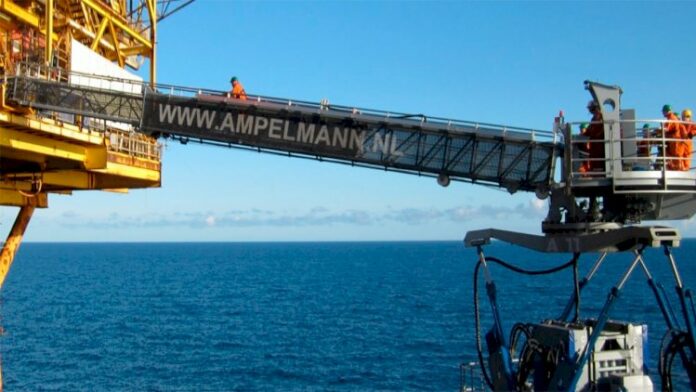
Ampelmann has recently secured a new contract off the coast of Nigeria. The A-type system was mobilised on the Horizon Enabler vessel to perform Walk to Work (W2W) services for a major IOC in the region. This is the company’s first project together with Horizon Maritime onboard their multifunctional offshore support vessel.

David Inman, Manager Sales & Business Development – Africa at Ampelmann, said:

“We are excited about the opportunity to work together with Horizon Maritime and to deliver a flexible and reliable W2W solution. Together, we are looking forward to contributing to safer and more efficient offshore access in the region.”

The Horizon Enabler vessel has a 100-tonne/2,000-metre subsea crane, ability to house two working class ROVs and room to accommodate over 120 PAX. The addition of the Ampelmann A-type with a landing range of 10 to 22 metres and the ability to work in sea states up to 3m Hs offers a reliable W2W solution.

About A-type

The A-type is the offshore access system for performing safe personnel transfers in sea states up to 3m Hs. Because of its full motion compensation, there is no movement in the gangway during operation, resulting in the safest and most comfortable way of people transfer. The A-type can transfer 20 people in under five minutes from a vessel to a fixed or floating object.

Innovative data collection in the Western Pacific

0

The first partnership between Japan’s premiere marine-earth science agency and Saildrone included missions to the reference KEO offshore buoy, a study of the Kuroshio Current, and at the site of the Tropical Pacific m-Triton buoy.

Saildrone and the Japan Agency for Marine-Earth Science and Technology (JAMSTEC) launched three missions from Guam in October 2018 related to biogeochemical observations, meteorological and oceanographic measurements, and data comparison with existing offshore buoys in the Pacific Ocean. JAMSTEC is the first Japanese agency to partner with Saildrone to cost-efficiently augment their observing capabilities. Indeed, in addition to collecting new data sets, one of the goals of these initial missions was to test the Saildrone unmanned surface vehicle (USV) navigational capabilities in a range of challenging conditions to augment observations made by conventional ships and buoys.

Saildrone USVs are wind and solar-powered autonomous sailing vehicles that carry a suite of 20 science sensors to collect atmospheric and oceanographic data. The USVs are seven meters (23 feet) long and have a 4.5-meter (15-foot) composite wing. Having no engine nor fuel onboard, the research and observations conducted by JAMSTEC with saildrones do not produce any greenhouse gas emissions, minimize the impact on marine life, and help JAMSTEC meet its commitment to the United Nations Sustainable Development Goals.

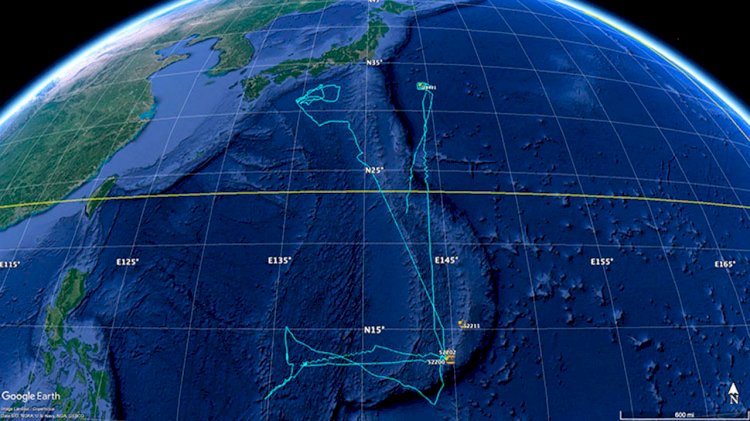
The first two missions required the saildrone to transit over 1,100 nautical miles each way to the study sites. One USV sailed from Guam to conduct a mission at Kuroshio Extension Observatory (KEO) moored buoy.
The KEO buoy, jointly managed by JAMSTEC and the National Oceanic and Atmospheric Administration (NOAA), is an Ocean Climate Station (OCS) and part of the OceanSITES series of reference sites. For Mission 1, the saildrone sailed a set of patterns around the KEO buoy to take autumn observations of biogeochemistry and inter-calibrate sensors between the Saildrone USV and KEO buoy observation platforms.

Dr. Kentaro Ando, Director of International Research in the Western Pacific Region, Research Institute for Global Change, JAMSTEC, explained:

“Although the Saildrone observation period around the KEO buoy was too short to compare its data with KEO buoy data, statistically, based on the limited data analysis, meteorological data such as atmospheric temperature, humidity, atmospheric pressure, wind direction/velocity observed by Saildrone coincided well with those observed by the KEO buoy. On the other hand, significant differences in water temperature (SST) and salinity can be seen between both data. Moreover, solar radiation observed by Saildrone coincided well with the satellite-based one, while a significant difference in chlorophyll data can be seen between Saildrone and satellite data. In order to evaluate Saildrone data more precisely, a longer period of observation, which covers variable domains and/or seasons with different oceanography and comparison of Saildrone data with onboard observation near the saildrone, is strongly recommended.”

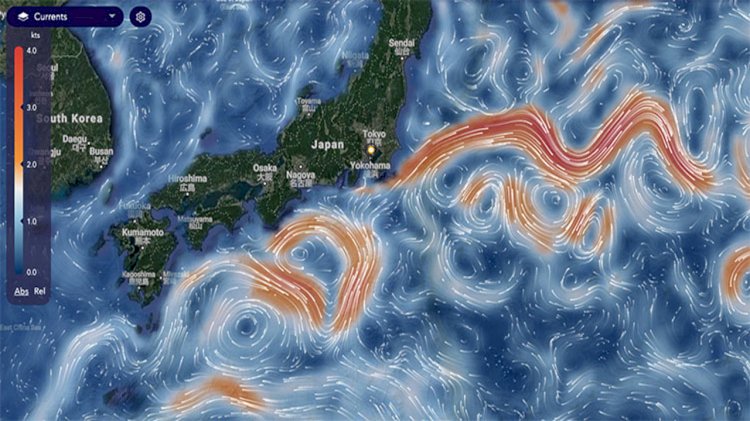
The second saildrone sailed from Guam to take observations in the Kuroshio Surface Current, a western boundary current similar to the Gulf Stream (Mission 2). The Kuroshio—which means “black stream” in Japanese in reference to the deep ultramarine hue of the warm, highly saline water—is the strongest current in the Western Pacific Ocean. It flows at a rate of 2.5 meters (8.2 feet) per second and is up to 1,000 meters (3,281 feet) deep. The size and strength of the Kuroshio pose challenges for traditional in-situ observations.

This is the first time JAMSTEC has studied the Kuroshio Current using unmanned technology. The Saildrone USV carried an Acoustic Doppler Current Profiler (ADCP) to measure this current.

Ando said: 

“Higher resolution horizontal measurements are the key advantages of Saildrone measurement. In particular, in the Kuroshio region, frontal structures are very complicated and air-sea fluxes may change by the location of the front.  We could see the details of air-sea fluxes in association with the location of the front. The measurements by Saildrone will not be affected by the body shape of the platform, and it is really an advantage.”

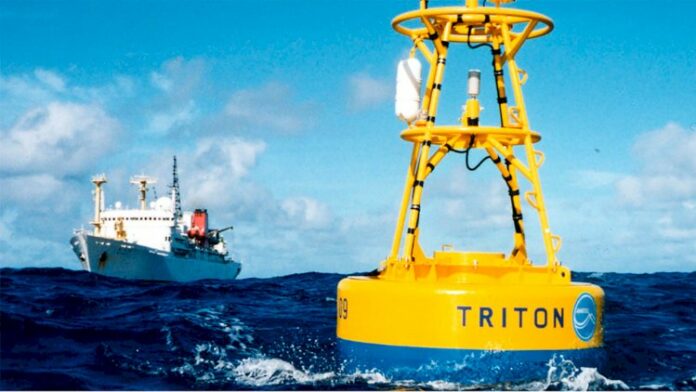
Mission 3 required a third USV to transit to the m-Triton Tropical Pacific Observing System (TPOS) buoy for metocean data comparison. The saildrone sailed a butterfly pattern to remain on station in the vicinity of the m-Triton buoy at 13N.

Ando added:
“Saildrone can get the data that will contribute to the understanding of the ongoing ocean and climate change and variability led by the Intergovernmental Panel on Climate Change (IPCC). The pCO2 data obtained onboard the saildrone in particular, as well as the standard met and surface ocean data, will surely contribute to SDG 13 and also SDG 14.”

The saildrones also made observations during transits from Guam to the mission sites to test the capability of the platform to perform observations during long transits, with a particular focus on strong current regions. The saildrones spent a total of 141 days in Japanese and international waters. 

Saildrone COO Sebastien de Halleux said:

“Supporting JAMSTEC’s leading scientists to collect new and exciting data sets in the Western Pacific is a unique opportunity to enhance our understanding of this complex ecosystem, from typhoons to the biogeochemistry supporting abundant marine biodiversity, overall a very active environment traversed by the Kuroshio current.”

British sailors grappled with giant robot Spider

0

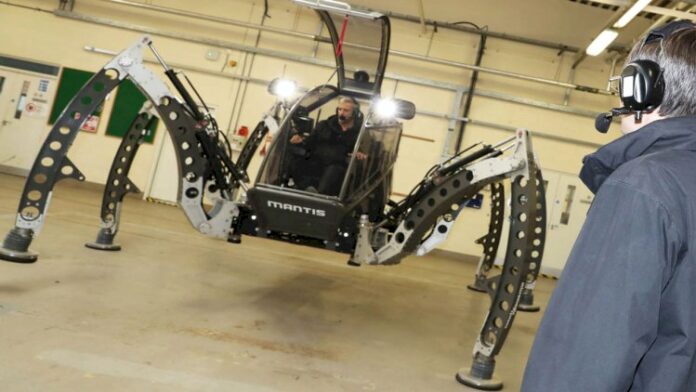
Sailors at HMS Sultan have a giant robotic ‘spider’ to play with after they were loaned a two-tonne mechanical beast.

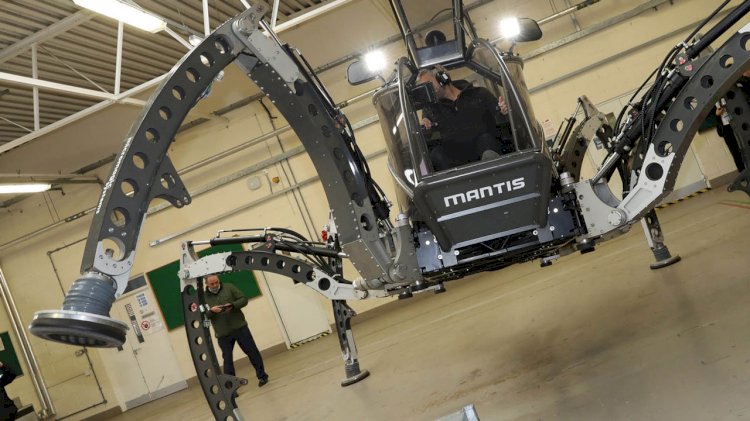
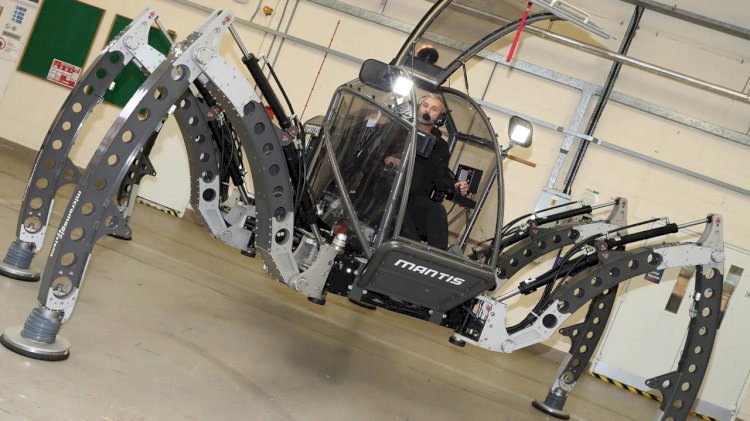
Inventor, engineer and animatronics expert Matt Denton has given marine and air technicians at the Navy’s school of engineering the chance to get to grips with Mantis – the world’s largest rideable ‘hexapod’.

Mantis is now the centrepiece of the aptly-named Mantis Club, with members using the device to learn about robotics, hydraulics, engines, develop skills maintaining it, wow local youngsters as part of Science Technology Engineering and Mathematics (STEM) events, and learn about Matt’s fascinating work for the movies; he’s developed animatronics for use in films such as the Harry Potter and Star Wars series.

Mantis stands 2.8m tall and weighs in at almost two tonnes. Using a combination of hydraulics, electronics and a Perkins turbo engine, its six legs can be operated from either its cockpit or via WiFi, allowing it to travel at speeds of just over one kilometre per hour.

Commander Antony Quinn said:

"As part of their training, apprentices within Sultan are taught about diesel engines, hydraulics and electronic control systems and the Mantis will offer an excellent opportunity for further exposure to engineering in a fun and innovative way. The Mantis hexapod is an excellent addition to our clubs and activities programme.”

Singapore launches maritime single window system ‘digitalPORT@SG’

0

Singapore Deputy Prime Minister and Minister for Finance Mr Heng Swee Keat announced the launch of the Maritime and Port Authority of Singapore’s (MPA) ‘digitalPORT@SG’, a digital Portal for One-stop Regulatory Transactions, which is Singapore’s maritime single window system that will serve as a one-stop portal for maritime regulatory and port services transactions. It will be developed in two phases.

Phase 1 – users can obtain approval for all arriving and departing ships from three public agencies – MPA, the Immigration & Checkpoints Authority and the National Environment Agency – through a single portal. The portal will consolidate up to 16 separate forms into a single application. This is expected to save the shipping industry an estimated 100,000 man-hours annually. "digitalPORT@SG" will also have data exchange with port community systems such as Portnet and Jurong Port Online to receive relevant information including declaration on dangerous goods (DG) operations at the port terminals. The trial, which has started since 1 October 2019 for more than 10 companies, will be progressively rolled out to the industry from December 2019.

Phase 2 – the system will be enhanced to also serve as a single digital shopfront for booking terminal and marine services, facilitating just-in-time (JIT) operations for optimal vessel passage planning within Singapore port. These enhancements are expected to be operational from 2021.

The largest floating wind power plant will be installed in Norway

0

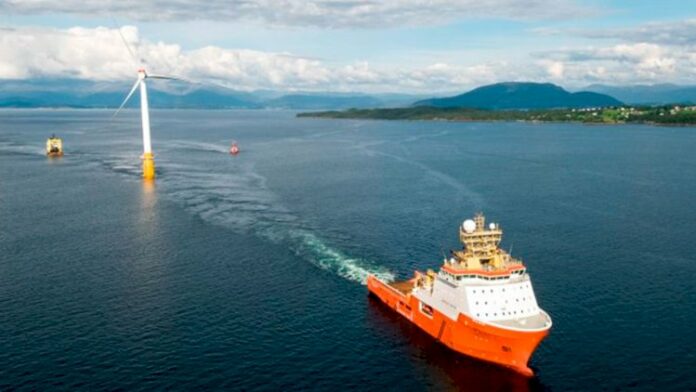
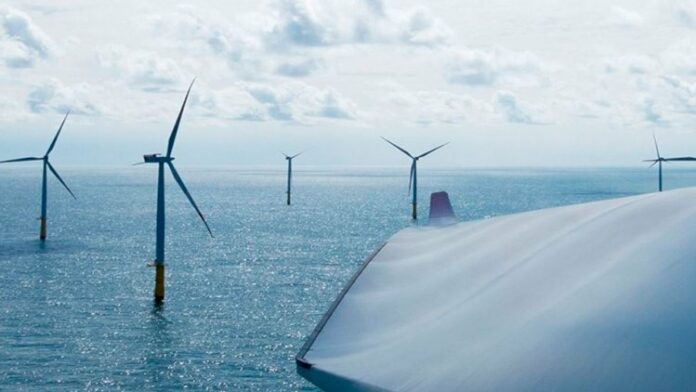
The world’s largest floating wind power plant will be installed in Norway, equipped with 11 Siemens Gamesa SG 8.0-167 DD turbines. Scheduled to be commissioned in late 2022, Hywind Tampen will be the first ever floating wind power plant to power offshore oil and gas platforms.

Andreas Nauen, CEO of the Siemens Gamesa Offshore Business Unit, highlighted:

“We are pleased to have received the firm order from Equinor to be the supplier of this ground-breaking project. Thanks to our strong collaboration and joint focus on innovation, we are now at the forefront of developing this exciting technology and unlocking the vast potential for floating offshore wind power.”

Hywind Tampen will have a total capacity of 88 MW and be located some 140 kilometers from shore in an area with water depths of 260-300 meters between the Snorre and Gullfaks oil and gas platforms. Specifically, this wind power plant will be capable of meeting about 35 percent of the annual power demand of the Snorre and Gullfaks platforms.

By reducing the use of gas turbines on the fields, the project helps cut CO2 emissions by more than 200,000 tons per year, equivalent to the annual emissions from 100,000 passenger cars.

The floating foundations in the Hywind Tampen project are ballast-stabilized and anchored to the seabed with mooring lines. With their lightweight nacelles, Siemens Gamesa large direct drive wind turbines are particularly suited for floating foundations.

The innovative partnership between Siemens Gamesa and Equinor dates back to 2009, when the world’s first full-scale floating wind turbine project, Hywind Demo, was successfully installed in Norway. This initiative was followed in 2017 by the 30 MW Hywind Scotland floating wind power plant, currently the world’s largest, installed at water depths between 90 and 120 meters. Hywind Scotland is a hugely successful project which has world-class safety performance and the highest capacity factor of any offshore wind farm in the UK. The Hywind Tampen project continues this partnership, bringing industrial-scale floating wind a giant leap forward.

Offshore wind already has a strong foothold in Europe with close to 18.5 GW installed capacity, and global potential to reach more than 100 GW by 2030. Of this, floating offshore wind is estimated to constitute 10% of the market, potentially powering 12 million homes in 2030.

Canada creates new tidal energy opportunity

0

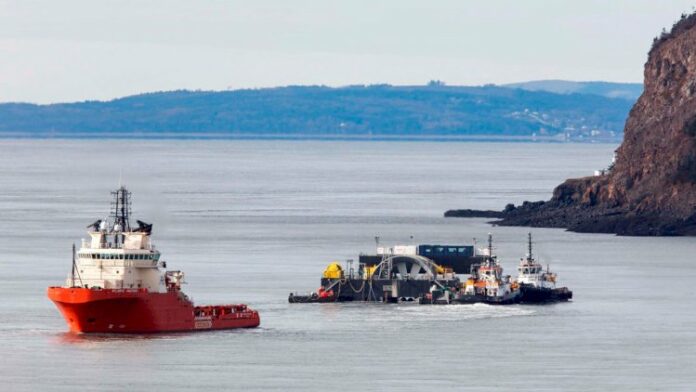
Nova Scotia’s Bay of Fundy is the place to be to develop tidal energy technology. An independent and competitive process will be used to attract a new tidal project to fill the vacant berth at the Fundy Ocean Research Centre for Energy (FORCE).

Government has hired a team from Power Advisory LLC led by John Dalton, an electricity policy consultant with more than 25 years of experience, to serve as procurement administrator for a call for proposals. The administrator will only consider proposals that include a private sector solution for the Cape Sharp turbine.

Energy and Mines Minister Derek Mombourquette said: 

“Around the world, companies recognize the value of proving their technologies in the Bay of Fundy and having a spot at Canada’s lead research facility for in-stream tidal technology. We have already seen significant interest in this berth and having a new developer in Nova Scotia will support new jobs, create opportunities for local businesses and build on our position as a leader in this clean energy industry.”

The procurement administrator will have the authority to issue a power purchase agreement and a licence, if there is a successful proposal. Project size will be limited to no more than four megawatts at a maximum rate of 53 cents per kilowatt hour. Companies will be required to have a minimum of $4.5 million in security to cover all costs associated with the Cape Sharp turbine and additional security will be required before any new device is deployed.

John Dalton, president, Power Advisory LLC, said:

"Renewable energy markets around the world are changing and growing at a rapid pace. Power Advisory has the expertise to navigate this evolving territory, and we’re excited to be working again with Nova Scotia to further its clean energy goals."

Tony Wright, general manager, FORCE, added:

"We’re glad to see the province taking action to both remove the existing turbine and make room for a new tidal device. This gets us closer to our goal of understanding if, and under what conditions, tidal stream energy can be successful in the Bay of Fundy."

Elisa Obermann, executive director, Marine Renewables Canada, commented:

"FORCE presents an optimal opportunity for in-stream tidal energy development. Attracting a new entrant supports industry’s strategy to demonstrate technology and project approaches that will drive costs down and advance the sector as a whole. It also creates new opportunities for the local supply chain to engage and benefit from tidal energy development."

Quick Facts:

  • the procurement process will begin soon and the results are expected by spring;
  • retrieval and disposal of the Cape Sharp turbine could happen in the second half of 2020;
  • the turbine continues to be monitored and does not present a risk to marine life or the environment.

Report: VR technology supports oil and gas plant simulation

0

Following the rapid adoption of virtual reality (VR) technology in consumer markets, the oil and gas industry is witnessing wide-scale deployment of this technology across its value chain, according to GlobalData, a leading data and analytics company.

The company’s latest thematic report, ‘Virtual Reality in Oil & Gas’, explores how VR is finding its way into upstream, midstream and downstream sectors with applications in the simulation of new processes, analysis of project designs, reviewing of maintenance requirements and planning disaster responses.

Ravindra Puranik, Oil and Gas Analyst at GlobalData, comments:

“Over time, this technology will transform oil and gas processes and workflows and help create new growth opportunities for organizations.”

VR provides an interactive experience for oil and gas processes within a simulated environment and presents a superior alternative to images, charts and schematics in the design and planning of different activities in the oil and gas sector. For example, if a team of geologists, geophysicists, drilling engineers and technicians are tasked with analyzing vast acres of seismic data in order to select a drilling location, a 3D model of the subsurface can be rendered using VR for observing the terrain, undulations and fractures in the geologic formation. It creates a virtual walkthrough of the subsurface that can guide decision-makers in the evaluation of the pros and cons of proceeding with drilling operations.

Puranik continues:

“VR and 3D simulations allow employees to interact with field equipment in a virtual world. Using the VR system, an employee can get hands-on training on different kinds of equipment and devices without affecting normal work routines. Furthermore, it is equipped to replicate a wide range of emergency situations that employees could potentially face in real-life while working onsite with heavy machinery, thus ensuring they are ready to deal with any unforeseen event.”

GlobalData identifies Baker Hughes, BP, Chevron, ConocoPhillips, Equinor, ExxonMobil, Gazprom, Halliburton, Shell, Saudi Aramco and Sinopec as among the leading adopters of VR technology in oil and gas operations.

The oil and gas industry faces a unique challenge as many of its facilities are in remote locations around the world. Inaccessible terrains and harsh weather conditions compel companies to incur significant costs to keep operations running in those facilities. VR has the potential to create virtual rigs using 3D simulation techniques to expose the workforce to the hazards of field operations in a cost-effective, yet risk-free way for the company. With advancements in VR technology, the cost to plug an expert into VR system has become more economical than sending them to the facility.

Puranik adds:

“Digital twin is emerging as a prominent use case for VR in oil and gas operations. This approach is focused on enhancing business processes through data visualization. VR-powered digital twins are helping operators create and fine-tune plant designs, processes, and workflows and monitoring operational performance to identify improvement opportunities.”