-6.7 C
New York
Home Blog Page 93

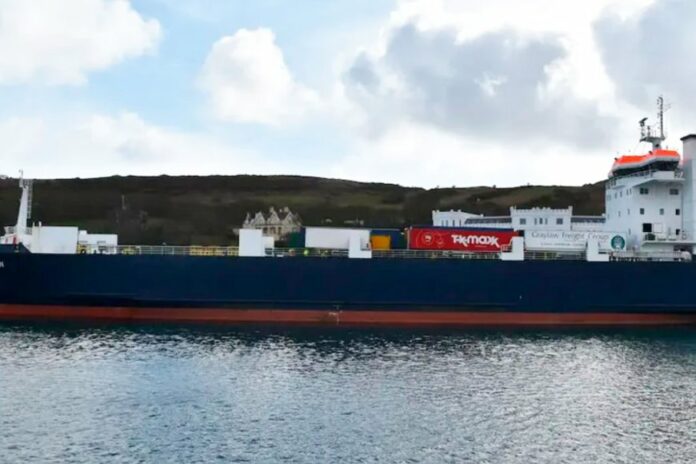
IOMSPC secures long term charter for Arrow

0

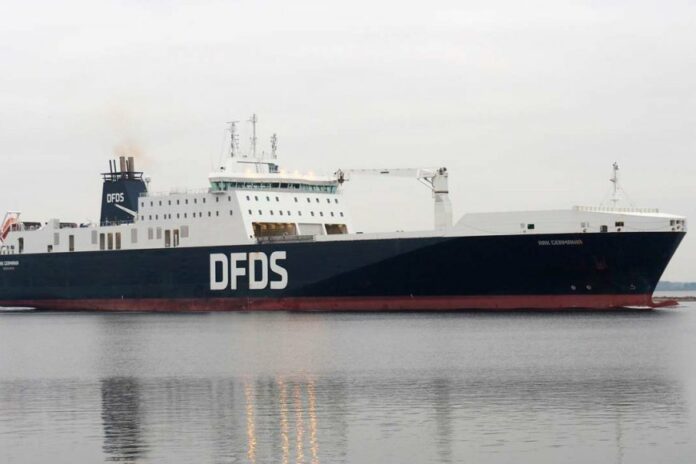
Arrow will operate in the Channel Islands, where it is already a familiar sight, for 12 months with international ferry operator DFDS. 

It is expected the vessel will predominantly operate on the Jersey to Portsmouth route. 

The charter arrangement will come into effect on 24th March. Arrow will undertake port trials and pilotage training before entering regular service. 

Arrow was purchased by IOMSPC in September 2022 from its previous owners in order to ensure compliance with the Sea Services Agreement prior to the arrival of new-build flagship Manxman in mid-2023. 

Under the terms of the Sea Services Agreement, once Manxman joined the fleet, conventional RoPax vessel Ben-my-Chree became the designated fleet back-up. 

Arrow will remain in Douglas until Ben-my-Chree’s current dry-dock period is completed, it will then proceed to Teeside for its own dry-docking before commencing work with DFDS.

Isle of Man Steam Packet Company Managing Director Brian Thomson commented, ‘We’re pleased to have secured a long term charter for Arrow with a renowned international operator such as DFDS. This gives us security while the future fleet strategy is agreed with our stakeholders.’  

IOMSPC will continue to operate its usual timetabled services with Manxman and Manannan (from March 28th, 2025) to Heysham, Liverpool, Belfast and Dublin. Ben-my-Chree will operate in a back-up role. 

DFDS awarded extended contract with Danish Defence

0

DFDS has entered an agreement with the Danish Defence to provide freight ferries for the transport of military equipment. 

The contract extends the scope of the current contract and starts in 2026, running for up to six years.

DFDS expands and extends its cooperation with the Danish Defence. Eight DFDS freight ferries (RoRo) are to be made available for the transport of military equipment and other commodities for military operations, missions, training exercises, humanitarian disaster relief situations and routine transports.

Under the contract, DFDS will ensure safe and efficient delivery of critical assets on the European continent to support security and defence operations, by leveraging its extensive fleet and freight transport capabilities. The ferries will be chartered and made available to the Danish Defence at short notice for the given period that the vessels will be needed.

The agreement is signed with Joint Movement and Transportation Organization (JMTO) and the ARK Project (ARK), and replaces the current contract agreed in 2020. JMTO is the strategic transport unit of the Danish Defence, while ARK is a cooperation between Germany and Denmark to secure access to strategic sea transport

“We are honoured to have been selected for this critical assignment, and I am proud that we will continue our longstanding cooperation with The Danish Defence and the ARK project. It shows the value of strong public-private partnerships that can foster resilience amid growing geopolitical tensions and rising economic uncertainty, and we look forward to contributing with our knowledge about transport and logistics,” says Torben Carlsen, CEO of DFDS.

The vessels include six named and two unnamed vessels. The latter will be chosen based on the specific operational needs of the Danish Defence in the given context. The vessels are equipped with special features such as enhanced manoeuvrability, ability to load dangerous goods and sufficient capacity for heavy vehicles.

DFDS has cooperated with the Danish Defence for many years, including support and cooperation with the ARK project since its start in 2003. DFDS vessels have contributed to numerous deployments for Denmark, Germany and other NATO allies.

GONDAN launches its first Uncrewed Surface Vessel

0

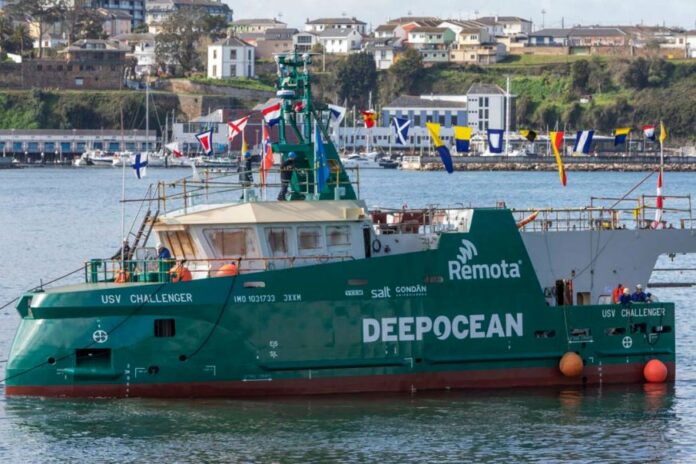
At the GONDAN shipyard in Figueras, Castropol, the launch of its first unmanned vessel has taken place. 

This vessel, designed by Salt Ship Design to carry out underwater maintenance and inspection missions, is 24 meters long and 7.5 meters wide and is equipped with a hybrid diesel-electric propulsion system with 500 kWh batteries. The vessel has a system of sensors, cameras and antennas on board that will allow it to carry out underwater inspection work such as the launch and recovery of underwater vehicles (WROV) capable of diving to a depth of 2000 meters in a completely remote way.

The Norwegian company Remota A/S, which specializes in remote operations and semi-autonomous maritime services for the offshore and marine industries, will provide the onshore Remote Operations Center (ROC), from where the operation of the vessel and the submarines it deploys will be controlled.

This new USV represents a significant technological advance that will enhance operational capabilities in maintenance and inspection work, offering high-performance solutions for missions in the marine environment and a reduction in C02 emissions of more than 90% compared to other conventional vessels.

Maersk names its 11th dual-fuel methanol vessel Albert Maersk in Mumbai

0

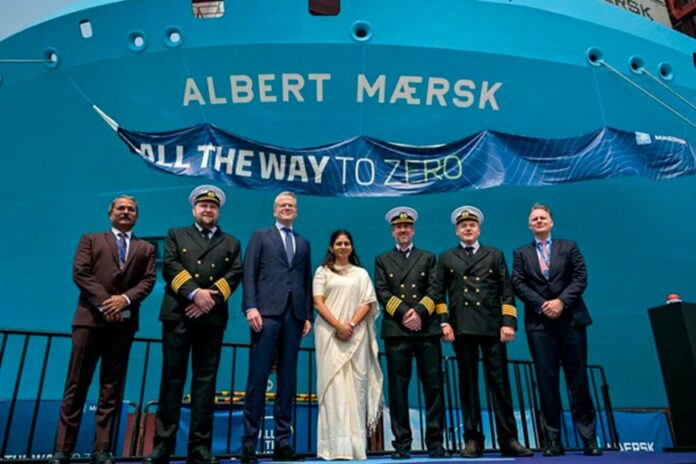
Maersk (Maersk) celebrated the name-giving of its newest dual-fuel methanol container vessel in Mumbai today as a part of the vessel’s maiden voyage to India. The vessel, named Albert Maersk, is the eleventh vessel in Maersk’s fleet capable of operating on methanol.

Vincent Clerc, CEO, A.P. Moller – Maersk, hosted the name-giving ceremony, which was attended by the Honourable Minister of Ports, Shipping and Waterways, Sarbananda Sonowal, the Honourable Minister of State for Youth Affairs and Sports, Raksha Khadse, diplomats, government authorities, customers, partners and Maersk employees.

Sarbananda Sonowal, Honourable Minister of Ports, Shipping and Waterways, said:

“It is a privilege for India to host the naming of this advanced dual-fuel vessel, a historic first for a foreign shipping company in our country. With the demand for green vessels rising, India has the potential to become a major producer and supplier of green methanol, ammonia, and hydrogen-based fuels. Maersk’s decision to focus on green fuel production in India is a welcome step that will accelerate our journey towards a sustainable maritime future. This vessel naming is more than just a tradition—it is a symbol of trust, collaboration, and a shared vision for the future. As India moves towards becoming a global maritime powerhouse, we welcome Maersk’s continued partnership in green shipping, green fuel production, and logistics.”

Vincent Clerc, CEO of A.P. Moller – Maersk, said:

“Maersk continues to take firm steps towards decarbonising shipping with the addition of one more dual-fuel vessel to its fleet. India is among the world’s fastest-growing major economies, with a thriving manufacturing sector, a booming e-commerce industry, and expanding exports. Shipping and logistics are high on India’s priorities, and Maersk looks forward to partnering with India on various aspects, such as exploring the potential sourcing of alternative fuels for low-emissions shipping and activities involving ship repairs and shipbuilding in the future that align well with the Indian Government’s ambitions to promote the shipping sector.”

Maersk contributes to this growing economy by facilitating the movement of one in every six containers imported or exported from the country and enabling global trade through its integrated logistics solutions. The company’s footprint in India includes two APM Terminals operations in Mumbai and Pipavav that facilitate the import and export of over three million containers every year, 26 warehouses spread across 350,000 sq. m., and a distribution network that reaches more than 80% of India’s pin codes.

On the backdrop of the name-giving ceremony, Maersk announced that the company sees an investment opportunity pipeline of about USD 5 billion in ports and terminals as well as landside infrastructure development in India.

Keith Svendsen, CEO of APM Terminals, said:

“We believe we can play a role in reducing the cost of logistics by ensuring that our customers access all their supply chain needs in one place – from all modes of transportation to port handling to warehousing and distribution. As APM Terminals, we are ready to invest more in developing ports with low emissions and great efficiency that will help businesses grow and connect India with the global markets.”

Russian missile attack on Ukraine damages civilian foreign vessel, casualties reported

0

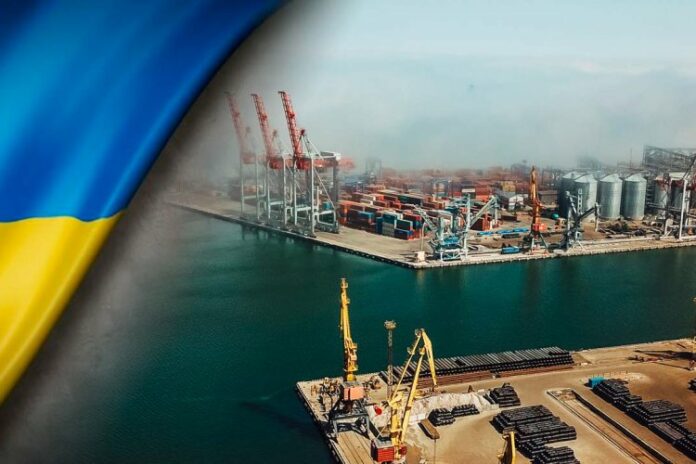
A Russian ballistic missile struck the Odesa port on the evening of March 1, damaging port infrastructure as well as a foreign civilian ship flying the flag of Panama, Odesa Oblast Governor Oleh Kiper reported.

Two port employees were injured as a results of the attack. No information was available as to the extent of their injuries.

The Swiss-owned container ship MSC LEVANTE F sailed into the port earlier in the day, local Odesa publication Dumska reported.

No information was immediately available as to what the vessel was carrying, or the extent of the damage.

Foreign vessels have previously been damaged in Russian attacks on the port. In October 2024, multiple ships had been damaged in separate attacks on the Odesa port.

President Volodymyr Zelensky said on Nov. 23 at the International Conference on Food Security in Kyiv that Russia has damaged 321 port infrastructure facilities, as well as 20 foreign merchant vessels since July 2023.

Traveling along the Black Sea route, ships are regularly at risk of being attacked by Russia. Since the beginning of the all-out war, mines have also been drifting along the trade route, which also poses a risk to maritime transport.

As a major grain producer, Ukraine exports about 6 million tons of grain per month through ports along the Black Sea.

Following an initial blockade at the start of Russia’s full-scale invasion, Russia unilaterally terminated the Black Sea grain deal last year forcing Kyiv to set up a new export route in the Black Sea.

Initially envisioned as a humanitarian corridor to allow the departure of ships stranded there since the start of the full-scale war, it has since grown into a full-blown trade route.

Source: Kyiv Independent

Norwegian fuel supplier refuses U.S. warships over Ukraine

0

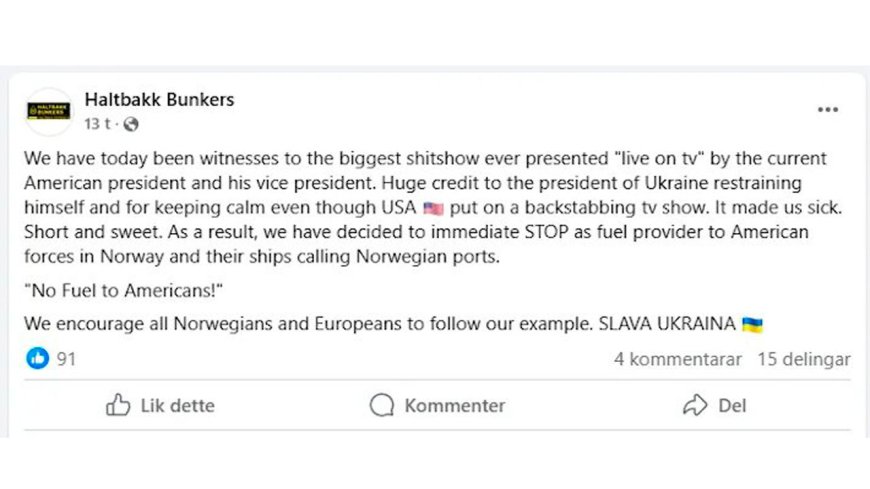
Norwegian fuel company Haltbakk Bunkers has announced it will cease supplying fuel to U.S. military forces in Norway and American ships docking in Norwegian ports, citing dissatisfaction with recent U.S. policy towards Ukraine.

In a strongly worded statement, the company criticised a televised event involving U.S. President Donald Trump and Vice President J.D. Vance, referring to it as the “biggest shitshow ever presented live on TV.”

Haltbakk Bunkers praised Ukrainian President Volodymyr Zelensky for his restraint, accusing the U.S. of “putting on a backstabbing TV show” and declaring that the spectacle “made us sick.”

As a result, the company stated: “We have decided to immediately STOP as fuel provider to American forces in Norway and their ships calling Norwegian ports. No Fuel to Americans!” Haltbakk Bunkers also urged Norwegians and Europeans to follow their lead, concluding their statement with the slogan “Slava Ukraina” in support of Ukraine.

Who is Haltbakk Bunkers?

Haltbakk Bunkers is a Norwegian fuel supplier that provides marine fuel for shipping and military operations. Based in Kristiansund, Norway, the company specialises in bunkering services for vessels operating in Norwegian waters, offering fuel logistics and distribution for both civilian and military customers.

Haltbakk Bunkers plays a significant role in Norway’s maritime industry, supplying fuel to vessels calling at Norwegian ports, including NATO and allied forces.

The decision to cut off the U.S. military could have logistical implications for American naval operations in the region. Norway is a key NATO member and frequently hosts U.S. and allied forces for joint exercises and Arctic defence operations.

This announcement raises questions about the broader European stance on U.S. policy towards Ukraine and whether other businesses or governments might take similar actions. It also highlights how private companies in Europe are responding independently to geopolitical developments.

The U.S. has not yet responded to the decision, and it remains to be seen whether this will affect fuel supply chains for American forces operating in Norway and the North Atlantic region.

Source: ukdefencejournal

Furetank has completed its first bunkering of 200 tonnes of ISCC certified Bio-LNG

0

Bio-LNG is a mass balanced product where biomethane of certified origins is purchased and injected into the gas grid, while the corresponding amount of gas is withdrawn from the grid and liquefied into Maritime fuel. 

The new regulation makes no distinction between mass balanced and off-grid produced biomethane. This opens up a new path for shipping in the transition to renewable energy, surpassing some of the hurdles of lack in biomethane supply and delivery infrastructure.

Furetank CEO Björn Stignor said:

“We used biomethane of the highest environmental standard available in the market. This transaction marks a milestone in our transition to clean fuels, while also supporting European agriculture and biogas production. Furetank has worked for several years with fuel suppliers and ports to realize larger-scale liquefied biogas deliveries on several European destinations. This is a very positive development.” 

STX Group and Molgas have collaborated to source, liquify and deliver the ISCC certified Bio-LNG, fully recognized under the EU Renewable Energy Directive (REDII). It is the first time that Molgas has delivered mass balanced Bio-LNG bunker to a Maritime customer in Norway.

Gunnar Helmen, Director Marine at Molgas Nordics, said:

“We see a growing demand and interest in Bio-LNG, as it is one of the few renewable fuel solutions currently available in shipping. For this operation, we collaborated to prove a mass-balanced biomethane delivery and certify the entire supply chain. This new option strengthens the competitiveness of biomethane as part of the green transition. We hope that public policy will further support renewable fuels, as we at Molgas are ready to provide it to our maritime customers.”

Gas propulsion benefits the replacement of fossil fuels, since the methane molecule is the same regardless of its origin, whereas liquid fuels have different physical properties. They can be blended to a limited extent and impose varying requirements on engines.

Environmental commodity trader STX Group sees the transaction as one of the first signs of a new fuel market being born.

Sead Keric, Managing Partner of Renewable Gas at STX Group, said:

“Bio-LNG is an efficient answer to FuelEU Maritime: a market-based regulation which rewards those who blend in biofuels and penalizes those who don’t. Together with the EU ETS it builds a business case for renewable fuels. This transaction is proof of how Bio-LNG can be a powerful tool when lowering emissions from the transport sector.”

Furetank recognizes Fuel EU Maritime as a positive incentive to reduce emissions from shipping, and now hopes that the IMO will implement a similar regulation for all member states for a globally equal maritime market.

Viktoria Höglund, Sustainability Strategist at Furetank, said:

“This bunkering is a major step on Furetank’s journey towards carbon neutrality. We are happy to take part in paving the way for larger volumes and easier access to biomethane as a maritime fuel. This is what we have long advocated for to policymakers: to raise environmental requirements and connect them to economic incentives. It brings competitive advantages for our energy efficient duel fuel Vinga vessels, already running on a cleaner fuel than conventional gasoil.”

Colombia obtains 69 areas for the first round of offshore wind energy

0

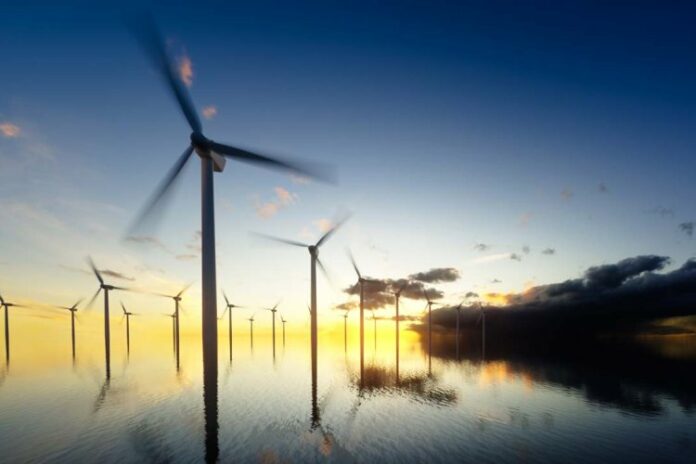
Colombia announced that it managed to obtain 69 areas for the first round of wind energy in the Colombian sea, an initiative led by the Ministry of Mines and Energy, the General Maritime Directorate (DIMAR) and the National Hydrocarbons Agency (ANH).

According to the Ministry of Mines and Energy, the deadline established for the nomination of areas ended on January 31, a procedure in which companies had the possibility of proposing various polygons to be evaluated and verified by the corresponding entities, and in this way define which areas are suitable for the presentation of offers.

It is worth mentioning that at the end of October of this year it was learned that among those interested in these offshore projects were: BlueFloat Energy from Spain, Copenhagen Infrastructure Partners from Denmark, Jan de Nul from Belgium, DEME from Belgium, Powerchina from China, China Three Gorges Corporation from China, Dyna Energy from the United Kingdom, Ecopetrol from Colombia and Celsia from Colombia.

However, not all of them were able to be approved, so the following remained: offshore wind farm Vientos Alisos, CI GMF II Cooperatief, Jan de Nul, Ecopetrol, PowerChina International Group Limited, CTG Colombia Holdings, Promesa de sociedad futuro OSW Colombia and Deme Celsia Offshore wind.

According to the information provided by the National Government, once the suitability of the proposals made by the interested companies is verified, the approved companies will be able to make offers on areas of their interest, with the option of awarding a maximum of two to each of them.

“From the Government of Change we work in an articulated manner to carry out the necessary analyses in order to verify that the nominated areas are suitable for bidding. This will allow those interested to define their strategies for the presentation of offers and guarantee that offshore wind energy materializes in the country and that the communities benefit from the entry of new energy sources, and thus continue to advance with the fair energy transition,” said Omar Andrés Camacho, Minister of Mines and Energy.

Under this premise, it is projected that, by the end of May of this year, the “Deposit of Offers” stage will be completed and the number of proposals competing for the areas of the process will be known.

It is worth noting that interested companies can submit offers on areas of up to 270 square kilometers, for projects with a minimum installed capacity of 200 megawatts (MW).

“The results of this first phase of the nomination stage of the process confirm the high level of interest generated by the renewable energy segment in Colombia, demonstrate the commitment of the private sector to the country’s energy transition and the development of clean and sustainable energy sources. Offshore wind energy represents a unique opportunity to diversify the country’s energy matrix, generate employment and mitigate the impact generated by climate change,” said Orlando Velandia Sepúlveda, president of the ANH.

Source: evwind

Port of Long Beach boosts green transformation

0

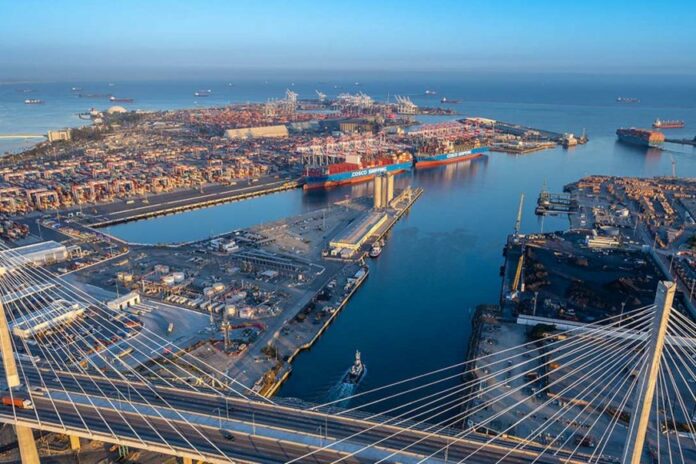
The Port of Long Beach is launching two new incentive programs totaling $57.4 million to accelerate emissions reductions by supporting the purchase of zero-emissions cargo-handling equipment and cleaner harbor craft.

The funding is part of the System-Wide Investment in Freight Transport (SWIFT), a pioneering initiative funded by the California State Transportation Agency’s Port and Freight Infrastructure Program. 

SWIFT is a transformative effort designed to support Port modernization, enhance goods movement efficiency and reduce environmental impacts on neighboring communities.

“This program is all about making strides in operational efficiency and sustainability, rapidly and responsibly,” said Port of Long Beach CEO Mario Cordero. “It is a reflection of not only our dedication to innovation but also our responsibility towards the community and the environment.”

“SWIFT is more than a program, it’s a promise to our community and to future generations,” Long Beach Harbor Commission President Bonnie Lowenthal said. “By accelerating the adoption of zero-emissions technologies, we are ensuring we provide immediate and lasting benefits to our Port and our neighboring communities.”

This round of funding is evenly split between the Zero-Emission Terminal Transformation and Harbor Craft Business Continuity and Emission Reduction programs. Details on the funding:
 
Zero-Emission Terminal Transformation Program: Allocates $28.7 million in incentives for purchasing zero-emission cargo handling equipment and battery-electric CHE charging equipment. All cargo handling equipment being tested must be manually operated.

SouthCoast Wind anticipates four-year delay for offshore wind farm

0

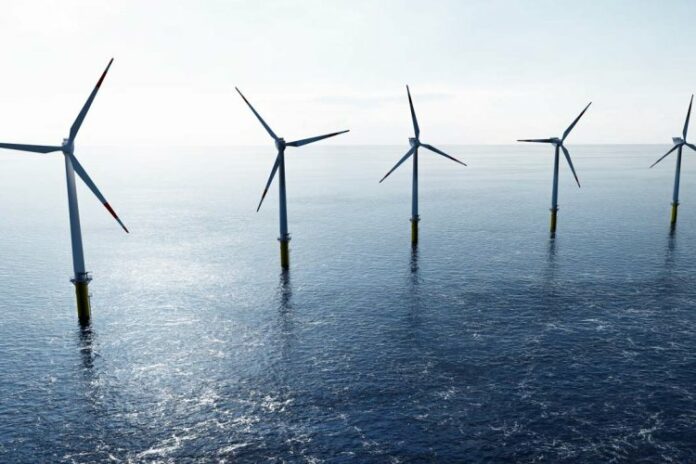
Officials behind the SouthCoast Wind project are no longer committing to start construction by the end of 2025, and it could be delayed until 2029 based on the uncertainty President Donald Trump has injected into the industry, the head of one of the 50-50 owners of the project said Wednesday.

“We had basically the project ready to go. Now, obviously given everything that’s come out over the last couple of weeks in terms of executive orders, and sort of them asking to also review the federal permits, we’ve decided to just be more prudent around the timing,” Miguel Stilwell d’Andrade, CEO of the Portuguese developer EDP Renewables, said in response to a question on an investor call. “Recognize that already in terms of [profit and loss] if we get a better scenario, then that would be great, but we’ve, let’s say, taken the more prudent four-year delay approach. [We] could have taken a two-year delay, but we took a four-year one. So we still have the project ready to go, and we’ll try to, say, manage that optionality.”

EDP Renewables and Engie, the other half of the OceanWinds joint venture, wrote down the value of their U.S. offshore wind projects by €267 million (or about $139 million each) based on the potential that SouthCoast Wind may not get underway until 2029. Stilwell d’Andrade called a four-year delay for SouthCoast Wind “a slightly worst case scenario,” and other project officials stressed that the financial reporting does not mean the project will definitely be delayed.

“The impairment decision is a precautionary measure based on a scenario of potential delays in its projects,” Michael Brown, CEO of OW North America, said in a statement. “Ocean Winds strongly believes in the potential of offshore wind to generate significant economic activity and provide abundant, domestic energy to meet rapidly growing demand in the U.S. and remains confident in finding a path forward in coordination with all relevant authorities in the upcoming months.”

The Executive Office of Energy and Environmental Affairs did not respond to a request for comment Thursday.

SouthCoast Wind’s bid document referred to the 1,287 megawatts pledged to Massachusetts and Rhode Island as a “fully bankable project ready to start construction in 2025” and project officials said they anticipated being able to deliver power in 2030. On its final business day, the Biden administration announced that it approved the project’s crucial construction and operations plan.

An executive order Trump signed last month essentially halted all federal offshore wind actions “pending the completion of a comprehensive federal review of federal wind leasing and permitting practices.”

Brown said the decision to write down U.S. wind assets shows Ocean Winds’ “commitment to maintaining transparency and financial discipline in a context where the impact of any changes in U.S. regulations, and specifically the Executive Order of 20 January 2025, is not yet known.”

Massachusetts in September selected 1,087 MW of the 1,287 MW SouthCoast Wind project, with the remaining 200 MW going to Rhode Island. The Bay State also chose to take the entire 791 MW New England Wind 1 project and up to 800 MW of the 1,200 MW Vineyard Wind 2 project at the same time, though the Vineyard Wind 2 project has been taken off the table.

Contracts are to be executed by March 31 and filed by May 9, though deadlines have repeatedly been extended. Project pricing information is expected to be made public when the contracts are filed.

Source: Nantucket Current