5.8 C
New York
Home Blog Page 893

Aker Solutions secures brownfield services contract in Brunei

0

Aker Solutions, in a joint venture with PTAS Sdn Bhd, has signed a five-year agreement to provide offshore maintenance and modification services to Brunei Shell Petroleum (BSP).

Scope of work covers maintenance and upgrades to maintain production levels for more than 200 offshore assets.

The name of the new entity is PTAS Aker Solutions Sdn Bhd. The joint venture will ensure continuity of delivery to BSP and has a strong local execution capability, combined with the full value of Aker Solutions’ international expertise. The work will be managed from PTAS Aker Solutions Sdn Bhd’s office in Kuala Belait, Brunei Darussalam.

Luis Araujo, chief executive officer of Aker Solutions, said:

“We are pleased to continue our work for Brunei Shell Petroleum and look forward to help extend the lifetime of the offshore installations in the South China Sea.”

Since Aker Solutions secured the Offshore Reliability Maintenance and Construction contract for Brunei Shell Petroleum in 2012, the company has continuously improved the service delivery and introduced new working methods and technology to Brunei Shell Petroleum. Achievements include a strong HSSE performance, increasing local content by training a local workforce and setting up a fabrication yard that was handed over to a local company. At the same time, the productivity of offshore crew rose.

Aker Solutions currently employs more than 340 people in Brunei and manages 2,300 though local subcontractors.

As a result of the contract award, Aker Solutions will book order intake of about NOK 4 billion in the first quarter of 2020, in line with the company’s announcement from January 15, 2020.

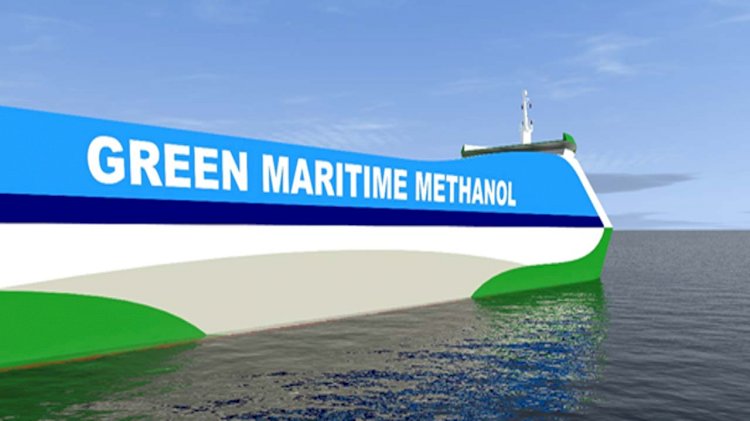
Green Maritime Methanol consortium starts engine test programme

0

The Green Maritime Methanol consortium studies the possibilities for renewable Methanol as a maritime transport fuel. Green Methanol is an important candidate as a future fuel for the shipping industry. It is widely available, can be produced in a sustainable way, is easily stored on board of ships and can be burned in engines with minor modifications.

Within the Green Maritime Methanol project a new milestone has been achieved, the successful start of the engine test programme on 100% methanol. New tests are being planned and two important new partners have joined the consortium recently. 

In January 2020 Pon Power started its engine testing programme with a Caterpillar 3508 spark ignited high speed gas engine. With customised cylinder heads and a customised engine control management system the engine operated on 100% methanol as a fuel. The tests were performed successfully and the test setup enables the researchers to study questions with regard to optimisation of ignition timing, lubricating requirements, emissions of e.g. CO2 and NOx. In the coming months Pon Power and the Netherlands’ Defence Academy will continue to perform more engine tests on this Caterpillar 3508 engine.

The Netherlands’ Defence Academy (NLDA) is also preparing a test programme for their MAN engine (type4L20/27). These tests include methanol injection direct in the cylinder blended with diesel which acts as pilot fuel for igniting the mixture. The tests are planned to include both a mixture stabilised by an emulsifier and a mixture blended mechanically. In the longer run also tests are planned with methanol intake via the air inlet and ignition using diesel injected direct in the cylinder. The behaviour of several diesel, methanol and emulsifier compositions is currently being studied in collaboration with TNO Eindhoven and the Netherlands’ Navy Chemical Laboratory in Den Helder. At a later stage tests are planned with methanol intake via the air inlet and ignition using diesel directly injected into the cylinder. During 2020 more engine tests will be executed, providing essential data for several future ship designs and propulsion trains on board.

The consortium has recently extended its membership with the addition of two leading organisations; Rijksrederij and Ghent University.
Rijksrederij is the Dutch governmental organisation responsible for the management, manning and maintenance of more than 100 specialised vessels. The fleet provides e.g. services for Customs, Coast Guard, Fisheries Research and the Ministry of Infrastructure and Water Management. Rijksrederij resides under the Directorate- General for Public Works and Water Management. University of Gent is one of the early movers in the research for methanol as a transport fuel for shipping. In the European LeanShips project Ghent University converted a Volvo Penta D7C-B-TA high speed diesel engine for Dual Fuel operation on both methanol and diesel. To lower the threshold of adopting this technology, the converted engine also maintained 100% diesel capability.

Green Maritime Methanol now has a list of partners which includes: Arklow Shipping, Bio MCN, Royal Boskalis, Bureau Veritas, C-Job Naval Architects, Damen Shipyards, Defence Material Organisation, DEME, Feadship, Helm Proman, Royal IHC, the Netherlands Defence Academy (NLDA), Royal Association of Netherlands’ Shipowners (KVNR), Lloyds Register, MARIN, Marine Service Noord (MSN), Maritime Knowledge Centre (MKC), Methanol Institute, MTU, Pon Power, Port of Amsterdam, Port of Rotterdam, Ministry of Infrastructure and Water management (Rijksrederij), TNO, TU Delft, Ghent University, Van Oord, Netherlands Association of Importers of Combustion Engines (VIV), Royal Wagenborg and Wärtsilä.

First Decarbonising Shipping programme for Asian start-ups

0

Inmarsat takes founding role in first Decarbonising Shipping programme for Asian start-ups

Inmarsat, the world leader in global mobile satellite communications, is a founding member of Asia’s first ‘Decarbonising Shipping’ initiative to harness the power of start-ups to meet UN targets on greenhouse gas emissions, which launched earlier this month.

The regional initiative, based in Singapore, is part of the Trade & Transport Impact (TTI) programme from venture development firm Rainmaking to bring startups together with backers with maritime experience and expertise. Inmarsat joined the first two cycles of TTI, held in Europe in 2019, which scouted 1,200+ start-ups and led to 24 collaboration projects.

Backed by the Maritime & Port Authority of Singapore, the new initiative is expected to identify 1,000+ projects offering models to tackle decarbonisation, with selected start-ups to be matched with maritime industry leaders willing to build collaborative pilot projects. Alongside Inmarsat, other confirmed partners include Cargill, DNV GL, Hafnia, MC Shipping Inc., Vale and Wilhelmsen.

Ronald Spithout, President, Inmarsat Maritime, says:

“This is a list of organisations whose significance for the maritime industry speaks for itself. Shipping and its customers are demanding solutions and technology to address the decarbonisation targets set by regulators and this is where startups and market disruptors come in.”

The International Maritime Organization is targeting a 50% cut of greenhouse gas (GHG) emissions from ships by 2050, and average carbon intensity (CO2 per tonne-mile) reductions of 40% by 2030 and 70% by 2050 compared to 2008 figures.

Inmarsat’s recent research report ‘Trade 2.0: How Startups are driving the next generation of maritime trade’, predicted the value of Ship Technology (ShipTech) rising from $106bn to US$278bn by 2030 driven in part by innovators and disruptors providing solutions that will help monitor and cut emissions.

Inmarsat’s Spithout adds:

“Despite the hard targets and willingness to invest, nobody actually knows how to meet the challenges. TTI in Europe in 2019 showed how effectively this programme identifies start-ups that can make a difference and joins them up with the maritime leaders that make things happen. This is an initiative focused on action, rather than words.”

Michael Pomerleau, Partner and Investor at Rainmaking, comments:

“In tackling the decarbonisation agenda, we will bring together disruptive start-ups and entrepreneurs with the scale, capability and reach of global industry giants, in order to create game-changing collaborations. Through these partnerships, we aim to test and validate thousands of solutions with exponential impact and scale them on within an extremely short horizon during the programme.”

In the last year, Inmarsat has launched its own IoT platform – Fleet Data – and its own dedicated bandwidth service – Fleet Connect – and has continued to develop its Certified Application Provider (CAP) programme which now has over 20 certified providers including ABB, NAPA, Hyundai Global services and Nautilus Labs.

As part of the programme, Inmarsat will provide a unique and fast-tracked opportunity to selected companies to become a Certified Application Provider allowing the selected startup to accelerate the scale-up of their application through extended outreach and removing the need for their own solution-specific hardware.

Incat Crowther 17 Holistic Solution for marine parks patrol operation

0

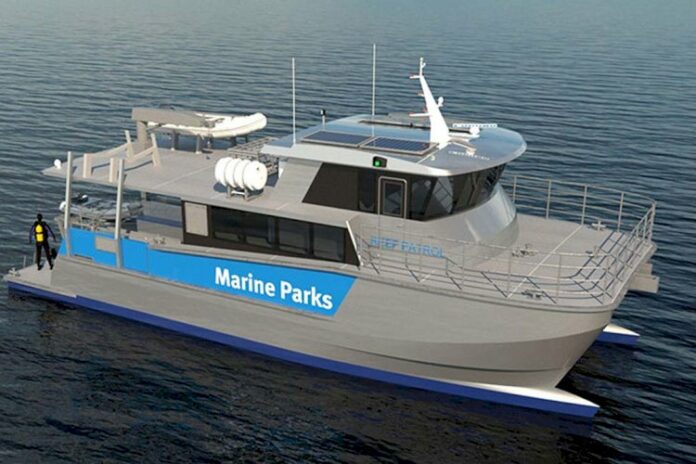
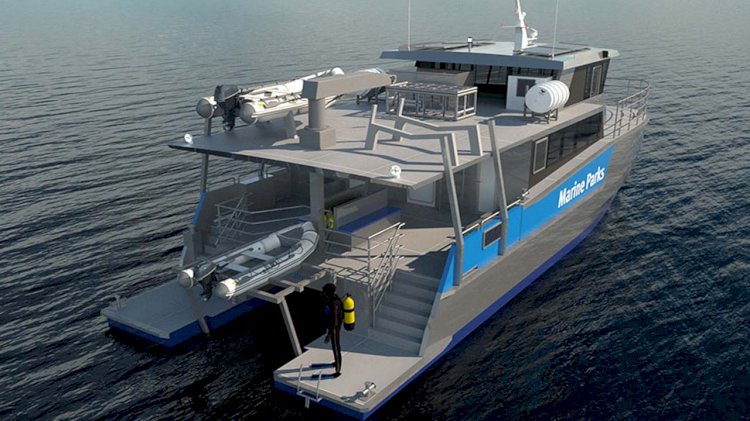
Incat Crowther has been chosen to design an Aluminium Patrol Vessel for Queensland’s Department of Environment and Science.

The Incat Crowther 17 was developed in a conceptual design process specifically to meet multiple operational requirements and roles. The design was put to construction tender and Norman R Wright and Sons have been selected to build the vessel.

Incat Crowther was selected for the project based on specific criteria to deliver a high service delivery capacity for the operation. This requires excellent seakeeping, reliable cruise speed, low fuel consumption, reliability, ease of maintenance, good product support, aesthetics and value for money.

The new vessel for the Great Barrier Reef Field Management Program will perform a range of tasks including; marine protected area management, island national park management, compliance operations, incident response, diving operations, mooring maintenance and research. The vessel will operate throughout the Queensland Coast and Great Barrier Reef waters to the extent of the Exclusive Economic Zone. Much of this vessels work will be in remote areas of the Great Barrier Reef.

The hull has been specifically designed for the demanding operation. The hull form features a new-generation Z-Bow, large reserve buoyancy and a nacelle to combat rough seas from south-east trade winds. The development process included operational experience from the existing fleet and computational fluid dynamics (CFD) to optimize the new solution. The performance was independently verified by rigorous speed and seakeeping tests at the Australian Maritime College’s (AMC) facilities.

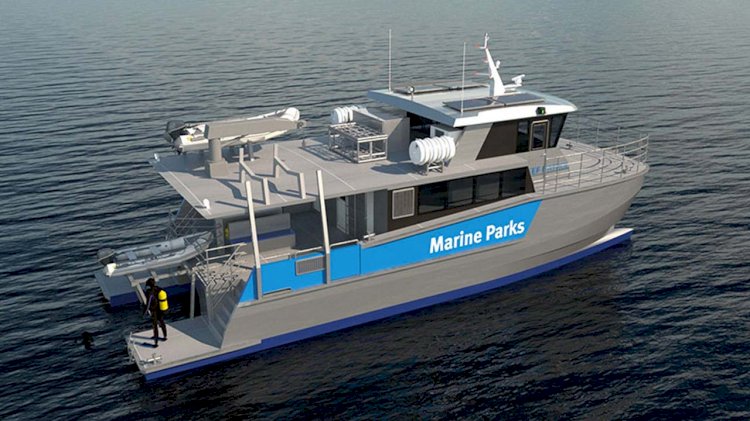
The vessel makes the most of the platform size, which is specific to fit its home port berth. The main deck is dominated by an aft working deck with a quick launch and recovery system for a 3.4m RHIB, dive racks, deck winches, BBQ area, a sink and multiple deck lashing points.

Inside the main deck cabin is a wet room, mess, full size galley and chest freezer. The elevated wheelhouse accommodates the captain’s bunk, whilst side doors provide direct access to the foredeck. Under this wheelhouse are a pair of twin cabins. Under the main deck cabin is a pair of single cabins.

The roof includes ample cargo area suitable for up to two 4.5m RHIBs, a deck crane and multiple storage boxes, topping off a highly flexible and functional vessel. A deck crane allows the loading of cargo onto the roof, as well as answering the call for both on-board RHIBs to be launched and recovered easily and safely.

Energy efficiency is aided by roof mounted solar panels to maximize use of available renewable energy and reduce environmental impact.

The construction of the vessel by Norman R Wright and Sons will include high quality materials that minimize weight, whilst ensuring high strength, robustness, and low maintenance. This allows the Incat Crowther 17 to maintain good efficiency whilst packing a high level of capability for the size.

The vessel will be powered by twin MAN i6-850 main engines driving fixed-pitch propellers through ZF V-drive gearboxes. She will have a service speed of 20 knots. The vessel is designed to be autonomous for up to 10 days at sea with a 500 nautical mile range.

Incat Crowther’s holistic approach to the design solution, and Norman R Wright and Sons quality of construction will deliver a safe, reliable, effective and efficient vessel to serve the Great Barrier Reef World Heritage Area.

Innovative gate rudder technology lowers fuel consumption

0

The technology group Wärtsilä, with the consent of all joint Japanese patent holders developing gate rudder technology, has announced the signing of a Licence and Co-operation Agreement with Kuribayashi Steamship Co for future development, sales and servicing of the gate rudders.

In addition to Kuribayashi Steamship Co, the other patent holders are Kamome Propeller, the National Institute of Maritime, Port and Aviation Technology (NIMPAT, Japan), Yamanaka Shipbuilding, and Professor Noriyuki Sasaki. As an authorised license holder and partner, Wärtsilä intends to fully integrate gate rudders within its propulsion product designs and focus on global markets outside Japan. The agreement was signed on 28 February 2020.

By offering gate rudders as an integral part of Wärtsilä’s propulsion offerings for newbuild vessels, compliance with the Energy Efficiency Design Index (EEDI) will be further facilitated. The technology is available for both new build and existing vessels. As an integral part of the design, it will realise synergies in capital and operational savings for ship owners by increasing fuel efficiency, improving manoeuvrability and course stability in both calm and rough sea conditions, while also reducing noise and vibration.

This new collaborative partnership will accelerate the deployment of gate rudder systems across all vessel classes. By combining Wärtsilä’s propulsion and machinery integration expertise with the Japanese patent holders’ gate rudder technology and know-how, this new technology will become accessible throughout the marine sector, with ship owners benefiting from the technology concepts.

Speaking on the agreement, Lars Anderson, Director, Propulsion, Wärtsilä Marine, said:

“At Wärtsilä we are doing our outmost to support our customers as they look for new technologies to reduce operating costs and improve the environmental sustainability of their operations. We see great potential in this gate rudder technology collaboration. Today’s agreement enables us to support the building of better and more sustainable vessels already today, and Kuribayashi Steamship and the Japanese patent holders are the ideal partners to help us realise this goal.”

Sadatomo Kuribayashi, Chairman of Kuribayashi Steamship Co. Ltd., added:

“Today’s agreement with Wärtsilä is a major step forward in introducing gate rudder technology to the global market, and it helps the shipping industry’s initiatives for sustainable shipping and reduced operating costs. An innovative approach has been taken in creating this new solution for the maritime industry. The first evaluations of vessel performance on Japanese coastal vessels have shown a significant improvement in efficiency and manoeuvrability. We see Wärtsilä, with a strong global presence, and sharing the same commitment for developing cleaner, more sustainable, and efficient marine shipping, as being the ideal partner.”

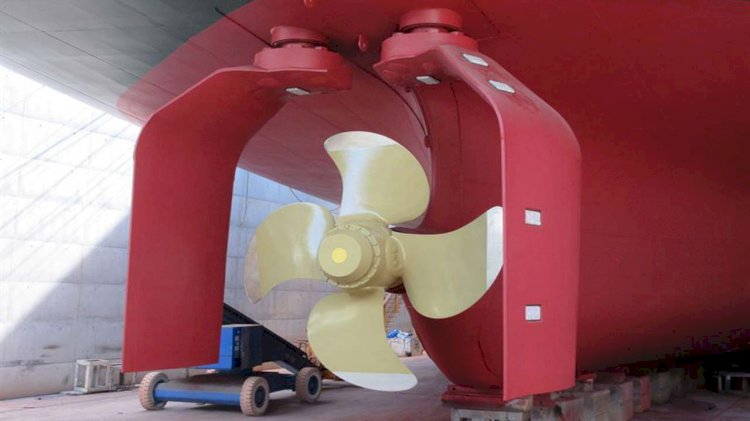
Instead of the traditional rudder arrangement in the propeller slipstream, the gate rudder is a twin arrangement around the propeller, allowing improved fuel efficiency and reduced emissions. The concept is applicable to all current vessels equipped with conventional propellers.

Expecting faster ramp-up to higher plateau production on Johan Sverdrup

0

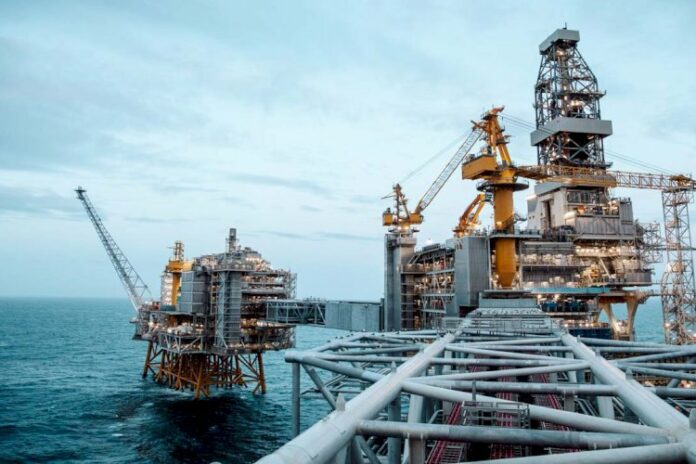
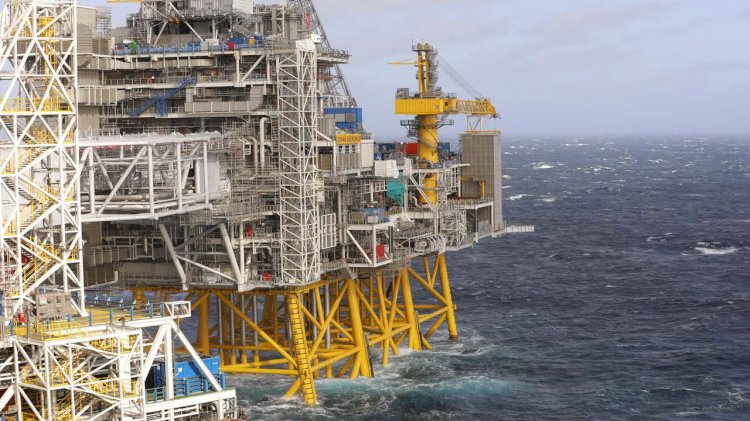
The North Sea Johan Sverdrup field expects to reach plateau production for the first phase in early May, earlier than anticipated. Due to higher plant capacity, plateau production will increase from around 440,000 barrels of oil per day to around 470,000 barrels per day.

Plateau production was previously expected to be reached during the summer. At the end of March, daily production had already exceeded 430,000 barrels of oil.

Arne Sigve Nylund, Equinor’s executive vice president for Development and Production Norway, says:

“Johan Sverdrup is an important project to the companies, the industry and society at large. The project was sanctioned during the oil price fall in 2015 and resulted in important activity to the supplier industry in a demanding period. With low operating costs Johan Sverdrup provides revenue and cashflow to the companies and Norwegian society at large in a period affected by the coronavirus and a major drop in the oil price. In today’s situation, cooperation between operators, suppliers and authorities is more important than ever to maintain activity and value creation.”

Rune Nedregaard, vice president for Johan Sverdrup operations, says:

“Field production has been very good and stable from day one, and the wells have produced even better than expected. We are currently completing the tenth well. This work is progressing smoothly, helping reach higher production earlier than expected. We also expect to increase plant capacity, allowing plateau production to increase from the previously expected 440,000 barrels to around 470,000 barrels of oil per day.”

The Johan Sverdrup field came on stream on 5 October last year, more than two months ahead of the original schedule and NOK 40 billion below the original estimate for development and operation (PDO August 2015).

The break-even price for the full-field development is below USD 20 per barrel, and expected operating costs are below USD 2 per barrel.

Nedregaard says:

“Johan Sverdrup has very low production costs, contributing with a strong cashflow also in periods with low prices, as we experienc.”

At plateau in phase 2 the field will produce 690,000 barrels of oil per day. Expected recoverable reserves in the field are 2.7 billion barrels of oil equivalent. Our ambition for the field is to achieve a recovery factor of more than 70 per cent.

Nedregaard says:

“We are working systematically with our partners to increase value creation from the field and ensure an optimal recovery factor.”

AAM to complete construction of the first hydrogen fuel cell vessel in the U.S

0

All American Marine to Complete Construction of the First Hydrogen Fuel Cell Vessel in the U.S.

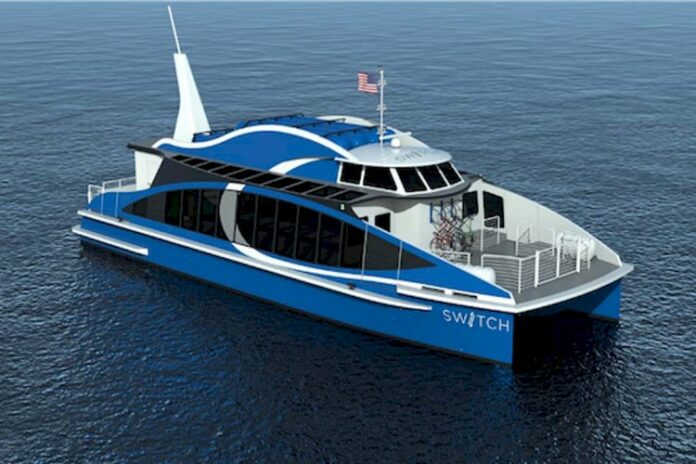
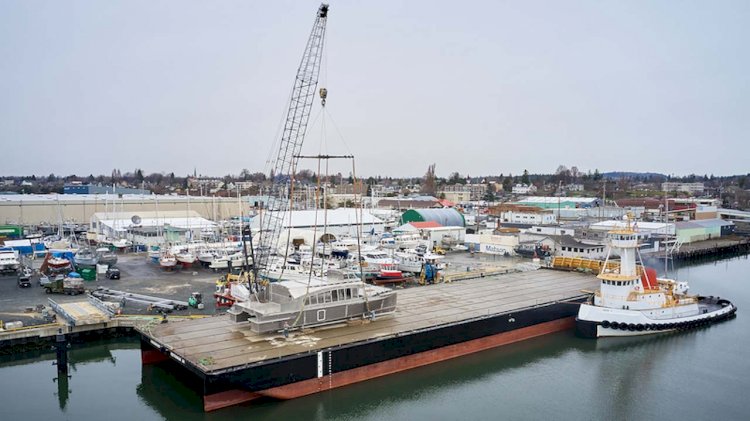
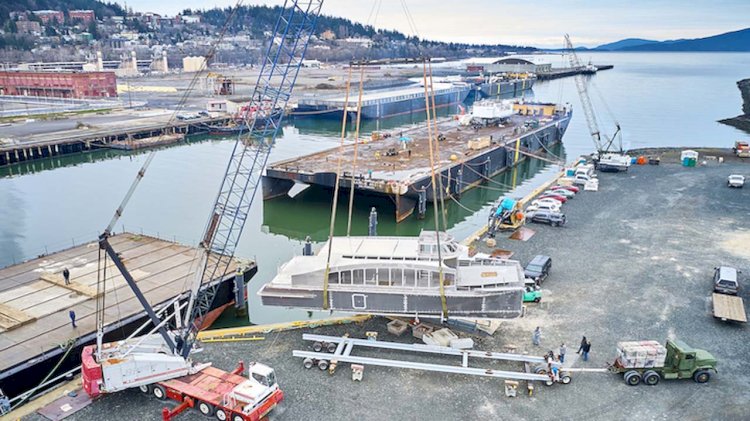
All American Marine, Inc. (AAM) has been awarded a contract by SWITCH Maritime (SW/TCH) to complete the aluminum construction and outfitting of a 70’ 84-passenger zero-emissions, hydrogen-powered, electric drive (“e-ferry”) that will operate in the California Bay Area (referred to as the ‘Water-Go-Round’ project).  Prior to transfer to AAM, the project had begun at Bay Ship & Yacht shipyard in Alameda, CA where the aluminum hull and superstructure had been started. This is the first hydrogen fuel cell vessel in the US, representing a monumental step in the maritime industry’s transition to a sustainable future. The e-ferry is being developed to demonstrate a pathway to commercialization for zero-emission hydrogen fuel cell marine technologies. The e-ferry will exhibit the viability of this marine technology for the commercial and regulatory community.  

AAM is a leading builder of hybrid-electric vessels in the United States and was chosen to complete this project because of their experience building unique, high-quality vessels. All American Marine’s new shipyard has an expanded capacity and production capabilities for additional, larger and more complex vessels. The construction of this vessel further exemplifies All American’s position as the technological leader in the North American marketplace, and their commitment to manufacturing cutting edge, innovative and custom vessels.  

Matt Mullett, AAM President & CEO, said:

“Having demonstrated our capabilities by delivering a number of state-of-the-art vessels over the years, AAM was the ideal candidate to complete this vessel. We believe that hydrogen fuel cell technology will prove to be a robust alternative to conventional powertrain technologies. AAM is on the leading edge of manufacturing unique vessels with advanced propulsion methods, which is why we are so excited to be a part of this project to complete construction on such a revolutionary vessel.” 

The project is funded by private capital from SW/TCH, an impact investment platform building the first fleet of zero-emissions maritime vessels.  SW/TCH’s mission-driven platform seeks to work with existing ferry operators around the country to provide capital to accelerate their transition to zero emissions, leveraging significant experience from the build of this e-ferry. This project is also partially funded by a $3 million grant from the California Air Resources Board, administered by the Bay Area Air Quality Management District, that comes from the California Climate Investments initiative, a California statewide program that puts billions of Cap-and-Trade dollars to work to reduce greenhouse gas emissions, strengthen the economy, and improve public health and the environment – particularly in disadvantaged communities.  

Golden Gate Zero Emission Marine is the provider of the hydrogen fuel cell power package and also serves as technical and regulatory consultants on the project.  The vessel will use an onboard set of fuel cells arranged in compact stacks, similar to battery racks, which allows the onboard space to be used efficiently. The fuel cells turn hydrogen into electricity by injecting hydrogen on one side and by supplying compressed ambient air on the other side of a proton exchange membrane (PEM fuel cell). The hydrogen fuel storage is connected to the fuel cell powertrain, creating electricity to run the propulsion motors and turning the twin fixed-pitch propellers.

Fuel cell systems afford the same operational flexibility as diesel with zero emissions and less maintenance. Hydrogen is the simplest element consisting of only one proton and one electron and is extremely high in energy. Hydrogen as a fuel source is similar to natural gas but does not contain carbon. Hydrogen fuel cells directly convert hydrogen to power with zero emissions. Hydrogen has been around for decades as a commodity with a proven track record for handling and safe usage in countless commercial and industrial applications. The only byproducts of a fuel cell reaction are electricity and water that is clean enough to drink. 

Stena Bulk performs a test running an MR tanker on 100% biofuel

0

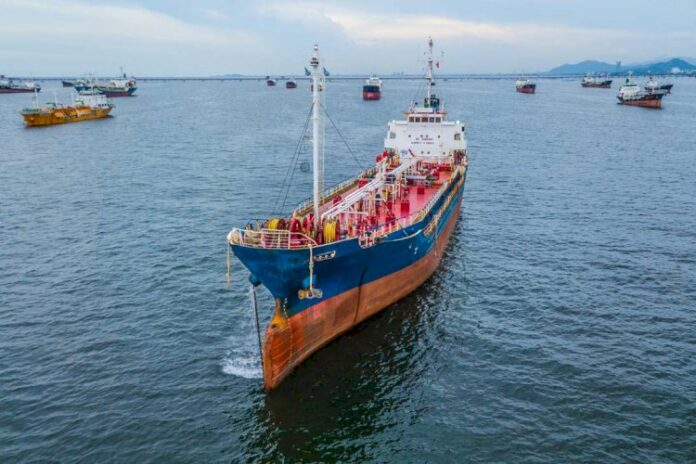
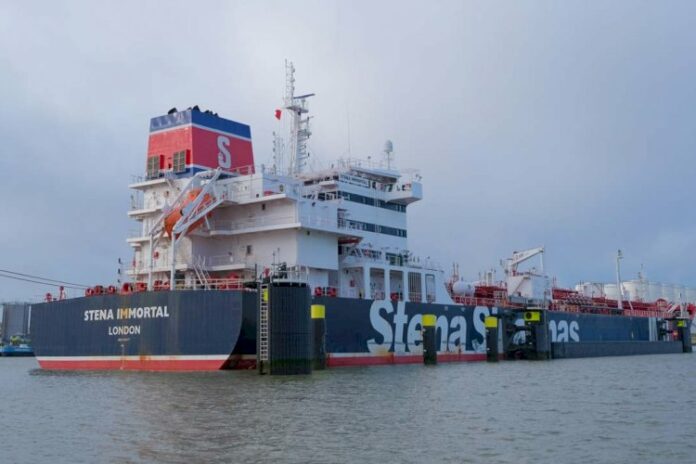
During the coming weeks Stena Bulk will perform a test running an MR tanker on 100% biofuel.

The fuel is the MR1-100 bio-fuel oil, produced from used cooking oil and supplied by GoodFuels in Rotterdam, the Netherlands. It has been bunkered onto the Stena Immortal and will be used to power the main engine in normal operations to test and prove the technical and operational feasibility. 

Erik Hånell, President and CEO Stena Bulk, says:

“By doing this test we want to contribute to push the industry and pave way towards more sustainable shipping. We want to be able to offer our customers additional options with less environmental impact in the future and by conducting the trial in normal operations we want to show that being sustainable doesn´t have to interfere with core business.” 

Biofuels are compatible with regular fuels but produced from biomass or biowaste instead of fossil oil. While there are many kinds of biofuel Stena Bulk is only using 2nd generation fuel, meaning they are based on waste and thereby do not compete with food production. In this case the fuel is made from used cooking oil. 

The reduction of CO2 by using this particular biofuel is around 83%. In this trial we will reduce the emissions with 690 mt. These figures are from a life cycle perspective, i.e. including production and distribution of the fuel. Apart from contributing to a large reduction in greenhouse gas emissions the fuel also emits significantly lower levels of SOX than regular compliant fuels. 

RS Aqua launches WaveRadar REX2

0

RS Aqua has announced the launch of its next generation WaveRadar.

The WaveRadar REX2 has been in development for several years to ensure that it meets the high standards for performance set by its predecessor, the WaveRadar REX, which has close to 1,000 offshore installations to date. The WaveRadar REX2 is half the size and weight of the legacy REX, consumes 10 times less power, and has 25% greater range whilst maintaining its accuracy.

The WaveRadar REX2 is powered by a new Emerson microwave sensor, using the same proven Frequency Modulated Continuous Wave (FMCW) measurement technique that has been perfected by the WaveRadar REX over the past 20 years. This new higher frequency sampling unit enables a greater measurement range of up to 80 m, and the same exceptionally high accuracy over this distance (3 – 6 mm, dependent on range).

Every WaveRadar REX2 will be supplied with a brand new, intuitive configuration software package called WaveConfigurator. This will enable system set up and diagnostic monitoring by end users in the field, providing more flexibility and control over the sensor to better meet different requirements.

Unlike its predecessor, the WaveRadar REX2 incorporates an LCD screen for instantaneous sensor measurement display, as well as status and health data. It has a complete stainless-steel and Polytetrafluoroethylene (PTFE) external construction, making it virtually maintenance-free, and highly resistant to corrosion or extremes of temperature or humidity.

The WaveRadar REX2 is fully backwards compatible with all existing REX installations. It includes a new suite of hazardous zone certifications, facilitating global installations in almost any offshore or other hazardous location. Further, the WaveRadar REX2 will have fewer import and export restrictions than any other microwave radar sensor on the market.

Oceaneering wins FLNG Contract

0

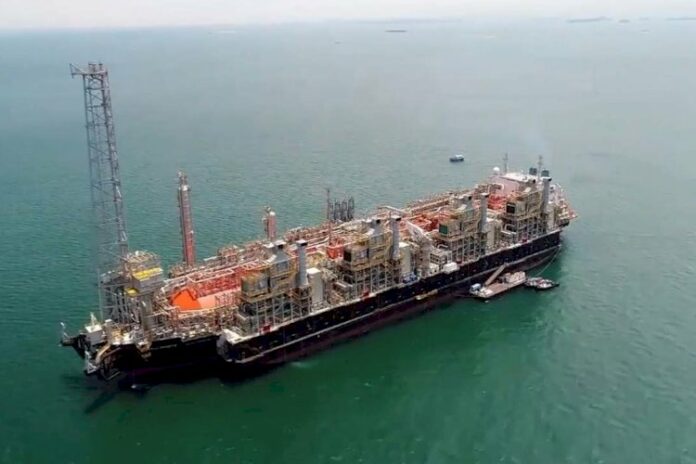
Oceaneering International, Inc. (Oceaneering) has been awarded a contract by Golar LNG for a FLNG vessel maintenance build, and inspection and maintenance program.

The scope of work – commencing in January 2020 – will include an asset register build, a full maintenance build program, a risk-based inspection assessment, and the development of a corrosion management strategy. Oceaneering will add valuable insight through thorough forensic maintenance and inspection planning, detailed technical reviews, and the identification of schedule improvements. This will be integrated into a single management system to ensure a holistic, cohesive approach for optimal asset reliability.

Helen West, Integrity Director at Oceaneering, said:

“FLNG offers an economical alternative to large, onshore LNG assets, but these benefits can only be attained if production uptime and reliability are optimized. By delivering a fully integrated maintenance and risk-based integrity program that determines optimized inspection activities, we ensure enhanced reliability; future proofing it with rightsized maintenance plans and efficient inspection enactment.

We’re thrilled to be working with Golar, a new customer that shares our forward-thinking views around integrity management. In partnership, we aim to showcase a new and improved way of delivering maintenance management and inspection services to the global LNG market.”

The comprehensive maintenance and inspection scope will be managed collaboratively from Oceaneering’s Norway and U.K. asset integrity hubs.

Oceaneering’s asset integrity business delivers integrity, analytics, maintenance and risk management, conventional and advanced non-destructive testing (NDT) and specialist inspection solutions. The team includes 2,100 technically focused people, servicing customers from 24 global locations.