3 C
New York
Home Blog Page 869

12 start-ups awarded S$600,000 to bring innovative solutions to maritime market

0

The Maritime and Port Authority of Singapore (MPA) and NUS Enterprise, the entrepreneurial arm of the National University of Singapore (NUS), today announced that 12 start-ups from Port Innovation Ecosystem Reimagined @ BLOCK71 (PIER71)’s Smart Port Challenge (SPC) 2019 have each been awarded S$50,000 in grant funding from MPA. The funding will enable the start-ups to conduct prototype development and test-bed their near market-ready solutions.

Over the next 12 months, the start-ups will be working on pilot projects in collaboration with PIER71’s maritime corporate partners, who will provide subject matter expertise, test data, as well as a platform to test-bed their solutions. Their grant applications were assessed based on the viability of their solutions in addressing maritime challenges. Focusing on technologies such as artificial intelligence, virtual and augmented reality (V/AR), blockchain, robotics and wearables, these start-ups are:

  • ABEJA
  • ASA Development
  • C-LOG
  • Cerekon
  • Dravam
  • Kanda
  • KoiReader Technologies
  • Marified
  • Megapixel
  • Newton Services Research (local entity of Delvify)
  • Performance Rotors
  • Tropical Renewable Energy Engineering (TREE)

Upon the successful completion of the projects, the maritime corporates will be adopting the final products/solutions. Mr Ron Fong, Regional IT Manager of Teekay said:

“The use of Kanda’s VR solution to simulate a safety procedure known as Lock Out Tag Out, will allow our crew to undergo training in a virtual tanker which is essentially a digital twin of the one they work on, without endangering their lives or damaging any equipment. We’re also working with Cerekon to explore a remote support system, that will enable our onboard engineers to use voice-activated head-mounted wearables to safely and more efficiently conduct equipment maintenance.”

Ms Quah Ley Hoon, Chief Executive of MPA, said:

“Although the global COVID-19 situation has caused widespread disruption, we push ahead with innovation in the maritime sector. Singapore continues to support the use of emerging technologies to transform the maritime industry, uplift the way companies do their business and strengthen our resilience as a maritime nation. These grants represent MPA’s commitment to supporting innovation as part of Singapore’s Sea Transport Industry Transformation Map, and we are heartened by the results we’ve seen to date from previous grant recipients.”

Professor Freddy Boey, NUS Deputy President (Innovation and Enterprise), said:

“Start-ups addressing innovation opportunities created through Smart Port Challenge are bringing solutions to real problems faced by the maritime industry. By leveraging the extensive pool of talent from the university, the global network of resources from NUS Enterprise, as well as industry partnerships through MPA, PIER71 is playing a pivotal role in bridging the gap between innovation and market needs.”

Eight out of 13 of the previous grant recipients from Smart Port Challenge 2018 have completed their pilot projects, with the remaining five nearing completion. Ship Supplies Direct, a start-up focusing on improving marine logistics and supply chain, has reported up to 30% reduction in delivery costs and up to three hours less waiting time per delivery through their pilot project with PSA International. Aeras Medical, a start-up with experience in the healthcare industry, also completed a three-month onboard trial with OMC Shipping. Their vital signs monitoring solution was used to monitor and manage crew health remotely, and achieved high adherence rate among the crew.

Hutchison to expand Barcelona reefer container services

0

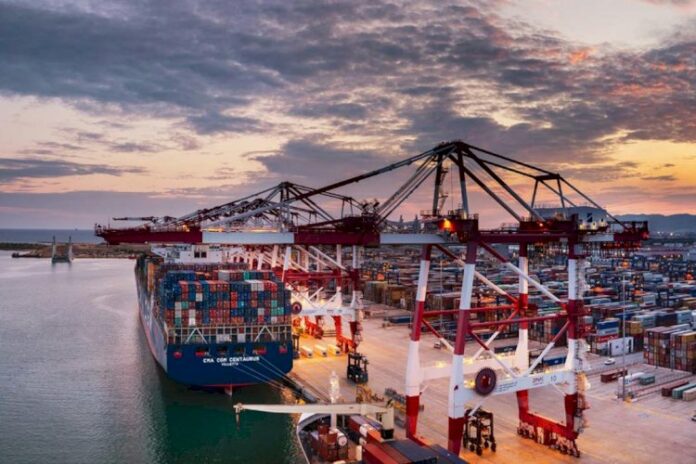
With the aim of continuing its leadership in the Mediterranean in the supply of reefer container services, Hutchison Ports BEST has obtained the approval from the Barcelona Port Authority to provide, within the terminal, a whole range of value-added services to reefer containers.

Thus, thanks to this new authorization approved by the Port of Barcelona in January, BEST’s customers have the option of pre-inspection services for their refrigerated containers (PTIs) and, if necessary, to have such containers repaired within the terminal’s facilities.

As such, BEST is in a position to offer an integral and complete service for reefer containers, from connection and disconnection, to their monitoring, or the personalized attention to super reefers, to all kinds of additional services, such as PTI, cleaning, tuning, repair and maintenance. The full coverage of reefer related services at BEST will reduce the in/out transportation costs and the related CO2 emissions.

All this, added to the recent increase in storage capacity and connection of refrigerated containers from 1,600 up to 2.750 connections (72 per cent capacity increase), positions BEST as the terminal of reference for refrigerated cargo throughout the Mediterranean.

Guillermo Belcastro, CEO of Hutchison Ports BEST has highlighted and expects that the recent reefer capacity expansion and the full services approach will expand the current efficiency enjoyed by our customers reinforcing BEST’s role as a hub for shipping companies with this type of cargo.

Currently, BEST has 11 Super Post-Panamax quay cranes, capable of operating the largest ships in the world, 54 automated cranes (ASC), 2 cranes in the railway terminal (RMG) and 32 Shuttle Carriers to operate a terminal that occupies 80 Ha and has 1,500 meters of quay with a depth of 16.5 meters. Since its official opening in September 2012, BEST has continued to set new standards for Southern European ports: achieving a Vessel Operating Rate (VOR) of more than 220 movements per hour and a sustained average productivity of more than 40 movements per hour per crane (GCR), one of the highest in the world.

Hutchison Ports BEST is the first semi-automatic terminal developed by Hutchison Ports Group. In addition to being the most technologically advanced port project in Spain, the facility has one of the largest railway terminals within a maritime terminal. Its railway installation has eight mixed-gauge tracks (Iberian and UIC), connecting BEST daily with different points in Spain and the South of France.

DFDS and Eckerö Line started cooperation

0

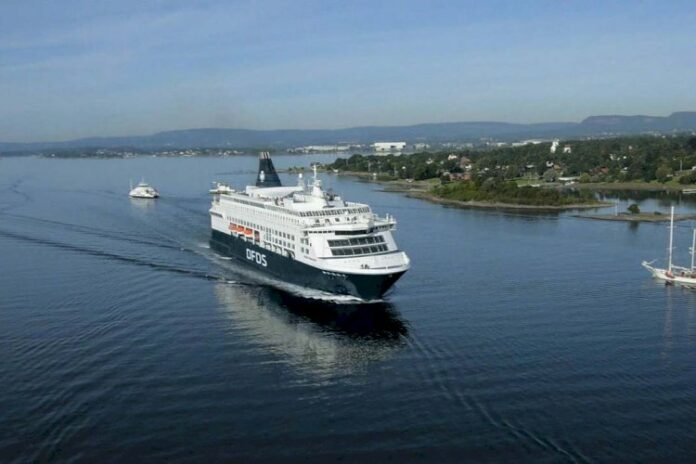
Shipping company DFDS started cooperation with Eckerö Line on the Muuga-Vuosaari route to optimize its ferry service on the Baltic Sea. Starting from May 4th, 2020, DFDS offers its customers cargo services on Eckerö Line’s ship m/s Finbo Cargo, which started operating again between Helsinki and Tallinn at the beginning of April 2020.

Port of Tallinn’s CCO Margus Vihman welcomes DFDS’s decision to improve the efficiency of cargo transport between Estonia and Finland: “The impact of the Covid-19 pandemic on the manufacturing and service sector has also affected logistics. In today’s difficult situation, shipping companies are looking for the best solutions to meet their customers’ needs. As a port, we are pleased that thanks to the cooperation between DFDS and Eckerö Line the number of vehicles passing through our ports will increase.”

DFDS’s Estonia-Finland Route Director Peeter Ojasaar said:

“In the current emergency situation, where the transport sector has been severely challenged by the pandemic and the economic slowdown, the agreement with Eckerö Line will allow us to use ships’ capacity more wisely, from which our customers will also benefit as they can continue to book their trips with DFDS under DFDS’s travel conditions.”

Taru Keronen, the CEO of Eckerö Line, added:

“In practice, the agreement means that DFDS leases cargo capacity from us and sells it to its own customers. The cooperation guarantees Finbo Cargo’s high occupancy rate and improves significantly the profitability of the route.”

MS Finbo Cargo, which belongs to Eckerö Line, operates two round trips a day between Estonia and Finland. Due to the Covid-19 restrictions, Finbo Cargo currently operates on the Tallinn-Vuosaari route, but after opening the borders will return to the Muuga-Vuosaari route.

DFDS is one of Europe’s largest maritime transport and logistics companies that operates 56 vessels on 21 routes in the Baltic, North and Mediterranean Seas as well as the English Channel.

Eckerö Line Ab Oy (founded in Finland in 1994) is a shipping company that provides regularly scheduled travel and cargo services between Tallinn and Helsinki and belongs to the Eckerö Group, founded in 1961. Eckerö Line’s vessels m/s Finlandia and Finbo Cargo are the only vessels operating under the Finnish flag between Helsinki and Tallinn.

DNV GL and AOT sign new MOU to spur digital transformation in shipping

0

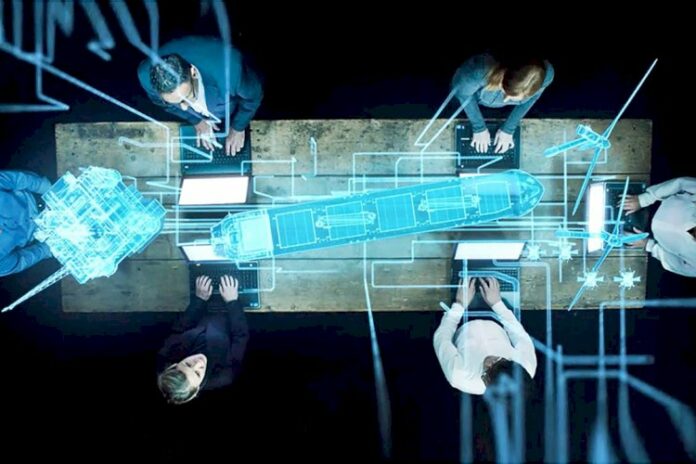
To harness this transformational power, the world’s leading classification society DNV GL and technology company Alpha Ori Technologies (AOT) have signed a Memorandum of Understanding (MoU) in which they agree to work together to contribute to the marine industry’s ongoing digital transformation.

The MOU will also see the companies work together to unlock the benefits of new digital technologies and methods, including sharing data collaboratively, and the creation of frameworks and standards, to develop new and enhance existing products and services.

The MOU is based around the installation of Alpha Ori’s SMARTShip systems on BW LPG vessels, piloting the use of digital technologies to further enhance the relationship between ship operator and class. The following areas have already been identified as potential areas for exploration:

• Data exchange for digital class services

• Possibilities for continuous assurance

• Remote operations and monitoring

Andreas Sohmen-Pao, Chairman of BW Group and BW LPG, says:

“There is a tremendous opportunity for the shipping industry to improve the way it works. For those who are interested in cost savings on fuel and maintenance, good technology is critical: even the most brilliant captain cannot see every change in the weather; even the most brilliant chief engineer cannot hear every problem in the machinery. For those who are interested in staying ahead of changing environmental legislation and the related cost of financing, automated measurements will provide an indispensable edge. And for those looking to reduce the cost and challenge of physical inspections and service – even in calmer times where there are no restrictions on mobility – digital solutions provide an answer. Smart use of these systems will gradually separate the winners from the losers, and it is encouraging to see leading players like DNV GL and AOT collaborate to accelerate this development.”

Capt. Rajesh Unni, Co-CEO of AOT,  says:

“By deploying AOT’s SMARTShip application on a vessel, surveyors can access real-time data. The resulting advantage is that one can remotely access the health of a vessel and verify whether a ship is compliant with IMO 2020 and other regulatory requirements. This digital approach is reliable, efficient, and can improve savings.”

Cristina Saenz de Santa Maria, Regional Manager for South East Asia, Pacific & India at DNV GL Maritime, said:

“By working together with leading technology solution providers, alongside owners and operators we can unlock broader maritime digitalisation and build on the value these new technologies generate. At DNV GL we want to continue taking advantage of the opportunities created by digitalization to offer new services and ways of working that enhance quality, are more efficient, and improve our customers’ experiences with class. Of course, with every step towards greater digitalization we must make sure that we are continuing to ensure safe operations at sea, while protecting life, property and the environment.”

As the MOU implementation continues, the partners will look to cover many of the most important emerging areas for maritime digitalization, including remote monitoring and operations, the digital supply chain and predictive maintenance systems.

Freeport LNG Train 3 begins commercial operation

0

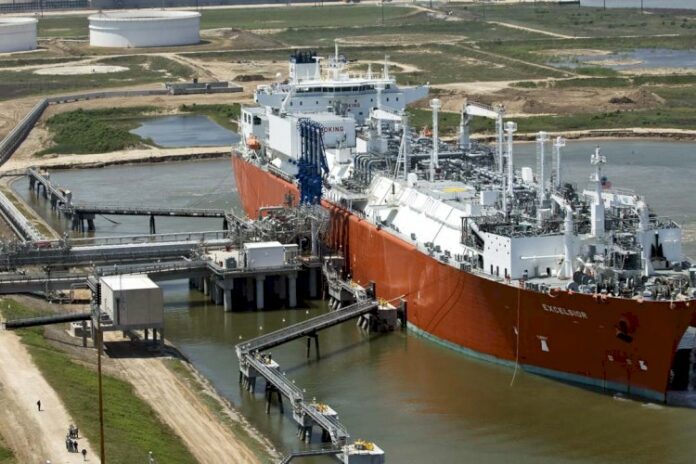
Freeport LNG has announced that it began commercial operations for its third liquefaction train on Friday, May 1, with the commencement of liquefaction services to Total S.A. and SK E&S under their tolling agreements with Freeport. 

Michael Smith, Founder, Chairman and CEO, said:

“The start of commercial operations for Freeport LNG’s Train 3 marks the full commercial operation of our $13.5 billion, three train facility. After over five and a half years of construction, which began in December 2014, we are thrilled to now have all three trains operating safely, and capable of producing in excess of 15 mtpa. I want to congratulate and thank our teams who have worked diligently throughout our development and construction process, navigating many challenges along the way. Freeport LNG’s success would not be possible without the dedication, hard work and discipline of our employees.”

Freeport LNG’s liquefaction facility is the seventh largest in the world and the second largest in the United States. In order to produce 15 mtpa of LNG, the Company’s three train export facility will process more than 2 percent of the total annual U.S. production of natural gas.  Freeport LNG’s Train 1 and 2 have been in commercial operation since mid-December and midJanuary, respectively. 

Biggest contract for Australian vessels in Austal’s history

0

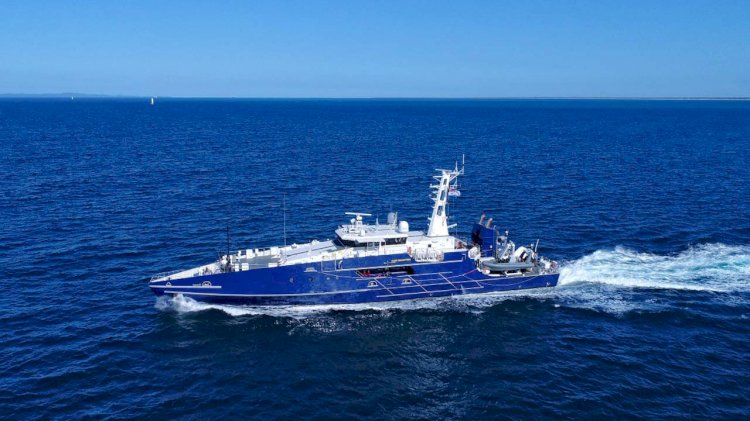
Austal Limited has announced that Austal Australia has been awarded a A$324 million contract to design and construct six evolved Cape-class Patrol Boats (CCPBs) for the Royal Australian Navy.

It is the largest contract for an Australian vessel construction program ever awarded to Austal in the Company’s 30 year history

The six new vessels, to be constructed at Austal’s Henderson shipyard in Western Australia, will add to the Royal Australian Navy’s (RAN) existing fleet of two CCPB’s delivered in 2017 and further extends Austal’s Cape-class Patrol Boat program to a total of 18 vessels. This includes eight patrol boats operated by the Australian Border Force and two currently under construction for the Trinidad and Tobago Coast Guard.

Austal Chief Executive Officer David Singleton said the new contract both reaffirmed the Capeclass as Australia’s pre-eminent patrol boat platform and represented a clear commitment by the Australian Government to strengthen Australia’s sovereign shipbuilding industry during a challenging global environment, brought on by the Coronavirus pandemic.

Mr Singleton said:

“Since its introduction by the Australian Border Force (ABF) in 2013, the Cape-class has proven to be a high-performing, reliable and effective maritime asset, utilised for a wide variety of constabulary and naval missions, playing a critical role in Australia’s national security. With ten Capes currently in operation with the ABF and RAN, it is a smart, logical step to build upon the existing fleet with additional vessels that will enhance the nation’s ability to protect and secure our maritime borders.

These new, evolved Capes add even greater national security at this critical time during the COVID-19 pandemic, by ensuring at least 700 jobs are maintained at Austal and supply chain opportunities continue for Australia’s shipbuilding industry.”

The proposal to replace the existing fleet of 13 Armidale-class patrol boats (designed and manufactured by Austal) with new, evolved Capes was first proposed by Robert Jackson, Head of Business Development – Sustainment at Austal.

Mr Jackson said:

“This new contract will ensure Austal continues to engage the thousands of suppliers that are contributing to the success of the current Cape-class program, the SEA3036-1 Pacific Patrol Boat Replacement Project (Guardian-class Patrol Boat program) and the multiple commercial ferry projects being delivered by Austal Australia. In total, we’re talking about more than a thousand jobs across Australia that will be maintained, and continue to develop; building our nation’s sovereign shipbuilding capability.”

Based on Austal’s proven 58 metre aluminium monohull design, the new RAN evolved Capes will include a number of enhancements that further extend the capability of the vessel and the fleet. These evolved Cape-class patrol boats include modifications determined through the extensive in-service experience of the RAN and ABF Capes currently operating throughout Northern Australia.

Crew capacity has been increased by 10 people, to now total 32 and quality-of-life provisions have been enhanced, ensuring those who operate the new Capes have connectivity to the outside world regardless of the operating environment. Further improvements have been incorporated into the new RAN Cape design, developed during the design and construction of two Cape-class patrol boats for the Trinidad and Tobago Coast Guard; an export contract awarded on 16th August 2019 and won with the strong support of the Australian Government and Export Finance Australia.

The Trinidad and Tobago Coast Guard Capes (Hulls 398 and 399) are currently in an advanced state of construction and are scheduled for delivery later in 2020. Page 3 of 5 Construction of the six Capes for the RAN will commence immediately at Austal Australia’s Henderson, Western Australia, shipyard with deliveries scheduled from September 2021, then successively through to mid-2023.

Austal has designed, constructed and sustained the Commonwealth of Australia’s entire fleet of patrol boats since 1998; including the Bay, Armidale and Cape-class operated by the Royal Australian Navy and Australian Border Force, comprising 32 vessels.

Austal is also delivering 21 Guardian-class Patrol Boats for 12 Pacific Island nations and Timor Leste under the SEA3036-1 Pacific Patrol Boat Replacement Project, with six patrol boats delivered since 2018.

Austal provides in-service support to both the Cape and Guardian-class Patrol Boat fleets through service centres located in Henderson, Western Australia; Cairns, Queensland; and Darwin, Northern Territory. 

AI-powered smart feeder accelerates the growth rate of red sea bream

0

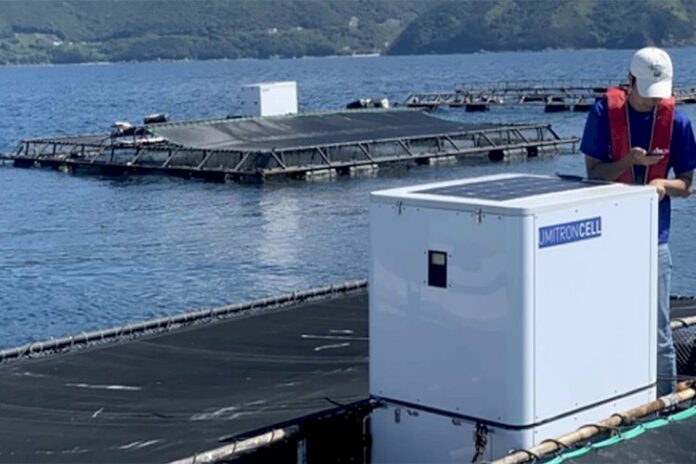
UMITRON K.K. completed a research contract from FY2018 with the Ainan municipality, Ehime prefecture in Japan, and reported the positive results of their installation of the smart feeder “UMITRON CELL”.

Located in the southern part of Ehime prefecture, Ainan town has one of Japan’s premier aquaculture fishing grounds with a temperate climate and protected shoreline. Aquaculture is the core industry of the town, but it is facing changes including an increase in production costs due to soaring prices of feed and labor shortages due to an aging population.

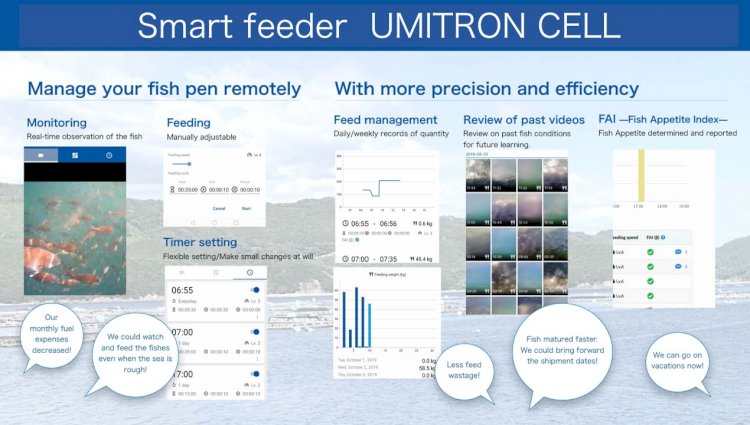
UMITRON’s goal was to reduce the farmer’s workload via remote monitoring and control systems that utilize IoT technology, in order to optimize feeding based on data analysis. Cooperating with Ainan aquaculture producers, UMITRON installed the smart feeder UMITRON CELL along with UMITRON FAI (Fish Appetite Index), which is a real-time fish appetite analysis powered by AI. With these technologies, they have been conducting research experiments  since FY 2018 to help solve the aforementioned issues.

In conjunction with UMITRON CELL and UMITRON FAI monitoring the fish and waste feed, UMITRON conducted growth experiments that adjusted the amount of feed by remote control according to the fish’s appetite. Using this technology the aim was to improve both the feed efficiency and the growth rate by minimizing lost feeding opportunities as well as feed wastage.

Juvenile red sea bream were placed in the fish pens at the same time and a comparison was made between pens with and without UMITRON CELL. In April, after one year of testing, the results showed a 0.4 kg weight advantage to fish grown with UMITRON CELL versus fish without UMITRON CELL. This resulted in growing fish to 1 kg market size 4 months faster than was previously possible.

Additionally, the previous standard feed conversion ratio(FCR) of 2.62 , was significantly improved to 2.06 when using UMITRON CELL. Many farmers and stakeholders in the aquaculture industry were surprised by this dramatic improvement in performance in both growth rates and feed efficiency.

By utilizing the remote control and real-time monitoring function of UMITRON CELL, it was possible to improve the farmers’ working environment, and produce environmentally-friendly fish. Also, the latest version of UMITRON CELL expands the feed tank capacity by 100% from 200kg to 400kg which has resulted in less frequent boat trips for feed replenishment and a reduction in fuel costs.

OOI’s cable hears the sounds of the ocean

0

After the global recession in 2008, the ocean became quieter as shipping declined. Off the coast of Southern California, for example, scientists at Scripps Institution of Oceanography found that noise amplitudes measured from 2007-2010 were lowered by 70 percent with a reduction in one ship contributing about 10 percent.

A similar quieting of the ocean can be expected as global ship traffic continues its decline in response to the corona virus pandemic. This quieter ocean offers scientists ways to expand their ongoing research on ocean sound and its impact on marine life.

Deborah Kelley, professor of oceanography at the University of Washington and director of the OOI’s Regional Cabled Array (RCA) component, said:

“It takes time to document real change in the ocean, but University of Washington oceanographers have reported that over the past decade, fin whales have been communicating more softly in the Pacific. A quieter ocean allows us to hear more clearly life and other natural processes within the ocean.”

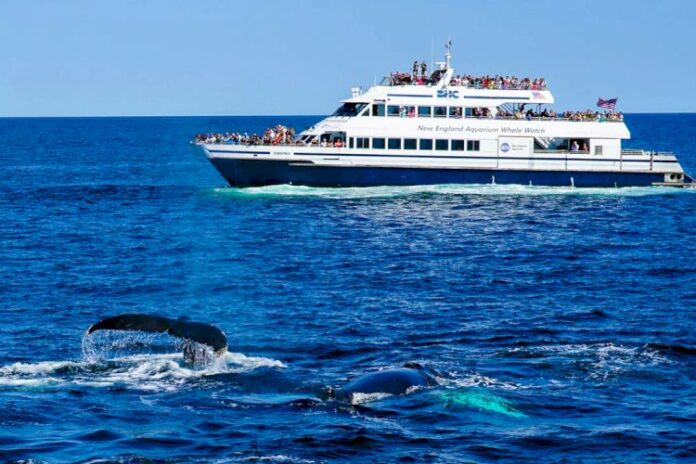
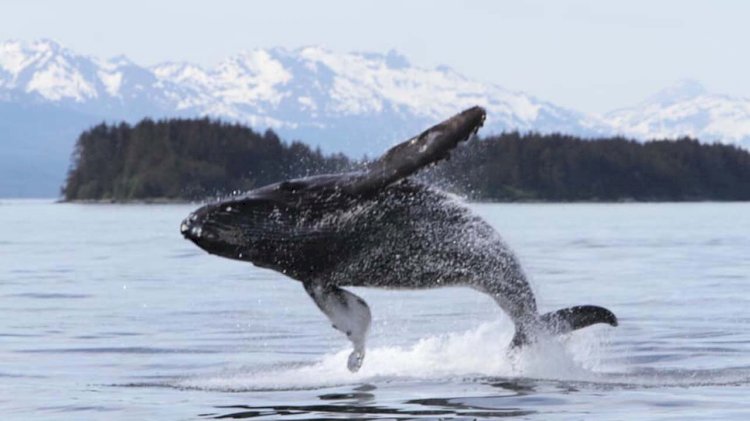
John Ryan, a biological oceanographer at the Monterey Bay Aquarium Research Institute (MBARI), has been “listening in” on whales and other marine creatures since 2015 using a hydrophone on the Monterey Accelerated Research System (MARS), a cabled observatory, which was in part established as a test bed for the OOI Regional Cabled Array. Ryan and colleagues studied the occurrence of humpback whale (Megaptera novaeangliae) song in the northeast Pacific using three years of continuous recordings off the coast of central California.

Ryan explained:

“We’ve been listening almost continuously since July 28, 2015, using a broadband, digital, omnidirectional hydrophone connected to MARS. Listening continuously for that long at such a high sample rate is not easy; only by being connected to the cable is this possible.”

The researchers were able to discern whale songs from the busy ocean soundscape in Monterey Bay National Marine Sanctuary, which is a feeding and migratory habitat for humpback whales. The humpbacks’ song was detectable for nine months of the year (September–May) and peaked during the winter months of November through January. The study revealed strong relationships between year-to-year changes in the levels of song occurrence and ecosystem conditions that influence foraging ecology. The lowest song occurrence coincided with anomalous warm ocean temperatures, low abundances of krill – a primary food resource for humpback whales, and an extremely toxic harmful algal bloom that affected whales and other marine mammals in the region. Song occurrence increased with increasingly favorable foraging conditions in subsequent years.
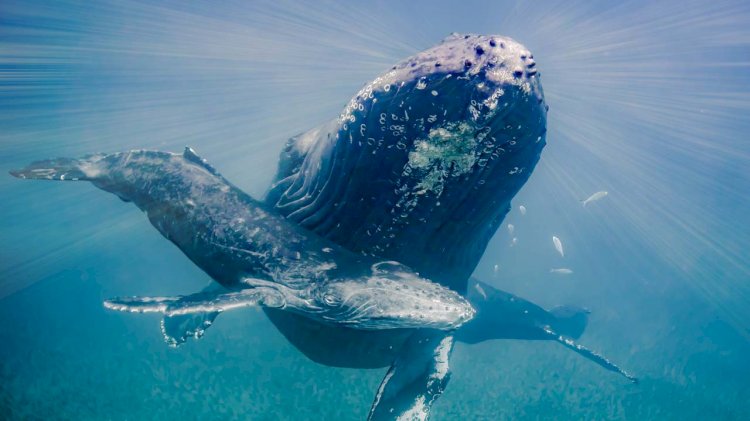
Because the hydrophone is on the cabled observatory, its operation can be adjusted to achieve new goals.  For example, the sampling rate of the hydrophone was doubled during an experiment that successfully detected very high frequency echolocation clicks of dwarf sperm whales (with Karlina Merkens, National Oceanic and Atmospheric Administration).

Ryan added:

“And that’s a beautiful aspect of being on the cable. Not only do we know that it is working, we catch any network glitches pretty quickly so we don’t lose data, and we can do real-time experiments like these.”

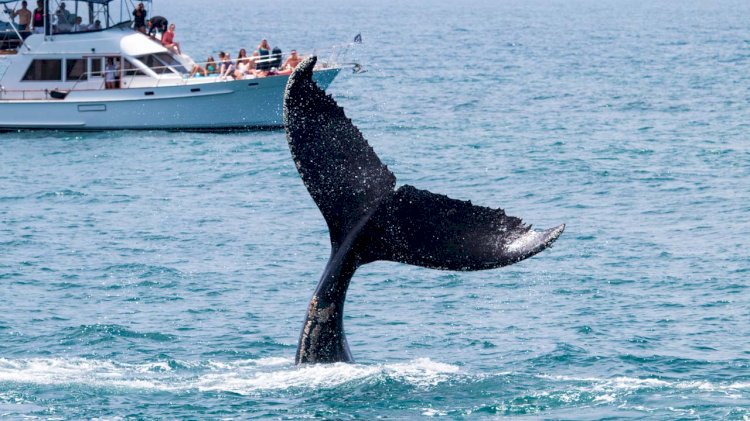
William Wilcock of Washington University and his students have compiled a decade worth of data on fin whales in the northern Pacific. Fin whales call at about 20 HZ, which is too low of a frequency for humans to hear, but perfect for seismometers to record. The researchers aggregated ten years of data from both temporary recorders and now permanent RCA hydrophones and seismic sensors and looked at the frequency of the calls and calling intervals. The researchers found both have changed over time.

The fin whales call seasonally and the frequency of the calls has gone down with time.

Calls peak in late fall, early winter in relation to mating season. Gradually through the season the frequency decreases.  At the start of the next season, the call frequency jumps up again, but not quite to where it was the year before. Over ten years, the frequency has gone down about 2 HZ, and scientists are puzzled as to why this is occurring. It is unlikely to be due to increasing ship noise, because this lower sound frequency is getting closer to the range of the noise level of container ship propellers, about 6-10 HZ.

In some settings, ship noise is known to affect whale behavior and the permanent network of hydrophones operated by the OOI and Ocean Networks Canada will provide an opportunity to study whether whales are avoiding the shipping lanes to Asia.
Whale sounds are but one of many acoustic signals being recorded and monitored using hydrophones and broadband seismometers. The OOI’s RCA off the Oregon Coast includes 900 kilometers (~560 miles) of submarine fiber-optic cables that provide unprecedented power, bandwidth, and communication to seafloor instrumentation and profiler moorings that span water depths of 2900 m to 5 m beneath the ocean surface. Using a suite of instruments connected to the cable, which continuously stream data in real time, scientists are listening in on the sounds of submarine volcanism, which accounts for more than 80 percent of all volcanism on Earth.

More than 300 miles off the Oregon coast in 1500 meters of water, 20+ cabled seafloor instruments are located at the summit of Axial Seamount, the most active volcano on the Juan de Fuca Ridge, including hydrophones and seismometers, which can also record sounds in the ocean.

Kelley added:

“Scientists were able to hear(as acoustic noises traveling through the crust) >8000 earthquakes that marked the start of the Axial eruption in 2015. Coincident with this seismic crisis bottom pressure tilt instruments showed that the seafloor fell about 2.4 meters (~8 feet). It was a remarkable collaborative event with scientists from across the country witnessing the eruption unfold live.”

Such real-time documenting of an eruption in process was possible because of how Axial is wired. It is the only place in the oceans where numerous processes taking place prior to, during, and following a submarine eruption are captured live through data streaming 24/7. William Wilcock, Washington University, and Scott Nooner, University of North Carolina, Wilmington, and colleagues reported these findings in Science, 2016.

Data collected from the hydrophones at the seamount’s base supported another discovery about Axial, indicating that it explosively erupted in 2015. Hydrophones recorded long-duration diffusive signals traveling through the ocean water consistent with explosion of gas-rich lavas, similar to Hawaiian style fissure eruptions.  Follow-on cruises documented ash on some RCA instruments, again indicating the likelihood of explosive events during the 2015 eruption.
Jackie Caplan-Auerbach, associate dean at Western Washington University and lead author of a G-cubed article that reported the possible eruptive findings, said:

“Having the opportunity to listen in while a submarine volcano is active offers a really interesting window into things. While we cannot say with utter certainty that there were explosions at Axial, there’s a lot of evidence that supports this. We know from having listened to other eruptions that this was the same type of sound. It’s distinct, like the hissing sound of a garden hose on at top speed. We also found these really fine particulates, which could only have resulted from an eruption, had collected on one of the instruments at the site.”

Caplan-Auerbach added:

“My favorite part of having OOI is it offers an ability for pure discovery. Its real time nature makes it possible to observe and see what happens.  And sometimes the planet just hands you a gift that you didn’t expect.  Not always being hypothesis driven is a very valuable aspect of science that I hope does not get lost. I’m very appreciative of projects like this that open our eyes into signals that we didn’t know were there.”


Saipem: awarded contract for Baltic Pipe Project

0

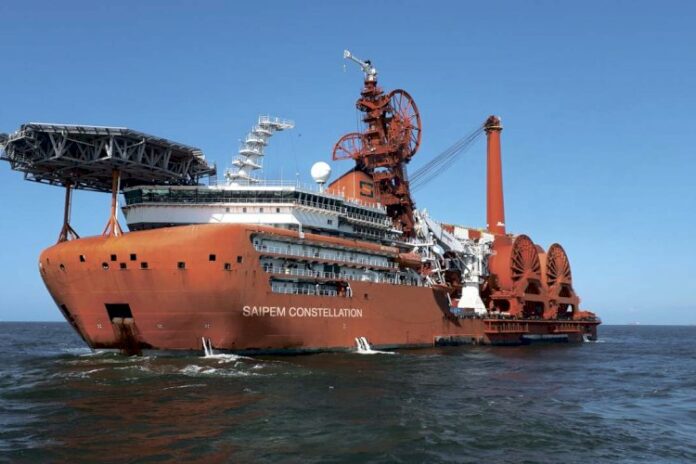
Saipem has been awarded a contract by GAZ-SYSTEM S.A. for the transportation and installation of a natural gas pipeline between Denmark and Poland in the Baltic Sea. The contract, signed by its controlled subsidiary in U.K. Saipem Ltd, is worth approximately 280 million euro.

The Baltic Pipe Project is a strategic infrastructure project developed by a joint venture between GAZ-SYSTEM S.A. and Energinet.dk and is co-financed by the European Union to create a new inter-European gas corridor that will supply gas directly from Norway to the markets in Poland, Denmark and neighbouring countries.

Specifically, the contract comprises the construction of approx. 275 km x 36” concrete-coated pipeline between Denmark and Poland in a water depth between 4 and 57m to be carried out by Saipem S-lay vessels. Moreover, the contract includes microtunneling and civil works activities in Denmark and Poland, extensive rockdumping as well as pre and post-lay trenching and backfilling activities. Works under the contract will commence immediately.

Francesco Racheli, COO E&C Offshore Division, commented:

“This new contract, assigned thanks to our solid track record in pipeline installation projects and arriving at a critical moment for the energy industry worldwide, will help ensure the continuity of European gas supply and reinforces Saipem’s presence in a such a highly strategic area. We look forward at swiftly and successfully delivering this important project”.

Saipem is a leading company in engineering, drilling and construction of major projects in the energy and infrastructure sectors. It is “One-Company” organized in five business divisions (Offshore E&C, Onshore E&C, Offshore Drilling, Onshore Drilling and XSIGHT, dedicated to conceptual design). Saipem is a global solution provider with distinctive skills and competences and high-tech assets, which it uses to identify solutions aimed at satisfying customer requirements. Listed on the Milan Stock Exchange, it is present in over 70 countries worldwide and has 32 thousand employees of 120 different nationalities.

4Subsea installs IoT sensors on floating wind turbine Zefyros

0

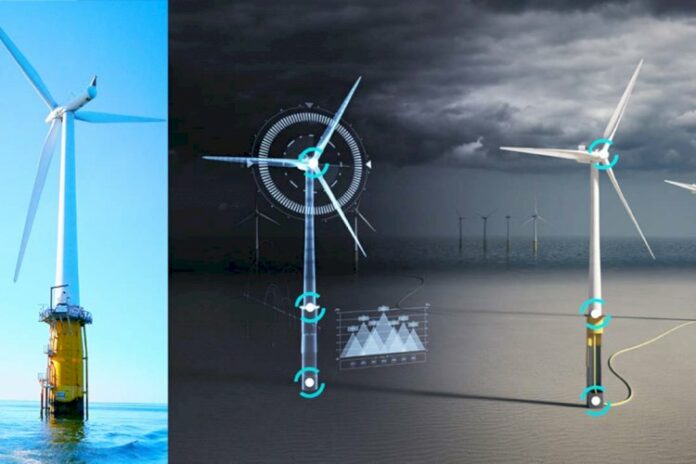
A few hours after installation on April 20th, the autonomous sensors started streaming motion and load data to 4insight.io from Unitech’s wind turbine off the west coast of Norway. The project aims to prove significant cost reduction potential in offshore wind by using a Digital Twin of the substructure to measure actual loads and fatigue on the turbine.

4Subsea has delivered digital decision support with Digital Twins to the oil and gas industry for years, and because of the many similar challenges with soil support, scouring, corrosion, and fatigue, we can utilise modified versions of their algorithms, AI agents, and trained models to e.g. extend lifetime of substructures, predict cable repair/replacement, and reduce production downtime with anomaly detection.

4Subsea has developed a new generation of sensors for structural integrity and performance monitoring of offshore wind turbines. The sensors have a proven track record from offshore oil and gas where they are used to monitor both vessel motions and the behaviour of fixed platforms. Different technology components from fish telemetry, micro drones, and telecom have been combined in order to make a solution dedicated for subsea assets in oil and gas and now for offshore wind turbines.

The sensor package combines a 6-axis IMU and 4 strain sensors for monitoring of wind turbine towers and substructures. Sensor data will be combined with weather information and other data sources. The interpretation of the data will be available on 4insight.io, which is a digital service on Microsoft Azure. This enables the combination of many large data sets and cloud computing as a platform for machine learning and artificial intelligence.

The main goal of the project is to analyse the potential for reducing LCOE in the offshore wind industry. 4Subsea’s operating philosophy is founded on continuous research and technology development to improve the understanding of how underwater assets age over time when exposed to hydrodynamic, aerodynamic and operational loading.

Within offshore wind 4Subsea specialises in coupled analysis including aerodynamics and hydrodynamics as well as modelling of the turbine controller and modelling of soil interaction with the substructure.