0.2 C
New York
Home Blog Page 868

Port of Oakland gets new service to Asia, includes Saudi Arabia

0

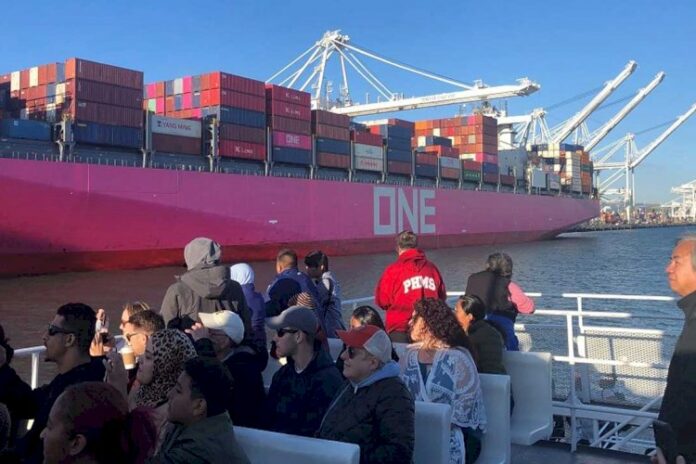
A sprawling vessel service begins this week with 18 megaships linking the Port of Oakland to Asia, including Saudi Arabia.  

The Port has said that Japan’s ONE line would operate the new weekly service called the Far East-Pacific 2. The first ship in the service, the ONE Aquila, should arrive at Oakland International Container Terminal May 7.

Each of the ships in the service has capacity to carry 14,000 20-foot containers, the Port said. That places them among the largest container vessels calling at U.S. ports.

Port of Oakland Maritime Director John Driscoll said:

“Naturally we’re encouraged by this development. “The size of the ships means extra cargo capacity coming to Oakland and the Port rotation extends Oakland’s reach in global markets.”

The service reaches nine ports in Singapore, Thailand, Vietnam, Japan, Hong Kong, China, the U.S. and Saudi Arabia.  Stops at Saudi Arabia’s Jeddah port would be Oakland’s first direct connection to the Middle East.  Until now, ships from the Arab world transferred Oakland-bound cargo to other vessels at intermediate ports.

Two services already calling Oakland were consolidated by ONE into the Far East-Pacific 2, the Port said.  For that reason, the Port declined to project the impact of the new service on cargo volume.  The Port said that larger ships could result in more Oakland freight over time.  Adding new port calls such as Jeddah could help as well, the Port added.

The Port said it expected cargo mix on the new service to be evenly divided between imports and exports.  California farm goods exported to overseas markets should be a prominent part of the mix, the Port added.

The Far East-Pacific 2 eastbound port rotation: Jeddah, Saudi Arabia; Singapore; Laem Chabang, Thailand; Cai Mep, Vietnam; Hong Kong; Yantian, China; Long Beach; Oakland

The Far East-Pacific 2 westbound port rotation: Oakland; Yokohama, Japan; Hong Kong; Laem Chabang, Thailand; Cai Mep, Vietnam; Singapore; before heading to Rotterdam, Hamburg, Antwerp and Southampton on the European portion of its rotation.
Samudera digitizes its operations for special cargo management

0

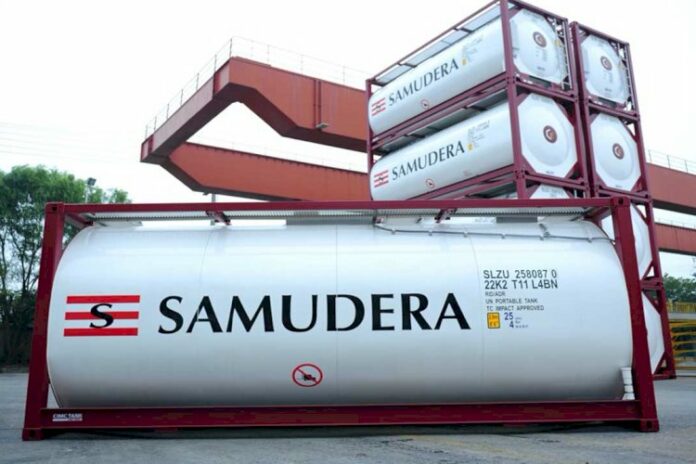
CyberLogitec, the leading provider of maritime, port/terminal and logistics operations technologies, announced the deployment of CARA, its Collaboration Platform, at Samudera Shipping Line. 

The platform is expected to support Samudera in improving their operational efficiency, document accuracy, traceability and safety of their special cargo (DG/OOG) management. The platform went live in February 2020, making them the first carrier to adopt a platform-based digital solution to manage their special cargo processes as a regional carrier.

Samudera is now able to integrate their email processing through CARA, which then applies automated validation checks with its embedded DG database, enabling email responses via CARA back to their carrier partners.  This greatly improves the response time, workflow and overall accuracy of the verification and approval process for such special cargo applications.

Samudera Shipping Line’s Commercial Director, Capt. Tan Meng Toon, said:

“Going digital for our special cargo management is a necessary and crucial step for the business to ensure more efficient and accurate assessment and approval for such high-value cargos. This is a critical pillar of Samudera’s strategy to reinforce its position as a leader in containerized regional and feeder services. 

Additionally, safety has always been one of our top priorities, CARA minimizes risks in the special cargo application processes and overall management. It will guarantee the safety of the personnel, protect the environment and meeting regulatory compliance throughout the cargo handling process.”

Tevin Choi, Managing Director of CyberLogitec Global, said:

“With a single data source, the platform enhances and simplifies Samudera’s current special cargo-handling processes, allows faster, safer decision-making and supports the track-and-trace capabilities. We are enthusiastic about working together with Samudera to develop a truly innovative platform, ensuring that their business supply-chain is as robust and safe as possible.”

CARA is a multi-tenanted and unified SaaS platform service, which empowers shipping carriers regardless of scale and size to capitalize on collaboration among users, optimizing on their inter-communication.  CARA enables partnering carriers to seamlessly exchange critical information about vessel schedules, special cargo applications, vessel operations performance, joint slot agreements and settlements. CARA’s embedded database of IMDG codebook and configurable DG restrictions/prohibitions will enforce timely online validation and compliance verification for DG bookings and shipments for all users. 

Tallink Grupp starts selling tickets to passengers travelling to Finland

0

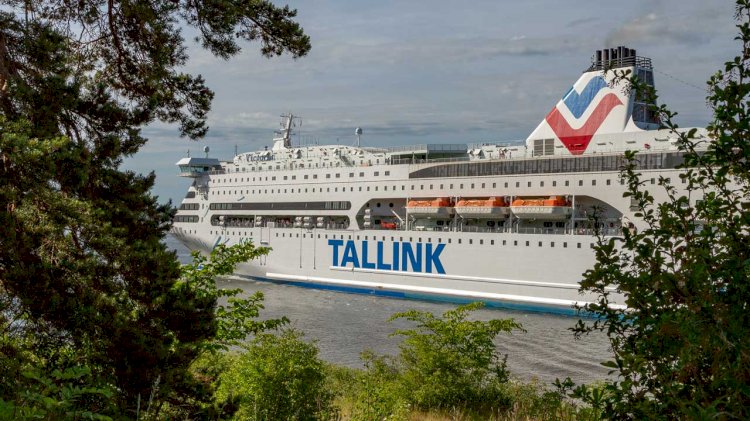
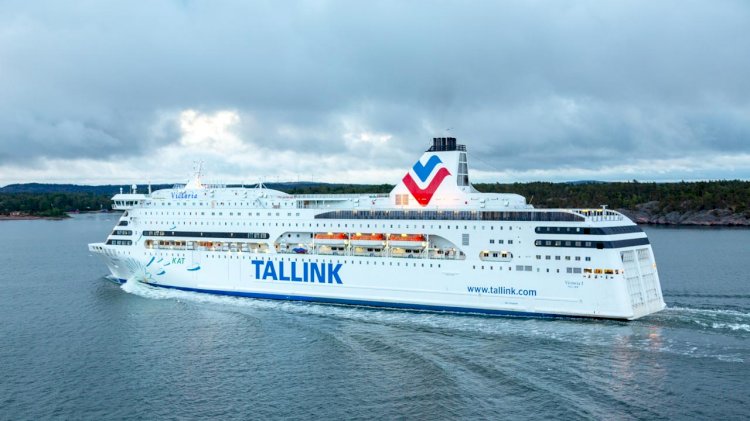
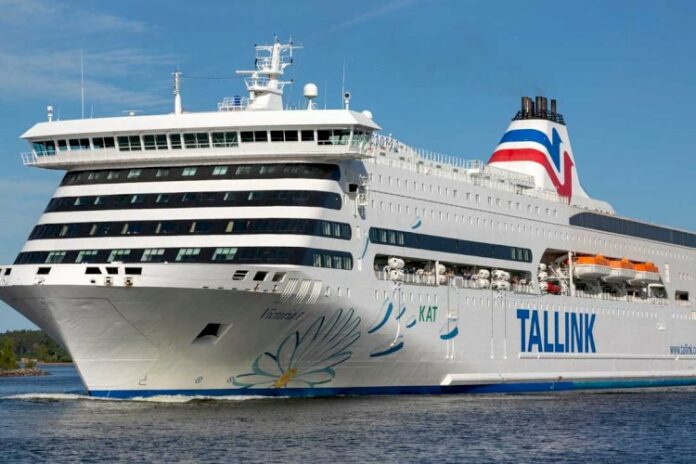
In this changed environment Tallink Grupp will also return its other shuttle vessel Star to the Tallinn-Helsinki route for peak weekend departures from Friday, 15 May 2020. 

Passenger transport on ferries to Finland was suspended on 11 April 2020 at the request of the Finnish  government in order to help prevent the spread of the coronavirus. As the pandemic situation has improved, the Finnish government adopted a decision at yesterday’s cabinet meeting to restore passenger traffic with ferries to Finland for the Schengen area citizens, who need to travel to Finland for work reasons or for other unavoidable reasons.

Border control on the Finnish borders will remain in place also after 14 May until further notice from the Finnish government and the Finnish authorities will work out and publicise information regarding the detailed rules and guidance for border crossing from 14 May onwards in the next few days. Travel four tourism purposes to Finland is currently still not permitted and decisions regarding allowing travel to Finland for tourism will be made by the Finnish government in due course as the pandemic situation improves further.  People travelling to Finland must still follow the strict hygiene and health rules and restrictions. 

Paavo Nõgene, CEO of Tallink Grupp, commented:

“We welcome the Finnish government’s decision, which will allow many Estonians working in Finland to return to work or to their families from next week. It is clear that as the virus situation improves, we must start moving towards restarting our economies and our work lives, and in today’s world, where our economies are so intertwined with those of our neighbouring countries,  it is important to gradually remove restrictions on free movement to restart our economies.“

According to Nõgene the group’s vessels are ready and prepared for the gradual and safe return of services and the company has been working closely with the authorities over the last few weeks already to achieve this. 

Nõgene added:

“Many of the safety measures were already in place on our vessels still in operation before the crisis escalated and in the near future we will continue to enhance and introduce even more measures according to our agreements with the authorities and our partners.  It is clear that the numbers of passengers will not be the same as they were before the crisis and not all our vessels will return to all the routes straight away. The Finnish government’s decision is a small step forward and here at Tallink we will of course synchronise our steps with those of our governments.“

From now passengers who need to travel to Finland for work or for other unavoidable reasons, can purchase tickets to Finland for Tallink Grupp’s vessels Megastar, Star, Baltic Princess and Galaxy for departures starting from 14 May 2020. Tickets for departures travelling out of Finland can be purchased for all the current departures as previously. 

USA’s second busiest container hub joins SEA-LNG

0

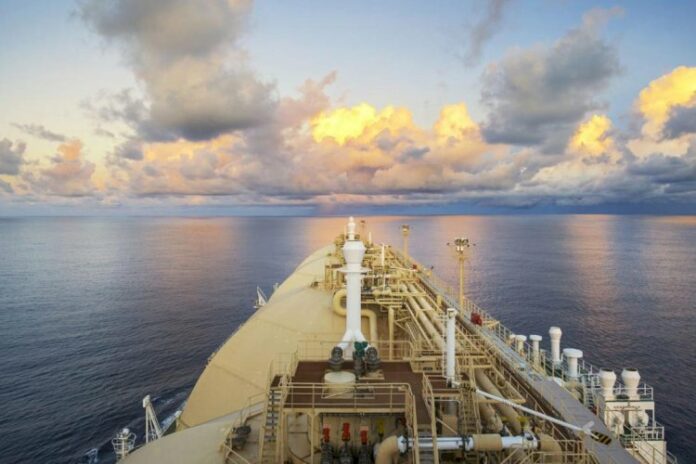
The Port of Long Beach is the third North American port to join the coalition and brings SEA-LNG’s count of port members to a total of seven among the top twenty global ports; strategically placed along major trade lanes traversing Asia, Europe and the Middle East.

Speaking on the addition Peter Keller, Chairman, SEA-LNG, said:

“The Port of Long Beach’s leadership team is highly respected in the industry for its progressive approach to serving its stakeholders, and I am delighted that we will be working closely with them to promote LNG as a marine fuel. LNG continues to be the best option to improve living standards while minimising impacts on the environment. Ports are critical links in the bunker supply chain and we are excited that the Port of Long Beach has joined the coalition to drive forward our vision of a competitive global LNG value chain for a cleaner maritime shipping towards 2050.”

The Port of Long Beach is the second-busiest seaport for container traffic in the United States, handling trade valued at more than $200 billion annually. The port has made dramatic reductions to its local NOx, SOx and diesel particulate emissions since 2005. Its Green Ship Incentive Programme — established as part of the Clean Air Action Plan in collaboration with the Port of Los Angeles — offers financial incentives for ships with the newest engines or an equivalent NOx-reducing technology.

Port of Long Beach Executive Director Mario Cordero, said:

“We are known in the trans-Pacific trade for our top-notch customer service and being responsive to the needs of our business partners. Allying with groups like SEA-LNG is part of being ready for the market’s growing demand for LNG fuel. It also meshes with our strategic goals to strengthen competitiveness while improving environmental sustainability.”

Boosting LNG-fuelled shipping accelerates this progress. LNG boasts unrivalled emissions credentials, cutting SOx and particulate emissions to negligible amounts and reducing NOx by around 85%. It also generates significant reductions in greenhouse gas emissions today, while also presenting a pathway towards decarbonisation for the shipping industry through the adoption of bio and synthetic methane.

SEA-LNG is encouraged to see ports increasing provisions and infrastructure for LNG bunkering in line with its growing use across the industry, as LNG is proven to provide strong returns on investment for ship owners across key trades.

SEA-LNG is a multi-sector industry that drives global adoption of marine LNG creating a cleaner, more efficient and competitive shipping industry by 2050. We fully believe in the benefits of LNG and have been working diligently to bring about a positive and pragmatic change — driving the widespread adoption of LNG as a leading marine fuel and helping to reduce emissions for the shipping industry.


First jacket foundations arrive for Moray East offshore wind farm

0

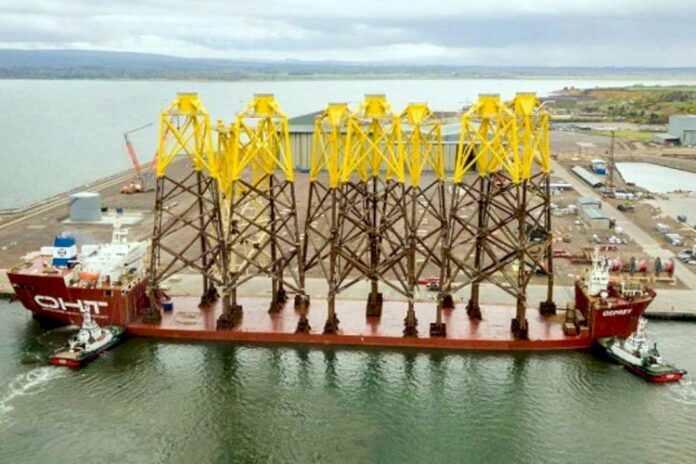
The first eight jacket foundations for the Moray East offshore wind project arrived in the Port of Nigg in Scotland at the weekend, delivered by OHT’s heavy transportation vessel Osprey from the UAE.

The transit took 39 days from Lamprell’s site in Hamriyah, UAE via the Cape of Good Hope on their 12,000 nautical mile journey to the Cromarty Firth.

All 48 of the three-legged jackets fabricated in the UAE, averaging more than 1,000 tonnes and up to 80 metres in height, will be transported over the coming months to the Scottish port utilising three of OHT’s largest open deck semi-submersible heavy transportation vessels.

Egil Ismar, OHT’s Project Manager, said:

‘It is great to see the foundations arriving safely to port on schedule. The voyage went very well and the close cooperation between all involved parties during planning, loading and transportation has been remarkable’.

The contract for transportation was awarded last September after several years in close discussions with the project’s foundation EPCI contractor DEME Offshore.

Once constructed, the 950MW Moray East offshore windfarm will generate power at £57.50/MWhr, supplying 40% of Scotland’s electricity and saving 1.7m tonnes of CO2 each year. Construction on the project started in winter 2018 with commencement of the onshore works and the windfarm is expected to be fully operational in 2022.

Transportation of all jackets is expected to be completed by October 2020

Crowley signs up to Inmarsat’s Fleet Xpress

0

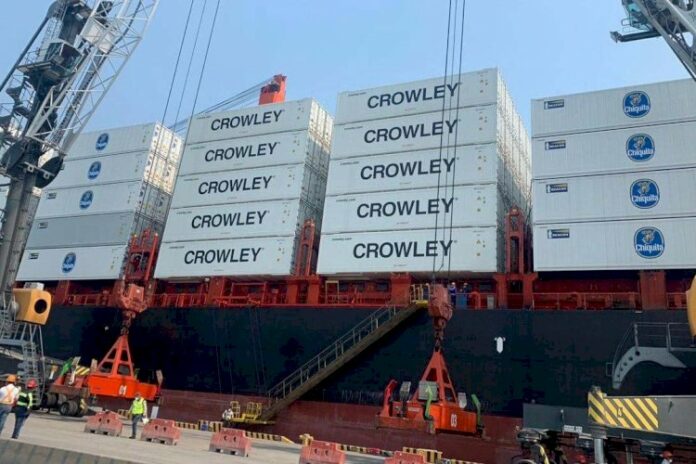
Crowley Maritime Corp. has agreed a contract to install Fleet Xpress from Inmarsat, the world leader in global, mobile satellite communications, on a majority of its vessels.

The 127-year old Florida-headquartered business owns, operates and manages a diverse fleet of almost 100 vessels, including conventional and dual fuel (liquid natural gas – LNG) container ships, tankers and ship assist and offshore services tugboats and barges.

The deal was signed following successful trials in Alaska on Aframax tanker, California, and the recently reflagged vessel Rio Grande Express, which helped showcase the combination of high-speed Fleet Xpress on Ka-band with continuous back up from FleetBroadband on L-band, significantly enhancing stability of communications and available uptime.

According to Captain Rodney Jones, Director Operations Integrity with Crowley Global Ship Management, Inc:

“Communication needs for an operator with a variety of vessel types like Crowley is rapidly increasing and we require a level of performance and reliability that is proven and trusted, with a dedicated support network that is continuously available. Fleet Xpress meets this demand and proved very successful in the trials that were carried out on the California in Alaska and the Rio Grande Express operating in a Liner service.”

All vessels covered in the agreement will install either a Fleet Xpress GX60 or GX100 terminal from Intellian and an Infinity smartbox solution that will allow the vessels to access a number of value-added services, including bandwidth control and remote user management.

With over 8,500 installations across the globe, Fleet Xpress has emerged as the market-leading pathway to digital transformation for shipping companies in order to deliver improved vessel and fleet efficiency, boost profitability and enhance seafarer wellbeing.

Gert-Jan Panken, VP of Merchant, Inmarsat Maritime, says:

“This new contract with Crowley, one of the leading operators of a diverse fleet, confirms that vessels anywhere in the world and of all sizes and types can secure the operating efficiency, digitalisation and crew welfare gains available from Fleet Xpress with our global high-speed performance, reliable coverage and 24/7 support.”

HHLA provides mega-ship berth for the Port of Hamburg

0

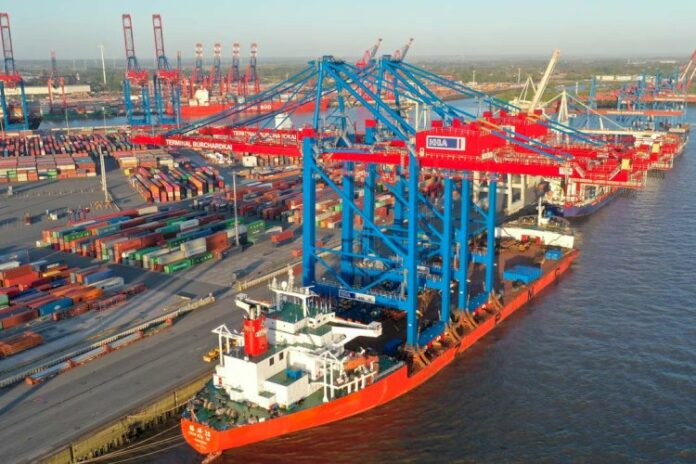
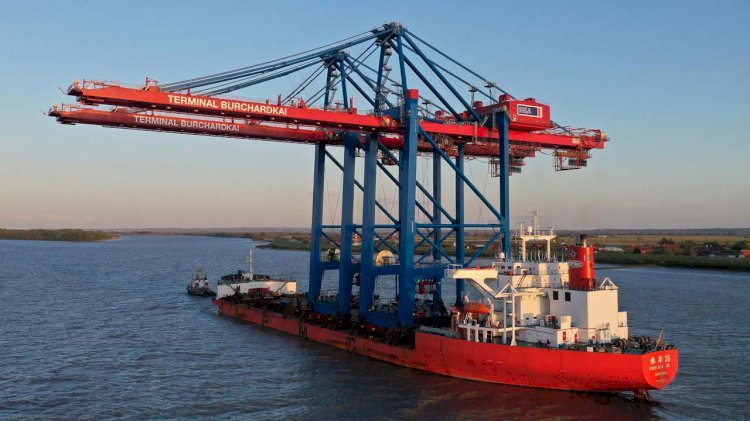
At 11 p.m. on the evening of Monday 4 May, two new container gantry cranes arrived at the HHLA Container Terminal Burchardkai (CTB). With its total of five new container gantry cranes – the first three of the same type were delivered at the beginning of November 2019 – HHLA provides an additional mega-ship berth for the Port of Hamburg at Burchardkai.

The two state-of-the-art container gantry cranes arrived at their temporary berth at Athabaskakai on board the “Zhen Hua 26”. Preparations for the complex discharging process will take place there before the special ship shifts to their final location at berth 6 in the Waltershofer Hafen.

The new container gantry cranes will provide HHLA with additional capacities for handling ultra large container vessels with a transport capacity of 24,000 standard containers (TEU) and more. In the last few years, the number of calls by ultra large container vessels in Hamburg has considerably increased. 

HHLA Executive Board member Jens Hansen says:

“With the new container gantry cranes, we will ensure that our customers continue to receive the high quality of handling they’re accustomed to in the future. We are thus making an important contribution to the supply of both the population and the companies with goods and commodities. At the same time, the competitiveness and attractiveness of the Port of Hamburg will be strengthened in conjunction with the fairway adjustment of the river Elbe.”

The currently largest container gantry cranes at the Port of Hamburg can accommodate ships with a width of 24 containers side by side. The jibs of the new cranes are nearly 80 metres long and can reach across 26 rows of containers. The new gantry cranes manufactured by ZPMC will replace smaller units at CTB. Including the new arrivals, more than 30 container gantry cranes are in use at HHLA Container Terminal Burchardkai. 18 of these are mega-ship cranes. 

Burchardkai is both the oldest and the largest container handling facility at the Port of Hamburg. The first container ship in Hamburg was handled here in 1968. It had a capacity of just 1,200 TEU. Today, the biggest container ships in the world are handled at Burchardkai. After the five new container gantry cranes have started operation, the number of mega-ship berths at CTB will increase from two to three. HHLA also has another mega-ship berth in the Port of Hamburg at Container Terminal Tollerort.

Scientists investigate presence of ancient deep-sea microplastics

0

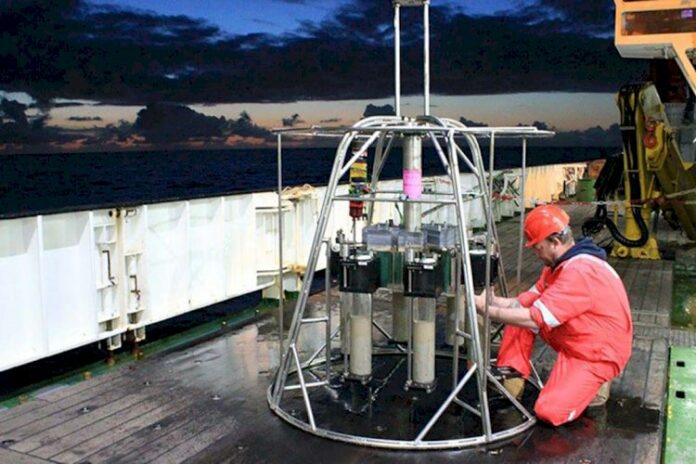
Researchers from the Scottish Association for Marine Science (SAMS) in Oban previously found traces of microplastics – small pieces of plastic less than 5 millimetres in size – at 2,200 metres below the surface of the Atlantic Ocean, near to the Rockall Trough off the west coast of Scotland.

But their samples, known as sediment cores, have now revealed plastic particles 10cm below the seabed in layers of sediment that were hundreds of years old, leaving the researchers with more questions to answer.

Dr Winnie Courtene-Jones, who is now science lead on the all-female marine plastic pollution project eXXpedition, carried out the sampling as part of her PhD at SAMS. She said:

“We found a greater abundance of microplastics nearer the top of the sediment, as we expected, as these layers build up over time. However, we found plastic throughout 10cm depth of sediment analysed. The layers of sediment down to around four centimetres were around 150 years old, so based on that discovery alone, plastics were in the sediment long before they were mass produced on land! It just didn’t add up.”

The researchers then turned their attention to the gaps between the sediment grains, or ‘pores’, and burrows created by deep-sea dwelling worms such as the peanut worm, spoon worm or bamboo worm.

In a newly published paper in Marine Pollution Bulletin, the authors from SAMS and the University of the West of Scotland have hypothesised that this so-called sediment reworking could allow the microscopic plastic to move through the pores, down through the sediment.

Prof Bhavani Narayanaswamy of SAMS, a co-author on the paper, said:

“Plastic manufacturing boomed during the 1940s-50s, yet from this study microplastics can be detected in sediments dating from well before the 1890s. More work is required to understand these processes and find out how the microplastics are getting to these depths and what their effect might be on the sediment. Ultimately the microplastics that we detect in the sediment have originated from the fragmentation of larger plastic items used on land.”

The scientists measured the presence of the isotope Lead-210, which decays over time, to determine the age of each sediment layer. The samples were collected in 2017 on a combined Extended Ellett Line/OSNAP project cruise.

MET Group books capacities in Croatian LNG terminal

0

MET Croatia Energy Trade submitted a binding offer to LNG Croatia to book capacities in the Krk LNG terminal for a three-year period, amounting to 1.3 billion cubic meters overall as earlier reported by the terminal.

MET Croatia has been present in Croatia since 2013 and is one of the leading gas suppliers on the domestic market. MET Croatia is a member of MET Group, a European energy company headquartered in Zug, Switzerland. The group employs 1,700 people in 15 countries, operates in 26 gas markets and is active in 22 international trading hubs. MET Group has been operating for 13 years and is the leading independent integrated energy company in the CEE region and other European markets including Spain and Italy.

Significant changes on the international energy markets are spearheaded by the rapid growth of global LNG trade, a development that MET Group welcomes. The Croatian LNG project will help Central and Eastern Europe to become an integral part of this global market. Furthermore, Croatian LNG imports will help MET Group link most of its downstream markets both from pipeline gas and from an LNG perspective as well.

MET International, the supply and trading arm of MET Group opened and has been successfully operating its LNG desk since 2016, delivering LNG cargos primarily into its natural gas supply markets in Spain and Italy. The LNG terminal in Krk represents a new supply point for the CEE region, bringing with it greater source diversification opportunities and, as a consequence, greater security of supply.

Mario Matković, CEO of MET Croatia Energy Trade, said:

“MET Group is actively monitoring the global growth for liquefied natural gas and increasing the volume of LNG delivered day by day. To succeed on the LNG market, apart from the specific knowledge with a global LNG desk, it is necessary to have a local presence, i.e. a market access for gas placement. We are the only player in the region that has both. Therefore, we have no doubt that booking the capacity in the LNG terminal in Krk will highly contribute to our long-term business strategy.”

Two significant oil discoveries offshore Mexico

0

Wintershall Dea and its license partners have made significant oil discoveries on the Polok and the Chinwol prospects in Block 29 offshore Mexico. Polok is a play opening discovery within the Early Miocene reservoir of the Salina Basin (part of the Sureste Basin), whereas Chinwol encountered oil in formations of the Pliocene.

Hugo Dijkgraaf, Wintershall Dea Chief Technology Officer and Executive Board member responsible for global exploration, said:

“These are breakthrough discoveries, confirming the materiality and quality of Wintershall Dea’s exploration license portfolio in the Sureste Basin. They emphasize Mexico’s importance as one of Wintershall Dea’s key target regions for growth globally.”

Polok and Chinwol are the first announced discoveries from a block, awarded in Mexico’s deep water round 2.4. in 2018.

Juan Manuel Delgado, Managing Director for Wintershall Dea’s Mexican business, pointed out:

“This is a great success. We have had a strong belief that discoveries like these could be made here. The Polok and Chinwol discoveries are a strong evidence of the oil potential of the Salina Basin. Opening a new play there, we are confident to further unlocking additional resources in Block 29 and the wider Wintershall Dea license portfolio. We are well positioned and looking forward contributing to the development of Mexico’s oil and gas sector.”

The Polok-1 exploration well was drilled to a total depth of 2,620 meters and encountered more than 200 meters of net oil pay from two zones in the lower Miocene.

The Chinwol-1 exploration well was drilled to a total depth of 1,850 meters and encountered 150 meters of net oil pay from three zones in the lower Pliocene.

The discoveries in Mexico’s Block 29 are 88 kilometers from the Mexican coastline of Tabasco and approximately 50 kilometers west-northwest of the world class Zama discovery, where Wintershall Dea holds a significant stake of 40%. The wells were drilled in water depths of 500 to 600 meters. The discoveries are just 12 kilometers apart from each other.

The reservoirs show excellent petrophysical properties. An intensive data collection has been carried out in both wells, including a total of 108 meters of core. The license partnership will work on potential appraisal measures and development options for the Polok and Chinwol discoveries, taking into account current market conditions.

The Block 29 partners are Wintershall Dea (25%), Repsol (operator, 30%), PC Carigali Mexico Operations S.A de C.V., the Mexican subsidiary of PETRONAS (28.33%) and PTTEP Mexico E&P Limited, S. de R.L. de C.V. (16.67%).