-0.4 C
New York
Home Blog Page 86

Dan-Bunkering completes Union Bulk’s first biofuel operation in Singapore

0

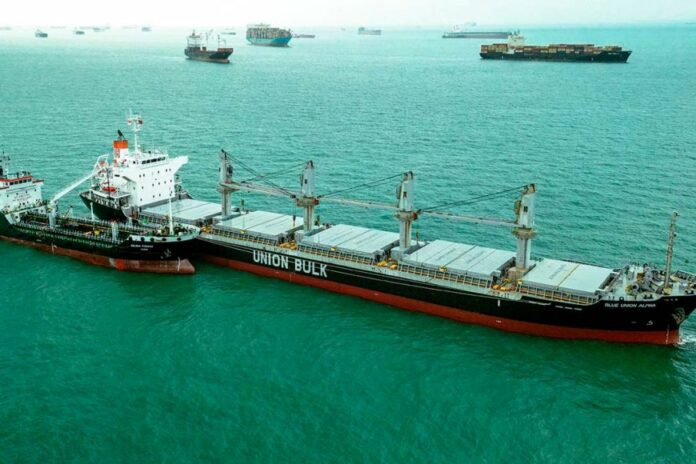
Leading global bunker supplier Dan-Bunkering has completed for their client, the Danish dry cargo owner and operator Union Bulk, their first ever bunkering of biofuel for their vessel Blue Union Alpha on March 9.

In continuing the coverage of international shipping routes with in-demand fuel types, the operation was coordinated by Dan-Bunkering. The company was on short notice able to assist with the necessary expertise and biofuel sourcing capabilities, ensuring an on-time delivery at the Port of Singapore ahead of Blue Union Alpha’s EU-bound voyage.

“Dan-Bunkering’s strength, in a case like this, comes from having spent a great amount time and resources in putting the necessary framework and biofuel supply team together, to support a first-time buyer like, in this case, Union Bulk. When we were called upon by Union Bulk for this task, we could jump into action immediately, schedule the delivery, and completed the ordering process with just a day’s notice,” says Michel Dominique Thomsen, Commercial Director at Dan-Bunkering.

When selecting the most suitable biofuel option, price was just one of many factors considered. Dan-Bunkering provided expert guidance on choosing the most appropriate grade of biofuel thereby also offering solutions to mitigate the risk of losing insurance by ensuring compliance with specific OEM requirements.

Loading the 300 MT of B24 VLSFO will allow the Blue Union Alpha to complete its voyage to Europe while complying with the EU’s regulatory frameworks of ETS and FuelEU Maritime.

Michel Dominique Thomsen, Commercial Director at Dan-Bunkering, said:

“When we were called upon by Union Bulk for this task, we could jump into action immediately, schedule the delivery, and completed the ordering process with just a day’s notice.”

For vessels accustomed to faring Asian waters, making the journey to Europe adds increased regulations on emissions and new standards to adhere to. Navigating these regulations can be challenging and often requires partnering with counterparties, who have that expert skill set.

“Before setting out on the voyage from Singapore to EU, adding B24 VLSFO was vital for us to meet emissions requirements imposed by the EU. And having both fuel quality, paperwork, and delivery in place and in time for an operation with short notice, we called Dan-Bunkering,” says Thomas Nielsen, Operations Director and Partner at Union Bulk, adding:

“This being our first biofuel bunkering operation, we went above and beyond with 300 MT, easily sufficing the journey’s needs. But this was to get experience and prove the feasibility of the operation, and it was a good experience for us both commercially and operationally. Bunkering biofuel, as is turns out, isn’t much different than regular marine fuels; but being new territory for us, we are pleased to have worked with Dan-Bunkering on this operation and have them warrant that it was done in correct manner.”

One of easiest ways to go about meeting the FuelEU requirements is to use a drop-in fuel like biofuel to lower the emissions. For a ship like the Union Blue Alpha, adding 300 MT of B24 VLSFO may result in CO2 emissions savings of about 79 tons of CO2 and a reduction in GHG Intensity compared to conventional fuels.
MOL Energia secures charters for two more newbuild VLECs with SCG Chemicals

0

MOL has announced that on March 17, its group Company MOL Energia Pte. Ltd. signed long-term charter contracts with SCG Chemicals.

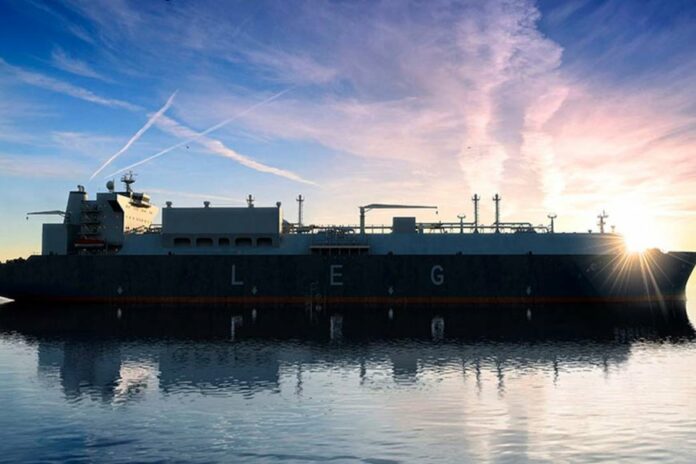
Of the approximately 90 dedicated liquefied ethane carriers currently in service or on order worldwide, this deal will bring the number of VLECs managed and operated by the MOL Group to 14.

Samsung Heavy Industries Co. in South Korea will build two more 100,000m3 VLECs for delivery in 2028, along with the vessels contracted in January. The vessels are equipped with ethane dual-fuel propulsion engines, which reduce emissions of greenhouse gases, sulfur oxides, and nitrogen oxides compared to vessels that run on conventional fuel oil.

With the conclusion of this contract, the MOL Group will own a total of five newly built dedicated liquefied ethane carriers serving SCGC, and the group will be responsible for transporting all of the ethane used at SCGC’s petrochemical plants in Vietnam. Through the safe operation of these VLECs, the MOL Group will help strengthen the competitiveness of Vietnam’s petrochemical industry and boost regional economic growth.

The group will continue to provide safe, reliable ocean shipping services by leveraging its advanced safe operation management system developed over decades of experience in the transport of liquefied gases, including LNG, to meet the demand for ethane transport, which is expected to keep expanding. In addition, as a global social infrastructure group, the MOL Group will leverage its overseas network to accumulate long-term stable profits as stated in its group management plan BLUE ACTION 2035 and achieve business development and expansion in line with its regional strategies.

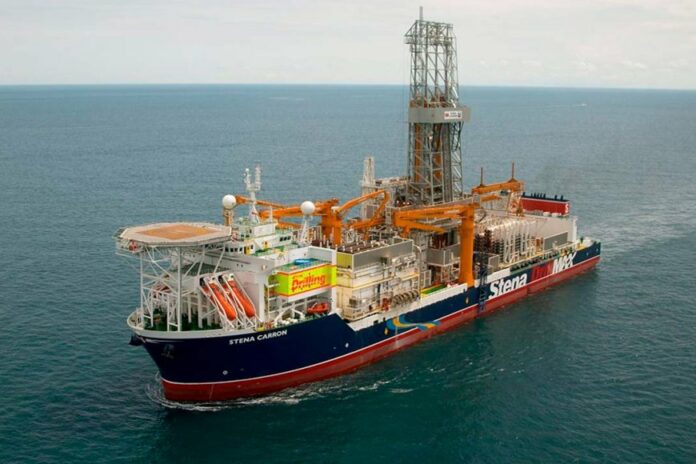
Stena Carron becomes the second Stena Drilling drillship to be awarded DNV’s Abate (P) notation

0

This achievement reflects the company’s commitment to reducing greenhouse gas emissions through the implementation of advanced technical and operational measures.

The DNV Abate(P) notation is industry-recognised for representing best practices in emissions abatement. As oil and gas operators and drilling contractors align to reach their net-zero targets, the Abate(P) notation marks a significant step in this journey, acknowledging units that demonstrate concrete progress in emission reduction.

By achieving this prestigious notation, Stena Drilling reinforces its ambitious emissions reduction as part of its sustainability objectives. The company has implemented a range of technical and operational enhancements, including:

  • Real-time energy and emission monitoring
  • Enhanced control of large pumps to optimise power usage
  • Elimination of additional fuel burning in boilers by the installation of Reverse Osmosis freshwater production plants and electric lube oil heaters
  • Hydraulic ring line EcoBoost accumulator system
  • Energy Awareness training for all personnel, on and offshore

Stena Drilling has also adopted a certified ISO 50001 energy management system across the fleet, as part of our ongoing strategy to reduce our carbon footprint.

Andrew Calderwood, the Energy Performance Superintendent at Stena Drilling, highlights the significance of the Abate (P) notation, emphasizing that it serves as a formal recognition of the energy efficiency initiatives successfully implemented on the Stena Carron. He further acknowledges the ongoing commitment of the vessel’s crew and engineering support teams in maintaining a high level of energy awareness. Their dedication to sustainable operations and continuous improvement plays a crucial role in enhancing the vessel’s overall efficiency and reducing its environmental footprint.

Erik Rønsberg, CEO of Stena Drilling, said: “I’m delighted that we have achieved this notation for Stena Carron. We have made significant investments in equipment, training and awareness in our fleet and being awarded this Class notation aligns us well with our values of care, innovation and performance.”

Nova Scotia proposes five offshore wind areas

0

In a news release Friday, Nova Scotia’s Energy Department said it has picked five sites:

  • French Bank.
  • Middle Bank.
  • Sable Island Bank.
  • Sydney Bight.
  • Western/Emerald Bank.

All told, the areas cover more than 19,000 square kilometres of open water, mostly off the Eastern Shore. One area, Sydney Bight, is just off Cape Breton. It overlaps with both ferry routes to Newfoundland.

The areas will not be formally designated until this summer. The province is inviting feedback in the meantime.

It has dedicated a new webpage to public engagement on the topic. The deadline for submissions is April 14. 

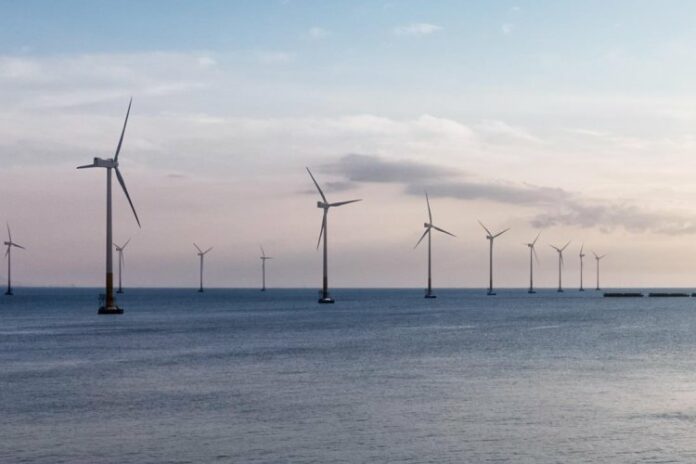
Nova Scotia and Ottawa are proposing these five areas for offshore wind development. Specific parcels within the areas will be identified in a call for bids for offshore wind licenses later this year. (Government of Nova Scotia).

The news release from the province says that when the Canada-Nova Scotia Offshore Energy Regulator opens bids for offshore licences later this year, it will identify specific parcels within the five selected areas that will be open for development.

The provincial and federal governments are jointly in charge of offshore waters and have been working toward a regulated offshore wind industry around Nova Scotia for several years.

They’re looking to issue licences for five gigawatts of offshore wind by 2030, which is more than Nova Scotia’s total electricity-generating capacity. The province has hopes of becoming a wind-energy exporter.

Deciding where turbines can go is a critical step that could influence developers’ interest in Nova Scotia and offshore wind’s impact on local fisheries.

The five proposed areas were all recommended by a committee that was appointed by the province and Ottawa to assess Nova Scotia’s offshore wind potential. But some of the areas have been modified — three made bigger and one pared back.

French Bank and Sydney Bight were both brought closer to shore.

As proposed, they would both break into the 25-kilometre coastal buffer that was recommended. French Bank would come within about 15 kilometres of shore and Sydney Bight would come within less than 10 kilometres from shore.

French Bank and Western/Emerald Bank are proposed for floating turbines, while the other three are proposed for fixed and floating turbines.

The committee recommended a total of eight areas, but three were left out of the province’s new proposal.

The five that were selected were recommended for immediate consideration, while the three that were dropped were all recommended for further review.

According to a discussion paper released by the province on Friday, the three that were dropped could be revisited after 2030.

Source: CBC

RanMarine: innovative solutions to fight water pollution

0

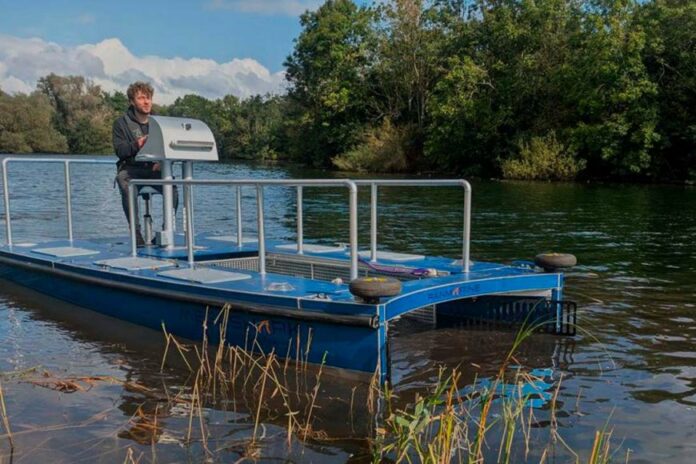
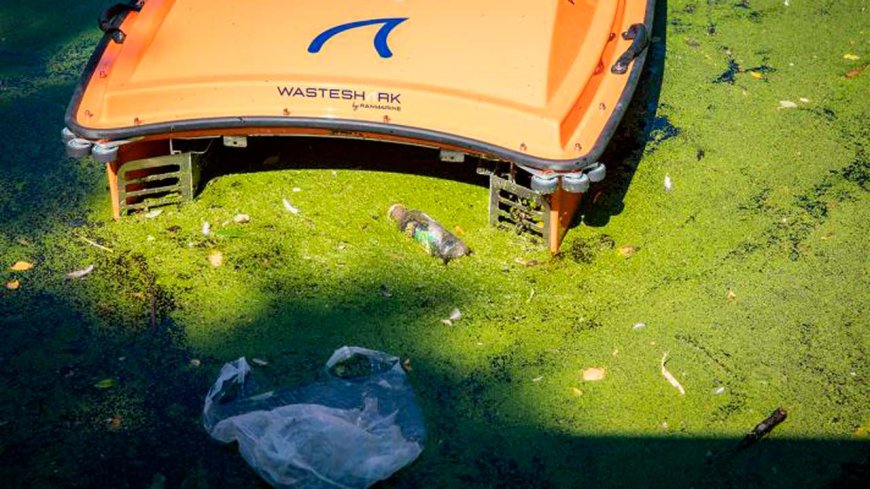
Initially, RanMarine focused mainly on tackling floating plastic pollution. The company devised a device that would autonomously navigate the water’s surface and collect plastics, like a robotic vacuum cleaner cleaning a floor. 

The team quickly discovered a crucial insight about water pollution priorities: even if removing floating plastic waste remained vital for long-term environmental health, the lack of direct accountability meant that few people were willing to fund its cleanup. But ‘when we expanded our scope to tackle immediate threats like toxic algae blooms – which directly impact local businesses, drinking water, and public health – we found eager customers ready to invest in solutions,’ explains Richard Hardiman, CEO of RanMarine. 

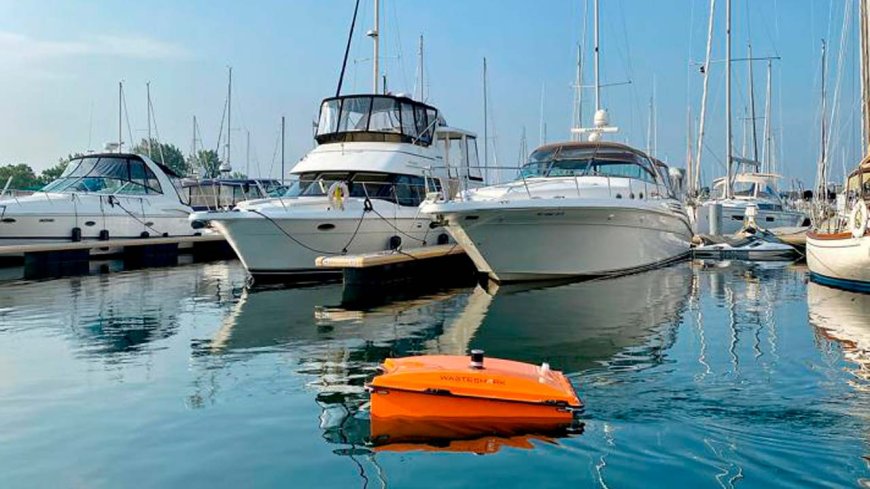
Today, RanMarine’s main clients are a mix of marinas and ports, city offices and municipalities, and several commercial clients. This shift revealed the true potential of scaling up their technology.

As the company shifted focus to include algae removal, ‘we suddenly found that there was a lot of government focus on removal’ of harmful algae blooms, particularly in the USA and Europe. Richard says: ‘Our systems could do exactly the same thing, and the need was urgent and had available funding.’

RanMarine has developed two main platforms for their anti-pollution robots, the smaller WasteShark and the newer, larger, MegaShark platform. Both products are commercially available and are purchased depending on the clients’ needs for bigger or smaller units.

The flexibility of RanMarine’s technology became its biggest asset: their Autonomous Surface Vehicles (ASVs) are able to target several pollutants with minimal modifications. This adaptability has proven invaluable, as it has allowed the company to enter different markets and scale up without having to overhaul their entire product line. 

Moreover, their ASVs are capable of collecting detailed water quality data while cleaning. By pairing the advanced GPS systems of the ASV and water probes, they were able to measure parameters such as pH levels, temperature, and dissolved oxygen. ‘We suddenly realised that we could build up cloud maps of what is in the water while we’re cleaning it,’ Hardiman says.

After securing private investment, RanMarine is now looking at the public and listed markets as options to raise capital.

Houlder leads COMLink project to improve wave resistance modelling

0

Houlder has announced its collaboration with Siem Shipping UK and the University of Southampton on the innovative COMLink Design Tool project, which aims to improve predictions of wave resistance in early-stage ship design to deliver more efficient vessel operations. 

This forward-thinking initiative, funded by the Smart Shipping Acceleration Fund (SSAF), is set to transform early-stage ship design by integrating real-world operational data and eliminate rule-of-thumb approaches to modelling wave resistance.

The Conceptual, Operational, Modelling Linked (COMLink) Tool addresses a longstanding challenge in maritime design: accurately predicting the added power needed for ships to operate effectively in waves. Traditional design methods primarily focus on calm water conditions, leading to potential inefficiencies in real-world operations. By developing a surrogate model that blends empirical data with high-fidelity simulations, the project will enable ship designers to create more efficient and resilient vessels from the outset.

Iebum Shin, Data Analytics Lead at Houlder, emphasised the projects importance, saying: “The COMLink Tool is a game-changer for ship design. By combining real-world operational data with cutting-edge modelling techniques, we can move beyond conventional assumptions and create vessels that are truly optimised for their working conditions. This project underscores Houlder’s commitment to driving innovation and efficiency in the maritime industry.”

As the project lead, Houlder will coordinate the project and ensure the successful integration of all components into a unified tool. 

Siem Shipping UK will contribute invaluable operational data from its fleet of car carriers, offering critical insights into seakeeping performance. Siem Shipping has also conducted in-depth studies of existing car carriers and refrigerated cargo ships, using empirical evidence to identify performance gaps and support the development of more efficient vessel designs.

The University of Southampton provides world-class maritime research, supporting the development of surrogate models through machine learning and high-fidelity simulations, and contributing insights that will be shared through industry conferences, peer-reviewed publications, and advisory bodies such as the Royal Institution of Naval Architects (RINA) and the Alan Turing Institute.

The tool will initially be tested on car carrier hull forms, ensuring practical applicability across multiple ship types. By incorporating accurate power predictions in waves, this project will lead to improved hull designs, reduced fuel consumption, and lower emissions – aligning with the UK’s decarbonisation and sustainability goals.

This project is funded by the Smart Shipping Acceleration Fund (SSAF), part of the UK SHORE programme administered by the Department for Transport. UK SHORE, backed by £206m of Research and Development funding from the UK Government, aims to decarbonise the maritime sector through a series of initiatives running from 2022 to 2025. These initiatives include flagship competitions such as the Zero Emission Vessels and Infrastructure (ZEVI) scheme and the Clean Maritime Demonstration Competition (CMDC).

The SSAF specifically provides match-funding to accelerate the market readiness of pre-commercial smart shipping technologies. In its latest round, the SSAF allocated £8m to support 31 innovative projects across the UK, leveraging over £3m of private investment and involving more than 103 partners. This funding supports feasibility studies and early development of solutions to reduce emissions and enhance maritime efficiency.

MPA and CMA CGM sign MoU to enhance sustainable shipping and digital innovation

0

The Maritime and Port Authority of Singapore (MPA) and the CMA CGM Group have renewed a Memorandum of Understanding (MoU) to advance sustainable shipping and innovation. 

The MoU was signed by Mr Teo Eng Dih, Chief Executive of MPA and Mr Rodolphe Saadé, Chairman and Chief Executive Officer of the CMA CGM Group.

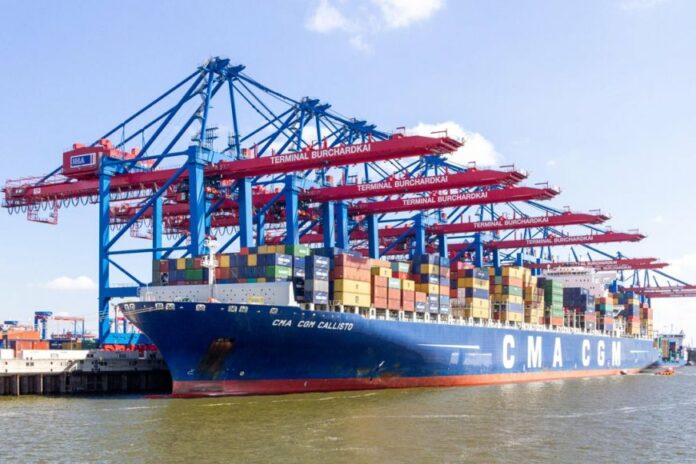
Under the MoU, CMA CGM plans to expand its fleet and vessel tonnage, adding more vessels under the Singapore Registry of Ships, including four 23,000 TEU LNG vessels. This move reinforces Singapore’s position as a maritime hub for CMA CGM and supports the company’s goal of achieving Net Zero Carbon by 2050.  In this regard, the CMA CGM Group has invested nearly USD 20 billion to order LNG and methanol-powered ships and will have 153 ships capable of using low-carbon energies (biogas, biomethanol and synthetic fuels) in its fleet by 2029.

To support the transition to more sustainable fuels, CMA CGM will register and bunker alternative-fuel vessels under the Singapore flag. With its expertise and insights on alternative fuels, the company will also participate in bunkering trials. Notably, CMA CGM Iron, the company’s first of 12 dual-fuel methanol vessels, made its maiden call in Singapore in early March 2025, marking an important step in CMA CGM’s efforts to adopt alternative fuels and collaborate with Singapore on sustainable shipping initiatives. 

MPA and CMA CGM will explore pilot trials, including the test bedding of an online registry for carbon accounting, and sharing best practices for zero and near-zero emission marine fuels.

Additionally, both parties will propose an implementation plan to trial and pilot standards for efficient and secure data exchange between ship and shore. CMA CGM will also engage in cybersecurity initiatives with MPA to enhance digital security in maritime operations. 

The collaboration aims to strengthen the maritime innovation ecosystem in Singapore by fostering close ties between CMA CGM Group’s entities, such as ZEBOX Group, and local innovation platforms like PIER71™. 

The partnership will further develop local talent through leadership programmes, exchanges, internships, and scholarships. CMA CGM will work with the Maritime Energy Training Facility (METF) to develop a seafarers’ training programme for operating alternative fuel vessels. Announced in 2024, the METF focuses on equipping the workforce with skills to handle new fuels like ammonia and methanol, ensuring industry readiness for the transitions.

Mr Teo Eng Dih, Chief Executive of MPA, said, “This MoU marks a significant milestone of our collaboration with CMA CGM and also demonstrates CMA CGM’s significant support towards our shared vision to drive decarbonisation and digitalisation and support manpower development within the maritime sector. By leveraging our collective expertise and resources, we aim to create a more sustainable and innovative maritime ecosystem.”

Mr Rodolphe Saadé, Chairman and Chief Executive Officer of the CMA CGM Group, added, “I am pleased to renew our partnership with the Maritime and Port Authority of Singapore, strengthening Singapore’s position as a key maritime hub for CMA CGM. Together, we will drive forward innovative initiatives, particularly in the adoption of alternative fuels and digitalisation to enhance efficiency and performance. This collaboration reflects our commitment to leveraging top expertise to build a more resilient and sustainable global trade.”

Huge ship set to carry turbines to North Sea farm

0

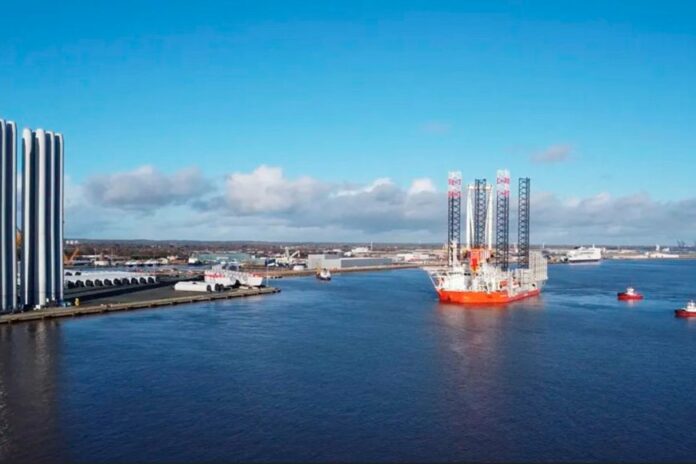
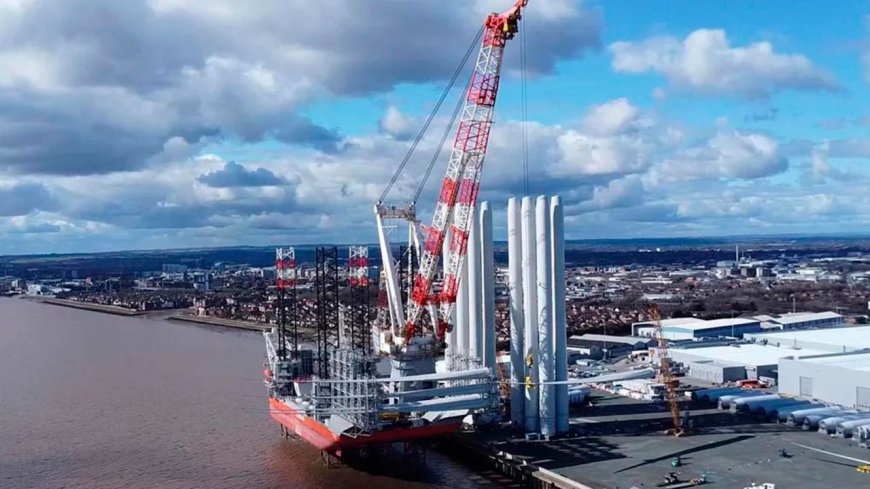
A purpose-built vessel, the Wind Peak, has arrived in Hull to carry components across 80 miles (129km) of the North Sea to the site on the Dogger Bank.

Officials said the vessel, which is 162m (530ft) long and 60m wide, was capable of transporting and installing seven turbine sets per load.

Sven Utermöhlen, the chief executive of RWE, which is developing the wind farm, said it was the energy firm’s “largest offshore construction project globally” and was on track to generate its first power this year.

RWE said more than half of the turbine foundations had been installed, along with substations and cabling.

The first of 150 wind turbine blades, manufactured in Hull by Siemens Gamesa, are also ready for installation. Each will be recyclable, which the firm has described as “pioneering”.

Mark Becker, the head of offshore at Siemens Gamesa, said: “This is a major landmark moment: Sofia, one of the largest offshore wind farms in the world, will be the first in UK waters to feature this industry-leading innovation.”

Officials said the wind farm was expected to generate 1.4GW of electricity and feed energy to more than a million homes by the end of the year.

Source: BBC

Alfa Laval secures first contract for ammonia fuel supply system

0

As a front-runner in enabling the use of ammonia, Alfa Laval has achieved a significant milestone by securing the contract for the ammonia fuel supply system, highlighting its technological readiness to handle ammonia as fuel.

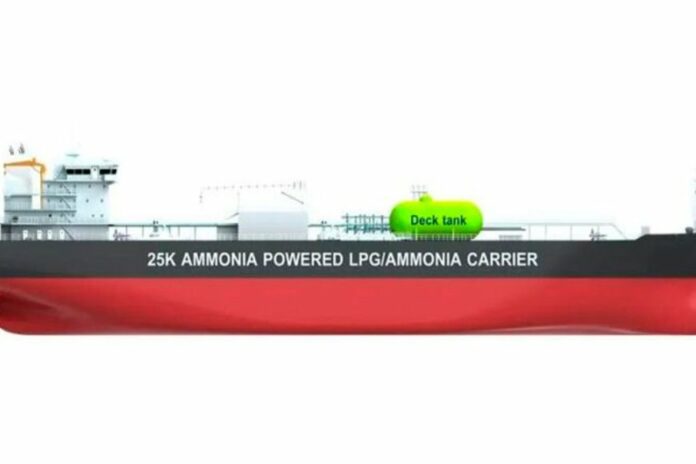
The FCM Ammonia will be installed on a CSSC Huangpu Wenchong shipyard in China for ship owner Tianjin Southwest Maritime (TSM). The installation will commence with three 25,000 cubic metre vessels, followed by four 41,000 cubic metre vessels.

“Through research, product development, and strategic partnerships, we are building the solutions needed for a safe and efficient transition to low-carbon alternative fuels,” says Peter Sahlen, Head of Marine Separation, Fuel Supply System & Heat Transfer, Alfa Laval. “Our deep experience with fuels like methanol and LPG has given us a head start with ammonia, and this first contract validates our commitment to driving decarbonization in shipping with reliable and innovative solutions.”

The FCM Ammonia contract follows extensive testing and development conducted in close collaboration with Swiss engine designer WinGD. In December 2024, comprehensive testing of the full fuel supply system, fuel valve train, and vent treatment system commenced at WinGD’s Engine & Research Innovation Center (ERIC) in Winterthur, Switzerland. These tests, utilizing test benches delivered by Alfa Laval Monza, will first validate key components for the vent treatment system, also called the ammonia release mitigation system, and then secure control logic and performance at varying engine loads.

“Collaborating with trusted partners such as Alfa Laval has been instrumental in bringing these new clean-fuel technologies to market, making ammonia-powered shipping a reality. This partnership, along with our joint R&D efforts, underscores our shared commitment to the clean energy transition to enable a sustainable future for shipping,” says Sebastian Hensel, Vice President, Research & Development, WinGD.

The first FCM Ammonia unit for TSM is scheduled for delivery at the end of 2025. 

Stena Line orders Norsepower rotor sails for RoRo newbuilding

0

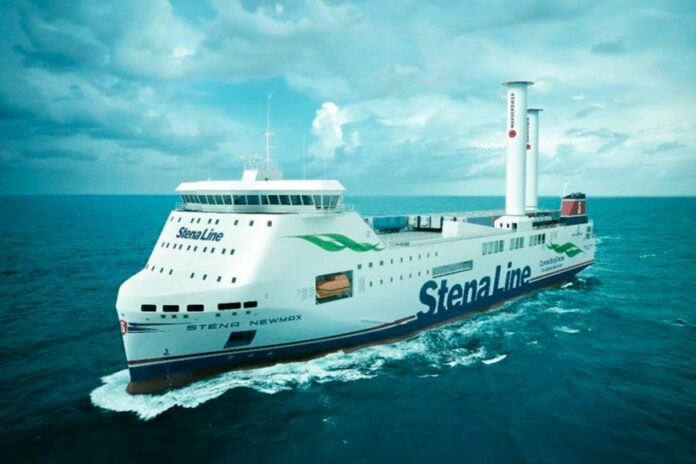
The Gothenburg-headquartered shipowner aims to cut CO2 emissions by 30% by 2030.

Built by Jinling Weihai Shipyard in China, the 147-metre vessel will feature two 28x4m Norsepower Rotor Sails™ (NPRS), projected to deliver up to 9% fuel savings on the planned trade route. Scheduled for delivery to Stena Line from Stena RoRo in Q4 2025, the ship will operate on the Irish Sea, between Belfast and Heysham, where wind conditions are very favourable for wind assisted propulsion.

This collaboration highlights the convergence of two industry leaders, both committed to innovation and sustainability. As a forward-thinking player in the maritime industry, Stena  is renowned for its rigorous specifications and high standards. Stena Line’s strategic ambition to transition to renewable fuels, including securing future e-methanol volumes, aligns seamlessly with Norsepower’s mission to drive decarbonisation through wind propulsion technology.

“We are honoured to work with Stena Line, a company that has consistently led the way in sustainable shipping innovation,” said Heikki Pöntynen, CEO of Norsepower. “This partnership underscores the reliability and quality of Norsepower’s products, as well as its alignment with Stena Line’s forward-thinking goals to cut CO2 emissions by 30% by 2030.”

Dennis Tetzlaff, Chief Operating Officer Fleet, at Stena Line said, “Stena Line recently launched our new ship, Stena Connecta, into the water and it will now be fitted out with two rotor sails. These sails will harness wind power to provide auxiliary propulsion to the vessel, therefore reducing fuel consumption and emissions. Innovations such as this are key to futureproofing our vessels and to reaching our emissions targets.”

The RoRo vessel represents a step forward in sustainable shipping, built to operate on methanol and is part of a broader initiative to integrate sustainable technologies. The sister vessel in the same series is being delivered “rotor sail ready,” further demonstrating Stena Line’s commitment to wind propulsion.

To minimise environmental impact during the project’s execution phase, the NPRS will be manufactured at Norsepower’s new production facility in Yancheng, China, and delivered directly to the shipyard. This approach reduces costs and emissions while exemplifying both companies’ dedication to sustainable operations.