0.6 C
New York
Home Blog Page 851

DEME completed the cable laying works at the SeaMade offshore wind farm

0

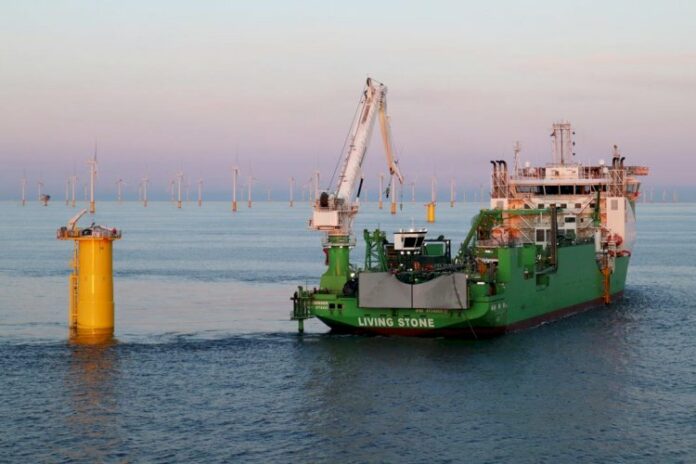
DEME Offshore was responsible for the Engineering, Procurement, Construction and Installation (EPCI) of the 64 inter-array cables. With a total length of 71.2 km, the cables were successfully loaded out on ‘Living Stone’ and cable laying works were completed in record time. Due to several innovative features on board especially developed for inter-array cable load-out and installation, ‘Living Stone’ operated at peak production levels, laying up to three cables per day.
 
This unique cable installation vessel features a double firing line, unrivalled quadrant track length, a quadrant upending frame, an inboard cable buffering system and the newly installed Cable Protection System (CPS) storage system which was deployed for the first time at the SeaMade project. These innovations prove to greatly enhance installation efficiency and will enable record cable installation production levels on future projects.
 
Bart De Poorter, General Manager DEME Offshore emphasises:

“This peak performance level could only be achieved thanks to our crew on board of ‘Living Stone’ and the dedicated project team and partners involved. Everyone on board and on shore made exceptional efforts to ensure the project remained firmly on track, maintaining safe operations at all times during the COVID-19 pandemic. This achievement highlights once more the state-of-the art technical capabilities of ‘Living Stone’. The large cable storage capacity, with two turntables below deck, combined with a very high workability, enables DEME to perform the installation works of entire wind farms within a single campaign and with minimum delay due to port calls or harsh weather conditions.”

Mathias Verkest, CEO SeaMade offshore wind farm comments:

“I am proud to see another campaign successfully concluded at both of the SeaMade concessions, Mermaid and Seastar, bringing us another step closer to the realisation of the SeaMade offshore wind farm. Both the start and the end of the installation activities took place during the COVID-19 pandemic. This can only be accomplished by a highly focused, quality driven team, making every effort to carry out the works safely and going for the extra mile during these unprecedented times. The 71.2 km of infield cable has been installed in 12 strings which are linked through six interconnecting loop cables located at the end of the strings to create redundancy during future operations. With the construction of SeaMade, Otary’s second and largest offshore wind farm in the Belgian North Sea, we are building a better world for tomorrow, delivering 487 MW of green energy to Belgian households.”
Petrofac secures Iraq contract extension with Basra Oil Company

0

Petrofac’s Engineering & Production Services division (EPS) has secured a further six-month contract extension with Basra Oil Company (BOC) for its long-standing Iraq Crude Oil Export Expansion Project (ICOEEP).

The confirmation of the contract extension is recognition of Petrofac’s successful seven-and-a-half-year track record of safe and efficient delivery and ability to sustain and improve export levels as incumbent operations and maintenance service provider.

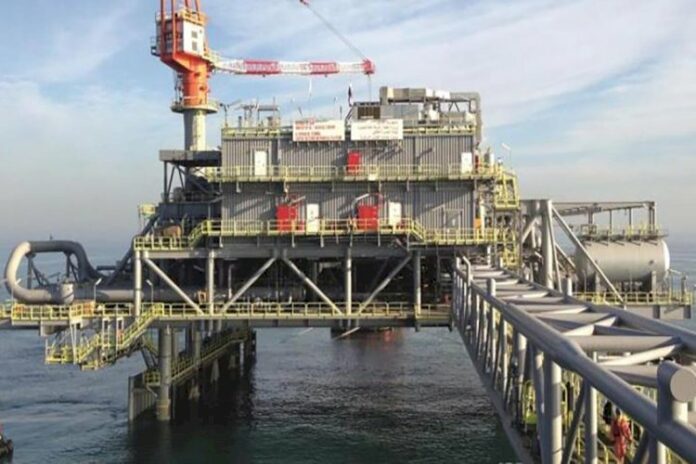
The facility, which is one of the largest export terminals in the Gulf and handles around 50% of Iraq’s crude oil exports, is located 60 km offshore the Al Fao Peninsula in Southern Iraq. It comprises a central metering and manifold platform and four Single Point Moorings which facilitate oil export onto awaiting crude carrier tankers. In addition, Petrofac is responsible for almost 300 km of subsea pipelines, 1800 metres of subsea and floating hose infrastructure and a marine spread comprising 14 vessels.

Mani Rajapathy, Managing Director, EPS East, said:

“We are delighted to be awarded this further contract extension in Iraq by our longstanding client BOC. During this current challenging period for operations we have continued to work well together, improving the daily export beyond two million barrels. We thank BOC for their consistent support and look forward to maintaining the best-in-class operation of this important national asset.”

Mr Ihsan Ismaael, Director General of BOC commented:

“Petrofac continues to be a true partner to BOC, ensuring uninterrupted and record exports. We appreciate their commitment, particularly during this recent period, and congratulate them for hitting new export highs.”

Petrofac has been present in Iraq since 2010. Today, Petrofac employs around 400 people in country and is currently working on a number of projects for a variety of NOC and IOC clients.

New driver-free freight ferry terminal now open for business in Tilbury

0

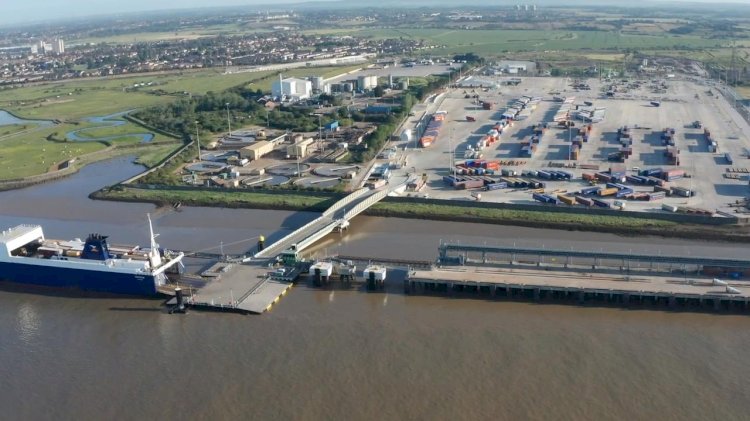
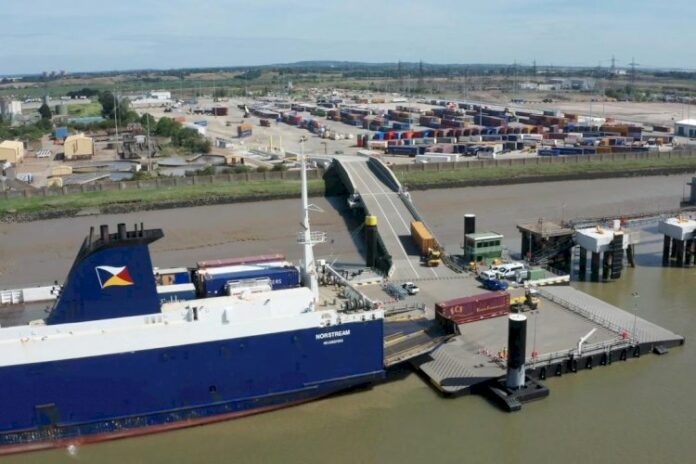
Tilbury2’s brand new unaccompanied* freight ferry terminal opened for business this week at a vital time for the UK’s freight industry. The 500,000-unit freight-only facility will inject state-of-the-art capacity into the country’s ports sector by utilising a truck driver-free operation* at a time when infection control is uppermost in everyone’s minds. [*Unaccompanied – freight transported into the UK without truck drivers]

After a year of construction, led by construction giants GRAHAM, the country’s newest and largest unaccompanied freight roll on/roll off (ro-ro) terminal, located at the edge of London, will operate in exclusive partnership with P&O Ferries. The first ship to use the fully operational terminal was P&O’s chartered freight ferry the Norstream. 

The bespoke terminal will import and export containers and trailers with vital supplies for the UK, including food, drink and medicines to and from continental Europe on P&O’s busy Tilbury-Zeebrugge freight route.

The new ro-ro terminal is part of a £250 million investment by owner, Forth Ports, which is creating a brand-new port, Tilbury2. The terminal is trusted trader Authorised Economic Operator (AEO) accredited and embraces the latest booking and border technology, such as number plate recognition, which ensures that the terminal is Brexit-ready to continue the smooth passage of goods, regardless of the eventual EU-UK settlement. The marine works for the new ro-ro terminal were completed in April and successful ship trials were carried out on 17 May.

Commenting on the opening, Charles Hammond, Group Chief Executive of Forth Ports, said:

“This is an important time for the UK as we emerge from the lockdown. Our new freight terminal is the country’s most modern ferry port offering a seamless and lower carbon route to the biggest consumer market in Europe, Greater London. Despite the current challenges we have delivered a resilient terminal with significant headroom to grow as we pursue our vision of being the nation’s strategic freight gateway to-and-from Europe. We believe that this terminal opening is a symbol of hope for economic recovery.”

Maritime Minister, Kelly Tolhurst said:

“Barely a year since getting the green light from my Department, the opening of the Tilbury2 unaccompanied ferry terminal really is a landmark moment for this major infrastructure project. It is a great testimony to all those who worked on the build that it has been finished and opened, despite the current challenges facing the maritime sector. The new terminal will provide more capacity and jobs at a vital time, when our world-leading ports will be at the forefront of the UK’s economic recovery.”

Paul Dale, Asset & Site Director at the Port of Tilbury, said:

“The switch to a river berth provides significant growth opportunities. P&O can bring in larger vessels, deliver faster vessel turnaround times and – most importantly – get containers and trailers onto an inland barge or the motorway network in under an hour. While this enhanced offering will support further growth through the Zeebrugge route and the possibility to expand into other northern European locations, it also provides a critical low carbon delivery alternative through our new rail connection.”

Janette Bell, Chief Executive of P&O Ferries, said:

“After the successful ship trials just over a week ago at Tilbury2, P&O Ferries is delighted that the driver-free freight ferry terminal is operational.  This terminal will significantly increase the speed of our services and improve access to the M25 for our customers who carry important consumer and industry goods, such as detergents and pharmaceuticals, building materials and fertiliser, wine and beer and cosmetics. We look forward to developing all of the opportunities this terminal has to offer for our customers.”

Leo Martin, Managing Director, Civil Engineering at GRAHAM, said:

“The opening of the Tilbury2 ferry freight terminal is a major development in the Port of Tilbury’s expansion and will support economic growth at a local, regional and national level. We are extremely proud to have played our part in the construction of such an important infrastructure project, which will undoubtedly unlock further potential for freight transportation between the UK and mainland Europe.”

Robin Mortimer, Chief Executive of the Port of London Authority said:

“It’s fantastic to see Tilbury2’s ferry terminal completed and operational.  Forth Ports’ investment in its Thames operations is creating the sustainable, resilient operations on which the country depends. Tilbury2 is set to play a key role from day one and is a major growth opportunity for the future.”

Tilbury2 is a new port at the former Tilbury Power Station on the north bank of the River Thames on the outskirts of London. When fully operational later this year, Tilbury2 will be the UK’s largest unaccompanied freight ferry port, the country’s biggest construction processing hub and will see the creation of a new significantly larger rail head which can accommodate the longest freight trains of 775 metres.

Nexans wins major subsea HVDC cable contract from Greece’s state grid operator

0

Nexans has been awarded a major contract to design, manufacture and install a 335km subsea high voltage direct current (HVDC) cable system for  S.P.S.A, owned 100 percent by IPTO, Greece’s state grid operator. The interconnection will link the electricity network on mainland Greece to Crete. The project will provide security of supply for the island and enables the transition from fossil fuel generation to renewable wind and solar energy resources.
 
Crete is the largest of the Greek islands, with a population of around 700,000 people. It also attracts over 4 million visitors a year, mainly during the summer. The island currently relies mainly on out-dated fossil fuel generation. The new submarine cable interconnection will ensure that Crete has a reliable power supply essential for its future prosperity. The interconnection will also reduce emissions, making the island even more attractive to tourists, and also helping it to develop its own renewable energy resources by enabling excess generation to be exported back to the mainland.

The cable will span a subsea distance of 335 km from the Attica region on the Greek mainland to the Herakleion area in Crete. Over a 35-month project, Nexans will provide one 500 megawatt (MW) HVDC subsea cable system to form half of the total 1,000 MW bipole interconnection.

The Nexans cable, rated at 500,000 Volt, is based on its well-proven mass impregnated nondraining (MIND) design for HVDC cable systems and will integrate fiber optic elements for sensor applications. The near-shore sections of the cable, to be installed at water depths down to 100 meters, will feature an aluminium conductor core with a cross-section of 1,800 mm². The deeper sections of the cable, installed at depths down to 1,200 meters, will feature a 1,500 mm² crosssection aluminium conductor. The cable will be protected by trenching into the seabed using the Nexans Capjet water jetting system down to 600 meters water depth.

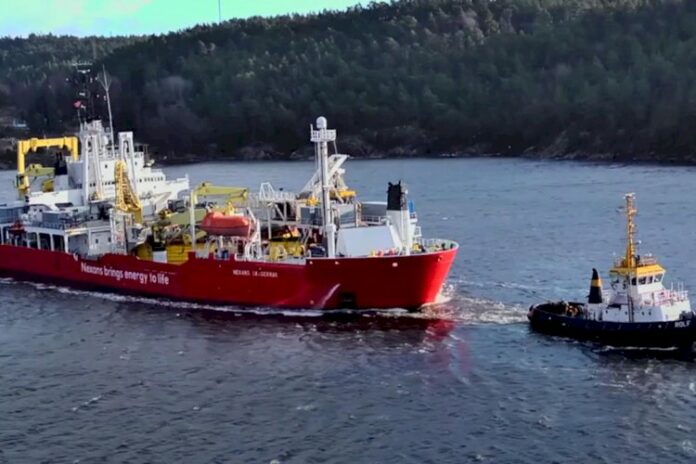
The HVDC cable will be manufactured in the Nexans plant in Halden, Norway and/or the plant in Futtsu, Japan. It will be installed by one of Nexans’ own dedicated cable vessels – Nexans Skagerrak or new Nexans Aurora. The interconnection is scheduled to come on line in 2023.

WinGD wins type approval for biggest and most powerful ever dual-fuel engines

0

WinGD (Winterthur Gas & Diesel) has received type approval for the biggest and most powerful LNG-fuelled engines ever built.

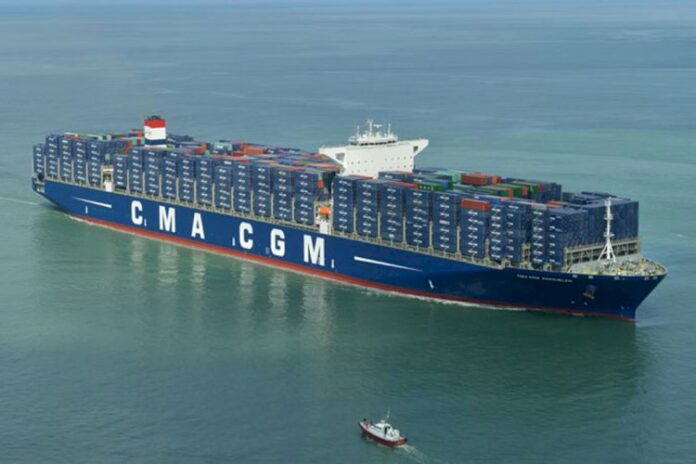
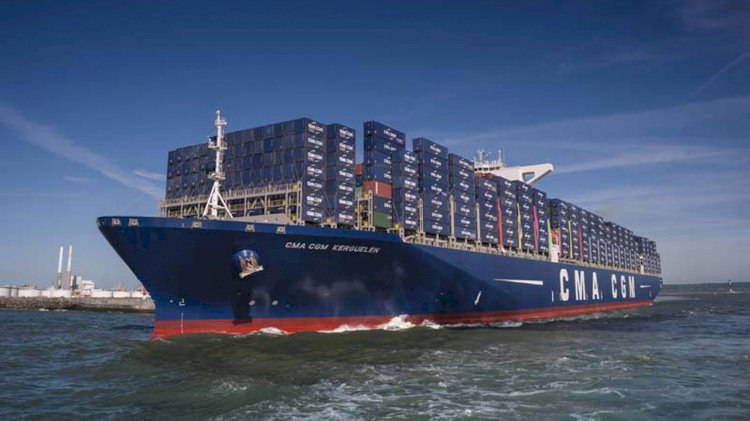
Class society Bureau Veritas awarded the approval for WinGD’s dual-fuelled 12X92DF engines, the first series of which is currently being built by China State Shipbuilding Corp (CSSC) and will power nine ultra-large container ships (ULCS) owned by the CMA CGM Group, a world leader in shipping and logistics. These vessels will become the largest container ships powered by liquefied natural gas and represent a significant step on the path to the energy transition of the shipping industry.

The type approval was awarded following a series of extensive full-load tests in diesel and gas operation. A virtual ceremony on May 26 with guests joining from Beijing, Shanghai, Marseille, Paris and Winterthur marked the landmark moment for the ground-breaking engine technology, which has brought the use of LNG as a marine fuel into an entirely new vessel sector.

In a statement, CMA CGM said:

“The certification ceremony marks a new stage in the construction of the CMA CGM’s nine 23,000-TEU LNG-powered vessels. These vessels are the world’s largest containerships powered by LNG. CMA CGM’s ground-breaking choice in favour of LNG is a major step forward and a clear illustration of our resolute commitment to environmental protection and to the energy transition of the maritime industry. This certification is a major milestone as it marks the recognition of the technological efficiency of our dual-fuel engine project.”

Olivier Cartier, Technical Vice President, Bureau Veritas, commented on the approval:

“The certification process of WinGD’s 12X92DF engine was a long process due to the size and complexity of the engine. We mobilized our worldwide teams of engine specialists, especially in China, in France and in Germany, at each of the critical phases of the certification process. Progressive Type Approval Tests were necessary where at each test significant progress and refinement were noted, so that we remained confident that final certification at 100% of the power using gas as fuel was an achievable objective – and this has now been achieved.”

Klaus Heim, WinGD CEO, said:

“With the type approval of our biggest engines to date, we are opening up the possibilities of LNG-fuelled ship propulsion to yet another vessel segment, a testament to its cost-efficiency, reliability and sustainability. This is an important step towards the sustainable energy transition within the shipping industry and we are incredibly proud of the role WinGD plays in this journey.”

Dominik Schneiter, Vice President, for Research and Development at WinGD, added:

“WinGD’s X92DF engines offer the most sustainable emissions footprint currently available, outperforming expectations for NOx, SOx and PM emissions and with CO2 levels over 20% lower than typical diesel engines. With it’s unique combination of Otto (lean burn) and Diesel cycle technology these engines can adapt for any of the potential sustainable fuels of the future making them a secure asset for a long time to come.”

The development of the X92DF engine builds on the expertise and experience gained from more than 500,000 operating hours for WinGD’s market-leading X-DF dual-fuel engine technology. That landmark comes just under four years since the first engine went into service, highlighting the rapid uptake and remarkable reliability of WinGD’s low-pressure concept.

WinGD has received 320 orders for their X-DF engines including 60 in operation. The X-DF has been the best-selling dual-fuel low-speed engine technology in the maritime market since the second half of 2017. As well as the first gas-fuelled ULCSs, WinGD’s low-pressure X-DF technology also powers the first LNG-fuelled Aframax shuttle tankers with VOC recovery and very large crude oil carriers.

WE Tech to deliver energy efficiency solutions to eight Shell LNG Carriers

0

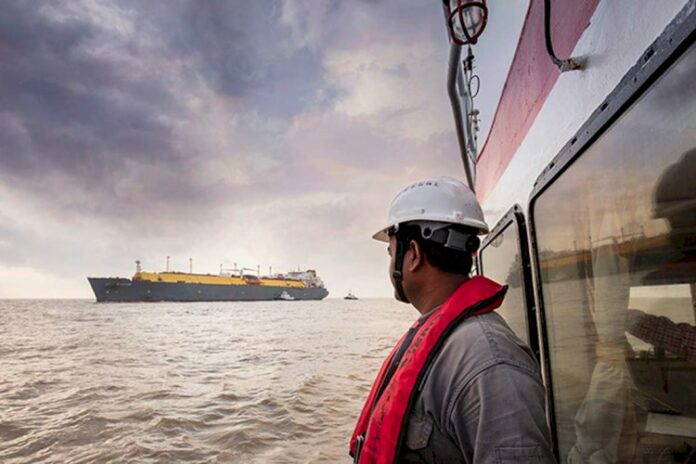
This LNG Carrier series is chartered to energy major Shell LNG via the owners Knutsen OAS Shipping, J.P.Morgan Asset Management and Korea Line Corporation. The vessels are being built by Hyundai Heavy Industries Co., Ltd in Ulsan and Hyundai Samho Heavy Industries Co., Ltd in Mokpo, South Korea. The equipment delivery from WE Tech will commence in February 2021.

The delivery package includes two sets of Direct Drive Permanent Magnet Shaft Generators, variable speed frequency drives and Dedicated Power Management System (DPMS). The Economical Operations Solution supplies the vessels electrical power distribution from shaft generators allowing for the auxiliary generators to be stopped. Thus, substantial fuel saving is achieved.

Mr Peter Lindström, Sales Manager of WE Tech Solutions, says:

“Our state-of-the-art variable frequency drive technology together with permanent magnet generators which have the markets highest efficiency over the full speed and power range can fully satisfy gas carriers’ needs. with our solution, the energy efficiency of the machinery reaches unprecedented levels.”

Mr Oliver J. Smith, the Project Manager of Knutsen OAS Shipping, says:

“Environmental sustainability has always been one of the fundamentals in our business development. We are glad to work together with WE Tech Solutions to build the most advanced and eco-friendly LNG carriers, the utilization of WE Tech’s energy efficient solutions keeps Knutsen the frontrunner in technical innovations as we always strive to be.”

Mr Mårten Storbacka, Managing Director of WE Tech Solutions, underlines:

“This is the third order from South Korean shipbuilding for delivering our Economical Operations Solutions to gas carriers since WE Tech stepped into the Korea market in 2019. The previous two orders were for LPG Carriers, while this order is the first of many to follow for LNG Carriers, the continuous repeating orders are proof that our solutions have the best value for money, highest reliability and superior efficiency, making us the leader in the variable speed shaft generator solution business.”

Inmarsat 2020 Superyacht Connectivity Survey Opens

0

Inmarsat, the world leader in global, mobile satellite communications has opened its third and most extensive yet annual Superyacht Connectivity Survey, providing a unique state-of-the-industry assessment of satellite communications usage in the sector.

The Inmarsat 2020 research programme will analyse data from skippers, senior crew, chief engineers and technical professionals on vessels ranging from 24m to over 100m to gain targeted insight on respondents’ awareness and current use of on-board VSAT technology, and the future requirements for global connectivity solutions in the superyacht market.

Inmarsat, the global leader in mobile satellite communications, will publish the 2020 Inmarsat Superyacht Connectivity Report later this year to provide data to assist industry professionals involved in the management and use of on-board satcom. The research will also support Inmarsat’s commitment to match its leading services with current and future superyacht requirements and provide the best, most reliable connectivity at sea globally.

As digitalisation, large scale very small aperture terminal (VSAT) usage and the need for effective on-board cyber security increases in the sector, Inmarsat tailors its research each year to reflect the maritime data revolution, with emphasis on operational, guest and crew usages and needs, onboard data speed and airtime expectations, and cyber safety measures and training.

Peter Broadhurst, Senior Vice President, Yachting and Passenger, Inmarsat Maritime said:

“As part of our efforts to work with superyacht captains and engineers, Inmarsat is pleased to launch the third Superyacht Connectivity Survey. We would like to ask key professionals to take 20 minutes to provide their input to help Inmarsat create a valuable resource for the superyacht industry that will be hugely beneficial in enabling more informed decisions and creating awareness of the latest technology and its potential. Building on the 2018 and 2019 reports, the 2020 report will be able to capture key trends and insights by addressing the specific requirements driving the demand for continuous global on-board connectivity.”

Sonardyne tests navigation systems for autonomous surface vehicles for UK MOD

0

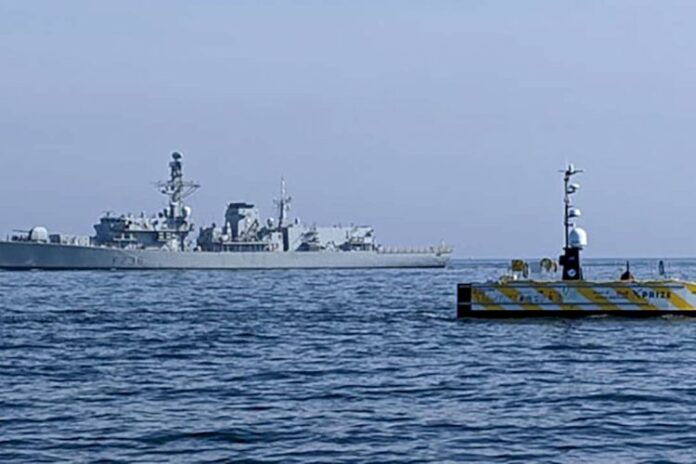
Working with a 12 m-long SEA-KIT X class unmanned surface vehicle (USV), Sonardyne tested and validated sensors already used by unmanned underwater vehicles for use on USVs in support of missions in coastal waters

Specifically, Sonardyne’s market leading SPRINT-Nav hybrid inertial navigation instrument was integrated into a SEA-KIT X and tested against local real-time kinematic (RTK) GPS positioning, as part of the DASA programme to fast-track autonomous vehicle capability in challenging or harsh conditions.

Loss of satellite-based timing signals needed for navigation and positioning can occur in ports and harbours around tall structures or close to cliffs or inside fjords, where GPS or GNSS receivers may not have a clear line of sight with the sky. It can also happen through deliberate signal jamming or degrading of performance, known as spoofing.

Sonardyne’s SPRINT-Nav is already proven as a reliable navigation instrument for unmanned underwater vehicles, which operate in what is effectively a GPS or GNSS denied environment. Now it will also be used to provide a high integrity, continuously available navigation solution for a USV, like SEA-KIT X, operating in littoral zones in water depths up to 150 m.

SEA-KIT is a 10,000 nautical mile-range vessel able to carry up to 2.5 tonnes of payload and deploy and recover autonomous underwater vehicles (AUVs) and remotely operated vehicles (ROVs). This capability, and flexibility, means it is well suited to support naval missions including intelligence gathering, hydrographic survey and as a communications gateway.

Ioseba Tena, Global Business Manager, Defence and Marine Robotics at Sonardyne, says:

“Most USVs rely on uninterrupted GPS or GNSS signal updates to inform their situational awareness and plot a course safely. When there’s no signal, or what’s called spoofing or jamming, USVs must consider alternative navigation sensors and instruments or they need to be remotely piloted adding expense and risk to over-the-horizon operations.

By integrating SPRINT-Nav onto a USV, such as SEA-KIT, we have shown we can overcome this challenge, providing a continuous and resilient navigation in denied environments capability that will be ideally suited to challenging operations such as mine-counter measures (MCM).”

In total, 21 contracts were awarded by DASA, on behalf of the UK’s Defence Science and Technology Laboratory (Dstl), amounting to £2.1 million in funding. The awards are part of the Autonomy in a Dynamic World competition, launched last year, which aims to address factors that affect the military effectiveness of current autonomous technologies.

Helen Mullender, DASA project manager, said:

“The work being funded is to mature autonomous systems with the capability to operate on demand, under all conditions that may be encountered. Military operations are undertaken in all kinds of challenging environment. The inclusion of autonomous systems in these operations will demand their ability to operate effectively and efficiently regardless of the environment.”

The competition is funded through the MOD’s Chief Scientific Adviser’s Research Programme’s Autonomy Incubator project that aims to: Identify and develop underpinning research and technologies to support the development and fielding of unmanned systems across defence which may be matured through the Dstl Autonomy Programme and other Research and Development programmes.

Dstl delivers high-impact science and technology for the UK’s defence, security and prosperity. Dstl is an Executive Agency of the MOD with around 4,000 staff working across four sites; Porton Down, near Salisbury, Portsdown West, near Portsmouth, Fort Halstead, near Sevenoaks, and Alverstoke, near Gosport.

One person injured on board the vessel North Sea Atlantic

0

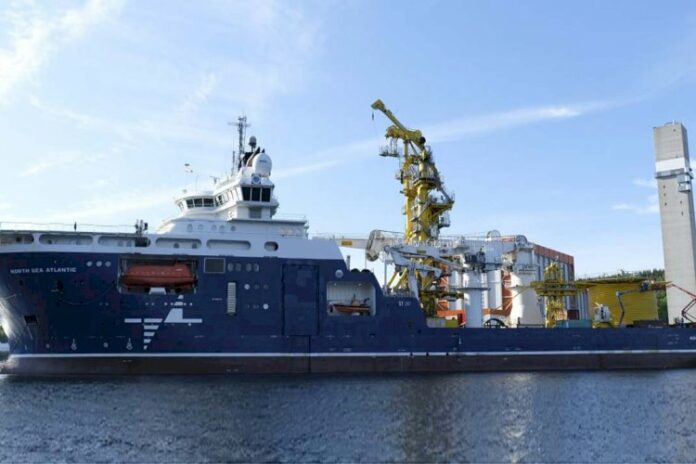
The personnel injury was reported just before 17:00 hours on Monday May 25th at the Edvard Grieg field, operated by Lundin Energy Norway. The injured person received immediate care and attention from health personnel, and was transported on to Haukeland hospital in Bergen for treatment on Monday evening.

“North Sea Atlantic” is owned by the “North Sea Shipping” shipping company and is working on a pipelaying operation in preparation for a satellite development on the Edvard Grieg field. This work is being managed by TechnipFMC. The injured person and the company is in close contact with the next of kin.

The accident occurred in connection with installation of a 9.5-inch flexible pipe on the seabed. One of the crew members suffered a crushing injury during this operation. The pipelaying operation by North Sea Atlantic has been temporarily suspended.

Managing Director Kristin Færøvik in Lundin Energy Norway, says:

“We take this incident seriously. Obviously, no such accident should ever occur, and an investigation will be performed in close collaboration with TechnipFMC to examine how this could happen. Now that the injured person is under expert medical treatment, our top priority is that the next of kin are taken good care of.”

Petrofac begins North Sea well decommissioning contract

0

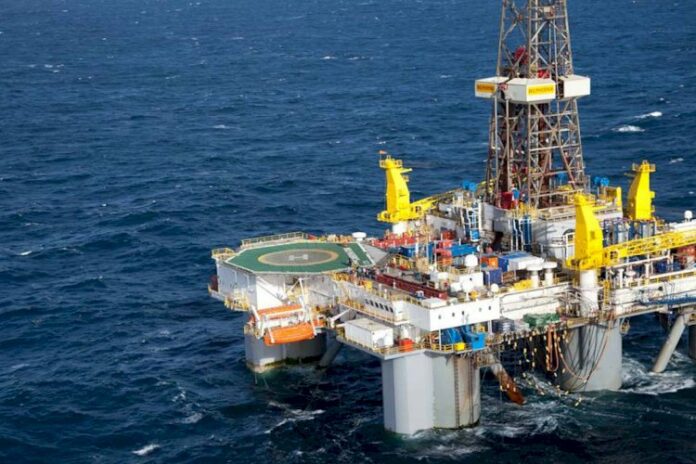
Over the next three months, Petrofac will provide Well Operator, Well Engineering and Project Management services to decommission four wells within the Rubie and Renee fields, 200km north east of Aberdeen.

Three of these wells will now be decommissioned on a lump sum turnkey basis, leveraging Petrofac’s proven track record of producing significant savings in previous decommissioning campaigns in the UKCS and demonstrating our ability to provide flexible commercial models to suit the operating strategies of our clients.

Petrofac is responsible for detailed planning, direct procurement and management of all sub-contracted services, including provision of a semi-submersible rig, in delivering this well decommissioning campaign.

Nick Shorten, Managing Director for Petrofac Engineering and Production Services West, said:

“We are excited to kick-off this critical well decommissioning activity. The contract builds on our existing track record for delivering Well Operator and Project Management services for clients globally, but specifically in the UKCS where in recent years we have successfully delivered numerous multi-well decommissioning campaigns, permanently abandoning 25 wells since 2016.

We have delivered significant savings for our clients during these campaigns and are delighted to capitalise on our track record by decommissioning three of the four wells on a lump sum turnkey basis to align with our client’s operating strategy. We look forward to safely delivering this work over the next three months.”