1.3 C
New York
Home Blog Page 838

GeSI and WOC begin new digital collaboration

0

The World Ocean Council (WOC) and the Global Enabling Sustainability Initiative (GeSI) have signed a Memorandum of Understanding to strengthen and promote the effectiveness of sustainability efforts through the development and deployment of digital technology.

The WOC-GeSI partnership will focus on Sustainable Development Goal (SDG) 14 – conserve and sustainably use the oceans, seas and marine resources for sustainable development – and linking these ocean goals with those of the GeSI Digital with Purpose Movement.

The Digital with Purpose Movement is the next phase of GeSI’s initiative following the launch of its Digital with Purpose report in 2019. The report found that digital technologies could have a transformational impact on the ability to meet the 2030 Agenda and SDGs. To achieve this, both the ICT sector and other key sectors need to fully integrate the agenda into its activities and organizational culture.

The WOC has stepped forward to engage the ocean business community with the Digital with Purpose Movement and working to establish a mechanism for individual and collective action to catalyze progress on the SDGs and the Paris Climate Agreement through the development and deployment of digital technology.

The GeSI-WOC collaboration seeks to work with Digital with Purpose to promote the capabilities of digital technologies in ocean-related data collection and analysis, i.e. the WOC SMART Ocean-SMART Industries.

GeSI CEO Luis Neves stated:

“Ocean sustainability represents a major concern and remains a priority area where digital and Artificial Intelligence (AI) capabilities will be fundamental to address current sustainability challenges. The partnership between the World Ocean Council (WOC) and Global Enabling Sustainability Initiative (GeSI) brings together a remarkable community of companies and stakeholders. Through this partnership, both organizations will jointly work on addressing key sustainability challenges across sectors and industries. We are proud to have WOC join the Digital with Purpose Movement as we begin this ambitious journey of achieving the Sustainable Development Goals (SDGs) through the responsible deployment of digital technologies.”

WOC CEO Paul Holthus added:

“The World Ocean Council is honored to be partnering with the Global Enabling Sustainability Initiative (GeSI) and the leading Information and Communication Technology (ICT) companies involved in the Digital with Purpose Movement. We look forward to collaborating to advance the role of ICT in helping address the challenges of ocean sustainable development as we move forward together.”
Carnival Cruises adopts a pioneering air-bubble technology

0

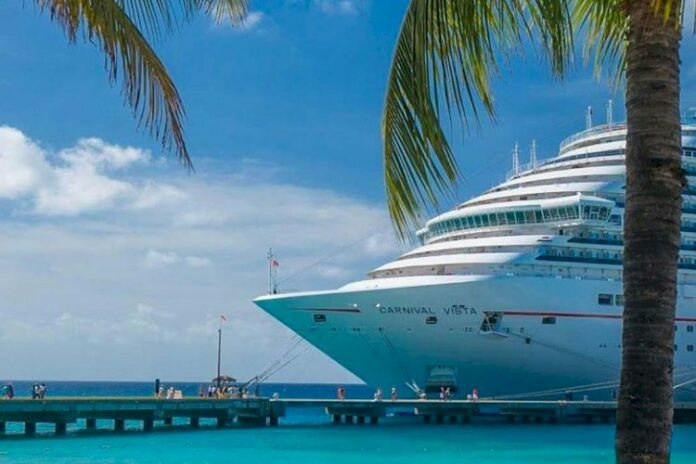
A “carpet of micro-bubbles”, developed by UK firm Silverstream Technologies, improves fuel efficiency in the shipping industry and has landed the business a £1 million deal with US shipping giant, Carnival Cruises.

The Silverstream® System, a type of Air Lubrication System (ALS), pumps tiny bubbles through vents on the hull to reduce friction between the vessel and the water, helping it glide through the ocean. The technology has been independently proven to reduce fuel consumption by 5-12%, which in turn cuts running costs.

The Department for International Trade (DIT) has been providing support and opening networks, enabling the company to experience significant international growth. This has led to deals being made with leading names in the maritime industry, including Carnival Cruises, Grimaldi Group and Lloyd’s Register.

Silverstream Technologies Founder & CEO, Noah Silberschmidt, said:

“Shipping is one of the ‘hard to decarbonise’ global industries so we have spent the last few years independently testing our system to support our claims. We want to become a standard on newbuild vessels in the industry and to be the ‘new normal’ for sustainable shipping. By working with the best partners to help shipping improve its efficiency standards, Silverstream wants to have a positive and progressive impact on the industry and in doing so, the wider world. Our trade advisor from the Department for International Trade has been instrumental in our recent success with this deal, as they know precisely the type of information that a business needs to tap into these key markets and reach these big companies.”

The business has been operating at full capacity in line with Government guidelines throughout the Coronavirus pandemic and is finalising deals to supply an additional 15 ships in Europe and Asia by the end of the year. Supported throughout by DIT, this is expected to double Silverstream’s overall turnover with the increased number of installations consequently reducing tonnes of fuel burn and carbon emissions every year.

Minister for Exports, Graham Stuart, said:

“Silverstream Technologies is a perfect example of how maritime businesses can reduce carbon emissions through technological innovation. The UK is a global leader in green transport solutions and the perfect place for companies like Silverstream to go global and contribute to our net zero 2050 ambition.”

With the shipping industry facing a target to become carbon neutral by 2050, the maritime sector represents one of the UK’s most important industries, facilitating 95% of all UK trade and more than one million jobs, according to Maritime UK.

Chair of Maritime UK, Harry Theochari, added:

“Silverstream Technologies shows that innovative solutions are being found to help the maritime sector reach its net zero carbon emissions challenge – and then be exported around the world. With 90% of all global trade moving by ship, the market opportunity is vast. By developing cutting-edge green technologies, our businesses are delivering sustainable solutions and real economic and societal benefits. The UK maritime sector has committed to Net Zero by 2050 and it is vital that green, balanced growth, is placed at the heart of our recovery from Coronavirus.”

In 2019, more than half of UK exports to the US were in services, with the total trade services almost doubling in the last decade to £125.3 billion.

The UK is currently negotiating a Free Trade Agreement with the US, which Government analysis shows could increase transatlantic trade flows by £15.3 billion, with businesses across the entire country set to benefit.

Kicks off life extension project in the North Sea

0

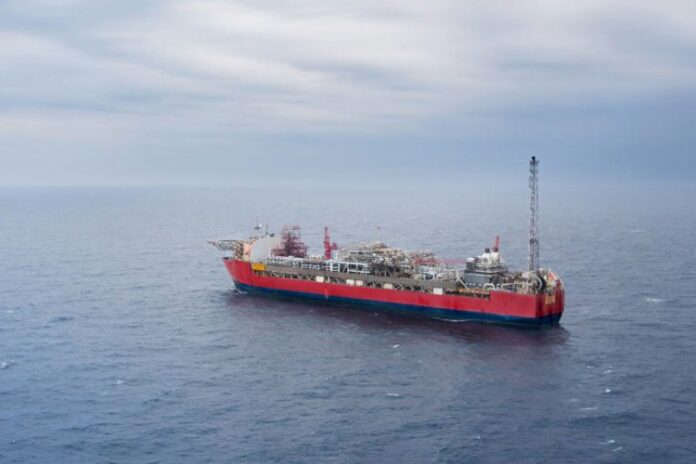
The vessel is now being taken ashore for upgrading at Rosenberg Worley in Stavanger. The event kicks off the life extension of the Balder Area in the North Sea.

Vår Energi CEO, Kristin F. Kragseth, says:

“I am happy and very proud to have Jotun back in Stavanger. Happy because this marks the start of Vår Energi’s most important project going forward. Proud because, we secure jobs for the local supplier industry at a very challenging time.”

The Covid-19 pandemic and low oil prices created great uncertainty for the project, and an assessment was needed to get an overview of potential consequences. At the same time, compensatory measures were taken to reduce the effects of Covid-19 and maintain the progress plan.

The project review shows that Covid-19 pandemic has resulted in a delay of part deliveries, but that the overall plan is still valid. With the Norwegian Parliament’s decision on measures for the industry and the other compensatory measures, Vår Energi is confident that the project can be carried out, still with production start in the second half of 2022.

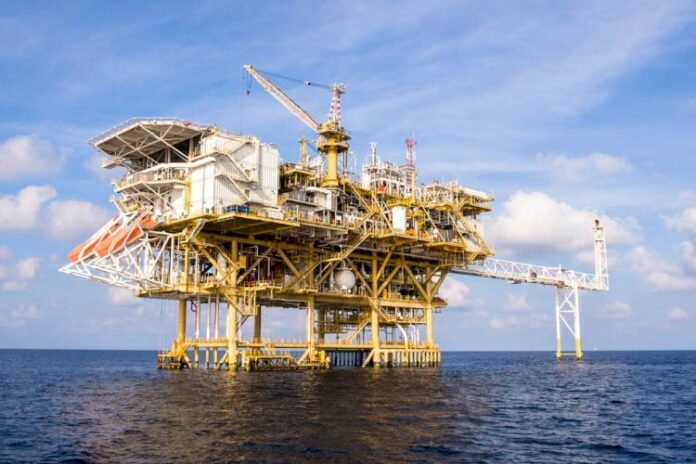
The upgrade of the Jotun FPSO is part of Vår Energi’s investment in increased oil recovery from the Balder field in the North Sea. The Balder Future project will extend the life of the field (PL 001) by 2045, giving Norway’s oldest license a lifetime of 80 years.

In addition to the upgrade of the Jotun FPSO, 13 new production wells and one water injection well will be drilled on the field. The project aims to extract another 136 million barrels of oil equivalent (Mboe).

Kragseth says:

“We are proud to be continuing the PL 001 legacy, and by utilizing existing infrastructure we contribute to good resource management. There is still uncertainty about how the Covid 19 pandemic will affect the project, but the goal is to start production in the second half of 2022.”

The project represents an investment of NOK 19.6 billion. It will employ 30,000 full-time equivalents during the project and operational period (2018-45), peaking at 4 500 full-time equivalents during 2020-22.

Jotun was built at the Kværner Rosenberg shipyard in Finland, and shipped to Rosenberg in Stavanger for completion in the late 90’s. Just over 20 years later, the vessel is back in town.

Jotun is expected to enter Åmøyfjorden on Monday June 15. Here, the vessel will undergo preparation works for two weeks before the last tow into the Rosenberg Worley in Stavanger.

The upgrade of the Jotun FPSO includes overhaul of the turret, pipes, process equipment, hulls, marine systems, living quarters, control and security systems. Staffing at Rosenberg is estimated at 1 200 people at most.

The “new” Jotun FPSO is scheduled to be re-installed between Balder FPSO and the Ringhorne platform during the summer of 2022.

In addition to Rosenberg Worley, Stavanger based Baker Hughes and Ocean Installer, have been selected to carry out engineering, procurement, construction and installation of new subsea systems (SPS), umbilicals, risers and transport pipes for the Jotun FPSO. The proportion of Norwegian suppliers in the project is 70%.

Tata Power sells ships for $212.76 million

0

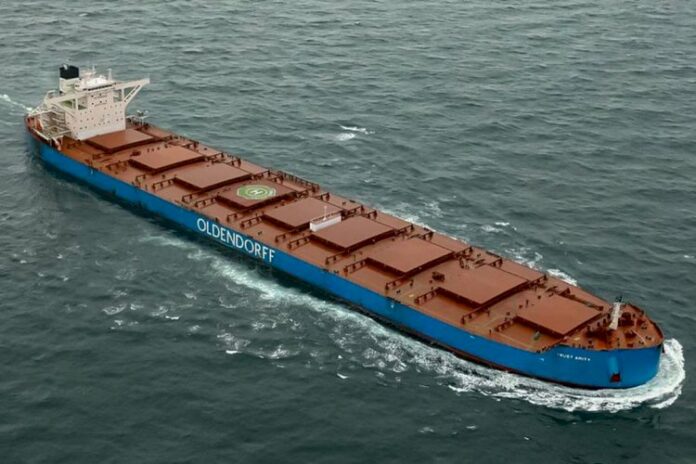
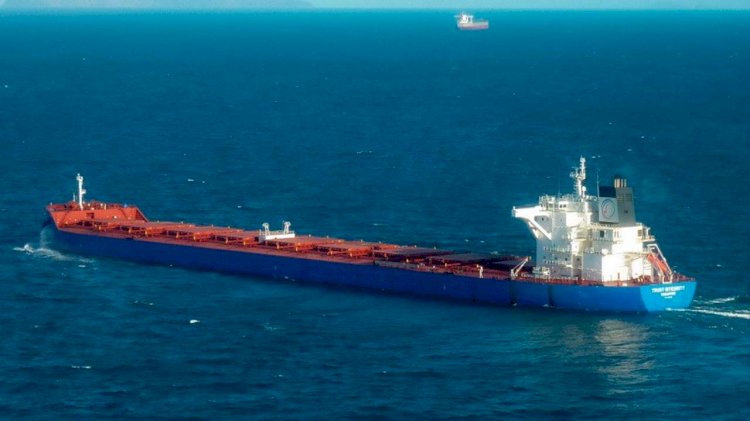
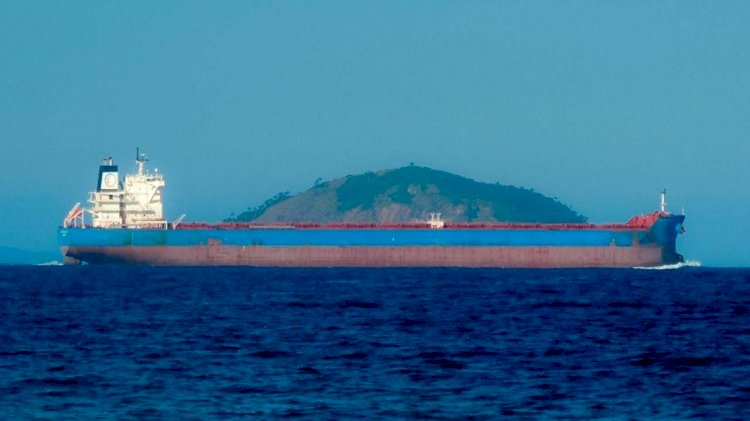
Oldendorff reports a comprehensive package deal with Singapore-based Trust Energy Resources, a subsidiary of Tata Power Company.

It involved the acquisition of the following Capesize bulk carriers at an en bloc price of US$ 212,760,000:

  • MV “Trust Amity” (tbrn “Hark Oldendorff) 209,300 tdw, built 2016 at Yangzijiang
  • MV “Trust Agility” (tbrn “Tete Oldendorff”) 180,600 tdw, built 2011 at STX, Korea
  • MV “Trust Integrity” (tbrn “Tilda Oldendorff”) 180,600 tdw, built 2011 at STX, Korea

The vessels will be taken over within the next 3 weeks in China and Europe. The transaction is a package deal that includes long term contracts of affreightment for the transportation of coal to India. MV “Trust Amity” was already on time charter to us since it was delivered from Yangzijiang Shipyard 4 years ago.

Praveer Sinha, CEO & MD, Tata Power said:

“The sale of our shipping assets announced today is in line with our long term plans to reduce debt and raise funds to invest in our future growth plans, including expanding our presence in the renewable energy business.”

Peter Twiss, President and CEO of Oldendorff Carriers stated:

“The deal is a testament to our customer commitment. We appreciate very much our relationship with Tata Power, and we are pleased to extend it further. The Tata group is one of the most respected companies in the world and it is great to be part of reaching their strategic objectives. At the same time, we are strengthening even further our trades in/out of India. We see India as one of the drivers for the years to come for the dry bulk market, and we want to be part of that growth.”

Tata Power is India’s largest integrated power company whereas Oldendorff Carriers is a leading dry bulk ship owner and operator, headquartered in Germany.

Super-sized fish farm structure arrives in Norway

0

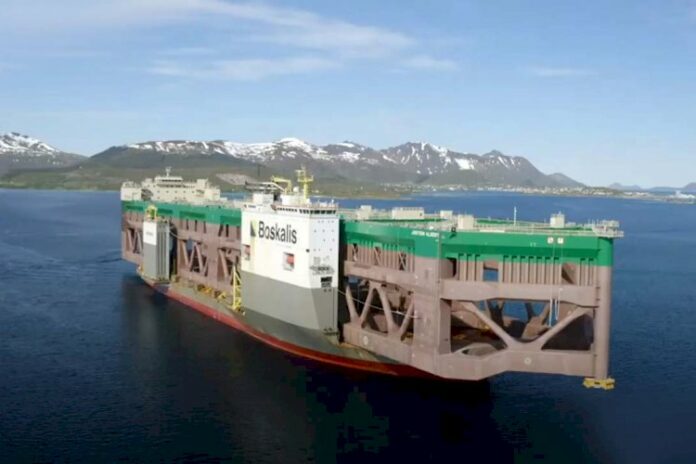
On Saturday, June 12, after 2 months of transit from China, the fish farm “Jostein Albert” returned home to Hadsel municipality in Vesterålen, Nordland.

During the next few days, it will first be prepared for release from the cargo vessel BOKA Vanguard, and then transported to the site on the outside of Hadseløya.

iSURVEY will support the installation of Havfarm which will be located in Hadsel. At 36,000 tonnes and 385m long, it is the largest structure ever to be transported by vessel. 

BMW Group joins UECC and the GoodShipping in further biofuel trials

0

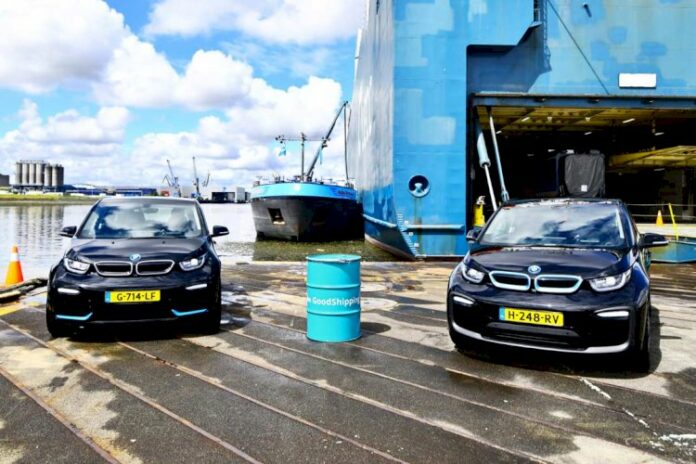
After having announced their three month biofuel trial, leading short sea shipowner UECC and the GoodShipping Program have now partnered with premium car manufacturer BMW Group to continue to test marine Bio Fuel Oil (BFO) on UECC’s ‘roll on, roll off’ (ro-ro) car carrying vessels. BMW Group joins UECC and the GoodShipping Program in the previously announced trial, where BFO is being tested on UECC’s 140m, 2,080-vehicle carrier M/V Autosky.

By covering the fuel premium for a biofuel volume corresponding to BMW Group’s freight that will be shipped on the Autosky during the trial period, BMW Group will be able to claim a CO2 emission reduction of 80 to 90% for these shipments, totalling more than 400 tonnes of carbon.

This is a significant and important step towards achieving a carbon-neutral supply chain for BMW, and is the core aim of the GoodShipping Program, which enables cargo owners to reduce their environmental footprint.

BMW Group’s participation in the project marks yet another significant step in the advancement of marine biofuel and climate friendly vehicle transportation, and contributes to enabling the continuation of biofuel deliveries to UECC after the trial period.

The first volume of biofuel was delivered to M/V Autosky onMarch 16, 2020 in the Port of Rotterdam. The trial will see subsequent further refuelling operations between March and July 2020. M/V Autosky is currently testing BFO on the route between Zeebrugge, Belgium and Santander, Spain.

The BFO – based on cooking oil – being used for this trial was supplied by the leading biofuel company GoodFuels. The marine biofuel ‘drops in’ to normal fuel tanks, is virtually sulfur oxide (SOx) free and delivers 80 to 90% well-to-exhaust CO2 reduction versus fossil equivalents. The joint trial proves that the means to reduce the carbon footprint of transporting goods and vehicles around the world already exist on the market and that second-generation advanced biofuels can be scaled to meet this demand.

With this scalability, marine biofuel effectively allows shipowners and operators to comply with both new legislation around sulphur content for marine fuels, as well as future regulations on carbon reduction by 2030 and 2050. Thus, the announcement marks an important milestone towards the decarbonisation of ocean freight.

Sea transportation and logistics play an important role for the BMW Group, which has production sites and vehicle distribution processes worldwide. When considering the carbon impact across the entire value chain of a car, the participation in this three month trial is a meaningful and immediate means to reduce the CO2 footprint of BMW Group’s transport logistics processes.

Daniel Gent, Energy and Sustainability Manager, UECC, said:

“At UECC, we want to support our customers and enable them to make proactive, conscious choices about their cargo transportation. BMW Group’s participation to continue our trial on our ro-ro vessel M/V Autosky should therefore signal to the automotive sector that the means to decarbonise are readily available and that our vessels are equipped to meet this most important of challenges for the shipping industry.”

Anniek Sluis, Growth Captain, The GoodShipping Program, added:

“We are delighted to have BMW Group join us for continuing this pioneering trial of marine biofuel within the ro-ro segment. Transportation logistics have a huge carbon impact, so the leadership shown by BMW Group to proactively take steps to decarbonise – and recognise that solutions are available – should act as a call for others in the sector to join us on this journey.”

The GoodShipping Program requires shippers to commit to a reduction in their sea freight CO2 emissions. The initiative works on the premise that, as all CO2 from shipping is emitted into the same atmosphere, the means of mitigating these emissions is equally impactful, regardless of which vessels adopt biofuels over traditional bunker fuels – or the amount of ‘drop in’ biofuel that is added to the fuel tank, as long as it offsets the CO2 costs of transporting participating shippers’ cargo.

The calculation of the original CO2 footprint and the expected Scope Three emission reductions for BMW Group were made in line with the GLEC Framework, a universal method for calculating logistics emissions developed by the non-profit Smart Freight Centre.

In the following months, further options for continuing marine biofuel uptake within the ro-ro segment will be pursued.

HullWiper joins global industry alliance for marine biosafety

0

The Global Industry Alliance (GIA) will work with the IMO’s GloFouling Partnerships Project to help accelerate the development of technology solutions that help to prevent hull fouling.

The four founding companies – HullWiper, CleanSubSea, ECOsubsea and Sonihull – represent a cross-section of market leaders from the shipping, aquaculture, offshore oil & gas and ocean renewable energies sectors, all of which have to tackle the issue of biofouling in the course of their normal operations.

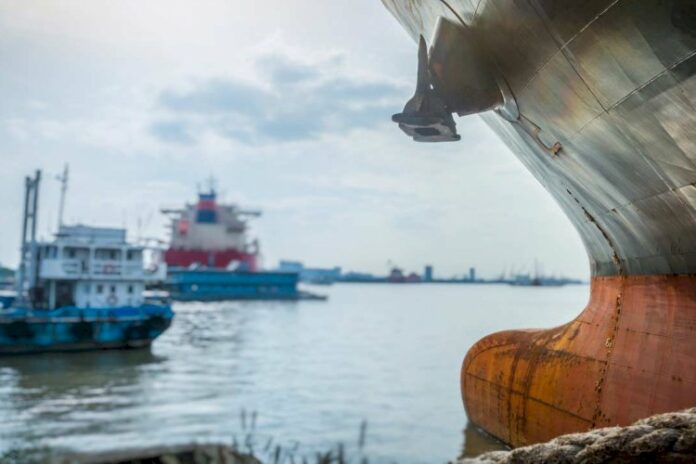
Biofouling has both efficiency and ecosystem implications. Unwanted growth on the hull of a ship or other ocean industry superstructure can lead to added drag and therefore increased fuel burn. Moreover, the potential for invasive aquatic species, which can cause tremendous upheaval and damage to localised ecosystems, is also heightened by uncontrolled fouling.

Solving these concerns are particularly prescient with a globalised supply chain. The four companies will work with the IMO and its UN agency partners to leverage human, technological and financial resources, facilitate industry input into policy developments and create a positive pull for reform processes, and drive the development and dissemination of technological solutions to improve biofouling management.

Speaking on the announcement, Simon Doran, Managing Director, HullWiper, said:

“We are passionate about the power of our technology to help solve the pressing problem of hull fouling. Increasing efficiency and eliminating invasive species needs to be a priority for our sector, and we are proud to play our part alongside other market leaders to help clean up our oceans.”

The HullWiper Remotely Operated Vehicle (ROV) is a diver-free, cost-effective and environmentally friendly solution for underwater hull cleaning. The ROV uses adjusted pressure saltwater jets, instead of brushes or abrasives to remove and collect biofouling with no damage to expensive anti-fouling coatings. No divers are used, so there is no risk to human life and cleaning can be done day or night, in most weather conditions, and whilst cargo operations are underway. Removed residues are collected by the ROV’s unique onboard filter and deposited into dedicated drums onshore for ecologically approved and safe disposal. HullWiper’s filter reduces the risk of cross-pollination of waters with invasive species.

Since its launch in late 2013, HullWiper has expanded from its first base in Dubai to include key locations across the Middle East, as well as ports in Sweden, Norway, Qatar, Denmark, Singapore, Spain, Egypt, Australia, Panama and Mauritius. Plans are in the pipeline for new locations including Sri Lanka, South Africa, Chile and Bahamas. HullWiper is also available for lease where the company does not have its own base.

BAE Systems to produce more Vertical Launching System Canisters for U.S. Navy

0

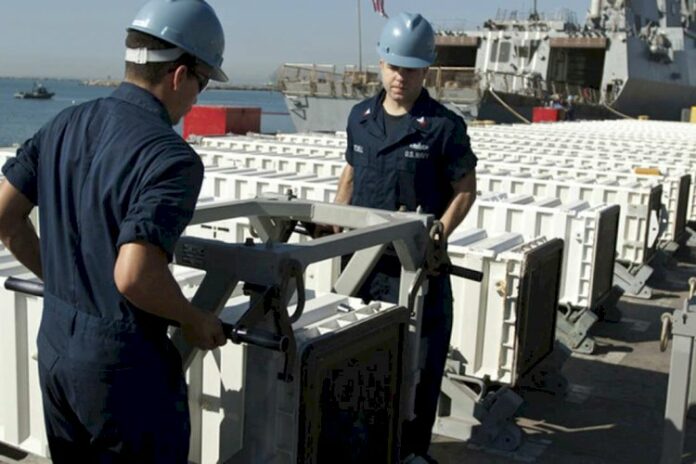
The U.S. Navy has awarded BAE Systems a contract to produce multiple types of Vertical Launching System (VLS) canisters with a total lifetime maximum value of $955 million.

The initial contract was awarded in February with $24 million funded, followed by contract modifications of $99 million and $43 million received in March and May respectively. Options on the contract include additional canister types for future Navy production requirements.

Brent Butcher, vice president and general manager of the Weapon Systems product line at BAE Systems, said:

“These canisters are a key element of the Navy’s Vertical Launching System, and our experience includes 30 years of VLS production, integration and testing to support this world-class capability. The Navy will continue to benefit from our high-quality canisters and lean, efficient operations, which translate into the best possible value for our customers.”

VLS canisters serve in a multifaceted role as containers for missile shipping and storage as well as launch tubes when loaded into the VLS. They also provide identification and firing support to multiple missile types, including the Tomahawk Land Attack Missile, Standard Missile-2, Standard Missile-3, Standard Missile-6, and the Evolved SeaSparrow Missile.

Under this latest contract, BAE Systems will produce canisters not only for the U.S. fleet but also for allied nations under a Foreign Military Sales program. Deliveries for the initial order are expected to begin in early 2021, and if all options are exercised, the contract could support the production of canisters over a five-year period, with deliveries extending into 2025.

Work on the new contract will be performed at the BAE Systems production facility in Aberdeen, South Dakota, with engineering and program support in Minneapolis.

LOC awarded MWS contract for a gas development project in the North Sea

0

LOC Group, the premier international marine and engineering consulting firm, has awarded the Marine Warranty Surveyor (“MWS”) contract for a gas development project in the UK North Sea. The agreement is with Independent Oil & Gas plc (“IOG”), the development and production company focused on becoming a substantial UK gas producer, for the Phase 1 of its Core Project.

Phase 1 encompasses three fields in the UK sector of the Southern North Sea: Blythe, Elgood and Southwark. IOG is 50% owner and operator of these three fields, with the remaining 50% interests held by CalEnergy Resources (UK) Limited. Following Final Investment Decision in October 2019, the Phase 1 development is scheduled to come into production in Q3 2021.

The contract will see LOC provide MWS services for the marine transportation and installation operations of the Blythe and Southwark platforms and related pipelines and subsea facilities. Work will mainly be carried out by the Group’s London office, with support from LOC’s European subsidiaries and specialist capabilities from the Aberdeen and Longitude Engineering offices.

Shai Tzucker, Project Director & Energy Operations Director for Europe at LOC Group, commented:

“We are very pleased to have been awarded our first contract with IOG on this important project in the UK Southern North Sea. We have considerable expertise in the region and as a business, we have won a number of MWS contracts this year, across a spread of regions, validating our position as the leading consultant in the MWS market.”

KNUD E. HANSEN announces its new cruise ship design

0

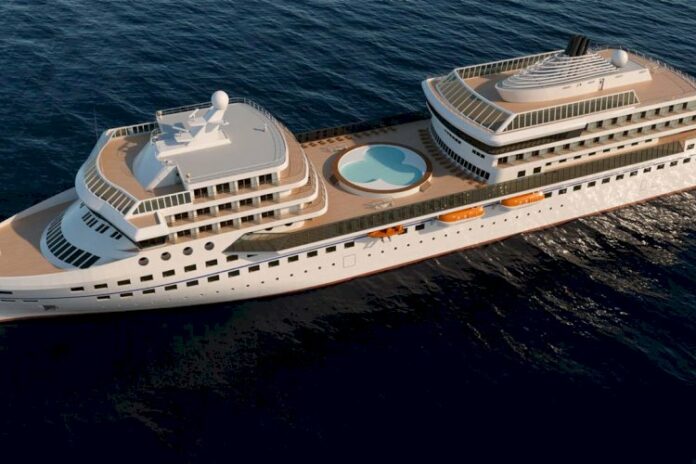
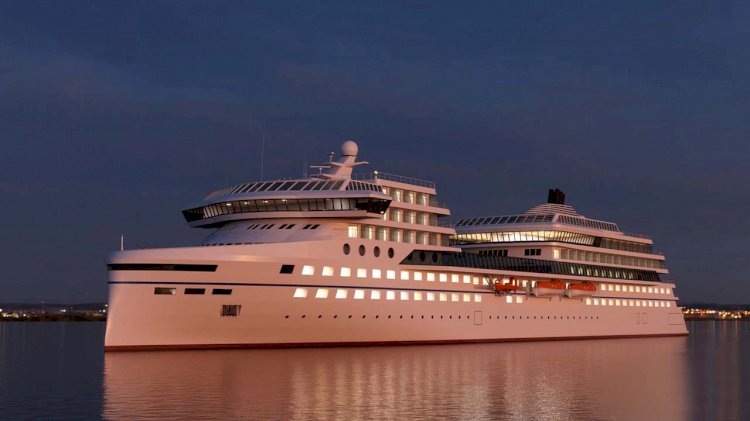
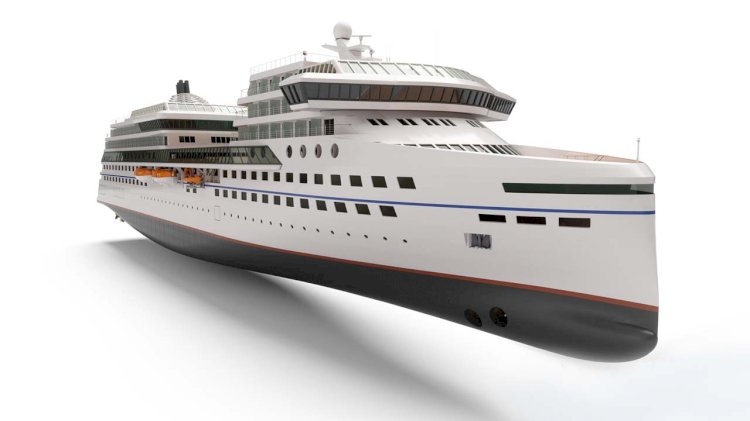
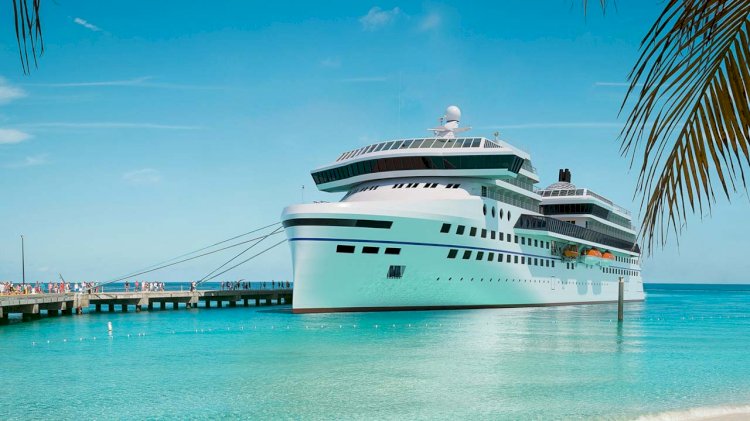
KNUD E. HANSEN has announced its latest design, Phoenix World Village, the smaller sister-vessel to the iconic Phoenix World City.

The design has brought together leading experts to manage disease prevention/control, state-of-the-art facilities and protocols, in conjunction with high-efficiency HVAC systems and related airborne and surface disinfection technology for a ship that is safe, clean and efficient. The 150 meter Expedition Cruise Vessel can accommodate up to 400 passengers and has a range of approximately 6,500 nautical miles.

The design is aimed at the adventure-cruise market and will appeal to passengers who prefer a more intimate cruise experience while visiting destinations that are inaccessible by other ships. The design also appeals to the growing eco-tourism segment that aims to travel the world while minimizing their carbon footprint and local pollution in protected areas. The combination of low-sulphur diesel and a large battery bank sees to this.

Cruise ship enthusiasts have fond memories of the 5,200 passenger, Phoenix World City, an extravagant and groundbreaking design from the 1980’s with multiple accommodation blocks resembling a cityscape. The design was well ahead of its time and, although it never came to fruition, it set a new standard for cruise ship design that has remained intact for the last 35 years.

Phoenix World Village features an unconventional layout with separate forward and aft accommodation blocks on either side of an open deck featuring public spaces, a number of small restaurants with outdoor seating, as well as a pool and jogging area. Additional public spaces include multiple restaurants, lounges, bars, a café, library, card room, games room, spa and fitness area, sun deck, as well as a one-of-a-kind observation lounge overlooking the engine room. The vessel also features a large tender garage for stowing zodiacs and other expedition equipment that can be easily launched from the aft tender station.

The majority of passenger cabins have private balconies with expansive ocean views. The passenger cabins feature the KNUD E. HANSEN ‘Flex Cabin System’, which allows for cabin walls to be easily reconfigured between sailings to convert a single, luxury suite into two separate cabins. This allows the operator to maximize revenue based on specific demand.

The vessel features a diesel-electric propulsion system, which includes four medium-speed diesel generators. The flexible propulsion and maneuverability arrangement are achieved through two azimuth pod units and two bow thrusters. For reducing roll motions, a pair of retractable fin stabilizers are fitted.

VIKAND is the cruise industry’s Healthcare and Medical Operations leader and provides the medical facilities design, installation, staffing and maintenance requirements, along with the leading protocols for prevention and management of illnesses and medical emergencies.

VIKAND’s Hygensea solution for disinfecting air and surfaces will be installed throughout the vessel by means of a simple addition to the HVAC system. The technology uses uniquely safe and effective hydroxyl technology, replicating outdoor air in an indoor environment.  In addition to greatly improved air quality, significant fuel savings will also be achieved through reduced thermal loads.

HVACON Marine Systems is providing energy savings through enhanced HVAC engineering and electrical power distribution. Their self-adaptive system provides the greatest savings on both ventilation and chilled water distribution to automatically improve performance. The enhanced functionality provides valuable information, and remote service and support. The new HVACON FORCE System is a 100% natural product, which reduces electrical resistance, thereby saving energy. Furthermore, the system reduces harmonic disturbance and electrical heat up to 30%.

HALTON is the global HVAC technology leader in indoor air solutions for demanding environments on cruise vessels. Halton develops and provides safe solutions for cabins and public spaces using HEPA technology, isolation solutions, galley hoods and central vacuum cleaning to ensure clean air throughout the vessel. Halton was founded in Finland in 1969 and operates today in over 36 countries around the world.

Phoenix World Village is designed to be fully SOLAS compliant. KNUD E. HANSEN aims to achieve the highest level of survivability with strict adherence to Safe Return to Port (SRtP) requirements through the inclusion of redundant, segregated power and propulsion systems as well as passenger safe havens and an auxiliary wheelhouse.

This design has been developed in-house, by the experienced staff of naval architects, marine engineers and designers at KNUD E. HANSEN who place the utmost importance on safety, efficiency and design ingenuity and have been doing so for over 80 years.