0.5 C
New York
Home Blog Page 839

Major milestone in sight for Triton Knoll

0

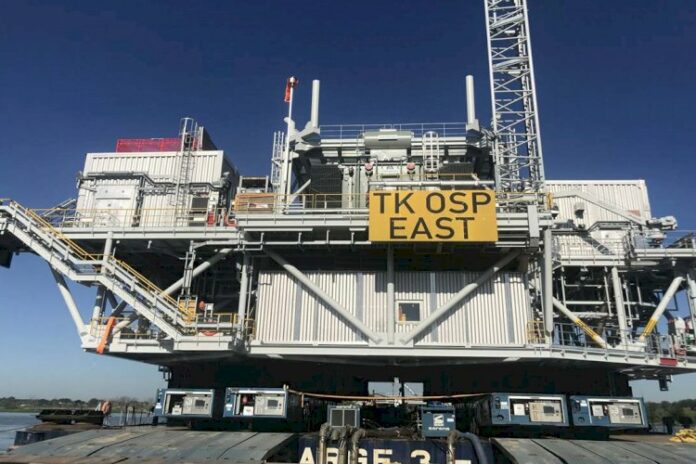
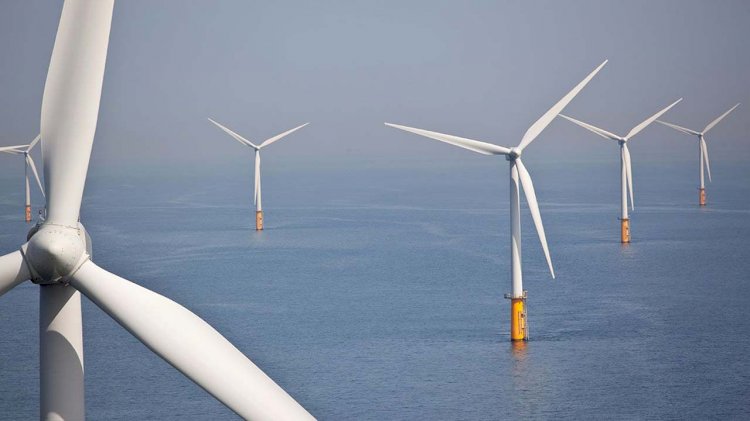
The first OSP (also called an Offshore Transformer Module® or OTM) reached its offshore location in April, with the second due for installation in the coming days. Once complete, both Siemens Energy-designed platforms, will be critical to the transmission of offshore wind power from the project’s 90 state-of-the-art turbines to the shore, 50kms away.

Mark Pilling, Managing Director, Transmission Solutions, Siemens Energy Ltd said:

“This achievement marks a crucial stage in the project as we now move from fabrication to connection. Once both platforms are installed on their foundations, we will start commissioning work to get the wind farm ready to connect to the grid to provide the clean, green renewable power needed to reach net zero.”

The OSPs, which were fabricated and fitted out by Smulders and Engie/Fabricom, are an essential part of the wind farm. They stabilise and maximise the voltage of the power received from the turbines before transmitting the electricity to shore. Each OSP weighs 1,200 tonnes, stands a total of 41 metres above sea level, and covers an area of 560 m2. Both are installed on a monopile foundation, of which some 16 metres is below sea level.

Julian Garnsey, Project Director for Triton Knoll and innogy, said:

“We’re delighted to see this key infrastructure setting sail on the final leg of its journey, ahead of installation at the heart of our wind farm. Both structures, once operational, will form a critical part of the offshore electrical network and be responsible for transmitting the energy generated by our 90 turbines, over 50km to shore and ultimately into UK homes and businesses.“

NKT completes repair of the HVDC interconnector Baltic Cable

0

The power cable system was restored within 29 days from the initial fault notification and is now back in full operation.

Speed was essential when an anchor damaged the Baltic Cable power link interconnecting the national power grids of Sweden and Germany during the last days of April. NKT was awarded the contract to bring the 250 km 450 kV HVDC power cable back in operation as fast as possible.

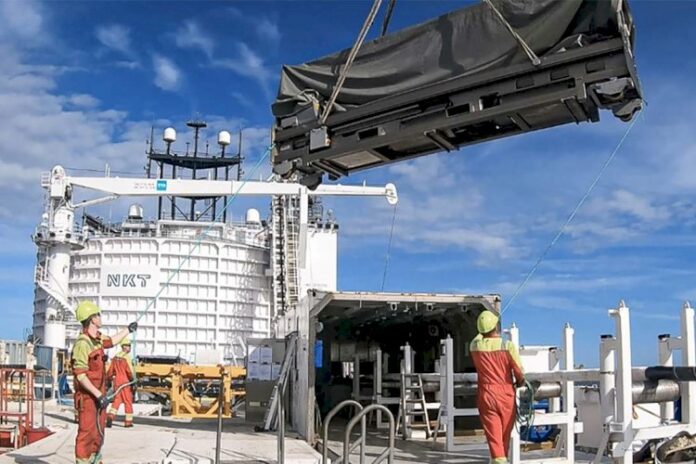
After the initial notification NKT quickly mobilized staff and equipment for localization of the fault, de-burial and cut and seal operation onboard a subcontracted vessel provided by JD Contractor. The initial operation was swiftly conducted and within five days the exact fault position was located, the cable de-buried and cable ends sealed and prepared for repair. Within 29 days the Baltic Cable was repaired after efficient preparations and the final execution completed by the cable laying vessel NKT Victoria.

Axel Barnekow Widmark, Executive Vice President and Head of Service in NKT, says:

“I am very pleased with our short mobilization time enabling us to bring the Baltic Cable back into operation in less than a month. Time and accuracy are crucial for the success of power cable service operations and here we clearly demonstrated that we are quick and efficient when mobilizing our equipment and skilled repair team even under the current circumstances with Covid-19.”

The operational success was ensured by efficient execution of all parties involved, minimizing the outage time and bringing the important interconnector back into operation. The operations also showed the importance of having a pre-negotiated repair contract and a sufficient and updated stock of spare cable parts in place to ensure quick mobilization and execution.

The damaged cable section was located roughly 20 kilometers outside the Swedish coast at a water depth of 30 meters and NKT completed the repair operation by 28 May even though NKT Victoria had to complete the offshore repair under harsh weather conditions. For the owner of the power cable link, Baltic Cable AB, the swift operation was a success.

Nils Nordtorp, Technical Manager at Baltic Cable AB, says:

“We are very happy for the fast response and support NKT provided to us throughout this project and we are very satisfied with the professional execution of the repair operation from start to finish.”

DNV GL publishes new guidance on ship recycling

0

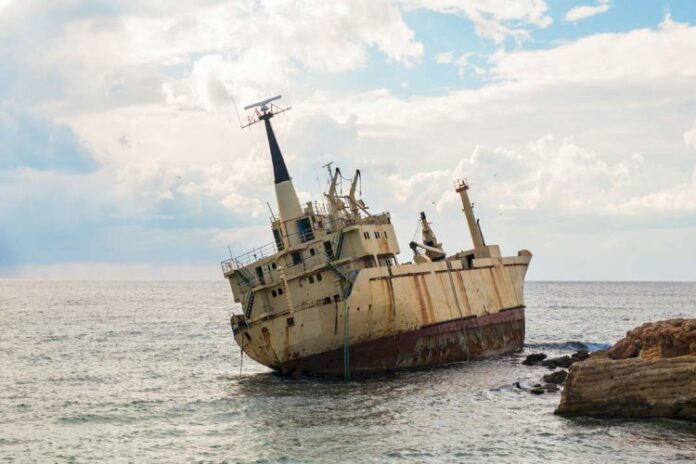
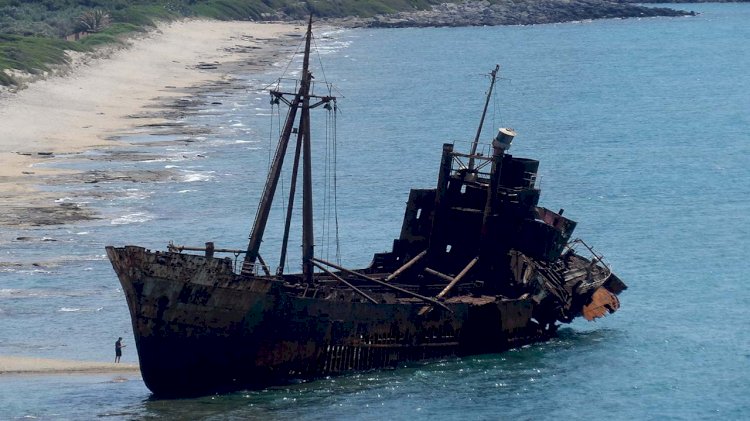
DNV GL, the world’s leading classification society, has launched a new guidance on recycling to help shipowners navigate a regulatory environment that is becoming increasingly complex. With the IMO Hong Kong Convention not yet in force, strict enforcement of the EU Ship Recycling Regulation (EU SRR) and the EU Waste Shipment Regulation (EU WSR) means shipowners must carefully plan for the end of life of their vessels.

Shipowners looking to make informed, economic and responsible decisions about how to deal with vessels at the end of their lifecycles face a much stricter and more complex set of international, regional and national requirements than in the past. With regulators targeting shipowners with significant financial penalties, even criminal offences, shipowners need a careful and considered strategy for dealing with ship recycling of their vessels.

Knut Ørbeck-Nilssen, CEO of DNV GL – Maritime, said:

“Ship recycling is an area where we can see significant pressure building in our industry, both from regulators, wider stakeholder groups and the public. This means that ensuring compliance is essential for shipowners looking to protect their reputations and businesses, while building trust that their vessels are recycled in a safe and sustainable manner.”  

The new guidance: “SHIP RECYCLING: NAVIGATING A COMPLEX REGULATORY LANDSCAPE”, aims to give a better basis for decisions on the recycling of vessels. It sets out the main recycling options, the legal, reputational and financial risks, and provides a process that can help to assess whether an individual yard is likely to carry out recycling to an acceptable level, in line with recognised regulations and standards. This process has been designed by DNV GL to provide owners a template for action, in the absence of internationally accepted certifications outside the EU scheme, when they are dealing with yards not on the EU approved list.

Jannicke Eide Fredriksen, DNV GL – Maritime, says:

“Recent cases have shown that without a clear awareness of the risks within the complex regulatory landscape that surrounds recycling, shipowners can find themselves facing major financial and opportunity losses. With this new guidance, DNV GL is working to support shipowners in their decisions, by setting out the standards involved and the many critical factors to consider, primarily when dealing with yards that are not included on the EU approved list.”

Viking’s seventh ocean ship was “floated out”

0

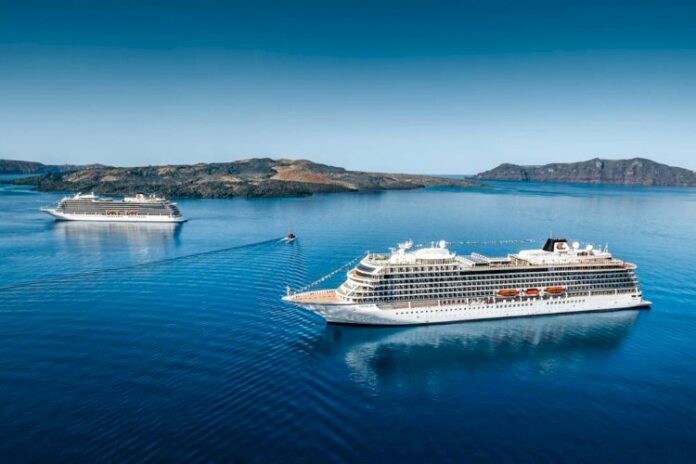
Viking® has announced its seventh ocean ship – the 930-guest Viking Venus®– was “floated out,” marking a major construction milestone and the first time that the new ship touches water. Scheduled to debut in early 2021, Viking Venus will spend her maiden season sailing itineraries in the Mediterranean and in Northern Europe.

Torstein Hagen, Chairman of Viking, said:

“We started Viking’s ocean project eight years ago, and together with Fincantieri we have built the world’s most beautiful ships. Today we are pleased to celebrate this important milestone in the construction of our seventh ocean ship. As the world continues its path to recovery from COVID-19, we remain focused on the future, and with strong bookings for 2021 and the enthusiasm of our guests, we are optimistic about what is to come. I would like to thank our partners at Fincantieri and everyone working at the yard in Ancona for the hard work and dedication on the building of Viking Venus, and we look forward to welcoming her to our fleet early next year.”

The traditional float out ceremony took place at Fincantieri’s Ancona shipyard and is significant because it denotes a ship moving into its final stage of construction. Following a two-day process that will set Viking Venus afloat, she will then be moved to a nearby outfitting dock for final construction and interior build-out.

Classified by Cruise Critic as “small ships,” Viking’s ocean vessels have a gross tonnage of 47,800 tons, with 465 staterooms that can host 930 guests. Viking Venus will join an award-winning ocean fleet of sister ships, which also includes Viking Star® , Viking Sea® , Viking Sky® , Viking Sun® , Viking Orion® and Viking Jupiter® .

Trelleborg-Sassnitz: Stena Line completes plans for route closure

0

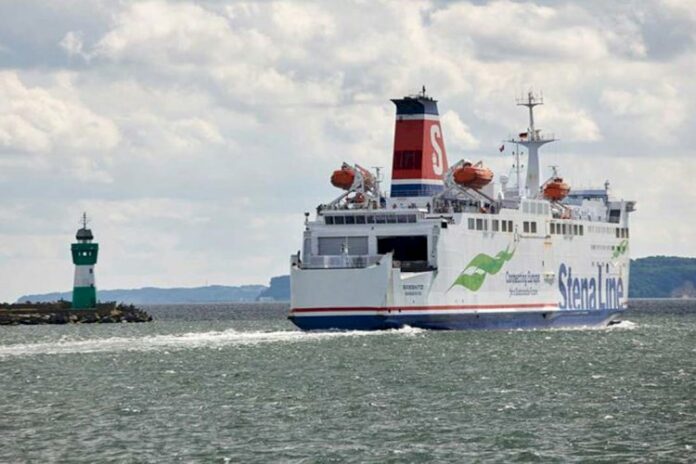
On April 8 Stena Line announced plans to permanently close the ferry route between Trelleborg and Sassnitz.

The Company and the German Works Council have now agreed and the route will be closed permanently. In total the closure and the reorganisation of the company will affect 130 German working positions.

Niclas Mårtensson, CEO of Stena Line, says:

“With a heavy heart we have now made the decision to close the ferry route between Trelleborg and Sassnitz, one of the oldest ferry lines in Europe. Above all, it is sad for the employees who are affected, but also for the people on Rügen, where the traditional “Kings Line” meant a lot.”

The ferry F/S Sassnitz, that was earlier operating the route, is currently laid up in the Port of Uddevalla, Sweden. The vessel will be handed over to Stena RoRo and either be sold or chartered.

Ron Gerlach, Trade Director and Managing Director Stena Line Germany, says:

“The situation in the past few weeks has put a lot of strain on all sides. The longstanding difficult economic situation due to the lack of freight traffic combined with the loss of a large number of passenger bookings as part of the corona pandemic left us with no other choice in order to secure our business in the long term. So it is all the more important for us to look ahead and work to make Stena Line come out of the crisis more effectively.”

Stena Line continues to operate two RoPax ferry routes between Sweden and Germany. Trelleborg – Rostock with the two vessel Mecklenburg-Vorpommern and Skåne operates 40 departures per week. Gothenburg-Kiel with the two vessels Stena Scandinavica and Stena Germanica operates 14 departures per week.

New collaboration in development and verification of unmanned ship navigation system

0

Mitsubishi Shipbuilding Co., Ltd., a part of Mitsubishi Heavy Industries (MHI) Group, in collaboration with Shin Nihonkai Ferry Co., Ltd., has successfully applied for grant aid under the “Joint Technological Development Programme for the Demonstration of Unmanned Ships” sponsored by The Nippon Foundation.

With this support, the two companies will commence co-development of underlying technologies and systems to enable unmanned ship navigation in the future. The resulting prototype system will be installed on a vessel to be operated by Shin Nihonkai Ferry and undergo verification via demonstration testing in Japanese coastal waters.

Once the development phase has been completed, the prototype unmanned navigation system will be installed in a large high-speed car ferry ordered by Shin Nihonkai Ferry, to be built at the Tategami Main Plant of MHI’s Nagasaki Shipyard & Machinery Works. Demonstration testing of the new system will be performed for approximately one year, starting from ship delivery scheduled for end-June 2021 through May 2022. During this phase, crew will be on board to monitor operations and ensure safety.

Mitsubishi Shipbuilding has been developing automation systems to assist ship navigation and cargo handling since the 1990s. Under the new development program, the company will collaborate not only with Shin Nihonkai Ferry but also with academic institutions, IT businesses and control system engineering firms in the design, construction and total verification of a large car ferry which integrates advanced unmanned navigation technologies. Plans also call for verification and demonstration as a comprehensive system enabling totally unmanned navigation, advancing technological development further. For example, remote diagnosis technologies developed by MHI Group for large-scale equipment will be integrated to achieve unmanned operation of the ship’s propulsion plant.

Going forward, Mitsubishi Shipbuilding will expand on the achievements of its current development program to further enhance ship safety, reduce the crew’s workload, and trim operating costs. By resolving such issues, the company will contribute to the ongoing development of marine logistics and ocean transportation.

Allseas joins forces to clean Dutch rivers of plastic waste

0

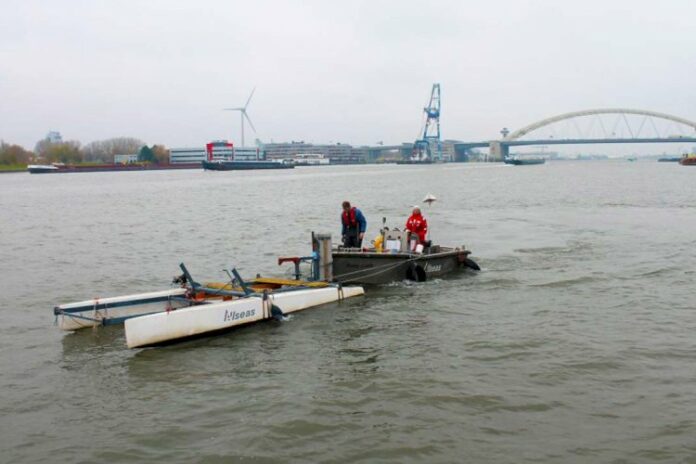
Earlier this week the parties, spanning government entities, private companies and educational institutions, signed the Community of Practice Plastic (CoPP) declaration of intent, an initiative that aims to boost knowledge of the plastic problem and assess which policy interventions and practical measures work.

The CoPP parties will work together to catch plastic waste in rivers and waterways before they can reach the seas and oceans. The CoPP initially focusses on the Maas and Rhine rivers and their tributaries, with the ultimate goal that South Holland’s rivers and waterways will eventually become plastic-free. Important issues to be addressed are how to properly identify the problems that arise with plastics accumulating in certain areas, how to remove plastics from the waterways and how to process the waste.

At Allseas, a team of dedicated engineers has been developing river waste collection systems and studying retrieved plastics since 2018. Their efforts led to the award of an EU-grant to upscale measuring, collection and analysis activities, and several authorities have commissioned Allseas to build catcher systems for Benelux waterways.

More than 20 parties have joined the CoPP: Allseas, Antea Group, Braveheart Marine, By the Ocean We Unite, Clear Rivers, Deltares, City of Rotterdam, Port of Rotterdam, Heijdra Milieu, Rotterdam University of Applied sciences, Waterboard Delfland, Waterboard Rijnland, MRD Marine Support, Nature and Environment Federation South Holland, Noria Sustainable Innovators, Plastic Soup Foundation, Province of South Holland, Rijkswaterstaat, Tauw, Delft University of Technology, The Great Bubble Barrier, Leiden University and Wageningen University.

Nexans to supply power export cables for Seagreen offshore windfarm project

0

Nexans has been awarded a major contract by SSE Renewables to design, manufacture and install the high voltage (HV) onshore and offshore export cables for the Phase 1 development of the Seagreen offshore wind farm project.

Construction on the 1,075 megawatt (MW) project, which is located 27km off the coast of Angus, will start next year. When completed in 2022/23 Seagreen 1 will be Scotland’s largest wind farm and single largest source of renewable energy, providing a significant contribution to Scotland’s net zero ambition and enough clean, renewable energy to power 1 million homes.

Nexans’ factory in Charleston, US will supply the three 65 km offshore export cables. This factory was recently expanded to manufacture HV subsea power cables and is currently the only facility with that capability in North America. The three 20 km onshore export cables for the project will be manufactured at Nexans’ factory in Charleroi, Belgium.

Nexans is committed to working closely with suppliers local to the Seagreen project on subcontract opportunities available, including both the offshore and the land part of the contract.

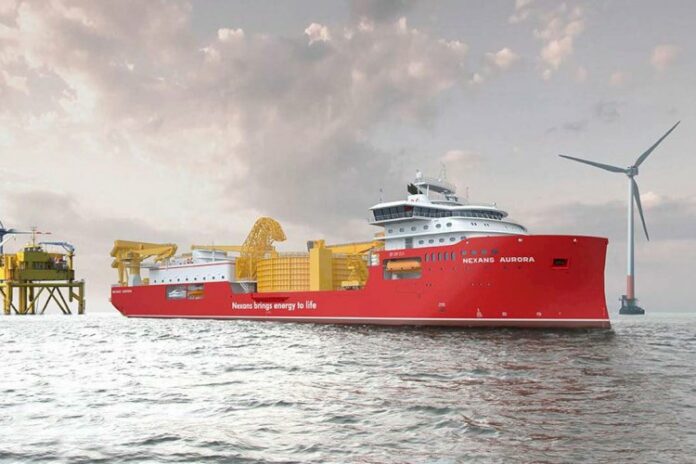
The export cables for the Seagreen offshore windfarm project will be installed by the Aurora, Nexans’ brand new cable laying vessel (CLV).The Aurora is currently under construction and will be delivered in the second quarter of 2021.

Seagreen Project Director John Hill said:

“We are pleased to have Nexans expertise on the Seagreen project as Nexans is a world leader in the supply and installation of subsea power cables.”

Ragnhild Katteland, Nexans EVP for the Subsea and Land System Business Group said:

“We are delighted to receive this contract from SSE Renewables and we are excited to help bring the biggest windfarm in Scotland to life. This confirms Nexans’ position as a strategic partner highly involved in the global energy transition.”

The electricity generated by the Seagreen turbines will be transmitted via the subsea export cables to landfall at Carnoustie. Once ashore, the land cables will transmit the electricity to a new substation at Tealing where it will feed in to the UK’s national electricity transmission system.

DP World concludes acquisition of TIS Container Terminal in Ukraine

0

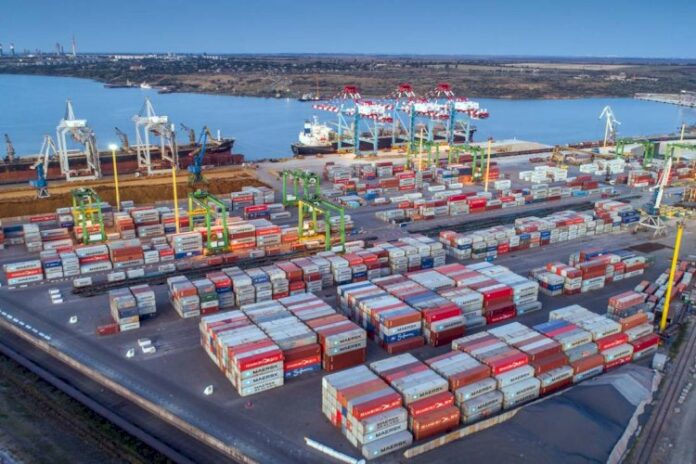
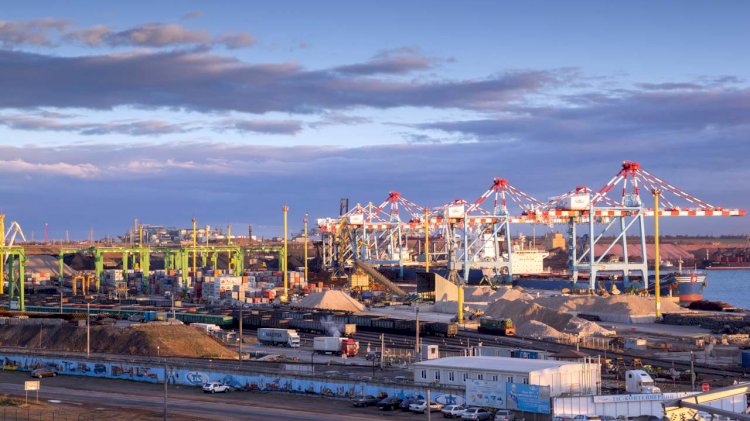
Dubai-based provider of worldwide smart end-to-end supply chain logistics, DP World, with a global network of 123 business units in 54 countries, has announced the completion of its acquisition of a 51% stake in TIS Container Terminal in the Port of Yuzhny, Ukraine. This follows satisfaction of specific conditions including confirmation of regulatory approval from the relevant government authorities.

This project will be DP World’s second partnership with TIS shareholders, the first being our very successful partnership in the P&O Maritime Ukraine which provides harbour towage services in the principal Black Sea ports in the Ukraine. DP World’s global strategy is to become a trade enabler and solutions provider as the company looks to participate across a wider part of the supply chain.

DP World has invested significantly across its Ports, Logistics & Maritime Services businesses. The aim is to connect directly with customers to offer logistics solutions and remove inefficiencies in the supply chain to accelerate trade. This acquisition will expand DP World’s operations as well as strengthen TIS Container Terminal as one of the key market leading purpose-built terminals in Ukraine by leveraging DP World’s global network of ports, economic zones, warehousing and inland logistics solutions.

Furthermore, this acquisition helps make Ukraine’s trade more resilient during challenging economic times and gives DP World the potential to offer a unique Black Sea product by linking its terminals in Constanta and Yarimca with TIS Container Terminal using its Unifeeder network. This suite of trade enabling solutions, coupled with our technology to remove inefficiencies in the supply chain, offers cargo owners the ability to deploy their cargo strategically across essential trade lanes that serve Eastern European markets and complement DP World’s existing portfolio in Romania and Turkey.

The Ukrainian container market growth of over 20% in 2019 is an attractive market to enter. TIS Container Terminal with excellent maritime and landside connectivity including the market leading rail connectivity is a the ideal facility for DP World in the country. Following DP World’s acquisition of SeaRates.com, a digital platform that enables customers to transport cargo worldwide, along with LandRates.com and AirRates.com.

DP World has also created the Digital Freight Alliance which is an online association that brings freight forwarders globally onto one platform, giving them access to new tools, routes and services, and enabling them to do more business anytime anywhere, which can be harmonised with DP World’s Ukraine footprint.

Under the terms of agreement, DP World has acquired a majority stake and will take control of the terminal operations going forward. DP World will be a key player in the region and will look to expand the catchment of the terminal using its market leading rail connectivity.

Commenting on this important step forward, Sultan Ahmed Bin Sulayem, Group Chairman and CEO of DP World, said:

“Today ushers in a new and promising era, as we expand our global portfolio in Ukraine. We are excited about this important milestone and this acquisition supports our long-lasting commitment to enabling global trade. This acquisition establishes DP World in a highly attractive market, we look forwar to contributing our experience, expertise and resources to the continued development and growth of the TIS container terminal. In so doing, we will look to build on and expand the commercial success that TIS Container terminal has achieved”.

Sultan Ahmed Bin Sulayem, Group Chairman and CEO of DP World said:

“This acquisition establishes DP World in a highly attractive market, we look forwar to contributing our experience, expertise and resources to the continued development and growth of the TIS container terminal.”

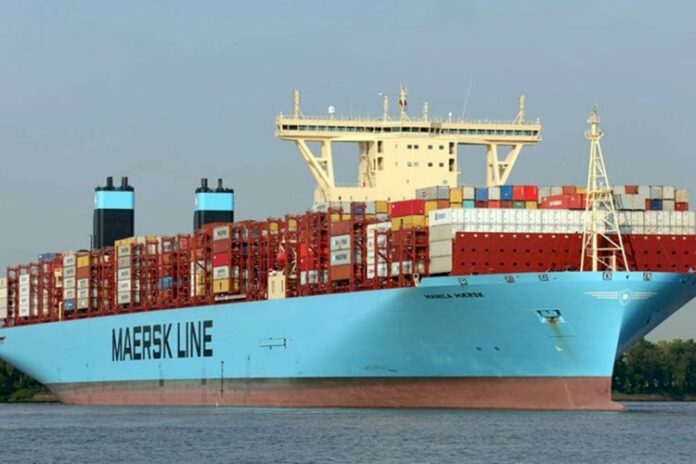
Maersk fleet to improve ocean and climate science

0

While Maersk already has many vessels contributing to the VOS, the newly expanded commitment will see its entire fleet participating by the end of 2020. The recorded data helps meteorologists create more accurate weather and storm forecasts – and will also be used in the creation of atmosphereocean models that will help scientists better understand climate change.

Aslak Ross, Maersk’s Head of Marine Standards, said:

“As a global container logistics company, our vessels form a vital role in keeping supply chains moving safely and timely. Helping weather forecasting and climate science advance makes great sense to us, since both of these areas affect our operations in various ways.”

While scientists have been collecting and sharing weather and ocean condition observations for over 150 years around the world, technological advances have significantly increased the amount of information which can be shared.

A typical VOS records and transmits observations manually, with a vessel crewmember reading data from instruments onboard the ship, or in some cases through automated weather stations (AWS). The data is then sent to the various National Meteorological Services for use in weather prediction models and to monitor actual conditions at sea.

To obtain more data with higher precision, the first five Maersk vessels participating in the VOS program are equipped with a more advanced type of AWS, called the European Common Automatic Weather Station (EUCAWS). The EUCAWS system automatically collects data on atmospheric pressure, air temperature and relative humidity and transmits them hourly to designated research stations. By the end of 2020, a total of 50 such stations are planned to be operational on Maersk vessels, providing the largest fleet of AWS from a single company.

Mr. Ross said:

“If we can help create even marginal improvements to the quality of weather routing services, these will be important levers in our constant efforts to improve the safety of our crews and assets and ensure reliable arrival times for our customers’ supply chains.”

While over 3000 ships are involved in the VOS program, overall participation has declined in recent years due to the reduction in the global commercial fleet’s financial and crew resources. New technologies such as AWS and electronic logbooks, however, have led to an increase in the quantity and quality of observations from each vessel. As the world’s largest container ship fleet operator, Maersk will be making a significant contribution to improving the amount and quality of data available to the study.

Mr. Ross added:

“Climate change is one of the biggest challenges facing the global community, impacting our business as well as the societies and customers we serve and partner with in enabling trade. We have an ambitious strategy to decarbonize our fleet of vessels by 2050 and as we execute this plan, we are proud to have our vessels and crews help researchers in gaining a better understanding of this key global challenge.

In the United States, Maersk has worked actively with the VOS partner organization and the U.S. National Oceanic and Atmospheric Administration (NOAA) on a variety of environmental programs. These have included testing air quality and vessel stack emissions and whale protection programs on both coasts.

Maersk North America’s Director of Environment and Sustainability, Dr. Lee Kindberg, noted:

“We are pleased to be able to expand our long-term work with NOAA to help gather high quality data to improve understanding of global weather and climate conditions. This complements our work here in the US with NOAA on air quality, vessel emissions and protecting endangered whales.”