-11.1 C
New York
Home Blog Page 744

Prosafe SE: Safe Notos contract extension with Petrobras

0

Prosafe has signed a contract extension with Petrobras Netherlands B.V. (‘Petrobras’) for the provision of the Safe Notos semi-submersible vessel for safety and maintenance support offshore Brazil.

The original three years and 222-day firm period was due to complete in July 2020, but the extension will result in operations through to mid-November 2021. The contract extension allows for up to 30 days for 5-yearly class renewal inspections.

Total value of the contract amendment including the extension is approximately USD 28.7 million.

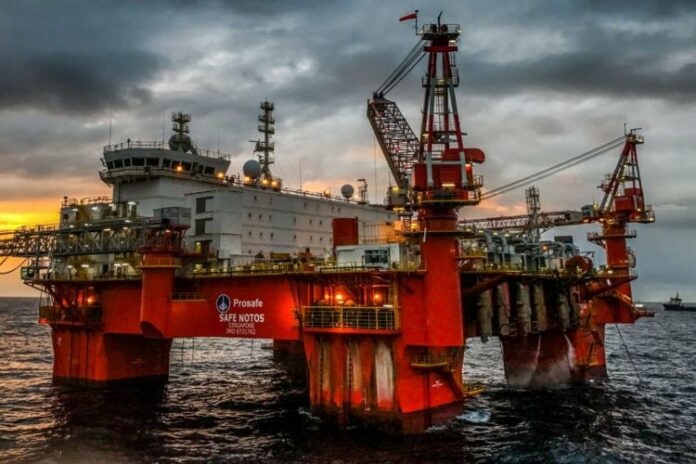
The Safe Notos, a technologically advanced and efficient Dynamically Positioned (DP3), harsh environment semi-submersible safety and maintenance support vessel, can accommodate up to 500 persons with extensive recreation facilities. In addition with a large capacity open deck area and telescopic gangway, the Safe Notos provides Petrobras with 300 tonne lift capability.

Jesper Kragh Andresen, CEO of Prosafe, says:

“Prosafe is pleased that an agreement has been found to extend the Safe Notos throughout almost all of 2021 at a premium rate compared to recent auctions. The Safe Notos has performed extremely well since commencing operations with Petrobras in December 2016, and we look forward to the continued operations.”

Stena Line keep vital supply lines open between Denmark and Sweden

0

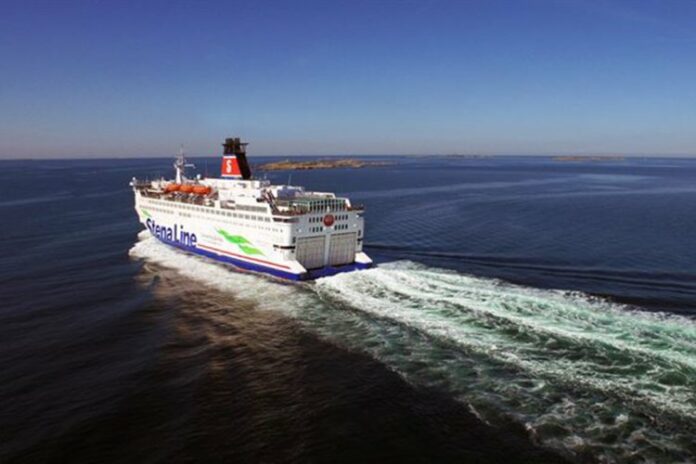
Stena Line has therefore decided to temporarily stop the passenger operation between Frederikshavn in Denmark and Gothenburg in Sweden between November 9th and December 3rd.

The freight operation on the route will continue to keep the vital supply lines open between Denmark and Sweden.

When the Danish authorities’ restrictions in the Northern part of Jutland come into force on November 9th, Stena Line has decided to temporarily stop passenger operation on the route between Frederikshavn in the Northern part of Denmark and Gothenburg in West Sweden to limit the spread of the virus. Freight operation continues in order to keep the vital supply lines open between Denmark and Sweden. Freight drivers can continue to travel with freight onboard the ferries Stena Danica, Stena Jutlandica on approximately 50 departures per week between Frederikshavn and Gothenburg as well as on 22 weekly departures between Halmstad in West Sweden and Grenaa in the eastern part of Jutland in Denmark. 

Passengers are during this period referred to the route between Halmstad and Grenaa, which are not affected by the new restrictions and will continue to operate with both passengers and freight.

Elisabeth Lönne, Trade Director Business Region Denmark at Stena Line, says:

”We take the situation very seriously. We follow the Danish authorities’ recommendations and have chosen to temporarily stop the passenger traffic between Frederikshavn and Gothenburg. Freight operations will continue on the route, just as the route between Grenaa and Halmstad will continue to be in operation with both passengers and freight. We continue to sail to keep the vital supply lines open between our countries.” 

Stena Line already follows the authorities’ restrictions on the use of face masks in terminals, ports and on board the ferries to and from Denmark. In addition, the company has introduced a number of safety measures to ensure a safe and secure journey onboard the ferries. The safety measures include social distance, air circulation with fresh sea air, frequent cleaning as well as new fog machines used to disinfect common areas and cabins on the ferries.

HHLA expands intermodal activities to Ukraine

0

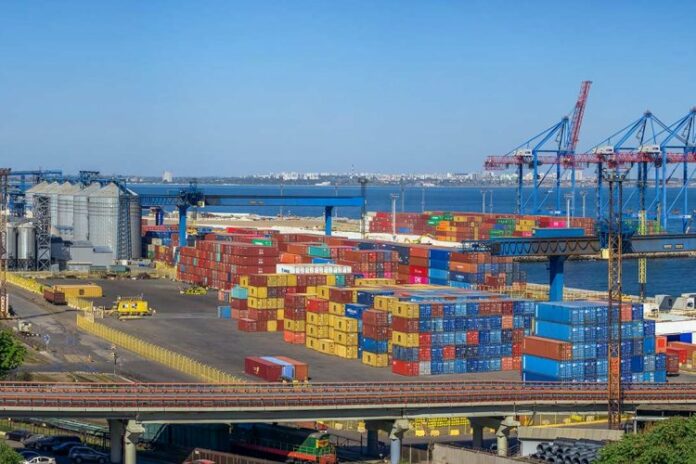
Hamburger Hafen und Logistik AG (HHLA) has established its own intermodal company in Ukraine. The new Ukrainian Intermodal Company (UIC) offers container transport by rail between the Port of Odessa and important economic centres in the country. HHLA is thus expanding its successful intermodal business and extending its product range for fast, reliable and efficient hub-to-hub transport services in seaport-hinterland traffic.

Ukrainian ports have developed very dynamically in recent years. Last year, the throughput volume at the Black Sea port of Odessa increased by 8.5 percent to almost 650,000 TEU. However, at 22 percent, rail only accounts for a small share of the container traffic between the port and the Ukrainian hinterland. By comparison, over 46 percent of sea containers in Hamburg reach or leave the port in the environmentally friendly manner by rail.

With UIC, HHLA has taken the first step towards a stronger modal shift from road to rail. The rail system offers several advantages: the existing broadgauge network optimally connects the largest inland economic centres with the Ukrainian coast. In comparison, large parts of the road network are in need of modernisation. Furthermore, due to the large distances in Ukraine – the Eastern European country is almost twice the size of Germany – rail transport is best suitable to be a sustainable way to transport goods.

Philip Sweens, Managing Director of HHLA International, says:

“HHLA possesses extensive expertise in the intermodal business. With an efficient train system based on customer-friendly services, transparent prices, simple booking processes and reliable timetables, we want to tap the considerable potential of the Ukrainian intermodal market.”

Together with local partners HHLA intends to remove obstacles to rail transport in Ukraine, and to establish and market a reliable range of services.

Up until now, container transport by rail in Ukraine was almost exclusively carried out using individual cars or groups of wagons. The newly established UIC bundles the individual loading to container block trains, thereby increasing the efficiency and reliability of transports. Since early October 2020, UIC offers weekly block train connections between Odessa and Ternopil in the Lviv economic region in Western Ukraine. In November, a weekly service to the industrial centre of Kharkiv, the second largest city in the Ukraine, will start operations. It is also planned to establish a weekly container train connection between Odessa and Zaporizhia in the east of the Ukraine.

In the Port of Odessa, HHLA operates the largest container handling facility in Ukraine: the Container Terminal Odessa (CTO). The CTO has its own rail terminal, which is currently being expanded and where the container block trains are formed. All inland activities are carried out in cooperation with private rail terminals. Additional services such as stuffing and stripping of containers, hub-to-door delivery to the final destination by truck or customs clearance are also available.

The future plan is to expand the offer of regular rail connections to other Ukrainian production and consumer centres and increase the frequency of services.

Marine biofuel testing set to begin at the Alfa Laval Test & Training Centre

0

Located in Aalborg, Denmark, the Alfa Laval Test & Training Centre is a core component of Alfa Laval’s own research and development.

It is also a site for collaboration with industry partners and research institutes, which will be needed to reach IMO’s goal of cutting greenhouse gas emissions by 50% over 2008 levels. Alfa Laval, biofuel producer MASH Energy and shipowner DFDS have entered into one such collaboration, funded in part by Shipping Lab, a Danish non-profit initiative focused on smart shipping.

Lars Bo Andersen, Alfa Laval Test & Training Centre Manager, says:

“Two 25 m3 tanks have been installed at the centre, one of which is stainless steel and dedicated for testing of biofuels and other new fuel types. New fuel alternatives are constantly being introduced to the marine industry, but the knowledge about their behaviour in marine fuel systems is limited. We want to extend that knowledge through testing, beginning with biofuels.”

Biofuels have high potential and will undoubtedly play a part in meeting IMO climate goals. Many such fuels are on the verge of entering the market, and Alfa Laval is often approached by shipowners regarding their use. Yet while they represent a significant opportunity, biofuels as they are today involve many unknowns.

Andersen says:

“Biofuels are produced from many different sources using a wide range of production methods. Consequently, the end product varies. Even though producers aim to fulfil the ISO 8217 standard, fuel users may experience undesirable fuel behaviours, such as corrosion of the fuel system.”

Corrosion, Andersen adds, is not the only potential issue:

“Fuel injection is steered by viscosity, which is in turn controlled by heating. The relationship between heat and viscosity is hard to predict for biofuels, so the existing curves for HFO and LSHFO don’t apply. For biofuels to be used safely and efficiently, we have to gain more knowledge about them in order to optimize their handling and combustion.”

The first biofuel tested at the centre will be one produced in India by MASH Energy, which is created through pyrolysis of waste biomass. Sourced from waste in this way, the fuel would be a net positive, removing CO2 from the overall carbon equation.

The dark, viscous fuel will initially be mixed with “normal” oil and be combusted using the Alfa Laval Aalborg dual-fuel boilers at the centre, which will allow both flame characteristics and emissions such as NOx and particulate matter (PM) to be examined. Between the tank and the boilers, the biofuel will be treated with an Alfa Laval high-speed separator to remove any impurities.

Andersen says:

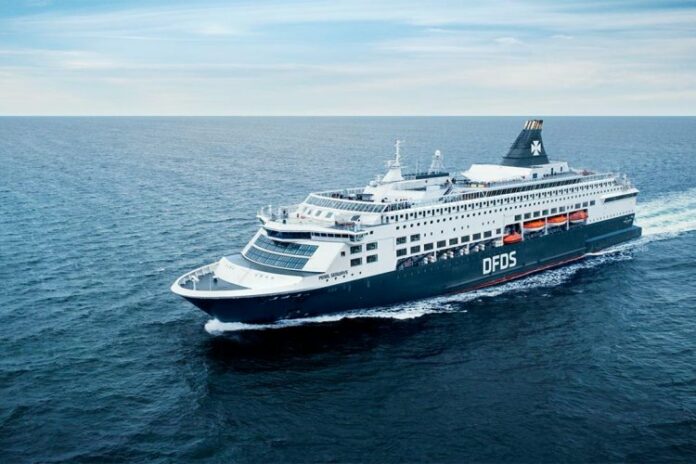
“Depending on the results, the next stage will be combusting the fuel in the centre’s four-stroke engine. That will involve a complete fuel line, including an Alfa Laval Moatti fuel oil filter and a Fuel Conditioning Module in addition to the separator. If all goes smoothly at the Alfa Laval Test & Training Centre, the aim is that the biofuel can be bunkered on the DFDS Pearl Seaways for hot water production while in Danish ports, and perhaps eventually as a fuel for the auxiliary engines.”

Samples of the MASH Energy biofuel have already been received and tested at VeriFuel i Athens. In anticipation of the full-scale delivery in Aalborg, additional preparations are being made at the Alfa Laval Test & Training Centre, for example to enable real-time viscosity and emission measurements that will improve boiler combustion control.

Likewise, Alfa Laval is in dialogue with additional biofuel producers, as well as other research partners. The latter include Aalborg University, where fuels derived from hydrothermal liquefaction (HTL) are in focus. HTL is a bioconversion technology that can turn any wet organic material into an energy-dense bio-crude.

Andersen says:

“There are many possibilities for producing tomorrow’s fuels, and testing will be needed to overcome the many different challenges in the end results. Getting to 2050 successfully will require intense research into lots of different options, which demands partnerships across the industry. We’re proud to contribute with Alfa Laval’s experience and the capabilities of the Alfa Laval Test & Training Centre.”

Global LNG fuel bunkering brand “Gas4Sea” terminated

0

NYK and its partners have dissolved Marine LNG Zeebrugge NV/SA, a JV company created to manage the global brand “Gas4Sea” for the bunkering of LNG (liquefied natural gas) fuel for ships.

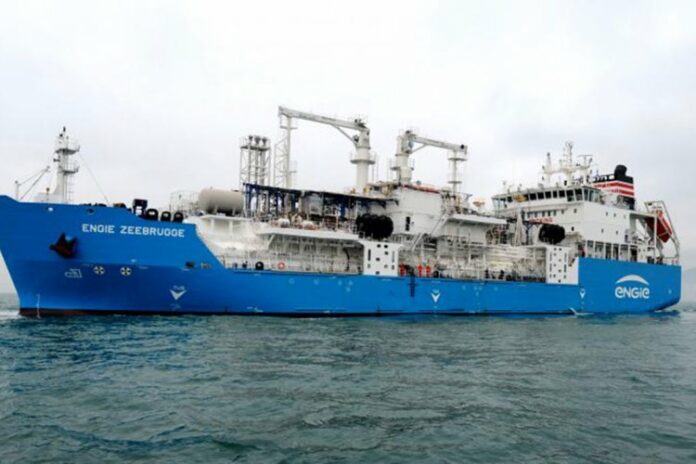
The partners additionally agreed to transfer all shares of the exclusive vessel holding company for the LNG bunkering vessel (LBV) Engie Zeebrugge to NYK and make the holding company a wholly owned subsidiary of NYK.

NYK has changed the name of the LBV from Engie Zeebrugge to Green Zeebrugge, and continue to use this ship, utilizing the know-how and technical capabilities cultivated through the LNG bunkering operations so far. In response to the expected increase in global demand for LNG fuel, NYK will start LNG-fuel bunkering business under a new scheme in the future.

In accordance with its medium-term management plan “Staying Ahead 2022 with Digitalization and Green,” the NYK Group has indicated its goal to integrate ESG principles into management strategies to implement green business initiatives and has been dedicated to achieving the SDGs through the group’s business activities. The Group will continue to develop the LNG-fuel market in terms of LNG-fuel bunkering, promote the conversion of marine fuel to LNG, and contribute to reducing shipping’s environmental burden.

Concordia Damen receives 40 inland waterway barge order from JP Morgan

0

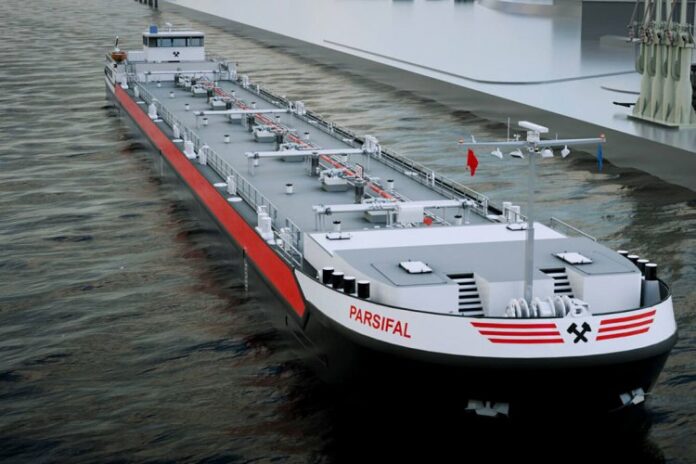
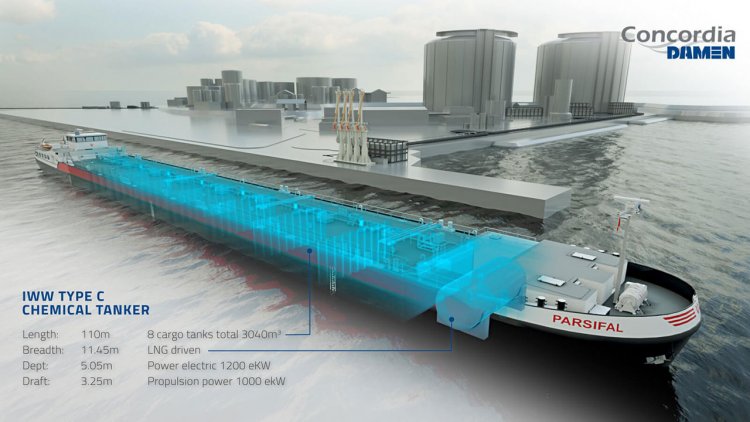
Concordia Damen has signed a contract for 40 eco-friendly dual fuel barges with institutional investors advised by J.P. Morgan Asset Management.

These barges will be chartered by Shell and operated by the VT Group/Marlow. Frachtcontor Capital Partners was the broker for the deal.

The 110 x 11.5 metres vessels will have LNG propulsion and extreme shallow draught capabilities – 2800 ton on 3.25 metre draught – in order to maximise cargo carrying capacity on Dutch, Belgian and German canal and river networks.

Martin van Veen, freight trading manager, of Shell explained the choice of Concordia Damen, saying:

“Concordia Damen has a proven track record in the delivery of products that are highly efficient and sustainable. In addition, they have demonstrated their capabilities in the delivery of shallow draught vessels – which is of importance to this project. We are looking forward to the collaboration.”

Chris Kornet CEO Concordia Damen said:

“We are very grateful to have received this order and are looking forward to beginning the work. This is yet again a validation of our efforts towards greater levels of sustainability in the inland shipping sector.”

The VT Group is specialised in inland shipping, transporting minerals, chemical products, bio fuels and lubricants. The Parsifal tankers will transport mineral oils between Antwerp, Amsterdam, Rotterdam and the Rhine network.

Concordia Damen will begin construction of the tankers in December this year. The delivery of the first vessel will be in November 2021. After that, the yard will deliver another vessel each month, completing the order by December 2024.

World’s first LPG-fuelled VLGC now undergoing sea trials with Wärtsilä fuel system

0

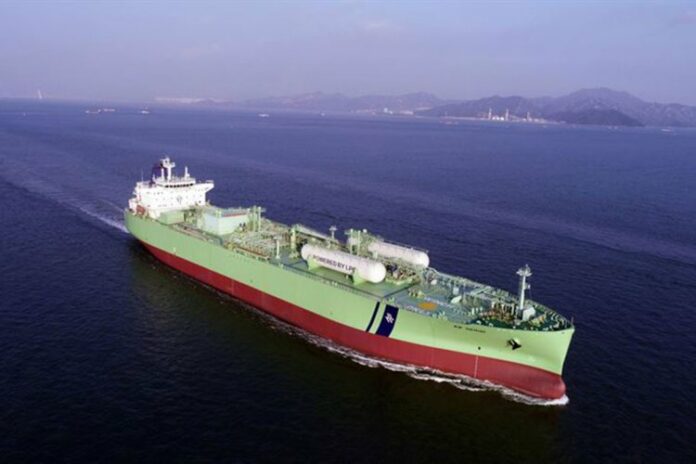
The ‘BW Gemini’, owned and operated by BW LPG a company registered at Oslo stock exchange, is the world’s first VLGC to be fuelled by LPG. The use of LPG as fuel reduces emissions of sulphur oxides (SOx) by some 97 percent, and is viewed as being an important step towards the decarbonisation of shipping. The sea trials commenced on October 20, 2020.

The ‘BW Gemini’ was built in 2015 and was retrofitted this year with Wärtsilä’s ground-breaking LPG Fuel Supply technology. Wärtsilä was designated as the system integrator for the conversion project. This is the first of 12 BW LPG ships to be retrofitted for operating on LPG fuel with the Wärtsilä system.

Pontus Berg, Executive Vice President, Technical and Operation, says:

“LPG is powering this vessel while protecting the environment, and we look forward to demonstrating its benefits to the industry as shipping prepares for a future with zero-carbon propulsion. BW LPG thanks Wärtsilä for its collaboration on this industry-leading innovation, and for sharing our vision of achieving sustainability through cleaner energy.” 

Kjell Ove Ulstein, Director of Sales and Marketing at Wärtsilä, says:

“World firsts are always exciting and we congratulate BW LPG on their commitment to pursuing the adoption of LPG as a long-term viable and sustainable marine fuel. The project highlights once again Wärtsilä’s leading position in bringing innovative fuel gas solutions, along with the customer benefits they offer, to the market.”

The Wärtsilä scope included the system engineering, the ship design for the conversion project, two 930 m3 fuel tanks with the pumps and fuel system, the pump skids, and the cargo handling system.

The Wärtsilä LPG Fuel Supply System is available as a stand-alone solution, or as an integrated element within the LPG cargo handling system.

Wärtsilä Gas Solutions is a market leader with innovative systems and lifecycle solutions for the gas value chain. Our main focus areas are handling of gas in seaborne transport (storage, fuel, transfer and BOG management), gas to power, liquefaction and biogas solutions. We help our customers on the journey towards a sustainable future through focus on lifecycle, innovation and digitalization.

mySamskipLogistics launch brings digital transparency to specialised freight forwarding

0

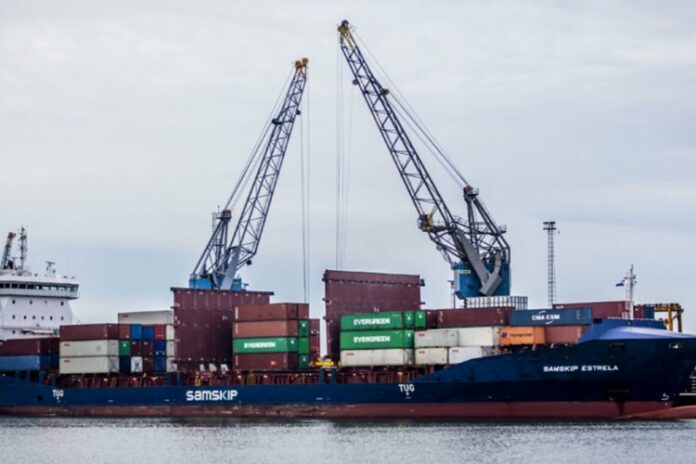
Its new mySamskipLogistics global forwarding customer portal will have special significance for the reefer and other specialised cargo shippers contributing around three quarters of its volumes, the company says.

The new global forwarding customer portal went ‘live’ across all Samskip Logistics offices worldwide in the first week of November and allows customers to make freight bookings online and access track and trace information for all of their entered shipments. Up to date details covering shipment status, references and comments are available at any time, together with documents and invoices.

Martijn Tasma, Samskip Logistics Director Global Forwarding, says that the well-known benefits of online booking start with error avoidance, while continuous track and trace adds transparency and a record of actions for clients. While common to retail-based logistics, other parts of the supply chain have not been so well served by digitalisation, he says:

“Logistics is a 24/7 business where customers are entitled to expect up to date information on shipment status at all times. mySamskipLogistics makes the gains of digitalisation available to shippers not previously able to secure them, in fast-paced segments such as seafood, meat, fruit and vegetables. We developed the solution after listening to clients; the message came back loud and clear that specialised shippers also want these benefits.”

The portal is also linked to the INTTRA Open Trade Platform, so that vessel departures by INTTRA carriers are automatically captured within mySamskipLogistics. Future initiatives for the platform include plans for shippers to access analytics and reporting functionality, while freight status information could include connectivity to cold storage warehouses.

Tasma says:

“Forwarding is as much about data management and providing customers with information as it is about managing physical assets. The launch of mySamskipLogistics is a staging post in a journey that has seen Samskip Logistics tap into Power Bi as a tool to develop Key Performance Indicators and position ourselves to attract the brightest and best logistics professionals of tomorrow. It does not replace direct client contact, but supply chain frontrunners today build a lead by data management and data sharing. mySamskipLogistics also opens a path to introduce machine learning efficiency into forwarding in reefer logistics.”

ABS reaches an IHM century with Seaspan

0

ABS has just scheduled its 100th Inventory of Hazardous Materials (IHM) Certification for Seaspan Ship Management, 98 percent of which are remote surveys.

ABS is on course to ultimately certify more than 100 vessels for Seaspan, the largest containership lessor in the world,  part of a huge increase in demand for ABS remote surveys of around 300 percent since the start of the global COVID-19 pandemic.

Torsten Pedersen, Chief Operating Officer, Seaspan Ship Management, said:

“COVID-19 has provided the maritime industry with unprecedented challenges. But it has also forced the industry to embrace the opportunities arising from digitization and technology. Ultimately these initiatives will be crucial for sustainable shipping in the future. We are pleased to have ABS provide flag-approved remote IHM survey options for our fleet to achieve compliance quickly and efficiently without causing any undue administrative burden on our seafarers.”

ABS remote survey teams all over the world carrying out everything from equipment surveys to vessel inspections to assist clients constrained by COVID-19 restrictions and continue to deliver the ABS safety mission.

Tony Nassif, ABS Executive Vice President and Chief Operating Officer, said:

“ABS Remote Survey is now streamlining business operations for marine and offshore operators, as well as equipment manufacturers, globally. ABS offers the industry’s most comprehensive set of remote survey options and is leading the way in the delivery of digital services for the industry. While the pandemic has accelerated demand, the advantages for operators are such that this was always destined to become a routine operation and we are well past that tipping point now. Whatever the trajectory of the pandemic, I am confident use of remote survey will continue to grow in the industry, especially as ABS rolls out future services enabled by advances in technology.”

Already a leader in remote survey since launching the service in 2018, ABS has seen demand from ship owners and operators surge since expanding its range of remote options significantly in response to industry feedback.

Today, ABS offers the marine and offshore industries’ most comprehensive set of remote options and was the first to introduce almost all classification annual surveys remotely on eligible vessels. This allows owners and operators to both conduct a full attendance if needed or streamline one by starting the survey virtually and finishing remaining items in person.

Powered by advances in remote technology, remote surveys and audits augment the traditional survey experience by allowing surveyors to perform a range of actions without being physically present while simultaneously capturing all survey and audit requirements. Access to remote surveys and audits allows for business continuity, particularly during challenging times that may create scheduling conflicts, personnel or logistical issues.

McDermott announces second shipment of MODEC FPSO modules

0

McDermott International, Ltd today announced the second shipment of topside modules for a floating production storage and offloading (FPSO) unit for MODEC, Inc. (MODEC). It comes just weeks after the first shipment of modules sailed away from McDermott’s Altamira fabrication facility located in Mexico.

The FPSO will be located in the Area 1 block, approximately six miles (10 kilometers) off the coast of Mexico in the shallow waters of the Campeche Bay at a water depth of approximately 105 feet (32 meters).

Mark Coscio, Senior Vice President, North, Central and South America, said:

“Our MODEC project fabrication team at McDermott’s Altamira Fabrication Yard continues to deliver for our customer with this latest shipment of modules. Our strong, local team remains focused on safety and execution excellence as we work to complete the modules needed for the EPCI fixed platform.”

The MODEC project scope of work consists of five FPSO Topside Modules, which will be delivered to the client in two shipments. This second shipment includes modules that will provide inlet separators, oil separation, a flare KO Drum and sand cleanup materials for the FPSO.

The modules will travel from McDermott’s Altamira fabrication facility to Singapore where integration will be performed at the Dyna-Mac Fabrication Yard.