-9 C
New York
Home Blog Page 635

Trafigura and Braskem collaborate on carbon offset naphtha cargo

0

The cargo was shipped last week from Corpus Christi, Texas and will be delivered by Trafigura to Braskem’s facility via the Port of Aratu in Bahia, Brazil.

The carbon dioxide equivalent emissions associated with the extraction and pipeline transportation of crude oil, its processing to produce naphtha and waterborne transportation of the 325,000-barrel carbon offset cargo will be calculated on data collected by Trafigura. Emissions will be offset through a combination of efficiency measures which reduce emissions, and surrender of high-quality carbon offsets.

Trafigura has worked with the vessel owner to minimise actual emissions associated with transporting the cargo including by chartering the most energy efficient vessel available at the time of fixing and by agreeing with the ship owner that a speed reduction is made. High-quality carbon offsets have been sourced from nature-based projects located in Indonesia that are independently verified by the Verified Carbon Standard.

Dmitri Croitor, Global Head of Naphtha and Condensates, Trafigura, said:

“Naphtha is a vital component for the plastics industry and this carbon offset cargo, the first of its kind, demonstrates the potential to reduce upstream supply chain emissions for non-combustible plastics. We believe this could be an important additional step in the industry’s efforts to minimise emissions.”

Hardi Schuck, Feedstocks, Chemicals and Global Chartering Director at Braskem, said:

“Braskem is committed with a carbon neutral circular economy strategy and this pilot is a step forward in this direction, contributing to offset part of the value chain emissions. Today’s announcement fits with our efforts to continue to advance in innovation and to develop low carbon solutions.”

The term “carbon offset” indicates that the Seller and the Buyer have committed to reduce or offset the amount of carbon dioxide equivalent associated with their respective operated emissions (including the extraction, storage, and shipping of the naphtha) through a combination of demonstrated emissions reductions and carbon offsets verified by the Verified Carbon Standard.

Ørsted and Enefit form partnership to deliver large-scale offshore wind in the Baltics

0

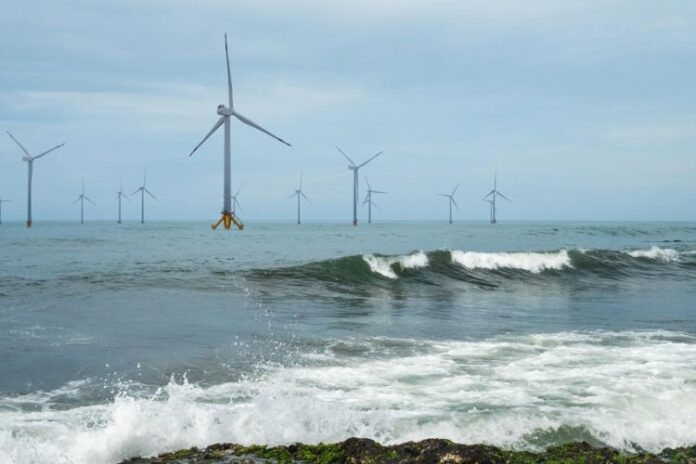
Ørsted have signed a memorandum of understanding (MoU) which outlines a vision for becoming the leading offshore wind developer in the Baltic countries. The MoU also sets out a vision to jointly move towards delivering the first offshore wind farm in the Gulf of Riga in the Baltic Sea, before 2030.

In September 2020, the Latvian and Estonian governments signed a memorandum of understanding for a joint offshore wind farm, and, subject to a supportive regulatory framework for offshore wind being in place, it’s Ørsted and Enefit’s ambition to deliver this before 2030.

Offshore wind offers a clear green path forward for the decarbonisation of the Baltic countries and will be able to deliver large-scale, zero-carbon electricity before 2030. 

As part of the MoU, Ørsted and Enefit intend to establish a joint venture for the development of offshore wind opportunities in the Baltic countries, including the Liivi offshore wind project in the Estonian part of the Gulf of Riga.

Furthermore, Ørsted has submitted an application for an area in Latvian waters next to the Liivi site. Through these sites, the partnership aims to pursue a cross-border hybrid solution, which will connect an offshore wind farm to both Latvia and Estonia and enable the utilisation of the offshore wind transmission cables as an interconnector between the two countries.

Rasmus Errboe, Head of Region Continental Europe at Ørsted, says:

“We are very excited about teaming up with Enefit, with the goal of developing offshore wind opportunities in the Baltic countries. With the right regulatory framework in place, offshore wind can deliver large-scale green energy in Estonia and Latvia before 2030. The sheer size of offshore wind farms makes them ideal for cross-border hybrid solutions, and we commend the Estonian and Latvian governments for their leadership in advancing regional corporation on large-scale renewable energy production. The Baltic Sea area is becoming a centre for offshore wind build-out which will contribute significantly to the decarbonisation efforts of both the region and the European economy. The Baltic countries can to a large extend be powered by renewable energy from offshore wind, and we look forward to team up with Enefit to realise this potential.”

According to Hando Sutter, Chairman of the Management Board of Enefit, the strategic goal of Enefit is to increase renewable energy production.  Sutter said:

“We have been preparing an offshore wind farm in the Gulf of Riga for more than 10 years, which has given us a good knowledge of the local offshore wind conditions and makes this collaboration well positioned to deliver on the ambitious 2030 targets for Estonia and the Baltic countries. Together with the world’s leading developer of offshore wind farms, Ørsted, we now take an important step towards our vision of delivering offshore wind energy in the Baltic countries before 2030. It is essential that offshore wind will be developed in an environmentally friendly way that involves local communities so that they can benefit from the wind farm. The construction of offshore wind farms, like the Liivi or North Western Estonia (Hiiumaa) project, could create the conditions for the emergence of a new industry with professional competences and highly qualified long-term jobs in the fields of energy, transport, and logistics. During the construction of an offshore wind farm of this size, thousands of jobs will be created, including in Estonia and Latvia.”

Offshore wind offers a clear green path forward when Estonia and Latvia desynchronise from the Russian grid, and Estonia looks to phase out shale oil as part of its decarbonisation efforts. Offshore wind is the most viable option for large-scale renewable energy to deliver high security of supply for the two countries.

In addition to the cooperation within Estonian and Latvian governments developing offshore wind, the EU’s offshore renewable energy strategy proposes to increase Europe’s offshore wind generation capacity from the current 12 GW to at least 60 GW by 2030 and to 300 GW by 2050. The Baltic Sea can make a significant contribution to this target with a potential above 90 GW. In 2020, the EU member states around the Baltic Sea signed the Baltic Sea Offshore Wind Declaration to accelerate the build-out of offshore wind in the Baltic Sea to reach both national and international climate targets.

Jan De Nul orders highly powered versatile trenching vehicle Swordfish

0

Delivery is scheduled for the first quarter of 2022.

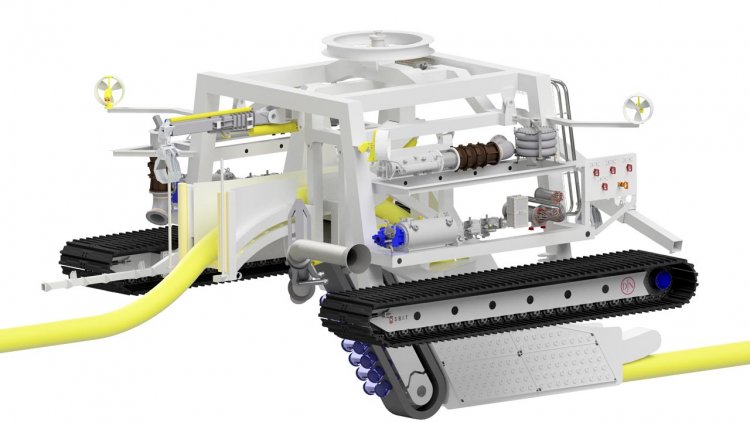
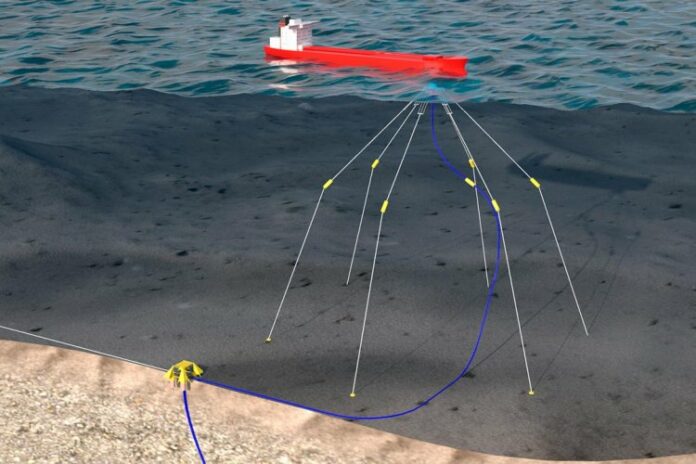
The Swordfish will be a high-powered state-of-the-art subsea trenching vehicle that can be fitted with either a jetting installation, a mechanical chain cutter or a combination of both to tackle a wide variety of soil conditions and bury cables up to 3 or even 3.5 metres deep.

Wouter Vermeersch, Manager Offshore Cables at Jan De Nul Group:

“The Swordfish makes the perfect addition to our existing fleet of trenching vehicles providing excellent protection for cables installed by any of our Cable Laying Vessels. With its high power, the Swordfish will be able to bury the cables deeper and thanks to its hybrid mechanical chain cutting configuration the Swordfish can also tackle more challenging soil conditions, including hard clays up to 400 kPa. This new investment, together with the recent acquisition of our cable installation vessel Connector, arms Jan De Nul Group for the energy transition of tomorrow. We look forward to working together with Osbit Ltd (UK) on this project and to offer customers the best solution for their cable projects.” 

Robbie Blakeman, Joint Managing Director at Osbit Ltd (UK):

“We are delighted that Jan De Nul has selected Osbit to supply the Swordfish trenching vehicle. We worked closely with Jan De Nul on specifications and drew from our in house trenching expertise and proven technology base to develop this market leading subsea vehicle. We pride ourselves on serving a global market and as a UK based company with a predominantly local supply chain, this projects allows us to continue to strengthen our exports of specialist equipment to mainland Europe. Furthermore, it allows us to continue to invest in our people, critically the development of highly skilled engineering roles at our home base in the North East of England. We look forward to collaborating closely with Jan De Nul throughout this exciting project and delivering the Swordfish on time and fully operational for its first campaign.”

The Swordfish will be powered by 2 x 300 kW hydraulic power units and 2 x 300 kW electric HP jet pumps. 

In jetting configuration, it will be capable of tackling soil strengths up to 125 kPa, thanks to its 1,120 kW of pump power. In mechanical or hybrid mode, it will be able to cope with soil strengths up to 400 kPa, using its 400 kW chain cutter tool and 420 kW additional jetting power. 

The main jetting tool is combined with front cutting nozzles and additional rear backwash swords to optimize trenching performance. Thanks to the modular buoyancy the underwater weight of the vehicle in jetting mode is less than 1 tonne, resulting in a ground pressure not exceeding 5 kPa which allows trenching vehicle operation in very soft soil conditions.

The innovative chain cutter design and cable loading system minimize cable handling, plus it has the added benefit of a closed box depressor to guarantee first-time-right protection.

The trenching vehicle will be launched with a dedicated A-frame and hoisting winch from one of Jan De Nul’s offshore vessels. 

Carnival Corporation contracts Bureau Veritas to support a return to cruising

0

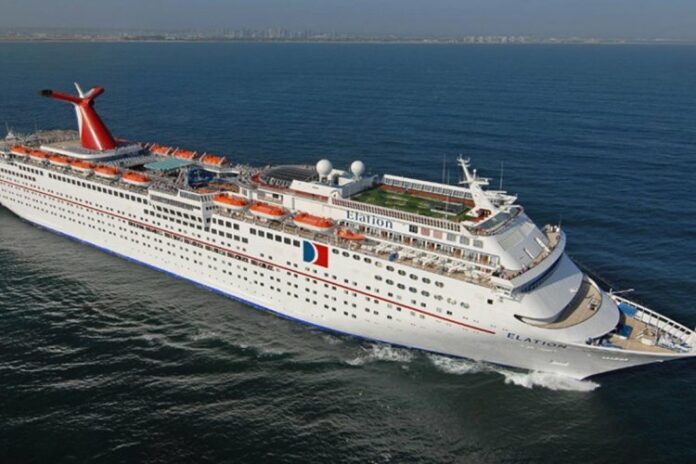
Bureau Veritas (BV), a world leader in testing, inspection, and certification (TIC), has been contracted by Carnival Corporation & plc, the world’s largest leisure travel company with a fleet of 87 ships visiting over 700 ports around the world, to provide health and safety services to facilitate the return to cruising, protecting passengers and crew.

The support provided, including verification of safety and hygiene measures, will be based upon the expertise and extensive experience built by Bureau Veritas in 2020 to address health protection and hygiene requirements on-board passenger ships. BV’s approach meets the specific requirements of the cruise market, addressing biological risks, as posed by COVID-19 and other infectious diseases. 

BV will verify the procedures and protocols of Carnival Corporation’s ships to identify and manage COVID-19 related risks in port, at embarkation and disembarkation points, and, of course, on the ships. Outbreak management planning will address necessary procedures for prevention, mitigation, and preparation to manage crew and passenger hygiene, wellbeing and health with clear definitions of responsibilities and roles.

BV’s initial work has been focused on ships operating under the Cunard, P&O Cruises and Princess Cruises brands that will resume cruises out of Southampton under Carnival UK with added assurance from BV’s independent verification of effective COVID-19 protocols. 

Subsequent to the restart of UK cruise itineraries, it is anticipated that a return to operations will continue in global markets – BV as an independent body will verify COVID 19 protocols and procedures meeting guidelines enforced by national administrations, helping Carnival’s ships get back to global operations for all Carnival’s brands.

Matthieu de Tugny, President Marine & Offshore, Bureau Veritas, said:

“We provide procedures and measures to protect passengers, company personnel and other stakeholders as operations are resumed, helping ensure that appropriate health and safety standards are put in place. We have been working across many industries as a group addressing these new safety and hygiene challenges and have combined this now extensive experience to our passenger ship and marine expertise to support Carnival.”

Onboard connectivity critical for crew welfare, reveals latest Seafarers Happiness Index

0

The report shows big discrepancies in seafarer welfare, with happiness levels fluctuating significantly. The report also reveals the positive impact of improved connectivity and port welfare services, but also shows growing concern over crew changes, access to COVID vaccines and onboard working conditions.

This first report of 2021 is focussed on the impact of COVID-19 and how the pandemic continues to severely affect the lives of seafarers. It highlights the extreme differences from those reporting the highest levels of satisfaction to those at the opposite end of the spectrum, who report extremely worrying circumstances.

The report highlights three main themes:

  • the consequences of a lack of recognition for seafarers as key workers;
  • the onboard challenges of working hours and crew tension;
  • the benefits of onboard connectivity and port welfare services.

The first quarter’s responses revealed lingering worries about the ongoing crew change situation. Forced to serve beyond formal contracts, crews have been stuck on board for extended periods. Just as one nation opens, it seems that there are spikes in infections, or new variants, and the route home is denied.

Additionally, the issue of when and how seafarers will be vaccinated also came to the fore. This is likely to be a long-running concern until plans are made clear. As more of the global population receives vaccinationS, with shore-based key workers prioritised in many countries, there is significant concern about the lack of progress with plans to vaccinate seafarers. Uncertainty and frustration continues to grow.

Seafarers consistently spoke of the pressures to work excessive hours. Furthermore, respondents raised issues of fraudulent record keeping, seeing seafarers working 14 to 15 hours every day but being forced to sign a monthly working slip which complies with working hours. In addition, the workload and the tasks being asked of crew also take a heavy toll, particularly in relation to pressures to reduce manning and rest periods not taken.

Tensions between mixed nationality crews further highlighted criticisms of manning models, particularly with regards to the impact of COVID-19. It was reported that some nationalities are not allowed ashore or allowed crew changes, while others are, which further impacts crew wellbeing.

Encouragingly, progress is being made with more seafarers able to get online and connect with loved ones back home. More shipping companies are working to provide crews with access to Wi-Fi. It seems clear that this investment in connectivity makes a big difference in alleviating the hardships being faced by seafarers and improving morale onboard.

Andrew Wright, Secretary-General of The Mission to Seafarers, said:

“The recent disruption in the Suez Canal reminded the world of the extent to which global trade relies on the men and women serving at sea. With this quarter’s Seafarers Happiness Index highlighting the huge disparity in workload, happiness levels and welfare onboard, we hope this report helps to keep the spotlight on the urgent needs of our seafarers.

“Progress is slowly being made, but we cannot afford to let momentum stall. We hope to see seafarers recognised as international key workers, with the support that entails on everything from crew changes to vaccine access. Above all, we need to keep listening to our seafarers and take practical action now to meet their needs.”

The Seafarers Happiness Index continues to be supported by maritime solutions company, Wallem Group. For 2021, the report is also supported by a new partner, specialist marine and energy insurer, the Standard Club.

Equinor: Revised start-up date for Hammerfest LNG

0

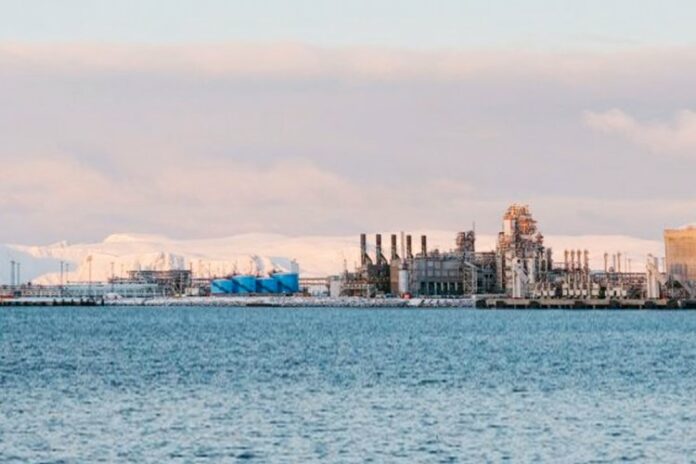
Due to the comprehensive scope of work and Covid-19 restrictions, the revised estimated start-up date is set to 31 March 2022. Even though the fire in September 2020 was limited to the air intake of one of the plant’s five big gas turbines, the fire and firefighting caused substantial damage to the plant.

Grete B. Haaland, Equinor’s senior vice president for onshore plants, says:

“We have worked systematically on getting an overview of the damages and scope of work to bring the plant’s technical condition back to the required standard. There is still some uncertainty related to the scope of work, however our best start-up estimate is 31 March 2022, based on current knowledge. Safety is our top priority, and we will not start the plant before it can be done safely.”

Operational measures to handle the Covid-19 situation have affected the follow-up progress after the fire. The project for planning and carrying out repairs of the Hammerfest LNG plant must always comply with applicable guidelines for handling the infection situation in society. The project has already introduced several measures that allow us to have fewer workers on site at the same time than previously expected. There is still uncertainty related to how the Covid-19 development will impact the project progress.

More than 70,000 unique equipment components were potentially exposed to seawater during the firefighting. The components have been systematically checked after the fire, and a repair plan for securing the plant’s integrity has been prepared.

The most time-consuming activity appears to be the replacement of electric cables connected to the power station where the fire occurred. Inspections show that more than 180 km of cable must be replaced. New cables have been ordered and will arrive Melkøya during this spring/summer.

Other equipment components are being procured for delivery in the summer/autumn of 2021. Several major equipment components, including several compressors, must also be taken out of the plant, and sent to the supplier for repair.

Haaland says:

“Employees and suppliers have done a demanding and important job of getting an overview of the damages and making plans for returning the plant safely to operation. We are also very grateful for the support we have received, and is still receiving, from the local community of Hammerfest. The Hammerfest LNG plant has been, and will continue to be, a strong contributor to value creation for the local community and owners.”

Equinor’s internal investigation of the fire is still being conducted. The company will revert to findings and conclusions when the investigation is completed.

Test run of rotor sail on Viking Grace completed

0

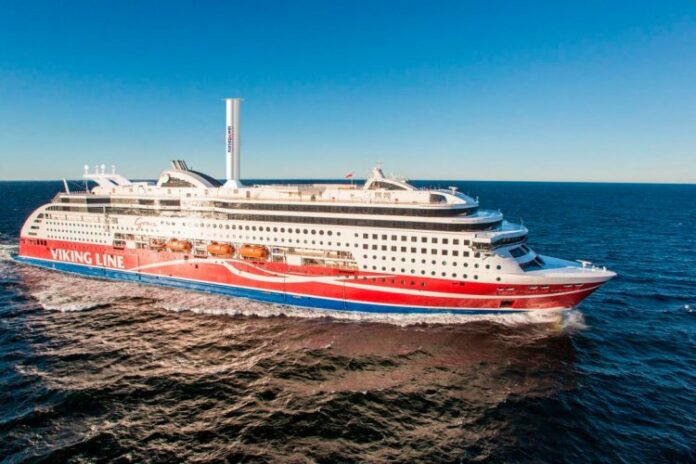
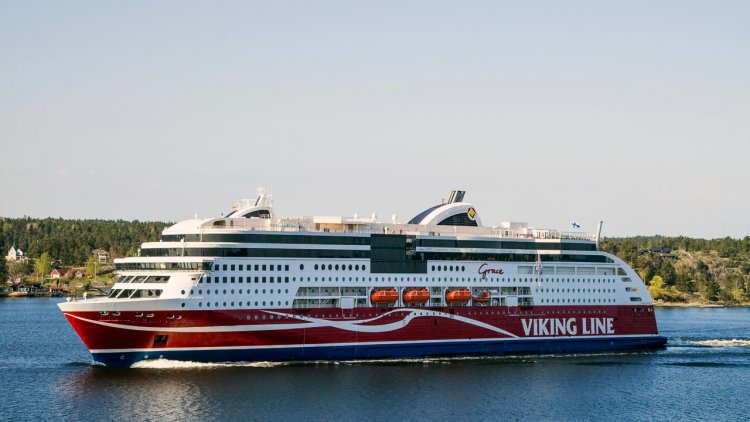
The innovative rotor sail technology developed by the Finland-based clean tech company Norsepower has been tested at Viking Line for three years. 

The rotor sail generates thrust utilizing the so-called Magnus effect, thus reducing the vessel’s need for propulsion force. M/S Viking Grace was the world’s first passenger ship to be equipped with a rotor sail. In April, the trial testing of the rotor sail on Viking Grace was completed. Viking Line wants to continue testing new climate-smart solutions on its vessels. The new Viking Glory has already been equipped for the possible use of a rotor sail.
 
Johanna Boijer-Svahnström, senior vice president of Corporate Communications at Viking Line, notes:

“Rotor sail technology is a promising and ambitious step towards more environmentally-friendly maritime transport. It is important to develop this kind of solution, and we certainly want to be involved in finding new ways to make Baltic Sea transport more climate-smart. Flettner rotor technology is very interesting. Our partnership with Norsepower has been enriching and has expanded our views.”

Norsepower’s rotor sail is the first meticulously tested and commercialized mechanical sail. The fully automated system detects situations in which wind conditions are favourable for the operation of a rotor sail. The system then starts up the sail automatically, without the user needing to do anything. Norsepower’s rotor sail has been installed on four other vessels in addition to Viking Grace, including Scandline’s ferry M/V Köpenhamn, which runs between Germany and Denmark, and the tanker Maersk Pelican.

Tuomas Riski, Norsepower’s chief executive officer, says:

”Test results from the Viking Grace project, which were validated by independent parties, led to many new rotor sail deliveries, and our operations are growing rapidly. The rotor sails that have been optimized for new vessels could potentially achieve fuel savings of up to 20 per cent. Our rotor sail technology is already available as a solution enabling significantly lower emissions in maritime transport.”

Microplastics are affecting melt rates of snow and ice

0

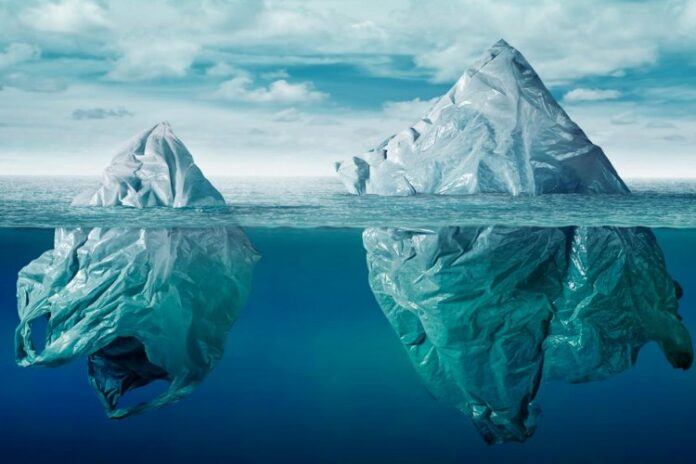
Microplastics have reached the farthest corners of the Earth, including remote fjords and even the Mariana Trench, one of the deepest parts of the ocean. Recently, yet another distant area of our planet has been found to contain these pollutants: glaciers and ice sheets. An Eos article examines how microplastics create changes in these icy ecosystems, and underscores the importance of properly distinguishing them from another form of pollution in snow, black carbon.

In addition to the large plastic waste, such as water bottles and milk jugs, that ends up on remote beaches, many pieces of plastic get broken down into smaller and smaller pieces by ocean waters and wind. These tiny particles are microplastics, minute pieces of plastic that were either broken down over time or were small to begin with, such as fibers from clothing or beads in face washes.

How do microplastics find their way in and onto snow to begin with? Peter Deneen, a writer at Watershed Progressive who is not affiliated with the article, explained:

“Most often microplastics end up in snow via airborne deposition. Microplastics…tend to be lighter than dust particles and become airborne more easily…These particles, due to their shape, can remain airborne and gain enough altitude to circulate with large-scale weather and be transported [to] faraway places.”

Jing Ming, one of the authors of the article, emphasized that airborne travel is one of the reasons why microplastics are so prevalent.

The article highlights the distinction between microplastics and black carbon, another form of pollution which also collects on snow. Black carbon particles come from the combustion of fossil fuels by humans as well as from natural sources such as forest fires. Because of their dark color, black carbon particles absorb sunlight and heat the surfaces they land on. When they are deposited on snow and ice, they increase melt rates. As a result of this melting, the planet’s bright, reflective surfaces decrease in area. And as a result of that decrease, even more sunlight is absorbed by the surface, resulting in greater warming.

Currently, almost all studies of black carbon ignore the co-presence of microplastics in snow, which also have an effect on melt rates. Ming explained:

“Microplastics depositing in snow will last hundreds of years or even longer. They can absorb solar radiation and reduce surface albedo given they are not completely transparent but with colour.” The authors emphasize that it is not just the colored microplastics which absorb sunlight and heat up, but more translucent plastics as well. Translucent plastics, which ordinarily would not absorb light, can wear, break down, or become scratched; all of these processes increase their absorption levels.
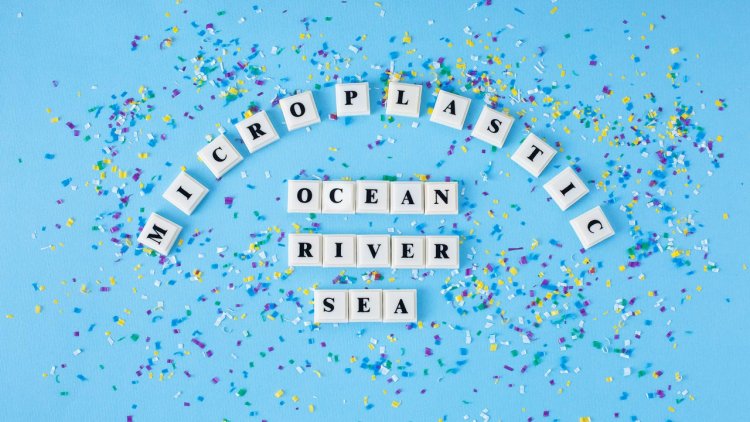
As current measurements and instruments do not account for the presence of microplastics, their effect on melt rates can mistakenly be attributed to black carbon. Ming explained that, as a result, “the forcing of black carbon in snow may need to be reassessed owing to the coexistence of microplastics.” In other words, the measured effect of black carbon on snow melt may be considerably different from the actual effect, due to the neglected presence of microplastics.

In order to begin sorting out the different impacts of microplastics and black carbon, the article suggests three simple changes. The first is to use glass bottles to collect field samples in order to avoid plastic contamination. The second is to filter melted snow samples in order to separate microplastic particles. And the third is to centrifuge (spin at a high speed) samples to separate microplastic particles, as they generally have a lower density than black carbon particles. Ming emphasized that “we should quickly set up a protocol to measure microplastics in snow, differentiate microplastics from black carbon and separate their individual roles in affecting snow.”

Deneen highlighted another important consideration of microplastics in snow. Deneen, who is a former GlacierHub editor, explained:

“The thing about microplastics on snow/ice is that snow/ice are not what we would call a ‘microplastics sink. Snow and ice melts and as it does, those particles are transported through a variety of ecosystems, contaminating riparian habitat, estuarian, and eventually marine.”

As they reach these ecosystems, whether through snow melt or otherwise, microplastics pick up chemical contaminants and can disturb many forms of life: animals can ingest them, harming not only themselves, but also humans who eat them. Smaller invertebrates will consume microplastics, then be consumed by fish, and the plastic makes its way up the food chain until it arrives on a plate.

Many hands will be needed to tackle the broader issue of microplastic pollution. Deneen said:

“We need people, companies, and governments working at it from all sides to find alternative materials and shift the culture that has come to depend upon [plastics].”

He strongly emphasized the need for sufficient and substantial policy that imposes limits on plastic production and use, and that aims to clean up the already damaged terrains.

Microplastics affect an extremely wide range of ecosystems. As demonstrated by their presence in snow, microplastics affect each ecosystem in distinct ways, depending on the context and existence of other factors, such as black carbon. Understanding these differences is crucial to responding to the microplastics crisis. Battling plastics means addressing pollution not only in oceans and beaches, but on high mountain glaciers as well.

Horisont Energi and Knutsen Group enter CO2 transport agreement for Polaris project

0

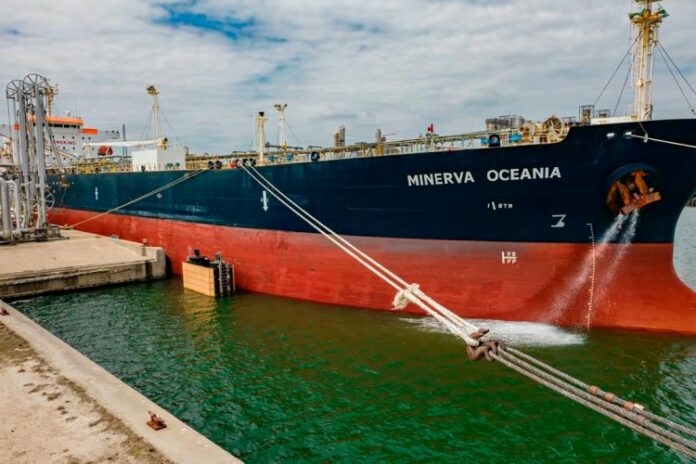
Horisont Energi and Knutsen Group have signed a contract to complete the design for transport of pressurized liquefied CO2 for direct offloading offshore, a key part of Horisont Energi’s Polaris carbon storage project off the coast of Northern Norway.

Horisont Energi is developing the Barents Blue project, the world’s first full-scale carbon neutral ammonia production plant. The facility will convert clean hydrogen into ammonia, an easily transported hydrogen carrier, which can be converted back to hydrogen at the destination or used directly in many applications. The plant will be located in Finnmark in Northern Norway.

Bjørgulf Haukelidsæter Eidesen, CEO of Horisont Energi, said:

“Carbon sequestration in the offshore carbon storage facility we have named “Polaris” is a key part of the Barents Blue project, and I am extremely pleased that the Knutsen Group brings its extensive experience onboard, joining other energy industry heavyweights supporting our project. This contract will bring Horisont Energi into a position to enter into firm agreements for CO2 transport in 2022.” 

The contract is based on the Knutsen pressurized containment system, developed over the last 20 years, which also can handle liquified cargo such as CO2 pressurized at ambient temperature. The Knutsen Group, through Knutsen NYK Offshore Tankers AS, is a world-leading offshore loading operator, and a major contributor to the planned solution.

Per Lothe, inventor and project responsible for the Knutsen PCO2 technology in the Knutsen Group, said:

“We believe the scalable pressurized solution for CO2 transport and direct offshore discharging is the correct approach for future CO2 transport and storage projects and we are very pleased to be part of the exciting and innovative Polaris project.”

The Polaris project is expected to have a total carbon storage capacity in excess of 100 million tons, which is equivalent to twice Norway’s annual greenhouse gas emissions. Currently at the end of the feasibility phase and soon entering into the concept phase, an investment decision for the facility is expected towards the end of 2022.

Impact-9’s offshore aquaculture solution takes a step closer to commercial reality

0

The project is a collaboration with MaREI, the SFI Research Centre for Energy, Climate and Marine, hosted by University College Cork (UCC), who investigated the renewable power generating solutions to be integrated with the platform. 

Michael O’ Shea, MaREI Research Fellow in UCC said:

“The Net9 concept has the potential to revolutionise fin fish aquaculture while at the same time opening up opportunities for decarbonising the industry through offshore renewable energy integration. At MaREI, we have begun this process of integration through the SEAI funded OARPS project in partnership with Impact 9.″ 

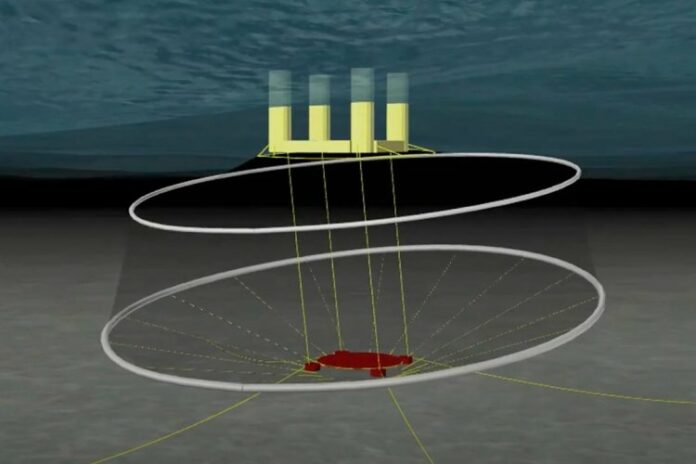
A start-up company is developing technology to make aquaculture possible in open ocean environments. Currently, fish and shellfish farms must be located in sheltered bays and inlets, where there are environmental limits to the amount of seafood that can be sustainably produced. Irish company Impact-9 has designed a fish farm which can survive storms, based on an innovative flexible design that also opens possibilities for shellfish and seaweed production to be located further offshore. The technology targets a 5 billion euro growth market opportunity for sustainable aquaculture in waters around the UK and Ireland, with further opportunities globally. 

Impact-9’s CEO John Fitzgerald developed his offshore engineering experience designing mooring systems for offshore wave energy systems. He said:

“The unique thing about our design is how we apply flexible structural materials. The fish we want to farm live in the offshore aquatic environment and in their natural habitat they move within that body of water. This is very different to conventional offshore designs, where engineers create human-centric, stable platforms. Providing structures that cater to both humans and fish is a real challenge, especially in extreme conditions”.  

Impact-9 has completed a feasibility study funded by the UK Seafood Innovation Fund. This fund supports bold and ambitious tech-driven projects that enable a step-change in both the productivity and sustainability of the UK seafood sector. The UK’s Centre for Environment, Fisheries and Aquaculture Science (Cefas) administers the fund for the Department for Environment, Food and Rural Affairs (Defra). The UK Seafood Innovation Fund supports projects with a long-term vision to improve the UK seafood, fishing and aquaculture industries.  

Fitzgerald said of the study: “It made everything feel real. We are now looking for a pathway to maximise the benefit to UK salmon production”. 

The study considers how Impact-9’s technology might leverage existing salmon production infrastructure and other blue economy developments in the UK, such as offshore wind.  

Working with Dublin Offshore Consultants (DOC) and UK-based fibre rope and flexible marine structures specialists Tension Technology International (TTI), Impact-9 refined their concept specification for a fish pen of 90m diameter and 125,000m3 in volume, able to produce 3000 tonnes of salmon per year in 12 month grow-out cycles. The design considers the environmental conditions of operating in offshore Scottish zones over 60m deep. The study incorporated feedback from experts at the Scottish Association for Marine Science (SAMS), the European Marine Energy Centre (EMEC) and independent farming advisor Karl Scott of Maritime Aqua Limited, in order to shape the concept and identify risks to be mitigated on the route to commercialisation.