-8.4 C
New York
Home Blog Page 634

ExxonMobil announces discovery at Uaru-2 offshore Guyana

0

ExxonMobil said today it made an oil discovery at the Uaru-2 well in the Stabroek Block offshore Guyana. 

Uaru-2 will add to the previously announced gross discovered recoverable resource estimate for the block, which is currently estimated to be approximately 9 billion oil-equivalent barrels. Drilling at Uaru-2 encountered approximately 120 feet (36.7 meters) of high quality oil bearing reservoirs including newly identified intervals below the original Uaru-1 discovery. The well was drilled in 5,659 feet (1,725 meters) of water and is located approximately 6.8 miles (11 kilometers) south of the Uaru-1 well.

Mike Cousins, senior vice president of exploration and new ventures at ExxonMobil, said:

“The Uaru-2 discovery enhances our work to optimally sequence development opportunities in the Stabroek Block. Progressing our industry-leading investments and well-executed exploration plans are vital in order to continue to develop Guyana’s offshore resources that unlock additional value for the people of Guyana and all stakeholders.”

In January 2020, ExxonMobil announced that Uaru-1 was the 16th discovery in the Stabroek Block. The well encountered approximately 94 feet (29 meters) of high-quality oil-bearing sandstone reservoir and was drilled in 6,342 feet (1,933 meters) of water. 

In March 2021, ExxonMobil secured a sixth drillship, the Noble Sam Croft, for exploration and evaluation drilling activities offshore Guyana. A fourth project, Yellowtail, has been identified within the block with anticipated start up in late 2025 pending government approvals and project sanctioning. This project will develop the Yellowtail and Redtail fields, which are located about 19 miles (30 kilometers) southeast of the Liza developments.

ExxonMobil anticipates at least six projects online by 2027 and sees potential for up to 10 FPSOs to develop its current recoverable resource balance.

The start-up of Liza Phase 2 remains on target for 2022, as the Liza Unity FPSO prepares for sail away from Singapore to Guyana later this year. The Unity FPSO has a production capacity of 220,000 barrels of oil per day at peak rates. The hull for the Prosperity FPSO vessel, the third project at the Payara Field, is complete, and topsides construction activities have commenced in Singapore with a startup target of 2024.

These new projects continue to drive investment in the Guyanese economy. More than 2,300 Guyanese are now supporting project activities on and offshore, which reflects a more than 20 percent increase since the end of 2019. ExxonMobil and its key contractors have spent approximately US$388 million with more than 800 local companies since 2015. 

The Stabroek Block is 6.6 million acres (26,800 square kilometers). ExxonMobil affiliate Esso Exploration and Production Guyana Limited is operator and holds 45 percent interest in the Stabroek Block. Hess Guyana Exploration Ltd. holds 30 percent interest and CNOOC Petroleum Guyana Limited, a wholly-owned subsidiary of CNOOC Limited, holds 25 percent interest.
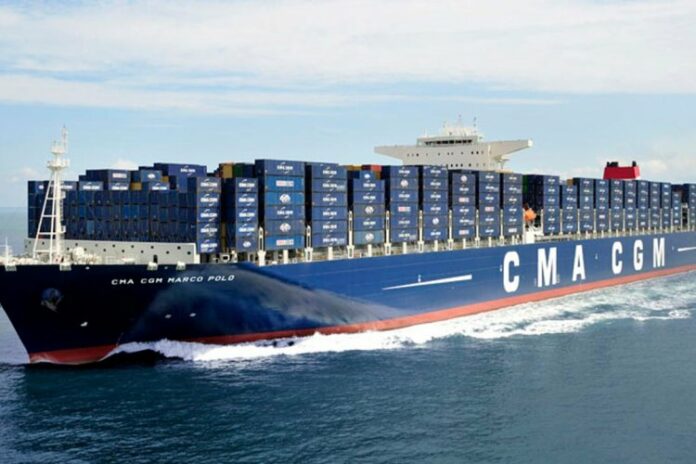
HydroPenTM system for container firefighting is adopted by CMA CGM Group

0

Container firefighting duties across 85 CMA CGM ships have been assigned to the HydroPen™ system supplied exclusively by VIKING Life-Saving Equipment for this large order for the innovative drilling and spraying solution. This contract demonstrates that, within 18 months of launch, the HydroPen system is becoming the preferred fire-fighting solution for the largest container ships at sea.

Where conventional fire-fighting solutions dowse containers on the outside, the HydroPen is attached to a conventional hose as a combined drill and spray unit that penetrates the container door before extinguishing the fire with water, foam or CO2. Useable on or below deck, a crew member can use a telescopic device to fight fires high in the stack with a minimum of training.

CMA CGM was quick to identify the potential of the system immediately after its launch at SMM in 2018. Initial trials were held by CMA Ships in Marseille. A second trial took place on the container ship CMA CGM T ROOSEVELT, with VIKING personnel boarding in Los Angeles to provide hands-on testing and training.

HydroPen units have already been delivered to 85 vessels despite Covid-19 challenges. Xavier Leclercq, Vice President, CMA Ships added:

“Our policies and objectives are to continuously improve our safety performance proactively by setting up new standards and solutions. Whatever the circumstances, the priority for the CMA CGM Group is the safety of our crews and the goods transported for our clients.”

Dorte Moeskjaer Hansen, VIKING Vice President Sales Regions, has been involved in account management for CMA CGM for 25 years. She comments:

“When it comes to an expression of confidence in HydroPen, an order of this scale from a carrier of CMA CGM’s stature speaks for itself. For the safety of crew, cargo and the ship itself, container fires are best dealt with on board as quickly as possible, using a system whose true value comes from its being so easy to use.”

SpaceX Comes to Port of Long Beach

0

The Long Beach Board of Harbor Commissioners on Monday approved a new sublease agreement with Space Explorations Technologies Corp. – known widely as SpaceX – to provide the company with a marine terminal for its West Coast rocket recovery operations.

On Saturday, May 1, the pioneering space technology company will take over part of a waterfront, wharf-equipped Long Beach facility vacated just over one year ago by Sea Launch, a commercial satellite launching company that had been based at the Port for 20 years.

Long Beach Harbor Commission President Frank Colonna said:

“We’re extremely pleased to reach an agreement that will bring Space Exploration Technologies Corp. to the Port of Long Beach. This pact will benefit both parties. We welcome SpaceX to the Port family.”

Mario Cordero, Executive Director of the Port of Long Beach, said:

“This is a good fit for the Port, as we offer the industry-leading facilities and services that are perfectly suited to SpaceX’s mission. I would like to commend our Port team, especially our Real Estate division, for developing this agreement with SpaceX.”

SpaceX will occupy about 6.5 acres on the Port’s Pier T, which was once the site of a U.S. Navy complex. The Hawthorne, Calif.-based company will utilize the site’s existing wharf to dock its vessels and offload equipment.

As part of its goal to foster economic activity to the region, the Port has been actively looking for a new tenant since the previous occupant – Sea Launch – departed in February 2020.

Wärtsilä signs a five-year Optimised Maintenance agreement with Latsco

0

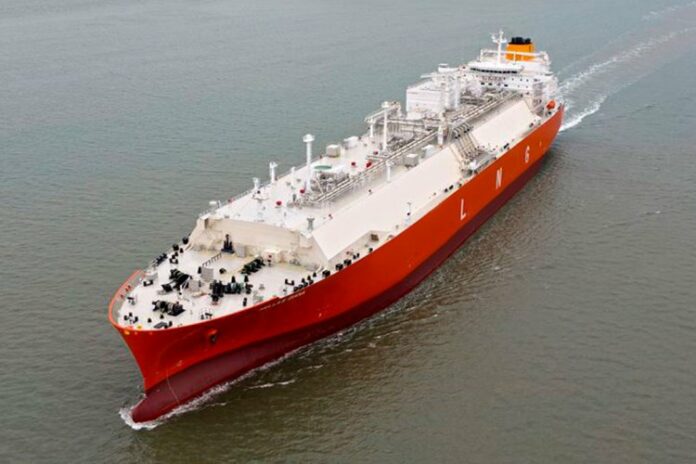
The technology group Wärtsilä has signed a five-year Optimised Maintenance agreement with Greece-based Latsco LNG Marine Management. The agreement covers the main engines for two large LNG Carriers (LNGC), the ‘Hellas Diana’ and the ‘Hellas Athina’, and was signed in March 2021.

Optimised Maintenance agreements are a key element within Wärtsilä’s Lifecycle Solutions offering and are designed to ensure operational certainty with maintenance cost predictability. In addition to asset diagnostics, maintenance planning, annual audits and spare parts, Wärtsilä will also provide the vessels with remote support and condition monitoring systems, including the company’s predictive maintenance service Expert Insight.

Expert Insight is an innovative service that leverages artificial intelligence (AI) and advanced diagnostics to monitor equipment and systems in real-time, spot anomalies, foresee potential problems, and enable rapid reaction accordingly. Should anomalous behaviour be detected, it is flagged to specialists at Wärtsilä Expertise Centres, allowing them to support the customer proactively with an appropriate resolution to the issue. The combination of AI, advanced diagnostics, and the company’s extensive equipment expertise greatly enhances the reliability, efficiency, and safety of the installed equipment.

Kostas Vlachos, Chief Operating Officer, Latsco LNG Marine Management, says:

“This agreement will ensure that these vessels can operate with maximum reliability, availability, and performance. This is of real value to us, and we very much appreciate Wärtsilä’s capabilities in delivering highly efficient maintenance support via its global network.”

Rajeev Janardhan, Sales Manager, 2-stroke engine Lifecycle solutions, Wärtsilä Marine Power, says:

“Our aim and strategy is to deliver higher levels of efficiency and safety to the shipping industry while minimising the impact on the environment. For this, we apply smart technology and performance optimisation services tailored to the needs of the customer. Expert Insight represents an important and very relevant advance in predictive maintenance, and we estimate that it can help cut unplanned maintenance by as much as 50 percent, while at the same time reducing fuel consumption and emissions by 3 to 4 percent.” 

The two vessels were built at the Hyundai Heavy Industries (HHI) yard in South Korea. They are 297 metres in length and have a cargo capacity of 174,000 cbm. The ‘Hellas Diana’ entered service at the end of March this year, and the ‘Hellas Athina’ is scheduled to enter service in September. Both operate with WinGD X-DF dual-fuel engines. In August 2020, Wärtsilä signed similar Optimised Maintenance agreements with Latsco Marine Management for two of their large LPG vessels.

New four-year contract for Seadrill’s West Saturn drillship with Equinor Brasil

0

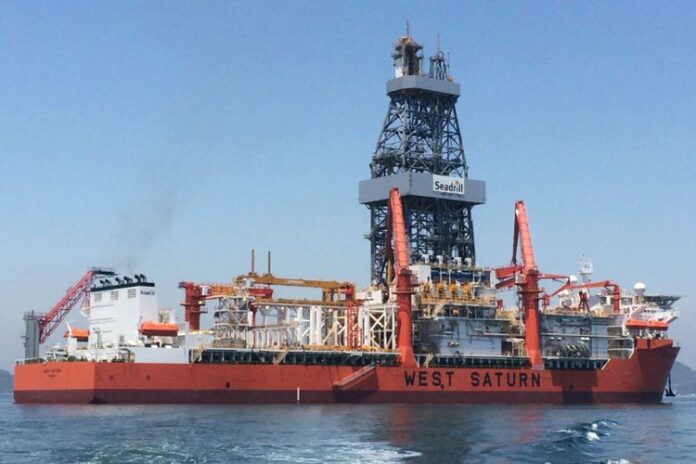
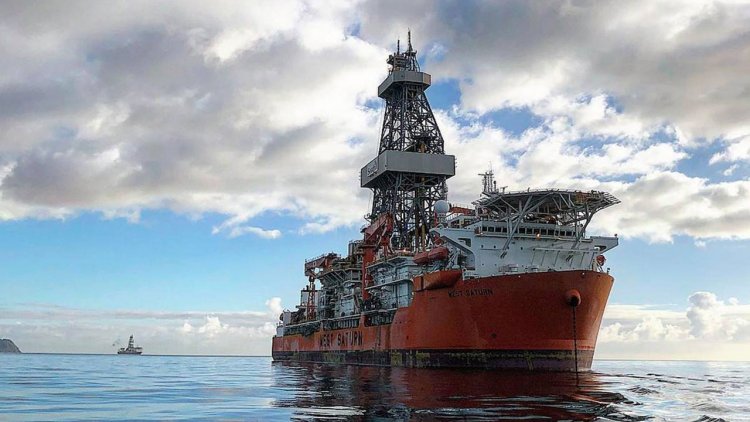
Total value for the firm portion of the contract is expected to be approximately $380 million (inclusive of mobilization, upgrades, and integrated services revenue) with a performance bonus providing meaningful incremental opportunity. The total contract value is contingent on the final investment decision by the partnership for Bacalhau. Commencement is expected in 1Q 2022.

The West Saturn has Seadrill’s existing, bespoke, managed pressure drilling (MPD) system already installed and in conjunction with Equinor and our partners, will receive further upgrades and enhancements in safety, efficiency, and environmental control.

Human factor safety enhancements to red zone management will be automated through the use of our AI-enabled safety technology Vision IQ. The efficiency of the drillship will be further enhanced through Seadrill’s Plato Performance solution, driving continuous improvement in repetitive drilling activities whilst delivering consistent process execution and optimization of the drilling program with improved safety.  

In line with our efforts to reduce emissions, the fuel consumption of the West Saturn is expected to be reduced by between 10-15% with the introduction of a combined hydrogen and methanol injection system along with other energy efficiency upgrades. Emissions of carbon dioxide (CO2) are expected to reduce by between 10-15%, and Nitrous Oxide (NOx) by between 30-80%.

This award, in collaboration with Equinor and their partners, demonstrates our commitment to reducing our overall carbon footprint whilst setting the standard in drilling through industry leading technological upgrades.

Seadrill’s Chief Executive Officer, Stuart Jackson commented:

“This further broadening of our long-standing relationship with Equinor is a testament to the experience and consistent operational excellence of our team. The West Saturn’s planned upgrades are a key development in Seadrill’s innovation pipeline, as the adoption of new technologies will improve drilling efficiency and reduce the environmental footprint of Seadrill and our clients’.”

Eni starts gas production from Merakes Project deep offshore Indonesia

0

Eni has started gas production from the Merakes Project, located in the East Sepinggan block in the Makassar Strait, deep offshore East Kalimantan, Indonesia.

The Project is a deep-water gas field development at offshore Kutei Basin, with approximately 1,500 meters water depth. The five deep-water subsea wells will guarantee a production capacity of 450 million standard cubic feet per day (MMSCFD), equivalent to 85,000 barrels of oil equivalent per day (BOED). 

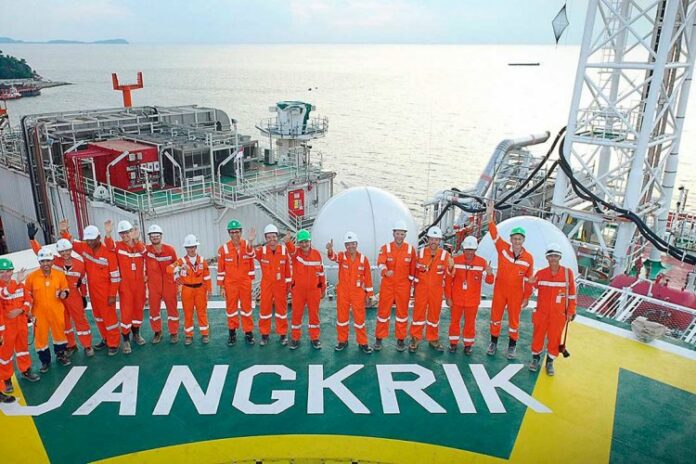
The field has been connected to the Jangkrik Floating Production Unit (FPU), operated by Eni, at a distance of 45 km from Merakes field,  taking advantage of the synergy and optimizing  its producing capacity up to 750 MMSCFD together with the gas flowing from the Jangkrik gas field. The gas produced from Merakes is exported through subsea pipelines to the Jangkrik FPU. After being processed the gas is exported to the Onshore Receiving Facility (ORF) in Senipah via the existing Jangkrik export pipelines.

Merakes gas  will be partially sold to the domestic market and will also contribute to the extension of the life of the Bontang LNG facility, one of the most reliable LNG processing plants in the world, that supplies LNG to both the domestic and export markets.

Eni’s CEO Claudio Descalzi commented:

“We are really proud of the start-up of Merakes, a project which is synergetic with existing operated facilities and is the result of the fruitful collaboration with our partners and with the Indonesian authorities. Merakes is one of Eni key projects in 2021. It will support the growth of gas production, in line with Eni strategic goals.”

Eni is the operator of East Sepinggan block with an 65% share ownership through its affiliate, Eni East Sepinggan Ltd.; the other partners are Neptune Energy East Sepinggan B.V. with 20% shareand PT Pertamina Hulu Energi with the remaining 15% share. On 11 December 2018, the production sharing contract scheme for the East Sepinggan block was changed into Gross Split PSC to support the efficiency of oil and gas investment in Indonesia.

Eni has been operating in Indonesia since 2001, where has a large portfolio of assets in exploration, production and development. 

Latest ShadowCat Wayfinder delivered with increased capability

0

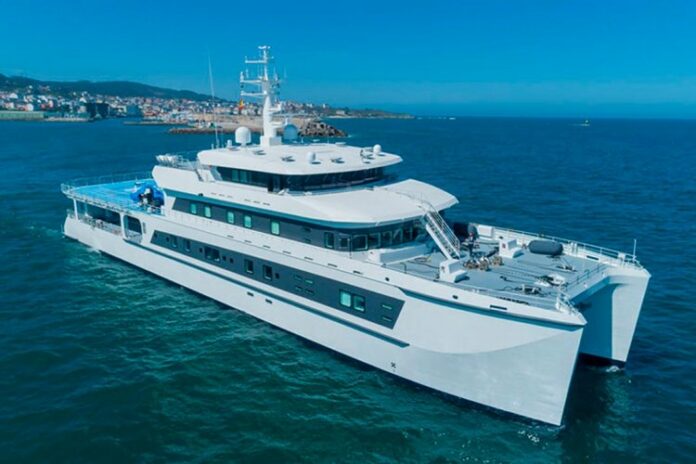
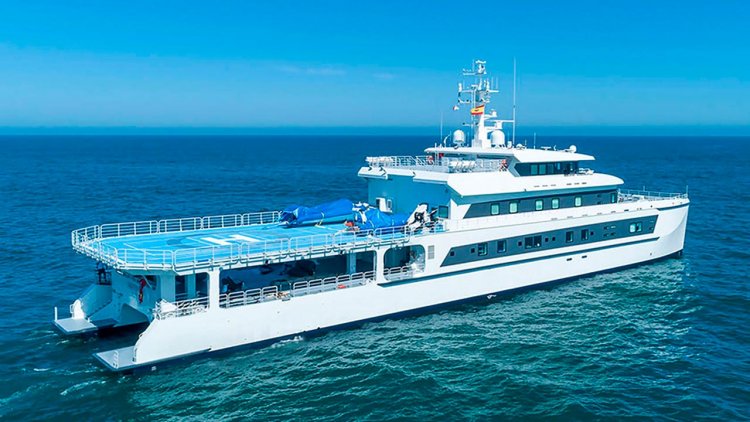
Incat Crowther and YCTS Ltd have announced the second vessel in the ShadowCat range, Wayfinder, has been delivered. Wayfinder builds on the exceptional capability of Hodor, delivered in 2019.

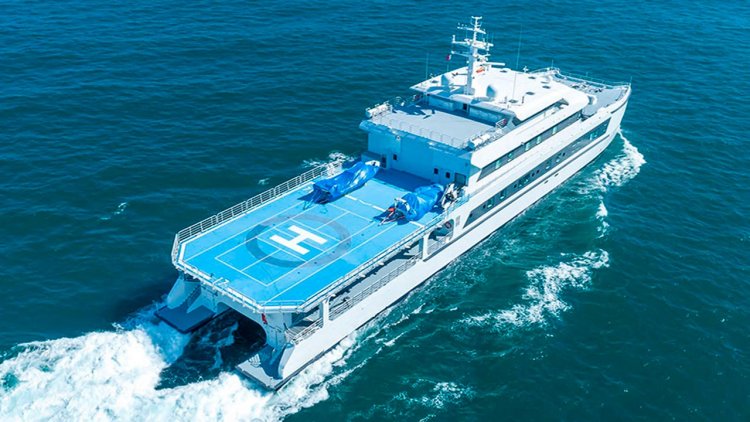
Wayfinder has a 68-meter length, 14-metre beam and a draft of 2.40 meters which permits close coastline navigation. Features include a fully certified helipad and helicopter hangar, with accommodation and storage over four decks. Wayfinder has an impressive carrying capacity which includes a helicopter, five large tenders, jet skis and more. In addition to an 18-crew member capacity, it also serves as accommodation for up to 14 extra crew and service personnel.

ShadowCat Wayfinderwas designed by Incat Crowther and YCTS Ltd, with construction by Astilleros Armón at their Burela shipyard in Spain.

Robert Smith, Director of YCTS Ltd., said:

“Custom-designed to exceed exacting standards in every way, Wayfinder leads the industry in terms of capacity, capability, safety and performance. Additionally, this latest ShadowCat was delivered on time in a challenging supply chain and economy. We are proud to deliver this incredible vessel and to continue raising the bar for bespoke shadow vessel concepts and designs across our industry.”

Dan Mace, Technical Manager of Incat Crowther reports:

“This latest highly capable vessel features an innovative catamaran hull that offers 60 percent more deck space and 40 percent more volume capacity, allowing ultimate flexibility and operational efficiency.” 

Of Wayfinder’s efficient and stable hull, Mace says:

“The high speed and low fuel consumption are impressive. The design offers a stable platform for the safe transfer of guests from helicopter, via tenders. The hull provides a 70-percent increase in stability for loading and off-loading its equipment and tenders.”

Wayfinder’s hulls are occupied by a multitude of service spaces including waste management and treatment, tech stores, laundry, workshops and stores.

In a unique design for modern support vessels, this model will meet or exceed IMO Tier III emissions guidelines and has innovative green technology to reduce its impact on the environment by providing a zero discharge operational capability.An onboard treatment plant cleans all wastewater discharged to a drinkable quality, wet and dry waste is also fully treated onboard to allow the vessel to operate with a zero discharge policy, to meet a “leave no trace” philosophy.

World’s first certified, carbon neutrally produced oil sold

0

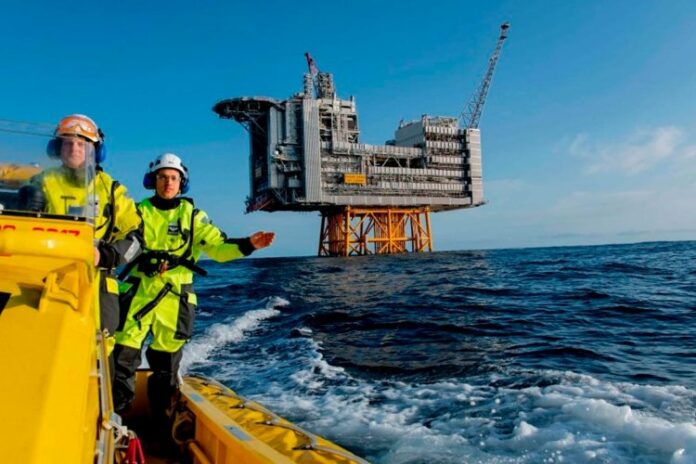
Lundin Energy AB (Lundin Energy) has sold the world’s first ever certified carbon neutrally produced1 oil to Saras S.p.A (Saras), from its Edvard Grieg field, offshore Norway. 

Lundin Energy’s Edvard Grieg field is the first oil field in the world to be independently certified by Intertek Group plc (Intertek), under its CarbonClearTM certification. The field is certified as low carbon at 3.8 kg of CO2 per barrel of oil equivalent (boe) for full life of field emissions, including exploration, development and production, five times less than the world average2. In order to supply a fully carbon neutral barrel to Saras, residual emissions of 2,302 tonnes CO2 were compensated through a high quality, nature-based carbon capture project, certified by the Verified Carbon Standard (VCS). In addition, the entire trade was independently certified as carbon neutral by Intertek under its CarbonZeroTM standard. As a result, there were no net emissions released during the production of each barrel delivered to Saras.

As one of the elementary feedstocks of the global economy and energy system for decades to come, it is imperative that the provenance of every barrel of oil is accounted for, thereby beginning the decarbonisation of the entire value chain in line with the Paris Agreement goals. As the energy transition continues to accelerate, providing certified, low emission produced barrels to our customers ensures that they can continue the decarbonisation pathway, delivering a differentiated product to their end users. From 2025, every barrel produced by Lundin Energy, will be produced as carbon neutral.

Saras is a leading independent player in the Mediterranean refining industry, with a production capacity of about 15 million tons per year and represents a reference model in terms of efficiency and environmental sustainability, thanks to the know-how developed in almost 60 years in the business. With its purpose to be innovative, sustainable and a reference point among energy providers, Saras is actively seeking and developing various projects aimed at minimising its environmental footprint.

Nick Walker, President and CEO of Lundin Energy, commented:

“We were the first company to have one of its field’s carbon emissions independently certified as low carbon, and this certified carbon neutral transaction with Saras, is the next stage in what we believe will become a key value differentiator for Lundin Energy. The provenance of a barrel and how it is produced is increasingly important, as society and industry require lower carbon feedstocks to achieve emission reduction targets and meet the goals of the Paris Agreement. This trade has been enabled by our industry leading decarbonisation strategy and offers a proof point of where the crude market is heading and the potential value that can be realised through efficient, industry leading emissions reductions.

“I am very pleased to have been able to do this industry first with Saras in Italy; their progressive low-carbon strategy is aligned with ours and through this first certified sale of crude they will be able to clearly differentiate the refined product to their own customer base.” 

Gas production from West Nile Delta’s Raven field

0

Wintershall Dea and operator bp produce gas from Raven, the fifth field of the offshore West Nile Delta project. 

Currently, Raven’s gross production is approximately 600 million standard cubic feet of gas per day (mmscf/d). At its peak, the Raven field is expected to deliver a gross production of 900 mmscf/d and approximately 30,000 barrels of condensate per day (gross production). The onshore facilities – including the new Raven facility – now have a total gas processing capacity of around 1.4 billion standard cubic feet of gas per day (bcf/d).

Mario Mehren, Chief Executive Officer of Wintershall Dea, said:

“West Nile Delta is a strategically significant project for Egypt’s energy security and an important part of Wintershall Dea’s gas-weighted portfolio, so we are pleased to have reached this milestone.”

Wintershall Dea, Europe’s leading independent gas and oil company, holds a 17.25 per cent stake in the West Nile Delta project, with bp holding the remaining 82.75 per cent as operator. The project involves five fields in the North Alexandria and West Mediterranean Deepwater offshore concession blocks, delivered in three stages. The first, Taurus/Libra, began production in March 2017; the second, Giza/Fayoum, in February 2019. Overall, the project involves twenty-five wells and three deep water long distance subsea tiebacks to the shore. The gas produced is for domestic consumption.

Dawn Summers, Chief Operating Officer and board member responsible for the Middle East and North Africa, comments:

“Wintershall Dea is proud to be a long-term, reliable partner for Egypt, with a 45 year track record of investment and stable energy production for the country. Our investment in the West Nile Delta project reflects our ongoing commitment to Egypt and its strong and attractive energy sector.”

Sameh Sabry, Senior Vice President and Managing Director of Wintershall Dea in Egypt, adds:

“Our dedicated team has worked closely with bp during a challenging period to help ensure that the project came safely onstream. The startup for Raven is a major step forward. Now we are looking ahead to start our exploration at East Damanhour – our next exciting project in Egypt.”

Wintershall Dea will shortly start exploration in the onshore Nile Delta, near to its Disouq operations. Wintershall Dea operates the East Damanhour exploration block. In 2021 the company will begin a drilling campaign involving several wells. Wintershall Dea’s activities in Egypt also include crude oil production in the Gulf of Suez, and gas production at Disouq in the onshore Nile Delta, in joint ventures with the Egyptian General Petroleum Corporation and with EGAS.

Wärtsilä conducted a study on the systems required for LCO2 vessels

0

The technology group Wärtsilä has conducted a study on the systems and solutions required for Liquid CO2 Carrier (LCO2) vessels. 

Wärtsilä Gas Solutions has developed a cargo tank design suitable for LCO2 applications, which was recently awarded Approval in Principle (AiP) by the classification society DNV. Since new LCO2 Carriers are an emerging concept and requires detailed attention during conceptual level, Wärtsilä’s experience and know-how in gas cargo and handling systems proved invaluable to the results.

The total cargo capacity of the vessels is 7500 cbm, divided into two containment tanks, each of 3750 cbm. Wärtsilä has carried out an intensive engineering analysis to formulate an optimum design for the vessels’ containment system and cargo handling systems, bearing in mind the specific nature of LCO2.

Pål Steinnes GM Sales, Wärtsilä Gas Solutions, says:

“Liquid CO2 is increasingly relevant in global efforts to reduce greenhouse gas emissions and promote a greener future. It represents an important link in the value chain for the entire carbon capture infrastructure. In developing a robust and proven concept, both in the cargo containment and cargo handling requirements for LCO2 Carriers, we have drawn on our unparalleled experience in gas carrier segments. The AiP from DNV is a valuable endorsement of this work.”

Monika Johannesen, Head of Department, Gas Carrier Excellence Center at DNV, says:

“We have been pleased to work with Wärtsilä Gas Solutions on this reliable design concept. The review process has been extensive, and we trust that their solution will contribute to facilitating the trade in liquid CO2 as a factor in reducing emission.”

Capturing and storing CO2 is an important strategy in efforts to reduce global CO2 emissions. According to the Intergovernmental Panel on Climate Change (IPCC), global greenhouse gas (GHG) emissions must be reduced by 50 to 80 percent by 2050 to avoid dramatic consequences of global warming.