-9 C
New York
Home Blog Page 636

NKT awarded turnkey high-voltage AC order to provide power from shore to Troll West

0

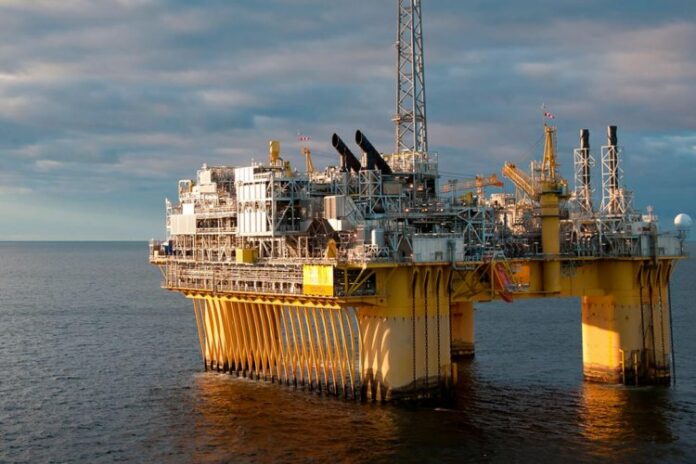
Troll West electrification project includes partial electrification of the Troll B platform and full electrification of Troll C in the North Sea. This means that both platforms’ power demand will be met from shore. The project will help cut emissions on the Norwegian continental shelf substantially.

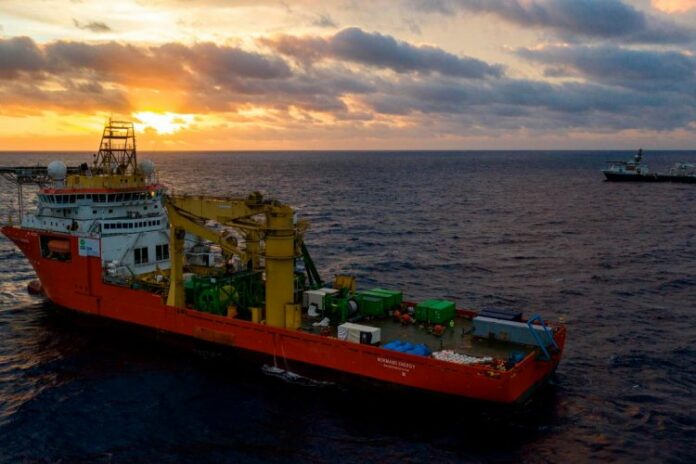
The order comprises turnkey supply and installation by NKT Victoria of over 110 kilometres of 145 kV high-voltage AC offshore power cable system with three dynamic sections to electrify the Troll West B and C platforms. 

NKT President and CEO Alexander Kara says:

“The Troll West order is special to us. Not only does it sustain our long-term collaboration with Equinor, it also proves our leading position within dynamic power cables, where we, with this project, increase the voltage level and power transmission compared with previous projects. Furthermore, this power from shore project is another important step in the green transformation of society: Our power cables are produced in a plant running on 100% green electricity and when commissioned the solution will help cut emissions on the Norwegian continental shelf substantially. I am very pleased, that NKT is a key partner in connecting a greener world.”

Troll West comprises two floating platforms, Troll B and Troll C, and the turnkey power cable solution from NKT includes dynamic cables that connect the two floating platforms with static offshore power cables at the seabed. The power from shore solution will be connected to the national grid at Kollsnes, northwest of Bergen, Norway.

Dynamic power cables are an important component when transmitting power to and from floating applications. Here, NKT builds on its vast experience since 2010, where the world’s first high-voltage cables for floating applications were installed. During the past years, NKT has provided power cables solutions to connect several floating platforms with power from shore. These include Gjøa, Goliat and Martin Linge, all of them using dynamic power cables.

The power cables will be manufactured in Karlskrona, Sweden, with production start in 2021 and with commissioning in 2023. By sourcing the power cables from the Karlskrona plant, strategically located in close to the North Sea, and installing them with the highly fuel efficient NKT Victoria the carbon footprint of the entire transportation and installation campaign is kept at a minimum.

The contract value of approx. EUR 95m in market prices corresponds to approx. EUR 85m (approx. DKK 630m) in standard metal prices. The award of the Troll West project does not change the 2021 financial outlook for NKT. The contract is subject to the government approval of the plan for development and operation for the Troll West electrification project.

Orbital Marine Power launches O2: world’s most powerful tidal turbine

0

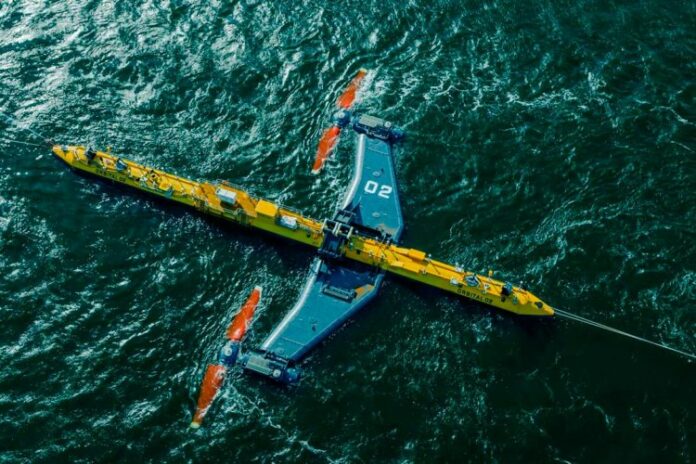
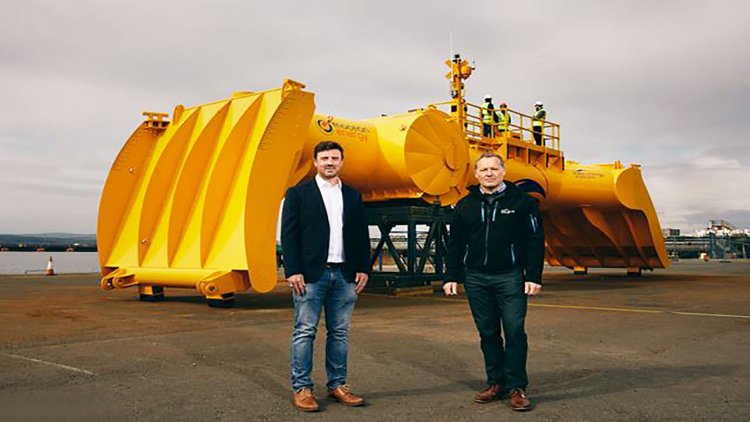
The operation was managed by Osprey Shipping Ltd. and saw the 680-tonne tidal turbine transferred from the Forth Ports quayside facility in Dundee into the River Tay using a submersible barge.

The launch marks the completion of the turbine build, managed by TEXO Fabrication, and the O2 will now be towed to the Orkney Islands where it will undergo commissioning before being connected to the European Marine Energy Centre (EMEC) where it will become the world’s most powerful operational tidal turbine.

Speaking of the launch, Orbital’s CEO, Andrew Scott, said:

“This is a huge milestone for Orbital; the O2 is a remarkable example of British cleantech innovation and the build we have completed here is an inspiring display of what a UK supply chain can achieve if given the opportunity – even under the extraordinary pressures of a pandemic.”

The O2 turbine started construction in the second half of 2019 and reflects approximately 80% UK supply content. From Scottish steel work and main manufacturing through to anchors from Wales and blades from the south of England; the build of the O2 is estimated to have supported over 80 jobs within the UK economy. The launch of the O2 marks the first vessel launch from Dundee since ship building ended over forty years ago.

O2 has the ability to generate enough clean, predictable electricity to meet the demand of around 2,000 UK homes and offset approximately 2,200 tonnes of CO2 production per year.

Chris Smith, MD of TEXO Group commented:

“The O2 programme has given us a significant opportunity to demonstrate our multi-disciplinary capabilities, and our proactive approach to working collaboratively with clients. We firmly believe that the transition to a net zero environment will deliver a range of opportunities to the UK’s engineering and fabrication sectors and we are very proud to see Orbital’s O2 turbine launched today.”

Also speaking of the launch, John Alexander, Leader of Dundee City Council said:

“I’m very proud of the role that Dundee has played in helping to deliver this pioneering tidal turbine and congratulate the team at Orbital Marine and TEXO for their incredible efforts during the hardest year in recent memory. Orbital Marine’s incredible piece of engineering will play a pivotal role in showcasing this technology and helping Scotland to achieve its ambition in tackling the climate emergency, further propelling Dundee into a city which is transforming itself into a hub for renewables and innovation.”

Large-scale coral restoration begins in Florida Keys sanctuary

0

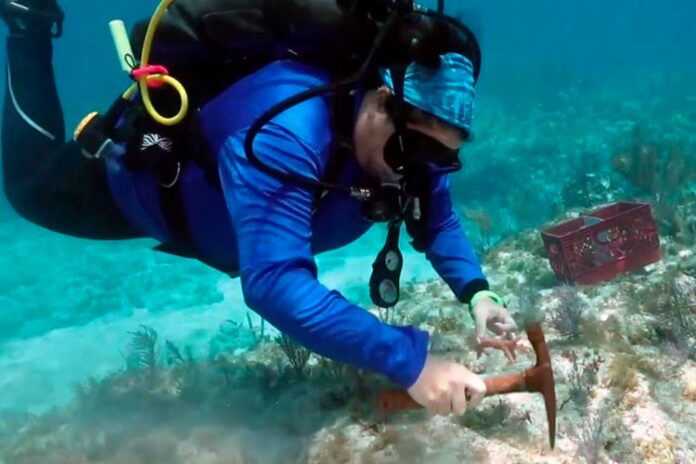
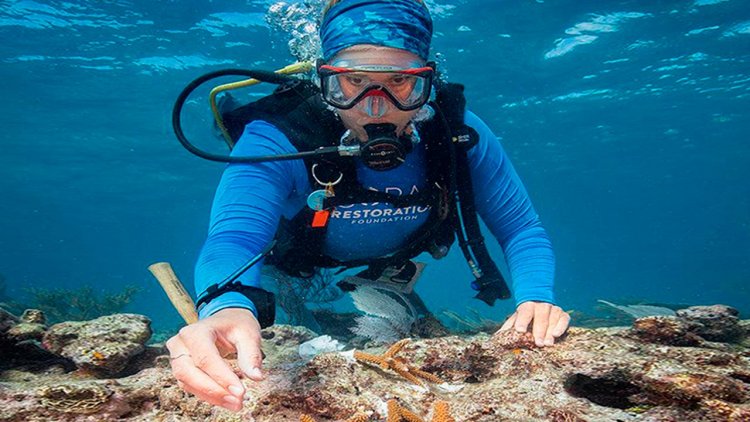
NOAA and partners are beginning a three-year effort to outplant more than 60,000 fragments of nursery-raised coral at Eastern Dry Rocks Sanctuary Preservation Area off the coast of Key West, Florida. 

This is the first large-scale endeavor dedicated to Mission: Iconic Reefs, the unprecedented effort to restore seven coral reefs within Florida Keys National Marine Sanctuary. 

Ben Friedman, acting NOAA Administrator, said:

“Outplanting at this unprecedented scale is one of many immediate actions needed to address the rapid decline in our treasured coral reefs. The Florida Keys has become a world leader in coral restoration with new techniques for addressing threats and accelerating coral growth, thanks to an unprecedented collaboration between NOAA, our partners, and a community of stewards.”

Eastern Dry Rocks contains a concentration of bank reef habitats that are ecologically and economically important to the Florida Keys. The elkhorn and staghorn corals that are being transplanted across more than nine acres include a high number of distinct genetic strains representing the historical diversity found on these reefs, and genotypes that have exhibited the highest survival and growth rates. Practitioner partners that will assist in the outplanting grew the corals in their respective nurseries over six to eight months. 

NOAA and the National Fish and Wildlife Foundation awarded a $5 million grant through the National Coastal Resilience Fund to the National Marine Sanctuary Foundationoffsite link, in partnership with Mote Marine Laboratory & Aquariumoffsite link and Coral Restoration Foundationoffsite link™ to restore Eastern Dry Rocks. The grant is the largest one-time investment since the initiative was announced in December 2019.  

Scott Winters, CEO of Coral Restoration Foundation, said:

“Coral Restoration Foundation has already begun a massive expansion of our Coral Tree Nursery in Key West to support the restoration of Eastern Dry Rocks. Since January 2021, we have now replenished the site with more than 1,085 genetically diverse staghorn and elkhorn corals and are well on our way to hitting our target of 7,350 by the end of the year.” 

Michael P. Crosby, Mote Marine Laboratory & Aquarium President & CEO, said:

“We are excited to press forward with the application of Mote’s innovative science-based coral restoration of genetically-resilient corals on such a broad scale at Eastern Dry Rocks. Mission: Iconic Reefs is one of the largest reef restoration efforts in the world, and the collaborative efforts of Mote, NOAA, and our partners is unprecedented in this field. Florida’s Coral Reef is vital to our environment and economy, so Mote will continue to maximize our restoration efforts in support of Mission Iconic Reefs whenever possible.”

In later stages of the project, students and faculty of College of the Florida Keys will also help reintroduce thousands of herbivores, like the Caribbean King Crab, to the site to serve as natural grazers that help sustain a healthy ecosystem.

Sarah Fangman, Florida Keys National Marine Sanctuary Superintendent, said:

“In many ways, Eastern Dry Rocks serves as a test case for the other six Iconic Reef sites—from research and development on grazers to refinement of methodologies for maintenance and preparation. Lessons learned from Eastern Dry Rocks will form the basis for standard operating procedures and implementation plans of future Iconic Reef sites.”

Informed by years of research, successful trials, and expertise from dozens of coral scientists and restoration practitioners, NOAA believes this scientific and collaborative restoration plan will put Florida’s reefs on track for recovery and demonstrate how restoration can support a vibrant, sustainable, local economy and help buffer communities from coastal storms. The reef track in the Keys attracts millions of visitors per year, accounting for more than $2 billion of economic impact.

Kris Sarri, president and CEO of the National Marine Sanctuary Foundation, said:

“Florida Keys’ iconic reefs, including Eastern Dry Rocks, are the basis for thriving ecosystems underwater and the critical tourism economy on dry land. This project will transform how we approach coral restoration.”

Equinor, Petoro, Total, Neptune and Wintershall Dea decided to develop Askeladd Vest

0

Equinor and its partners Petoro, Total, Neptune and Wintershall Dea have decided to develop Askeladd Vest, which is in the southern Barents Sea. The investment is close to NOK 3.2 billion.

Geir Tungesvik, Equinor’s senior vice president for project development, says:

“It is important to Equinor and its partners to utilize the resources and existing infrastructure in the area in the best possible way. The Askeladd Vest development is a profitable development and will provide 134 million barrels of oil equivalent. These volumes are valuable to the owners and society.”

As part of the multi-phased Snøhvit development, Askeladd Vest will extend plateau production at the Hammerfest LNG plant by a good two years. Plans call for production start in the first half of 2024. Askeladd Vest is operated by the Snøhvit organisation located in Hammerfest and Harstad.

Kristin Westvik, Equinor’s senior vice president for operations north, says:

“By increasing the resource base for Hammerfest LNG, Askeladd Vest will be an important contribution in supporting our ambition of long-term presence in the north. This will allow us to further strengthen the ripple effects of our activities in this part of the country, which is important to Equinor and its partners in the time ahead.” 

The subsea template on Askeladd Vest will be tied back to the Askeladd field through a pipeline and an umbilical. The distance from the onshore production plant at Melkøya to the subsea field is 195 kilometres, which is the longest distance ever to a field development.

A substantial part of the Askeladd Vest project activities will be carried out in Norway.

The contract for the subsea production facility has been awarded to Aker Solutions and comprises a subsea template and two Christmas trees with associated components. The contract value is estimated at around NOK 460 million. Around 146 man-years will be provided by the supplier in Norway. Fabrication will take place in Sandnessjøen and Egersund, and project management and engineering will take place at Tranby.

In the summer of 2020, TechnipFMC was awarded a letter of intent for pipelaying and subsea installation services for the Askeladd Vest project. Award of contract will contribute to sustain workplaces for TechnipFMC in Norway, including the Orkanger spool base, where the pipelines will be fabricated before they are reeled onto the installation vessel.

Pipes for the project have been supplied by the German manufacturer Butting. These pipes have already been manufactured and are stored in Orkanger.

Nexans has been awarded a letter of intent for fabrication of umbilicals for the project. After contract award, the main activity of assembling umbilicals and loading them onto installation vessels will be performed at Nexans’ plant in Halden. According to the contract Nexans will fabricate fibre-optic cables and power cables at their plant in Rognan. The contract value is estimated at around NOK 100 million and will create around 10 man-years in Norway.

Licence partners: Equinor Energy AS 36.79% (operator), Petoro AS 30.00%, Total E&P Norge AS 18.40%, Neptune Energy Norge AS 12.00% and Wintershall Dea Norge AS 2.81%.

Fifth state-of-the-art Astute submarine is launched

0

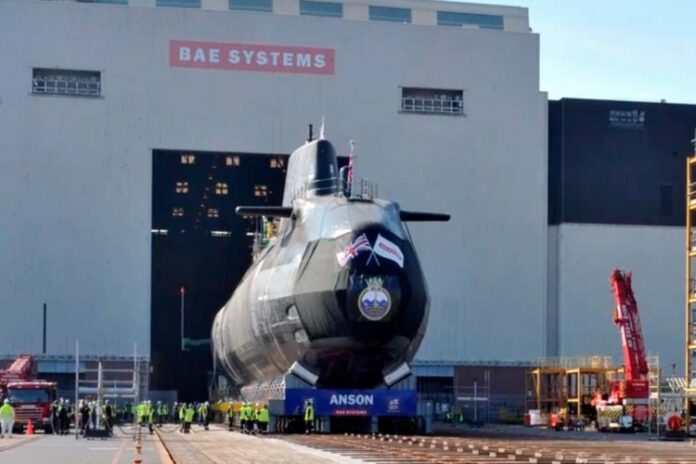
The 7,400-tonne nuclear-powered submarine, officially named at a ceremony in December, has emerged from the Devonshire Dock Hall and entered the water for the first time earlier.

Anson will now begin the next phase of its test and commissioning programme, before leaving Barrow for sea trials with the Royal Navy next year. 

Steve Timms, Managing Director BAE Systems Submarines, says:

“The launch marks an important milestone in the Astute programme and seeing Anson enter the water at such an advanced state is a tangible demonstration of everyone’s hard work over the years. Designing and building nuclear-powered submarines is a national endeavour and days like this bring a huge sense of pride for our workforce, our partners in the submarine enterprise and our UK supply chain, not to mention our communities. We now look forward to a successful test and commissioning phase and working alongside Anson’s crew to prepare the submarine for operations with the Royal Navy.”

The Astute class boats are the largest and most advanced attack submarines ever built for the Royal Navy. Measuring 97 metres in length, the boats can circumnavigate the globe submerged, producing their own oxygen and drinking water.

The first four submarines in the class, HMS Astute, HMS Ambush, HMS Artful and HMS Audacious, have been handed over to the Royal Navy, with a further two boats currently under construction at the Barrow site. 

Mocean Energy unveils wave energy prototype

0

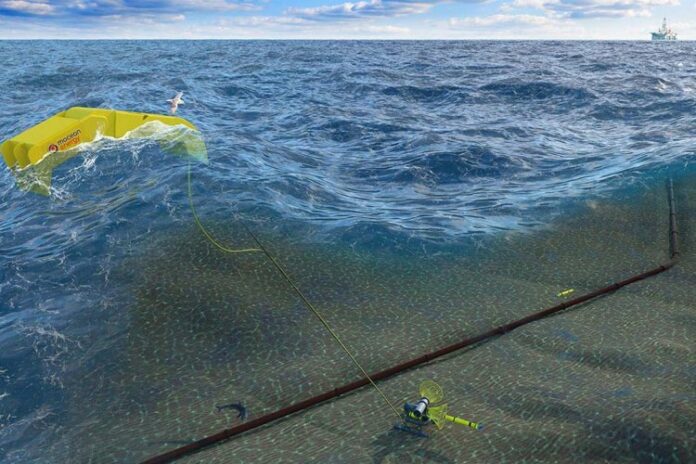
The 20-metre long, 38-tonne wave machine has been fabricated wholly in Scotland and will be deployed at the European Marine Energy Centre’s Scapa Flow test site for initial sea trials followed by deployment at EMEC’s grid-connected Billia Croo test site this summer.

Next year, the Mocean plan to connect the device to a subsea battery which will be used to power a remotely operated autonomous underwater vehicle (AUV).

The manufacture and testing programme is supported by £3.3 million from Wave Energy Scotland (WES) through their Novel Wave Energy Converter programme.

The machine was unveiled at a ceremony at Forth Port’s Rosyth Docks by WES Managing Director Tim Hurst who said:

“This is a significant milestone for Mocean Energy and for WES. The product of five years of the WES programme and three phases of development for the Mocean technology that has seen the Blue X progress from concept, through wave tank testing and now to a scaled, real sea demonstrator.

“Against the backdrop of Covid 19 restrictions Mocean Energy and their subcontractors have completed build of the prototype. The focus is now on commissioning and the learning to be gained from the open water test campaign.

“This demonstration of credible wave technology comes at a time when there is a real prospect of a market support mechanism for marine energy, that taken together, will enable wave energy to make a significant contribution to the future Scottish and UK low carbon energy mix needed to meet our net zero obligations.”

The Blue X will now undergo ballasting and wet testing at Rosyth before being transported to Orkney.

Commenting on the project Mocean Energy Managing Director Cameron McNatt says:

“As we drive toward net zero, we will need many forms of renewable energy and wave energy can make a significant contribution.

“Our test programme in Orkney will allow us to prove our concept at sea, particularly that its novel hull shapes will produce more power than traditional raft designs. This enables the development of commercial scale technologies suited to the oil and gas and other industries.”

Last month Mocean Energy announced a £1.6 million project with OGTC, oil major Chrysaor (now newly formed Harbour Energy) and subsea specialists EC-OG and Modus to demonstrate the potential of the Blue X prototype to power a subsea battery and a remote underwater vehicle – using onshore testing at EC-OG’s Aberdeen facility.

McNatt says:

“We have a number of months in the summer to put the Blue X through sea trails, and in parallel test the subsea equipment at EC-OG’s home base.”

“Next year we intend to ship the battery and AUV to Orkney and pair them up with Blue X at sea.

“We are extremely fortunate to have the backing of Wave Energy Scotland, OGTC and our industry partners in this programme. They bring an extraordinary amount of knowledge and experience which we can draw on to accelerate our technology development ambitions.”

The Blue X wave machine has been fabricated in Scotland by Fife fabricator AJS Production and painted by Montrose-based Rybay Corrosion services. Numerous hardware and services were supplied by companies who have developed capabilities though the WES programme, including Supply Design, based in Rosyth, and Blackfish Engineering Design.

BC Ferries launches its sixth battery electric-hybrid vessel

0

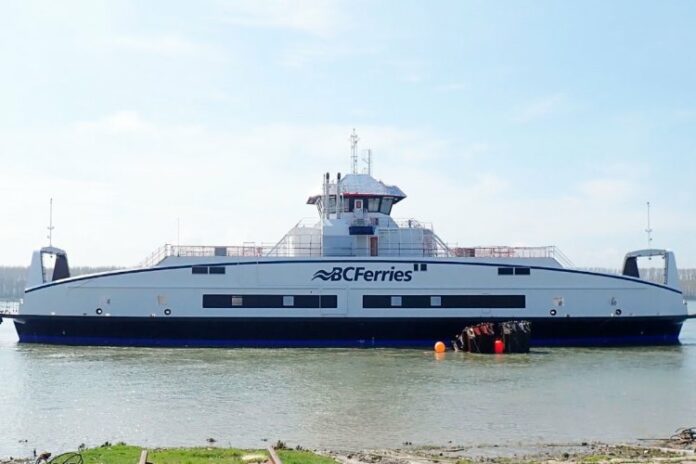
BC Ferries has launched its sixth battery electric- hybrid Island Class ferry. The vessel entered the water early Wednesday morning at Damen Shipyards Galati in Romania. 

The yet-to-be named ship is the last in a series of six Island Class vessels joining the BC Ferries fleet. When in operation, it will be one of two Island Class vessels assigned to the Nanaimo Harbour – Gabriola Island route.

Work will continue on the new ship until scheduled sea trials in August. Following successful sea trials, the vessel will be delivered to Point Hope Maritime in Victoria in late 2021 for final preparations. Two-ship service is scheduled to begin on the Nanaimo Harbour – Gabriola Island route in 2022, replacing the Quinsam.

Captain Jamie Marshall, BC Ferries’ Vice President, Shipbuilding and Innovation, said:

“We are excited to reach this milestone in our Island Class project. The launch of the sixth and final vessel in the series propels BC Ferries closer to reaching its goal to be efficient and environmentally responsible throughout the system.”

The Island Class is a hybrid diesel-electric ferry with a number of key features that support BC Ferries’ Clean Futures Plan. Once electric charging technology can be installed at BC Ferries’ terminals, these new ships will be configured to operate as all battery-electric ferries, using clean renewable hydroelectric energy. Island Class ferries have the capacity to carry at least 47 vehicles and up to 400 passengers and crew, and allow for fleet redeployments and retirements of existing diesel-fuelled vessels.

Replacing one larger ship with two smaller vessels on the route will provide customers with increased capacity per hour and more frequent service. Customers will also notice reduced vehicle line-ups and congestion on local roads, and improved safety. It eliminates the need to consume more greenspace to increase the size of terminal holding compounds by moving more traffic more frequently through the same amount of space.

BC Ferries deployed the first two Island Class vessels on the Powell River – Texada Island route and the Port McNeill – Alert Bay – Sointula Island route in mid-2020. The third and fourth new ships will provide two-ship service on the Campbell River – Quadra Island route in 2022. The fifth Island Class ferry launched in February and, together with the sixth Island Class ferry, will provide two-ship service on the Nanaimo Harbour – Gabriola Island route in 2022.

World-first trial of a pre-prototype nodule collector developed by GSR

0

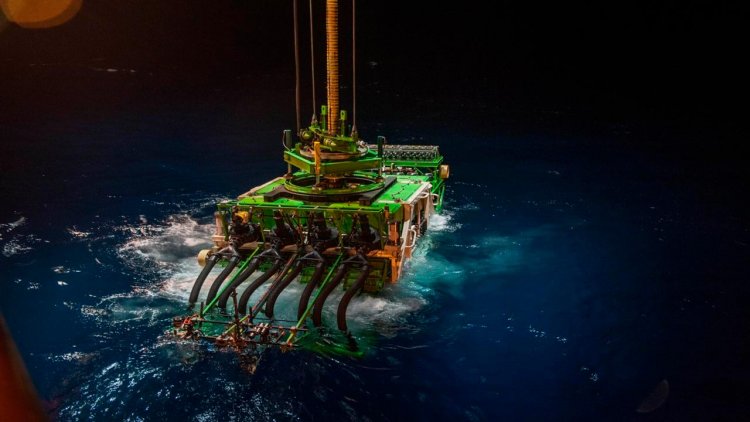
This sea trial is a world-first. The nodule collector, named Patania II, is equipped with environmental sensors and cameras. The data and samples collected during the trial will expand understanding of the real-world environmental effects of collecting nodules. To date, scientists have had to rely solely on hypotheses, less realistic field and laboratory simulations and computer models.

The deep seabed minerals industry remains in the exploration, research and development phase. Over the coming years GSR will ensure that the necessary detailed scientific work is carried out before any commercial activity takes place.

GSR is on a journey to discover whether polymetallic nodules could become one of the most environmentally and socially responsible ways of sourcing the metals the planet needs. The scientific trials announced today are central to that quest and will help ensure that decisions are made on the best available scientific evidence.

Kris Van Nijen, Managing Director of GSR, said:

“The climate and biodiversity crises are coinciding with a massive increase in global population. Decarbonising a rapidly urbanising planet will require huge amounts of primary metal. This in turn will add to the carbon budget and impact biodiversity. Different solutions have different implications. Society needs to confront this reality so that these metals can be sourced in the most responsible way possible, for the benefit of us all.”

“This successful trial demonstrates that polymetallic nodules can be collected from the seafloor. Now we await the results of independent analysis so we can refine our technology and environmental plans. All indications to date point to polymetallic nodules having the potential to become one of the most responsible ways to help meet the world’s spiralling demand for metals.”

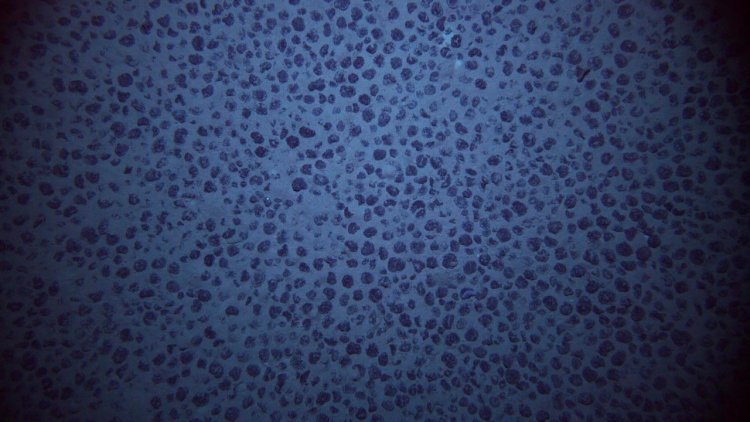
4.5 kilometres beneath the surface, billions of potato-sized polymetallic nodules lie on the ocean floor. Prized for their high-grade metals, it is believed they contain more nickel, cobalt and manganese than in all land-based reserves combined.
These metals are vital for the infrastructure required to accommodate an urban population forecast to grow by 2.3 billion by the 2060s. According to some estimates, the world’s building stock will double by 2060, which equals building a city the size of New York City every month for 40 years. Furthermore, the deployment of clean energy technologies such as electric vehicle batteries and wind turbines will only widen the supply gap.

Environmental monitoring is a key component of GSR’s development program, ensuring the effects of its activities are understood, can be accurately predicted and improved upon, and can lead to the development and implementation of responsible environmental management strategies.

GSR acknowledges that before deep seabed mining occurs at a commercial scale, it needs to be clearly demonstrated that such activities can be managed in a way that ensures the effective protection of the marine environment.

Kris Van Nijen said:

“Recent reports have suggested that some automotive brands have ruled out the use of seabed minerals in their supply chains. They haven’t. They have simply said that the risks of deep sea mining need to be comprehensively understood first. We agree and that is exactly what trials like the current one will help to achieve.”

GSR is collaborating with the European research project MiningImpact. Scientists from 29 European institutes are joining efforts with the German exploration contract holder, BGR (Federal Institute for Geosciences and Natural Resources), to independently monitor the trials to help understand the environmental effects of collecting mineral resources from the seafloor.

The studies being conducted by the MiningImpact consortium will not only address the direct effects of collecting polymetallic nodules, but also those of the sediment plume created by the process. The data will provide information on ecosystem effects of potential future mining that cannot be drawn from the small-scale experiments conducted in the past.
By employing state-of-the-art scientific equipment researchers are able to determine the spread of the sediment plume and how it resettles. They are also able to survey the loss of biodiversity across different faunal classes.  GSR is also conducting environmental monitoring from its vessel.

Among the specialized instruments that were deployed during the expedition are two remotely-operated vehicles (ROV), two autonomous underwater vehicles (AUV), in situ oxygen profilers and experiment chambers, in situ pumps, as well as 50 inter-calibrated hydro-acoustic and optical sensors for measuring the suspended sediment concentrations and particle sizes.

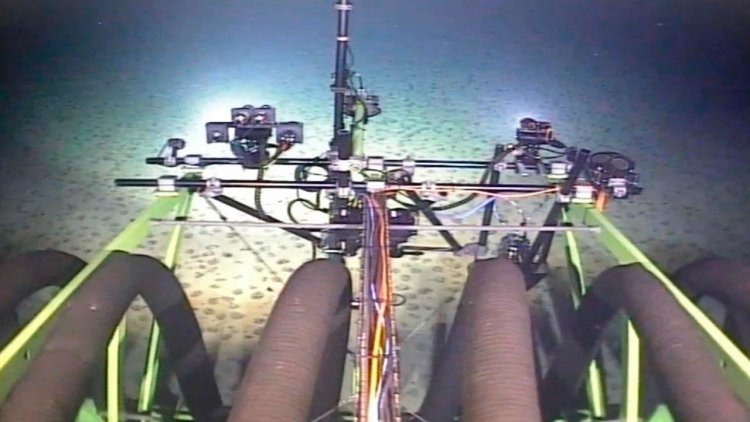
Patania II, named after the world’s fastest caterpillar, is a 25-ton ultra-deepwater robot on tracks. It was successfully deployed for the first time at 13:30 Pacific time on 18 April 2021. The robot was lowered from a surface vessel via a 5km-long power and two-way communications cable in an operation that took 4 hours. On 20 April 2021, after approximately 50 hrs on the seabed, Patania II was successfully returned to the vessel.

On the seafloor, Patania II demonstrated its ability to traverse the seabed, collecting nodules as it moved. The nodule collection system consists of a collector head, jet water pumps and a collection drum, while sensors monitored the entire process. On this mission, Patania II is not connected to a riser pipe to bring the nodules to the surface, only the seafloor nodule collector is being trialled and monitored at this stage. The next mission – planned for 2024 – will see a system integration test consisting of a full-scale prototype seafloor nodule collector along with a riser to bring the nodules to the surface.  Learnings from the Patania II trial will be incorporated into the next phase.

The first deployment and functionality check of Patania II will be followed by several more ‘dives’ over the next few weeks in the Belgian and German contract areas of the Clarion Clipperton Zone (CCZ). The CCZ is a six million square kilometre region of the Pacific Ocean between Mexico and Hawaii.
The International Seabed Authority (ISA), established in 1994, is mandated through the UN Convention on the Law of the Sea (UNCLOS) to organize, regulate and control all mineral-related activities in the international seabed area and for the benefit of humankind as a whole.

No State or entity can explore the seabed or collect nodules except under contract with the International Seabed Authority (ISA). To date, the ISA has awarded 18 exploration contracts in the CCZ. The contractors who hold these 15-year licenses represent nations including China, Japan, Russia, France, UK, South Korea, Germany, Poland, Jamaica, Cook Islands, Nauru, Tonga and Belgium. All exploration contract holders are undertaking geological and environmental studies as part of their contractual obligations.

The ISA is in the process of developing regulations for commercial activity and any contractor wishing to undertake mining operations in the international deep seabed area will need to abide by these strict regulations.

The regulations incorporate specific provisions to ensure the effective protection of the marine environment and conservation of marine biodiversity, human health and safety, and a system of payments which aims to ensure the equitable sharing of financial and other economic benefits derived from seabed minerals. The regulations must be agreed and adopted by the ISA Council and approved by the ISA Assembly, comprised of 167 Member States and the European Union.

Never before has so much thought gone into regulating an industry before it even exists.

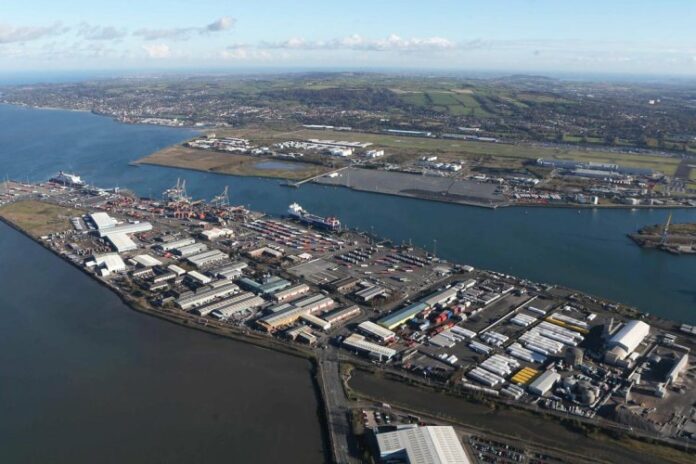
Belfast Harbour will undertake a full refurbishment of the Victoria Terminal 1

0

The programme of work, which represents a £2.5million investment by Belfast Harbour, will effectively renew and modernize the terminal infrastructure. The Belfast-Heysham service will operate from Ballast Quay until September.

Belfast Harbour has announced plans to undertake a full refurbishment of the Victoria Terminal 1 Roll-on Roll-off ferry berth this summer, from which Stena Line operate their successful Belfast to Heysham freight service.

The programme of work, which represents a £2.5million investment by Belfast Harbour, will effectively renew and modernize the terminal infrastructure, extending its life span for a further 25 years. Work will include refurbishment of the berth ramp, the access walkways and the fenders.

Local contractors McLaughlin & Harvey has been engaged to deliver the project which is due to commence in early summer.

To facilitate these works the Belfast-Heysham service will operate from the Ballast Quay Terminal during the summer period.

Belfast Harbour has continued its long-term investment programme in port infrastructure in recent years, including the £40million redevelopment of Victoria Terminal 3 container terminal, with more than £20million invested in new cranes, and the installation of a new £15million two tier linkspan ramp at Victoria Terminal 2 ferry terminal to accommodate Stena’s new Embla and Edda vessels on the Belfast- Liverpool route.

Michael Robinson, Port Director, Belfast Harbour said:

“We are continuing to invest in our port infrastructure and equipment that will help us achieve our goal of becoming the best regional port in the world.

“Roll-On-Roll-Off freight, including on the Belfast to Heysham route, performed strongly last year, reflecting the importance of our freight traffic routes to Scotland and England and the essential supply chains we serve to the Northern Ireland economy. We want our facilities to be best in class and having undertaken a full structural assessment of the VT1 facilities we believe that making this £2.5million investment now will provide both this standard and a long-term life extension for the terminal.”

John Mariner, McLaughlin & Harvey Contracts Director, said:

“We are delighted to deliver another project for Belfast Harbour; building on our successful long-term relationship which includes Victoria Terminals 3 and 4. This project will be delivered using a local supply chain, and will utilise our extensive marine civil engineering expertise to support the harbour in its programme of continual investment to improve facilities in the port.”

Norsepower agreement signals global installation capability for Rotor Sails

0

Norsepower Oy Ltd. has signed a framework agreement with Offshore Technology Development (OTD), Keppel Offshore & Marine’s technology arm specialising in the provision of critical equipment which supports the offshore oil and gas, marine, and offshore wind industries. 

Under the agreement, OTD can assist to provide the initial survey, design and engineering works, and organise the equipment installation for Norsepower’s Rotor Sails. Norsepower will deliver project management, delivery, and installation supervision to support smooth installation, servicing and warranty support of Rotor Sails. 

The shipping industry is under intensifying pressure from regulators and non-regulators to decarbonise. The International Maritime Organisation’s (IMO) proposed Energy Efficiency Existing Shipping Index (EEXI) and Carbon Intensity Indicator (CII) are likely to come into force in 2023. Non-regulatory drivers from financiers, through the Poseidon Principles, and cargo owners, under the Sea Cargo Charter, have also ratcheted up the pressure to modernise fleets. In order for shipping to manage this transition at scale, more collaboration between reliable, innovative and independent engineering experts and technology providers is required. 

This announcement represents a significant step in fully commercialising the Rotor Sail which is capable of achieving, on average, between 5 and 20% reductions in carbon and other emissions, as well as fuel and fuel costs in suitable conditions. 

Imminent regulatory drivers from the IMO, including EEXI and CII, pressure for shipping to enter an Emissions Trading Scheme, and non-regulatory drivers are collectively having an immediate impact on how charterers are selecting their vessels for the near-term as well as further ahead. Now that fuel efficiency and environmental performance are becoming critical to shipowners’ survival, it is clear that wind propulsion can provide significant emissions reductions and fuel savings while making vessels more attractive to charterers.  

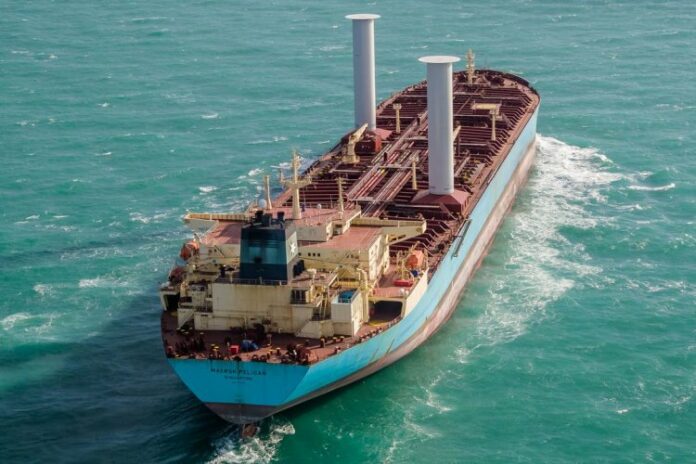
The Norsepower Rotor Sail Solution is the first third-party verified and commercially operational auxiliary wind propulsion technology for the global maritime industry. The solution is fully automated and detects whenever the wind is strong enough to deliver fuel and emission savings, at which point the Rotor Sails start automatically. Norsepower has completed five installations to date and is due to complete its sixth installation of five tilting Rotor Sails on a bulker during the first half of this year.