-4.7 C
New York
Home Blog Page 618

Three Carnival Corporation’s brands plan to return to service from the U.S.

0

Three cruise line brands from Carnival Corporation & plc, the world’s largest cruise company, are expected to return to service in the United States starting in July with Alaska sailings departing directly from Seattle.

Based on recent guidance from the U.S. Centers for Disease Control and Prevention (CDC) and close collaboration with Alaskan officials, Princess Cruises, Holland America Line and Carnival Cruise Line plan to resume guest cruise operations for a partial season in Alaska, each with one ship sailing round-trip. These Alaska cruises are available for guests who have received their final dose of an approved COVID-19 vaccine at least 14 days prior to the beginning of the cruise and have proof of vaccination. Crew vaccinations will be in accordance with CDC guidelines.

Arnold Donald, CEO of Carnival Corporation, said:

“We are excited to once again serve our guests from the U.S., and we express our deep gratitude to all national, state and local officials who have worked collaboratively with us, the CDC and our entire industry to make this possible. It is great news for cruising, for travelers ready to again explore the world and for all the communities in Alaska that depend on cruising and have suffered great hardships over the past year.”

Plans for these itineraries to fulfill obligations under the Passenger Vessel Services Act (PVSA) are expected to be approved. Princess Cruises, Holland America Line and Carnival Cruise Line are each continuing the return-to-cruising preparation already underway.

Princess Cruises will resume operations in Alaska starting July 25 through September 26, with seven-day cruises onboard Majestic Princess, a MedallionClass ship. Its cruises will visit signature ports, glaciers and attractions in Alaska including Glacier Bay National Park, Juneau, Skagway and Ketchikan.
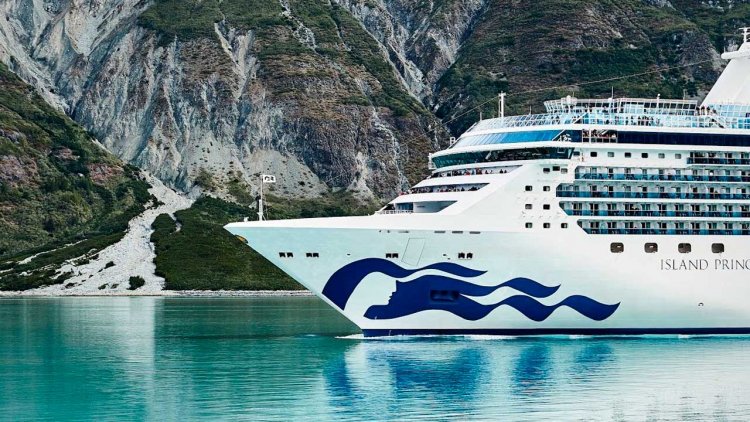
Photo: Princess Cruises

Holland America Line will resume its cruise operations to Alaska with seven-day itineraries aboard Nieuw Amsterdam, calling at Juneau, Icy Strait Point, Sitka and Ketchikan, with scenic cruising in Alaska’s iconic locales, including Glacier Bay and Stephens Passage. The first cruise for the brand is scheduled to depart July 24, with 10 Saturday departures that will operate through October 2.

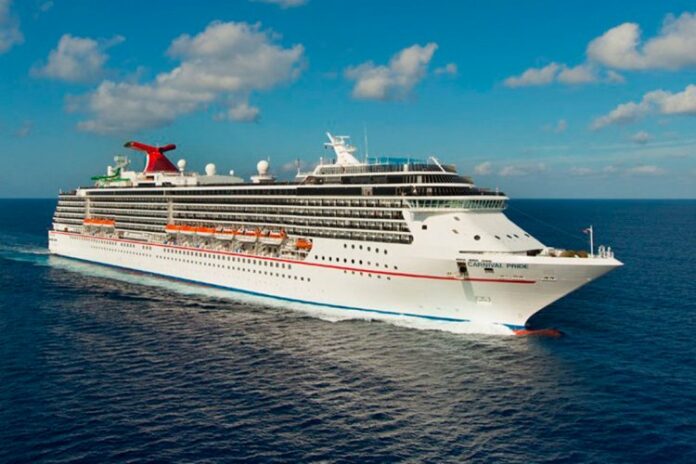
Carnival Cruise Line has already opened Alaska sailings departing from Seattle beginning July 27, with weekly departures through September 14 aboard Carnival Miracle. There are seven 7-day cruises featuring calls in Juneau, Skagway, and Ketchikan, as well as scenic cruising in Tracy Arm Fjord. The September 14 departure is an 8-day cruise with an additional stop in Icy Strait Point. Carnival Cruise Line is also working to finalize its plans to operate Carnival Horizon from Miami, and Carnival Vista and Carnival Breeze from Galveston in July. Itineraries along with specific details about protocols are expected to be finalized and announced next week.

NASA’s S-MODE takes to the air and sea to study ocean eddies

0

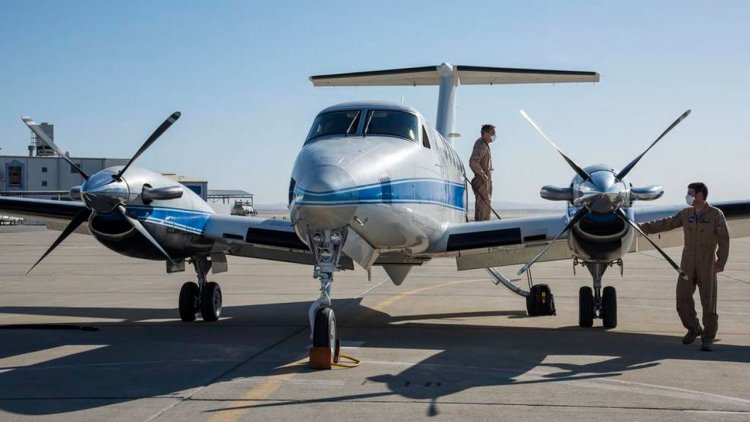
Using scientific instruments aboard a self-propelled ocean glider and several airplanes, this first deployment of the Sub-Mesoscale Ocean Dynamics Experiment (S-MODE) mission will deploy its suite of water- and air-borne instruments to ensure that they work together to show what’s happening just below the ocean’s surface. The full-fledged field campaign will begin in October 2021, with the aircraft based out of NASA’s Ames Research Center in Mountain View, California.

Tom Farrar, associate scientist at the Woods Hole Oceanographic Institution in Massachusetts and principal investigator for S-MODE, said:

“This campaign in May is largely to compare different ways of measuring ocean surface currents so that we can have confidence in those measurements when we get to the pilot in October.”

The S-MODE team hopes to learn more about small-scale movements of ocean water such as eddies. These whirlpools span about 6.2 miles or ten kilometers, slowly moving ocean water in a swirling pattern. Scientists think that these eddies play an important role in moving heat from the surface to the ocean layers below, and vice versa. In addition, the eddies may play a role in the exchange of heat, gases and nutrients between the ocean and Earth’s atmosphere. Understanding these small-scale eddies will help scientists better understand how Earth’s oceans slow down global climate change.

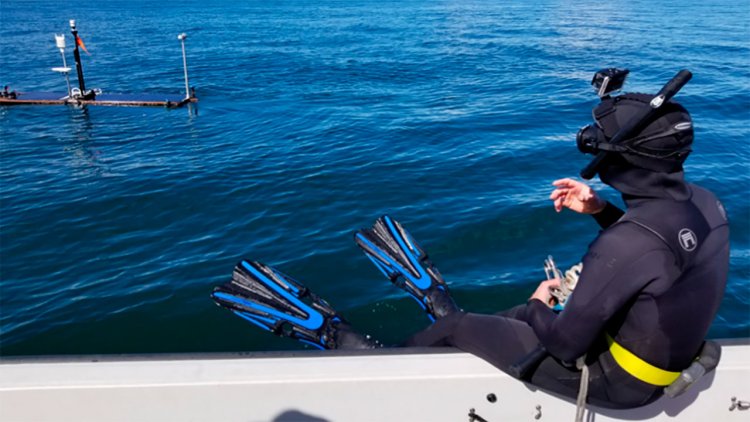
The team is using a self-propelled commercial wave glider decked out with scientific instruments that can study the ocean from its surface. The most important gadgets aboard are the acoustic Doppler current profilers, which use sonar to measure water speed and gather information about the how fast the currents and eddies are moving, and in which direction. The glider also carries instruments to measure wind speed, air temperature and humidity, water temperature and salinity, and light and infrared radiation from the Sun.

The wave glider looks like a surfboard with a big venetian blind under it. That “venetian blind” is submerged under the water, moving up and down with the ocean’s waves to propel the glider forward at about one mile per hour. In this way, the wave glider will be deployed from La Jolla, California, collecting data as it travels over 62 miles (100 kilometers) out into the ocean offshore of Santa Catalina Island.

The new data will allow the scientists to estimate the exchange of heat and gases between Earth’s atmosphere and the ocean, and consequently better understand global climate change.

Ernesto Rodriguez, research fellow at NASA’s Jet Propulsion Laboratory in Pasadena, California, and deputy principal investigator for the airborne parts of S-MODE, said:

“We know the atmosphere is heating up. We know the winds are speeding up. But we don’t really understand where all that energy is going.”

It’s likely that this energy is going into the ocean, but the details of how that process works are still unknown. The team thinks that small-scale eddies may help move heat from the atmosphere to the deeper layers of the ocean.

While the Wave Glider continues its slow trek across the ocean’s surface, several airplanes will fly overhead to collect data from a different vantage.

Rodriguez said:

“In an airplane, we can get a snapshot of a large area to see the context of how the bigger- and smaller-scale ocean movements interact.”

For example, a ship or wave glider travels slowly along a straight line, taking precise measurements of sea surface temperature at specific times and places. Airplanes move faster and can cover more ground, measuring the sea surface temperature of a large swath of ocean very quickly.

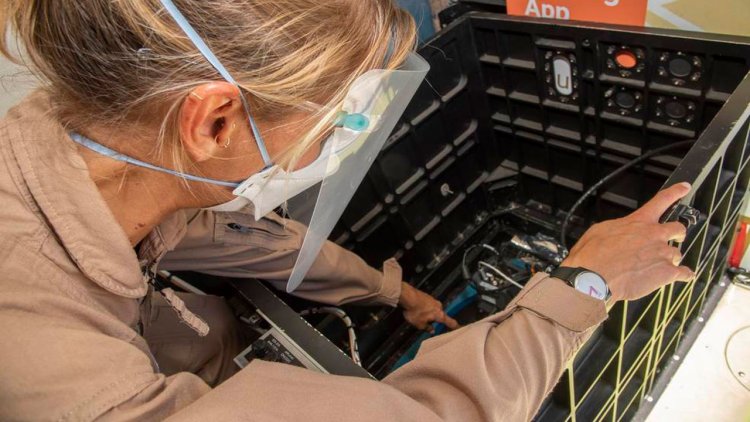
Two planes will be used in the May test flights: a B200 plane from NASA’s Armstrong Flight Center in Edwards, California and a commercial plane from Twin Otter International. The B200 is carrying an instrument from NASA JPL called DopplerScatt to measure currents and winds near the ocean surface with radar. The Multiscale Observing System of the Ocean Surface (MOSES) instrument from the University of California, Los Angeles is also aboard to collect sea surface temperature data. On the Twin Otter plane is the Modular Aerial Sensing System (MASS) from the Scripps Institution of Oceanography at the University of California, San Diego, which is an instrument capable of measuring the height of waves on the surface of the ocean.

The fleet will gain a third member for the October experiments: NASA’s Langley Research Center Gulfstream III plane with JPL’s Portable Remote Imaging SpectroMeter (PRISM), an instrument to measure phytoplankton and other biological material in the water. The October deployments will also use a large ship and some autonomous sailing vessels, called Saildrones, in addition to planes and Wave Gliders.

OWA launches high voltage array systems joint industry initiative

0

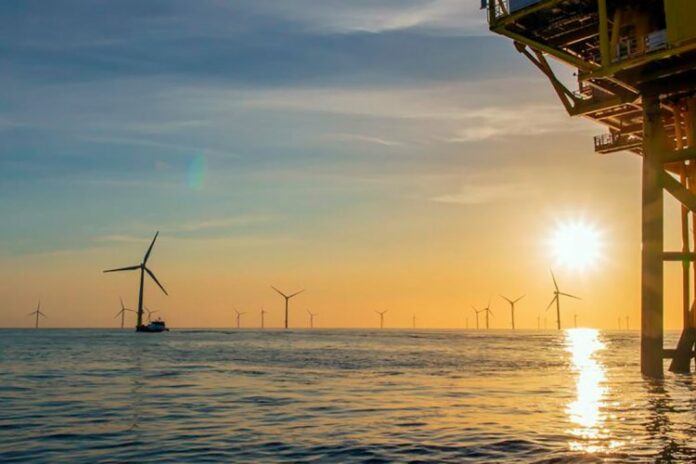
A new project to build industry consensus on setting the future standard array voltage for offshore wind farms has been launched. The High Voltage Array Systems (Hi-VAS) project is the latest joint industry initiative led by the Carbon Trust as part of the Offshore Wind Accelerator (OWA) programme. It aims to understand the costs, benefits and technology challenges associated with raising the array voltage.

The wider consortium of the Hi-VAS project consists of seven wind farm developers: EnBW, Equinor, Ørsted, RWE, ScottishPower Renewables, Shell and Vattenfall. The half-million pound project is set to run until January 2022 and is being delivered by the Carbon Trust, TNEI and Petrofac. It builds on the success of previous OWA work in raising the array voltage from 33kV to 66kV, where similar industry consensus was reached five years ago.

As offshore wind turbines are set to grow beyond 15MW, it is widely agreed within the industry that the current standard array voltage of 66kV will be insufficient. A higher array voltage will be necessary to enable cost-effective string lengths and layout designs; reduce electrical losses; and ultimately enable the deployment of larger turbines. However, uncertainty remains as to what the optimum next array voltage is; the appropriate timing for making the change to the next array voltage; and the most efficient path to the next array voltage in terms of technology and regulatory development.

Whilst, in time, the array system supply chain could gradually accommodate the next generation of turbines and regulators would progressively move to accommodate changes in array system technology, a collaborative approach will accelerate this transition to ensure the industry can continue to reduce costs and increase capacity.

To achieve this, supply chain and regulatory stakeholders will be engaged throughout the project to provide insights into the practical challenges faced in raising the voltage; to provide constructive criticism and to ensure the project’s findings are supported and acted on by the industry.

The technical and regulatory changes required when raising the array voltage will be examined. Detailed cost-benefit analysis, risk analysis and preliminary design studies will be performed for a range of possible future array voltages and a range of future turbine sizes (14-20MW) to identify the next optimum array voltage.

A series of engineering design studies will examine how each component, standard, method, or regulation associated with the array system may need to adapt. Recommendations on how to address barriers identified through the project will be included in an industry roadmap to ensure the recommendations are taken up by the supply chain and regulators.

Jan Matthiesen, Director Offshore Wind at the Carbon Trust, commented:

“Offshore wind is a leading solution to tackle climate change globally and we must continue to innovate to accelerate and optimise deployment. The OWA High Voltage Array Systems project is the latest collaborative industry project to join the significant portfolio of offshore wind research and development programmes run by the Carbon Trust. By demonstrating a strong alignment among developers a clear and consistent message can be sent to the supply chain, which will ultimately accelerate the introduction of high voltage array systems and hence the next generation of wind turbines.”

Certified Pick up in Port of Antwerp enters next phase

0

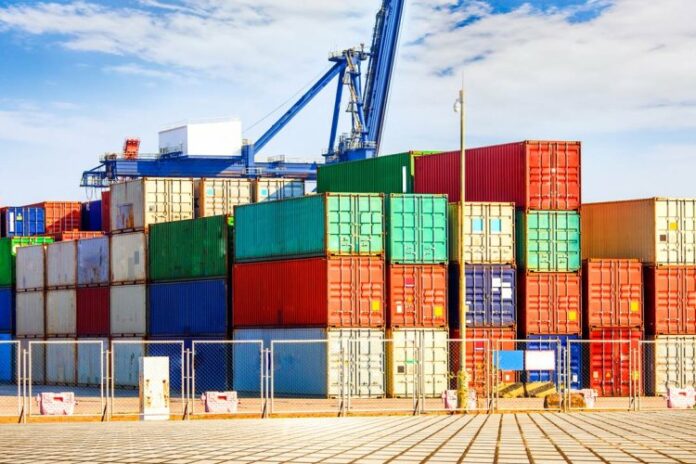
The new digital process for releasing containers at the Port of Antwerp, known as Certified Pick up (CPu), is entering its next phase. Instead of using PIN codes, containers will be picked up based on identity from July. The process, which ensures safe, transparent and efficient handling, applies to all import containers unloaded from seagoing vessels.

The second phase of the digital Certified Pick up process will commence on 1 July. From then on, the terminals at the Port of Antwerp will gradually switch to a new way of handling containers, based on identity instead of PIN codes. The MPET and PSA terminals are the first to use the system, which verifies identity through an Alfapass and a finger scan. Because all the shipping companies have to grant a right of release to their customers for this, it is requested that these companies register for the CPu process via the NxtPort website no later than 1 June 2021.

CPu came into force on 1 January 2021 and ensures that the container release process is safer, more transparent and more efficient. CPu is a neutral, central data platform that connects all the stakeholders involved in the container import process. Through dialogue with the Port Authority, it has been agreed that the implementation of CPu should be phased in. In the initial phase, CPu introduced transparency on the container status in the form of a series of ‘green lights’, aimed at increasing operational efficiency for every player in the chain.

Port of Antwerp CEO, Jacques Vandermeiren:

“This next phase in the CPu process is an important next step in building a virtually secure port. This new way of working guarantees a rapid and optimised release process for incoming containers, which will then leave the port by rail, inland navigation or truck. The fact this has been achieved in collaboration with the various partners in the port chain is further evidence of the strength and resilience of Antwerp’s port community.”

Port Alderman Annick De Ridder:

“Thanks to this new way of working, we are taking our social responsibility as a port community to combat international drugs trafficking. Along with the various partners, this is how we are throwing our weight behind further security for the logistics chain and making the transition to a digital ecosystem that should also lead to efficiency gains for the companies.”

PETRONAS announces second gas discovery in Balingian Province

0

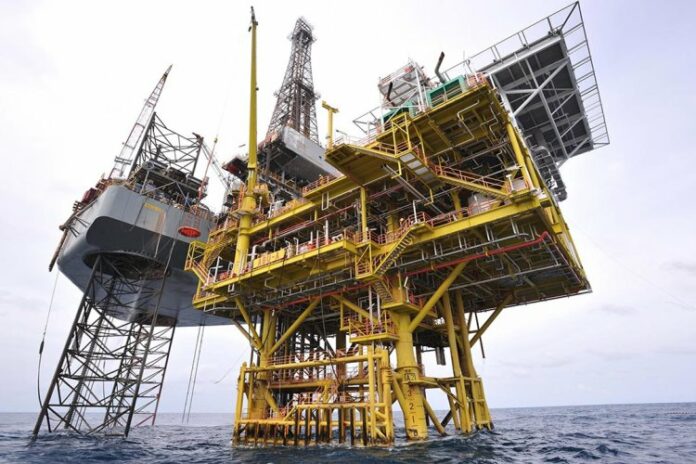
PETRONAS has announced a gas discovery in the Kulintang-1 wildcat exploration well of Block SK438, located in the shallow waters of Balingian Province about 230 kilometres off the coast of Miri, Sarawak, Malaysia.

The Kulintang-1 well was successfully drilled to a total depth of 2,238 metres in April 2021. The well encountered gas in the Oligocene to Middle Miocene sandstone reservoirs, which has not been fully evaluated before.

PTTEP HK Offshore Limited is the operator for Block SK438 with 80 per cent participating interest, while PETRONAS Carigali Sdn Bhd holds the remaining 20 per cent. The block’s production sharing contract (PSC) was awarded in March 2018 following the Malaysia Bid Round (MBR) 2017.

PETRONAS Senior Vice President of Malaysia Petroleum Management, Mohamed Firouz Asnan said:

“The success of Kulintang-1 well marks the second gas discovery within the Balingian Province this year. This encouraging result proves further potential of sweet gas in the province, especially in the deeper Oligocene play.

“The Kulintang sweet gas discovery can be monetised through existing infrastructure towards fulfilling the demand of the domestic gas customers as well as PETRONAS LNG Complex in Bintulu, Sarawak.”

In March this year, PETRONAS announced a new oil and gas discovery in the Sirung-1 wildcat exploration well in Block SK405B, also in the Balingian Province. 
 

The PAV installs its third air quality and control cabin at the Port of Sagunto

0

The Port Authority of Valencia (PAV) has installed in the Port of Sagunto what is already its third environmental control and air quality measurement cabin, which will enable the levels of concentration in port activity to be measured and its scope in urban centres to be monitored. This initiative will provide analyses and parameters with useful information for the port community and for the residents of the port neighbourhoods.

The installation is in addition to the two cabins located in the Port of València, specifically on the esplanade of the old Turia riverbed – in front of the Natzaret neighbourhood – and on the “Transversales  of Poniente” quay – in front of the Cabanyal neighbourhood.

These PAV cabins carry the Ecoport badge and are equipped with the latest technology for measuring and controlling atmospheric pollutants. They have five gas analysers that measure the concentration of sulphur dioxide (SO2), nitrogen oxides (NO2/NO/NOx), ozone (O3), carbon monoxide (CO) and PM10 and PM2.5 particles. They also have a meteorological station, for observation and recording of wind speed and direction, rainfall, solar radiation, temperature, relative humidity and barometric pressure; and are endorsed and installed according to the technicians of the Centre for Environmental Studies for the Mediterranean (CEAM). They also include sound level meters to measure the port’s acoustic levels. All this data is received in real time, which allows the establishment of indicators to control both air quality and noise.

Thus, the Valenciaport installations contemplate pollutant gas and particle parameters (it collects 8 different elements) and meteorological indicators (another 8 sources of data), as opposed to other cabins which only contemplate the measurement of PM10 and PM2.5 particles.

The two cabins in the Port of València are part of the GREEN C PORTS project – with a budget of more than 300,000 euros – which is coordinated by the Valenciaport Foundation and co-financed by the European Union. These actions highlight the efforts to carry out environmental actions for the sake of a commitment and behaviour towards decarbonisation and transparency.

Rolls-Royce awarded UK MOD contract to support for key Royal Navy programmes

0

Rolls-Royce has been awarded a contract by the UK Ministry of Defence (MOD) to strengthen support for two key Royal Navy programmes.

Alex Zino, Executive Vice President Business Development and Future Programmes at Rolls-Royce Defence said:

“This important services contract will enable us to adopt a more streamlined approach and transform the way we work with the UK MOD customer. In partnership with the MOD we will use this support package to drive innovation and deliver benefits. It demonstrates our ongoing commitment to provide world class equipment and support for our armed forces customer, so they can focus on their mission.”

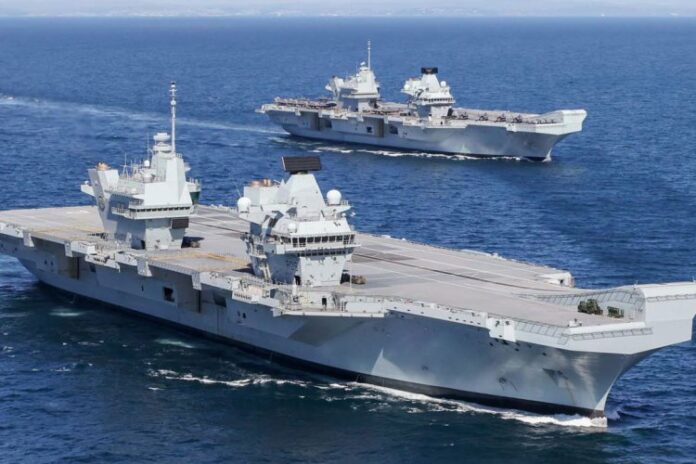
The contract which will run until 2026 will improve on-going support for the Rolls-Royce MT30 engines that power the Royal Navy’s Queen Elizabeth Class (QEC) Aircraft Carriers. It also covers support of the WR-21 engines that power the Royal Navy’s Type 45 destroyers.

In-service with navies across the globe, the MT30 gas turbine alternators provide the power needed for the huge Aircraft Carriers to operate, turning the propellers that drive them through the water at speeds in excess of 25 knots and the other electrical services that enable the ships to operate.

The MT30 marine gas turbine has been specifically designed for 21st century ships. This is important for the QEC programme with a 50-year service life expectancy; a guarantee that the engine will be able to deliver the power demands of tomorrow, as operational requirements increase requiring new equipment and upgrades to weapon and radar systems.

Nexans wins contract for Equinor’s Bacalhau ultra-deepwater oil project

0

Nexans has further extended its long-standing relationship with the Subsea Integration Alliance (SIA) by winning a major contract to design, manufacture and supply 44 km of steel tube umbilicals and accessories for the Bacalhau ultra-deepwater oil field development project.

Equinor’s offshore project in Brazil is targeting pre-salt reservoirs in the Santos Basin estimated to contain up to two billion barrels of oil equivalent (Bboe) recoverable reserves.

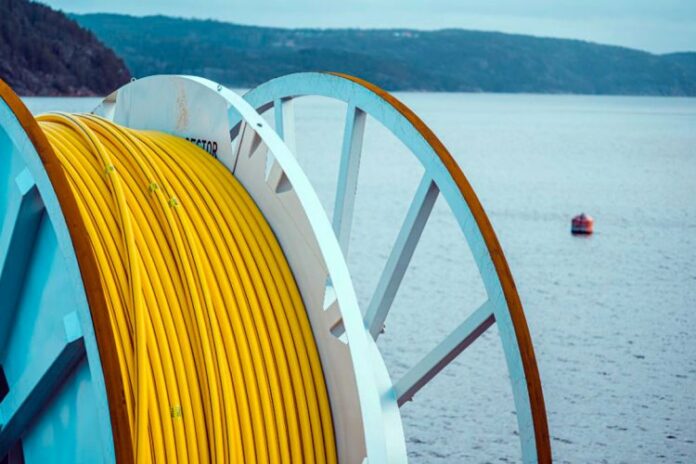
The SIA formed between Subsea 7 and OneSubsea is responsible for the SURF (subsea, umbilical, risers, and flowlines) front-end engineering and design (FEED) contracts for the Bacalhau project. Nexans’s specialized facility in Halden Norway will provide the SIA with steel tube umbilicals to provide vital services for subsea equipment operating at water depths down to 2,100 m. This includes 2.5 km of gas-lift umbilical, 35 km of static umbilical, 6.9 km of dynamic umbilical and accessories.

Nexans is scheduled to deliver the Bacalhau umbilicals in Q4 2022.

Fincantieri and Comau will manufacture a new welding robot vehicle for shipyards

0

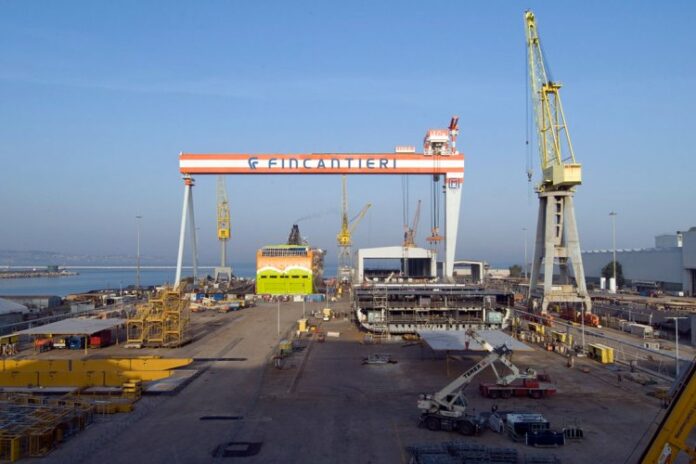
Fincantieri and Comau signed a letter of intent to develop prototypes of robotized steel welding solutions and the resulting construction of series of machines, to be implemented at first in Fincantieri shipyards.

Comau CEO, Paolo Carmassi, and Fincantieri General Manager, Fabio Gallia, signed the agreement.

The first joint project, of which the operating agreement is currently underway and related tests are scheduled at the Fincantieri shipyards by the first half of the year 2022, will involve a welding robot vehicle consisting of an anthropomorphic welding robot and a remote control tracked vehicle.

Fincantieri and Comau will be co-owners of the knowhow and intellectual property generated while developing the new concept design. At a later stage, they will explore the possibility of marketing this kind of welding product not only in the shipbuilding industry, but also in relevant business segments, such as the production of large size steel products for infrastructure and special works (e.g. continuous structures for suspension bridges, structures for large size hoisting systems, products for special constructions).

Moreover, the companies agreed to continue considering and examining new opportunities to create highly innovative solutions and contents within the broader scope of a Digital Factory.

Paolo Carmassi, CEO of Comau, commented:

“Comau has always been committed to the design and development of cutting-edge processes and technologies that allow us to provide our customers and partners with unique solutions that meet the challenges of an ever-changing market. The collaboration with Fincantieri gives us the opportunity to join forces with a leading company on an innovative project that aims to extend the benefits of automation and robotics to new sectors”.

Fincantieri General Manager, Fabio Gallia,said:

“This partnership is an important innovation for the shipbuilding industry. Apart from improving the safety of workers and their ergonomic working conditions, these solutions will enable great progress in pursuing the competitiveness of our production system. Moreover, looking to the future, the possibility of developing projects together with Comau is a great opportunity to further broaden the Group’s range of competencies”.

SCHOTTEL propels first fully electric ferry Sandøy for Brevik Fergeselskap

0

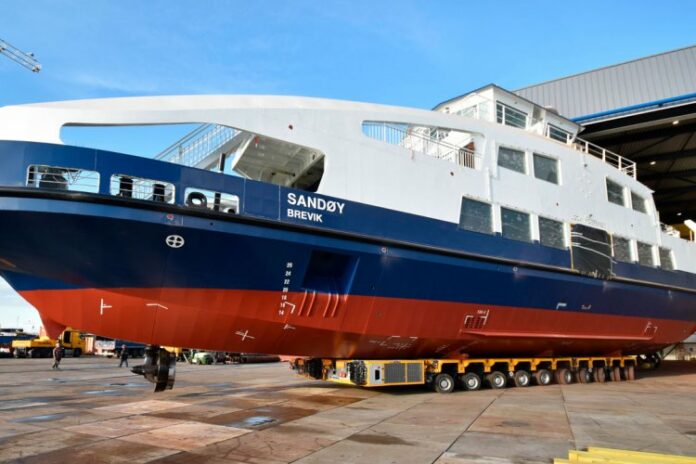
The recently launched “Sandøy” is the first fully electric ferry for the Norwegian operator Brevik Fergeselskap and is equipped with two SCHOTTEL RudderPropellers. It will operate within the waters of Eidangerfjorden, southeastern Norway, and will connect Brevik with Sandøya and Bjørkøya.

Marco Hoogendoorn, Commercial Director at Holland Shipyards Group:

“We have gained profound experience with hybrid and purely electrically powered vessels. Every vessel is unique and has its own requirements. We are pleased to work with trustworthy partners, like SCHOTTEL, that provide us with high quality equipment, which meets the standards we set as a yard.”

The main propulsion of “Sandøy” consists of two SCHOTTEL RudderPropellers type SRP 150 L (375 kW each) driven by high-efficiency PEM motors. The thrusters are designed for heavy duty operation and therefore equipped with frequency-controlled planetary steering gear and spur wheel steering. The azimuth thrusters feature a propeller diameter of 1.2 metres and the SCHOTTEL VarioDuct high-efficiency nozzle SDV45. This allows the vessel to hold its position in extremely strong lateral winds and to sail freely in a high efficiency range. Designed by Holland Shipyards Group, the new vessel will be completely emission-free and entirely powered by batteries (1300 kWh).

The 42-metre-long and 11-metre-wide vessel will be able to accommodate up to ninety-eight pedestrians as well as sixteen cars. The new ferry will be ready for service in 2021.