-1.1 C
New York
Home Blog Page 601

DNV and Keppel O&M sign agreement to develop hydrogen projects in Singapore

0

The overall aim of the collaboration is to explore safe implementation of potential new technologies, working jointly with relevant governmental agencies to promote the introduction of hydrogen as an energy source in the Singapore market to support the country’s decarbonization goals.  

Together, DNV and Singapore-based Keppel O&M will cooperate to explore and develop a range of topics including:

  • Safety requirements for hydrogen as an energy source
  • Infrastructure requirements for hydrogen storage and local transportation
  • Offshore applications for hydrogen technology. 

Some of the safety studies and pilot activities will be carried out within Keppel O&M’s Floating Living Lab, the first-of-its-kind floating testbed in Singapore which will be a platform for the industry to testbed new energy technologies. 

This agreement on hydrogen is another important step in reinforcing the collaboration between DNV and Keppel O&M, following a previous partnership to enhance LNG as ship fuel since 2019. 

Tan Leong Peng, Managing Director (New Builds), Keppel O&M, said:

“Keppel O&M is at the forefront in supporting the marine industry’s search for greener fuels such as hydrogen, and we have been working closely with partners such as DNV to support this energy transition. In line with Keppel’s Vision 2030, which includes seizing opportunities in new energy, Keppel O&M is leveraging its engineering capabilities, expertise in gas solutions, and new build experience to develop value-added solutions for customers. We are also able to utilize our floating living lab to help testbed and commercialize promising power and technology solutions.”

Brice Le Gallo, Regional Director for APAC, Energy Systems at DNV, said:

“DNV’s strategic ambition is to enable our customers to tackle global transformations such as the energy transition. We use our knowledge to advance safety and performance, set industry benchmarks, and to inspire and invent forward-looking solutions. The Memorandum of Understanding (MoU) with Keppel O&M is yet another testament to this ambition.”
Royal Caribbean starts construction on revolutionary ship

0

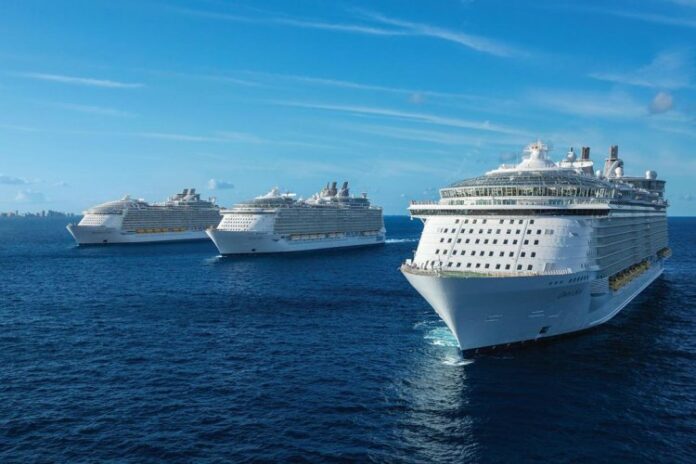
An iconic day for the cruise industry’s next iconic ship took place on Monday, June 14 when Royal Caribbean International marked the start of construction on its first Icon Class ship. To celebrate the milestone, the world’s largest cruise line held a steel-cutting ceremony at Finnish shipyard Meyer Turku, where the revolutionary ship’s name was revealed as Icon of the Seas. 

In attendance at the ceremony was Richard Fain, chairman and CEO, Royal Caribbean Group; Michael Bayley, president and CEO, Royal Caribbean International; and Tim Meyer, CEO of Meyer Turku. The initial step in the ship’s years-long journey to completion also officially begins Royal Caribbean’s next chapter in building a clean-energy future as the leader in innovative ship design. Debuting in fall 2023, Icon will be the cruise line’s first of three ships to be powered by LNG (liquefied natural gas). LNG and the state-of-the-art ship’s additional environmentally friendly applications, such as shore power connection, will boost energy efficiencies and reduce carbon footprint. More details about Icon’s advanced environmental technologies will be revealed at a future date.

Michael Bayley, president and CEO, Royal Caribbean International, said:

“We made our commitment to making clean power at sea a reality – and soon the norm – when Icon Class was first announced in 2016, and we’re excited to see construction underway on what will truly be a ship unlike any other. Our decades of work in ocean conservation, energy efficiency and continuous improvement will be evident all throughout Icon. We look forward to revealing more of the game-changing features our guests and crew have in store as she begins to take shape.” 

Royal Caribbean is already known for its decades of work in making strides on energy efficiency and reduced emissions through such technologies as air lubrication, which sends billions of microscopic bubbles along the hull of a ship to reduce friction, and advanced waste heat recovery systems that turn waste heat into extra energy, up to 3 megawatts, to help power the ship’s operations. Use of such technologies, including LNG, will result in further reduced emissions overall, virtually zero sulfur dioxides and particulates, and a significant reduction in the production of nitrogen oxides.

Saipem signs a new offshore drilling contract in the North Sea

0

Saipem has been awarded by Wintershall Dea Norge a contract for the drilling campaign of six wells plus options to drill additional wells in the Norwegian sector of the North Sea. 

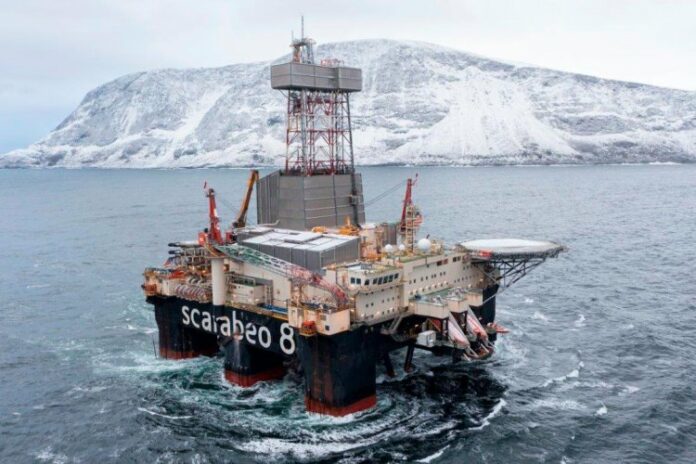
Operations, which are expected to start in the fourth quarter of 2021, will be performed by the semi-submersible rig Scarabeo 8, a drilling unit designed to be “zero pollution and zero discharge” and equipped for operations in harsh environments.

Thanks to this award the rig will operate in direct continuation with operations previously committed for other clients, in a sector that is showing signs of recovery and increasing demand, in particular for harsh environment rigs.

Following the operations executed for the same client in 2019, delivering successful results in terms of safety and operational efficiency, Saipem is pleased to have been secured a new contract by Wintershall Dea Norge, strengthening its relationship in a geographical key area.

Now DFDS ferries in Copenhagen will be receiving shore power

0

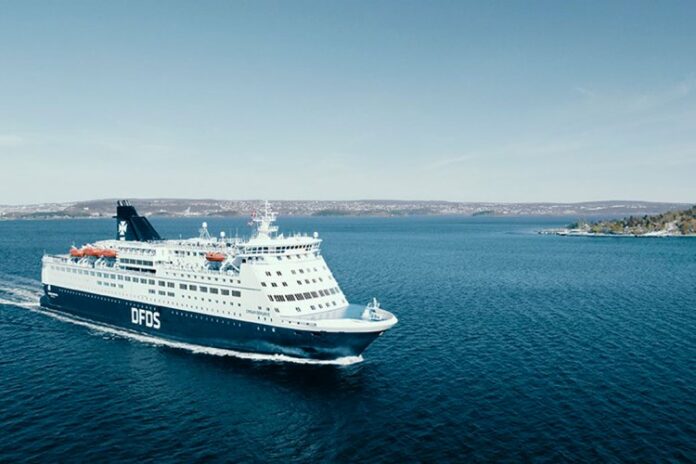
The work to establish a shore power facility at the DFDS Seaways ferry terminal in Copenhagen is in full swing. 

The initiative is a joint collaboration between CMP and DFDS, with the Swedish company Actemium as contractor and COWI as technical advisor.

The facility is expected to be operational in late summer 2021 and will make it possible for DFDS’ ferries Crown Seaways and Pearl Seaways to significantly reduce the ships’ CO2 emissions while in port.

Once the shore power facility has been established, it will become possible for the ferries to turn off the ship’s generators and thus reduce the emissions of air pollutants as well as particulates.

Torben Carlsen, CEO at DFDS, notes:

“Since 2019 we have been using shore power on our ships in the Port of Oslo and we look forward to also being able to reduce the amount of air pollutants and particulates when the ships are located at DFDS’ terminal at the port in Copenhagen. We know from Oslo that such installations have a very positive impact on the environment in and around the port and especially in regards to the residents who live in close vicinity to our terminals.”

Barbara Scheel Agersnap, CEO at Copenhagen Malmö Port, reports:

“Long-term planning, design and tendering are bearing fruit when the shore power facility is put into operation during the late summer. The shore power initiative is of significant importance to us and an important milestone in our efforts to contribute to the UN’s global sustainable development goals. To achieve this in close cooperation with DFDS feels really special, and we look forward to the ferries being connected to shore power this summer when they are berthed in Copenhagen.”

Swedish-based turnkey contractor Actemium is setting up an Onshore Power Supply (OPS) facility in Copenhagen. This is a market-leading solution for land-based electrical connections to ships. Actemium has previously established 16 Onshore Power Supply facilities in the Nordic region, including a facility in Oslo that the DFDS ferries use today.

André Olofsson, Project Manager at Actemium OPS, comments:

“The assignment also includes carrying out excavations and installation work on site, remote monitoring, operation of the facility, and maintenance. A remotely manoeuvred crane for connections to the ferries will also be installed on the quayside in the respective ferry berths.” 

Wärtsilä signs multiple vessel support agreement with Nakilat

0

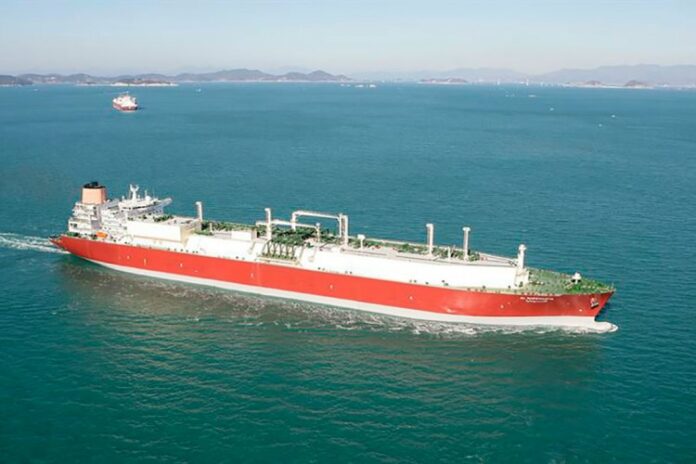
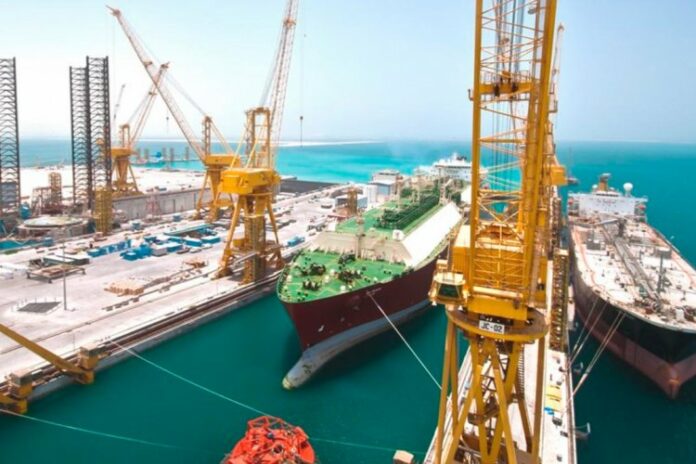
The technology group Wärtsilä has signed Support Agreements for LNG carriers owned by Qatar-based Nakilat, owner of the world’s largest LNG carrier fleet. 

The agreements were signed in April this year and are valid for five years. Wärtsilä is the supplier of the LNG reliquefaction systems onboard all of the QFlex vessels covered by the agreements.

Under the contract terms, Wärtsilä will provide 24/7 technical remote support for the vessels’ onboard Gas Process Plants. The customer has direct access to Wärtsilä’s dedicated team of LNG technical experts for specialized technical advice and remote troubleshooting, thereby reducing potential equipment downtime, and when possible, avoid time consuming and costly onboard visits by service engineers. Furthermore, following each cargo loading, selected operational data from the running reliquefaction systems is analysed by Wärtsilä’s LNG technical experts to ensure the operability and readiness of the system. This also creates a traceable operational data history.

Nakilat Chief Operating Officer Samir Bailouni said:

“As the global leader in energy transportation, the efficiency and reliability of our reliquefaction systems is a key element to efficient cargo-handling operations and vessels serviceability to the customer. Such support agreements are intended to give the assurance that the reliquefaction systems are operated safely and optimally within plant design parameters, thereby ensuring the integrity of our global operation.”

Rene Christian Olsen, Director Services, Gas Solutions, commented:

“Lifecycle support to our customers’ installations is a central pillar in the strategy of Wärtsilä Gas Solutions. Agreements such as these are the best way for ensuring that the products, systems and solutions that we deliver are properly maintained, and that their reliability and performance are at the optimal level.” 

Wärtsilä has a long-standing relationship with Nakilat and has supplied multiple products for their fleet.

KVH introdues TracPhone LTE-1 Global marine communications system

0

KVH Industries has introduced the TracPhone® LTE-1 Global marine communications system designed to provide recreational boaters and commercial mariners in more than 150 countries with Internet access up to 20 miles offshore. 

The system utilizes LTE Advanced (LTE-A) cellular network technology, which is faster than regular 4G LTE, and builds on KVH’s award-winning U.S.-only TracPhone LTE-1, which was introduced in 2018.

With its ultra-compact 34 cm (13.5 inch) dome, the TracPhone LTE-1 Global is suitable for small and mid-size recreational boats such as sailboats, center console boats, and sportfishers as well as smaller commercial fishing and work boats that often rely solely on cellphones for Internet access close to shore. The TracPhone LTE-1 Global is designed to enable various applications for mobile connectivity, such as streaming HD videos and music; Wi-Fi-based voice, messaging, collaboration, and video applications; browsing the Internet; and posting on social media—all while offshore.

Brent Bruun, chief operating officer for KVH, says:

“With our LTE-1 Global, vessels in more than 150 countries—from a center console in Fort Lauderdale to a fishing fleet in southeast Asia—can experience Internet access farther offshore than would be possible with their cell phones alone. The affordable, easy-to-install system means boaters can enjoy their connected lives while on the water and marine operators can optimize their businesses.”

Designed for a fast, affordable, and reliable extended-range mobile Internet experience, the TracPhone LTE-1 Global features a dual high-gain antenna array, modem, GPS, and Wi-Fi inside the dome, with a multi-carrier SIM to allow switching and roaming between LTE-equipped carriers. A single cable connects the antenna to a belowdecks Power-over-Ethernet (PoE) injector to provide power to the system. The TracPhone LTE-1 Global supports wireless and wired connectivity with integrated Wi-Fi and belowdecks LAN port so multiple people onboard can use their personal devices to access the Internet with the TracPhone LTE-1 Global.

Life of Heimdal gas centre extended to 2023

0

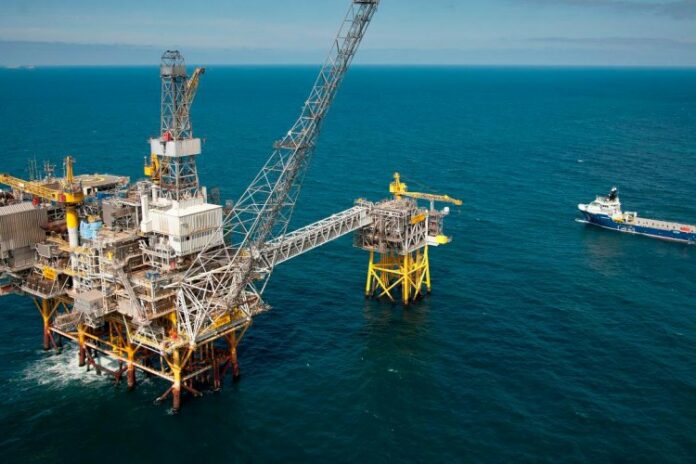
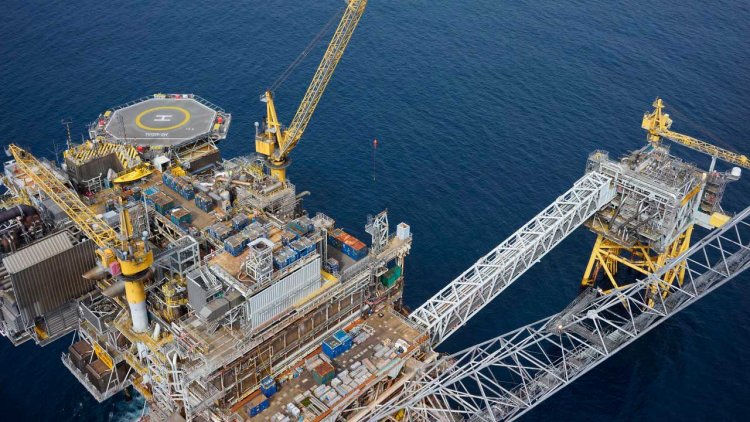
Since start-up in 1985 Heimdal has produced 46 billion standard cubic metres of gas and 7 million cubic metres of liquid (oil/condensate), corresponding to 332 million barrels of oil equivalent. In addition, Heimdal has processed approximately the same volume oil and gas from the satellite fields Huldra, Skirne, Atla, Vale and Valemon.

Production from Valemon is expected to increase in the future as 3-4 new gas wells will be drilled for Valemon in 2021 and 2022. This enables Heimdal to maintain profitable operations somewhat longer than originally communicated (2021 or 2022).

This is beneficial from a socioeconomic perspective, and the extension will also enable production of the remaining reserves in Vale and Skirne and increase production from Valemon.

Sørtveit concludes:

“Heimdal has delivered large gas volumes to our customers in Europe and has generated jobs and built important capabilities in the Norwegian petroleum cluster, from development to operations, and later as a processing hub for gas. In recent years a solid job has been done on the field to extend the productive life and maximize value creation. When Heimdal is shut down the field will have produced and processed about 700 million barrels of oil equivalent and generated revenues estimated at about NOK 260 billion for the partners processing at Heimdal and for Norway.”

Equinor has appointed a dedicated project to prepare for the decommissioning of the field, and removal of the two platform. The removal project is working for both the Heimdal licence (the main platform) and for Gassled (the riser platform).

This spring contracts for platform removal were awarded to Heerema – the same company that installed the Heimdal platform on the field in 1985. The platforms are scheduled to be removed in the period 2025-2027 and brought ashore at Eldøyane, Stord, for scrapping, reuse and recirculation – more than fifty years after the Heimdal field was discovered by the drilling of well 25/4-1 in 1972.

When the operations at Heimdal end in 2023 the remaining gas reserves at Valemon will be transferred to Kvitebjørn and Kollsnes for processing. Gassled will reconnect the dry gas pipelines currently passing over Heimdal to a subsea bypass.

Maran Gas Maritime will deploy Kongsberg’s K-IMS platform

0

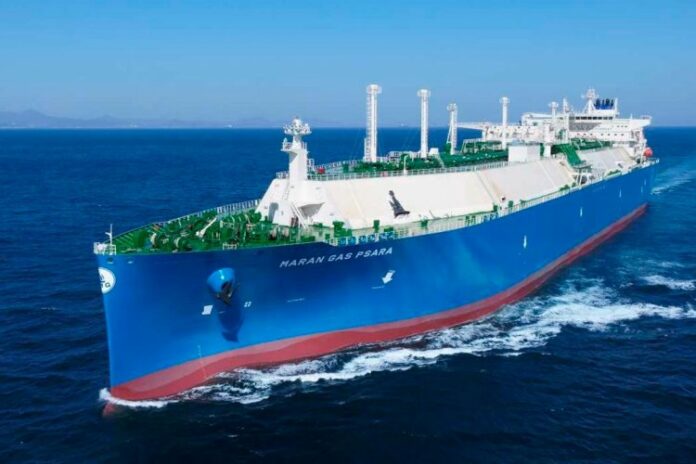
Kongsberg Maritime (KM) has announced that Maran Gas Maritime, one of the largest international ship-owning concerns, has signed a contract to roll out KM’s K-IMS Information Management System across its entire fleet. Already a long-term customer of KM, with this move Maran Gas are taking the relationship to a new level by integrating KM into its digitalisation strategy and cyber security.

Andreas Spertos, EVP, Technical Director, Maran Gas Maritime, says:

“We feel very confident with the decision to implement the K-IMS project with KONGSBERG for the entire fleet. By the end of 2021, K-IMS will be rolled-out to more than 20 LNG carriers of various propulsion types.

“Implementation of K-IMS will continue for existing and newbuild vessels until the entire fleet of 40+ LNG carriers is upgraded. K-IMS will replace the existing limited capability data transfer system and will provide us with unlimited opportunities to develop and advance further our in-house fleet monitoring and analysis systems that support the safe, efficient and environmentally friendly operation of the fleet.”

Anders Sjuls Fjeld, Sales Director LNG, Global Sales & Marketing, Kongsberg Maritime, adds:

“All of us at KM are committed to growing our working partnership with Maran Gas, after spending approximately 15 fruitful years as the systems provider for its fleet. By focusing on building strong customer relations and trust, and following an open, dialogue-driven partnership with Maran Gas, we have created a great foundation for rolling out K-IMS.”

Most ships in the Maran Gas fleet already have K-IMS-ready hardware in place: any outstanding vessels have been taken into consideration in the overall rollout plan.

Fjeld concludes:

“Data replication is then enabled via software applications on our K-IMS Onboard and K-IMS Onshore solutions.”

KM currently has secured more than 300 K-IMS contracts, with over 100 K-IMS agreements signed in the first half of 2021 alone and more in the pipeline. 

Bård Bjørløw, EVP Global Sales & Marketing, Kongsberg Maritime, comments:

“The majority of the LNG segment’s largest international ship owners and charterers are currently reaping the benefits of K-IMS, which is perhaps the most advanced, tailor-made vessel information management system in the world. It has already proved to be well suited to the LNG sector, and many more LNG shipowners are lining up to get involved.”

BMT secures multi-vessel design order for UK Ministry of Defence Police

0

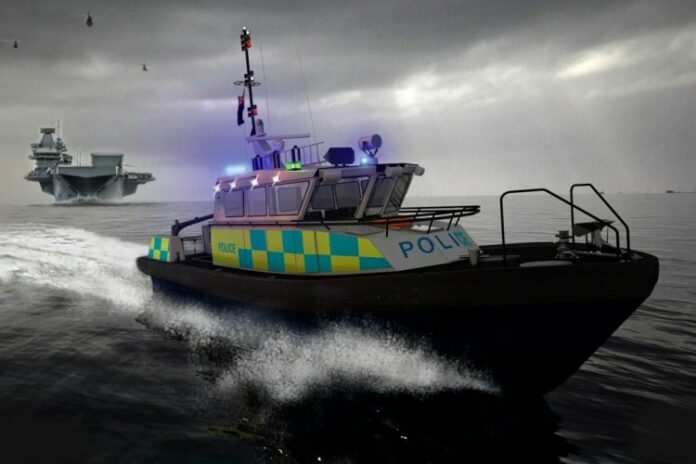
BMT has announced its partnership with Marine Specialised Technology (MST) who have been selected by the UK Ministry of Defence Police (MDP) following a competitive tender process to provide 18 state-of-the-art high-speed patrol vessels.

The BMT design is 15 metres in length and powered by twin inboard diesel propulsion engines driving twin waterjets. Specifically designed to reduce fuel consumption, the vessel will have reduced fuel emissions as well as improved operational efficiency. The new and more environmentally friendly design, which is capable of 30 knots, has been selected by the UK MOD Defence Equipment & Support organisation (DE&S) to be operated by the UK MDP. The advancements in the new craft will see the bridge featuring a fully integrated C4ISR and craft management system, utilising the latest open-architecture structure and state of the art shock mitigation crew seating. These latest developments in craft capability will provide a significant step forward for the Ministry of Defence Police Force.

As part of this public procurement, BMT is also pleased to announce that its team will be providing a comprehensive Integrated Logistics Support (ILS) package. This latest contract for a key government customer is another significant milestone for the consultancy in the market for high performance Patrol-Interdiction Surveillance Vessels, and further builds on its partnership with MST’s larger, affordable and exportable HPB-1900 design, of which two are already in build for the Royal Navy Gibraltar Squadron.

The 18 new high speed patrol vessels, capable of operating in the most demanding of conditions, will replace the current police vessels that are being operated at naval bases across the UK.

Martin Bissuel, Business Sector Lead for Government and Security at BMT commented:

“We are delighted to be partnering with MST on another prestigious project supplying our UK Defence Forces. This multi-vessel contract is a great reflection of the way our highly-experienced teams can combine expertise to produce an optimal design, as well as a tailored ILS package. The 15m vessels will be valuable in providing the MoD Police Force with an upgrade in capability to persistently patrol in littoral areas for the purpose of force protection of critical national infrastructure, covering high value assets across the United Kingdom and its naval bases.”

“The 15m Patrol Boat Design is part of BMT’s extensive range of proven in-service patrol boats for the demanding defence and security sectors in the UK and overseas.  This additional order from MST underscores our agility in producing carefully tailored designs that suit each individual operator’s particular requirements.”

Security and Policing is an important market to BMT, having delivered large scale police modernisation programmes, complex security programmes and supporting an array of key government departments including the Home Office, Ministry of Justice, National Crime Agency, National Counter Terrorism Policing Headquarters and a range of police forces.

GSL to acquire four ultra-high reefer containerships on multi-year charters

0

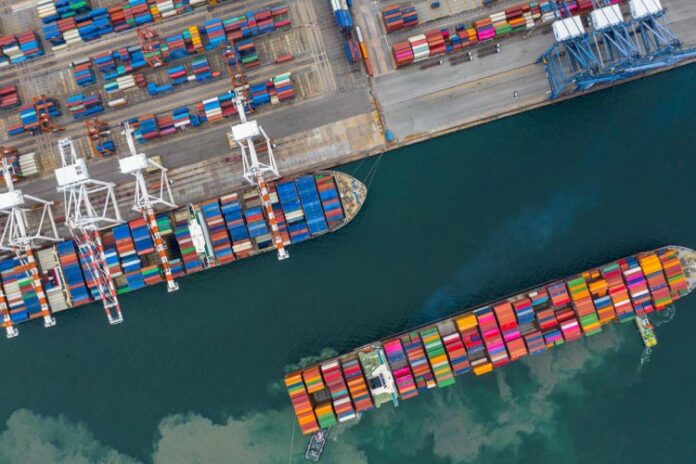
Global Ship Lease, Inc. has agreed to purchase four 5,470 TEU Panamax containerships with an average age of approximately 11 years for an aggregate purchase price of $148 million. 

On delivery, the ships will be chartered to a leading liner operator for a firm period of three years each, with a charterer’s option for a period of an additional three years. During the three-year firm period, the vessels are expected to generate aggregate Adjusted EBITDA of approximately $124.4 million, implying a strongly accretive average Purchase Price / Annual Adjusted EBITDA multiple of approximately 3.6x. If the options are exercised, the vessels are expected to generate approximately $42.2 million of additional Adjusted EBITDA. With these additions, the Company’s fleet will comprise 66 vessels with a total capacity of 344,650 TEU.

The ships are scheduled for delivery during the third quarter of 2021. The Company expects to fund the purchase price with cash on hand and senior secured debt.

Based on the existing charters, the newly acquired ships are expected to contribute approximately $42.5 million of Adjusted EBITDA in the first 12 months. This represents an increase of approximately 25.2% on Adjusted EBITDA for the 12 months ended March 31, 2021. The ships are anticipated to add approximately $0.88 of earnings per share in the first 12 months, based on today’s outstanding share count, today’s LIBOR, and other assumptions, representing an increase of approximately 56.4% compared to Adjusted earnings per share for the 12 months ended March 31, 2021.

George Youroukos, Executive Chairman of Global Ship Lease, commented:

“These ships are excellent examples of our strategic focus on ultra-high refrigerated container capacity. Each ship has existing capacity for 1,200 refrigerated containers – double the average for ships in the 5,000-7,000 TEU size segment – and electrical power available for more than 2,000 refrigerated containers; so, these are top-tier ships offering clear upside potential following the initial charters.

To put things in perspective, adding these four ships to our existing high-reefer ECO 6,900 TEU ships means that Global Ship Lease will control over a quarter of the global high-reefer fleet up to 7,000 TEU capable of carrying 1,200 or more refrigerated containers. With this acquisition and our recently announced purchase of 12 feeder and handy size vessels, we have in just over a week added $103.0 million of expected Adjusted EBITDA and $1.97 of expected earnings per share in the first 12 months following delivery, representing increases of 61.1% and 126.3% respectively, compared to the 12 months ended March 31, 2021.

Looking ahead, we see strong indications that the fundamental supply and demand drivers for this fantastic market are sustainable through the medium term, and we continue to believe that GSL is well positioned to execute our disciplined accretive growth strategy of expanding our long-term earnings while strictly limiting our downside risk and creating further value for our shareholders.”