-0.7 C
New York
Home Blog Page 602

Mega Yachts to be powered by hydrogen fuel cells

0

Freudenberg is entering into a strategic partnership with Lürssen Werft, the global market leader in the yacht sector, to develop fuel cell systems for mega yachts. In the case of the first system under development, it will allow a ship to spend more than 15 days at anchor or cruise for more than 1,000 miles with zero emissions. This is roughly equivalent to the route from New York to Miami or from Hamburg to Lisbon via London.

With over 10,000 ships worldwide, the yacht industry is a significant part of the maritime economy. Its customers value innovations, new technologies and environmental protection. After all, yachts are often near residential coasts, where factors such as emissions of any kind are delicate issues. Just as in larger ships that prioritize range and route flexibility, electricity must be ruled out as an energy source due to the heavy weight and low volumetric energy density of battery systems. 

This is why Lürssen and Freudenberg have defined a joint technology roadmap for yachts without combustion engines. The two companies are already collaborating on the “Pa-X-ell 2” project, in which other partners such as Carnival Maritime, DNV, besecke, DLR, EPEA and Meyer Werft are pushing ahead with the development and testing of a hybrid energy system with a new generation of fuel cells for yachts and passenger ships suitable for the high seas.

The fuel cells, which have been uniquely developed for maritime applications, will temporarily substitute the ship’s conventional diesel generators in the first joint ship installation. This allows the yacht to anchor for 15 days or cruise 1,000 miles without emissions – an important added value for the ship owner.
The system uses Freudenberg’s methanol-operated, maritime fuel cell system with integrated fuel reforming, which received the “Approval in Principle” from the DNV GL classification society at the end of 2020: Steam reforming of methane is used to produce hydrogen directly in the system, which then reacts with oxygen from the air in the fuel cell, generating the electric energy required for the propulsion as well as the ship’s electrical system. Ship owners benefit from the fuel cell system’s higher efficiency, when compared with a combustion engine, and thus enjoy lower fuel consumption and reduced maintenance costs. The ships travel nearly without sounds or vibration, which is particularly important for the regions that serve as destinations for the yachts.

Another component of the collaboration is the commissioning of an innovation laboratory at Lürssen, where the integration and operation of Freudenberg’s maritime fuel cell systems are simulated on board a yacht operated with methanol. The optimal hybridization between fuel cells and batteries will also be analyzed here.

In addition to the Truck and Bus segment, equipping ships with fuel cell systems is one of Freudenberg’s strategic goals, explains Dr. Manfred Stefener, Vice President Fuel Cell Systems at Freudenberg Sealing Technologies:

“Our aim is to decarbonize the entire maritime fleet. Thanks to the integration of fuel cell battery solutions, we will supply all of the energy requirements of ships, including those of the main propulsion system. This hybridization strategy makes it possible to sustainably and cost-efficiently achieve the required installations in the double-digit, megawatt range for every ship. Freudenberg provides these solutions from a single source.”
Environmentally friendly alternative to using diesel generators launched

0

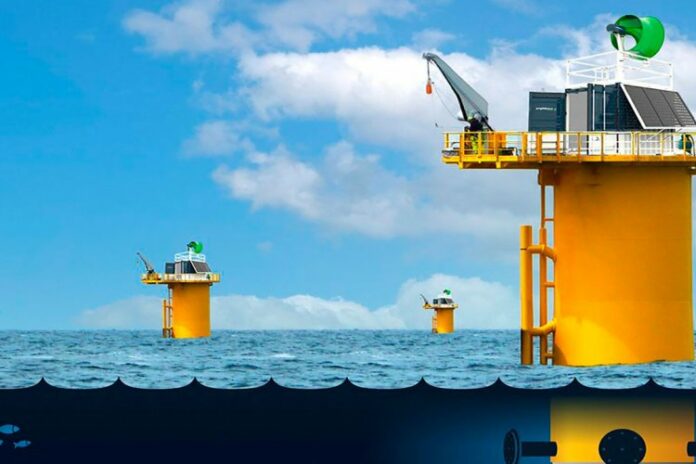
CORROSION and Amphibious Energy have announced the launch of the new ICCP- POD, an environmentally friendly alternative to using diesel generators to supply energy during the construction phase of wind turbines, and sacrificial anodes to protect turbine foundations against corrosion.

The ICCP-POD combines two advanced technologies. The EnergyPod, developed by Amphibious Energy, is an easy-to-transport autonomous energy plant that uses sun, wind, batteries and intelligent electronics to provide sustainable energy during the 18-month construction of wind turbines, meaning that costly and environmentally unfriendly diesel generators are no longer required.

To protect against corrosion during this construction phrase, CORROSION developed compact ICCP (Impressed Current Cathodic Protection) units. By using an electronic current supplied by the EnergyPod, these represent an innovative eco-friendly alternative to sacrificial anodes, which discharge large quantities of metals and heavy metals into the water. When the wind turbines are installed and grid-connected, the energy supply for the ICCP system is switched from the EnergyPod to the wind turbine itself.

Niels Ros, Manager Offshore Wind at CORROSION, said:

“CORROSION was the first company in the world to develop a cost-effective, easy-to- maintain and environmentally friendly anti-corrosion solution for wind turbines foundations. We are delighted that through this partnership with Amphibious Energy, we are also able to offer the same sustainable protection solutions during the construction phase of wind turbines.”

Willem van der Merwe, Director at Amphibious Energy, said:

“By partnering with CORROSION, we are able to bring two unique technologies together, which will drive down the costs for the offshore industry to protect their installations from corrosion in a 100% green way. This represents a big step forward in achieving net-zero operations for the offshore industry.”

The ICCP-POD delivers substantial cost savings compared to a diesel generator. In addition, further savings can be realized in other ways. For instance, by installing uncoated foundations, foundations with a single base coat or utilizing less carbon steel (corrosion allowance), depending on customer needs and design boundaries.

In terms of environmental performance, CORROSION’s ICCP unit provides major benefits. Over a 25-year period, CORROSION’s systems discharge approximately 1.5 million times less aluminum into the sea that traditional sacrificial anodes. Furthermore, the EnergyPod is also completely recyclable and can be re-used several times over a period of 5 to 10 years, so that the costs will decrease even further.

ClassNK grants AiP to Tsuneishi for LNG-fueled bulker design

0

Leading Classification Society ClassNK granted an Approval in Principle (AiP) based on its Rule Part GF (regulation for ships using low-flashpoint fuels) incorporating “International Code of Safety for Ships using Gases or other Low-flashpoint Fuels (IGF Code) to TSUNEISHI SHIPBUILDING Co., Ltd. for their concept design of an LNG-fueled bulker “KAMSARMAX GF”.

As more environmental technologies have been developed to realize a low-carbon and decarbonized society in the maritime industry, developments of LNG-fueled ships are progressed in a variety of ship types and sizes with the expectation for the reduction of CO2, SOx, and NOx emissions from ships and for the fuel supply chain availability.

ClassNK has conducted its review and issued the AiP on the concept design of the “KAMSARMAX GF”, which has installed a dual-fuel engine using LNG as the main fuel and an IMO Type C Fuel tank according to its Rule Part GF.

The main features of the system announced by TSUNEISHI SHIPBUILDING are as follows:

The GF in “KAMSARMAX GF” stands for Gas Fuel. This eco-ship combines the versatility of KAMSARMAX with the high environmental performance of LNG fuel. Designed to use LNG as its primary fuel, it has achieved a reduction of carbon dioxide (CO2) emissions by 40% or more compared to the EEDI reference line and meet the reduction rate by a large margin for EEDI Phase 3 that will take effect in 2025. In addition, sulfur oxides (SOx) and nitrogen oxides (NOx) have also been greatly reduced.

Brittany Ferries eyes zero-emission, sea-skimming ‘flying ferries’

0

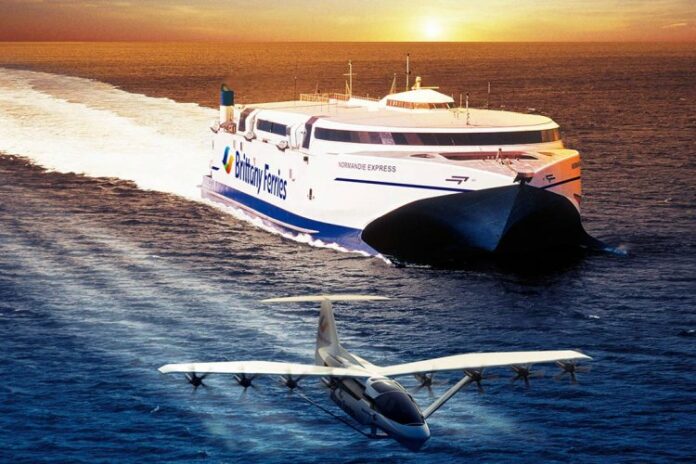
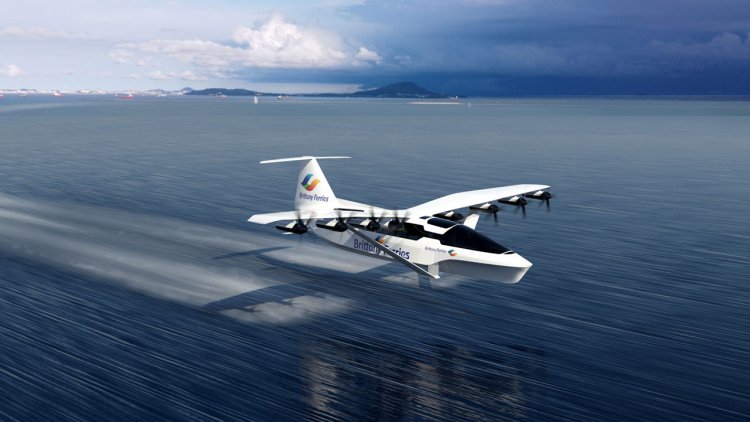
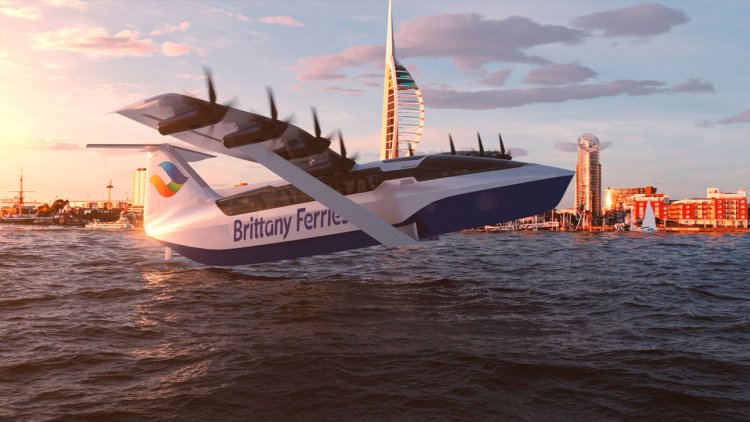
Brittany Ferries is exploring the potential for a new high-speed, sustainable and more efficient form of ferry travel called a seaglider. The concept, an all-electric, wing-in-ground effect vehicle (WIG), is under development in the United States through Boston-based start-up REGENT (Regional Electric Ground Effect Nautical Transport).

Brittany Ferries has signed a letter of intent which could see seagliders with a 50-150 passenger capacity sailing between the UK and France by 2028. REGENT expects the first commercial passengers to travel on smaller electric craft by 2025.

Seagliders combine the convenience of passenger ferries with the comfort of hydrofoils, the aerodynamic efficiency of hovercraft and the speed of aircraft. With the potential to connect existing ferry ports, the craft are expected to fly at speeds of up to 180 mph – six times faster than conventional ferries – with a battery-powered range of 180 miles.

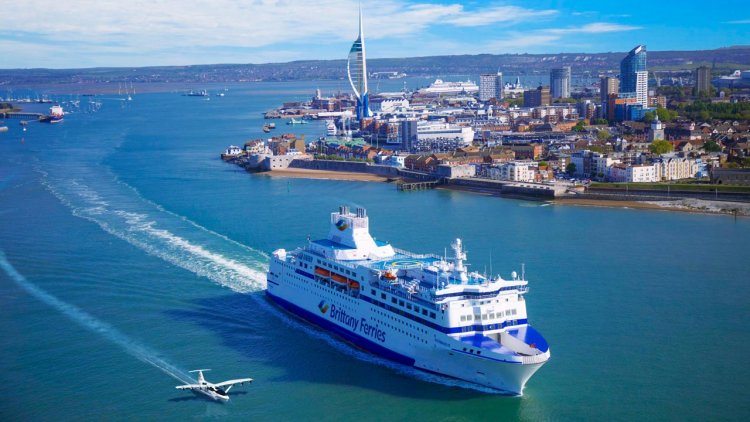
The voyage from Portsmouth to Cherbourg, for example, could be covered in as little as 40 minutes.

They work by harnessing a concept well-known to pilots – ground effect. This is the cushion created by high-pressure air trapped between wings and the ground or water while flying at low altitude. Seagliders are therefore akin to a hovercraft with wings, rather than a skirt.

Following departure from port, the craft rises on foils insulating passengers from wave discomfort. In open waters, it takes off, riding the air cushion all the way to its destination. Wing-mounted propellors provide the thrust to take to the air at low speeds,  while electric motors regulate air flow over wings while riding the air cushion.

It’s a highly efficient mode of transport, capable of moving significant loads over long distances at high speed. Power will come from batteries rather than fossil fuel.  Flight safety comes courtesy of redundant propulsion and flight control systems, with next-generation sensor suites detecting and automatically avoiding traffic at sea.

Energy transition is a priority for forward-looking companies like Brittany Ferries and is key to its recovery post-Covid. Based in Roscoff France, the company has already invested in the delivery of two new LNG (liquefied natural gas) ships for delivery in 2022 and 2023 called Salamanca and Santoña.

Its partnership with REGENT goes one step further. It is a visionary project which offers an exciting glimpse into the future, the kind of vehicle never before seen in Franco-British waters.  Brittany Ferries is contributing to development discussions, as the company has a track record in operating fast ferries such as Normandie Express (currently chartered to Condor Ferries).

Frédéric Pouget, ports and operations director for Brittany Ferries, said:

“Seaglider is an attractive and exciting concept and we look forward to working with REGENT in the months and years to come. We are particularly pleased to contribute now because it means we can bring real-world challenges and potential applications into the company’s thinking at an early stage. We hope this may help bring commercial success in the years that follow. Who knows; this could be the birth of ferries that fly across the Channel.”

REGENT is working on several different sizes of passenger-carrying seagliders, all of which operate on the same principle. Operating a few meters above the water’s surface, they combine the high speed of an aeroplane with the low operating cost of a ship. It has the potential to serve routes of up to 180 miles with existing battery technology, and routes up to 500 miles with next-generation batteries.

Both Brittany Ferries and REGENT understand that many technological, practical and regulatory milestones lie ahead. However, both companies say that caution should not stand as an impediment to the development of a promising concept that already has a history in military applications and smaller leisure craft operating around the world. Both companies look forward to the promise of cross-channel services, reduced emissions, and seagliders becoming commonplace.

For like electric cars, seagliders automatically become greener as more source electricity is generated from renewable sources. And thanks to the inherent efficiency of travelling above water, speed need not be sacrificed to help lower emissions, slow-steaming being one of the solutions proposed for traditional sea-going vehicles to limit environmental footprint.

Konecranes launches its sixth generation of mobile harbor cranes

0

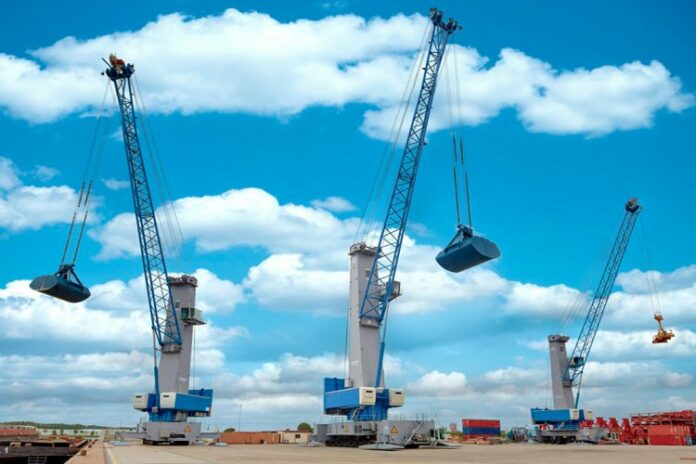
Generation 6 marks the first comprehensive revamp of Konecranes Gottwald’s mobile harbor crane portfolio in 15 years, and comes as growth in the global bulk and general cargo handling market accelerates.

Research from Drewry Maritime Advisors forecasts the global bulk and general cargo handling market, excluding RoRo and vehicle traffic, to grow 6.8% year-on-year in 2021 to 7.4 billion tonnes. Drewry expects growth to continue in coming years, reaching 8.5 billion tonnes by 2025, a compound annual growth rate of 3.5%.

Konecranes, which launched the world’s first mobile harbor crane in 1956 and is a pioneer in Ecolifting™, has worked closely with customers around the world while developing the new cranes. The result is a range of products that can eco-efficiently service essentially any type of vessel and any kind of cargo – containers, general cargo, project cargo and bulk – in any location, either on the quay or on a barge. Sales are now underway.

Konecranes President and CEO Rob Smith said:

“These cranes represent the best of Konecranes in terms of technology and durability, and thus also strongly support our commitment to sustainability. The carbon footprint of our customers is just as important as our own, and we aim to reduce it through low-carbon, eco-efficient solutions and by extending product lifecycles in ports, factories and everywhere our products and services are used.”

Reflecting Konecranes’ commitment to a decarbonized and circular world for customers and society at large, Generation 6 is designed for electrical power use; power can be sourced from an onshore grid, meaning no direct carbon emissions during operation. Operators can also choose a new battery solution that also reduces emissions and gives greater flexibility by permitting crane operation independent from the grid. For quays without a power supply, a common occurrence in developing markets, the cranes come with fuel-saving diesel generators and Konecranes’ latest hybrid drives.

Dinesh Sharma, Director at Drewry Maritime Advisors, said:

“Stevedores globally, big and small, are increasingly focused on reducing the carbon footprint of their operations in the near term. Growing trade and the need to replace old equipment will likely mean increased demand from ports around the world for more efficient cargo handling equipment to support increases in productivity, reduction of costs and CO2 emissions.”

In addition to lower emissions, the design of the crane advances circularity through a more durable design: its robust construction doubles the cranes’ service life in container operation compared to earlier generations, and more powerful lifting capacity curves and high working speeds ensure greater efficiency and faster cargo turnaround times. The long-lasting design not only saves the resources needed to build new cranes – it supports resale values when customers choose to renew their fleets.

The new cranes will be equipped with smart crane features for safe, ergonomic and efficient crane operation, and will come equipped with TRUCONNECT remote monitoring, which collects condition, usage and operating data from control systems and sensors to help with maintenance planning and predicting possible component or equipment failure. 

These capabilities reflect Konecranes’ investment in the growing opportunities of data. The company has a data science laboratory in Lyon, France, as part of its continuing drive to digitalize products, services, and operations, and has tapped the real-time insights from its tens of thousands of connected devices and pieces of equipment around the world to balance demand and supply in real time and navigate through the COVID-19 pandemic.

Lundin Energy’s Johan Sverdrup barrels certified as carbon neutrally produced

0

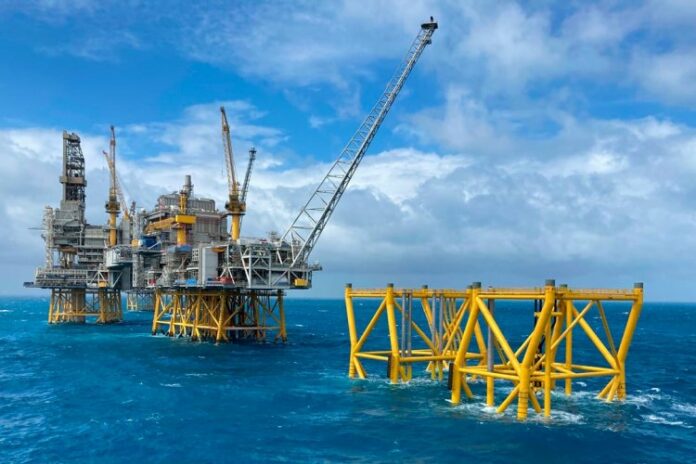
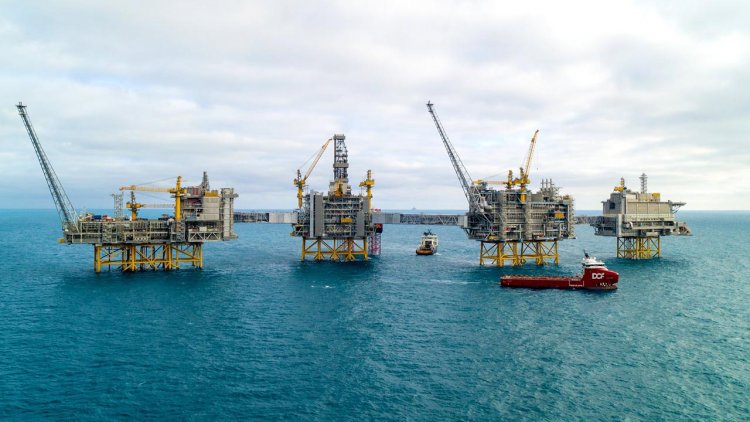
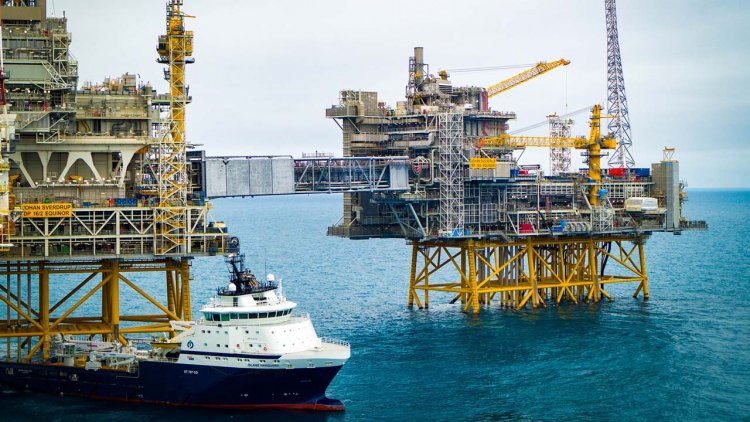
Lundin Energy AB (Lundin Energy) has announced that all future barrels of oil the Company sells from the Johan Sverdrup field will be certified as carbon neutrally produced under Intertek Group plc’s (Intertek) CarbonZeroTM standard. 

The field has been independently certified at 0.45 kg CO2e per boe1, approximately 40 times lower than the world average2. Lundin Energy has then taken the further step to neutralise net residual emissions using high quality, natural carbon capture projects.

Highlights

  • All future net production from Johan Sverdrup will be certified as carbon neutrally produced by Intertek under its CarbonZeroTM standard
  • Johan Sverdrup full life of field emissions are certified as one of the lowest in the world at 0.45 kg CO2e per boe by Intertek under its CarbonClearTM standard
  • Residual emissions from net production at Johan Sverdrup have been neutralised using high quality, natural carbon capture projects, certified by the Verified Carbon Standard (VCS)
  • The first carbon neutrally produced cargo from Johan Sverdrup has been sold to GS Caltex, Korea
  • From 2025, all barrels produced by Lundin Energy will be carbon neutral in their production

The Johan Sverdrup field is the second in Norway to have its emissions independently certified by Intertek, under its CarbonClearTM standard. The field is certified as one of the world’s lowest carbon emitting offshore oil and gas fields at 0.45 kg CO2e per barrel of oil equivalent (boe) for full life of field emissions1, approximately 40 times lower than the world average2. In order to supply a fully carbon neutrally produced barrel, the residual emissions have been neutralised through high quality, natural carbon capture projects, certified by the Verified Carbon Standard (VCS). As a result, there will be no net emissions released during the future production of Lundin Energy’s Johan Sverdrup net barrels, which amounts to approximately 100 thousand barrels of oil per day (Mbopd) today and increasing to approximately 150 Mbopd when Phase 2 of the field comes on stream in the fourth quarter of 2022.

The first trade of certified carbon neutrally produced oil from Johan Sverdrup has already been completed with GS Caltex in Korea. The two million barrel cargo will load in July 2021 to be delivered to Korea and was sold as carbon neutrally produced at market price.

Nick Walker, President and CEO of Lundin Energy, commented:

“Since we sold our first cargo of certified, carbon neutrally produced oil from Edvard Grieg earlier this year, we have seen significant interest in the market for this clearly differentiated product. With the certification of our Johan Sverdrup barrels as CarbonZeroTM, we now have a significant volume of crude being traded as carbon neutrally produced, which I believe will drive significant value for Lundin Energy. As the energy transition continues to accelerate, providing certified, zero emission produced barrels to our customers ensures that they can continue the decarbonisation pathway, delivering a differentiated product to their end users. From 2025, every barrel delivered by Lundin Energy, will be carbon neutrally produced.”

Saehong Hur, President and CEO of GS Caltex Corporation, commented:

“We are very proud to purchase the first Johan Sverdrup cargo certified as carbon neutrally produced. At GS Caltex, we are striving to reduce our carbon footprint as part of our commitment to good environmental, social and governance practices. In line with our efforts to expand environmentally-friendly activities, the purchase of Lundin Energy’s certified carbon neutrally produced crude oil is another meaningful step on our path toward a more sustainable and green economy. GS Caltex would like to work together with Lundin Energy further in the future.”

Study into Delta Corridor pipelines between the Netherlands and Germany launched

0

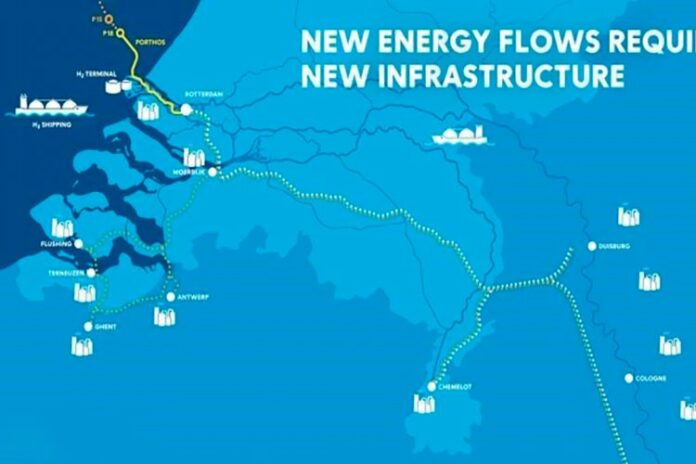
This week, the Port of Rotterdam Authority and Rotterdam Rijn Pijpleiding Maatschappij (RRP) will be starting on a joint feasibility study regarding the development and construction of pipelines for various product streams, e.g. hydrogen (H2) between Rotterdam, the Chemelot (Limburg) industrial estate and North Rhine-Westphalia.

This pipeline bundle could strengthen the port of Rotterdam’s strategic position in Northwest Europe, offers Chemelot (Limburg) further sustainability opportunities and could potentially develop into an important supply route for German industry which has committed to the further reduction of its carbon emissions.

The study will be executed by a joint project team formed by the Port of Rotterdam Authority and RRP (shareholder Shell, Ruhr Oel and bp), working in partnership with various Dutch Ministries: the Ministry of Infrastructure and Water Management, Economic Affairs, as well as the Interior and Foreign Affairs. The project team intends to develop a public-private partnership within the chain that will also be open to other parties.

The project team will be building on the results of an initial study into the proposed pipelines performed by the Port Authority, Chemelot (Limburg) and the Dutch state under the header ‘Delta Corridor’. This study also yielded positive indications regarding the possible reinforcement of West-East connections – provided there is a strong enough increase in demand at the German end.

And this now appears to be the case, with Germany’s presentation this year of an ambitious transition plan that involves a total investment value of 9 billion euros. In this plan, a significant share of the associated hydrogen import flows could run via Rotterdam. This hydrogen will be used as both an energy carrier and a feedstock for e.g. petrochemical production and the steel industry.

The Port Authority-RRP team will be focussing on the technical and commercial aspects of the pipelines used to transport hydrogen, CO2, LPG and propane to various industrial clusters and companies in the Netherlands and Germany. In principle, these pipelines will be developed on a ‘common carrier’ basis – allowing a range of different parties to take advantage of the connections. The underground pipelines will not only facilitate the supply of products that contribute to sustainability; they will also reduce the demand for the transport of said products by rail.

Edwin van Espen, Manager Delta Corridor for the Port of Rotterdam Authority, explains the potential importance of this venture:

“We can see growing pressure for a timely implementation of the agreed climate goals. The Delta Corridor will prove particularly important to Dutch and German industrial clusters when it comes to implementing their programmes. As such, this project can make a concrete contribution to the development of a sustainable economy, prosperity and employment. In addition, it will have a positive effect on the livability of the areas along the railway tracks, as an underground pipeline corridor will diminish the use of the railway system for the transport of these goods.“

To meet the rising demand for renewable energy – and particularly hydrogen – Rotterdam has entered into a series of partnerships over the past few months with a growing number of countries, including Portugal, Morocco, Oman, Australia, Chile, Brazil and Canada. Rotterdam will be taking advantage of its role as a major import hub to develop and consolidate its position as Northwest Europe’s leading energy port in the longer term. A strong position in this sector will create significant economic benefits for the Netherlands as a whole.

The proposed route of the Delta Corridor runs from Rotterdam via Moerdijk, Tilburg and Venlo to Chemelot (Limburg) and North Rhine-Westphalia. Since the combined construction of a variety of pipelines could yield substantial synergies, the team will not only be mapping out potential suppliers and clients, but also examining to which extent there may be a demand for additional pipelines and power cables that can be added to the proposed bundle. In addition, the study will be looking into opportunities to link other industrial clusters in the Netherlands and Belgium to the corridor.

A substantial length of the proposed corridor actually runs along the existing route of various RRP pipelines. Since the 1960s, these pipelines have been used to transport tens of millions of tonnes of materials and products between Rotterdam and the German state of North Rhine-Westphalia.

bp, Aker and Statkraft join forces for offshore wind in the Norwegian North Sea

0

The partnership – in which bp, Statkraft and Aker Offshore Wind will each hold a 33.3% ‎share – will pursue a bid to develop offshore wind power in the Sørlige Nordsjø II (SN2) ‎licence area.

SN2’s favourable location provides power export access to local and adjacent markets. The ‎consortium also intends to explore opportunities to provide clean power to electrify ‎offshore oil and gas facilities. The partnership would work with local suppliers, building ‎industrial competencies for Norway’s offshore wind market, and contribute toward value ‎creation in the Nordic and European energy market.

The consortium brings together the individual companies’ strong technical skills and deep ‎experience in offshore energy projects, covering the full value chain from development to ‎the delivery of offshore renewable energy to market.‎

bp has interests in the offshore wind sector in the both the US and UK and a longstanding ‎onshore wind business in the US. It brings strong North Sea development and operating ‎experience, international energy trading capabilities and a disciplined financial framework to ‎the partnership.‎

Dev Sanyal, bp’s executive vice president of gas & low carbon energy, said:

“bp aims to ‎grow our renewables business at scale and we see great opportunities in offshore wind ‎energy. We have decades of offshore experience in the North Sea and will also bring our ‎extensive trading capabilities and strong relationships in Europe. Coming together with ‎Aker and Statkraft, we believe this consortium will be ideally positioned to effectively and ‎efficiently grow and deliver clean power for European markets, as well as strengthen the ‎supply to Norway when needed.”‎

As Europe’s largest producer of renewable energy, Statkraft’s expertise in energy ‎management and its experience and competence in wind farm development and ‎operations provide a foundation for success in developing SN2.‎

Christian Rynning-Tønnesen, chief executive of Statkraft, said:

“We have extensive ‎capability from the development and operation of onshore wind around the world and ‎experience in significant offshore wind projects in the United Kingdom and Ireland. Strong ‎growth, decreasing technology costs and the involvement of industrial and financial players ‎all indicate the rising role that offshore wind will play in Europe. Our partnership with Aker ‎and bp will create meaningful value and contribute towards Europe’s energy transition.”‎

Aker brings to the project its learnings and know-how from five decades of designing and ‎executing offshore projects in the North Sea as a supplier, developer and operator. Aker ‎Horizons will work closely with the consortium on topics including strategy and financing, ‎and the partnership will also benefit from the broad capabilities of other Aker companies, ‎including Cognite and Aker Solutions.‎

Kristian Røkke, chairman of Aker Offshore Wind and chief executive of Aker Horizons, ‎added:

“Our partnership has the potential to redefine Norway’s position as an energy ‎nation, and the consortium’s joint capabilities are building blocks to lead the energy ‎transition. Together with Statkraft and bp we will work to develop the Norwegian offshore ‎wind industry, reduce emissions and create new jobs.”‎

With bp joining the Norwegian consortium, energy cooperation between Norway and the ‎United Kingdom is also further strengthened.‎

Port of Southampton boosts quayside infrastructure with new airbridge

0

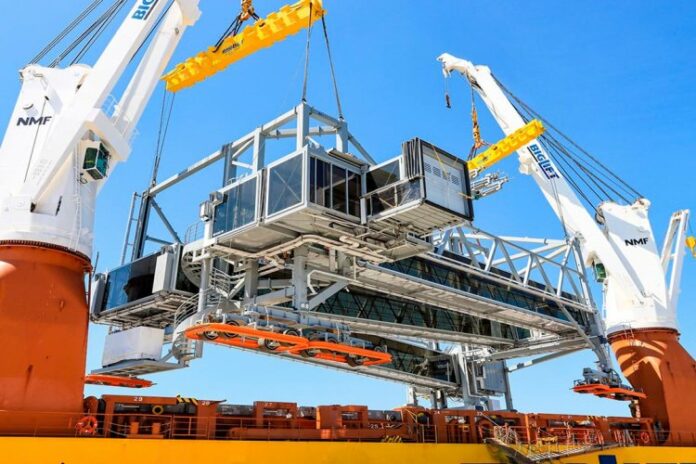
The 235 tonne airbridge has been custom built for the Port of Southampton’s newest £55 million cruise terminal. Providing ship to shore access for cruise vessels calling in Southampton, the airbridge is designed to adjust automatically with the tide.

Horizon Cruise Terminal is due to welcome its first cruise ship at the beginning of July and this airbridge is one of two that will be permanently positioned at the state-of-the-art cruise terminal.

The airbridge arrived at 102 berth and was tandem lifted into position using specialist quayside cranes.

Regional Director at the ABP Southampton, Alastair Welch, said:

“The Horizon Cruise Terminal is a strong investment in the future of cruise for the Port of Southampton. Taking delivery of one of the new airbridges marks a significant step towards welcoming our first cruise ship and passengers at the terminal and one that we’re very excited about.”

The Port of Southampton is Europe’s leading cruise turn-around port and the Horizon Cruise Terminal is in the port’s Western Docks, inside Dock Gate 10.

Mocean Energy Blue X wave machine starts sea trials at EMEC

0

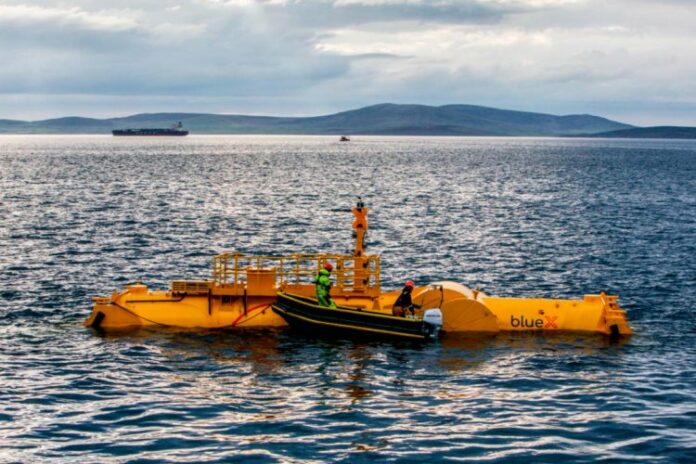
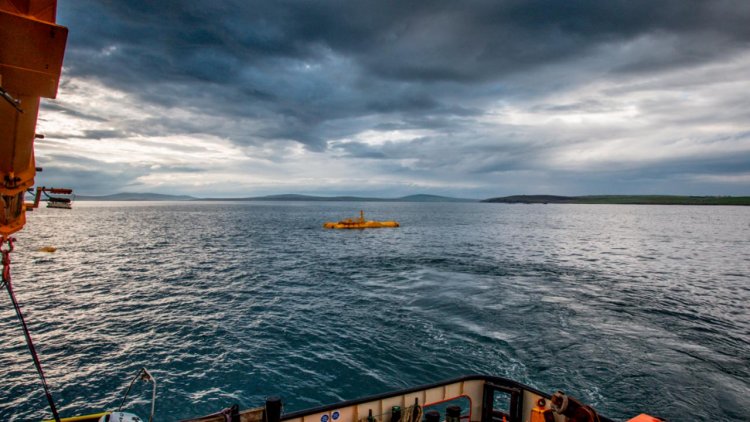
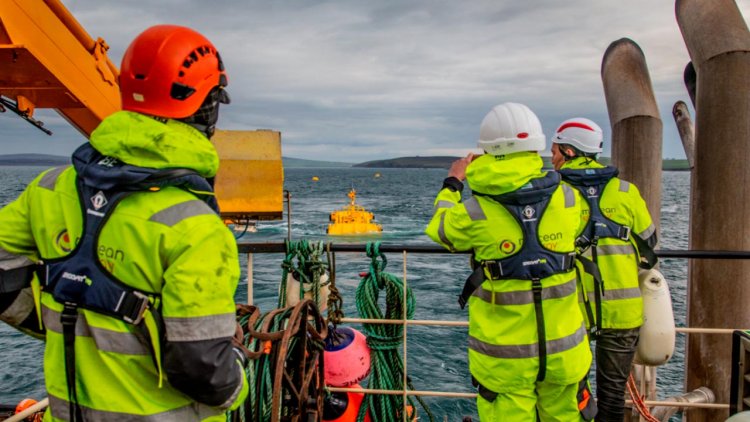
In the last few days the 20-metre long, 38-tonne wave machine has been towed from Kirkwall to EMEC’s Scapa Flow test site where it has been successfully moored and commissioned for initial sea trials.

Later this summer the Blue X will be moved to EMEC’s grid connected wave test site at Billia Croo on the west coast of Orkney, where it will go through its paces in more rigorous full sea conditions.

Mocean Energy Managing Director Cameron McNatt said:

“In the days and weeks ahead, we will produce first power and prove how the Blue X machine operates in a variety of sea states. In the Scapa testing phase, we will test power production and compare results against our numerical predictions, and we will test operations including towing, installation, removal, and access at sea. The device is standalone and operated wirelessly. A 4G connection allows us to send commands and download data from shore.

“We believe our technology is ideally suited to a number of offshore operations, where it can make a direct contribution to net zero goals. Longer-term, we think grid-scale machines will be able to tap into deep ocean waves to generate significant quantities of clean energy.”

Next year, the wave pioneers plan to connect the device to a subsea battery which will be used to power a remotely operated autonomous underwater vehicle (AUV) – with potential applications offshore.

The deployment and demonstration of the Blue X at EMEC is being funded by Wave Energy Scotland and supported by Interreg North-West Europe’s Ocean DEMO project.

Michael Matheson, The Scottish Government’s Cabinet Secretary for Net Zero, Energy and Transport said:

“With our abundant natural resources, expertise and forward-looking policy approach, Scotland is ideally placed to harness the enormous global market for marine energy whilst helping deliver our net zero economy, which is why the Scottish Government has long-supported marine energy and invested more than £40 million to date in the internationally-renowned Wave Energy Scotland programme.”

Tim Hurst, Managing Director of Wave Energy Scotland said:

“This test programme coincides with the real prospect of a UK market support mechanism for marine energy, which could enable Britain’s wave and tidal sector to take a global lead at a time when the whole world is seeking new ways to create a net zero future.

“This is technology developed right here in Scotland, supported by a mature UK supply chain that can exploit the huge global market potential for wave energy and bring significant economic benefits.”

The Blue X manufacture and testing programme is being supported by £3.3 million from Wave Energy Scotland (WES) through their Novel Wave Energy Converter programme.

Earlier this year Mocean Energy announced a £1.6 million project with OGTC, oil major Chrysaor (now newly formed Harbour Energy) and subsea specialists EC-OG and Modus to demonstrate the potential of the Blue X prototype to power a subsea battery and a remote underwater vehicle – using onshore testing at EC-OG’s Aberdeen facility.

The Blue X wave machine was fabricated in Scotland by Fife fabricator AJS Production and painted by Montrose-based Rybay Corrosion services. Numerous hardware and services were supplied by companies who have developed capabilities though the WES programme, including The University of Edinburgh who supplied their CGEN generator, Supply Design and Blackfish Engineering Design.