-1.1 C
New York
Home Blog Page 600

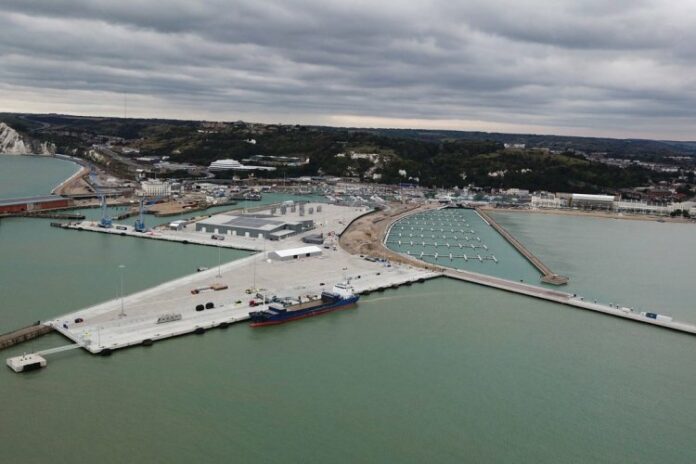
CPS appointed to provide cruise valet parking services at Port of Dover

0

CPS will utilise on-site and undercover parking facilities in the Port to offer safe and secure parking with a seamless transit to the terminal, and will also be responsible for bookings and marshalling for the facilities, ensuring a pleasant and hassle-free journey to Dover’s two cruise terminals.

CPS’ specialist service includes ease of booking via a call centre or website, personal meet and greets and car moving service from terminal to secure car park, safeguarding the vehicle during the passengers’ cruise and then return of the vehicle when passengers arrive back.

CPS’ customer experience includes bespoke hardware and software systems. Having booked to park and store their vehicles, cruise passengers arrive at their cruise terminal with their details and vehicle information downloaded to CPS operatives who meet them on berth. The software was developed entirely by CPS in-house IT specialists.

CPS reception staff on berth use Motorola handsets to verify booking by entering the vehicle’s registration. A key tag containing a bar code is presented to the customer and the bar code is scanned to confirm receipt of the vehicle. Photographs are then taken of the vehicle to verify any future claims and the vehicles are driven by CPS operatives to nearby secure car parks. Bookings can also be taken on site using a purpose-developed app that links back via the handset to the call centre server.

Paulo Oliveira, Head of Cruise Operations at CPS commented:

“As the UK’s most extensive provider of cruise passenger valet parking services, we are delighted to add the port of Dover to our network. We will work closely with the port to enhance cruise passenger experience, utilising the services and technology that have enabled us to provide a first-class service at other locations.”
Floating wind design turn-key software developed by industry partners

0

The project has been developed by a collaborative partnership that comprises floating wind power developer EOLFI (part of the Shell Group), renewables engineering consultancy Innosea, electrical engineering and numerical simulation consultancy Capsim, software providers AbyssCAD, and engineering school Centrale Nantes.

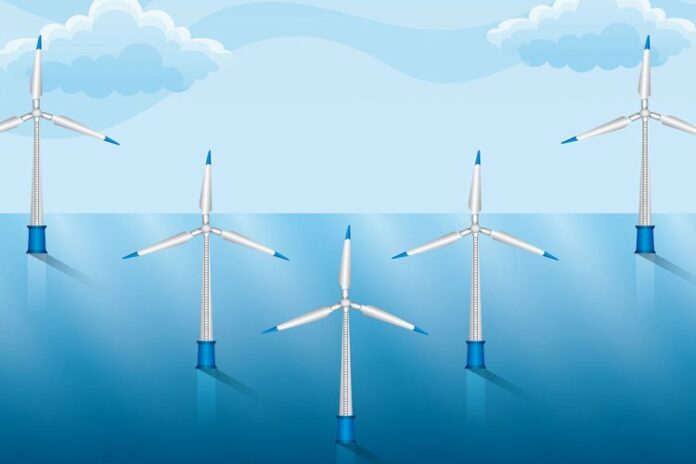
The software, called STATIONIS, is a first of its kind in the field of floating wind, and provides a turn-key solution for defining the optimal mooring design and inter-array cabling of a floating windfarm.

Hakim Mouslim, managing director of Innosea, an independent engineering firm that specialises in the renewables sector and is part of Oslo-listed AqualisBraemar LOC ASA, said:

“This is a unique all-in-one anchorage and electrical connection design software that provides the ability to design a floating wind power farm from the optimal architectural design of the anchors to the internal electric structure, to delivery at sea. It will be hugely beneficial to developers of floating wind farms.”

The STATIONIS software helps to design and scale the underwater architecture of a floating wind power farm. It also supports the decision making regarding electrical equipment and anchorage for a specific architectural set-up in order to optimise the performance of the underwater connections, outputting rapid calculations of economic and technical indicators.

Thomas Soulard, Centrale Nantes, said:

“STATIONIS is a one of a kind software, enabling early design considerations for moorings and cabling for floating offshore wind farms”

The tool can support decision-making in the development of floating windfarm projects at any stage of the design cycle and for any size and type of windfarm.

Matthieu Pettinotti, EOLFI, said:

“This software improves the design quality of floating wind farms from a technical, cost and risk perspective, it’s a very user-friendly decision-making tool that allows to find the optimal subsea configuration. It represents a substantial time-saver in the front-end engineering development phase.”

Norbert Contact, ABYSS CAD, said:

“We are very proud to have been selected to distribute this must-have software in the growing world of the floating wind industry”

Antoine Marzouk, Capsim, said:

“STATIONIS delivers optimised solutions for the electrical distribution grid, calculated by dedicated heuristic methods in considering both bathymetry and mooring constraints. Dynamic parts of electrical cables are also considered by calculating their 3-D position for every extreme meteorological condition”

On-shore power plant at Kiel’s Ostseekai inaugurated

0

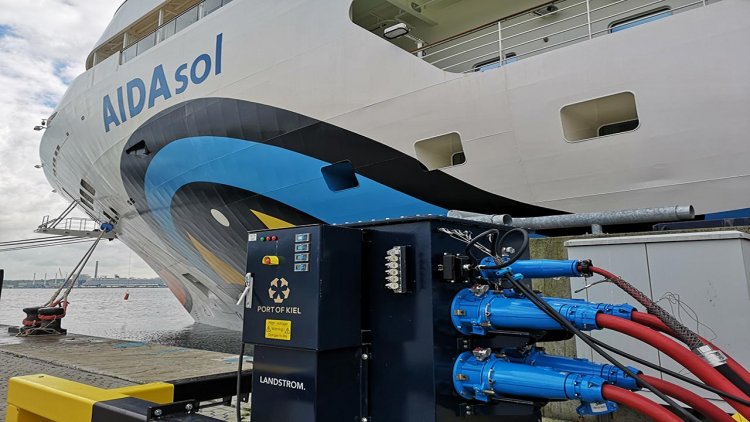
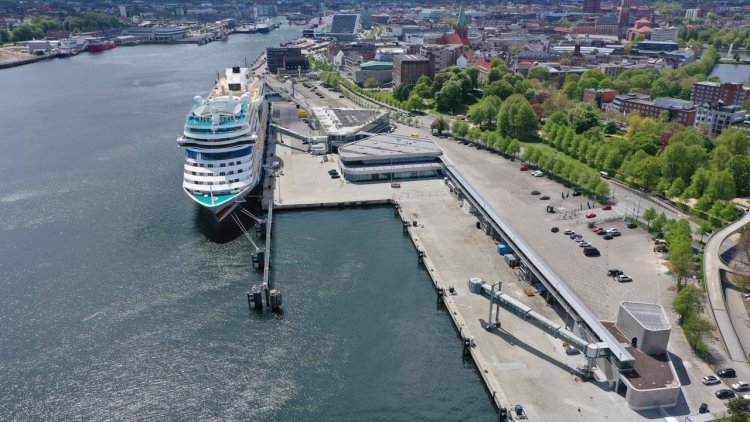
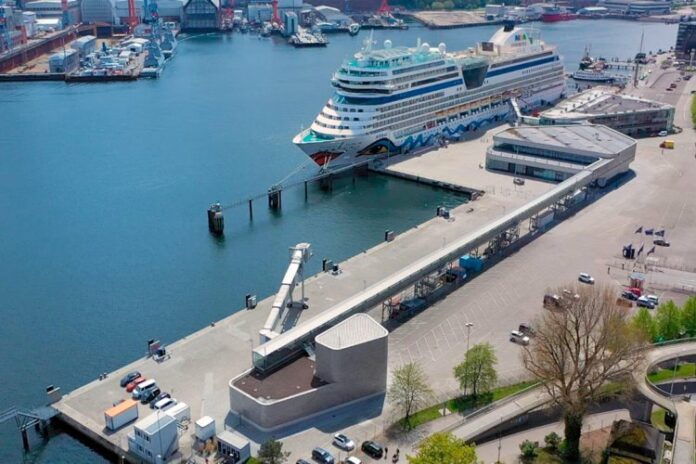
At the Ostseekai, the Minister of Economics, Transport, Labour and Technology and Tourism of the State of Schleswig-Holstein, Dr Bernd Buchholz and Kiel’s Lord Mayor, Dr Ulf Kämpfer, officially commissioned one of the most powerful on-shore power plants in Europe together with the CEO of the Costa Group, Michael Thamm and Dr Dirk Claus, Managing Director at the PORT OF KIEL. 

After the successful integration test, the “AIDAsol” was the first cruise ship to be connected to the shore power supply system on 16th June. With 16 megawatts, the facility can supply a cruise ship at the Ostseekai and the Stena Line ferries at the Schwedenkai in parallel with electricity produced from hydropower in a climate-neutral way. 

The state of Schleswig-Holstein supported the construction of the 13.5 million euro plant with about 9 million euros and successfully lobbied at the federal level for a reduction of the EEG apportionment on shore power. 

Minister Buchholz said:

“With this investment, which now enables shore power supply at a total of three locations in Kiel, the seaport should also be very far ahead in international comparison. The plant will save thousands of tonnes of CO2 and thus relieve the people in the state capital considerably.”

A good three years ago, on 26th April 2018, the State of Schleswig-Holstein, the State Capital City of Kiel, the PORT OF KIEL and the Costa Group signed the Memorandum of Understanding on the joint promotion of eco-friendly cruise tourism in the seaport of Kiel on board the “AIDAluna” at the Ostseekai. This set the course for the further intensification of cooperation with the aim of sustainably developing the maritime infrastructure, the economy and tourism in northern Germany.

Michael Thamm, CEO of the Costa Group, said:

“Sustainability, regional value creation and innovation are the focus of our actions. I am firmly convinced that this form of cooperation will also have a signal effect on other ports in Europe.” The on-shore power plant at the Ostseekai has been tested and certified with the “AIDAsol” since 17th May. The ship is to receive shore power in regular operation in Kiel with immediate effect.

The new on-shore power plant has also been supplying the Stena Line ferries with green electricity on a daily basis since the beginning of the year. This saves about 5,000 tonnes of carbon dioxide (CO2) per year at the Schwedenkai alone. For every cruise ship that is supplied with shore power, there is an additional saving of about 45 tonnes of CO2 on average at the Ostseekai. In addition, since May 2019, the Color Line ferries at the Norwegenkai have been connected to the shore-side grid, resulting in a further 3,000 tonnes less CO2 per year.

Mayor Kämpfer said:

“All inner-city terminal facilities now have a shore-side electricity connection. The Scandinavian ferry companies are leading the way in the use of electricity and I am very pleased that with AIDA Cruises the first cruise shipping company is now also using shore power in Kiel. In this way, we already cover the majority of the energy requirements of the ships berthed in the inner city area, emission-free and climate-neutral. We want to continue along this path and are already planning another on-shore power plant for the Ostuferhafen.”

Second Taiwanese contract for SMST gangways

0

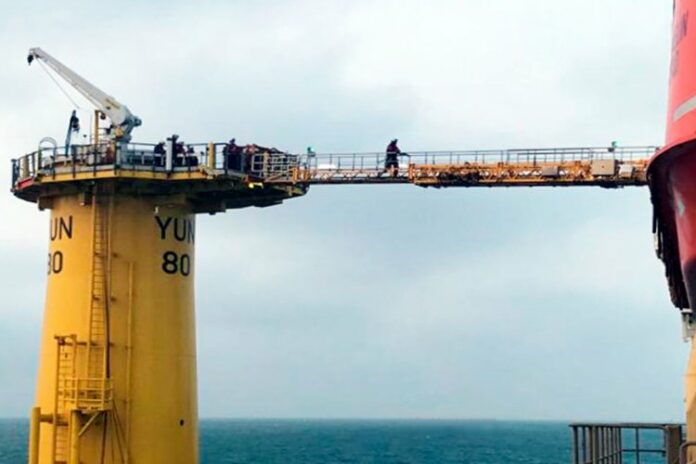
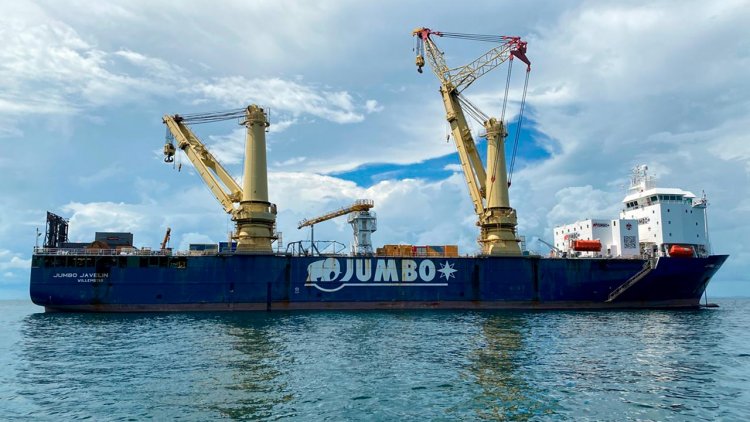
In March, SMST’s motion compensated gangway started operations for Jumbo Offshore in the Taiwanese waters on board the Jumbo Javelin. Soon, the delivery of the mission equipment for Ta San Shang Marine (including an access tower with elevator and gangway and a 3D crane) will be a fact.

In March, Jumbo Javelin started installing the first Transition Pieces for its wpd contract for the Yunlin offshore wind farm. With this the go-ahead was given for the technicians to cross the first SMST gangway to operate above the Taiwanese waters. Many safe transfers of Jumbo’s crew and cargo have since taken place.

Jumbo Offshore awarded SMST a rental contract for their motion compensated gangway, including stacking modules for working on height. Last year the gangway, the so-called Telescopic Access Bridge M-Series (TAB-M), was installed on board of Jumbo’s DP2 Heavy Lift Crane Vessel (HLCV) Jumbo Javelin. The mobilization of the walk-2-work solution in the port of Singapore, in partnership with Huisman Far East Services, was a good example of SMST’s worldwide availability and operational support, even in times of worldwide restrictions as a result of COVID-19.

After building up a solid track record in various parts of the world, SMST is entering the Taiwanese offshore wind market with its modular gangway for both Jumbo and the mission equipment for Ta San Shang Marine (joint venture of MOL and Ta Tong Marine), stated for delivery in Q3-2021. 

Jelle Dijk, Sales Manager at SMST, says:

“With our equipment we increase the projects’ efficiency by the continuous access of personnel and cargo. We hugely appreciate the trust we already have from several ship owners, major turbine manufacturers and oil & gas companies in other regions. We are excited with both contracts in Taiwan and feel honored to have the Taiwanese market experience the benefits from our access solutions.”

Trials of innovative smart navigation marker at Stockholm Norvik Port

0

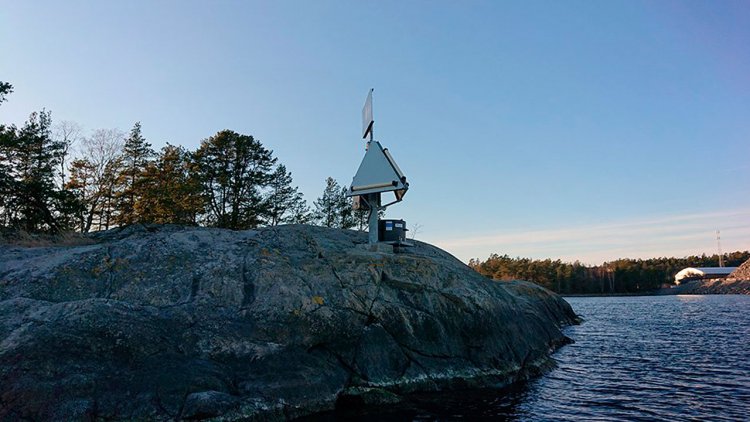
The fuel cell is part of a pilot project within the framework of the EU Intelligent Sea project, which aims to use digitalisation to increase safety and efficiency in shipping fairways.

One of four illuminated screens that guide vessel traffic in the fairway leading to Stockholm Norvik Port was equipped with the fuel cell unit in March. The fuel cell, which runs on methanol, provides a back-up to the existing solar cell panels that power the functions of the navigational marker. The pilot trial is part of the EU Intelligent Sea Project, which Ports of Stockholm is taking part in together with the Port of Naantali and the Finnish company Artica.

Artica has delivered all four of the digital smart navigation markers with illuminated screens that Ports of Stockholm is responsible for. The navigation markers have mobile network internet connection and can be monitored and controlled remotely.

Fredrik Lindstål, Chair of the Board at Ports of Stockholm, explains:

“This is an excellent example of how innovative and sustainable solutions are utilized at the modern Stockholm Norvik Port. Using exciting new technology from our suppliers, supported by EU funding, we have a climate smart solution that also contributes to improved maritime safety.”

The illuminated screens that are the focus of the pilot trial are powered by rechargeable batteries connected to solar cells. Solar energy is sufficient to power the smart navigational markers throughout the year in most of Europe and in the UK. In the Nordic countries however, with the much darker winters, this pilot project is developing the possibilities to support the markers with methanol fuel cells at times when sunlight does not provide enough energy. While the solar cell panels can supply the electrical needs during the summer months, the methanol fuel cells cover the supplementary power needed to replenish the batteries during the dark winter months.

Jonas Andersson, Nautical Coordinator at Ports of Stockholm, says:

“The methanol fuel cells help charge the batteries during the winter. This enables significantly higher energy use than the solar panels alone can generate, which in turn increases the possibilities to use supplementary equipment, such as weather stations, cameras and even 5G network connections.”

The small fuel cells have been on the market for a number of years, for example as back-up solutions for telecom systems and weather stations in remote locations, as well as for private use in boats and mobile homes. The fact that the method has not been more widely used in a maritime context may be because the salt in sea water has a corrosive effect. To mitigate this, Artica has developed a filtered ventilation system that is now on trial in the Stockholm Norvik Port navigational marker.

The EU Intelligent Sea Project will run from 2018 until 2022. The project is funded by an EU grant from the Connecting Europe Facility (CEF) programme.

Stena Line takes delivery of Stena Scandica

0

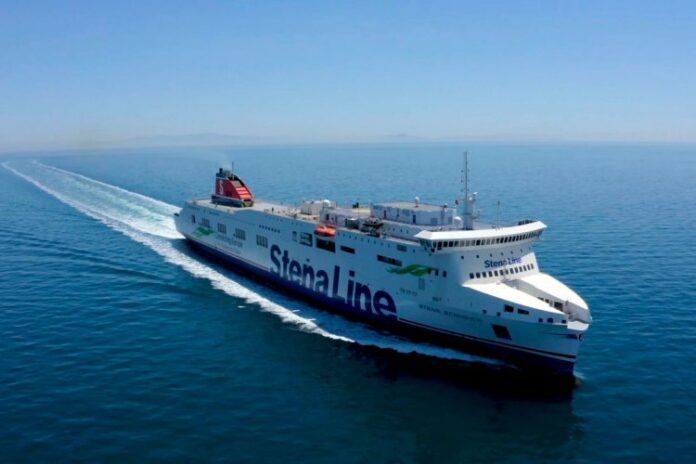
The vessel is the first of two Visentini vessels that are being lengthened and modernised by Stena RoRo at the Sedef Shipbuilding in Tuzla, Turkey.

Stena Scandica will start operating on Stena Lines route between Nynäshamn in Sweden and Ventspils in Latvia in the beginning of July.

Stena Scandica will now embark on a 10-day journey to her new home in the Baltic Sea where she will begin service in the beginning of July on the route between Ventspils in Latvia and Nynäshamn in Sweden. Later this year, sister vessel Stena Baltica will join Stena Scandica, and with both vessels in place, the total capacity increase on the route is 30 %.

Kongsberg USV to minimize Aker BioMarine’s carbon footprint

0

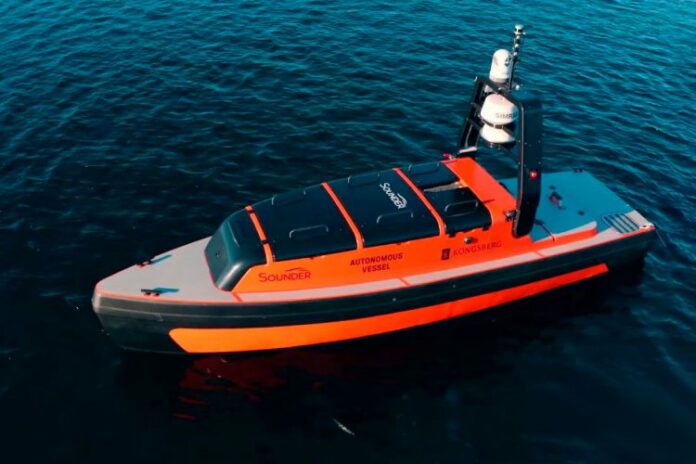
Aker BioMarine has ordered a new Sounder USV (Unmanned Surface Vehicle) from Kongsberg Maritime to further reduce their carbon footprint and optimize krill harvesting in Antarctica. 

Sustainable use of the ocean and marine resources is a key part of Aker BioMarine’s strategy. To achieve this, the company has invested heavily in technology that contributes to more sustainable fishery and fishery management. In order to collect detailed data on the krill biomass, Aker BioMarine launched an unmanned solar-powered ocean data drone (Sailbuoy) early in 2020. Now the company has made another important investment, buying a specially designed USV from Kongsberg Maritime.

Unmanned maritime systems are evolving rapidly, and Kongsberg Maritime has a history of making world-leading products for the hydrographic and subsea positioning industries. The company supplies more multibeam sonars, positioning and fishery systems to the offshore market than any other manufacturer. The new agreement with Aker BioMarine will give the biotech and krill harvesting company an even greater scientific edge for their operations in Antarctica.

Frank Grebstad, SVP Vessel Operations at Aker BioMarine, says:

“With this USV we will further reduce our fuel consumption when looking for krill. Data from the USV will help our vessels navigate more efficiently, and thereby help minimize our CO2 footprint. We chose Kongsberg Maritime because of their experience and technical expertise, and this USV represents a versatile and reliable platform to help us reach net-zero carbon emissions by 2050.”

As part of the agreement between Kongsberg Maritime and Aker BioMarine, the companies will co-operate to further develop the USV, together with scientific advice from REV Ocean, a not-for-profit company with a mission to make the ocean healthy again. REV Ocean gives scientific and technical advice into the project and looks for novel ways to better utilize the data from the USV in large international science programs and projects.

Nina Jensen, CEO of REV Ocean, says:

“This new agreement with Aker BioMarine is very exciting. The ability to collect precise data effectively from the ocean is important to make fisheries more sustainable. Further developing and advancing this technology will be invaluable in making the job of scientists easier.”

About the Sounder USV:

  • The Sounder USV is designed for optimal performance of hydroacoustic sensors and systems.
  • It is built around a robust 8-meter vessel hull, developed in cooperation with Viking Norsafe A
  • The USV can be remotely controlled from a shore station or mothership through Kongsberg Maritime Broadband Radio (MBR), or from further afield via satellite communications. Additionally, situation awareness sensors – such as RADAR and various camera systems – facilitate advanced mission autonomy.
  • Systems from Kongsberg Maritime’s range of sensors for hydroacoustic mapping, positioning, communication, fish finding, and oceanographic research are integrated into the USV.
  • The system configuration for this USV will help Aker BioMarine collect data for their fishery needs, but it can also collect data for scientific purposes.

Atle Gran, Area Sales Manager, Marine Robotics at Kongsberg Maritime, says:

“We´re proud to announce this contract and believe that our cooperation with Aker BioMarine has the potential to help the company substantially in their hunt to further reduce their carbon footprint. KONGSBERG is committed to sustainability and firmly believes that autonomous solutions such as our USVs and AUVs are key to greener maritime operations, and in helping us to learn more about the marine environment and how to interact with it in the least invasive way possible.”

Investigation: How a push to reduce LNG vessel emissions leaves the planet worse-off

0

Global efforts to reduce carbon emissions are accelerating and most industries are searching for new ways to reduce their carbon footprint in the years and decades to come.

Shipping is also under scrutiny and the International Maritime Organization (IMO) has set a carbon intensity reduction target, proposing strict technical requirements that are scheduled to be approved this year and take effect from 2023. One of the effects of these new requirements is likely to involve slow-speeding – a reduction of the maximum cruising speed of deep-sea vessels in a bid to reduce emissions.

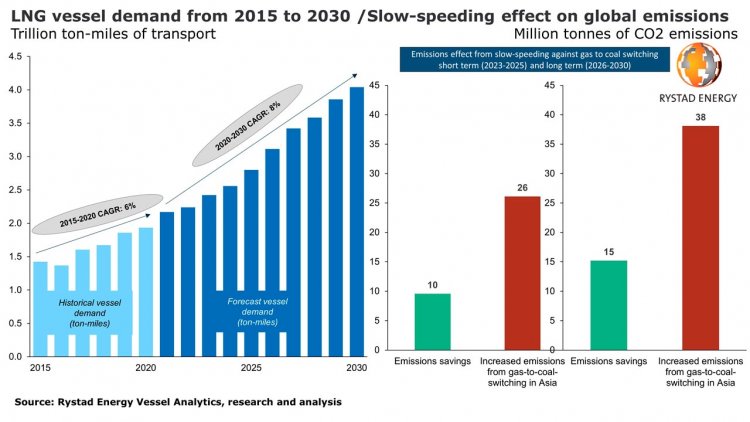
Despite the regulator’s good intensions, a Rystad Energy investigation reveals that if the IMO’s proposed technical requirements are applied on the world’s fleet of liquefied natural gas (LNG) carriers, the net result for the planet will be negative, as the global savings in the vessels’ CO2 emissions will be dwarfed by the pollution from gas-to-coal switching that the move would cause in Asia.

To comply with the requirements and achieve the IMO’s goal to reduce the carbon intensity of the shipping industry by 40% by 2030 compared to 2008 levels, Rystad Energy finds the most viable and cheapest option for steamers and slow-speed diesel (SSD) vessels is to limit their maximum speed to 15 knots, as these types of vessels constitute the highest emission rate per ton-mile travelled. Any of the other possible alternatives – such as scrapping and replacing vessels or modifying them – would be significantly more expensive.

The requirement is a considerable hurdle for the LNG shipping industry as approximately half of its current global fleet of 600 carriers are steamers or SSD vessels, and empirical data shows that an average LNG tanker travels at above 15 knots about 50% of the time. Although the speed limit would result in lower emission levels for the global fleet, it would also lead to a 3% average yearly shortfall in relation to the volume of ton-miles needed to satisfy LNG demand from 2023 to 2030.

Even if the fleet’s utilization improves by reducing the idle time for LNG carriers to a minimum – which could nearly nullify the effect on LNG deliveries to storage-flexible and well-interconnected Europe – it would still lead to an average yearly reduction of at least 1% in ton-miles that would affect the deliveries to Asia, the world’s largest consumer of LNG at continent level.

Meeting Asian LNG demand in the future will already be a challenge prior to any new emission restrictions by the IMO. Rystad Energy’s analysis shows that if the global LNG carrier fleet meets the growing ton-mile demand to satisfy Asia’s needed LNG imports this decade, adopting the IMO’s proposal would then strip Asia of at least 9 billion cubic meters (Bcm) of LNG for the three-year period between 2023 and 2025 and by 13 Bcm from 2026 through 2030.

Rystad Energy’s research shows that the accumulated emission savings from LNG vessels in the 2023-2025 period will amount to about 10 million tonnes (Mt) of CO2, far lower than the extra 26 Mt of CO2 that replacing the missed LNG imports with coal will generate. For 2026-2030, the fleet’s emission savings would total 15 Mt of CO2, still low when compared with the extra 38 Mt of emitted CO2 that will be caused by the increased burning of coal to substitute lost LNG volumes.

Oddmund Føre, vice president in Rystad Energy’s energy service research team, says:

“To offset the emitted CO2 from gas-to-coal switching and actually make IMO’s target meaningful for LNG vessels, a very large proportion of the lost LNG would need to be replaced through further expansion of renewable energy capacity in Asia.”

Rystad Energy’s scenario is rather conservative, Føre points out, and the IMO target could likely result in an even worse net footprint:

“It is also likely that the proposed regulations would lead to the retirement of numerous LNG carriers. Scrapping would remove fleet capacity and exacerbate the problem in Asia, as even less gas would arrive and more gas-to-coal switching would take place. Furthermore, this would cause higher utilization and day rates for LNG vessels, thus lifting LNG delivery prices and potentially contributing to even greater consumption of coal for cost reasons.”

MSC Cruises launches industry-largest charter air programme

0

MSC Cruises has chartered the industry-largest air charter programme for summer 2021 to make more ports of embarkation easily and safely accessible from a range of European countries.

Guests will have access to a seamless journey from their homes to the ship for their holidays at sea, all under the protection of the Company’s industry-leading health and safety programme now extended to also cover air travel.

This opens up a wide choice of ports, ships and itineraries this summer for MSC Cruises’ guests from Italy, France, Germany, Spain and Switzerland for sailings in the West Mediterranean, East Mediterranean and Northern Europe.

Gianni Onorato, CEO, MSC Cruises, said:

“As more of our fleet continues to return to service this summer, and our returning and new guests look to plan their holidays on one of our ships across Europe, we felt we had to respond to the impact that the pandemic has had on many airlines. As many are still not yet operating with a normal flight timetable, we wanted to give our guests from across Europe the peace of mind that they can reach their embarkation port in a seamless and safe way.”

MSC Cruises’ industry-leading health and safety protocol will be extended to apply to the chartered flights, which will be operated together with some of Europe’s leading airlines.

Mr Onorato added:

“We have utilised the experience gained since we returned to operations last August and will work with our aviation partners to apply our industry-leading health and safety protocol to the charter flights so that we extend also to that portion of the guest journey the social bubble of the ship. This is yet another example of how we are pushing boundaries and delivering another industry-first to provide our guests with the confidence and the peace of mind that they need to be able to fully enjoy their holiday with us.”

MSC Cruises has committed to charter flights between July and October – more than 26,000 seats – from airlines, including Iberia, Alitalia, Air France, Eurowings and Neos, to fly from convenient and accessible airports across Germany, Spain, France, Italy and Switzerland so that guests can arrive at convenient times at an airport close to their embarkation port ahead of the start of their cruise holiday.

With many airlines having to alter their flight schedules at relatively short notice as a result of changing travel restrictions MSC Cruises decided to take charge of the situation and charter aircraft to assure its guests that their air transport connections will take-off as planned and their holiday plans won’t be affected.

Inmarsat secures first Fleet Data Premium installation in Asia Pacific

0

Fleet Data provides data acquisition, processing, uploading, and interface links between engine and Nautilus Labs’ fleet optimisation solution so that Mitsubishi Ore Transport and Diamond Bulk Carriers reap rewards of big data without hardware expense.

Inmarsat has been pivotal in connecting digital stakeholders for Asia Pacific’s first Fleet Data Premium project. Delivered for Diamond Bulk Carriers, the project requires no new hardware to enable access to the Nautilus Platform for maximum fleet efficiency.

At a time when Covid-19 restrictions continue to hamper travel for marine engineers, Inmarsat drew on certified engineers at Japanese service partner JSAT MOBILE Communications Inc. to retrofit Fleet Data on a Mitsubishi Ore Transport Co. Ltd-owned vessel at Tsuneishi Shipbuilding. Fleet Data is an Internet of Things (IoT) platform with inclusive bandwidth, delivering full visibility of a vessel or fleet’s data anywhere and anytime.

Keng Hoe Toh, Business Development Director, Inmarsat Maritime, said:

“The Inmarsat service network supports maritime digitalisation worldwide. In this case the customer wanted Fleet Xpress and Fleet Data to support IoT-based fuel monitoring and management, installed in Japan at a moment when engine service attendance was not possible.”

With Inmarsat now offering ‘freemium’ Fleet Data with Fleet Xpress so that owners can use a limited number of shipboard data tags to trial IoT-based solutions without investment risk, Toh and his team devised a way to include more tags using ‘Fleet Data Premium’, enabled by a simple Modbus interface.

Matt Heider, CEO at Nautilus Labs, commented:

“Nautilus Platform enables Diamond Bulk Carriers and Mitsubishi Ore Transport to strengthen their partnership for fleet performance. Our interoperable solution integrates with Inmarsat’s data transmission to provide predictive insights and a decision support tool. With more and more regulations coming up, these companies set themselves up for success by optimizing fleet efficiency to reduce emissions and outperform in the market.”

Shusuke Miyazaki, Chartering and Business Development General Manager, Diamond Bulk Carriers, said:

“A value creation strategy that includes decarbonisation in logistics activities is a focus for Diamond Bulk Carriers in 2021. A solution that accelerates our engagement with smart shipping and data analytics also helps us to secure a competitive advantage in response to a rapidly changing business environment.”