0.4 C
New York
Home Blog Page 594

Wärtsilä and Tanger Med enable first real-life digital port call for Hapag-Lloyd vessel

0

Within the framework of a partnership previously announced between Tanger Med Port Authority and Wärtsilä Voyage – which aims at digitalising maritime port calls -Tanger Med, Hapag-Lloyd, and Anglo-Eastern Ship Management have succeeded in enabling the world’s first digitally controlled port arrival.

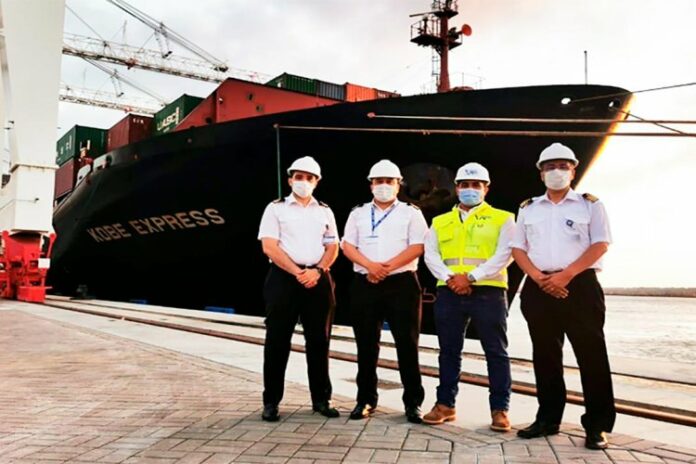
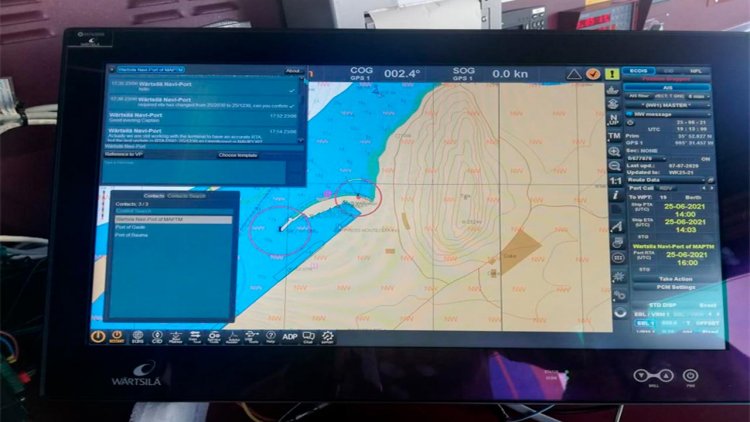
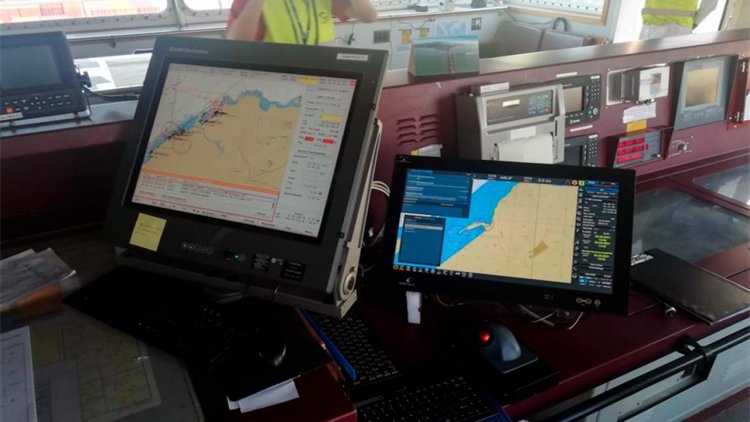
The ‘Kobe Express’, a container ship owned by Hapag-Lloyd and managed by Anglo Eastern, docked safely and on-time at Tanger Med port in Morocco on June 25 using the Wärtsilä Navi-Port system.

Wärtsilä Voyage’s Navi-Port system is a digital platform that facilitates the exchange of real-time data between ships and their destination ports to allow accurate arrival times. The system exchanges required time of arrival digitally with the onboard navigation system and allows a ship’s speed schedule to be adjusted for a Just-in-Time (JiT) arrival by the clicking of one button, thereby saving fuel and costly waiting time at anchor.

The Kobe Express, a Bermuda-flagged container ship with a carrying capacity of 4612 TEU, docked safely at Tanger Med on the Strait of Gibraltar on 25 June having sailed in from Cartagena in Colombia.
Dmitry Rostopshin, General Manager for Ship Traffic Control at Wärtsilä Voyage, said:

“This is a momentous accomplishment. We have moved beyond pilot and testing projects to real-life applications, and we see this as kick-starting a trend that will make both shipping and port operations more efficient and less carbon intensive.”

Wärtsilä Voyage and Tanger Med Port, the largest Mediterranean and African container port, are jointly developing a cutting-edge Port Management Information System (PMIS) with PortLink and featuring Wärtsilä’s Navi-Port system. A key aim of the PMIS is to facilitate JiT ship arrivals and enhance the port’s ship traffic control protocols.

Khalid Samir, Harbourmaster at Tanger Med, commented:

“Tanger Med is committed to providing high-level services to ship-owners and international maritime alliances to ensure calls in the best condition. This is an important milestone in our joint project with Wärtsilä.”

Bjorn Hojgaard, CEO of Anglo-Eastern, said:

“Anglo-Eastern has partnered with Wärtsilä to digitalise the operations of the more than 600 vessels in our managed fleet. We anticipate that the Wärtsilä technology will speed the execution and planning of voyages and allow us to better monitor fuel efficiency and engine performance for optimal operations. Congratulations to Capt. Kishor Dinde and his crew, and to everyone else involved in this successful digital docking of the Kobe Express.”
Ralf Belusa, Managing Director Digital Business at Hapag-Lloyd, said:

“Technology is moving forward quickly in the shipping industry, and this world-first achievement is evidence that we are entering an era of high efficiency and better environmental performance, which will benefit all industry stakeholders. Congratulations to Wärtsilä and Tanger Med Port Authority for helping to make this happen.”

Bruce Mills, Business Development Manager for Ship Traffic Control at Wärtsilä Voyage, said:

“A number of similar projects are well underway with other leading ports and shipping companies around the world. As the economic and environmental benefits of JiT operations are becoming increasingly clear to the maritime community, so Wärtsilä will continue to invest in developing our innovative solutions which also help to support the IMO’s decarbonisation and GHG reduction strategies.”
Vattenfall builds new European warehouse for wind turbines at the Danish Port of Esbjerg

0

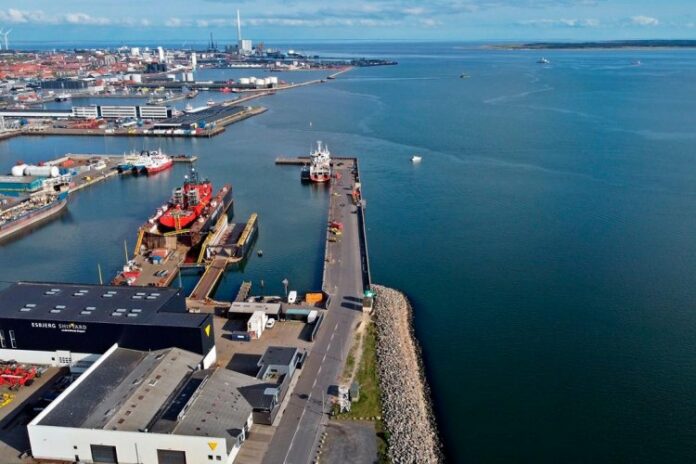
Soon the construction of a new, large warehouse facility will commence at the Port of Esbjerg where Vattenfall will establish a 2,100 sqm indoor warehouse and an 8,200 sqm outdoor storage facility.

It is from this central warehouse facility in Esbjerg that the major part of Vattenfall’s wind farms in Northern Europe will be supplied with critical main components such as gearboxes, generators, transformers, shafts and blades as well as the main components necessary for bringing the electricity on shore such as array cables and switchgear. The warehouse will be a supplement to the dedicated warehouses that will still serve the individual wind farms.

Pia Bonding, Head of Integrated Operations at Vattenfall, says:

”The Port of Esbjerg is the ideal place for us to build such a warehouse due to its central location in Northern Europe and the professional way the port is operated. It will provide economies of scale compared to having vital main components stored at several smaller locations, and it is a central part of our ambition to see growth in wind farms across Northern Europe.”

Vattenfall is operating more than 1,300 onshore and offshore wind turbines in Northern Europe dispersed across farms from Northern Sweden over Denmark to Germany and the Netherlands. Already today, the farms are monitored from Vattenfall’s local control room in Esbjerg and in future the town will also be the hub for a central warehouse for these wind farms.

The CEO of the Port of Esbjerg, Dennis Jul Pedersen, welcomes the new warehouse. He is in particular satisfied as he sees it as a confirmation that the strategy to lay out 150,000 sqm in the old ferry terminal to this type of projects is right.

Dennis Jul Pedersen says:

“It was a condition for Vattenfall that the building was close to the quay. It is part of the port’s strategy to be able to deliver this type of solutions, and the former ferry terminal has been laid out for this type of activity.”

The construction work will begin at the end of June this year, and is expected to be completed some ten months later. After that, the warehouse has to be stocked and made ready for operation in June 2022.

Approved development of Breidablikk field securing activity and jobs

0

The plan for development and operation (PDO) of the Breidablikk field in the North Sea has been approved by Norwegian authorities. Field investments are approximately NOK 18.6 billion. Production from the field is scheduled to start in the first half of 2024.

Equinor and its partners Petoro, Vår Energi and ConocoPhillips Skandinavia, submitted the development plans for the area to the authorities in September 2020. Estimated recovery from the field is around 200 million barrels of oil.

Arne Sigve Nylund, Equinor’s executive vice president for Projects, Drilling and Procurement, says:

“We are very pleased that the authorities have approved the development plans for the Breidablikk field. The development of one of the largest undeveloped oil discoveries on the Norwegian continental shelf (NCS) will create substantial value for Norwegian society and the owners, while securing high activity and jobs for many years ahead.”

70% of the value creation in the development phase goes to Norwegian companies, and contracts totalling NOK 8 billion have already been awarded to companies in Norway.

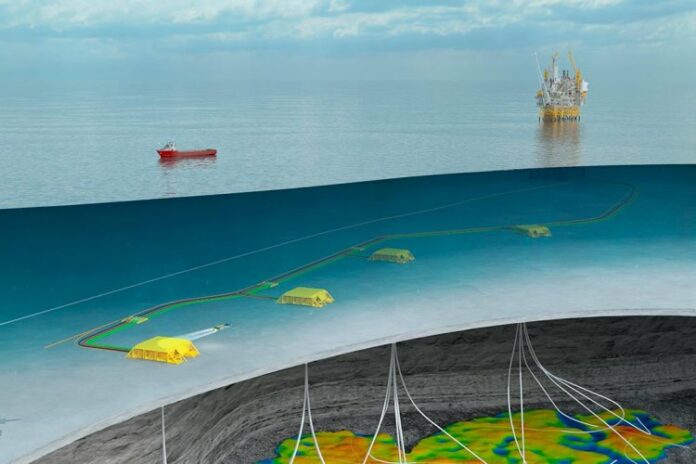
The Breidablikk development will include a subsea solution of 23 oil producing wells from four subsea templates. The field will be tied back to the Grane platform for processing before the oil is piped to the Sture terminal. The production will be monitored by high-tech digital tools from Equinor’s integrated operations centre at Sandsli, securing high value creation from the wells.

Kjetil Hove, Equinor’s executive vice president for Exploration and Production Norway, says:

“There are still large resources left in the ground and we have a world-class infrastructure on the NCS. The Breidablikk development shows how a competent Norwegian petroleum industry keeps developing innovative, cost-effective and future-oriented solutions with good social economy.”

The Breidablikk field development will include a separate cable for the supply of electric power and fiber optic communication from the Grane platform. This is a relatively new technology that can reduce the costs associated with any further development of the field, in addition to facilitating the use of docking stations for subsea drones on the seabed.

Breidablikk will be phased in during a period of falling oil production from Grane and will therefore help maintain the platform activity level. The project has started the modification work on the Grane platform.

Mercy Ships takes official delivery of the newest hospital ship Global Mercy

0

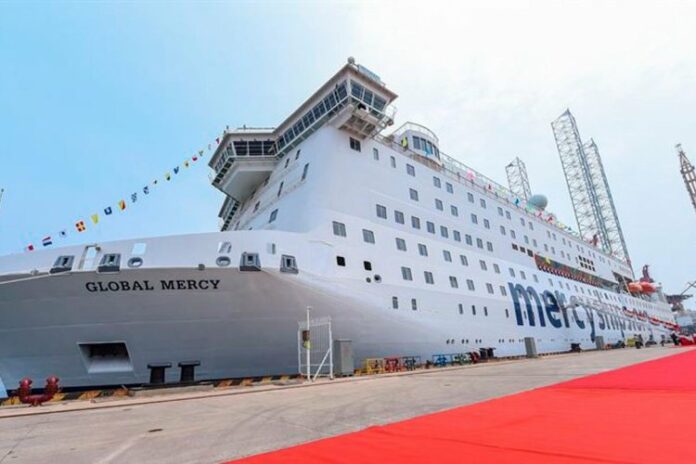
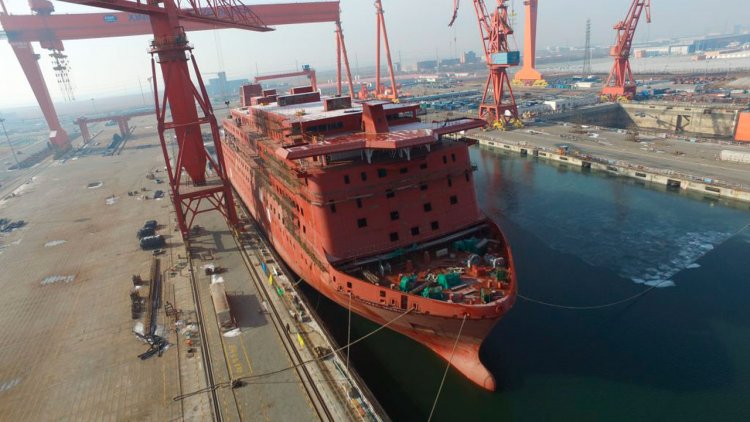
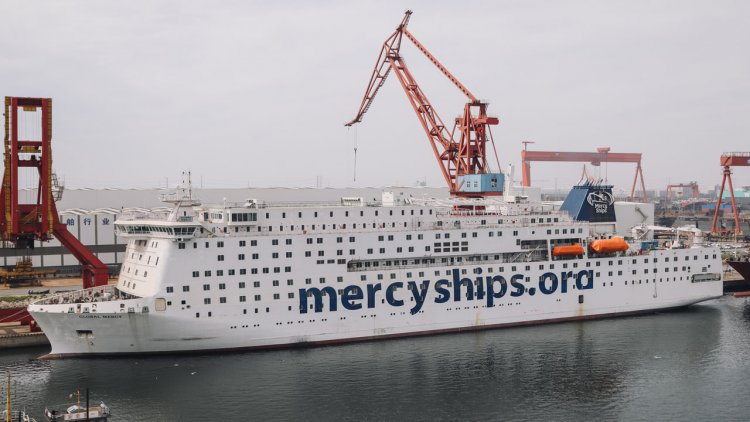
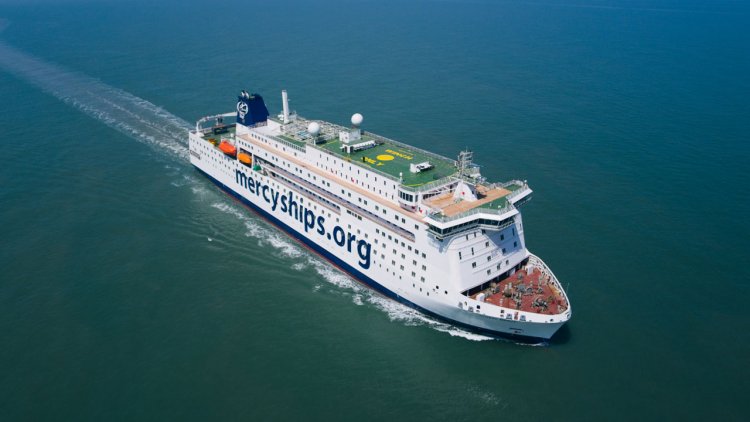
Global health charity, Mercy Ships, reports that after a completion and acceptance ceremony on June 16, followed by a handover celebration at the Tianjin Xingang shipyard this past week, the world’s largest civilian hospital ship, Global Mercy™, has successfully been delivered and the charity has taken possession of their brand new vessel.

The final handover of the newly constructed hospital ship from shipyard to owners was celebrated in the presence of representatives from Mercy Ships, project managers from Stena RoRo, together with shipyard management, joined by a remote audience of Mercy Ships staff and crew from around the world.  The traditional shipyard events are designed to wish happiness to the ship and its crew on the seven seas.  The building phase has now been officially completed and the charity is one step closer to the first surgery onboard

Don Stephens, Mercy Ships founder who spoke via video to those attending, stated:

”This day is a dream come true – not only for us, but for those we serve. African heads of states and ministers of health have often expressed a desire for more of their healthcare professionals to be trained in-country. This ship will do exactly that. Many who suffer from disability and disfigurement will have access to surgical treatment and whole-person care in healthcare systems that will enable them to reach their Godgiven potential. We hope that this new vessel and the volunteer crew who serve on her will bring hope, healing and transformation for the next 40-50 years.” 

Per Westling, CEO of Stena RoRo, said:

“We are very proud to take delivery of this special ship. The activities to be carried out onboard have placed special and high demands on the construction of this ship. For the yard, it was the first time this type of vessel was built – a challenge that they managed very well. For Mercy Ships, delivery means that their capacity to help more than doubles.  And at Stena RoRo we are happy to be a part of their fantastic work through Global Mercy.”

Mercy Ships has been working on this new ship project for more than eight years. Contracts were signed in 2013, and the keel laid in 2015. Sea trials were successfully completed in late April this year.

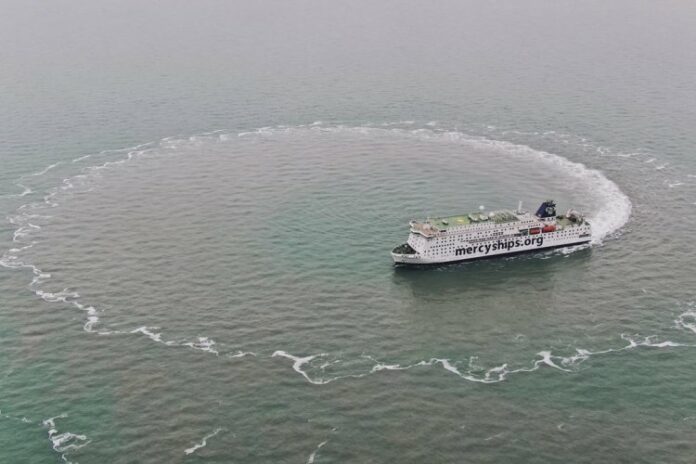
In July, the Global Mercy is scheduled to sail to Europe where, hosted by the Port of Antwerp from early September, the ship will be further outfitted with IT and medical equipment installations and soft furnishings.  Mercy Ships volunteer crew will also begin to join the ship in stages during this phase which concludes with open events in Rotterdam in Q1 2022 where the ship will be presented to sponsors, future volunteers, the media and other interested parties.  A further Africa welcome is being planned in Dakar, Senegal before the ship begins full operation.

Swedish shipbuilders Stena RoRo have been responsible for construction supervision of this unique project. French company Barry Rogliano Salles (BRS) acted as a broker, detailed designs were completed by Deltamarin in Finland and construction has been carried out in China. The Global Mercy is classified by Lloyd’s Register in the UK and sails under the Maltese flag. Many more companies from around the globe contributed to the ship’s completion which is a first of its kind.

ABB technology enables Global Mercy to access even the most challenging harbors

0

ABB’s Azipod® propulsion will help Global Mercy™ enter less accessible harbors off the African coast, while reducing vibrations and noise – crucial to the comfort of up to 200 patients and medical personnel on board.

The newest Mercy Ships vessel, the world’s largest purpose-built civilian hospital ship Global Mercy, has been delivered by Tianjin Xingang Shipyard in China during an official ceremony held on June 24, 2021. Global Mercy is equipped with two Azipod® propulsion units, as part of a comprehensive scope of electric, digital and connected solutions to optimize operation.

Renowned for its superior maneuverability enabled by 360-degree rotation, the Azipod® system will help the 174-meter ship to navigate through narrow passages and dock in shallow harbors, which are less accessible to other vessels. With many African ports being too shallow for large ships, and with limited or lacking tugboat availability, this feature of Azipod® propulsion will prove crucial for Global Mercy’s ability to deliver healthcare to those in need. Additionally, the Azipod® system’s pioneering design minimizes noise and vibrations, ensuring a smoother, quieter stay for patients and crew on board.

Specially designed by Deltamarin, with Stena RoRo responsible for vessel specification and project management, Global Mercy will feature six operating theatres, hospital wards for 200 patients, general outpatient facilities, ophthalmology and dental clinics, and its own laboratory. The vessel is expected to embark on its first medical air mission to sub-Saharan Africa in 2022, joining the charity’s existing vessel Africa Mercy and thus more than doubling the capacity of Mercy Ships to provide free healthcare.

Per Westling, Managing Director, Stena RoRo, said:

“As well as offering comfort levels equivalent to a high-quality cruise vessel, hospital ships must provide surgical procedures on the basis of need, making it critical that vibrations are kept to a minimum. In sea trials, the performance of ABB’s Azipod® propulsion was even better than anticipated, exceeding expectations on safe return to port and offering smooth and closely controlled sailing.”

Juha Koskela, Division President, ABB Marine & Ports, said:

“Global Mercy will change the lives of people who would otherwise have no access to high-quality healthcare, and we are honored to be involved in such a remarkable project. We are confident that the performance of Azipod® propulsion will contribute to the safe and successful provision of medical care on board and allow Global Mercy to support people in areas that would otherwise be too challenging to access.”

Arriving at the yard fully assembled, the Azipod® system is considerably easier to install than a traditional shaftline propulsion, plugging straight into the vessel’s hull. 

Mr. Haibo Mao, Construction Leader of Tianjin Xingang Shipyard, said:

“Ease of installation of the Azipod® propulsion system has been a decisive factor, as well as our previous successful collaboration with ABB on other passenger vessel projects.”

In addition to the twin 2.85-megawatt (3,821 HP) Azipod® units, ABB’s scope includes generators, switchboards, transformers and drives, as well as bridge controls for the propulsion system and the ABB Ability™ Marine Remote Diagnostic System, which allows the prompt detection and correction of faults on board.

Once in operation, Global Mercy will receive round-the-clock support from ABB Ability™ Collaborative Operations Centers, which serve over 1,000 ships worldwide. From these hubs, ABB experts monitor shipboard systems, coordinate equipment diagnostics, and offer predictive maintenance services, offering global 24/7 technical support. This support is essential for floating hospitals, which require the highest standards of safety and reliability.

MSC begins construction of Euribia, its most environmentally-advanced ship

0

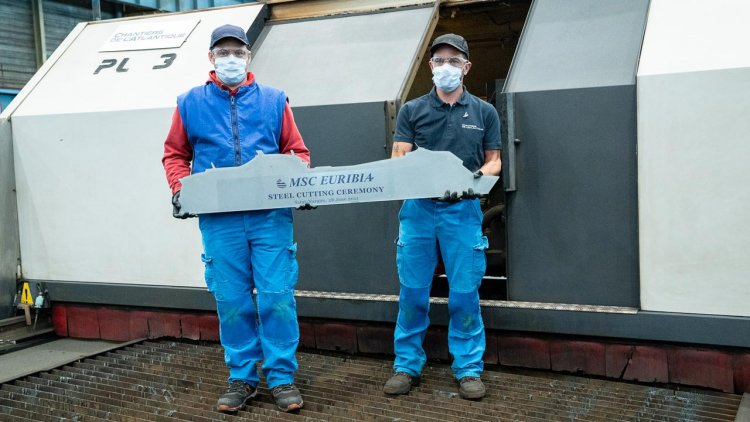
The first steel was cut today at Chantiers de l’Atlantique in Saint Nazaire, France marking the official start of construction of MSC Cruises’ most environmentally advanced ship to-date, and her name was also revealed. 

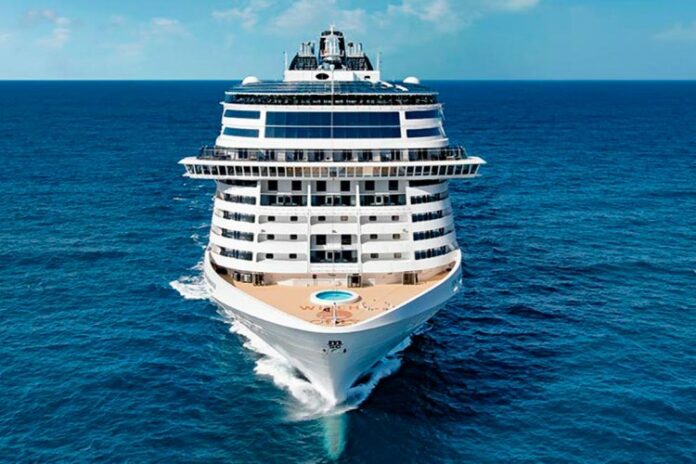
Set to come into service in June 2023, MSC Euribia will become the 22nd vessel in the MSC Cruises’ fleet and the second to run on liquefied natural gas (LNG), the cleanest marine fuel available at scale today. As every ship that joins MSC Cruises’ fleet, she will be equipped with some of the latest and most advanced technologies and solutions to minimise her environmental impact. The beginning of construction of MSC Euribia effectively marks another milestone in the Company’s commitment to environmental sustainability.

The start of her construction was marked by a traditional steel cutting ceremony in Saint Nazaire bringing the ship owner and shipyard together. As maritime custom dictates, MSC Cruises’ Executive Chairman Pierfrancesco Vago joined Chantiers de l’Atlantique’s General Manager Laurent Castaing to launch the cutting of the first steel for the new ship and, with it, the next step in MSC Cruises’ journey towards zero-impact operations.

Pierfrancesco Vago, MSC Cruises’ Executive Chairman said:

“Just as the ancient goddess harnessed the winds, weather and constellations to master the seas, our vision is for MSC Euribia to master the deployment of sustainable technologies to protect and preserve our precious marine ecosystem. This ship marks a new milestone in our journey towards net zero impact operations and is testament to our commitment to foster and develop next generation environmental technologies.

“As a family with over 300 years of seafaring heritage, we always seek to protect the environment to safeguard our way of life and protect the planet for future generations. With our first LNG-powered vessel already under construction, MSC Euribia will further reduce emissions using the latest available technology. She will be one of the world’s most environmentally high-performing contemporary vessels.”

LNG is by far the cleanest marine fuel currently available at scale and it virtually eliminates local air pollutant emissions like sulphur oxides (99%), nitrogen oxides (85%) and particles (98%).

In terms of emissions with a global impact, LNG plays a key role in climate change mitigation and MSC Euribia’s engines have the potential to reduce CO2 emissions by up to 25% compared to standard fuels. In addition, with the subsequent availability of Bio and Synthetic forms of LNG, this energy source will provide a pathway toward eventual decarbonized operations.

LNG is also key to the development of fuel cell solutions for shipping as these technologies cannot be operated with traditional fuels. MSC Cruises, Chantiers de l’Atlantique and a consortium of leading energy and technology companies are working on the development of a pilot LNG-powered solid oxide fuel cell technology for cruise ships that could achieve a further significant greenhouse gas emissions reduction due to the higher efficiency of this technology.

MSC Cruises is committed to powering at least three upcoming ships with LNG, representing a total investment exceeding EUR 3 billion. The first of these, MSC World Europa is currently under construction in Saint Nazaire and set to enter service in October 2022. Construction of the third vessel is set to commence in early 2023.

NYK conducts trial use of biofuel to advance decarbonization

0

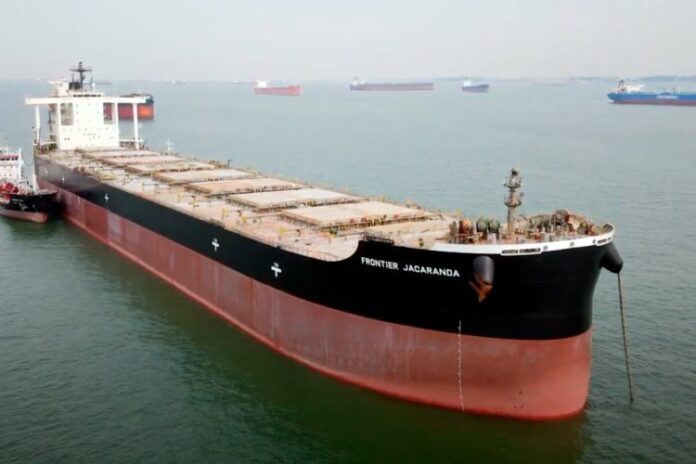
The test run was performed in cooperation with Anglo American, a global mining company, and Toyota Tsusho, a biofuel supplier, on a route to the Saldanha Bay, South Africa. This is the second test run performed, following one conducted by NYK bulk carrier Frontier Sky in Rotterdam port in 2019.

Biofuel is a fuel that is derived from renewable sources — in this case, waste oils such as used cooking oil. Biofuels are considered to be carbon-neutral because the carbon dioxide that is absorbed by the source of the biomass is equal to the carbon dioxide that is released when the fuel is burned, thus helping the fuel to gain more attention around the world.

In addition, because the emission of sulphur oxides (SOx) from biofuel is significantly lower compared to conventional fossil fuel, using biofuel helps meet regulations entering into force in 2020 capping sulphur content in marine fuels.

The biofuel used in this trial is made from waste cooking oil collected and refined in Singapore. The oil was originally planned to be disposed of, but is now being recycled and used in an environment-friendly way, thus contributing to the circular economy.

NYK is looking to contribute to the decarbonization of the shipping industry by accelerating the conversion of ships to alternative fuels through a series of biofuel trials at the port of Singapore, the world’s largest port of refueling.

On February 3, NYK released the NYK Group ESG Story, which aims to further integrate ESG into the company’s management strategy and promotes activities that contribute to the achievement of the SDGs (Sustainable Development Goals) through business activities.

To strongly promote ESG management, the NYK Group will encourage new value creation as a sustainable solution provider through a business strategy that includes the introduction of next-generation fuels, such as biofuel, which has a low environmental impact.

Wan Hai Lines confirmes orders for 12 new vessels

0

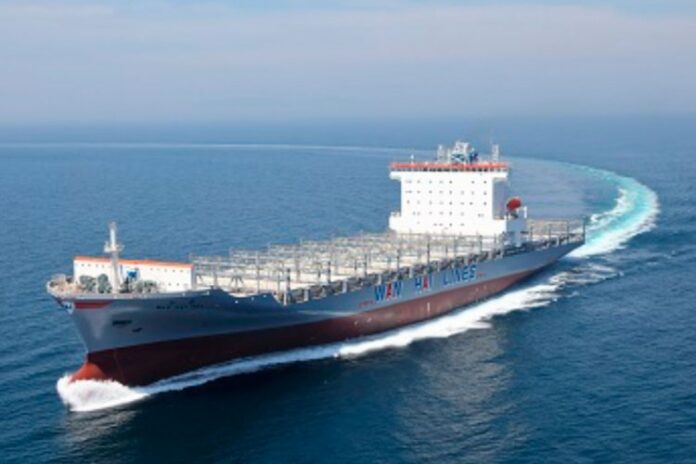
As part of the company’s fleet improvement plan, Wan Hai Lines has confirmed an order of twelve (12) 3055 Teu container vessels with Nihon Shipyard Co Ltd. (NSY) / Japan Marine United Corp (JMU).

The contract was signed on 28th June 2021. These new vessels will start taking delivery in end of July of 2023.

Currently, Wan Hai Lines operates a fleet of 86 owned vessels and 64 chartered vessels. This new shipbuilding contract is the company’s latest fleet renewal plan, so as to ensure that the company’s vessel fleet is able to maintain competitive and support continuous market development.

Eventually, the company hopes to deliver better service quality to its customers by more efficient vessel fleet.

Saipem strengthens its fleet with the bareboat charter of a latest generation drillship

0

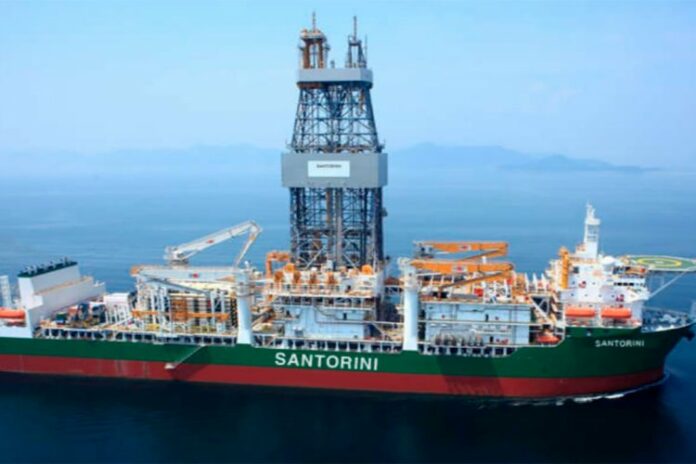
The bareboat charter of about two years duration allows Saipem to strengthen the competitiveness of its fleet without investing in new assets, but by leveraging its consolidated expertise in the selection and management of technologically advanced vessels.

The contract with Samsung still provides for the option to purchase the ship, which can be exercised at the discretion of Saipem depending on the trend of demand.

The Samsung Santorini is a seventh-generation drillship equipped with two 7 cavities anti-eruption devices (Blow Out Preventer – BOP), the highest standard for ultra-deep water drillships. The high-performance craft is capable of operating at water depths up to 12,000 feet (over 3,500 meters). The vessel holds the latest solutions in the field of digitalization and automation that guarantee high standards of safety and respect for the environment that place it at the top of the offer in terms of technology for ultra-deep-water projects.

Marco Toninelli, COO Drilling Offshore commented:

“Samsung Santorini enters the Saipem fleet with an innovative rental agreement and expands its offer with one of the best latest generation drillships, capable of carrying out operations with the best safety standards and protection of the surrounding marine environment. Santorini increases our production capacity and allows us to meet the demand for new contracts at a stage in which Saipem’s current offshore drilling fleet has almost full contractual coverage for the next few months”.

New data management solution to improve ship availability for Royal Navy

0

The Ministry of Defence (MOD) has awarded a five year contract to BAE Systems to provide a data management system to multiple ships in the Royal Navy fleet including the Queen Elizabeth Class aircraft carriers, Type 45 destroyers and the new Type 26 frigates.

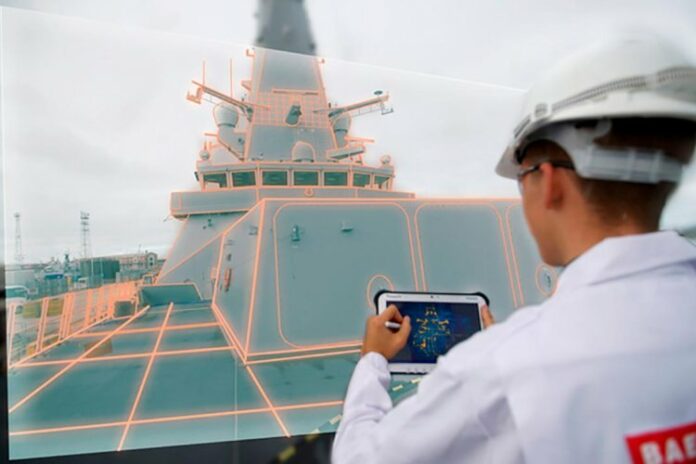
The BAE Systems tool, known as Support Information Knowledge Management (S-IKM), allows secure and efficient management of the vast quantity of data that is required to provide on-shore support and maintenance for complex warships, including technical manuals, schematics and part numbers. 

Using data analytics to inform through-life support and improve ship availability, S-IKM is designed to provide faster and more cost-effective support to ensure the right information is at the right place at the right time. It will play a fundamental role in the digital ambitions of the Royal Navy, drastically improving the operational support to service personnel at sea who will be able to reliably and easily access the information they need exactly when they need it.

S-IKM also provides a convenient and easily-deployable capability to allow the support of warships around the world. To better support warships, data needs to be shared efficiently and securely across the support enterprise, comprising the Royal Navy, the MOD and dozens of industrial suppliers. S-IKM enables this while allowing the MOD to retain ownership and control of its data.

David Mitchard, Managing Director, BAE Systems Maritime Services, said:

“This contract is a critical part of supporting the Royal Navy’s digital transformation. By delivering sophisticated data analytics and through-life support tools, we can significantly improve ship availability. Combining our digital expertise with a deep understanding of the Royal Navy and a genuine commitment to innovate, I’m confident we can make a real difference to warship support.”

Collaborating across industry, BAE Systems developed S-IKM by identifying and integrating specialist technologies from other expert suppliers. These include Eurostep’s ShareAspace product lifecycle management (PLM) collaboration software, TIBCO’s data management & analytics platform, and Genpact’s Cora SeQuence business process management software. Combined, these provide a powerful tool to allow the configuration and management of technical information across a wide range of ship support activities. This capability could also provide benefit to other complex defence assets, across the sea, air and land domains.

Graham Farnell, Engineering & Digital Services Director, BAE Systems Maritime Services, said:

“We’re proud to have won this highly competitive contract and to build on our support to the Royal Navy. As well as our digital solution, which will now support warships in the UK, we have another digital product based on similar principles which we’re already delivering to the Royal Canadian Navy, supporting the Halifax Class of frigates. Our digital capabilities are defining a new era of cutting-edge resilient data tools which can service complex international defence requirements.”

The S-IKM contract will be delivered as part of the MOD’s £1billion Common Support Model (CSM). The CSM framework combines existing separate support agreements for individual ship types into a single, more efficient and more manageable model. The result is set to improve the performance of service providers.