-0.9 C
New York
Home Blog Page 590

ABB enhances efficiency of Azipod® electric propulsion with digital solution

0

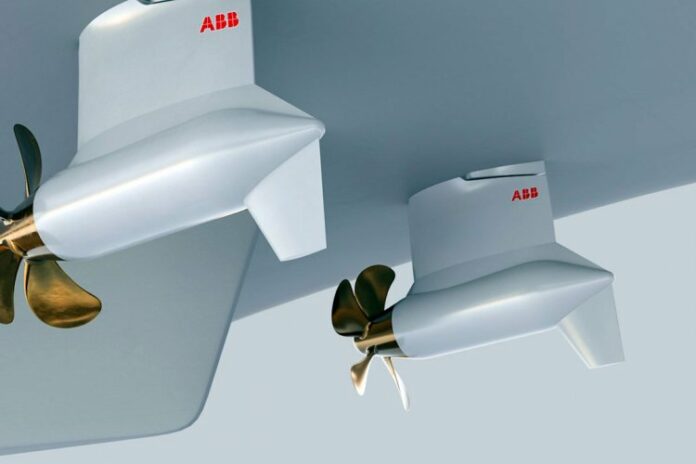
Already delivering decisive efficiency gains to an ever-increasing variety of ship types, ABB Azipod® electric propulsion now benefits from an automated steering function that helps further minimize fuel consumption and emissions.

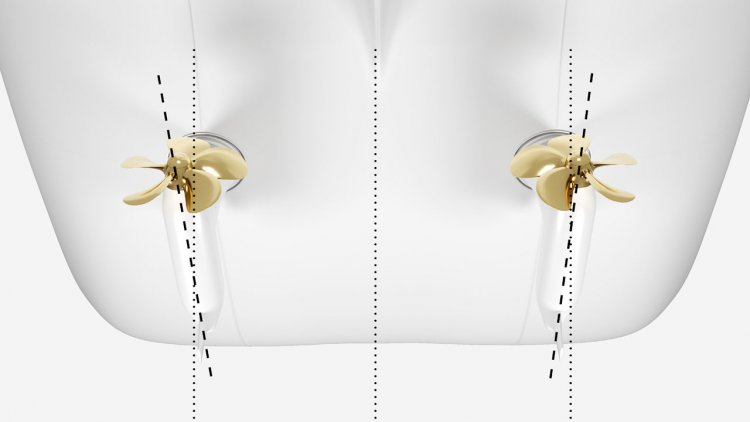
The new digital solution, ABB Ability™ OptimE – Toe Angle Optimization for Propulsion, supports crew in achieving maximum propulsion efficiency by automatically selecting the optimal steering angle for the ship’s Azipod® system. With ABB Ability™ OptimE, further fuel savings of up to 1.5 percent are achievable depending on a ship’s operating profile, in addition to Azipod® propulsion’s ability to cut fuel consumption by up to 20 percent when compared with a traditional shaftline setup.

Without requiring any additional skills from the crew, the digital solution adds a new dimension to proven Azipod® systems efficiencies, which have already saved more than 1,000,000 tons of fuel in the cruise sector alone. ABB Ability™ OptimE automatically adjusts the steering angle to achieve continuous optimal flow through the propulsors, taking prevailing operational needs and working conditions into account.

“Maximizing the energy efficiency of assets is a top priority for ABB and we are delighted to demonstrate yet further fuel savings and emission reductions in our Azipod® propulsion systems,” said Antto Shemeikka, Vice President Digital Services, ABB Marine & Ports. “We view the ship as a system where hardware and software operate seamlessly together to deliver maximum efficiency. We believe that every shipowner using Azipod® technology will want to capitalize on the further efficiency gains enabled by ABB Ability™ OptimE.”

Suitable both for newbuilds and retrofitting, ABB Ability™ OptimE is the latest example of the growing number of ABB Marine & Ports ‘Bridge to Propeller’ integrated solutions for ships, which include bridge control, sensors, digital reporting, automation, and propulsion technology.

ClassNK releases a tool for EEXI compliance

0

While efforts to build a decarbonized society are being accelerated such as through strengthened GHG reduction targets in various countries and with the progress of sustainable finance, a framework for assessing GHG emissions has also been introduced to MARPOL. The shipping industry is now required to plan and manage GHG emissions in an organized manner.

ClassNK commits to supporting clients engaging in the shipping business in planning and managing GHG emissions in daily operations for the pursuit of zero-emission, and is working on the enhancement of its service portfolio to provide GHG emissions management system certification, GHG emissions management tools, verification and evaluation of GHG emissions, and support on measures for GHG emissions reduction.

As the initial step, ClassNK has released “EEXI Simplified Planner”, an assessment tool for the Energy Efficiency Existing Ship Index (EEXI), which will apply from 2023. EEXI Simplified Planner provides the approximated calculation of a ship’s EEXI by inputting DWT and MCR, and identifies whether the value complies with the regulation. If it does not meet the requirement, the tool suggests the extent of engine power limitations (EPL) for compliance, and supports decisionmaking on how to comply with EEXI regulations. EEXI Simplified Planner, covering bulk carriers, gas carriers, tankers, container ships and RO-RO cargo ships, is available on the EEXI page of ClassNK’s website.

Meanwhile, following the evaluation tool for the Carbon Intensity Indicator (CII) rating that has already been released, ClassNK is now upgrading functions of its monitoring & reporting solution “ClassNK MRV Portal” to support decisionmaking for improving the CII rating.

Crown LNG awards FEED contract to develop Kakinada LNG terminal

0

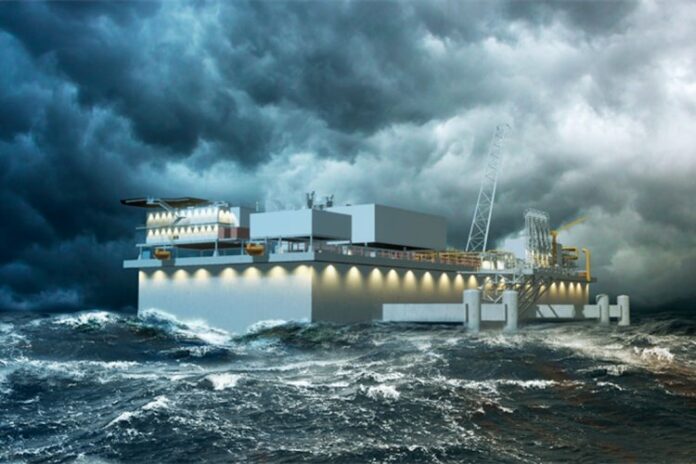
Crown LNG, a Norwegian group which specialises in developing LNG infrastructure for harsh weather conditions, has entered into an agreement with Aker Solutions as the main contractor to deliver a gravity-based structure (GBS) in concrete for Crown’s offshore LNG terminal at Kakinada, India.

Further, SiemensEnergy and Wärtsilä Gas Solutions have been assigned as key subcontractors to Aker Solutions for the project. Siemens Energy will develop the power generation and distribution system as well as the platform control system,while Wärtsilä will develop the re-gasification system for the LNG terminal.

Under the agreement, Aker Solutions and key subcontractors will first conduct the front-end engineering and design for the LNG terminal. Upon final investment decision, Aker Solutions will take on the role as EPCIC contractor for the project.  

GunnarKnutsen, CEO of Crown LNG AS, which is Crown LNG’s project services company, says:

“This LNG terminal will be based in a location exposed to monsoon seasons, which requires partners with the best track record from harsh environment projects. This is why we have engaged Aker Solutions, Siemens Energy and Wärtsilä.”

Crown LNG has an exclusive agreement to finance, build and lease to its client KGLNG, a subsidiary of East LNG. KGLNG is the company that has the license to establish the LNG receiving terminal at Kakinada while East LNG is the holding company that owns KGLNG. Crown LNG has also been contracted for operations and management of the facility, through the 25-year lease period.

The offshore LNG receiving terminal which will be located offshore approximately 19 kilometres north-east of Kakinada on India’s east coast, approximately 11 km from the shoreline.

Crown LNG has opted to develop the LNG terminal as a gravity-based concrete structure that sits on the seabed. This solution will be able to withstand the harsh weather conditions the Indian monsoon season presents, which enables a 365-day operating window for the terminal. KGLNG’s license has recently been updated to reflect Crown LNG’s solution and 365-days operational window.

Under the agreement, Aker Solutions will be overall responsible for technical development and execution of the project. This includes the GBS itself as well as all topsides facilities that are not delivered by Wärtsilä and Siemens Energy. AkerSolutions will also be responsible for construction, including identifying a construction yard in India where construction of the GBS will take place, plus installation and hook-up the topsides process and utilities.

Aker Solutions has designed and built concrete GBSs in rough North Sea and Artic watersfor the past four decades and has also delivered the world’s first LNG offshore terminal in concrete, the Adriatic LNG Terminal.

The LNG terminal will be built with an annual re-gasification capacity of 7.2 million metric tonnes per year. Wärtsilä will, as a subcontractor to Aker Solutions, be responsible for the regasification system, including the boil-off handling and fuel gas systems. Wärtsilä has delivered similar regasification systems for more than 20 floating storage regasification units (FSRUs) all over the world.

Another key subcontractor on the project is Siemens Energy, which offers products and solutions for power generation and distribution onshore and offshore.

Siemens Energy will deliver power generation and electrical distribution system onboard the GBS, including all control systems.

SOCAR official: Explosion did not take place on Umid platform

0

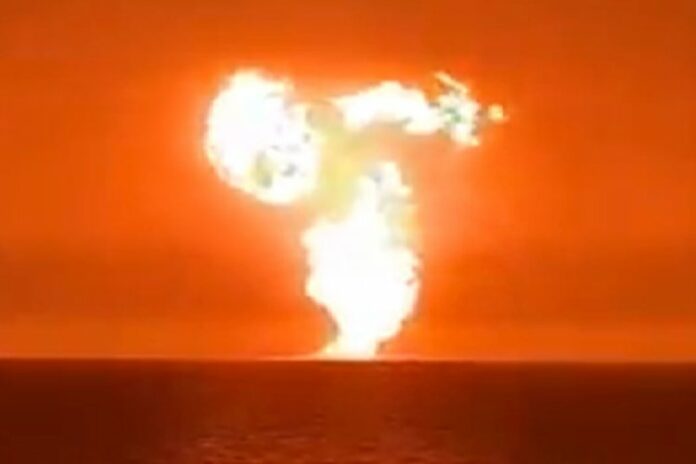
Azerbaijan’s Oil Workers’ Rights Protection Committee said fire had broken out at the Umid gas field at an old exploration site. SOCAR denied this.

Azerbaijan’s state energy company, SOCAR, said on Sunday its offshore gas platforms in the Caspian Sea were safe after media reports of a large fire in the area.

The statement reads:

“There have been no accidents on offshore platforms and industrial facilities under the direct control of SOCAR, and work is continuing normally. The initial suspicion of an explosion at sea in the direction of Alat is the eruption of a mud volcano.”

Ibrahim Ahmadov, deputy head of SOCAR’s public relations and events department, said the blast took place 10-12 km from the Umid field. No explosion occurred on any of SOCAR’s platforms.

Offshore fields are the main source of Azeri gas output, the bulk of which the former Soviet republic exports to Europe.

On July 2, fire breaks out near Pemex offshore platform

Sources: Reuters, APA

Carnival Cruise Line returns to guest operations from PortMiami

0

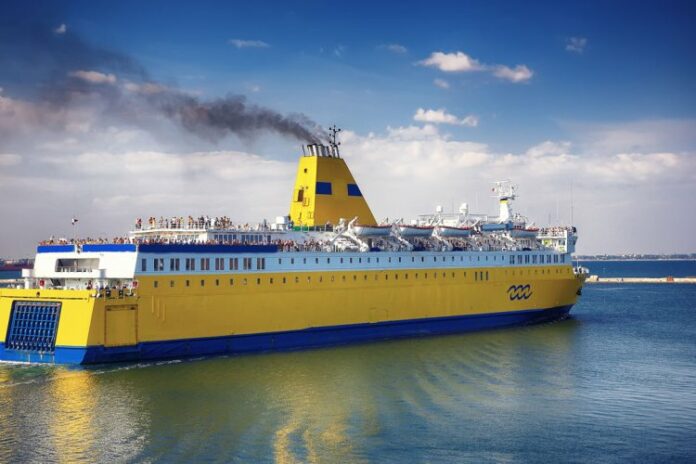
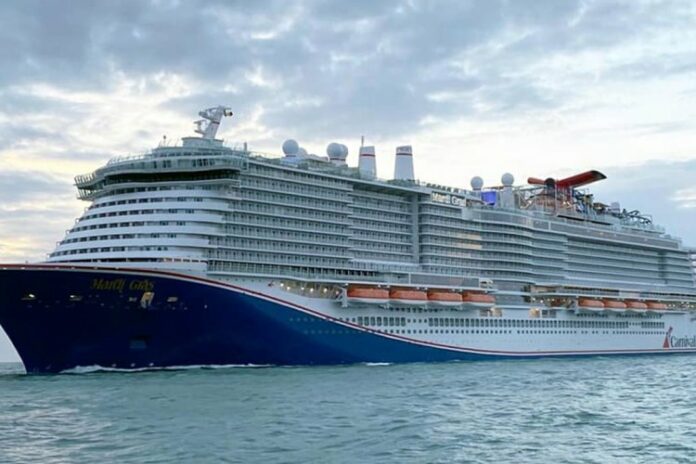
Carnival Cruise Line kicked off its first cruise from in almost 16 months from PortMiami, The Cruise Capital of the World, today with the departure of Carnival Horizon, providing a significant boost to the local economy and the tens of thousands of jobs in South Florida that are supported by the cruise industry.

Carnival’s resumption of service in Miami provides guests with a much-anticipated vacation and is a further boost to the economy both locally and throughout the state.  Florida is number one in the nation in cruise embarkations with the cruise industry contributing more than $9 billion in direct purchases and responsible for over 159,000 jobs.  In Miami-Dade alone, cruise activity generates approximately $7 billion of spend and 40,000 jobs annually.  Of the 437,000 cruise industry-supported jobs in the USA, nearly 37% are in Florida.

Carnival Cruise Line President Christine Duffy, Carnival Corporation President and CEO Arnold Donald and Carnival Brand Ambassador John Heald kicked off the festivities with a ribbon-cutting ceremony officially welcoming guests on board.  Prior to Duffy’s remarks, a moment of silence was held to honor those affected by the tragedy in Surfside.

Duffy said:

“PortMiami is our number one homeport in terms of ships and passenger embarkations and today’s return to cruising with Carnival Horizon represents an important first step in getting our company back to business while infusing much-needed capital to the thousands of workers who rely on the cruise industry for their livelihood. The past year has been challenging to say the least and I wish to thank our state and local officials, PortMiami, and our business partners and suppliers for their incredible support and patience during this time.”

Torin Ragin, president, International Longshoremen’s Association (ILA) Local 1416, said:

“The restart of cruise ships from Miami is an exciting day for Miami’s longshoremen. We have approximately 800 members at PortMiami and their wages dropped as much as 80% during the nearly 16-month cruise suspension.  Today with Carnival Horizon’s first sailing, we get back to work and look forward to supporting our families again.”

The missing ‘plastic sink’ in the ocean

0

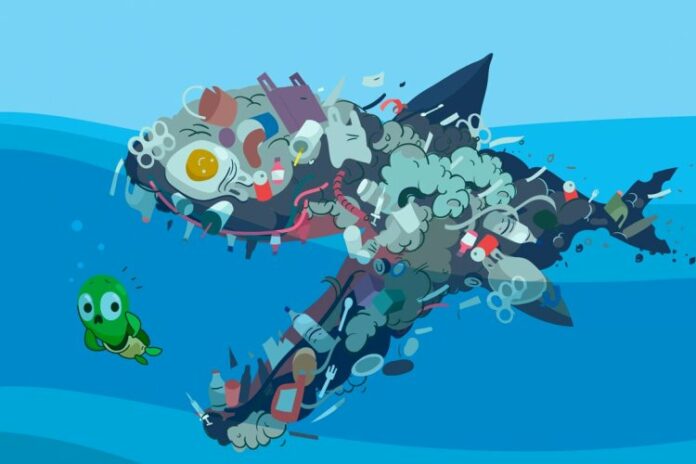
Plastics are a growing problem for natural ecosystems around the globe, and in particular for our marine and freshwater environments. Rivers are the leading source of plastic pollution, as it has been estimated that they deliver several million metric tons of plastic annually to our oceans from poor land-based waste management.

The problem is that the estimates made for plastics flowing from the rivers are tens to hundreds of times higher than the quantity of plastics floating on the ocean’s surface. So where is all of this river-derived plastic actually going—is there a missing plastic ‘sink’ somewhere in the ocean? Are the estimates correct?

In a paper was published in Science, Dr. Lisa Weiss and her colleagues from the Centre of Education and Research on Mediterranean Environments (CEFREM), a joint research laboratory between the University of Perpignan (UPVD) and the French National Centre for Scientific Research (CNRS), and a team of researchers from a number of research institutions in France and the University of Barcelona in Spain demonstrate that current river flux assessments are overestimated by two to three orders of magnitude from previous estimates. This would explain why a large volume of microplastics seems to disappear into a mysterious ocean ‘plastic sink’.

However, these findings do not suggest that plastics are less of a problem than previously thought. In fact, through their analyses, researchers actually found that plastics remain at the ocean’s surface much longer than previously estimated—further exacerbating the effects of plastic pollution on natural systems.
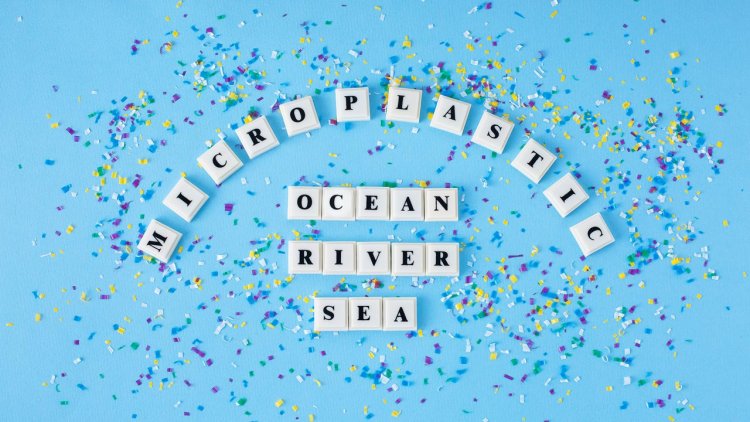
Rivers are the main source of plastic discharge into the oceans. According to current assessments, the floating stock of microplastics on the ocean’s surface—from tens to hundreds of metric tons—is just a small fraction of the millions of metric tons that are discharged by rivers each year. This unequal balance has led to the ‘plastic sink’ hypothesis whereby the amount of microplastics in the ‘plastic sink’ plus the plastics at the surface would equal those presumably discharged by rivers into the sea.

According to the study’s lead author Dr. Lisa Weiss from the CEFREM laboratory at the University of Perpignan:

“The in situ data that we now have for microplastics in rivers, compared to early empirical modeling studies, allowed us to assemble a robust database which we were then able to analyze to obtain a more reliable estimate for the quantity of microplastics being discharged from rivers into the sea. This process revealed several significant methodological errors in previous flux estimates. When we then corrected these mistakes we found that the global river flux estimates are two to three orders of magnitude less than previously thought. Further, we found that the average residence time for microplastics at the surface of the oceans may actually be a few years as opposed to only several days, as previously estimated.”

Professor Miquel Canals, head of the Consolidated Research Group on Marine Geosciences at the University of Barcelona and one of the co-authors of the study, states:

“We can now confirm that the search for the missing ‘plastic sink’ is over, as the missing plastics have been found through the correction of the river flux estimate.”

The new study identifies the main methodological mistakes which led to inaccurate assessments of the fluxes and overall mass of microplastics discharged by rivers into the sea at a global scale. In particular, mistakes were made because of a systematic overestimation of the average microplastic particle weight in river samples; from the integration of incompatible data that were obtained through different sampling techniques; and from assessments based on the relation between microplastic fluxes and the MPW index (mismanaged plastic waste).
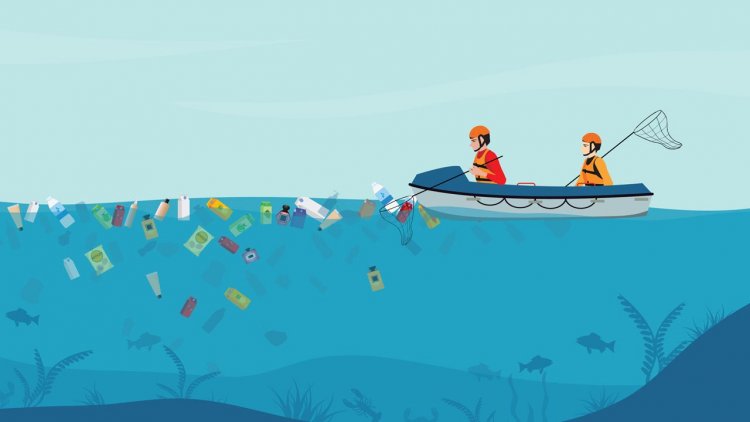
Marine waste does not care about borders and has reached the most remote corners of our oceans and seas. According to Dr. Wolfgang Ludwig, the Director of the CEFREM laboratory and co-author of the study:

“The only way we are going to have a chance at winning the fight against microplastic pollution will be to target the sources where microplastic waste is generated. We need to take action at the human level. We need to change our consumption habits, better manage our waste and we need to do this at a global scale.”

“Our study shows that marine microplastic pollution not only comes from developing countries—with little to no waste management—as one might think, but also comes from countries with well-established waste management systems. If we were to stop the discharge of microplastics from rivers to the sea today, the amount of floating particles and their harmful effects on marine ecosystems would persist for at least another several years.”

The impacts of plastics on the marine environment is an emerging field of scientific research that has generated a large number of scientific publications over the last few years. Still, we have only just begun to understand how plastics cycle in the oceans. There are many plastic size classes, oceanic compartments and land-to-sea transfer processes for which further research is urgently needed to properly evaluate the stock sizes and exchange fluxes between compartments. Going forward, we will need the best available science if we are to have a chance at winning the battle against plastic pollution. To do this, the scientific community must work together to overcome inertia from the past, correct mistakes and work with common protocols and guidelines in order to provide the best possible decision-making advice needed to protect our oceans and seas.

VIDEO: TU Delft students present world’s first ‘flying’ hydrogen boat

0

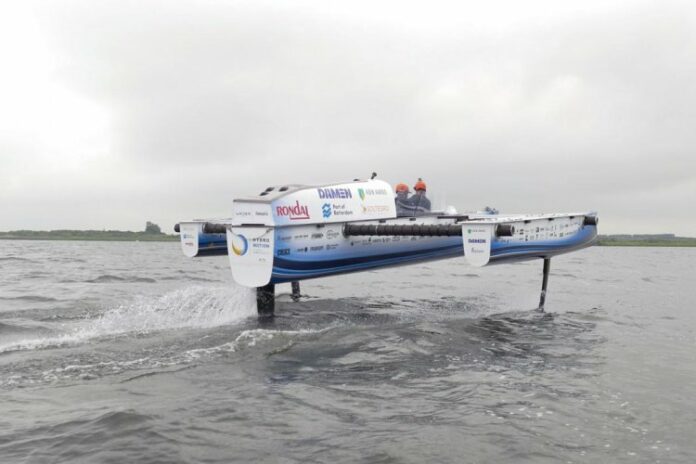
The trimaran design weighs over 1000 kilogrammes. At a speed of 22 kilometres per hour, the hydrofoils lift the boat from the water while being powered by hydrogen.

New technology unlocks new insight from old offshore wells

0

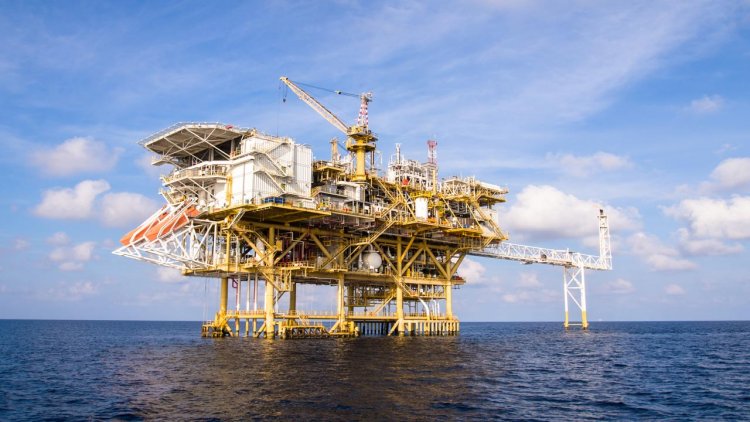
The Norwegian Petroleum Directorate (NPD) has been involved in two studies to see if machine learning and artificial intelligence can be used to study well logs from existing wells to find hydrocarbons that were potentially overlooked, so-called “potential missed pay”.

Potential missed pay are intervals in the wells that were not registered as hydrocarbon-bearing when the wells were drilled, but later analyses show there could be hydrocarbons there.

The NPD contributed to a study commissioned by British authorities that was completed in 2020. The study showed that there are numerous wells with potential missed pay.

Now, Earth Science Analytics (ESA) has followed up this study, on assignment from the NPD, and reviewed 545 wells in the North Sea. Most exploration wells in the North Sea have now been analysed to find potential missed pay.

In the most recently updated resource accounts, the NPD estimates that there is a lot of oil and gas left on the Norwegian shelf. As of now, about 1,250 exploration wells have been drilled in the North Sea. Despite many discoveries, more than half of the wells are dry.

Torgeir Stordal, Director technology and coexistence at the NPD, says:

“By releasing the analyses and underlying data from the studies, we want to challenge the industry to use this to discover new resources and gain new geological insight.”

Well analyses can be very time-consuming, and are therefore only conducted in areas of particular interest. With new digital tools that use machine learning algorithms and artificial intelligence, industry players can now conduct well analyses for vast volumes of data in a short amount of time.

Stordal says:

“New technology allows us to use existing data from the shelf to provide insight that would previously have required significant investments. The industry can use the analyses, and we hope that the new methods will inspire innovation and, over time, yield increased value creation.”

ESA also integrated seismic with well data in the Fram area in the northern North Sea. They have created several three-dimensional datasets with the following reservoir properties: lithology, porosity and water saturation. Initially, the intent has been to test a new technology that enables faster and less expensive integration of well and seismic data.

The technology has the potential to provide new information about the subsurface that can contribute to improve the value of the underlying data, which will be beneficial for exploration and developing new and existing oil and gas fields.

The potential missed pay intervals were registered as such by ESA when the criteria for good reservoir properties and the possibility of hydrocarbon storage were satisfied. The project identified and classified about 350 such intervals according to thickness.

Stordal adds:

“The result can be used to improve our understanding of the petroleum systems in the North Sea and can hopefully lead to new discoveries.”

The Norwegian Petroleum Directorate will release the data from the analysis. This includes well logs prepared for machine learning and other analysis, lithology, porosity, water saturation, as well as intervals of potential missed pay.

The three-dimensional data sets from the Fram area will initially only be used for internal analyses.


USDOT awards $49M infrastructure grant to Port of Philadelphia

0

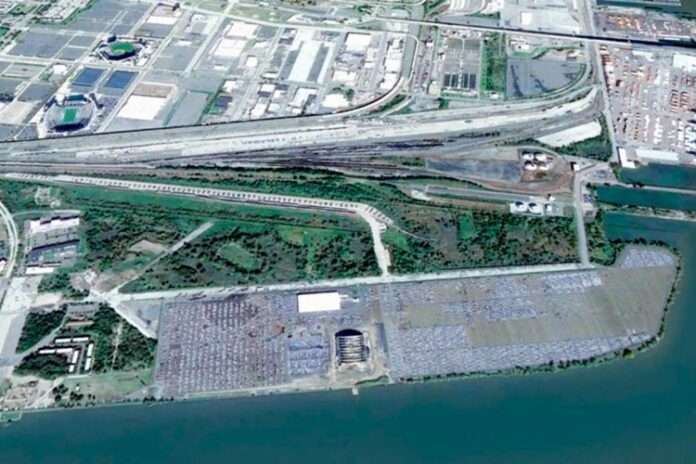
PhilaPort has been selected by the U.S. Department of Transportation (USDOT) to receive a $49 million grant from the 2021 Infrastructure for Rebuilding America (INFRA) program. The grant funds will be used to provide gap funding for the development of a $130 million new multi-use berth at Southport.

The Southport Berth Development project will complement the U.S. Army Corps of Engineers’ (USACE) deepening of the Delaware River shipping channel. The deepening project will allow larger vessels to access PhilaPort, while the development of a new multi-use berth at Southport will allow these ships to dock directly at the Southport terminal where vehicular cargo can be efficiently stored adjacent to the berth. By increasing the region’s limited maritime Ro/Ro capacity with a new berth at Southport, auto imports can continue to be delivered directly to Philadelphia instead of other busy ports handling Philadelphia-bound goods.

Jeff Theobald, PhilaPort Executive Director and CEO, said:

“The Southport Berth Development and Port Expansion project has been ready to advance for the past several years and without this critical funding from the U.S. Department of Transportation the project would not be possible. With this INFRA grant the port can leverage and build upon current expansion efforts made possible thanks to critical investments made by Governor Wolf and the Commonwealth.”

PhilaPort Chairman Jerry Sweeney said:

“The Southport Berth Development project is a key component to PhilaPort’s continued growth, and is vital to the region’s economic recovery. The project provides many logistical benefits in addition to creating high-paying jobs in the economically distressed and underserved communities of the greater Philadelphia region.”

The new multi-use berth at Southport’s immediate proximity to vehicle and other rolling stock and container operations provide numerous efficiency and logistical benefits. These benefits include placing vehicles at a first point of rest in immediate proximity to the processing center, more efficient berthing operations and reducing transfers between processing centers. The development of the Southport berth will also relieve congestion at berths that are better positioned to accommodate container and bulk cargo.

Additional benefits of this project include:

  • Provide gateways to employment consistent with diverse composition of Philadelphia and surrounding counties.
  • Improve the quality-of-life of residents and promote environmental sustainability by decreasing emissions.
  • Bring facilities to a state of good repair and improve resiliency by addressing current or projected vulnerabilities in the condition of port transportation facilities.
  • Promote exports by increasing the efficient movement of automobile exports and increasing national export capacity.
  • Development of the of this project will represent the first Deepwater berth construction in Philadelphia in almost 50 years.

VARD to build largest yacht in the world

0

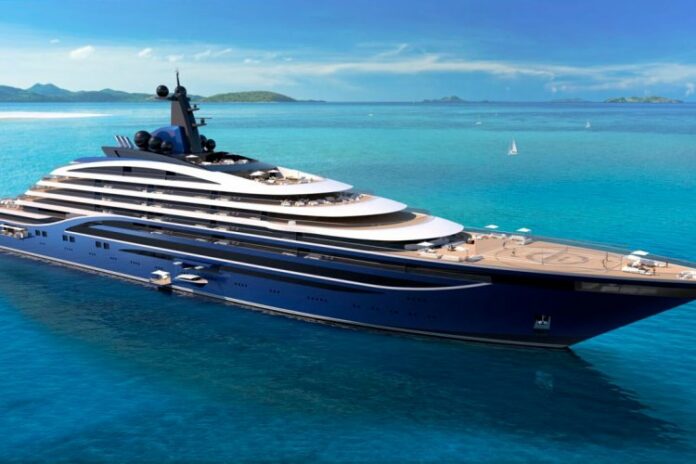
Somnio will be one of a kind and recognizable as the new standard bearer of superyacht design. The yacht liner will have a gross tonnage of 33,500 GRT, a length of 222 meters, and a beam of 27 meters.

Somnio has just 39 luxurious apartments onboard and will sail the world according to owners’ wishes.

The yacht liner, which will comply with the highest safety, environmental and operational standards and rules, is the result of a close cooperation among Somnio, Fincantieri and VARD.

Somnio has selected two of the world’s foremost architectural and design studios for the project, Tillberg Design of Sweden and Winch Design from the United Kingdom.

Delivery is due in Norway in Spring 2024.

Captain Erik Bredhe, co-founder of Somnio, said: “Somnio, meaning “to dream” in Latin, will be the largest yacht in the world by length and volume, and offer apartment owners the finest quality available at sea. We are really looking forward to seeing this beautiful yacht liner sail in 2024.”

General Manager for Business Unit Cruise in VARD, Attilio Dapelo says:

“The vessel will be the largest vessel so far in VARD’s history and will engage a high number of designers and shipbuilders in VARD’s network of specialized international facilities.”

Newbuilding General Manager for Business Unit Cruise in Fincantieri, Daniele Fanara says:

“Once again Fincantieri group, offering to owners the expertise achieved with the development of the widest and most diversified portfolio of maritime products worldwide, is the first to develop groundbreaking designs for new market segments and niches. Our teams have strictly cooperated with Somnio and with their architects. The result is really outstanding and will set the standard for a new niche of superyacht ownership for those who desire companionship to share the experiences offered by Somnio.”

The yacht liner is to be delivered from Vard Søviknes in Norway. The hull, and the first phase of outfitting, will be performed at Vard Tulcea in Romania. Other key players in the project are VARD’s parent company Fincantieri, Vard Design, and Vard Electro. A broad range of suppliers and contractors in the Norwegian Maritime Cluster will also be involved in the project.