-7.3 C
New York
Home Blog Page 569

Disaster in Novorossiysk: The area of ​​oil spill is 400 thousand times higher than declared

0

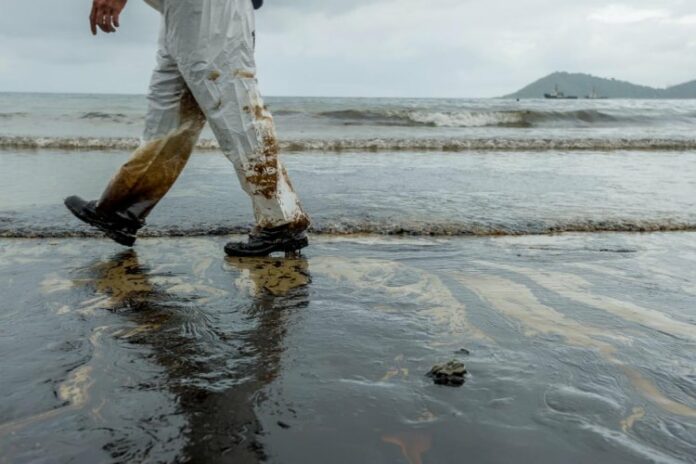
On August 7, an emergency oil leak occurred in the water area of ​​Novorossiysk. The incident happened during the transfer of fuel to the Greek tanker Minerva Symphony. According to initial data, there were 12 cubic meters of oil in the water, and the area of ​​its distribution was 200 square meters.

At the same time, it was officially announced that the oil spill was liquidated on the same day. Later, the Russian Academy of Sciences reported that the oil spill could disappear by itself until the evening of August 11. According to them, because of the storm, the slick was not washed ashore and there will be no need to clean the coastline.

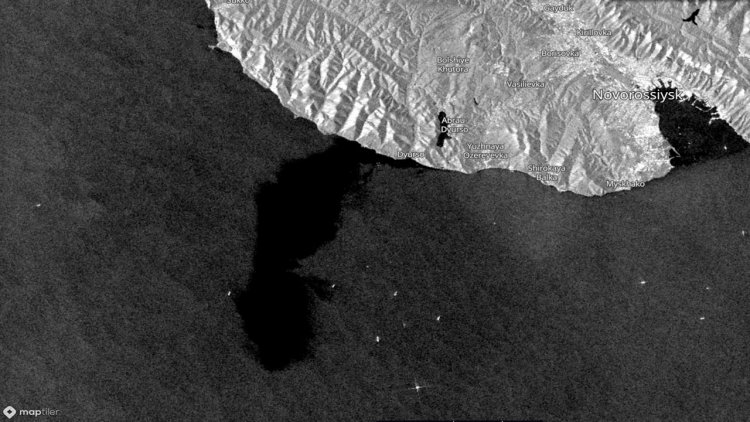
However, after analyzing space images, Russian scientists reported that the area of ​​contamination is 400 thousand times larger than previously announced and is more than 80 square kilometers. It is important to promptly obtain reliable information from the scene and understand whether this is a new spill or it is about hiding information.

Victoria Glushchenko, Project Manager of the Energy Department of Greenpeace, said:

“If this information is true, this spill will threaten fish, birds and marine ecosystems in the area. In addition, the health of people, including tourists, who find themselves in the pollution zone is at risk. At the moment, the main goal is prompt containment and elimination of pollution in order to prevent the spread of oil.”

Now Greenpeace is analyzing the space images and other incoming information, and has already sent requests to the authorized bodies. Experts clarify that to eliminate the spill, special vessels are needed, which have sea booms – special barriers that prevent the spread of pollution.

ABS and yellow.ai bring conversational AI to My Digital Fleet

0

ABS is launching enterprise-grade, AI-powered chatbots and voicebots on its ABS My Digital Fleet™ risk management platform together with yellow.ai, the world’s leading Conversational AI Platform. This marks an important industry first as no such digital solution has previously been deployed to provide shipping companies with helpful information and support in a conversational manner on a global scale. It is the latest addition to ABS My Digital Fleet’s Alliance Program.

yellow.ai’s industry-leading technology offers ABS My Digital FleetTM users data-driven insights from the ocean of information streaming off vessels, increasing efficiency in managing operational risk. The AI chatbot acts as a virtual fleet manager to assist users with critical fleet tracking information, including weather, equipment and fuel monitoring, carbon intensity indicator (CII) monitoring, route optimization, generating easy-to-view dynamic charts on demand and more through the ABS platform.

ABS My Digital FleetTM is the only customizable risk management platform that seamlessly integrates data to provide real-time insights for driving sustainable operations and reducing operational risks. The ABS My Digital Fleet Alliance Program nurtures an ecosystem of industry trusted intelligence and technology providers enabling integrated insights for clients on one unified platform.

Smarty Mathew John, Vice President, of Digital Solutions at ABS, said:

“We are proud to be the first in our industry to employ a conversational AI-based virtual fleet manager as part of our My Digital Fleet platform. As a shared solution for shipowners, ship managers and charterers, this will allow us to provide actionable insights for each stakeholder regarding which vessels from the fleet need their attention and why in a fast, helpful and conversational manner. Questions asked can be as simple as which vessels are not meeting charter party requirements or EEOI targets or have non-functioning critical equipment or where to bunker for lowest fuel cost. There are a lot of possibilities. With yellow.ai, ABS can continue building on its commitment to deliver cutting-edge insights and an unrivaled user experience.”

Raghu Ravinutala, CEO and Co-Founder of yellow.ai, said:

“Our deployment with ABS shows just how critical a role conversational AI can play in supporting the organizations that are tasked with keeping people and property safe. We are very proud to be working with ABS to take chatbots to the vanguard of their potential while demonstrating how our cutting-edge technology is setting the pace for innovation in the industry and redefining how people interact with an organization’s intelligence.”

Innovative science approach is a game-changer for global reef recovery efforts

0

ACRRI is a world-first biodiversity approach that is transforming global efforts to promote coral reef recovery.  

The five-year national research program brings together research from two World Heritage sites – the Great Barrier Reef in Queensland and Ningaloo Reef in Western Australia – to develop new and innovative methods to improve the resilience of coral reefs and mitigate the effects of climate change. 

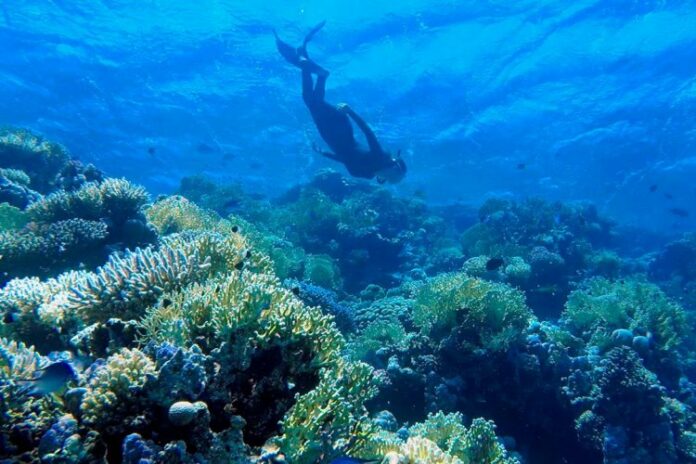
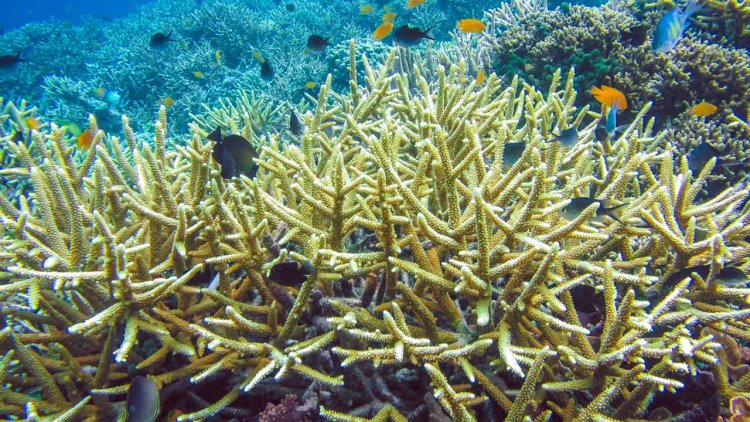
ACRRI involves a two-fold approach using underwater acoustics to mimic the sounds of healthy reef ecosystems to lure fish to reefs that are being replenished using the latest coral re-seeding techniques. This could be a winning combination in global efforts to help reefs become more resilient to warming ocean temperatures. 

AIMS CEO Dr Paul Hardisty said the research program sought to speed up the natural process of tropical reef growth and recovery by simultaneously investigating both coral and fish reproduction, their early life survival, and the relationship between the two. 

He said:

“This is the first time in the world that coral restoration research is exploring whether attracting more fishes to settle on a reef positively influences the settlement and growth of coral after fertilisation.” 

Dr Hardisty said disturbances on tropical reefs were increasing in frequency, severity and duration leaving corals with less time to recover:

“This research will lay the foundation for a completely novel ecosystem-based approach to influence the size of future adult populations and the amount of coral cover on a reef. It will be a global game-changer.” 

BHP Chief Technical Officer Laura Tyler said BHP was pleased to continue its long-standing partnership with AIMS and contribute to the resilience of the natural environment.  

She said:

“Coral reefs are essential for the healthy ecosystems the world depends on for clean air and water and productive landscapes and seascapes.”

“The Australian Coral Reef Resilience Initiative is a wonderful opportunity for BHP to work with some of the world’s leading marine scientists right here in Australia, to tackle a challenge affecting the health of our precious marine environment all over the world. 

“Our goal is to have made a measurable contribution to the conservation, restoration and sustainable use of marine and terrestrial ecosystems in all regions where we operate by FY2030.” 

The AIMS research team in Ningaloo will explore the role of fish settlement, husbandry and herbivory in promoting ecosystem recovery. 
Dr Hardisty said:

“We know from a proof-of-concept study that soundscapes of healthy reefs are settlement cues, with fishes choosing a healthy-sounding reef over a degraded reef.”  

The AIMS research team on the Great Barrier Reef is investigating the process of coral seeding, survivability and growth, to reduce high mortality during their first year of life.  

Currently underway, in the Keppel Islands through a partnership with Woppaburra Traditional Owners, the research team incorporates traditional ecological knowledge with western science and creates skills and employment pathways in coral aquaculture for Indigenous Australians. 

Dr Hardisty said ACRRI maximised the benefits of both seeding and growing corals at scale and attracting fish to settle on an impacted reef, to enhance reef recovery and adaptation. 

He said:

“Marine science, along with reduced emissions, can play a significant role to protect Australian coral reefs from the escalating effects of climate change, helping them adapt, recover and survive warming ocean conditions.” 

Yme field starts up again in the North Sea

0

Yme will once again be producing oil, 20 years after the last time the field was on stream. Planned start-up will be in the second half of 2021.

Yme is one of the first oil fields on the Norwegian shelf to be redeveloped after the field was shut down in 2001. Back then, continued operation was not considered profitable.

Yme was originally developed with a jack-up production facility and a storage ship for the sole structure, Gamma.

A new Plan for Development and Operation (PDO) was approved for Yme in 2007, but the project was not implemented.

The new amended PDO for Yme (production licence 316 and production licence 316 B) relates to a combination of existing and new installations and wells.

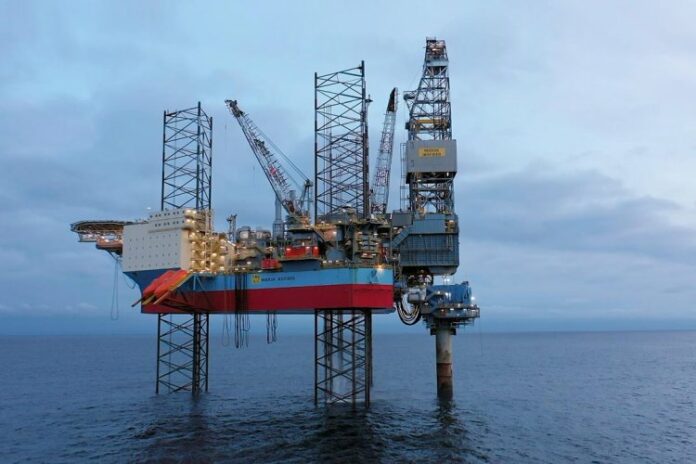
The new facilities that will be put to use include the contracted jack-up drilling and production facility Mærsk Inspirer and a wellhead module placed on the existing caisson. A new permanent support structure for the caisson has also been installed, as well as a new subsea template.

The amended PDO was approved in March 2018 without stipulations. The development project has been delayed by more than one year. The developers have estimated total investments at NOK 12 billion.

The recoverable reserves in Yme are estimated at approx. 10 million standard cubic metres of oil (approx. 63 million barrels).   

Baker Hughes to deliver SCMS for Chevron subsea compression project

0

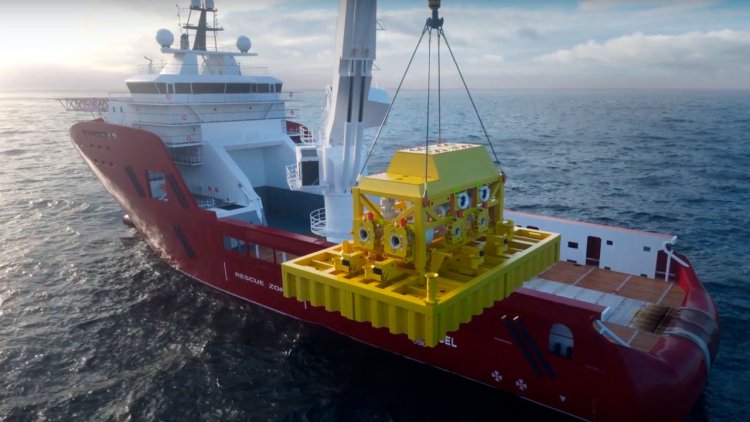
Baker Hughes, a global energy technology company, has been awarded a contract from Chevron Australia Pty Ltd to deliver subsea compression manifold technology for the Jansz-Io Compression (J-IC) Project.

Driven by Baker Hughes’ Subsea Connect early engagement approach, Baker Hughes will provide Chevron with a subsea compression manifold structure (SCMS) including module and foundation, as well as the latest optimized version of its horizontal clamp connector system and subsea controls for the manifold structure.

Graham Gillies, vice president of Asia Pacific at Baker Hughes, said:

“We continue to transform the core of our subsea business by delivering reliable life-of-field solutions designed to drive efficiency and productivity. Our Subsea Connect business model has enabled early engagement, allowing us to combine the best of our technology with engineering and project management localization.”

Baker Hughes’ Subsea Connect business model seamlessly brings together life-of-field expertise and technical capability, enabling customers to accelerate time to production, reduce total cost of ownership and maximize recovery over the life of the project.

The Jansz-Io gas field is located around 200 kilometers offshore the north-western coast of Western Australia, at water depths of approximately 1,400 meters. The Jansz-Io field is a part of the Chevron-operated Gorgon natural gas facility, one of the world’s largest natural gas developments. Baker Hughes has previously provided 23 subsea trees, 12 subsea manifolds, 45 subsea structures and a subsea production control system for the Gorgon natural gas facility.

The Chevron-operated Gorgon natural gas facility is a joint venture between the Australian subsidiaries of Chevron (47.3%), ExxonMobil (25%), Shell (25%), Osaka Gas (1.25%), Tokyo Gas (1%) and JERA (0.417%).

A first for Egypt as Fugro revolutionises subsea installation for GUPCO

0

Used for the first time in Egypt, the contactless positioning solution replaced the conventional survey sensors typically attached to subsea structures during installation.

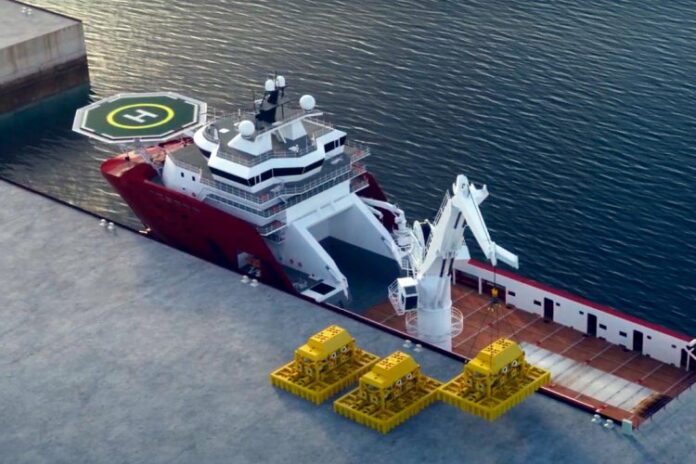
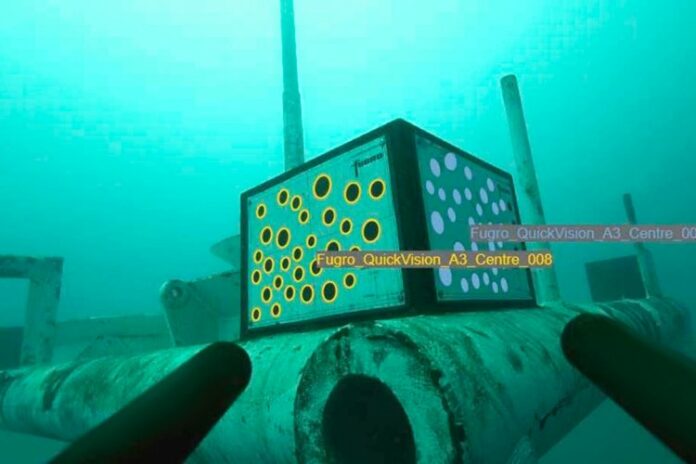
Under a contract with Dragon Oil (GUPCO), Fugro delivered subsea positioning support for the installation of multiple subsea structures off the coast of Egypt. To meet the requirements for improved safety and lower project costs, Fugro deployed their QuickVision solution. This state-of-the art vision technology uses a smart camera, attached to a remotely operated vehicle, that can determine the heading and attitude of a subsea structure as it is landed. This eliminates the requirement to pre-install a sensor package on the structure, and retrieve it once installation is complete, which reduces the time and costs associated with a dive support vessel.

Noting the benefits that real-time access to the positioning Geo-data brought to the project, Fugro’s Project Manager, Sherif Abd El Aziz, said: “Introducing the power of augmented reality has had a hugely positive impact on this project’s delivery.”

Lotfi Ibrahim, Drilling Operation Manager for Dragon Oil (GUPCO), added:

“The conventional sensor method is time-consuming and is not without risk. Fugro’s QuickVision allowed us to deliver safer and more sustainable operations, and within the desired accuracy. It has revolutionised our subsea installation programmes.”

The new TT-Line ferries will be powered by Wärtsilä engines fuelled by LNG

0

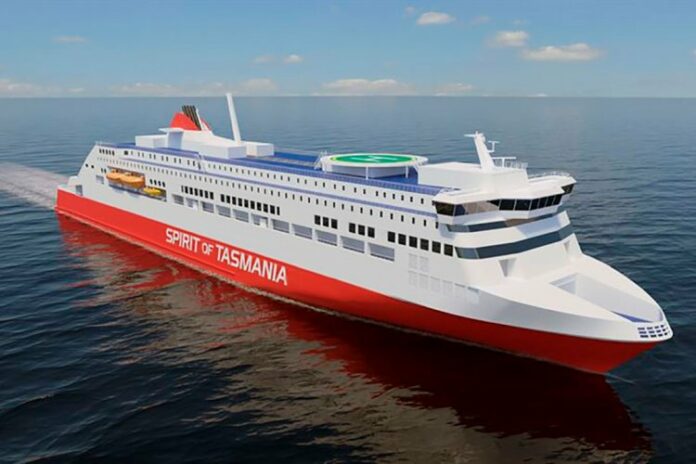
The technology group Wärtsilä will supply the engines and fuel gas supply systems for two new Ro-Pax ferries. The vessels are being built at the Rauma Marine Constructions (RMC) yard in Finland for TT-Line Company Pty Ltd, a renowned Australian ferry fleet owner and operator. The order with Wärtsilä was placed in June 2021.

TT-Line currently operates two ferries, Spirit of Tasmania I and Spirit of Tasmania II, both of which operate with Wärtsilä engines, on the route between Melbourne, Victoria and Devonport, Tasmania. This fleet is now being renewed by the building of two new 212 metre long vessels, which will adopt the latest technology and be powered with LNG fuel to lessen the environmental impact.

Bernard Dwyer, Chief Executive Officer of TT-Line, says:

“Since 2002 when the current vessels were inducted into our fleet, the Wärtsilä engines have delivered both performance and reliability backed by strong service and technical support. Keeping in mind the IMO’s stringent emission targets for the future, TT Line has opted for LNG fuelled ferries. Wärtsilä’s depth of experience and broad portfolio of LNG-fuel solutions for marine applications were prime considerations for us.”

Mikko Mannerkorpi, General Manager, Sales, Wärtsilä Marine Power, says:

“We have worked closely with TT-Line for a number of years and are pleased and proud to continue this long-standing relationship via this latest newbuild project. We shall extend our best technical and operational support to TT-Lines’ new ferries. Wärtsilä has played a major role in enabling LNG to become a viable and increasingly popular marine fuel, and its adoption by global operators continues to grow. This order is a clear reflection of that trend.”

Jyrki Heinimaa, President & CEO of Rauma Marine Constructions,  says:

“Our goal is to be a pioneer in environmentally sustainable technology in shipbuilding, and we want to provide vessels to our customers accordingly. The LNG-powered engines play an important part in building two new eco-efficient and future-proof vessels for TT-Line.”

The scope of supply includes, for each ship, four Wärtsilä 46DF dual-fuel main engines, three Wärtsilä 20DF dual-fuel auxiliary engines, and two Wärtsilä LNGPac fuel storage, supply, and control systems. The engines are future-proofed to operate on alternative green fuels as and when the availability evolves.

The new ferries will have a capacity of 1800 passengers and approximately 2500 lane metres on two freight decks. The first vessel is scheduled for delivery by the end of 2023, with the second one due a year later.

HydroBingo, the first hydrogen-powered ferry, has been presented

0

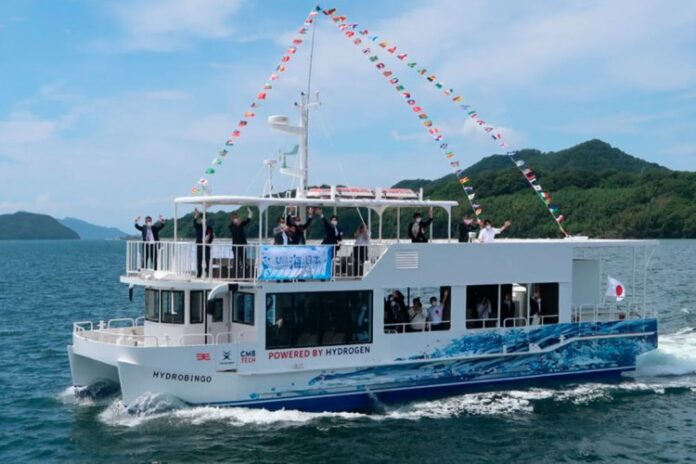
The HydroBingo was realised through the joint venture between the two companies : JPNH₂YDRO.

The HydroBingo is the first 80 passenger ferry for commercial use with two hydrogen diesel combustion engines. This hydrogen-powered ferry is an eco-ship that significantly reduces the amount of CO₂ and other harmful gases. CO₂ emissions are up to 50% lower compared to a conventional diesel engine.

The HydroBingo is equipped with a mobile hydrogen trailer at the stern, which is designed to deliver hydrogen to the engine via a special double walled pipeline. Via a ramp, the trailer can be unloaded easily and can be brought to a refuelling station for refill. In addition, she has several hydrogen-related applications that reflect the dual-fuel ship design based on the requirements of the IGF Code and according to the “Safety Guidelines for Hydrogen Fueled and Fuel Cell Ships” made on the basis of hydrogen fuel specialties. This vessel has also received approval for inspection from the Japan Craft Inspection Organization (JCI).

The event took place in the presence of children from Urasaki Primary School who were on summer holiday. The presentation also included a ceremony to mark the accomplishment of the recently completed HydroBingo, where it was reintroduced to a large audience, including the Ambassador of Belgium.

Alexander Saverys, CEO CMB, said:

“Thanks to this strong collaboration, we have been able to build this unique vessel. It is the result of the joining of forces of two families and companies with a long history in Japan and Europe. CMB and Tsuneishi will continue to invest in hydrogen applications for the maritime and land-based industries. This is only the beginning of a very exciting journey towards zero carbon shipping.”

Lundin Energy announces first oil from the Rolvsnes field

0

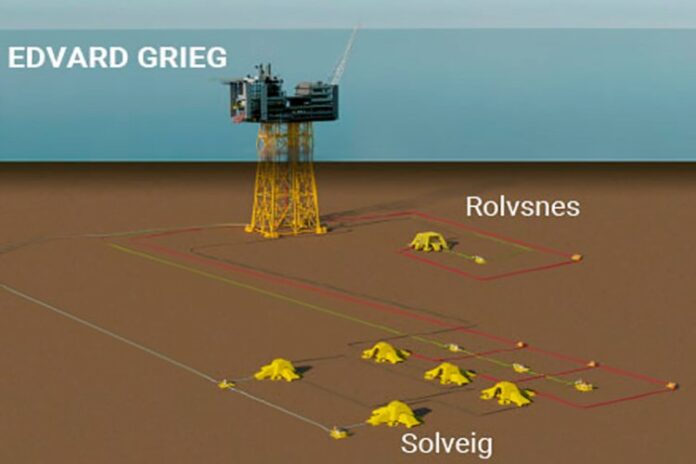
Lundin Energy AB (Lundin Energy) announces first oil from the Extended Well Test (EWT) at the operated Rolvsnes field, the first subsea tie back development for the Edvard Grieg platform.

The Rolvsnes field is located in PL338C on the southern side of the Edvard Grieg field and is a weathered and fractured granite basement reservoir. During 2018, the successful drilling and testing of a horizontal appraisal well (16/1-28) was completed, which flowed 7,000 bopd, demonstrating good reservoir productivity. The appraisal well has been converted to a development well and tied back the 3 km distance to the Edvard Grieg platform, with the project being completed on schedule and on the budget cost estimate. The resource estimate for the Rolvsnes field is between 14 and 78 million barrels of oil equivalent (MMboe) gross.

The objective of the EWT is to gain a better understanding of the reservoir properties, reservoir connectivity and long term production performance of the field and if successful, this test has the potential to unlock a full field development for Rolvsnes, further extending the plateau production period for Edvard Grieg. Once sufficient data and production experience has been gathered, a Plan for Development and Operation (PDO) could be submitted by the end of 2022, benefitting from the temporary tax regime in Norway. A successful test could also derisk significant additional resource potential in weathered and fractured granite basement reservoirs on the Utsira High.

Lundin Energy Norway AS, a wholly owned subsidiary of Lundin Energy, is the operator of PL338C with an 80 percent working interest, with the remaining interest held by OMV (Norge) AS.

Nick Walker, President and CEO of Lundin Energy, commented:

“One of our strategic priorities is to extend plateau production on Edvard Grieg keeping the facilities full in the long term. We have successfully managed to extend the Edvard Grieg plateau by over 5 years already, through successfully unlocking resources within the Edvard Grieg field and through near field tie-back developments. The Rolvsnes EWT is the first tie-back development into our operated Edvard Grieg hub and production data from the EWT will provide vital information to potentially unlock the full field development of the Rolvsnes field, as well as further weathered and fractured basement reservoir opportunities on the Utsira High.”

Novorossiysk named the cause of the oil spill in the port

0

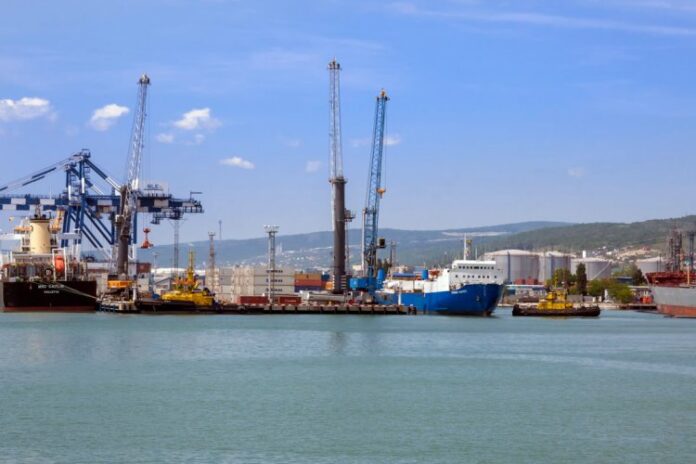
An oil spill occurred on Aug 7 at the oil terminal pier operated by Caspian Pipeline Consortium in Yuzhnaya Ozereevka, Novorossiysk, Russia, Black sea.

The oil spill covered some 200 sq meters of harbour basin around the pier. The spill was fenced off with booms, cleansing followed. In initial news, pipe or loading arm burst was mentioned, it was said also, that at the time of an accident tanker was loading crude, but the ship’s name wasn’t revealed. 

As of Aug 9, the reason for the release of oil at the CPC sea terminal near Novorossiysk during the loading of the Greek tanker Minerva Symphony has been named the destruction of the internal cavity of the hydraulic compensator of the outboard mooring device. This was reported by the CPC press service.

TASS reports:

“On August 7, 2021, at 16:49 Moscow time, oil was released at the CPC Marine Terminal in Yuzhnaya Ozereevka while loading the Minerva Symphony (Greek flag, Piraeus port of residence) on an external mooring device.”

As noted, the cause of the incident was the destruction of the internal cavity of the hydraulic compensator, which is an integral part of the TLU.

Earlier it was reported that outside the coastal zone in the Black Sea near Novorossiysk, crude oil was released from the Greek tanker Minerva Symphony.

To localize and liquidate the spill, 17 specialized vessels were deployed. Some 12 cubs. meters was collected.

Investigation of the incident is underway.