-7.3 C
New York
Home Blog Page 568

Damen signs with Fairplay Towage for IMO Tier III certified Shoalbuster 2711

0

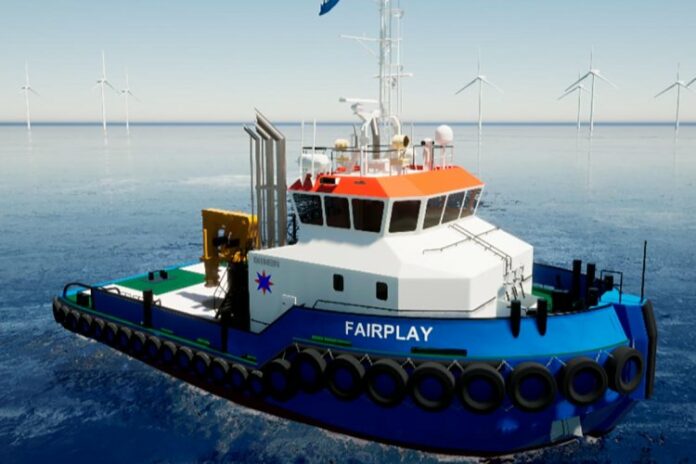
Damen Shipyards Group has signed a contract with Fairplay Towage Polska for the delivery of a Shoalbuster 2711 ICE. The company will use the versatile vessel to perform diverse operations, including in the offshore wind industry, in the Baltic and North seas. Damen is building the vessel in Poland.

The Shoalbuster 2711 is a proven vessel from Damen’s standardised workboat portfolio. Its versatility comes via various features in its design, including its extreme shallow draft capability, large cargo capacity and its 45 tonne bollard pull.

Despite the standard nature of the design, Damen is able to tailor the vessel to the requirements of its clients. In this instance, Fairplay Towage required a number of non-standard features that make this order stand out.

This will be the first Shoalbuster 2711 to feature ice class to enable her to work all year round in Baltic ports. It will also be the first vessel of this type not only compliant with, but certified to, IMO Tier III emissions regulations.

Fairplay Towage Polska, Offshore Wind project manager Arkadiusz Ryz said:

“We are very happy with this order. The process of selecting a platform was not easy. Finding a multi-tasking vessel meeting our requirements and built to the highest standards was a challenge, but the Damen team managed this difficult task perfectly.

“This vessel will be the first in our fleet of this power that is able to enter Baltic and North Sea ports with limited depths. I am convinced that this Shoalbuster, meeting IMO Tier III emission requirements, will open up new markets for us. She has the potential to play an important role in developing our presence in the emerging offshore wind industry in Poland. A big advantage of the project is the local content – Damen is building the vessel entirely in Poland. She will be the first such vessel built here, though I think she will not be the last one.”

Damen sales manager Joschka Boddeling said:

“Damen Shipyards Group has the ambition to become the world’s most sustainable shipbuilder. This vessel, with its IMO Tier III certification and contribution to future renewable energy projects, is completely aligned with this goal. We are very proud of this project and very pleased to be working together with Fairplay Towage.”

Port of Melbourne’s ability to cater for larger vessels will be enhanced

0

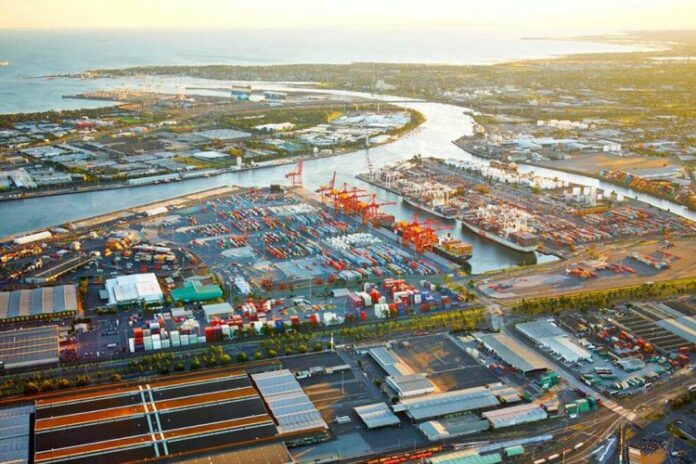
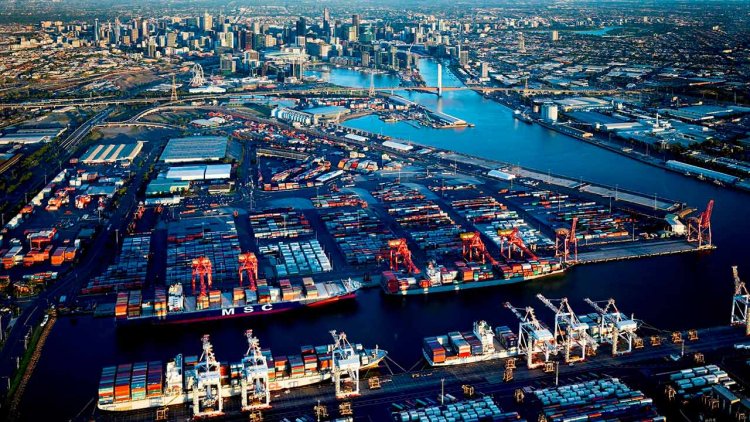
Port of Melbourne’s ability to cater for larger vessels will be enhanced following an announcement by the manager of Australia’s busiest container port to proceed with the Webb Dock East Berth 4/5 extension – a project that will deliver benefits for the port-related supply chain and Victorians as a whole.

The Webb Dock East Berth extension restores operating capacity and efficiency at the port in response to the impact of an increasing number of large vessels coming into Australia’s busiest container port.

The project forms part of a 30-year, $1.5 billion Port Development Strategy that maps out an extensive investment program designed to ensure that Melbourne remains a world-class port capable of servicing the trade needs of all Victorians.

Port of Melbourne CEO Brendan Bourke said the project will enable Webb Dock East to operate across two berths, as was always intended.

Mr Bourke said:

“There has been an increasing incidence of vessels longer than 300 metres calling at the Port of Melbourne. This trend is likely to continue. When vessels longer than 300 metres in length berth at Webb Dock East, the terminal is regularly constrained to operating as a single berth terminal. These works will involve the removal of a redundant concrete structure at the northern end of the berth and extending the berth by 71 metres, thereby improving operational efficiencies.

“Restoring operating capacity and achieving greater efficiency at the terminal will help to drive down costs across the port-related supply chain for trade activity into and out of Melbourne, which accounts for more than one-third of the nation’s container trade. This is good news for our exporters and agricultural producers given that the works ultimately will allow goods to move more quickly through the port to market, supporting growth and Victoria’s export economy.”

The terminal at Webb Dock East is operated by Victoria International Container Terminal Ltd (VICT). Port of Melbourne has engaged with a broad range of stakeholders as input to the decision to proceed with the Webb Dock East project.

The Port Lease Transaction in 2016 established a comprehensive framework for investment decisions at the Port of Melbourne, which are the responsibility of Port of Melbourne Operations Pty Ltd. Since then, Port of Melbourne has continued to make significant investments in maintaining and developing the port for the benefit of all port users. 

Ince launches integrated specialist sanctions compliance solution with Windward

0

International legal and professional services firm, Ince, has launched an enhanced specialist sanctions compliance solution through a co-operation agreement with Windward, the Predictive Intelligence company applying AI to transform global maritime trade. The collaboration marks the development of another managed service solution for InceMaritime, Ince’s integrated legal advisory, business consultancy and technology offering for the maritime sector.

By accessing Windward’s highly advanced data analysis that are based on AI and machine learning to provide strategic insights on complex and ambiguous sanctions compliance scenarios, InceMaritime is offering a dynamic solution that mitigates sanctions risk, demonstrates rigorous due diligence and helps avoid costly penalties. This is supported by Ince’s collaboration with New York based law firm, Seward & Kissel LLP, to enable clients to obtain sanctions legal advice covering the EU, England & Wales and U.S. sanctions applications, together with the new best risk analysis and reporting tools available, all under one roof.

The global political landscape continues to be an exceedingly complex arena. Requirements to address maritime and sanctions risks are now integral to financial, operational and political processes. This is putting immense pressure on organisations to demonstrate deeper knowledge and due diligence within their sanctions compliance strategies, particularly in light of increased accountability under the Global Human Rights Sanctions Regulations 2020. Within this context, InceMaritime has identified that existing investigation processes and tools can be slow, fragmented and too rigid for the speed at which businesses need to operate. More importantly, this approach can be limiting for identifying and interpreting the nuances associated with identifying all risks in order to make informed decisions.

This new proposition will enable charterers, insurers, owners, investors, brokers, ship operators, financial institutions and defence agencies to benefit from a smarter, faster and forward-looking approach to risk mitigation. For example, Windward fuses multiple sources, including a variety of data sets, weather, AIS transmissions, satellite, radio, and more to create a range of insights that are driven by AI and machine learning to develop intelligence on vessels, cargo and owners. It combines a series of risk indicators such as ownership and registration that underpin traditional due diligence processes with behavioural analysis to interpret potentially suspicious activity and anticipate next steps as well as their implications. With access to this cutting-edge intelligence, InceMaritime will be able to determine the best immediate approaches for clients to protect against risks but also to take pre-emptive action on mitigating future vulnerabilities.

Commenting on the announcement, Julian Clark, Global Senior Partner at Ince said:

“Evaluating sanctions risks and developing appropriate strategies is an ongoing challenge. As political agendas are likely to remain fluid and complex, specialist maritime sanctions advice needs to be powered by dynamic, intuitive data. Our agreement with Windward means that InceMaritime will be uniquely positioned to use best-in-class intelligence to inform our advice so that we can empower companies to manage current and future risks to build their resilience. Also, by applying such rigour, we will be able to help companies to demonstrate the robustness of their mitigation approach in the event of any incidents.”

Ami Daniel, CEO and Co-Founder at Windward, said:

“We are excited to work with Ince, to enhance the InceMaritime solution with our best-in-class technology to help its customers better mitigate risk. Our big data and machine learning capabilities provide Ince’s clientele with the ability to streamline manual processes and provides them with additional layers of insights that automatically connects the dots, pinpoints relevant intelligence, as well as provides a risk assessment based on their specific risk appetite.”

Bruce G. Paulsen, Co-Head of Seward & Kissel’s Litigation Department and Head of its Sanctions Group, said:

“We are delighted to collaborate with Ince and InceMaritime, a leader in the maritime financial crimes compliance space. We look forward to assisting clients with respect to U.S. economic and trade sanctions, which have expanded considerably in their breadth and reach over the past decade.  We expect the U.S. to continue its use of sanctions in the future, which has targeted certain practices in the shipping industry, and we look forward to helping clients navigate this often challenging regulatory environment.” 

Utah Inland Port Authority to build first private supply chain LTE/5G network

0

The Utah Inland Port Authority (UIPA) announced a partnership with QuayChain Technologies to build and operate the world’s first private LTE/5G network dedicated to the supply chain. The Intelligent Crossroads Network (ICN) aims to create the foundation for a more resilient, secure, and sustainable supply chain for Utah.

Jack Hedge, Executive Director of UIPA, said:

“Creating this new digital public-private partnership with QuayChain is the perfect way to build the digital infrastructure to achieve our goal of sustainable logistics across Utah. Having world-class connectivity combined with artificial intelligence solutions will enable greater operational efficiency, which is a key component to leading the transition of commercial fleets to clean energy which serves UIPA’s environmental and community objectives.”

QuayChain’s solution digitizes information and connectivity gaps in the supply chains with port and logistics centers. QuayChain’s partners include Intel, Athonet and the Wireless Industrial Group.

QuayChain Technologies’ CEO Andrew Scott stated:

“The challenges in the global supply chain over the last two years has highlighted the need for new approaches that address both business and environmental objectives without any trade-offs. QuayChain will enable the ICN and Utah’s supply chain to truly democratize data and power new partnerships and solutions, including automatedvehicles, equipment, visibility, and fintech.”

Developing the ICN will help create new logistics jobs using technologies based on Industry 4.0 and 5G.  It will also bridge the digital divide for many industries and essential workers that support a robust supply chain.

Caroline Chan, Vice President, Network and Edge Group and General Manager, Network Business Incubator Division, Intel, said:

“Private wireless network and new edge computing-based applications at transportation hubs such as ports and across the supply chain will bring much-required optimization and efficiency in the transportation and logistics processes. We have been working closely with QuayChain and UIPA to support the vision of harnessing data for intelligent port use cases and believe this collaboration across the ecosystem will help catalyze wider digital transformation and address vital environmental and community needs.”

Suppliers, logistics providers, and port operators are more dependent on technology to track, coordinate, and manage cargo than ever before. With increasing demand and velocity, 5G can help address historical obstacles with the ability to support thousands of devices or sensors in a small area and reduce latency to capture data in real-time. ICN will connect artificial intelligence devices across the network, providing new and unique insights to cargo movements.  

Jill Flygare, UIPA’s Chief Operating Officer, said:

“We are finalizing the initial coverage area and solutions for Intelligent Cross Network with the long-term objective of expanding the ICN across Utah. We are committed to working with stakeholders across the state and the global supply chain to ensure the ICN offers the world-class digital infrastructure that Utah and our residents need for the future.”

Tallink Grupp launches its new shuttle vessel MyStar

0

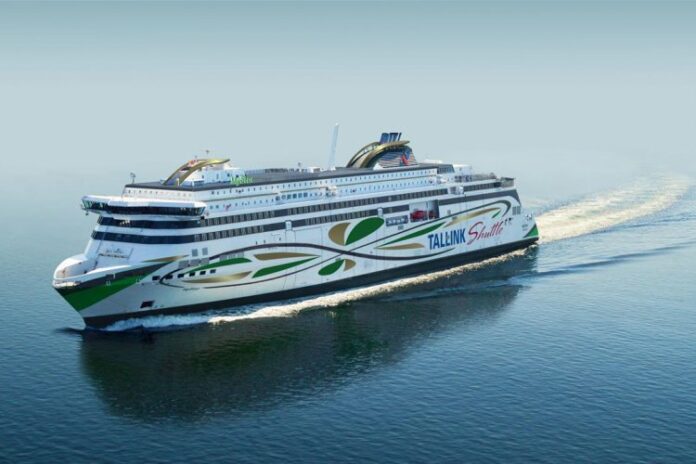
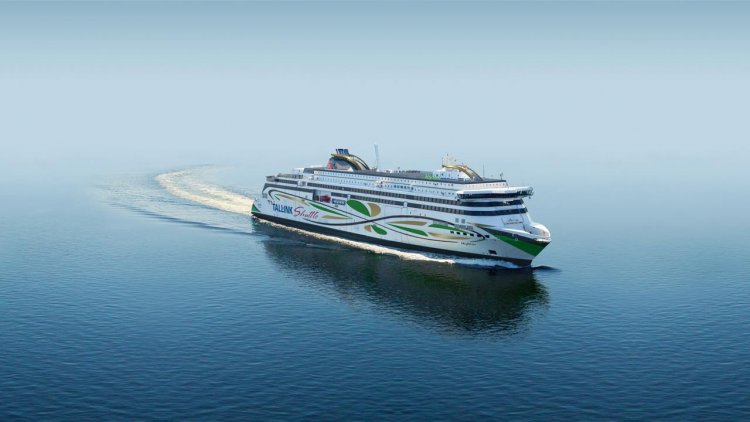
The newest member of the Tallink’s fleet, the most environmentally friendly LNG-powered vessel on the Baltic Sea, MyStar, currently under construction in Rauma Marine Constructions (RMC) shipyard, Finland, was christened and launched today, on Thursday 12 August 2021 at 13.00 local Finnish time, at a special ceremony held at Rauma shipyard.

The christening ceremony takes place with the participation of the Estonian President Mrs Kersti Kaljulaid as the ship’s godmother. During the christening ceremony, according to custom, the newbuild vessel is officially named MyStar and, immediately after the christening of the vessel, proven seaworthy at a following launching of the vessel whereby the valves to the drydock, where the vessel is built, are ceremonially opened and the sea water is let in the drydock for the first time. 

The LNG-powered new shuttle vessel MyStar comes with the latest cutting-edge technology and innovation onboard and will meet all the current emission regulations and will be ready for further implementation of next generation emission reduction technologies.

Together with Tallink’s current flagship Megastar, the two LNG-powered shuttle vessels operating in tandem on the Tallinn-Helsinki route from mid-2022, will form the greenest available connection to-date across the Gulf of Finland between the capital cities of Estonia and Finland.

Commenting on the christening and launching of the newest vessel of the Tallink Grupp’s fleet, Paavo Nõgene, CEO of Tallink Grupp, said:

“Today, as we come together in Rauma shipyard to celebrate another important milestone in the construction of our newest vessel MyStar – we are happy and grateful that, despite the hard and unpredictable global pandemic health crisis and lingering travel restrictions, we have been able, together with our good cooperation partners, to keep up the good progress with MyStar strategic project. I am happy that today, as we will gather in Rauma for the first time in person since the start of the pandemic, to mark this important milestone not only for Tallink Grupp’s MyStar project – we are also celebrating a more viable, sustainable and eco-friendly future for the entire shipping industry, and a cleaner, better living environment for the whole of Baltic Sea region and its people.”

Jyrki Heinimaa, President and CEO of Rauma Marine Constructions said:

“We are very pleased that, with strict corona security measures, we were able to celebrate this important milestone together today. We have now taken our joint project forward for over a year, and both Tallink’s and RMC’s project teams deserve great thanks for the work they have done on the project in challenging conditions. We are excited to now get to a new stage in MyStar’s construction work as the work begins to move from the outside of the vessel to the interior. At the same time, we can slowly begin to look to the next milestone of the most environmentally friendly vessel in the Baltic Sea.”

The next major milestone in the construction process of Tallink’s new shuttle vessel MyStar is the completion of the vessel and delivery to Tallink Grupp by Rauma Shipyard, which is scheduled to take place in the first half of 2022. 

IMCA launches online facility to verify certificates in the offshore industry

0

The International Marine Contractors Association (IMCA) has launched a new online facility as part of the Association’s digital transformation programme which will enable members to access verification services 24 hours a day.

It will cover all five certificate types currently issued; Air Diving Supervisor, Bell Diving Supervisor, Life Support Technician, DP Company Authority and DP Trials & Assurance Practitioner. New initiatives such as Accredited Diving System Inspectors will also benefit from the service.

A search form is now available at for registered website users to check the status of any certificate provided to them by its holder. The existing option of contacting the IMCA certification team will remain available during London office hours.

The online verification facility also confirms the in-date status for continuing professional development (CPD) which became mandatory for diving supervisors at the beginning of 2021. Users of the IMCA Diving CPD App will continue to be able to share detailed CPD progress, with the existing app function redirected to the new facility automatically.

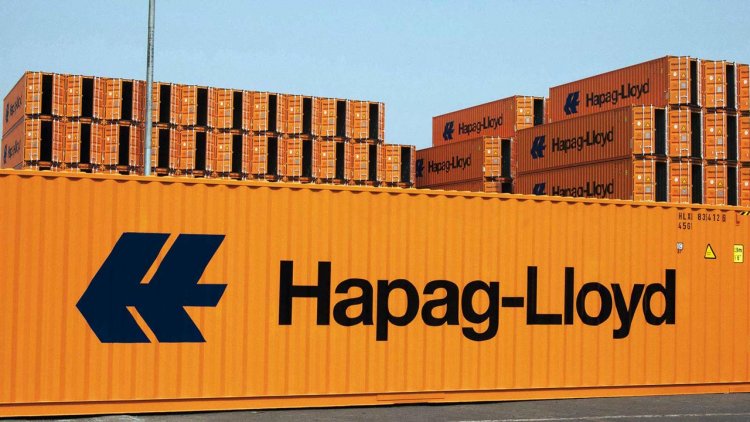
Hapag-Lloyd launches its seventh Quality Promise “Efficient Cargo Claims Handling”

0

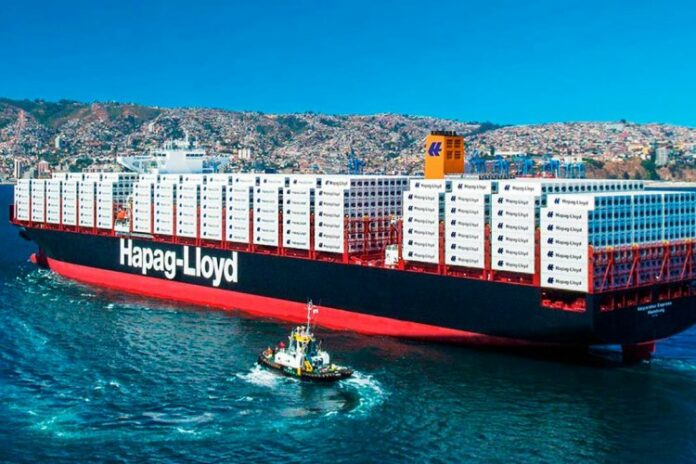
Incidents leading to customers having to submit cargo claims, be it damages or loss of cargo, cause inconvenience and cost time. With its seventh Quality Promise „Efficient Cargo Claims Handling”, Hapag-Lloyd has set itself the goal to significantly accelerate cargo claims handling by reducing the total amount of time between receiving a customer’s cargo claim and proposing a resolution.

In future, in 85 percent of cases customers will receive a resolution proposal within 14 days – including acceptance, rejection or the start of settlement negotiations. By focusing on the efficiency of its cargo claims handling, Hapag-Lloyd intends to underline that it recognizes the urgency to solve cargo claims in a timely manner and therefore makes the process as fast and efficient as possible.

Thomas Mansfeld, General Counsel and Head of Corporate Insurance and Risk Management at Hapag-Lloyd, says:

“By resolving cargo claims within 14 days, Hapag-Lloyd will be quicker and well below the industry average of 30 days. We are convinced that we will reach this target with our highly specialized department for cargo claims. To enable our experts to react quickly to all inquiries, we have created new structures, systems and tools and are optimizing our internal processes altogether – for closer collaboration and clear communication. Our ambition is to make this process easy and transparent for our customers because we recognize the urgency from their point of view.”

In future, Hapag-Lloyd’s customers can rely on professional guidance from assigned experts when issuing a cargo claim and rest assured to get individual support. Especially, when it comes to paperwork, e-mails and phone calls for follow-ups on a cargo claim, a more simplified approach and reduction of workload will be noticeable. For resolving a cargo claim Hapag-Lloyd will request only documents relevant for a specific case. Thus, customers benefit from a hassle-free and timesaving process. While concentrating on their daily business and increasing their productivity customers also get prompt certainty whether liability is accepted. Furthermore, a new tracking system with end-to-end visibility on the status of pending cargo claims as well as a new cycle of performance management offer more accurate data quality and provide customers with even more transparency and lastly planning certainty.

To accelerate the total cargo claim handling process, Hapag-Lloyd relies on its customers to provide a complete set of cargo claim documents accurately in one submission and to respond to queries or settlement offers in a timely manner. On its journey to higher efficiency, Hapag-Lloyd will offer standard e-mail templates or online forms to clarify and simplify procedures for all customers.

Customers can track Hapag-Lloyd’s global performance on its seventh Quality Promise “Efficient Cargo Claims Handling” via the Quality Promise Customer Dashboard, which also offers regular updates down to the individual customer level.

SeaRobotics to supply custom long-endurance ASV to Canada’s marine institute

0

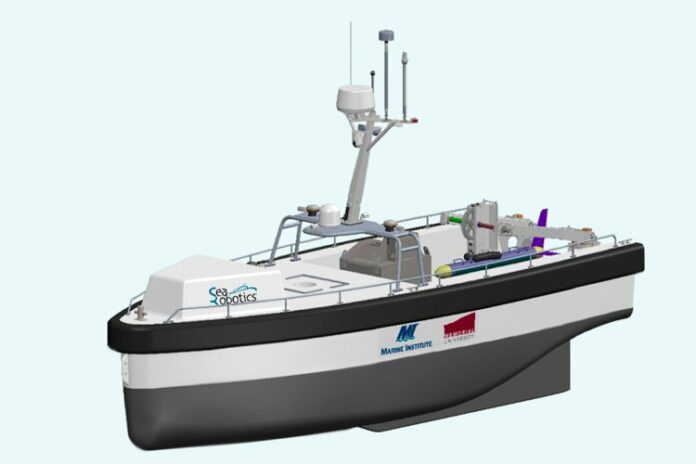
SeaRobotics Corporation has announced the development of a new multi-mission autonomous surface vessel (ASV) in partnership with The Fisheries and Marine Institute of Memorial University of Newfoundland (Marine Institute). 

The SR-Endurance 8.0, the latest model from SeaRobotics’ Endurance Class of ASVs, was designed to enhance the Marine Institute’s training and research program in ocean mapping, observation and characterization.

The eight-meter, self-righting ASV features a hybrid diesel-electric propulsion system (allowing for a quieter operating mode needed for acoustic research), collision avoidance technology, GPS navigation, and customizable levels of autonomy based on the mission at hand. Autonomy levels range from remote control (no intelligence/operator in the loop), basic (minimal intelligence), mature (crewed oversight), and advanced autonomy (operator out of the loop/full automatic mission implementation). While in the field, the Marine Institute will track and monitor the ASV from a shore-based command center as it continuously collects ocean data during its non-stop 14-day missions.

The ruggedized ASV is equipped to handle a wide range of payloads and can be outfitted with a variety of interchangeable sensors and sonars, including a multibeam echo sounder for 3D seafloor mapping. The SR-Endurance 8.0 is rated for operations in waves up to four meters high and Beaufort wind scale seven (near gale-force winds).

SeaRobotics president Don Darling said:

“We are delighted to partner with the Marine Institute’s School of Ocean Technology in the development of this uniquely capable ASV for ocean research and education. We consider intelligent, versatile and dependable ASVs like the SR-Endurance 8.0 as instrumental to both the advancement of essential ocean research and the future of crewless marine operations.”

Speaking of the announcement, Paul Brett, head of the Marine Institute’s School of Ocean Technology, said:

“This compact and efficient ASV represents the next generation of technology needed to change the way we map and characterize the planet’s oceans. Not only will the SR-Endurance 8.0 expand our capabilities in Atlantic Canada, but it will also provide students and researchers alike with the enviable opportunity to work with truly cutting-edge autonomous platforms.”

Energinet launches offshore environmental studies at the energy islands

0

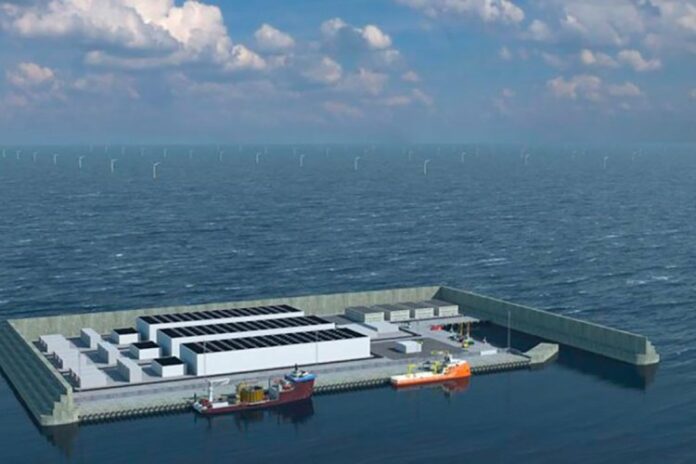
Niras will conduct environmental studies at the coming North Sea energy island approximately 80 kilometres off the western coast of Jutland, while Rambøll will perform the same studies in the Baltic Sea, where the offshore wind turbines will operate approximately 20 kilometres off the southern coast of Bornholm. The contract was awarded to Niras and Rambøll following a call for tenders. 

Hanne Storm Edlefsen, Vice President for Energy Islands in Energinet, says: 

“Renewable energy from wind turbines in the North Sea and the Baltic Sea is to help Danes and Europeans use energy without damaging the climate in the long term. But it’s vital that the green transition goes hand in hand with protection of nature and wildlife. Therefore, I’m pleased that Niras and Rambøll can now commence the very extensive offshore environmental studies at the energy islands.”  

Concurrently with Energinet having awarded the assignments regarding environmental studies, ships in the North Sea and the Baltic Sea are already in the process of mapping sea depths, objects on the seabed and the geological layers under the seabed. 

Data from the geophysical investigations will be used when wind turbines, cables, etc. are to be constructed in a technically sustainable manner. However, the data will also be included as background data for the environmental studies to the greatest possible extent. 

The construction of the energy islands (wind farms, power cables on the seabed, electrical installations, etc.) is subject to the Danish Environmental Assessment Act.  The actual artificial island in the North Sea will also have its own construction act (‘Bill on Planning and Construction of an Energy Island in the North Sea’). A consultation procedure for the Bill is in process until 18 August 2021. 

The authorities responsible must perform an environmental impact assessment of both ‘plans and programmes’ (energy islands as an overall, politically decided plan) as well as of the specific construction projects which subsequently realise the plan (for example onshore electrical installations or power cables to other countries).

The Danish Energy Agency is the authority responsible for the environmental impact assessment of the plans for the energy islands. The overall assignment awarded to Niras and Rambøll includes the preparation of a draft report in accordance with the provisions of the Danish Environmental Assessment Act, which the Danish Energy Agency will use in its environmental impact assessment of the plans for the energy islands. The data for this report will primarily consist of existing data. 

Data and reports from the new environmental studies to be conducted by Niras and Rambøll will primarily be used as part of the authorities’ environmental impact assessment of the energy islands later in the process regarding specific construction projects. This will be done by the winners of the call for tenders for offshore wind farms using data from the environmental studies in the environmental impact assessment reports which the developers must prepare for the individual construction projects and submit to the public authorities for approval.

In autumn 2021, the Danish Energy Agency initiated the first consultations in connection with the environmental impact assessment of plans for the energy islands. The consultation procedure for North Sea Energy Island will commence at the end of August and for Baltic Sea Energy Island at the beginning of October. Both consultations will take five weeks. 

Crimson Polaris grounded and split in two off Japanese port

0

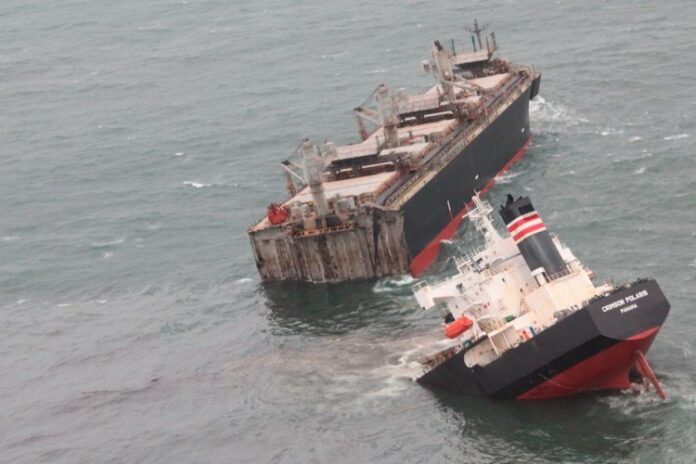
Crimson Polaris, a dedicated wood-chip carrier chartered by NYK, was swept away by a strong wind while anchored and resultantly ran aground off Hachinohe in Aomori prefecture at around 7:35 am (JST) on August 11.

Afterward, a portion of the ship’s wood-chip cargo was lost from the damaged part of the hull, NYK is currently confirming the amount of cargo and the impact on the sea area at the site. Fortunately, no oil pollution has occurred. All crew members have been evacuated from the ship with the cooperation of the Japan Coast Guard, and those seafarers have been confirmed to be safe.

The hull of the vessel split in two at 4:15 am on August 12, and oil from the vessel has spilt into the ocean. The amount is currently under investigation.

The split hull is about 4 kilometers offshore, and the on-site response is being carried out by Japan Coast Guard patrol boats, tugboats, etc.

The vessel is owned by MI-DAS Line S.A. and managed by Misuga Kaiun Co. Ltd. NYK is currently chartering this ship from the shipowner.

NYK has organized a crisis management center led by NYK president Hitoshi Nagasawa to rapidly address the situation. The company is cooperating with related parties based on advice from the Japan Coast Guard. Company personnel have been sent to the site, and necessary support will be provided to the shipowner and ship-management company.