-13.9 C
New York
Home Blog Page 542

Wärtsilä signs 10-year maintenance deal for Wasaline’s ferry

0

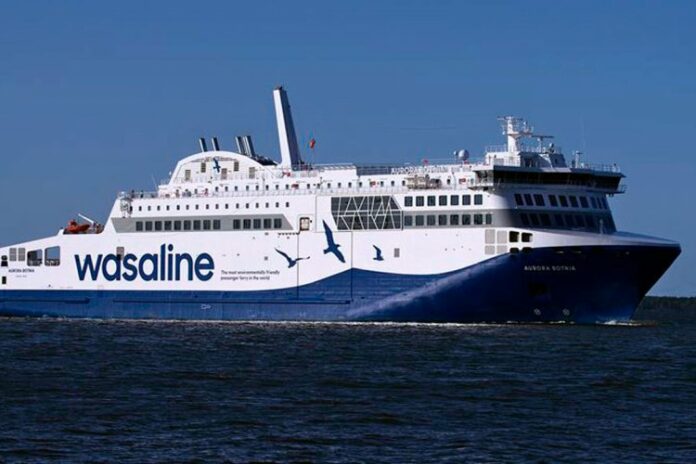
The technology group Wärtsilä and Wasaline, the Finnish–Swedish ferry operator, have signed a ten-year Optimised Maintenance agreement covering the company’s new ferry, the ‘Aurora Botnia’.

The agreement was signed in June 2021, but became effective in September. Built at the RMC shipyard in Finland, the Aurora Botnia is the most environmentally-friendly RoPax ferry in the world. The ship’s propulsion is based on a hybrid solution featuring the highly efficient Wärtsilä 31DF dual-fuel engine and batteries. The Wärtsilä 31DF will operate primarily on LNG fuel but will also be able to use BioLNG, a totally renewable fuel that can reduce CO2 emissions by up to 90 percent compared to conventional marine fuels. It emits no particulate matter (PM), and close to zero levels of nitrogen oxides (NOx) and sulphur oxides (SOx).

The comprehensive Wärtsilä Optimised maintenance agreement includes the latest digital solutions based on artificial intelligence to provide effective predictive maintenance support and the ability to identify potential faults before they actually happen. The service also makes it possible to tune the operation to achieve the lowest possible carbon footprint and minimise unscheduled downtime. The vessel will act as a floating test laboratory linked to Wärtsilä’s Smart Technology Hub in Vaasa, Finland, allowing real-time operational monitoring. This will maximise efficiency and provide valuable data for future developments of solutions capable of the highest levels of sustainability.

Peter Ståhlberg, Managing Director, Wasaline, says:

“We have worked closely with Wärtsilä for a long time and this partnership has paid huge dividends in terms of efficiency and environmental sustainability. We had no hesitation, therefore, in opting for a Wärtsilä maintenance agreement for this new ship, which will be the first car and passenger ferry in the world to have a Clean Design class notation. It already now meets the proposed ‘EU fit for 55’ programme, which seeks a reduction in CO2 emissions of 55 % by 2030.”

In addition to the hybrid propulsion system, the Aurora Botnia also features Wärtsilä’s Data Bridge platform. This enables advanced data analytics that provide insight into the ship’s performance at all times, thereby unlocking further potential for enhancing operational and technical efficiencies.

The ship will operate with four Wärtsilä 31DF engines, Wärtsilä’s LNG Pac gas storage solution, as well as with Wärtsilä thrusters, catalysators, controls, integrated electrical and automation systems, and an energy and power management system controlling the hybrid power solution. The ferry also features Wärtsilä’s Nacos Platinum integrated vessel control system.  

The 150 metre long ferry will have an 800 passenger capacity and 1500 lane metres for vehicles. It will sail between Vaasa in Finland and Umeå in Sweden. Both ports will provide LNG bunkering facilities and battery charging capability. The eco-friendly vessel will help preserve the Kvarken World Heritage site through which it will operate.
Avangrid and CIP announce transaction to advance offshore wind development

0

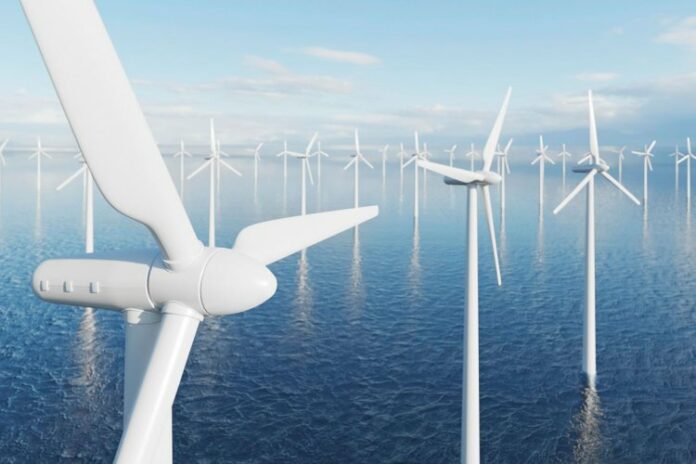
Avangrid Renewables, a subsidiary of AVANGRID, and Copenhagen Infrastructure Partners (CIP), have announced a restructuring of their Vineyard Wind joint venture which will enable both companies to leverage their strengths and expertise to continue to grow the U.S. offshore wind industry.  

The Vineyard Wind joint venture, which pioneered offshore wind in the United States, has successfully built a portfolio that includes Vineyard Wind 1, the first commercial scale offshore wind project in U.S. waters. Vineyard Wind 1, an 800-megawatt (MW) project that will deliver clean energy to Massachusetts beginning in 2023, reached financial close last week and is beginning construction this month.  

Vineyard Wind 1 will continue to be developed as a 50/50 joint venture between the partners and Avangrid Renewables will have an option to gain operational control once the project reaches commercial operation. Avangrid Renewables will take full ownership of lease area OCS-A 0534 which includes Park City Wind, an 804 MW project which will deliver clean energy to Connecticut, and Commonwealth Wind, which last week submitted a bid for up to 1,200 MW to the third Massachusetts offshore wind competitive solicitation.

Copenhagen Infrastructure Partners will take full ownership of lease area OCS-A 0522, the easternmost offshore wind area, which has the potential to deliver over 2,500 MW of clean energy into New England and New York.  

Christian T. Skakkebæk, Senior Partner in CIP, said:

“Along with Avangrid Renewables, we have during the previous week achieved the most important milestone for offshore wind in the U.S., and with our partner are excited to lead Vineyard Wind 1 through the construction phase and complete this trailblazing project. Lease area 522 has the highest wind speed of any lease area in the northeast and will be a very competitive site for solicitations from New York to Massachusetts.”

Dennis V. Arriola, CEO of AVANGRID, said:

“We look forward to continuing our partnership with CIP for Vineyard Wind 1 as well as leading Park City Wind and Commonwealth Wind to deliver economic opportunity and clean energy to New England. This restructuring is aligned with our long-term growth strategy and our aspiration to be the leading sustainable energy company in the U.S.” 

Once the restructuring is finalized, Avangrid Renewables will make a net payment of $167.5 million in order to acquire 100% of OCS-A 534 containing Park City Wind and Commonwealth Wind. In exchange, CIP will acquire 100% of OCS-A 522. The transaction is subject to consents from key stakeholders and regulators, which include the Bureau of Ocean Energy Management (BOEM) as well as the Connecticut electric distribution companies. The transaction is expected to close in approximately six months during which the parties have agreed on a transition plan.

ABS and HHI design optimized LNG carriers

0

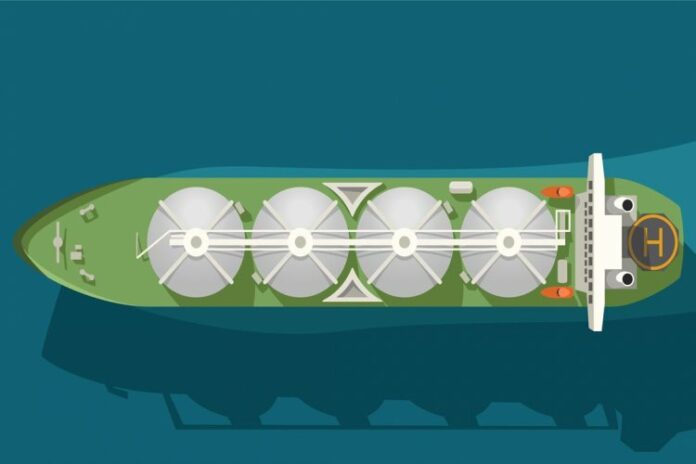
ABS and Hyundai Heavy Industries (HHI) have completed a joint development project (JDP) to develop an optimized LNG carrier design.

The JDP resulted in a new LNG carrier hull design, as well as optimization of the machinery, electrical and piping arrangements. The project further developed new rule requirements and introduced a simplified approvals process.

The JDP also looked to address growing industry demand for crew accommodation and working area designs which can help mitigate the spread of infectious diseases such as COVID-19. The project has developed crew accommodation and ventilation designs that meet the requirements of the ABS Guide for Mitigation of Infectious Disease Transmission On Board Marine and Offshore Assets.

Patrick Ryan, ABS Senior Vice President, Global Engineering and Technology, said:

“As the leading Class for gas carriers globally, ABS has the experience and the insight to work with HHI to shape the LNG carriers of tomorrow. More efficient vessels will be key to achieving more sustainable operations. ABS is committed to ensuring our support for shipyards and vessel operators continues to evolve to keep pace with technological developments and the needs of the industry.”

Seung Ho Jeon, HHI’s Executive Vice President and head of initial design office, said:

“The environment around the shipping industry is changing fast and the pandemic situation has affected the world, but there are still technologies that can be enhanced to make life safer. As the result of this JDP, HHI will design and build more efficient and secure vessels benefitting both the environment and human beings.”

Rolls-Royce and Sea Machines cooperate on autonomous ship control solutions

0

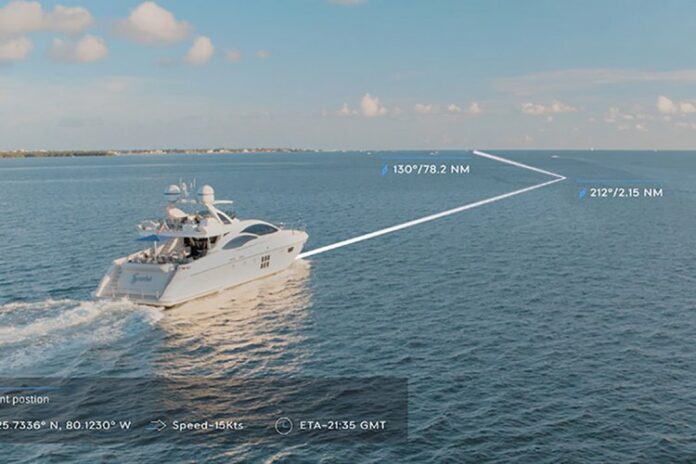
To provide customers with complete automation solutions from a single trusted source, Rolls-Royce and Sea Machines Robotics announce a new collaboration that will deliver comprehensive remote command, autonomous control and intelligent crew support systems to the marine market and complement Rolls-Royce’s mtu NautIQ marine automation portfolio. 

As part of this agreement, Rolls-Royce business unit Power Systems and Sea Machines, the leading developer of remote-vessel command and autonomous control systems, will join forces on the development and sale of fully and semi-autonomous vessel control systems. The combination of Rolls-Royce’s propulsion and automation solutions with Sea Machines’ vessel control products will offer marine customers significant benefits in terms of vessel operations, safety, efficiency and environmental impact.

Michael Johnson, CEO and founder of Sea Machines, said:

“Our autonomous vessel control products and advanced perception systems are pioneering the revolutionary shift of conventional and manual vessel control effort from human to intelligent technology. Autonomous systems take over routine efforts, reduce stress for crews and thus increase operational predictability and safety. The technology makes shipping more productive, economical and contributes to more sustainable operations.”

Denise Kurtulus, Vice President Global Marine at Rolls-Royce Power Systems, said:

“As part of our PS 2030 strategy, we are evolving from a propulsion supplier to a provider of integrated sustainable solutions. In the marine sector, we want to provide our customers with complete solutions from ‘bridge to propeller’ with the highest quality customers have come to expect from us.”

The strategic cooperation will focus on products for remote and autonomous vessel control and situational awareness, primarily for yachts, commercial and government vessels. As part of the agreement, Rolls-Royce Power Systems will receive sales and service rights for existing and future Sea Machines products. The two companies will also work together to develop new capabilities to provide customers with advanced total solutions that aggregate and analyze all vessel data and intelligently control vessels based on this information.

Petredec selects Inmarsat Fleet Hotspot fleet-wide

0

Inmarsat has secured a significant new commitment to its Fleet Hotspot internet portal service, following an extension of its Fleet Xpress service agreement with leading liquefied petroleum gas (LPG) transport group Petredec. Fleet Hotspot has been designed by Inmarsat to give crew onboard access to high-speed connectivity with the freedom to use their own devices.

Petredec is a longstanding Inmarsat customer, which recently renewed its Fleet Xpress service agreement across 27 operational ships and extended it to 10 newbuilds. Part of the renewal saw the Singapore-based owner commit for the first time to Inmarsat’s fully managed Fleet Care maintenance, repair, and support service, and the Fleet Data IoT platform for data collection, transfer, storage, and analysis.  

Petredec is a signatory of the Neptune Declaration on Seafarer Wellbeing and Crew Change. The Inmarsat renewal led to trials of Inmarsat’s Fleet Hotspot service. Rather than having crew demand for connectivity compete with operational bandwidth, Fleet Hotspot offers seafarers internet access via a dedicated portal, with billing options for owners including separate Master Service Agreements. 

Based on crew satisfaction feedback from a pilot Fleet Hotspot installation, Petredec is fast-tracking the adoption of the crew portal fleet-wide, replacing a previous crew connectivity service based on subscription. On completion, all 37 owned Petredec ships will be equipped with Fleet Hotspot, supported by the dual Fleet Xpress antennas on board. 

Neil Giles, Fleet Technical Manager Petredec, said:

“The powerful moral case for ensuring crews can stay in touch with friends, family, and the outside world has been laid bare during Covid-19, but there is also a direct link between crew happiness and retention of the best crews. It’s a link that results in safer operations onboard multi-million dollar assets, greater vessel efficiency, and business competitiveness.”    

Trinidad’s Matapal achieves early first gas

0

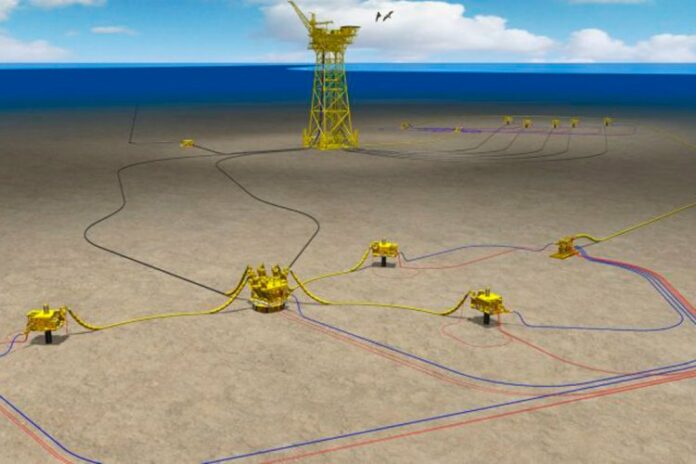
Matapal is bpTT’s second subsea development. It’s comprised of three wells, which tie back into the existing Juniper platform, helping minimize development costs and the associated carbon footprint. It’s located approximately 80km off the south-east coast of Trinidad and approximately 8km east of Juniper, in a water depth of 163 metres.

Matapal will deliver gas into the Trinidad gas market from resources discovered by the Savannah exploration well, drilled in 2017. The initial production from this development is expected to be in the range of 250-350 million standard cubic feet per day (mmscfd), once all wells are fully ramped up.  

Claire Fitzpatrick, president bpTT, said:

“Natural gas will play an important role in the energy transition and to the economy of Trinidad and Tobago for decades to come. This is why our team at bpTT has worked diligently to safely start up our Matapal project which we successfully achieved both under budget and ahead of schedule. We are committed to a strong energy future in Trinidad and Tobago and this project plays a critical role in delivering that.”  

Fabrication work on Matapal began in 2019. The project required modification to the existing Juniper platform as well as the construction and installation of new subsea equipment. Importantly, the majority of fabrication work required to adapt the Juniper platform for new production was completed locally. Hydrocarbons from Matapal will be transported to the Juniper platform via two 9 km flexible flowlines.  

Maritime rope could be adding billions of microplastics to the ocean every year

0

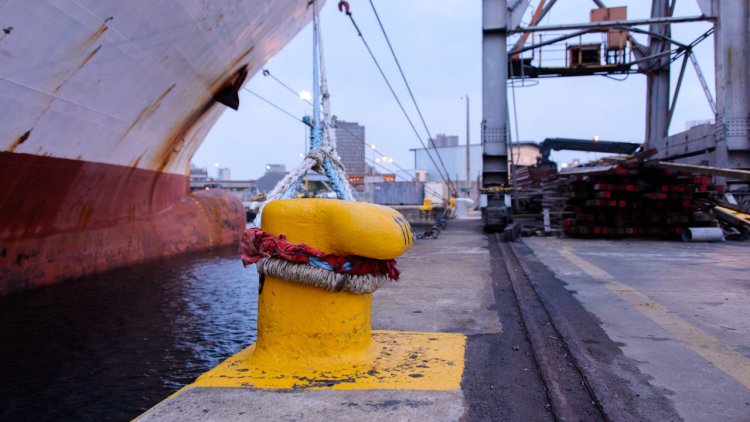
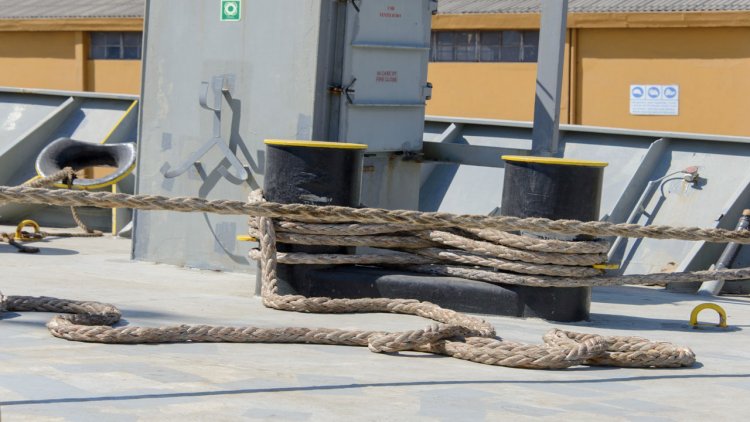
The study, by the University of Plymouth’s International Marine Litter Research Unit, is the first to explore the potential for rope to become a source of microplastic pollution in the marine environment.

It compared a variety of synthetic ropes commonly used in the maritime industry—but differing in age, wear surface and material—to assess the quantity and characterizes of microplastics produced while they were in use.

This was achieved by simulating, in both laboratory and field experiments, the rope hauling activity which is typically performed on board maritime vessels such as fishing boats.

The results show that new and one-year old ropes can release around 20 microplastic fragments into the ocean for every meter hauled.

However, as the rope gets older it can release significantly more fragments—two-year-old ropes shed on average around 720 fragments per meter, while 10-year-old rope releases more than 760 fragments per meter.

Writing in Science of the Total Environment, researchers say that in fishing activities the rope length deployed during each haul could be up to 220m depending on the type of vessel and the depth of the ocean.

However, based on a modest 50m of rope being hauled from a boat, they estimate that each time new rope is hauled it could release between 700 and 2000 microplastic pieces. Used rope could release anywhere up to 40,000 fragments.

With more than 4,500 active fishing vessels in the UK, their estimates suggest this could result in anything between 326 million to 17 billion microplastic pieces entering the ocean annually from the UK fleet alone.

Research Fellow Dr. Imogen Napper, who led the study, said:

“These estimates were calculated after hauling a 2.5kg weight. However, most maritime activities would be hauling much heavier loads, creating more friction and potentially more fragments. It highlights the pressing need for standards on rope maintenance, replacement and recycling in the maritime industry. However, it also shows the importance of continued innovation in synthetic rope design with the specific aim to reduce microplastic emissions.”

The University of Plymouth was the first to highlight the global problem of marine microplastics, earning the Queen’s Anniversary Prize for Higher and Further Education in 2019.

Previous research, in conjunction with the Fishing for Litter initiative, has shown that commercial fishers are acutely aware of the potential for marine litter to cause lasting damage to their catches and the wider industry.

The University is also part of an ongoing project working to develop biodegradable fishing gear that can be used by both small and large boats across the industry.

Professor Richard Thompson OBE FRS, Head of the International Marine Litter Research Unit, said:

“For centuries, most everyday items including rope and netting used in the maritime industry was produced using natural resources. However, the large-scale increase in plastic production since the 1950s has resulted in plastics progressively replacing their natural counterparts. The durability of plastic has however resulted in a major environmental challenge once items reach the end of their lifetime or, as in this study, when they shed microplastics. Greater appreciation of the issues within wider society, are starting to make a difference. However, this study emphasizes a previously unquantified yet substantive source of microplastics and reinforces the level of collaboration required to achieve lasting and positive change.”

GE charters ACTA MARINE’s vessel for Saint-Nazaire offshore wind farm

0

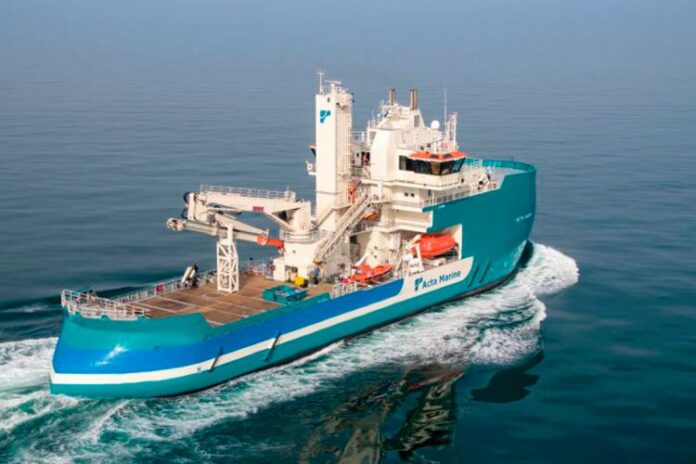
GE Renewable Energy and ACTA MARINE have announced the signature of a supply contract for the chartering of a Service Operation Vessel (SOV) for the commissioning activities of 80 Haliade 150-6MW turbines at the Saint-Nazaire offshore wind farm (“Parc éolien en mer de Saint-Nazaire”).

The vessel, ACTA AURIGA, is owned and operated by the Dutch shipping company ACTA MARINE, and will start operating on behalf of GE Renewable Energy in the second quarter of 2022, when the offshore wind turbine installation is set to begin. Departing from the Port of Saint-Nazaire, the vessel will assist in the mechanical completion and commissioning of the 80 Haliade 150-6MW offshore wind turbines located approximatively 12km off the coast. ACTA AURIGA will also provide safe accommodation and transportation for the project personnel and will have the capacity to transport goods that are needed offshore.

John Higgins, Project Management Leader at GE Renewable Energy Offshore Wind says:

“We are very happy to collaborate for the first time with ACTA MARINE and to be able to charter the ACTA AURIGA SOV during the mechanical completion and commissioning phases.

I trust that the quality of the vessel’s design and the skills of their teams will support our project teams in executing the offshore works on time and with quality. As a key player in the offshore wind industry, we continue to develop a network of high skilled suppliers that will be able to help us provide the best service to our customers.”

Simon Anink, General Manager Commerce at ACTA MARINE comments:

“We are very pleased that the experienced team of GE Renewable Energy has chosen our walk to work vessel ACTA AURIGA for the offshore works on Saint-Nazaire offshore wind farm and we are proud to be part of the first large scale offshore wind development in France. We are convinced the ACTA AURIGA will be a good fit for the project and will provide a comfortable stay for the technicians offshore and an efficient execution of the offshore scope for GE’s project team.”

The Saint-Nazaire offshore windfarm, located off the coast of Saint-Nazaire (FR), is managed by a consortium between EDF Renouvelables and Enbridge, and will be the first commercial wind farm in France. It is a key milestone in the development of renewable energy in France and a first step in the offshore wind sector to support France’s renewable energy goals. Commissioning is due to be completed by the end of 2022.

ABS AIP for next generation liquified CO2 carrier JDP designs

0

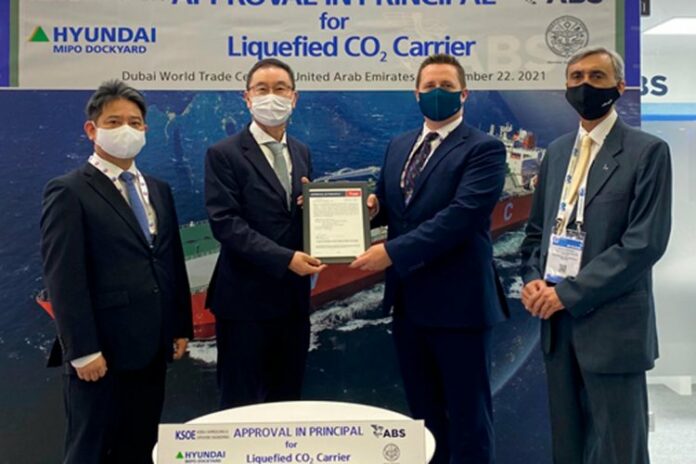
Liquefied CO2 carrier designs by Hyundai Mipo Dockyard (HMD) and Korea Shipbuilding and Offshore Engineering (KSOE) have been granted Approval in Principle (AIP) by ABS and the Republic of the Marshall Islands (RMI) Maritime Administrator.

Presented at the Gastech 2021 Conference, the AIP is the culmination of a six-month joint development project (JDP) between ABS, HMD, KSOE and RMI to research and develop next generation liquefied CO2 carrier designs.

HMD developed a cargo containment system optimized for liquefied CO2 based on its existing gas carrier construction experience, while KSOE developed a cargo handling system with new technology to maintain a stable state without carbon dioxide being emitted into the atmosphere. ABS and RMI granted AIP, verifying the suitability of IGC Code, Class requirements and flag regulations for liquefied gas carriers.

Georgios Plevrakis, ABS Director, Global Sustainability, said:

“Carbon capture, utilization and storage is a rapidly developing technology with the potential to contribute significantly to global decarbonization ambitions. Shipping needs to be ready to play its part in the developing carbon supply chain with vessels capable of safe and efficient transport of CO2. ABS is the leading Class for gas carriers and this means we are well placed to support development of these vessels.”

Y.J.Nam, HMD Executive Vice President, said:

“The response to climate change will be a new opportunity for the shipbuilding industry. Through this development of a liquefied CO2 carrier, we will further enhance our competitiveness in the future eco-friendly shipbuilding market that leads carbon neutrality.”

Byeong-Yong Yoo, KSOE Vice President, said:

“This is the first step for realizing a CO2 carrier, but I believe that the achievement of this JDP is a big step towards commercializing a CO2 carrier. This is because our new design can provide a safe and cost-effective solution for CO2 shipping, which can be an important part of the CO2 value chain.”

Thomas Blenk, Deputy Commissioner of Maritime Affairs, said:

“The Republic of Marshall Islands Maritime Administrator is committed to supporting efforts to achieve global decarbonization goals. The liquid CO2 carrier is a critical component to carbon capture, utilization and storage strategies that will directly contribute to the ongoing global energy transition. We are pleased that the RMI Maritime Administrator’s environmental stewardship is being recognized and how the gas and technical teams played a pivotal role in the completion of this development project.”

Over 150 organizations join Call to Action for Shipping Decarbonization

0

Full decarbonization of international shipping is urgent and achievable. This is the clear message from more than 150 industry leaders and organizations representing the entire maritime value chain, including shipping, cargo, energy, finance, ports, and infrastructure.

In conjunction with the UN General Assembly and ahead of critical climate negotiations at COP26 in Glasgow this November, they call on governments to work together with industry to deliver the policies and investments needed to reach critical tipping points in decarbonizing global supply chains and the global economy.

Signatories to the Call to Action for Shipping Decarbonization include some of the world’s largest actors in global trade: A.P. Moller – Maersk, BHP, BP, BW LPG, Cargill, Carnival Corporation, Citi, Daewoo Shipbuilding & Marine Engineering, Euronav, GasLog, Hapag-Lloyd, Lloyd’s Register, Mitsui O.S.K. Lines, MSC Mediterranean Shipping Company, Olympic Shipping and Management, Panama Canal Authority, Port of Rotterdam, Rio Tinto, Shell, Trafigura, Ultranav, Volvo, and Yara.

Ships transport around 80% of global trade and account for about 3% of global greenhouse gas (GHG) emissions. In 2018, the UN’s International Maritime Organization (IMO) adopted an initial GHG strategy. It aims to reduce international shipping’s total annual GHG emissions by at least 50% of 2008 levels by 2050. The strategy is set to be revised in 2023.

Jane Fraser, Chief Executive Officer of Citi, says:

“Now is the time to raise our ambitions and align shipping worldwide—a significant carrier of global trade—with the goals of the Paris Agreement. We are working closely with our clients to advance the shipping industry’s transition to net zero emissions and, with the support of strong public policy measures, we can accelerate our collective efforts to decarbonise the global economy.”

The private sector is already taking concrete actions to decarbonize shipping. This includes investing in RD&D and pilot projects, ordering and building vessels operated carbon neutrally, buying zero emission shipping services, investing in the production of net-zero emission fuels, investing in port and bunkering infrastructure, and assessing and disclosing the climate alignment of shipping related activities.

Henriette Hallberg Thygesen, CEO, Fleet & Strategic Brands, A.P. Moller – Maersk, says:

“We are investing significantly in the carbon neutral emissions technologies that are readily available. To make such investments the default choice across our industry, we need a market-based measure to close the competitiveness gap between fossil and zero emission fuels of today and the carbon neutral fuels of tomorrow.”

Jeremy Weir, Executive Chairman and Chief Executive Officer at Trafigura, says:

“Decarbonising shipping is both critical to achieving net zero global emissions and increasingly urgent. Policymakers have a historic opportunity to accelerate this process by introducing a global carbon levy on marine fuels, to drive decarbonisation and incentivise investment in zero emissions fuels and vessels. The time for action is now.”

Johannah Christensen, Chief Executive Officer of the Global Maritime Forum, says:

“Decarbonizing shipping should leave no country behind. To make the transition to zero emission shipping and fuels equitable and inclusive, policy measures must make sure that decarbonizing shipping also brings jobs and opportunities to people in developing countries and emerging economies.”

Signatories of the Call to Action for Shipping Decarbonization call on world leaders to:

  • Commit to decarbonizing international shipping by 2050 and deliver a clear and equitable implementation plan to achieve this when adopting the IMO GHG Strategy in 2023.
  • Support industrial scale zero emission shipping projects through national action, for instance by setting clear decarbonization targets for domestic shipping and by providing incentives and support to first movers and broader deployment of zero emissions fuels and vessels.
  • Deliver policy measures that will make zero emission shipping the default choice by 2030, including meaningful market-based measures, taking effect by 2025 that can support the commercial deployment of zero emission vessels and fuels in international shipping.
  • The Call to Action for Shipping Decarbonization has been developed by a multi-stakeholder taskforce convened by the Getting to Zero Coalition – a partnership between the Global Maritime Forum, the World Economic Forum, and Friends of Ocean Action. Members of the taskforce include Cargill Ocean Transportation, Citi, the COP26 Climate Champions team, the Energy Transitions Commission, Lloyd’s Register, Port of Antwerp, Torvald Klaveness, Trafigura, Yara, and UMAS.