-11.1 C
New York
Home Blog Page 522

Elenger takes delivery of first Damen LGC 6000 LNG bunkering vessel

0

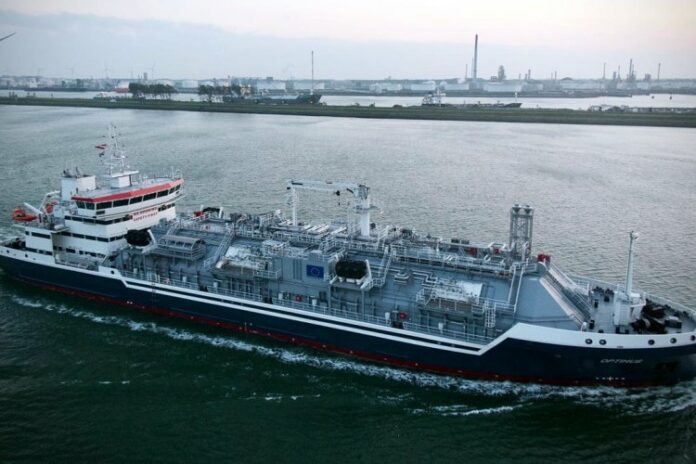
The Estonian energy company Elenger has taken delivery of the first of Damen’s new class of Liquified Gas Carrier (LGC) 6000 LNG bunkering vessels. 

The vessel was delivered in the port of Rotterdam and will be the first LNG bunkering vessel in the Gulf of Finland, serving both LNG powered vessels and smaller shoreside customers. Its introduction is expected to accelerate the wider adoption of LNG as a cleaner alternative fuel in the Baltic Sea by providing a mobile and efficient ship-to-ship distribution service for the first time.

The vessel was built at Damen Shipyards Yichang and completed its gas trials in Damen Verolme Rotterdam shipyard before being delivered to its owner Infortar for charter by Elenger – the new trademark recently introduced by Eesti Gaas for its export markets.

Optimus is designed to meet the requirements of ICE class 1A certification and to achieve green ship notation. A dual fuel propulsion system is used for the management of the Boil-Off Gas (BOG) in combination with a gas boiler system, and the interior of the vessel features high-quality accommodation for her crew. The LGC range is also designed for fast and safe bunkering operations both in ports and offshore, and in all weather conditions. Thanks to dual propeller lines and a very efficient hull design they are highly manoeuvrable for in-harbour operations. A modern cargo handling system and redundant manifold arrangements allow them to perform reliable and flexible fuel transfers in accordance with the highest industry requirements.

With this first LNG bunkering vessel, Elenger has significantly expanded its LNG distribution business in the Baltic region. The company has been supplying one of the leading regional ferry companies, Tallink Group, for the past five years, refuelling its LNG-fuelled RoPax ferry Megastar using multiple specialist trucks. The Megastar will be one of the first beneficiaries of the arrival of Optimus, followed in spring 2022 by Tallink’s new LNG-fuelled RoPax ferry MyStar. 212-metres in length it has capacity for 2,800 passengers, 250 freight vehicles and 150 cars. The Optimus will now replace the trucks with a cleaner and much more efficient service. Elenger also has pre-agreements in place with other reputable clients operating cargo and container vessels, tankers and cruise ships, among others.

The construction of Optimus has been supported by the EU CEF (Connecting Europe Facility) funding programme and was co-financed by the leading financial services group in Finland, OP Financial Group.
TECO 2030 receives NOK 50 million in government support for fuel cell development

0

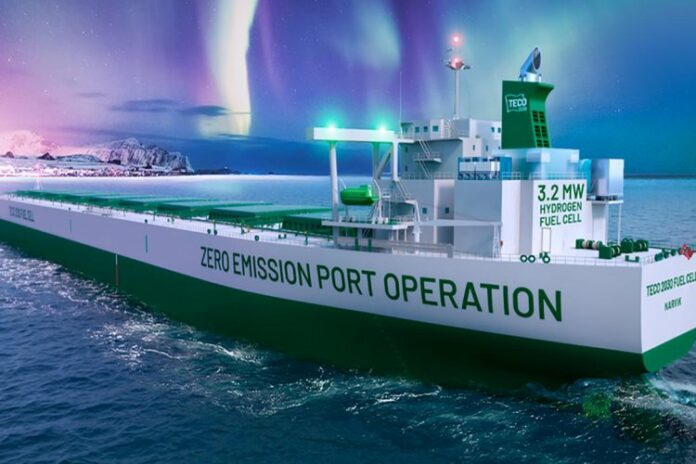
TECO 2030 has been granted NOK 50 million in Norwegian government support for its development of hydrogen fuel cells, which will lead to the creation of up to 500 new jobs in northern Norway by 2030 and contribute to reducing greenhouse gas emissions.

Jan Christian Vestre, the Norwegian Minister of Trade and Industry, says:  

“What TECO 2030 is doing is pioneering work that has the potential to change shipping, cut emissions and create new jobs in northern Norway. This is inspiring work, and I wish TECO 2030 the best of luck with their exciting project.”

“I am convinced that many of the good and green solutions that will contribute to changing the world will come from Norwegian workplaces. That is why I find TECO 2030’s development project incredibly exciting.”

The support has been granted by Innovation Norway, which is the Norwegian government’s most important instrument for innovation and development of Norwegian enterprises and industry.

The funding will go towards the development and testing of the TECO 2030 Marine Fuel Cell, the first fuel cell system in the world that is specifically designed for use onboard ships and on other heavy-duty applications.

Håkon Haugli, Chief Executive Officer of Innovation Norway, says:

“Our support to TECO 2030 is one of several contributions to the green transition in Norway. At the same time, we see that their project could in the long run create a significant number of jobs in Narvik. Our task is to contribute to business development throughout Norway, and we believe that TECO 2030’s solutions have great potential, both in the Norwegian market, and internationally.”

TECO 2030 will produce fuel cells at its new combined factory and innovation center in Narvik in northern Norway, the TECO 2030 Innovation Center. The plant will become Norway’s first large-scale production of hydrogen fuel cells.

A prerequisite for receiving the support from Innovation Norway is that TECO 2030 raises around NOK 160 million in additional funding from other investors before the end of March 2023.

TECO 2030 has already been granted up to NOK 5.4 million in indirect government support in the form of tax deductions for developing the plant’s first semi-automated production line, as announced in September.

Over the next ten years, TECO 2030 expects total investments in the plant to amount to up to NOK 1 billion. During that period, up to 500 new jobs may be created in Narvik within development, pilot production and full-scale production.

TECO 2030 expects to have around 40 employees at the plant already before the end of 2023, and about 100 before year-end in 2025. The factory is planned to have an annual production capacity of 60 MW in 2023.

The capacity will be gradually scaled over the following years, and the goal is that by 2030, the plant will be able to produce up to 1,200 MW of fuel cells every year, which could lead to several billions of NOK in annual turnover.

Nakilat and Karpowership sign MoU to collaborate in LNG-to-power market

0

Nakilat and Karpowership have signed a Memorandum of Understanding (MoU) to collaborate in the LNG-to-power market and jointly own and operate Floating Storage Regasification Units (FSRUs).

Nakilat’s Chief Executive Officer Eng. Abdullah Al-Sulaiti said:

“We are very pleased and excited to sign this agreement with Karpowership today. This fits very well with Nakilat’s long-term growth plan to expand and diversify our shipping portfolio and strengthens our position as a global leader in the energy transportation sector.”

Karpowership’s Chief Executive Officer Mr. Orhan Remzi Karadeniz said:

“We are very excited to be working with Nakilat as this will enhance our ability to offer a one stop shop tailor-made solution to our customers through our integrated business model where we design, develop, engineer and construct our entire assets. FSRUs together with Powerships deliver energy to any country around the world, by utilizing a cleaner and more reliable fuel than many existing options”.

The MoU outlines an ambitious plan for the immediate future. Nakilat and Karpowership hope to set up a new joint venture and deliver the first FSRU by 2023.

Study finds increasing potential for toxic algal blooms in a warming Alaskan Arctic

0

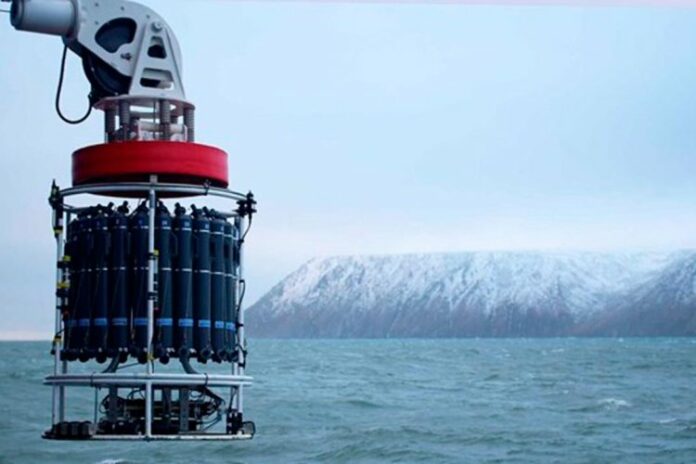
Changes in the northern Alaskan Arctic Ocean have reached a point at which a previously rare phenomenon — widespread blooms of toxic algae — could become more commonplace, potentially threatening a wide range of marine wildlife and the people who rely on local marine resources for food. 

That’s the conclusion of a new study on harmful algal blooms of the toxic algae Alexandrium catenella published in the journal Proceedings of the National Academy of Sciences. Although microscopic algae in the ocean are most often beneficial and serve as the base of the marine food web, some species produce potent neurotoxins that can directly and indirectly affect humans and wildlife.

The U.S. National Science Foundation-supported study by scientists at the Woods Hole Oceanographic Institution and other institutions looked at samples from seafloor sediments and surface waters collected during 2018 and 2019 in the region extending from the northern Bering Sea to the Chukchi and Beaufort Seas north of Alaska. 

The sediment samples allowed the researchers to count and map A. catenella cysts, a seed-like resting stage that lies dormant in the seafloor for much of the year, germinating or hatching only when water temperatures and nutrients are suitable. The newly hatched cells swim to the surface and multiply using the sun’s energy, producing a “bloom” that can be dangerous due to the neurotoxins, called saxitoxins, the adult cells produce.

When the algae are consumed by fish and shellfish, those toxins can accumulate to levels that can be dangerous to humans and wildlife. In fish, toxin levels may be high in digestive and excretory organs like the stomach, kidney and liver, but are very low in muscle and roe. 

Although fish can be potential toxin vectors, the human poisoning syndrome is called paralytic shellfish poisoning, with symptoms ranging from tingling lips to respiratory distress and death. The toxin can also cause illness and mortality in marine wildlife such as larger fish, marine mammals and seabirds — a particular concern to members of coastal communities in northern and western Alaska who rely on a variety of marine resources for food.

Don Anderson, WHOI senior scientist, who led the study, said:

“We’ve known about human and marine wildlife health risks associated with Alexandrium and its toxins in Alaskan waters for a long time, including occasional events north of Bering Strait, but these results show increased potential for large and recurrent blooms of this species as a new hazard for Alaska’s Arctic.”

Research vessel Belgica, transferred from Belgium to Ukraine, arrives in Odesa

0

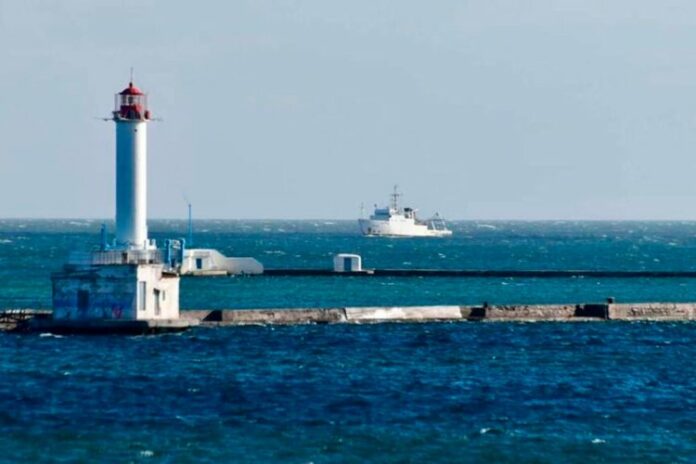
The marine research ship the Belgica has completed its voyage of 8,600 kilometres from Zeebrugge, Belgium to Odesa in Ukraine to start its new mission of monitoring the environment in the Black Sea.

Belgium transferred the vessel to Ukraine (the Ukrainian Research Centre for Marine Ecology) under a Memorandum of Understanding between the Belgian Federal Office of Science and Policy, the Royal Belgian Institute of Natural Sciences, and the Ministry of Environment and Natural Resources of Ukraine, which was signed in July this year.

Commenting on the handover of the vessel, UNDP Resident Representative Dafina Gercheva said the Belgica would be essential for Ukraine’s efforts to protect the Black Sea from further environmental damage. Gercheva said:

“We know from earlier research that tonnes of plastic waste flows into the Black Sea from Ukraine’s rivers. The work of this ship will help us monitor this situation and assess the progress we make in tackling this challenge.”

On its latest voyage, the ship was operated by a Ukrainian crew, with Ukrainian and international scientists working on board. During the trip from Belgium to Ukraine, the researchers assessed the presence of floating debris, took samples of seawater and sediments for unique screening for tens of thousands of contaminants and microplastics, and dissolved DNA from the environment to assess biodiversity and analyse the spread of antibiotic resistance genes in marine animals.

Ukrainian Minister on Environmental Protection and Natural Resources Roman Abramovsky said:

“Now we can restore the research and reinforce environmental monitoring of the Black and Azov Seas, as well as successfully implement EU Directives on the marine environment.

“I am grateful to the Kingdom of Belgium for such an important for Ukraine gift, as well as project EU4EMBLAS, EU Joint Research Center and Ukrainian Scientific Center of Ecology of the Sea for cooperation”.

European Ambassador to Ukraine Matti Maasikas said the future work of the Belgica would add to the body of scientific knowledge about the Black Sea, and also raise public awareness about the environmental problems it and other European Seas face.

Maasikas said:

“With the Belgica, Ukraine will be able to make a valuable contribution to protecting the Black Sea. Countries in Europe and around the world are literally connected by the sea, and the state of our marine environment must be the concern of all states that border it. This includes Ukraine, a large and important maritime state.”

KenzFigee inks contract to deliver crane for Sofia offshore wind farm

0

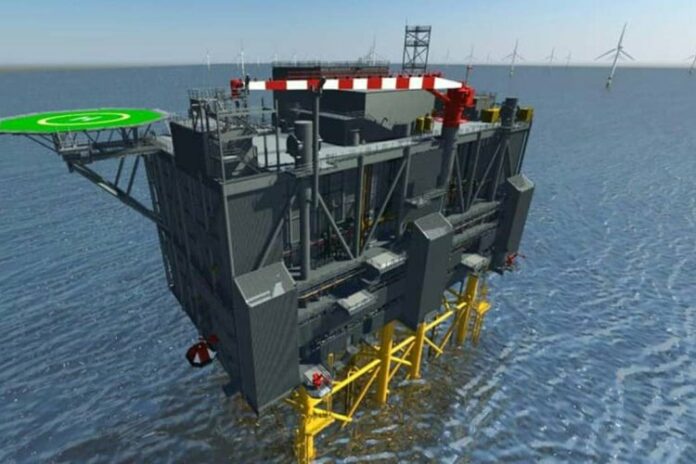
KenzFigee signed a contract with Iv-Offshore & Energy to deliver an electric hydraulic Ram Luffing offshore crane for installation on the state-of-the-art HVDC offshore converter platform for Sofia Offshore Wind Farm, to be sited on Dogger Bank in the North Sea.

The heavy duty 3,000 type Ram Luffing crane is especially suited for harsh North Sea offshore operations. With its compact and robust design coupled with a limited number of moving parts, it is an ideal low maintenance offshore crane. The crane is equipped with a 40-metre long box boom which enables personnel handling and supply boat lifts of up to Hs-5m, according EN13852-1, and platform lifts with safe working loads from 19 to 25 tonne.

The Ram Luffing crane will be built, assembled and tested at KenzFigee facility in Zaandam, the Netherlands. In the first quarter of 2022, it will be shipped to Batam, Indonesia where Sembcorp Marine will install it on the HVDC (High Voltage Direct Current) offshore converter platform being fabricated for Sofia Offshore Wind Farm.

The 1,400 MW Sofia Offshore Wind Farm, consisting of 100 wind turbines, will generate enough energy to power 1.2 million UK homes and will be one of the largest offshore wind farms in the world when completed. Located 195 km off the North East coastline of the United Kingdom, it will also be one of the farthest from shore.

Robert de Rijcke, Chief Commercial Officer of KenzFigee, says:

“We are proud to be able to contribute to safe and efficient operations on one of the world’s largest offshore wind farms, the Sofia Offshore Wind Farm in the UK sector. It’s a pleasure to be working again with Iv-Offshore & Energy on this great project. This new contract award by Iv-Offshore & Energy reflects the mutual trust and confidence between both companies, and validates the reliability of our products, particularly the Ram Luffing crane as a proven design with an installed base of over 100 cranes worldwide.”

Northern lakes warming six times faster in the past 25 years

0

Lake Superior, the most northern of the Great Lakes which straddles the Canada/United States border, is one of the fastest warming lakes, losing more than two months of ice cover since ice conditions started being recorded in 1857. In Lake Suwa, in Japan, ice formed close to 26 days later per century since 1897 and is now only freezing twice every decade, while Grand Traverse Bay in Lake Michigan had one of the fastest ice-off trends, melting about 16 days earlier per century.

Associate Professor Sapna Sharma of the Faculty of Science at York University, says:

“We found that lakes are losing on average 17 days of ice cover per century. Alarmingly, what we found is that warming in the past 25 years, from 1992 to 2016, was six times faster than any other period in the last 100 years.”

The researchers re-assessed ice trends of 60 lakes for the first time since 2004 for 60 lakes by studying ice phenology records ranging from 107 to 204 years old from prior to the Industrial Revolution. 

Sharma says:

“Many of our lakes may be approaching a tipping point to ice-free conditions which will have vast cultural and ecological implications.”

On average, these lakes were freezing 11 days later and thawing 6.8 days earlier. Extremely warm winters over the last several decades have contributed to the increasing rate of ice loss, especially in larger lakes and in southern and coastal regions.

Professor David Richardson at the State University of New York says:

“In addition, we found that the duration of winter ice cover has decreased, particularly since 1995, to the point where some lakes are beginning to have more winters with minimal or even no ice cover. For example, some deep lakes in Switzerland and Germany, which historically used to freeze each winter, have permanently lost their ice cover in the past few decades.”

Of the lakes studied, 40 are in North America including Lakes Michigan and Superior, Detroit Lake in Minnesota, Lakes Monona and Mendota in Wisconsin, Cazenovia and Oneida lakes in New York, and several in Ontario—Lake Simcoe, Lake Nipissing and Lake of Bays—18 in Europe, and two in Asia—Lake Baikal in Siberia, Russia, and Lake Suwa in Japan.

Lake ice phenology is considered an important sentinel of climate change. A reduction in greenhouse gas emissions is necessary if increases in air temperature and decreases in lake ice cover are to be mitigated. The researchers say this would also help limit ecological, cultural, and socioeconomic consequences, including increased evaporation rates, warmer water temperatures, degraded water quality, and the formation of toxic algal blooms.

Records have been kept for several decades to centuries detailing lake ice-on and ice-off times because of its importance to refrigeration, transportation, recreation and cultural traditions, as well as economic impacts.

The paper was published in the October issue of the Journal of Geophysical Research: Biogeosciences.

Bourbon Mobility launches new crew transport vessels series

0

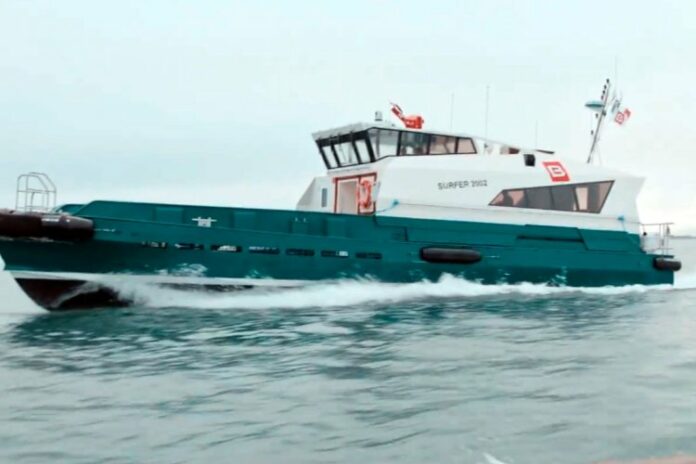
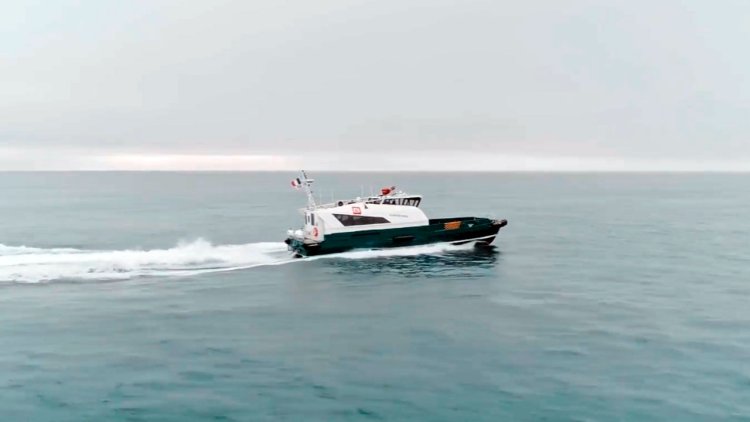
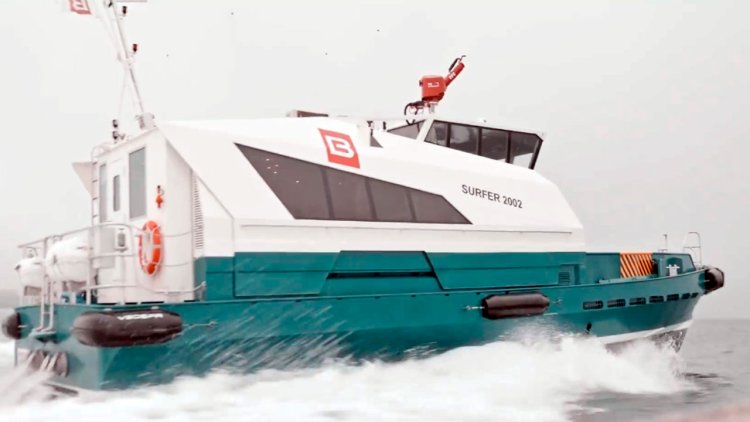
The two first crewboats of the new BOURBON Surfer-200X series have just ended their sea trials off the Normandy coast in France and will operate along the Gabonese coast for TotalEnergies in the next weeks. 

After 2 years of design, engineering and construction, the first vessel of Surfer-200x series is on its way to operate. The offshore market will then soon be able to experience the comfort and technical capabilities of this 19-meter, 30-knot as cruising speed, 30-passenger, new crew boat.

Three additional Surfer-200x units are already under construction at Efinor-Allais French Shipyard in Cherbourg. The thirty-five remaining vessels should be built within the next 3 years. The new fleet will be made of both 19-meter Interfields vessels and 26 & 38-meter Crewliners, which will be equipped with new-generation engines and cabins with an innovative design, while capitalising on series construction for better reliability. This is part of BOURBON’s commitment to maintain its operating standards by ensuring the average age of its fleet at 8 years.

Designed and built based on user experience, both from passengers and BOURBON’s pilots and crews, the Surfer-200X series features the highest level of comfort and safety on the market to date. BOURBON Surfer-200x series integrate more than 150 specific comments from operational side that led, for passengers, to:

  • Improved seating comfort, with increased legroom and higher head rest
  • Noise isolation and reduced vibrations thanks to the shock absorbers installed under the seats
  • More spacious volumes of the cabin in general
  • Charging points allowing passengers to recharge all their electronic devices
  • Panoramic windows for a better view of the environment
  • Variable Led lighting and optimised air conditioning system.

Bourbon Mobility has also integrated as much feedbacks as possible from the pilots to make their life on board easier and safer:

  • Improved visual & physical access to all key equipment in the engine room
  • Vessel’s hull structure reinforcement for a better durability and safety
  • Installation of 5 CCTVs on board allowing the crew to monitor passenger safety, including one in the Boat landing zone
  • Upgrade of the ergonomics and comfort of the whole wheelhouse

François Leslé, CEO of Bourbon Mobility, said:

“Our Surfer-200x offers a unique experience on the offshore market! These new vessels prefigure our company’s crew boats Surfers for the mid-term. They are not only a symbol of the renewal of the Interfield fleet but also a strong signal sent to our clients: BOURBON’s will is to innovate and anticipate market trends. With this new series, BOURBON continues to offer the best economic and environmental alternative to helicopter transport, but also a better level of comfort and safety for both passengers and crew, in line with our ambition of operational excellence.”

HPC to survey information systems for inland waterway ports and terminals in Europe

0

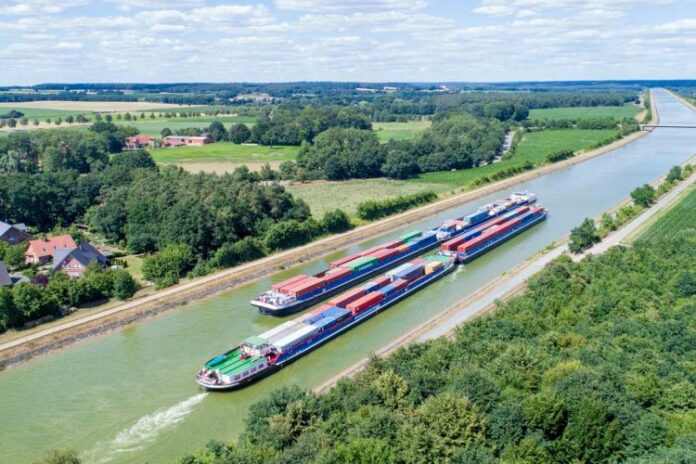
HPC Hamburg Port Consulting has been commissioned by the German Directorate-General for Waterways and Shipping (GDWS) to conduct a study on information services for ports and terminals. 

The analysis is being carried out as part of a European project aimed at developing a digitalisation strategy for freight transport on continental Europe’s inland waterways.

As the central federal authority of the Federal Waterways and Shipping Administration, the GDWS is participating in the “Digitalisation of Inland Waterways” (DIWA) project, which is funded by the EU’s Connecting Europe Facility (CEF) programme and involves four other national inland waterway authorities: the Netherlands, Belgium, France and Austria. The project aims to develop a common, integrated strategy for the digitalisation of the inland waterways of the TEN-T corridors, making the transport mode more competitive and sustainable in the long term.

Thomas Wagner, Head of Department for Inland Transport Engineering and Tobias Aretz, National DIWA Coordinator (both GDWS), say:

“We at GDWS are pleased that, together with our European project partners, we will be able to help shape the future of European inland waterway transport and to contribute to this environmentally friendly mode yielding an even better performance.”

As part of the business process developing a framework for the DIWA master plan, HPC has been commissioned to explore the information services for ports and terminals. The focus will be on building an inventory of the data inter-faces between inland navigation operators and European ports, as well as the IT system landscape. The aim is to determine the existing level of digital maturity and future potential with regard to the digitalisation of the processes ports and inland navigation.

Hartmut Beyer, authorised signatory at HPC, says:

“Against the background of the heavy utilisation of road and railway systems, the integration of inland navigation into the overall development of intermodal transport concepts is very welcome.”

“The digital transformation of the inland waterways network will significantly increase the attractiveness of the mode for customers. At HPC, we are very pleased to be able to input into the strategic development of this important trans-European project with our combined port and IT know-how.”

HPC has many years of experience in this sector and has advised national and international inland ports on operational issues, analyses and digitalisation projects. For example, HPC supports the Hamburg Vessel Coordination Center HVCC in optimisation and coordination when feeder vessels and larger ships meet on the Elbe and in the port. In addition, HPC has successfully implemented digitalisation and inland navigation projects for operators on the Rhine, in India and the USA.

Cruise company set to debut world’s first hybrid-powered ship

0

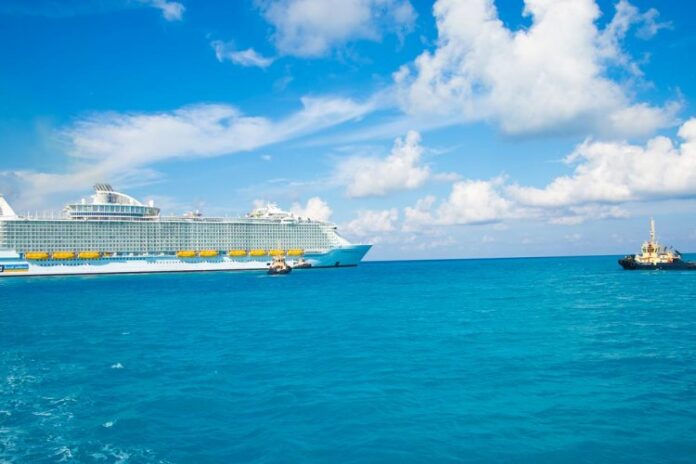
The cruise industry’s first hybrid powered ship is set to debut summer 2023 as part of Royal Caribbean Group’s ultra-luxury brand Silversea Cruises. 

The new class of ships, known as ‘Project Evolution,’ will operate using a trio of power sources including a fuel cell system, battery technology and dual fuel engines using liquefied natural gas (LNG) as the main fuel. This hybrid solution, using fuel cell technology, allows the ship to be free of local emissions while at port — another industry first.

Richard Fain, Chairman and CEO, Royal Caribbean Group, said:

“Silversea’s newest ship class is a significant leap forward in our commitment to sustainable ship design and our journey to reduce our environmental footprint. We first announced our fuel cell ambitions several years ago. Through dedication and perseverance, we are now proud to introduce the first ship with large-scale fuel cell technology capable of achieving emission-free port operations.”

“Incorporating fuel cells into our ships now is one example of how Royal Caribbean Group is preparing to use new technologies as we move to a non-carbon-based future. This pioneering approach builds on our spirit of innovation.”

The new hybrid technology not only helps in port, but also allows Project Evolution to achieve a 40% overall reduction in its greenhouse gas emissions per double occupancy when compared to the brand’s previous class of ships. The ship class is also projected to achieve an Energy Efficiency Design Index (EEDI) rating approximately 25% better than applicable International Maritime Organization (IMO) requirements.

Project Evolution’s full suite of initiatives, developed in partnership with Meyer Werft Shipyard, will bring energy efficiency to a new level and will include both first-of-its-kind initiatives and successful features previously introduced such as: 

  • Fuel Cell System – this hydrogen-based technology will supplement the main power supply and carry the ship’s total hotel load — up to four megawatts — the first large-scale fuel-cell installation at sea in the cruise industry.
  • LNG (Liquid Natural Gas) – a cleaner burning fuel, LNG-fueled propulsion systems emit less CO2 and 97% fewer particulates than normal fuel oil used on ships.
  • Battery – a bank of batteries supports optimizing the overall ship power system, saving fuel.
  • Waste to Energy – newly developed Micro Auto Gasification System (MAGS) reduces onboard waste volume, resulting in lower incineration emissions.
  • Progress to Carbon Neutral Construction – in partnership with Meyer Werft Shipyard, Project Evolution is thoughtfully designed and built taking into consideration the carbon footprint of ship construction and creating a path to overall reduction.