1 C
New York
Home Blog Page 495

FPS engages Air Liquide for the supply of carbon-free hydrogen to FPS Maas

0

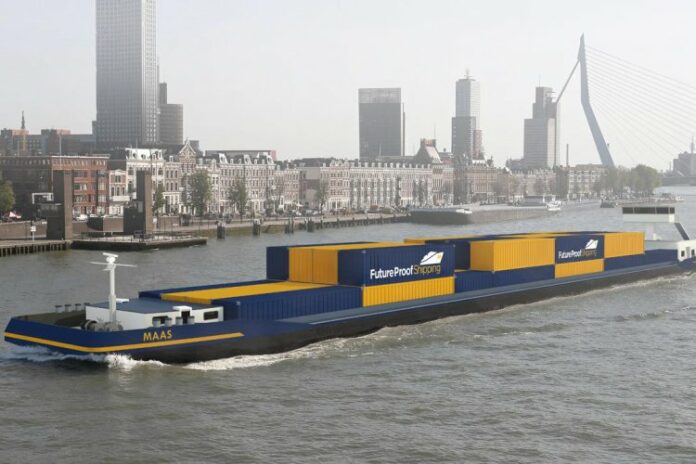
Future Proof Shipping (FPS) has signed a long term agreement with Air Liquide (AL) for the supply of carbon-free hydrogen to their inland container vessel, FPS Maas, which is transporting containers between the Netherlands and Belgium.

As part of the agreement, Air Liquide will supply carbon-free hydrogen through specially designed multi-modal hydrogen storage suited for inland barges. The newly designed storage will be homologated with the support of notified bodies and will pave the way to make this new market a reality. The overall solution enables FPS Maas to reduce CO2 emissions by nearly 2,000 tonnes per year.

The project is a milestone on the path to the decarbonisation of inland waterways. It enables the substitution of conventional fuel used in the shipping industry by hydrogen, thus reducing the sector’s environmental footprint. The solution can be easily replicated to other ships, trains and other applications.

Diederick Luijten, Vice President Hydrogen Energy Northern Europe & CIS countries – Air Liquide, said:

“We are excited to develop this innovative solution together with Future Proof Shipping by leveraging our hydrogen expertise to contribute to the decarbonisation of the maritime sector. This project will help lower the environmental footprint of inland transport on waterways, a sector that represents 3.4 % of the CO2 emissions in the Netherlands.”

FPS and Air Liquide are also partners in the RH2INE Programme (Rhine Hydrogen Integration Network of Excellence), which aims to decarbonise inland shipping on the Rhine river and which is endorsed by the Dutch Ministry of Infrastructure & Water Management, the Province of Zuid-Holland (The Netherlands) and the state of North Rhine Westphalia (Germany).

Richard Klatten, Future Proof Shipping, said:

“Partnering with Air Liquide, a company with hydrogen at its core, is solving a giant piece of the zero-emissions logistics puzzle for us. Our vessels need to be fueled with renewable energy and right now carbon-free hydrogen, supplied by Air Liquide, is the smartest and greenest fuel choice available to us. We are delighted to welcome the Air Liquide team on board this journey to a zero-emissions shipping world.”

The hydrogen will be used in a PEM fuel cell to produce electricity to deliver ~ 825 kW for ship propulsion and auxiliary power. The PEM fuel cell system is necessary for converting hydrogen into electricity and will be installed in the cargo space of FPS Maas.

Prasanna Colluru, Director Corporate Strategy – Future Proof Shipping, said:

“This was one of the last hurdles for FPS to overcome in our quest to get the FPS Maas sailing with zero-emissions. Now that we have secured our hydrogen supply, we will work on ensuring that even more zero-emission vessels and zero-emissions container slots will be available for cargo owners to ship their goods carbon-free.”

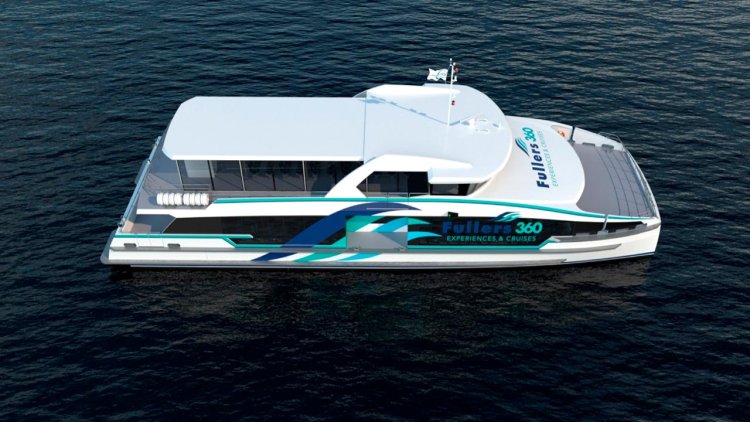
Incat Crowther to design electric ferry for Fullers360

0

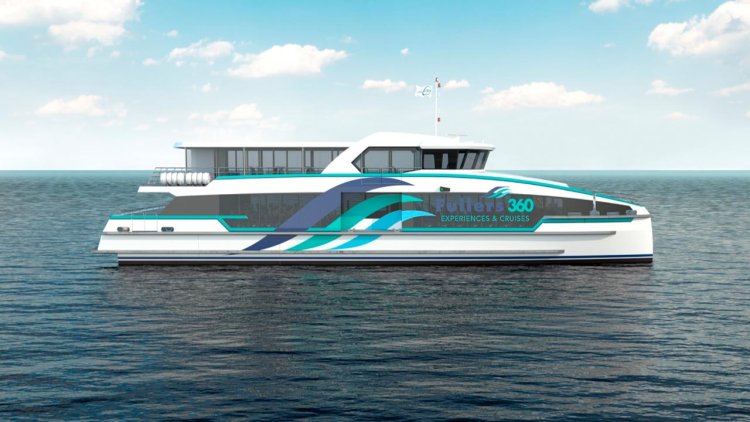
Incat Crowther has announced a contract to design an Incat Crowther 32 electric ferry for Fullers360 of Auckland, New Zealand. To be built by Q-West, the ferry will be the designer’s sixth from the builder and will join ten other Incat Crowther ferries in the Fullers360 fleet.

Fullers360 announced it has reached this milestone in its decarbonisation journey with Auckland’s first electric hybrid fast ferry for Fullers360’s Auckland ferry fleet. This critical first step will reduce carbon emissions by 750,000kg per year on the Devonport route alone.

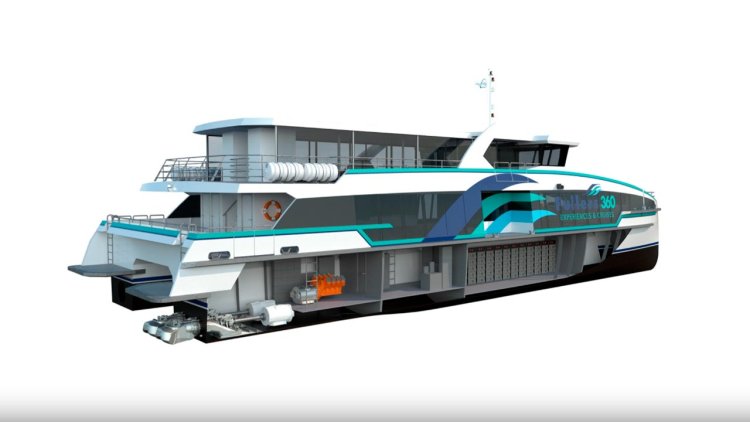
The new electric ferry gives the operator an excellent combination of efficiency and flexibility. Designed specifically for the route, the vessel will provide an efficient, low emission, quiet service between Auckland and Devonport. The vessel cabin is modular, with the main deck configured for metro operations and overflow capacity to the upper deck.

Flexibility is provided by an enhanced capability to operate on other routes on the network. The drivetrain features the ability to employ a pair of range-extending generators that can be used in conjunction with the battery bank. This technology supports the electrification transition whilst the charging network is expanded to allow all electric operation on longer trips. The design is also compatible to be refitted with hydrogen fuel for increased range as the fuel becomes more widely available in the future.

The passenger experience is centred around large midship boarding doors which are designed to mimic existing vessels and integrate with existing infrastructure. The vessel is also designed to be fully compatible with Auckland’s newly developed Downtown Ferry Basin terminal.

Once aboard, a large vestibule adjoins an open area with fold-up seats that accommodate up to 28 bicycles, facilitating fast, smooth passenger flow. A café is located amidships whilst toilets are located aft.

The vessel’s drivetrain consists of four Danfoss EM-PMI540-T4000 electric motors directly mounted to Hamilton HTX42 water jets, with a battery arsenal of 1944kWh to achieve maximum speeds over 28 knots. An advanced energy management system controls the deployment of the system over a range of usage profiles. As well as the primary electric-only profile, the vessel can extend its range by a mode directly feeding the propulsion motors from the generators, a mode that charges the batteries from the generators, and a hybrid boost mode that combines both sources.

The new vessel is Fullers360’s first step towards building a fleet that eliminates the use of fossils fuels on Auckland Harbour. New Zealand is a leading force in renewable energy, with over 80% of their energy usage coming from renewable sources such as hydro, wind and geothermal. As such, the use of electric propulsion in the city’s public transport represents an immediate reduction of emissions over diesel propulsion.

OOMCO launches new bunker terminal at Port of Duqm

0

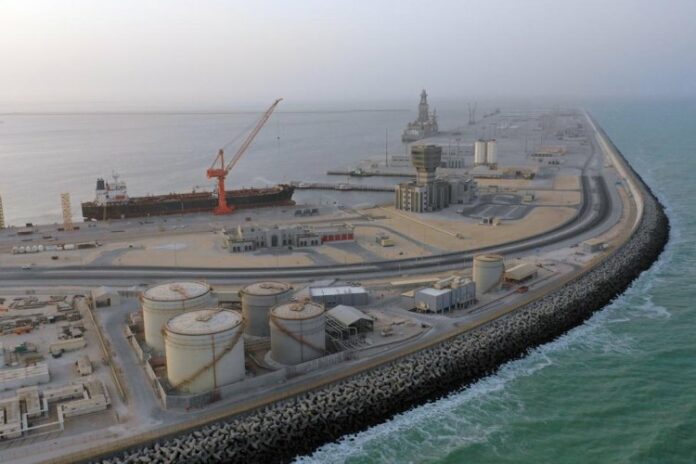
Oman Oil Marketing Company (OOMCO), the leading marketer and distributor of multi-sector fuel and lubricant products, recently launched a new bunker terminal at the Port of Duqm. 

Strategically located on Oman’s south-east coast, the new marine fuel terminal will serve the international shipping market given its close proximity to significant shipping traffic accessing the Suez Canal, Arabian Gulf, and the Indian Ocean.

Hilal Ali Al Kharusi, Chairman of OOMCO, said:

“OOMCO’s development of the Duqm Bunker terminal is part of Oman’s Vision 2040 development plan to diversify the Sultanate’s economy, including the marine and logistics sectors, while leveraging the country’s strategic location. The future of the logistics sector in Oman gets stronger with such initiatives that link us with the rest of the world. We are positive that this project will enable more economic diversification and position the Sultanate of Oman as a world-class international logistics hub”.

The new Port of Duqm terminal will offer the highest specification HSFO, VLSFO and LSMGO marine fuel in compliance with ISO 8217, and has been designed to meet the increasing demands for quality marine fuel, including all low sulphur fuel-compliant marine fuels in line with IMO2020. Bunkers will also be delivered by barge, with the addition of the 10,000 metric tonne (MT) the MT Alpha – capable of delivering HSFO 3.5% Sulphur, VLSFO 0.5% Sulphur, LSMGO, at a pumping rate up to 1,000 m3 / hour. The services available at OOMCO Bunker terminal will ensure that all bunker deliveries will meet the highest international specification standards.

The terminal will operate in full compliance with the health and safety protocols of the Port of Duqm and in line with Omani COVID-19 regulations. Vessels calling at Duqm can also take advantage of a range of high-quality and diverse services at the port, including pilotage, freshwater supply, waste collection, tug services, crew change, de-slopping services, and ship handling, plus ship spares and dry dock services.

Hussain Jama Bait Ishaq, Acting Chief Executive Officer of OOMCO, said:

“The bunker fuel market in the Middle-East and Africa region is expected to grow at more than 12% during the period of 2022-2025. The commissioning of the bunker terminal means OOMCO can now offer the growing number of Duqm fleet customers access to high quality marine fuels that meet their requirements coupled with state-of-the-art facilities, support infrastructure and above all effective supply chain. Through this milestone, we are taking a step forward to achieving our goal to be among the top fuel bunker suppliers in the GCC by 2027.”

OOMCO’s bunkering services are underpinned by the nearby Duqm refinery, which, when completed, will have the capacity for 230,000 barrels per day. In addition, the nearby Ras Markaz storage terminal is also currently under construction, geared to offer six million barrels of storage capacity once completed in 2022. An additional capacity of 19 million barrels is earmarked for the site as part of its future development.

Bureau Veritas validates wind assisted populsion system for container ship

0

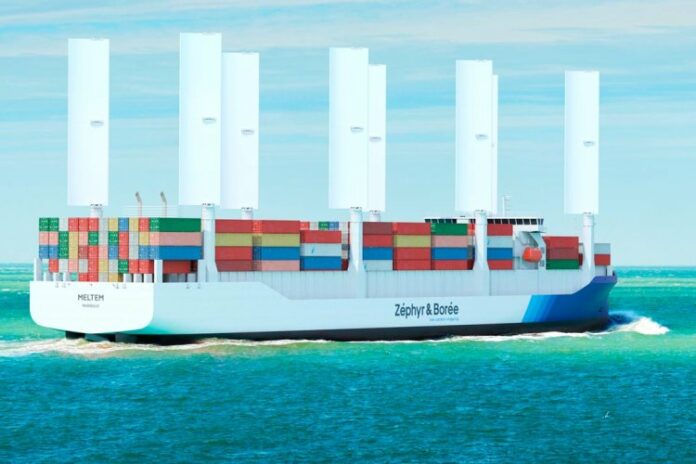
Bureau Veritas (BV) has delivered an Approval in Principle (AiP) to Zéphyr & Borée for its first open-top 1,800 TEU containership, demonstrating the feasibility of using wind-propelled wing-sails on this type of vessel.

The 185 meter-long container vessel is designed with five cargo holds, mostly open-top. Propulsion means are compliant with IMO’s Tier III requirements, and the vessel is equipped with shaft generators and a heat recovery system that minimizes fuel consumption. The vessel’s propulsion system will be assisted by eight sails provided by CWS (Computed Wing Sails). The design is a thick, asymmetrical wing-sail that can be steered to catch port and starboard winds, and adjusts itself automatically depending on the wind conditions to ensure optimal savings.
 
In the race to decarbonize their fleet, many shipowners are researching alternative propulsion methods as a way to improve the energy efficiency of their vessels and reduce their emissions. Among emerging options, wind-assisted propulsion is considered a strong contender for achieving significant emissions reduction, using a free, clean and renewable energy source available worldwide.
 
BV was involved from the very early stage of the design. The main design principles were reviewed in order to ensure the feasibility of the concept and identify any obstacles. The AiP confirms the design’s compliance with the most recent BV notations, including NR 206 on Wind Propulsion systems.
                                                              
Nils Joyeux, CEO at Zéphyr & Borée said:

“We are convinced that the wind energy will play an important role in the years to come to decarbonize ships’ propulsion. The integration of sails on container ships is an important technical challenge on which we are working hard at Zéphyr & Borée. We are delighted to collaborate with BV on this project, which represents a key milestone by demonstrating the viability of wing-sails as a wind propulsion solution for container ships. We intend to continue our work with maritime stakeholders to offer wind propulsion solutions that are economically viable and make a tangible difference for the sector.”

Laurent Leblanc, Senior Vice President Technical & Operations at Bureau Veritas Marine & Offshore, commented:

“Wind, even if it is not always available, is a serious option to help decarbonize the shipping industry. Wind propulsion systems can play a significant role by providing substantial propulsive energy. With this AiP, we are pleased to demonstrate the technology can be applied to containerships, which represent 17.5% of the global fleet (in tonnage). Bureau Veritas continues to lead the way in developing guidelines and frameworks for the safe and efficient use of this promising technology.”

Deltamarin involved in the EU-funded CHEK project

0

Project CHEK – deCarbonising sHipping by Enabling Key technology symbiosis on real vessel concept designs – is an EU Horizon 2020-funded project that aims at achieving zero-emissions shipping by reconfiguring the ways ships are designed and operated.

The CHEK consortium is led by the University of Vaasa, and the other project partners include WMU, Wärtsilä, Cargill, MSC Cruises, Lloyds Register, Silverstream Technologies, Hasytec, Deltamarin, Climeon and BAR Technologies.

The project focuses on bringing together design optimisation and a combination of innovative energy technologies that operate in symbiosis to reduce greenhouse gas emissions by 99%, achieve at least 50% energy savings and reduce black carbon emissions by over 95%.

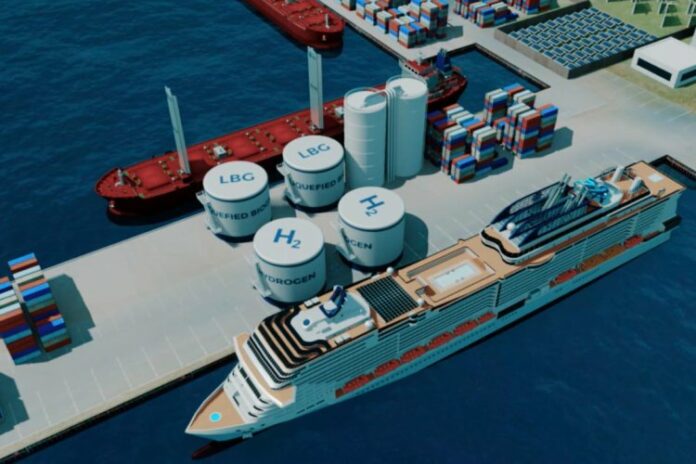
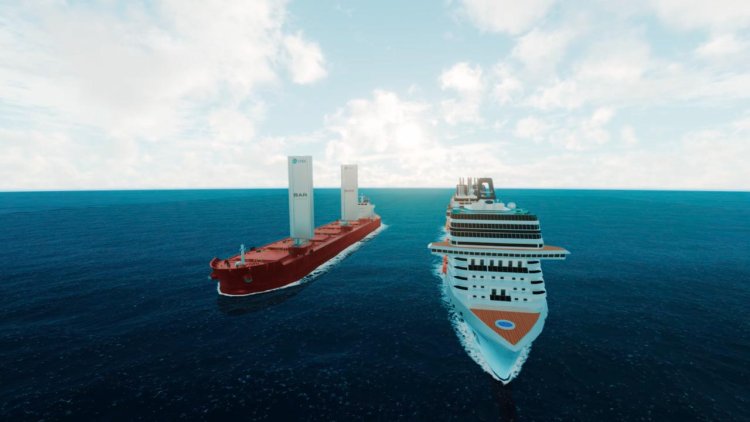
The key technologies include sail power, hydrogen propulsion, waste heat recovery, battery electric power, hull air lubrication, innovative anti-fouling technology and digital operational improvements. Some of the technologies will be demonstrated at full scale with two unprecedented vessel designs ‒ an energy-optimised bulk carrier and a hydrogen-powered cruise ship ‒ that are based on real operational profiles.

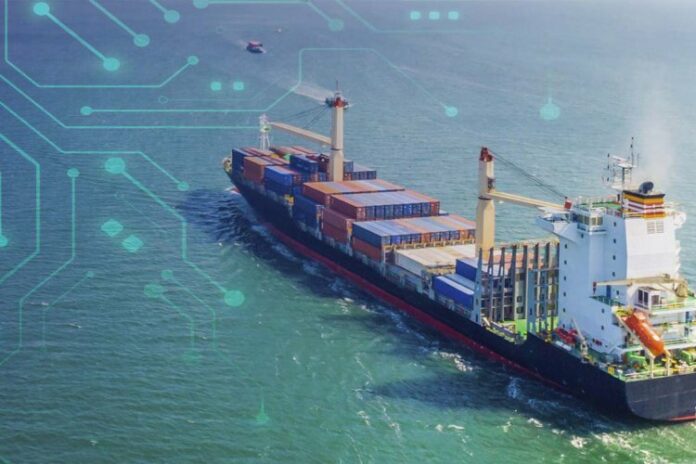
Deltamarin plays a central role in the project, including the CHEK case vessel design and digital modelling. The case ship modelling and optimisation are performed in various generations from “digital prototypes” to “digital twins”, including realistic operational profiles, recorded from existing ships. The final outcome of the project will be a “future-proof ship design platform” that is suitable for all major ship types, not limited to the CHEK case vessels alone. The starting point for the technical development is Deltamarin’s digital modelling toolbox including DeltaSeas and DeltaKey, backed up by optimisation methodology developed in the past by both Deltamarin Poland and Deltamarin Finland. Examples of the recent optimisation work were reported in development project INTENS.

GTMaritime launches Cloud Bridge, cloud storage integration for GTReplicate

0

Users of the GTReplicate data replication solution for ships can now make use of SharePoint functionality, after GTMaritime rolled out further product enhancements to improve ship-to-shore communications and fleet wide data management. 

This is the first step in providing full cloud storage integration, providing customers with connections where they need them. 

The new feature allows users to seamlessly integrate existing operational processes and synchronise data between SharePoint and vessels using GTReplicate, and upload data directly to SharePoint.  

Cloud storage integration within GTReplicate removes the time lags that can occur when IT departments alone are responsible for file transfers. Instead, remote employees can send and receive data to and from vessels wherever they are, without needing support to transfer files on their behalf. 

Mike McNally, Global Commercial Director, at GTMaritime said:

“Throughout 2021 we have seen an increase in demand for GTReplicate, which has coincided with more people working remotely and the need to make data transfers more efficient and secure. Our new Cloud Bridge feature provides users such as fleet managers and superintendents with greater autonomy, control and access to vessel data. 

“Delivered using our FastNet data transfer platform which has been specifically designed to optimise and prioritize data streams between ship and shore, GTReplicate customers benefit from the enhanced security functions and efficiency provided by FastNet. Benefits include break point recovery to handle interruptions in connectivity, bandwidth throttling to enhance user experience, file compression to reduce bandwidth use, and delta transfers to update files with only the changes in data automatically where required. As an integral part of GTReplicate going forward, these features will also apply to SharePoint.” 

GTReplicate is a data replication solution which allows IT managers to configure, monitor and execute simultaneous file transfer tasks from a central location. Its use reduces time and IT administration requirements which can, in turn, reduce costs for the user and ensure greater levels of regulatory compliance.  

Fincantieri will build a fourth ship for North Star

0

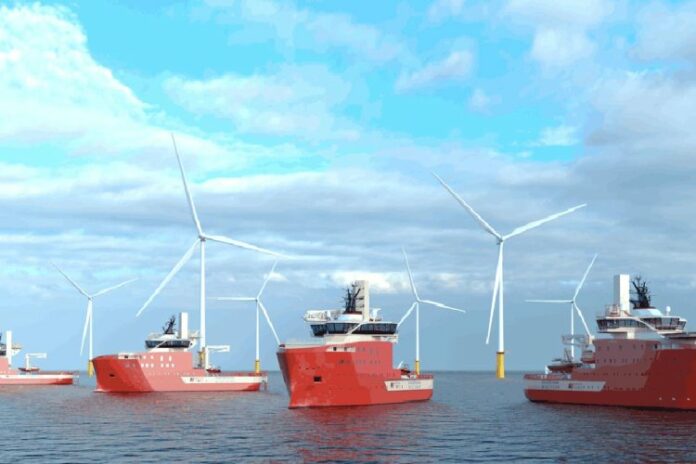
Vard has signed a contract for the design and construction of a further Service Operation Vessels (SOV) for the UK company North Star Group, which has already ordered three ships of the same type.

The vessel will enter in the shipowner’s hybrid-powered renewables fleet at the end of 2024. As for the other SOVs, it will be deployed on Dogger Bank Wind Farm, located more than 130 km off the North East coast of England, in the North Sea, which includes three areas (A, B and C) and once completed will be the world’s largest offshore wind farm.

Dogger Bank A and B is a joint venture between SSE Renewables (40%), Equinor (40%) and Eni (20%). In November 2021 SSE Renewables and Equinor, 50:50 joint venture partners in Dogger Bank C, announced Eni will take a 20% stake in the third phase, with SSE Renewables and Equinor maintaining 40% stakes each. The deal is expected to complete in Q1 2022, subject to regulatory approvals.

The offshore renewable energy sector is in a transition phase, shifting from a European-only industry to a global market. Having already developed several concepts of this type of vessels, Vard will be able to take advantage of the sectors growing trend, with important activities being started both in Asia and North America.

ABB to enable smooth sailing for a 100-meter-plus superyacht

0

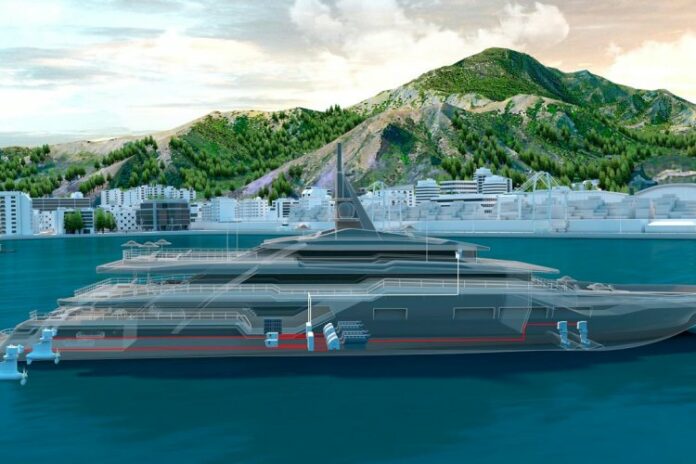
ABB has secured an integrated power and propulsion systems order to enable smooth and efficient operations on board the superyacht to be constructed by the German yacht builder Abeking & Rasmussen shipyard (A&R). The family owned shipyard has been located in Lemwerder since its establishment in 1907.

Scheduled for delivery in 2025, the 100-meter-plus vessel will be one of the largest ever constructed at A&R’s yard in Lemwerder, Northern Germany . The extensive scope of ABB systems on board will include Azipod® propulsion, Onboard DC Grid™, a 500kWh Energy Storage System (ESS) and Power and Energy Management System (PEMS™), whose combined and fully integrated capabilities will reduce emissions, noise and vibration. The entire system can be integrated with remote diagnostics services and 24/7 support.

Dr. Christian Peters, General Counsel, Abeking & Rasmussen, said:

“As one of the largest and technically advanced yachts we have worked on yet, this is a milestone project for us and one that has benefited from the expert support and experience of ABB. The integrated power and propulsion system, based on industry-leading solutions like Azipod®, will allow us to realize the owner’s ambitions for a superyacht that is luxurious and future-proof.”

The increased efficiency achieved by the Onboard DC Grid™ and Azipod® propulsors will extend the yacht’s operational range and help reduce fuel consumption and emissions. Meanwhile, the energy storage and management system will optimise power consumption and enhance operational flexibility using peak shaving.

Repetto continued:

“Our advanced power and propulsion technology will deliver the highest standards in passenger comfort, reliability and safety,” said Riccardo Repetto, Global Segment Manager, Superyachts, ABB Marine & Ports. “We are delighted to begin our collaboration with Abeking & Rasmussen and look forward to seeing the results when the vessel is launched in 2025. Projects like this demonstrate how the superyacht market is moving towards adopting fully integrated, advanced and future-proof technologies that inspire also other marine segments.”

NYK to build its first two LPG dual-fuel very large LPG/NH3 gas carriers

0

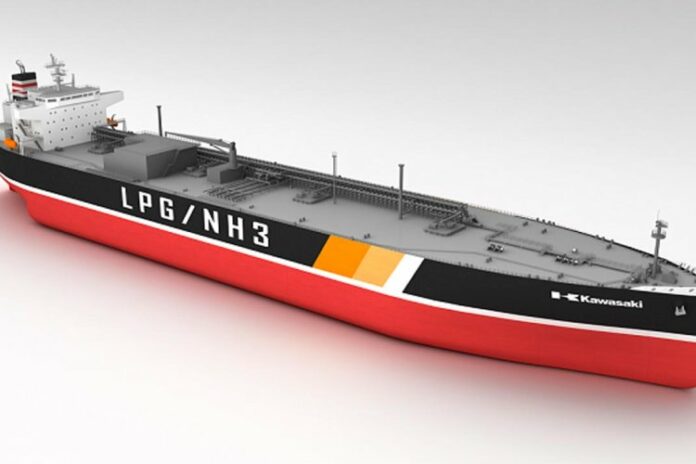
NYK has announced the order of its first two liquefied petroleum gas (LPG) dual-fuel very large LPG / ammonia (NH3) gas carriers (VLGCs) from Kawasaki Heavy Industries, Ltd. 

Unlike conventional VLGCs, the vessels will be equipped with separate cargo tanks designed to carry LPG and ammonia at the same time to flexibly respond to various trade patterns.

Ammonia is attracting attention not only as a raw material for chemicals and fertilizers but also as a future zero-emission fuel that does not emit carbon dioxide (CO2) when burned.

Furthermore, in addition to the LPG dual-fuel engine, the ships will have a shaft generator that can generate electricity during the voyage by using the rotation of the shaft that connects the main engine to the propeller. Since the diesel generator can be stopped during normal seagoing transit, realizing full navigation with LPG fuel will be possible except for the use of a small amount of pilot fuel.

When LPG is used as fuel, exhaust gas from the ordered VLGCs will contain at least 95% less sulfur oxide (SOx) and 20% less CO2 compared to NYK’s conventional VLGCs using heavy-oil fired engines.

These new VLGCs will comply not only with the SOx Global Cap regulations that were tightened from January 2020 but also with the EEDI phase 3 requirements. For the time being, all future VLGCs ordered by NYK will be equipped with LPG dual-fuel engines.

Moreover, the vessels are expected to be given notations by Nippon Kaiji Kyokai (ClassNK) as VLGCs that have a preparatory design in accordance with the guidelines issued by ClassNK so that these vessels may use ammonia fuel in the future.

Equinor increases its ownership in the Statfjord field

0

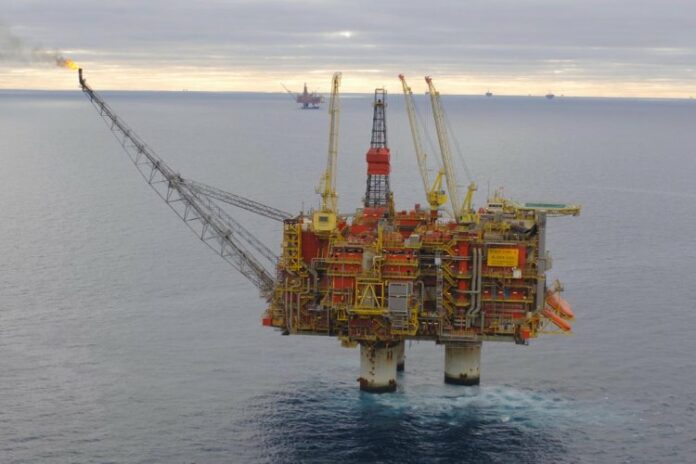
Equinor has entered into an agreement to acquire all of Spirit Energy’s production licenses in the Statfjord area which spreads across the Norwegian and UK Continental Shelves and are developed by three integrated production platforms (Statfjord A, B, C). All licenses are operated by Equinor.

Both parties agreed on a total consideration of USD 50 million, plus a contingent payment linked to commodity prices for the period between October 2021 to December 2022.

The transaction has a commercial effective date from 1 January 2021, which is expected to result in a net payment to Equinor at closing. Spirit Energy’s daily production from the Statfjord area in the third quarter of 2021 was around 21,000 boe per day.

The transaction is part of a larger deal including Spirit Energy’s shareholders, Centrica Plc and Stadtwerke München, who are exiting their portfolio in Norway and selling their assets to Sval Energi. The sale to Sval Energi includes all assets with the exclusion of Statfjord which is instead sold directly to Equinor.

Camilla Salthe, senior vice president for late life assets in Equinor (Field Life eXtension, FLX), says:

“Statfjord is one of the earliest oil fields on the Norwegian Continental Shelf. In 2019, we celebrated the 40-year anniversary since the start of production in 1979. Since production start in 1979, Statfjord has produced 5.1 billion barrels of oil equivalent and gross revenues of over NOK 1,675 billion. We still have high expectations for Statfjord and have recently launched a plan to extend the life of the field towards 2040.”

FLX is a unit within Equinor that is responsible for safe and efficient operations of late life assets through new ways of working.

Reducing CO2 emissions will be a key priority for the field. Towards 2030, Equinor plans to realise energy efficiency measures and consolidate infrastructure to reduce emissions from Statfjord by 50%, contributing to Equinor’s climate goals for the NCS.

The closing of the transaction is subject to certain conditions, including customary government approval, and is expected to be completed by the first half of 2022.