1.3 C
New York
Home Blog Page 49

MSC Group Explora Journeys’ Fleet Construction Moves

0

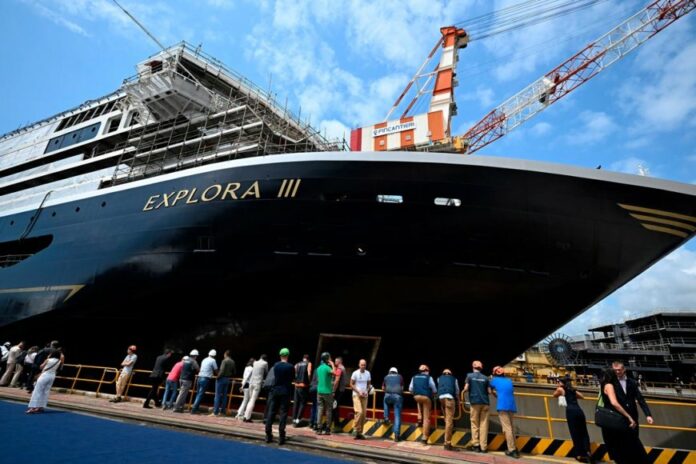
Full steam ahead for the construction of the Explora Journeys fleet: the luxury lifestyle brand of the MSC Group. Today, at Fincantieri’s Sestri Ponente shipyard, three major ceremonies took place: the launching of Explora III, the coin ceremony for Explora IV, and the steel-cutting for Explora V.

Comprised of a total of six vessels – with the first two, Explora I and Explora II, already in service – the luxury brand’s fleet, entirely built by Fincantieri, will be fully operational within three years. Explora III will be christened next year, Explora IV and Explora V are scheduled for delivery in 2027, while Explora VI will take to the sea in 2028.

Admiral Pierpaolo Ribuffo, Head of the Department for Maritime Policies, stated: “Italy contributes to shaping the European maritime industrial strategy with renewed awareness, firmly supporting the outstanding excellence it expresses in shipbuilding and shipping.”

Luigi Matarazzo, General Manager of Fincantieri’s Merchant Ships Division, stated: “The Explora Journeys fleet is a concrete example of how collaboration with the shipowner can translate into outstanding results, combining innovation, sustainability, and quality. Five of the six ships in the class are being built here in Sestri Ponente, a strategic asset in our production system and a symbol of an industrial vision focused on modern shipyards, green technologies, and highly complex processes.”

MSC Group’s investment for the six Explora Journeys ships, with five of them built at Sestri Ponente, amounts to approximately €3.5 billion. This investment generates significant economic, technological, and employment benefits in Italy, estimated at over €15 billion, thanks also to a predominantly Italian supply chain characterized by a strong presence of SMEs. In addition to these benefits, there is a significant tourism impact in the many ports visited by the vessels. The construction of each individual ship requires over seven million working hours and involves an average employment of 2,500 people over two to three years. Including the four ships previously ordered from Fincantieri and already delivered – MSC Seaside, MSC Seaview, MSC Seashore and MSC Seascape – MSC’s total investment now amounts to approximately €7 billion.

Fugro and Esri collaborate to advance climate resilience

0

Fugro has entered into a strategic collaboration with Esri, the global leader in geographic information system (GIS) software, to provide integrated geospatial solutions that empower climate resilience decision-making and sustainable development.

Initially, the joint effort will focus on tackling the environmental challenges of Small Island Developing States (SIDS), starting with SIDS in the Caribbean. Nearly 22 million people in SIDS live less than six metres above sea level, placing communities and infrastructures at high risk from coastal hazards. Yet, data gaps remain a major barrier. Many countries don’t have access to timely, user-friendly, and coordinated environmental data systems, especially at the land-sea interface. Fugro and Esri are helping SIDS confront urgent coastal and marine threats while building the foundation for long-term resilience and sustainable development.

The initiative is met with enthusiasm by the Organisation of Eastern Caribbean States (OECS) and the PVBLIC Foundation, who are both actively advocating sustainable development support for SIDS in the region.

His Excellency Dr Didicus Jules of OECS said, “While high quality data is essential, it’s the insights derived from that data that empower our member states to make informed, timely and transformative decisions.”

The collaboration will combine Esri’s market-leading geographic information system (GIS) software- the mapping and location intelligence platform, with Fugro’s capabilities in satellite Earth observation, high-resolution surveys, in situ measurements, and predictive modelling, to deliver end-to-end geospatial solutions. Central to this integration is Fugro’s VirGeo® platform, which will serve as the core system for managing and analysing Geo-data. Together, these technologies will provide decision-makers with timely, actionable insights to support smarter, faster, and more resilient planning to face their challenges.

Mark Heine, CEO Fugro said, “Partnering with Esri reinforces our shared vision: transforming geospatial intelligence into meaningful impact. By uniting Fugro’s Geo-data expertise with Esri’s renowned GIS technology, we’re equipping island nations with the tools to navigate climate risks and shape a more resilient, sustainable future.”

The integrated solutions from Fugro and Esri are designed to be scalable and also adaptable to other sectors and regions. These could include offshore wind, maritime security, sustainable infrastructure, and nature conservation.

DEME installs Dieppe Le Tréport offshore substation

0

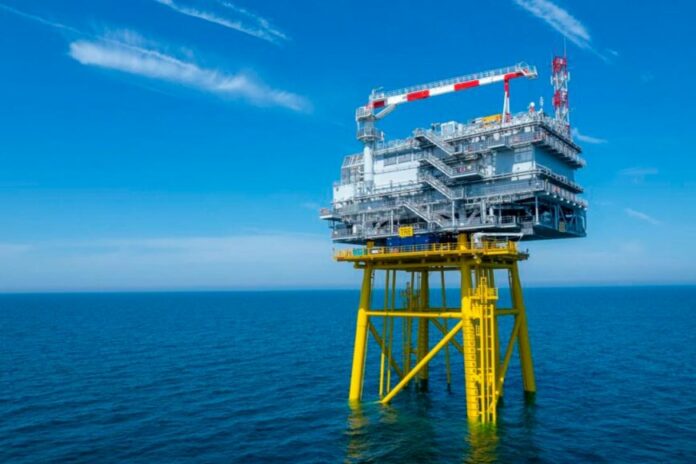
This key milestone for the EMDT project, one of Ocean Winds’ three offshore wind farms currently under construction in France, was achieved in collaboration with French and European industry partners, advancing the country’s offshore wind ambitions.

July 2nd, 2025. Dieppe, France. Ocean Winds (OW), an international company dedicated to offshore wind energy and created as a 50-50 joint venture by EDP Renewables and ENGIE, announces the successful installation of the offshore electrical substation for the Dieppe – Le Tréport offshore wind farm (EMDT), project in consortium with Sumitomo Corporation and Banque des Territoires.

This important milestone represents a decisive step forward in the offshore construction of the project and an achievement made possible by close collaboration between experienced French and European industry leaders. Designed and built by Chantiers de l’Atlantique at its Saint-Nazaire shipyard, the substation highlights the strength of the French offshore wind industrial sector. Its foundation, a steel jacket structure, was supplied by Navantia in Spain, and the installation operation at sea was carried out by DEME with its installation vessel Gulliver.

Once operational, the substation will collect the renewable electricity generated by the wind farm’s 62 turbines and transfer it to shore via the grid connection infrastructure developed by Réseau de Transport d’Électricité (RTE), operator of the French national electricity transmission system.

Marc Hirt, Country Manager for Ocean Winds in France, declared: “Following the first power of the EMYN project last month and our continued progress on EFGL, the successful installation of the Dieppe – Le Tréport offshore substation is another significant milestone for Ocean Winds, and a further demonstration of the momentum building across France’s offshore wind sector. It also reflects the trust placed in us by the French State to contribute to the country’s energy transition, supported by a robust French and European industrial supply chain.”

The complex offshore operation was completed over several days, bringing together expert teams from the project, its contractors, and partners.

Frédéric Grizaud, Director of the Marine Energies Business Unit at Chantiers de l’Atlantique, said: “This extremely precise and well-prepared phase ends 24 months of construction of the Dieppe-Le Tréport topside at our Saint-Nazaire site. Through this project, we continue to strengthen Chantiers de l’Atlantique’s position as a key player in marine renewable energy in Europe. We are thankful to Eoliennes en mer Dieppe Le Tréport (EMDT) for their trust, as well as to all the teams involved. Now their mission goes on with the completion of offshore works, testings, and then the energization of the substation.”

Frédéric Flaus, Project Director for EMDT, added: “This milestone is the result of months of rigorous preparation, technical expertise, and close coordination between all those involved. The arrival and installation of the substation not only marks the start of the project’s visible presence at sea but also brings us a step closer to delivering clean, renewable energy to the region. I want to thank our teams, partners and suppliers for their dedication and professionalism in delivering this decisive phase safely and successfully.”

Once fully operational, the Dieppe – Le Tréport offshore wind farm will generate electricity equivalent to the annual consumption of around 850,000 people, supporting France’s renewable energy ambitions and strengthening Europe’s offshore wind leadership.

Stena Bulk prepares to reflag first Suezmax under Swedish flag

0

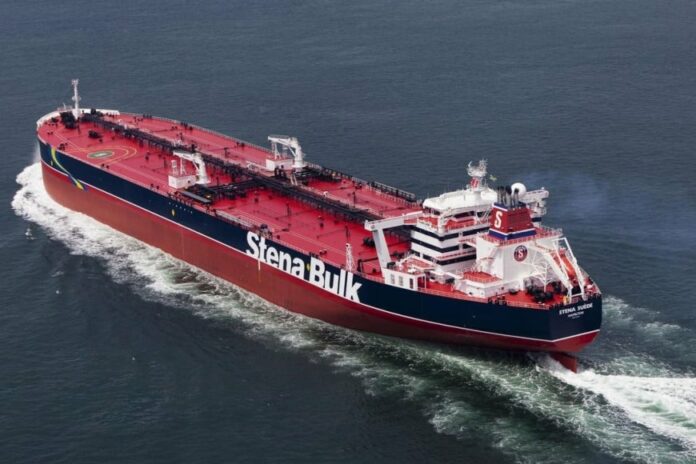
The first vessel – Stena Sunrise – is now fully prepared for reflagging, which is scheduled to take place in Singapore at the end of July 2025.

This milestone follows the company’s original ambition to complete all preparatory steps by June 30th – a goal that has now been fulfilled. Only the final practical steps remain, to be executed during the in-port flag change of Stena Sunrise. This has been made possible thanks to the excellent and proactive cooperation with Swedish authorities, government officials, and trade unions, all of whom have worked in close partnership with Stena Bulk throughout the process.

This reflagging initiative reflects Stena Bulk’s strong commitment to strengthening the Swedish maritime sector and leveraging the improved competitiveness of Sweden as a flag state. In recent years, reforms such as the removal of stamp duty on ship registration, the development of a more competitive tonnage tax regime, and improvements to the Swedish Ship Register have provided a solid foundation for shipowners to make long-term investment decisions under the Swedish flag.

Currently, there are no Suezmax tankers registered in Sweden. By flagging five such vessels in the country, Stena Bulk will not only close this gap but also contribute to Sweden’s strategic resilience and maritime readiness in an increasingly complex geopolitical landscape. 

Stena Sunrise is the first of the five Suezmaxes to transition. The remaining four vessels will follow, each at a time and location that makes sense from an operational and administrative perspective. The company will carry out each reflagging in conjunction with the vessels’ commercial routing and in-port availability, ensuring smooth execution.

Throughout this initiative, Stena Bulk has placed strong emphasis on ensuring safe and efficient operations. The company has worked in close collaboration with relevant Swedish stakeholders to address crewing, compliance, and technical aspects. These efforts underline the company’s commitment to translating strategy into practical, high-standard execution.

Erik Hånell, President & CEO of Stena Bulk, commented:

“We are proud to say that our ambition has been fulfilled. With Stena Sunrise set for reflagging in the coming days, we are delivering on our plan. This could not have been done without the truly constructive and forward-leaning collaboration we’ve had with the Swedish authorities, trade unions, and the government. Together, we have not only moved fast, but we’ve done so with great professionalism and shared purpose.”

The presence of these vessels under the Swedish flag will contribute to the broader development of Sweden’s maritime sector, including the creation of new opportunities for Swedish seafarers, officers, and maritime professionals. 

KEYS Azalea bunkered LNG for the cruise ship ASUKA III

0

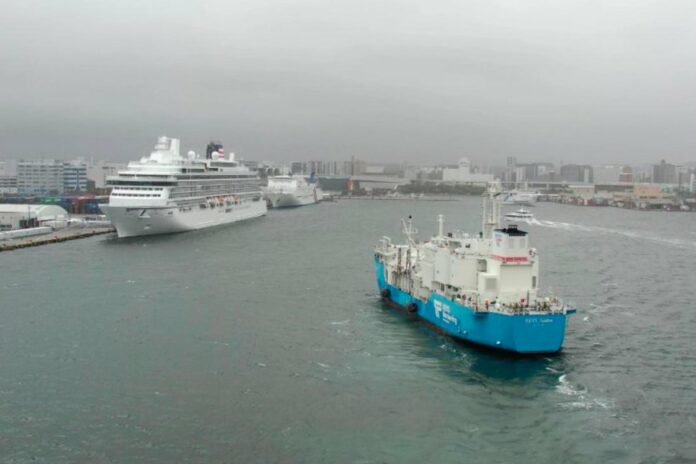
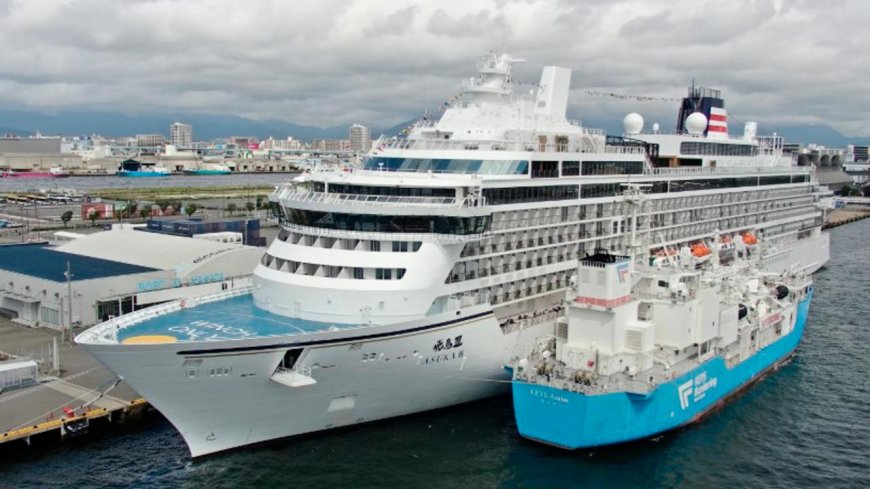
On July 14, KEYS Azalea, an LNG bunkering vessel owned and operated by KEYS Bunkering West Japan Ltd. (“KEYS”) bunkered LNG for the cruise ship ASUKA III by Ship-to-Ship at Chuo Wharf in Hakata port.

Until now, KEYS Azalea has bunkered for car carriers and iron ore and coal bulk carriers, this is the first bunkering for Cruise Ship for KEYS Azalea and in Japan.

KEYS will continue to provide safe and stable LNG bunkering and contribute to forming a carbon-neutral society and developing the LNG bunkering business in Japan.

Baltic Sea demonstration showcases Saildrone capabilities for NATO task Force X Baltic

0

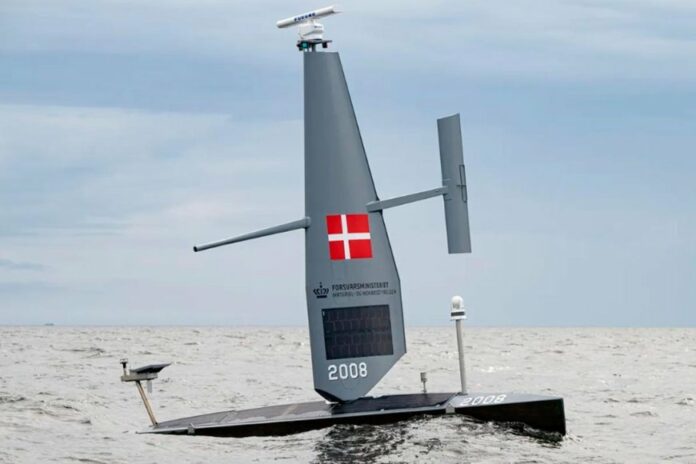
Saildrone has successfully concluded its participation in NATO Task Force X’s multi-domain demonstration in the Baltic Sea—a landmark deployment showcasing the capability, reliability, and international utility of its Saildrone Voyager uncrewed surface vehicles (USVs).

From June 16 to 27, 2025, four Saildrone Voyagers operated in both the Gulf of Finland and the western Baltic Sea as part of NATO’s innovative Task Force X Baltic initiative. Led by NATO Allied Command Transformation (ACT), in coordination with NATO Maritime Command (MARCOM) and the Centre for Maritime Research and Experimentation (CMRE), the demonstration aimed to integrate uncrewed systems into active Allied maritime operations.

“We are honored to have participated in the NATO Task Force X Baltic Initiative. After eight years of operating Saildrone USVs in the Bering Sea, we are well placed to deal with the conditions in the Baltic Sea, which has very similar latitude, water depths, and sea conditions,” said Saildrone founder and CEO Richard Jenkins. “Task Force X Baltic has been fantastic to work with, and we look forward to future missions with NATO partners.”

Throughout the operation, the Saildrone Voyagers maintained a 100% persistent presence on station, delivering 24/7 wide-area surveillance and real-time maritime domain awareness, including continued operations during recent passage of near-gale to gale-force winds and rough seas with waves over 2 meters (6.5 feet) through the area of operation. Saildrone detected and tracked hundreds of vessels daily, and successfully identified the exercises’ “red forces.” Additionally, Saildrone identified real-world dark targets in the area, including Russian “shadow fleet” and military vessels.

Another important success of the deployment was pairing Saildrone’s long-range radar and persistent surveillance capability with high-speed unmanned maritime assets. The Voyagers’ ability to detect contacts of interest at extended range enabled rapid-response investigations by fast-moving uncrewed vessels, demonstrating a layered, autonomous force structure capable of responding to dynamic maritime scenarios in real time.

The four Voyager USVs were deployed from Køge, Denmark, earlier this month. Saildrone operates on a contractor-owned and operated model, meaning it provides end-to-end mission operations and data delivery as a service. This approach enables rapid deployment, scalability, and reduced burden on government or commercial partners.

Saildrone data is integrated into the customer’s common operating picture (COP) and is also available via the Saildrone Mission Portal. 

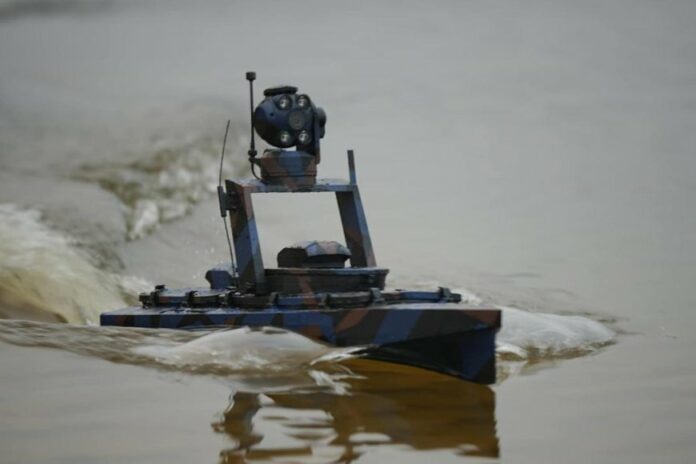
UAV carrier and kamikaze: Ukraine developed a small river drone called Ursula

0

The Association of Ukrainian Engineers announced that NoviTechNet is developing the drone.

Its versatile design allows it to perform several tasks simultaneously.

In particular, the drone can conduct reconnaissance, monitoring rivers, canals, and coastal areas.

Ursula is also capable of performing kamikaze drone functions, carrying explosive charges to destroy enemy targets.

Additionally, the boat can transport a small unmanned aerial vehicle (UAV), which conserves the UAV’s battery power and enables it to operate in unexpected locations.

“This drone is suitable for sabotage and reconnaissance operations in difficult conditions of river networks and frontline water areas,” the association shared.

Similar technology

This is not the first small unmanned boat in Ukraine. This year, the Defense Forces began testing small river unmanned boats called Black Widow 2.

Black Widow 2 is also 1 meter long. It weighs 8 kg, can reach speeds of up to 40 km/h, and has a range of up to 10 km.

The onboard battery is sufficient for several hours of operation, but if necessary, the boat can be put into standby mode for several days while waiting for a target.

The drone is equipped with a camera on a rotating platform that can rotate both horizontally and vertically. The camera can also operate at night.

Controlling an electric boat only 1 meter long seems like child’s play, but the vessel is more dangerous than you might think. In addition to spy and reconnaissance missions, the river drone can be loaded with kilograms of explosives. Its payload is 3 kg, which, according to the developer, is enough to destroy small boats and motorboats.

Source: Militarnyi

Woodside, Hyundai Engineering, and Hyundai Glovis to explore opportunities across LNG value chain

0

Woodside Energy has signed a non-binding memorandum of understanding (MoU) with Hyundai Engineering and Hyundai Glovis, establishing a strategic framework to collaborate on LNG project development, engineering services, and shipping logistics.

The MoU will see the parties focus on advancing execution capability and extending their reach into priority LNG markets.

Woodside Executive Vice President and Chief Commercial Officer, Mark Abbotsford, said: “Woodside is pleased to be deepening our longstanding relationship with Hyundai through this agreement. We are confident the synergies and complementary strengths of our organisations will support the delivery of high quality LNG solutions to meet growing global demand.”

Hyundai Engineering Chief Operating Officer, Myoung-Kun Son, added: “This agreement allows Hyundai Engineering to broaden our global LNG experience by working alongside a world-class LNG developer. We are confident in our ability to add value across the full engineering spectrum and deliver integrated solutions for Woodside projects.”

Hyundai Glovis Head of Logistics Business Division, Taewoo Kim, concluded: “We are proud to partner with Woodside to explore long-term maritime solutions that support reliable LNG supply. Our global shipping footprint and expertise make us well-positioned to contribute to this strategic collaboration.”

The combination of Woodside’s success in LNG development, Hyundai Engineering’s extensive engineering, procurement and construction experience, and Hyundai Glovis’s global shipping reach positions the parties to respond to growing LNG demand across Asia-Pacific markets and selected new regions.

First successful WTG installation at Baltic Power Offshore Wind Farm

0

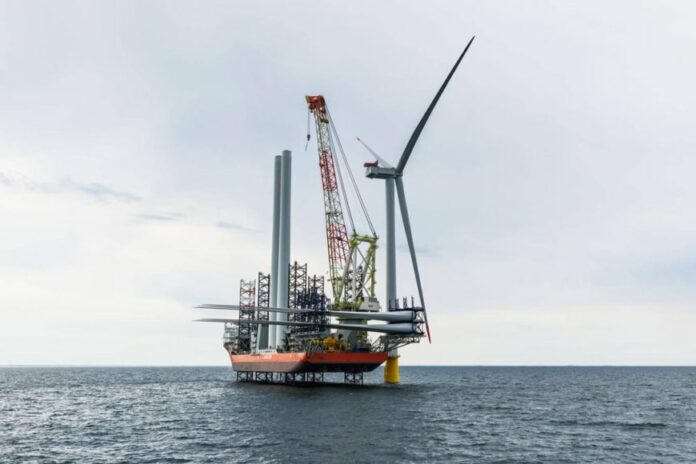
Cadeler has successfully completed the installation of the very first Vestas 15MW turbine at the Baltic Power Offshore Wind Farm in the Baltic Sea – marking the beginning of another significant wind farm project.

Over the coming months, Cadeler’s Wind Osprey and her crew will carry out the transport and installation of all the 76 offshore wind turbines from the Port of Rønne in Bornholm, Denmark.

When fully commissioned next year, the 1.2 GW wind farm will become Poland’s first offshore wind farm, powering over 1.5 million Polish households, covering 3% of the country’s electricity demand, and estimated to save 2.8 million tonnes of CO₂ emissions every year.

With blades measuring 115 metres and a total height exceeding 260 metres, the Vestas V236-15.0 MW model can produce up to 80 GWh of energy per year. This is one of the very first times these impressive next-generation turbines are being installed in European waters.

Spike in armed robbery incidents raises concerns for vital Singapore Strait trade route

0

The ICC International Maritime Bureau (IMB) Piracy Reporting Centre is urging caution following a rise in armed robbery incidents in the Singapore Straits. 

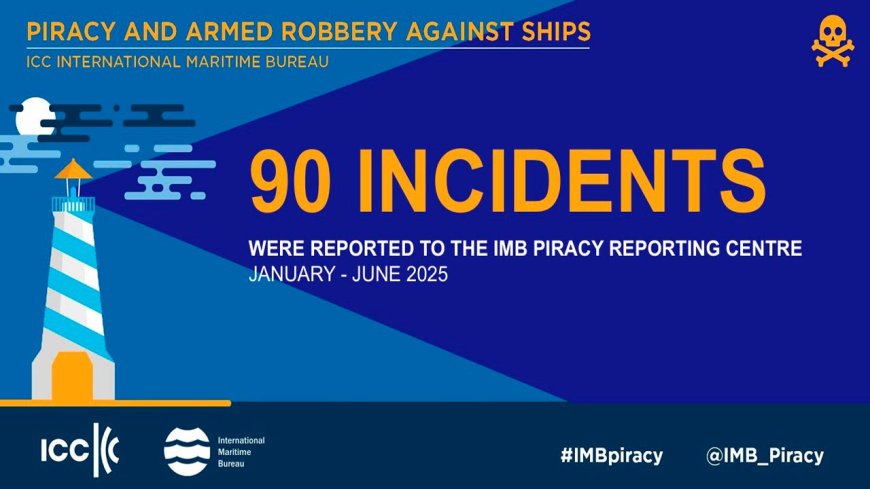
Globally, the crime of piracy and armed robbery reached 90 reported incidents, a 50% increase compared to the same period in 2024 and the highest number of reported incidents for the same period since 2020, according to the newly released report by the ICC International Maritime Bureau (IMB) Piracy Reporting Centre.

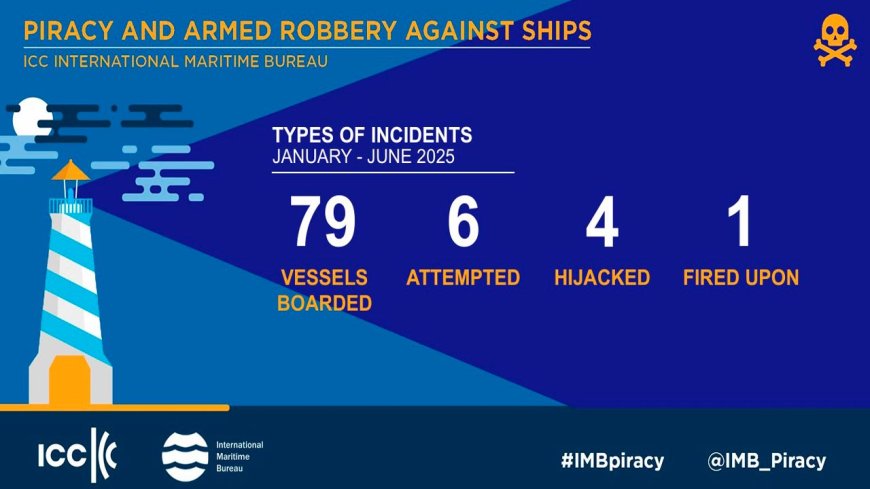
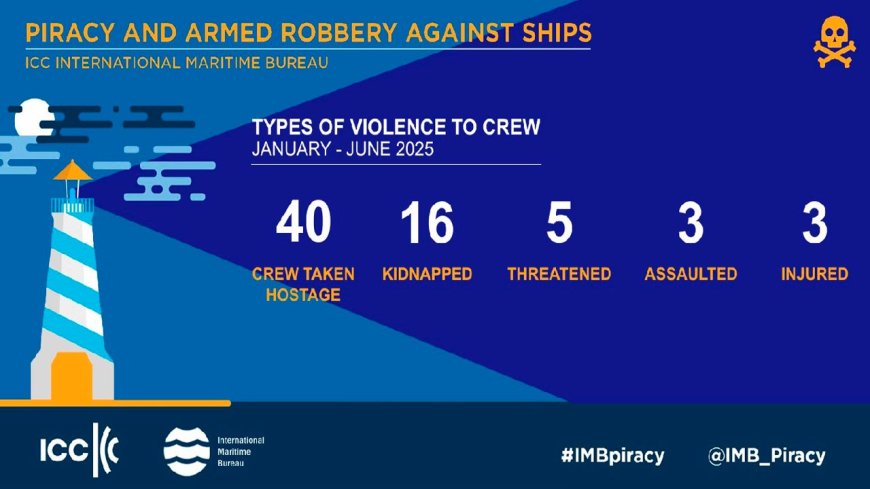
Of the incidents reported, 79 vessels were boarded, six attempted attacks, four hijackings and one vessel fired upon. Concern for crew wellbeing continues with 40 crew taken hostage, 16 kidnapped, five threatened and three each assaulted and injured. 

The Singapore Straits recorded 57 incidents and accounts for roughly 63% of total globally reported incidents. Fifteen incidents were reported in these waters during the first half of 2024. 

The boarding of large vessels exceeding 150,000 DWT in this narrow and congested waterway remains a significant concern, particularly given the 95% success rate of boardings in the Singapore Strait. Although relatively low-level incidents, this risk is further compounded by the continued use of guns and knives in 35 of the 57 reported incidents. Crew safety and wellbeing also remain fragile, with 13 crew members held hostage during incidents, five threatened, three injured, and one assaulted. 

“The Singapore Strait is a critical shipping route, with ships carrying roughly 30% of global trade,” said IMB Director, Michael Howlett. “This rise in incidents is deeply concerning as it puts the safety of our seafarers and the security of international commerce at risk.”

Despite lower incident numbers, the Gulf of Guinea continues to pose significant risks to crew safety and remains a region where continued caution is essential. The region recorded 12 incidents and accounted for 87% of all crew kidnappings globally in the first half of 2025. 

While no new incidents have been reported off Somalia since April 2025, Somalia waters maintain a continued threat of potential piratical incidents, particularly as the Southwest Monsoon subsides in the coming months. 

The IMB continues to encourage all seafarers transiting waters known for piratical and armed robbery incidents to exercise vigilance and follow the recommended practices outlined in the latest Best Management Practices.