1 C
New York
Home Blog Page 409

RWE selects certification partner for its F.E.W. Baltic II offshore wind farm

0

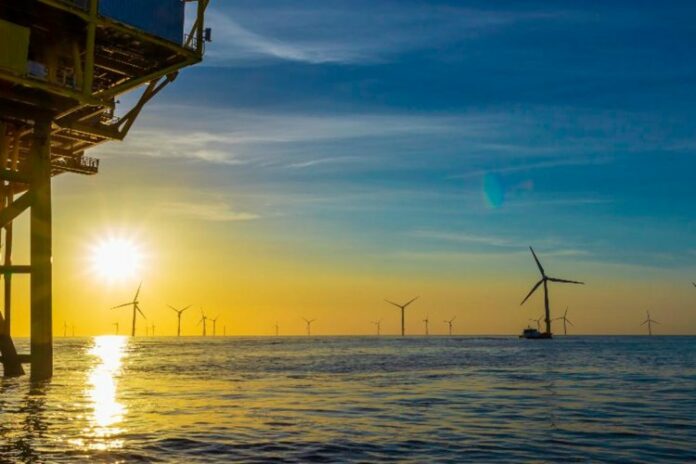
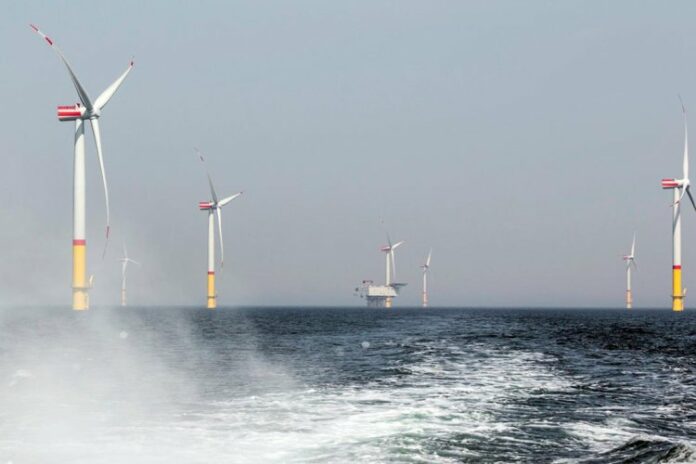
RWE Offshore Wind Poland, a subsidiary of RWE Renewables, has chosen UL Solutions, an experienced certifier for its F.E.W. Baltic II offshore wind farm. UL Solutions will certify the design fundamentals of the 350 MW project, which will be built in the Polish Baltic Sea about 55 kilometres from the shore, covering an area of 41 square kilometres, at a water depth of 30–50 meters.

Lukas Prietz, Project Director of the F.E.W. Baltic II Wind Farm Project at RWE Renewables:

“We are pleased to have chosen UL Solutions, an experienced certification company for our F.E.W Baltic II offshore wind project. The implementation of the construction process and subsequent operation of F.E.W. Baltic II will be carried out in accordance with the applicable global standards, in compliance with the applicable national and international legislation. 

As evidence of knowledge sharing, the entire process will take place in consultation with the Polish Register of Shipping. With UL Solutions we are contracting a global market leader that has been operating in Poland for many years, relying on domestic engineers and experts. This fits in with RWE’s ongoing local content strategy, which is based on cooperation with domestic companies and specialists.”

UL Solutions will commence the certification in accordance with the provisions of the Maritime Safety Act and international IEC regulations and procedures. The entire process will take place in consultation with the Polish Register of Shipping (PRS), which has long experience in working with projects in the Baltic Sea. The cooperation of UL Solutions with PRS demonstrates how important Polish companies are in the process of building and operating the F.E.W. Baltic II offshore wind farm.

Lukas Prietz, Project Director of the F.E.W. Baltic II wind farm at RWE Renewables, says:

“The construction of offshore wind farms is particularly important to accelerate the energy transition. With energy generated in the Baltic Sea, it will be easier to reduce dependence on fossil fuels, towards green energy sources. By implementing the F.E.W. Baltic II project, we will significantly contribute to this positive change while accelerating domestic economic development through collaboration with Polish suppliers and subcontractors. Poland is one of the most attractive offshore growth markets for our company. That’s why we don’t want to stop at the F.E.W. Baltic II project and have applied for all 11 areas made available for further offshore wind farms by the Polish government.”

Joern Gerlach, Engineering Manager in the Renewables Energy team of the UL Solutions Energy and Industrial Automation group, says:

“Power produced by offshore wind is key to the transition from reliance on fossil fuels to renewable energies. Confirming that offshore wind technologies can support the power grid while optimising energy production is crucial to accelerating the development of wind farms and Poland’s green energy transition. We’re proud to be collaborating with RWE to help advance the adoption of safer and reliable wind energy.”

When fully operational, the F.E.W. Baltic II wind farm will be able to produce enough green electricity to meet the needs of around 350,000 Polish households. 
Well-Safe Guardian to be upgraded with modular intervention system

0

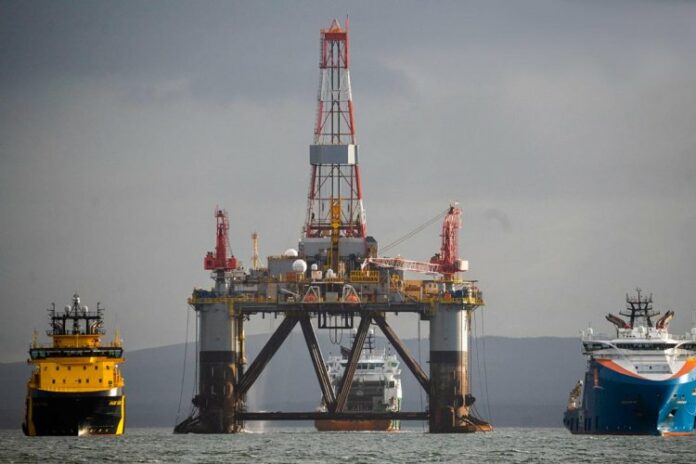
Featuring a compact yet powerful design, the Trident is an effective single-system solution which can be configured for hydraulic intervention, riserless light well intervention and open water intervention riser operations.

The partnership provides Well-Safe Solutions with exclusive access to the system in the UK for well plug and abandonment (P&A).

Robin Kimber, Well-Safe Guardian Rig Manager, said:

“Well-Safe Solutions prides itself on its bespoke P&A offering, offering our clients the flexibility and technical superiority required to carry out well decommissioning operations safely and efficiently.

“Trendsetter’s clear expertise in this field, as well as the versatility of the Trident system, makes it an ideal fit for the Well-Safe Guardian – the first asset we have converted to exclusively carry out well decommissioning operations.”

The main application for the Trident system will be in open water intervention riser mode, providing secure mechanical access for wireline or coiled tubing operations.

Steven Chalmers, Wells Subsea Team Lead at Well-Safe Solutions, added:

“The Trident subsea intervention system uses advanced technologies for well P&A operations, aligning with our client promise to provide safe, smart and efficient operations.

“The extensive technical knowledge and experience of the Trendsetter team, coupled with Trident’s technical prowess, will strengthen the Well-Safe Guardian’s claim to be the ‘one mobile offshore drilling unit’ solution.”

The investment into the Trident system comes after a busy summer for Aberdeen-based Well-Safe Solutions, which marked its fifth anniversary in business in August 2022, and signed a deal to P&A 14 wells on the UK continental shelf from March 2023.

EPC contract for Hai Long Project offshore substations

0

Hai Long Offshore Wind Project has awarded the EPC contract to a consortium consisting of Semco Maritime and PTSC M&C for the two offshore substations for the Hai Long 2 and Hai Long 3 wind farms after naming the consortium a Preferred Supplier back in October 2021.

The Hai Long Offshore Wind Project will contribute to the realization of the Taiwanese government’s ambition of reaching 5.5 GW installed offshore wind capacity and securing a leading position for Taiwan in offshore wind in East Asia. The Hai Long Offshore Wind Project, consisting of Hai Long 2 and Hai Long 3 wind farms in the Taiwan Strait around 50 kilometers off the coast, is jointly developed by Northland Power Inc., Yushan Energy Pte. Ltd., and Mitsui & Co., Ltd. with a total installed capacity of 1,044 MW.

After being awarded the Preferred Supplier Agreement in late 2021, the consortium led by Semco Maritime with PTSC M&C and supported by primary sub-contractor ISC Consulting Engineers, now initiates the execution of the project by entering the EPC contract with Hai Long Offshore Wind Project. Following the EPC contract signing, the consortium will proceed with the detailed design, procurement, construction and commissioning of the two offshore substations including jackets, which will be fabricated at PTSC M&C’s yard in Vungtau City, Southern Vietnam. The project is planned for offshore installation in 2024 and completion of commissioning in 2026.

Vice President Renewables, Semco Maritime, Frank Holm, says:

“Our initial cooperation with the parties involved in the Hai Long Offshore Wind Project has been a true pleasure, and we are thrilled that the contract has been signed enabling us to take the next steps on this journey with our consortium partner PTSC M&C and sub-contractors.” 

Mr. Dong Xuan Thang, PTSC M&C’s Managing Director, says:

“PTSC M&C is proud and honored to be part of the consortium contractor for Hai Long Project. This project marks an important milestone as well as a strategic breakthrough for PTSC M&C in renewable energy services. Myself, together with all PTSC M&C staff, pledge that we will always honor our obligations and ensure the success of this project.” 

Felipe Montero, Project Director of Hai Long, said:

“As preferred suppliers for our offshore substations Semco Maritime and PTSC M&C have proven that they are the best possible partners for delivering a hugely important part of our Hai Long projects, and we are pleased to have signed the EPC contract with them, which will allow us to continue making progress and reaching new milestones.”

Cellula completes demonstration missions using hydrogen fuel cell powered AUV

0

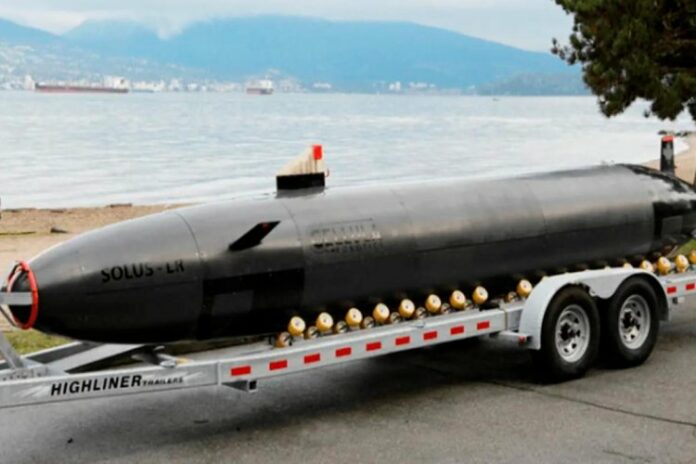
The missions, executed in Vancouver’s Indian Arm inlet on July 15th, demonstrated the remarkable autonomous launch of a micro-AUV from Solus-LR while submerged and underway.  

Following the launch, the micro-AUV surfaced and transmitted a status message to Solus-LR’s command and control center via Iridium satellite.  The operation was the first of its kind and demonstrated near real-time, over-the-horizon communications from a submerged AUV.

The demonstration was observed by representatives from Trusted Autonomous Systems (TAS), the Royal Australian Navy, Royal Canadian Navy, Defence Research Development Canada (DRDC), Defence Science & Technology Group (DSTG Australia) and the Minister of State for Trade, Vancouver-Fraserview, George Chow, as part of Cellula’s ongoing work with TAS’ SeaWolf program.

Built on a research and development project originally sponsored by DRDC under the All Domain Situational Awareness (ADSA) Science and Technology (S&T) Program that developed Solus-LR, the mission re-enforced the capabilities and potential of a long-range, hydrogen fuel cell powered AUV designed for submerged missions in excess of 2,000 km.

CEO of TAS, Professor Jason Scholz said:

“We were extremely impressed to see these novel technologies, particularly the hydrogen fuel-cell succeed in sea trial conditions. This type of power provides an additional viable option to diesel, battery-only and nuclear propulsion. Cellula Robotics continue to impress on the SeaWolf program, along with the contributions of our many Australian partners in the consortium. We aim to continue to develop this capability option for Defence consideration.”

Maersk to adopt VIKING’s HydroPen container firefighting system

0

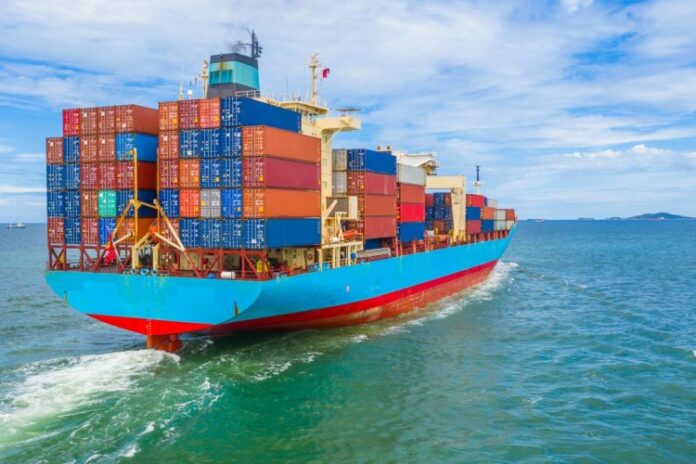
The contract represents the single largest HydroPen™ order for VIKING Life-Saving Equipment – and will see systems delivered for the entire fleet of A.P. Moller – Maersk owned vessels.

The HydroPen™ is unique in the sense that it is driven purely by water pressure through an attached deck fire hose. When water pressure is activated, a turbine will drive the HydroPen™ drilling unit until it penetrates the container door, whereupon the system will spray water into the container to extinguish the fire directly at the source. In the case of a fire at height in the container stack, the HydroPen™ system can be deployed using a telescopic device. Beyond water, the system is compatible with foam or even CO2. Also, it is intuitive to use and requires only a minimum of training and maintenance.

VIKING’s Anders Nørgaard Lauridsen, Senior Country Director, Baltic Sea, said:

“From having been involved in the early development phases to fully implementing the HydroPen™ system,  A.P. Moller – Maersk has once again shown its uncompromising commitment to go beyond industry standards, to protect both its crews and its clients cargo and assets.”

Commenting on the unique benefits of the HydroPen™ system, which was brought to market to tackle the rising threat which container fires continue to pose to the industry, VIKING Product Manager Lasse Boesen comments: 

“Our experience has been that, once a leading container line appreciates the effectiveness of HydroPen™ as a firefighting tool, fleetwide adoption generally follows. Useable on or below deck, HydroPen™ has increasingly been recognized for its usefulness on board container ships of all sizes, and it has seen action in real situations.”

Also, it has been winning plaudits ever since its launch in 2019 – and today, HydroPen™ is preferred by the most well-known names in container shipping for extinguishing fires in the stack”

New floating production unit delivered to ABS Class

0

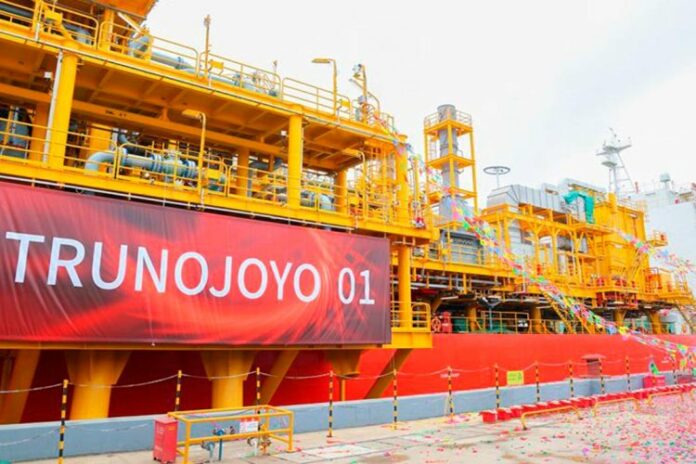
The TRUNOJOYO 01 FPU is on charter to Husky CNOOC Madura Limited (HCML) from owner PT Timas Oceanstar Indonesia (TOI) and will be towed from China to Indonesia for hook-up and installation at the Madura Block.

Matt Tremblay, ABS Vice President, Global Offshore, said:

“As the world leader in floating production classification, ABS is proud to be able to use that extensive experience to support this important project. The entire asset, including the topside, was designed and constructed to ABS Class with an emphasis on safety and efficient operations.” 

Strong Wind Commercial Manager Xiao-Ming Xu, said:

“Strong Wind is a company specializing in offshore engineering and offshore wind power equipment. With its core culture of integrity, sharing, craftsmanship, and drive to grow, Strong Wind provides a solid guarantee for the project to have zero defects with excellent quality to be delivered on schedule.” 

Steerprop to supply сomplete propulsion package for first-of-its-kind WIV

0

The order builds upon Steerprop’s extensive support and successful track record in delivering fit-for-purpose solutions to the offshore renewables sector.

The order was placed in May 2022 by Singapore-based Sembcorp Marine Ltd who has secured a contract for the construction of the vessel for Maersk Supply Service of Denmark. Steerprop experienced specialists have worked in close cooperation with Sembcorp Marine throughout the design process.

The company’s scope includes six of Steerprop’s ducted L-drive azimuth propulsors with an output power of 4500 kW and two 900 kW Steerprop Tunnel Thrusters for dynamic positioning, manoeuvring, and transit operations. To support safe and reliable operations with low lifecycle costs, Steerprop Care condition monitoring is also included as part of the package.

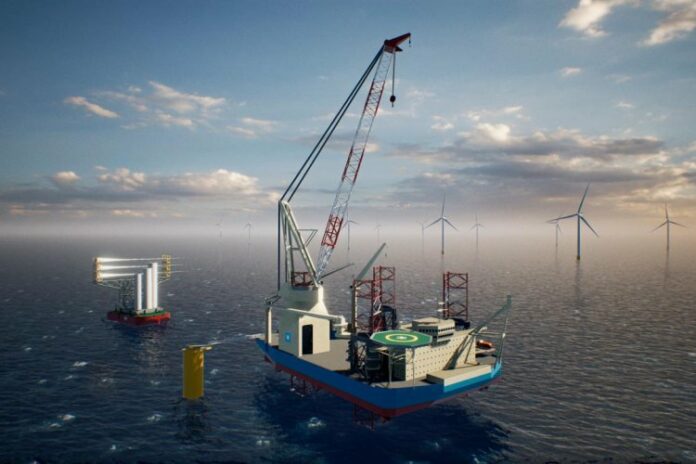
The jack-up type WIV features a first-of-its-kind design with a load transfer system patented by Maersk Supply Service. The design also takes into consideration the need to operate safely and efficiently in the harsh sea conditions the vessel is likely to face while serving the Empire Offshore Wind project off the eastern coast of the USA. This set up high requirements for the propulsion effectiveness and reliability, which Steerprop was able to demonstrate.

Senior Vice President at Sembcorp Marine Rigs & Floaters, Mr Wong Teck Cheong commented:

“In collaboration with Maersk Supply Service, Sembcorp Marine will design and build a WIV capable of operating at a high level of efficiency and to handle the next generation of wind turbines which are scaled up in size with longer and lighter rotor blades and taller towers. The vessel is designed to cope with the installation of bigger structures and to ensure operational efficiency for wind turbine installations. The Steerprop thrusters will play an essential role in enabling this efficiency.”

Frederik Smidth, Chief Technical Officer at Maersk Supply Service, says:

“This innovative concept builds on our maritime expertise to ensure a more efficient installation of wind parks. Central to efficient operations will be the thruster package to be delivered by Steerprop, who have a strong track record in the offshore sector, and we look forward to a positive collaboration with them.” 

GoodFuels’ Asia-Pacific branch kickstarts sustainable biofuel deliveries

0

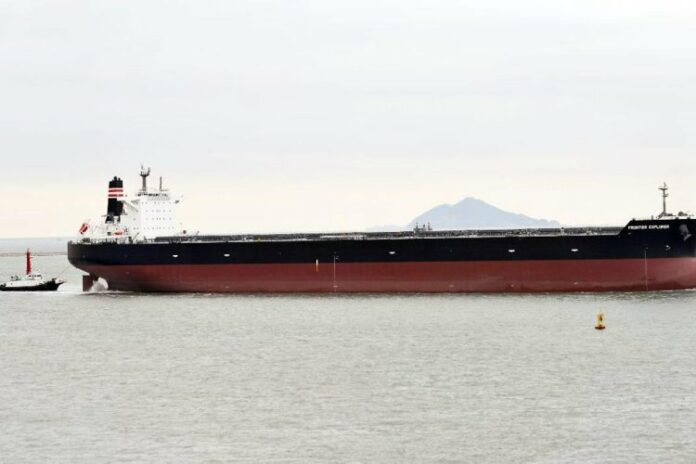
MV Frontier Explorer was refuelled with biofuel in a blend with VLSFO during its port call to Singapore on 5 July, en route from Australia to India.  

The delivery was the first to be managed under GoodFuels’ partnership with ITOCHU, which was announced in May. ITOCHU was responsible for logistics, blending and distribution of the biofuel blend, whilst GoodFuels handled sourcing, technical expertise, and sales, including working closely with NYK’s technical and commercial team. GoodFuels also worked with a licensed bunker supplier to carry out the bunkering.

The bunkering comes as a significant milestone for GoodFuels, with the organisation quick off the mark in Asia Pacific to respond to growing demand for low carbon marine fuels. It proves the resilience and robustness of GoodFuels’ recently created biofuel supply chain in Singapore, positioning the company to supply its clients in multiple locations and accept more orders for sustainable marine biofuel in the near future.  

GoodFuels first supplied an NYK-owned vessel with biofuel in January 2019 in Rotterdam.

Speaking on the announcement, Jing Xieng JX Han, General Manager, GoodFuels Asia Pacific, said:

“It’s important to underline just how significant this first refueling with NYK is for GoodFuels’ presence in Asia. Just a few months after commencing operations in Singapore, and hot on the heels of our recent agreement with ITOCHU, we are proving to the market that we are ready to supply our sustainable biofuels solutions to meet growing demand in the region.”

“We anticipate that demand for sustainable marine biofuels will continue to grow in Asia, particularly as the global efforts to decarbonise shipping intensify. At GoodFuels, we are committed to playing a significant role in accelerating the energy transition in the transport sector. We will work hard to source new sustainable feedstocks and ramp up our sources of supply in Asia, ensuring that we build a robust and responsive organisation that can enable shipowners to make a tangible and immediate impact on their emissions.”

Yusuke Niizuma, Manager Global Mineral Resources Group at NYK LINE added:

“We are excited to continue our collaboration with GoodFuels, following our mutual ambition to reduce greenhouse gases (“GHG”) emitted from ships by oceangoing shipping around the world. In March this year, NYK released the updated “NYK Group ESG Story 2022”. 

In the process of achieving the long-term target of net-zero emissions of GHG by 2050, continuously increasing biofuel usage within the group’s fleet is one of our ESG activities.”

GoodFuels’ partnership with ITOCHU, which saw the companies agree to cooperate on providing access to sustainable marine biofuels in all Singaporean territorial waters, waterways, and harbours, will also see both organisations work together to scale up supply of sustainable marine biofuel in Asia Pacific by identifying potential feedstocks.

Ted Tanaka, Managing Director of ITOCHU Petroleum Singapore, the flagship energy trading arm of ITOCHU Corporation, said: “I am very pleased to see the supply of biofuel to NYK. This delivery demonstrates to our customers and the industry our ability to supply the biofuel in Singapore shortly after the formation of strategic partnership with GoodFuels. Together with GoodFuels, we will continue meeting our customers’ needs for low carbon fuels.”

All the types of feedstocks that GoodFuels uses to produce its biofuels are assessed by an independent sustainability board to validate their sustainability credentials. To ensure that feedstocks are 100% waste or residues and cannot be used for food and feed, all GoodFuels’ biofuels gain International Sustainability & Carbon Certification (ISCC). 

Partners to develop new ammonia bunker vessel design

0

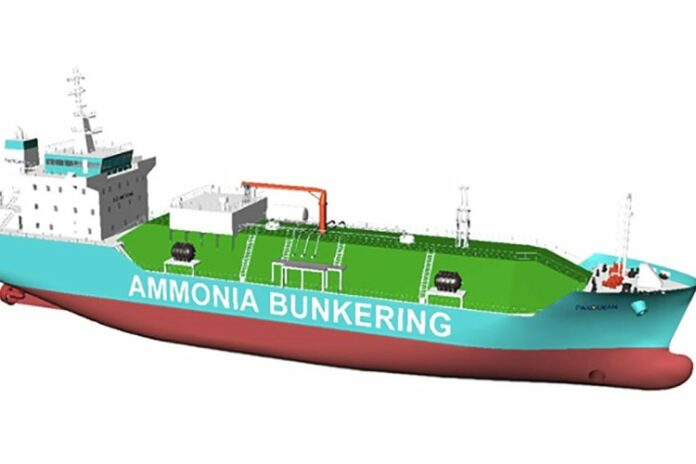
With the signing of this MOU, PaxOcean will focus on developing designs for ammonia-fueled and ammonia bunkering vessels, leveraging its deep technological capabilities and expertise.

Bureau Veritas will verify compliance with the most applicable and up-to-date rules, particularly those related to the handling of ammonia, drawing on BV’s expertise in ammonia carriage and operations, and previous technical studies on ammonia as a fuel.

Hong Lam Marine’s role is to provide input specific to operational data, and to support and validate the suitability of the ship design for commercial operations. The MOU will foster innovation in smart and autonomous ship technologies, and support the use of green ammonia as a sustainable fuel to help decarbonise global shipping.

Mr Tan Thai Yong, Chief Executive Officer of PaxOcean said:

“It brings me great pleasure to share that we are adding a new fuel segment into our R&D focus by co-creating ammonia-based vessel solutions with forward looking and responsible companies like Hong Lam Marine and Bureau Veritas. We look forward to a long and fruitful partnership with Hong Lam Marine and Bureau Veritas, founded upon our complementary strengths in a push to accelerate the development of ammonia bunkering in Singapore.”

Mr David Barrow, Vice President, South Asia Zone of Bureau Veritas Marine & Offshore said:

“Ammonia has great potential as a zero-carbon marine fuel and can play a significant role to help shipping reach its decarbonisation goals, but to fulfil this potential, more work is needed to overcome the safety and operational challenges. These challenges can be overcome through cross-industry collaboration, and we are very pleased to be working with PaxOcean and Hong Lam Marine to develop an ammonia bunker vessel design that de-risks ammonia as a marine fuel.”

Scientists identify bioindicators for monitoring plastic pollution in the ocean

0

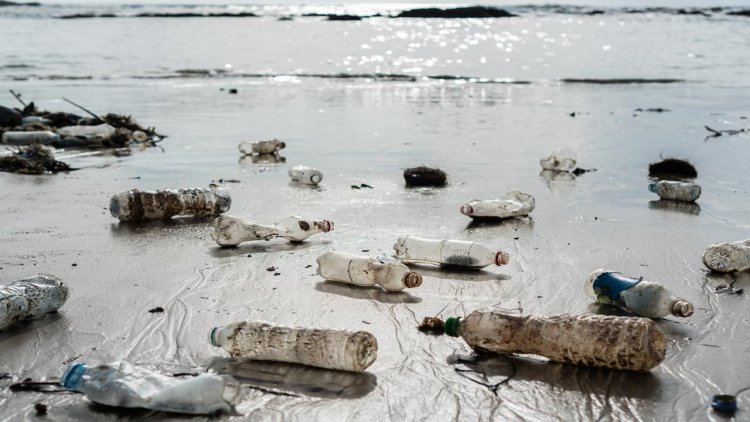
Many plastic products break down in the ocean and are ingested by marine wildlife. Scientists can study these organisms as potential bioindicators to measure how much plastic exists in different ocean regions and help assess the overall health of the marine environment.

To advance these efforts, several research organizations, including the National Institute of Standards and Technology (NIST), have conducted a meta-analysis, in which they statistically analyzed and combined current scientific literature to identify key marine species for monitoring plastic pollution in the North Pacific Ocean. The study provides a systematic framework for collecting data from these marine species to minimize variability in results observed between different organizations. The results will help improve information important to understanding the extent of plastic pollution in the North Pacific Ocean, the effectiveness of plastic reduction measures, and possible impacts on wildlife.

The researchers published their findings in the scientific journal Environmental Pollution.

Matthew Savoca, a researcher at Stanford University’s Hopkins Marine Station in Pacific Grove, California, said:

“The scientific community has an incredible amount of data on which marine species so far are ingesting plastic pollution. It’s imperative to synthesize this data and turn it into knowledge that can help us understand and mitigate this problem.” 

Plastic pollution is a problem that affects all of the world’s oceans. The researchers focused on the North Pacific Ocean because they are part of a working group under a multinational science organization known as the North Pacific Marine Science Organization (PICES) that coordinates research in the region. Site of the “Great Pacific Garbage Patch,” the North Pacific is an ocean region that is one of the most heavily impacted by plastic pollution, further emphasizing the importance of the study.

Conducting an extensive literature review, the researchers used statistical analysis on key information extracted from research articles on a variety of marine wildlife groups, such as invertebrates, fish, seabirds, marine mammals and sea turtles.

The collaboration focused on marine wildlife species that are already known to ingest plastic pollution. “These animals forage in the ocean, ingest the plastic, and bring it back to us. This makes the human job of monitoring plastic pollution easier. We’re making the best use of animals that have already died from a variety of reasons and collecting the data from them,” said NIST researcher Jennifer Lynch.

Using a scoring rubric that was modified from a similar one used by a United Nations working group, the researchers evaluated 352 different marine species and identified 12 as the best potential bioindicators for the North Pacific.

These best bioindicators ranged from the Pacific oyster and long-nosed lancetfish to the green sea turtle and black-footed albatross. Within the highlighted species are a few that were not previously identified as potential bioindicators, such as the Manila clam, multiple anchovy species, and a small seabird known as Leach’s storm petrel.

The criteria for species to serve as bioindicators included a variety of factors, such as their distribution throughout the ocean, both the North Pacific and globally, and whether they are consumed by humans.

Savoca said:

“There are a handful of things that make a good bioindicator. The first thing is accessibility: Is it easy to get samples of these species? Second, we are looking for species impacted by plastic. We are looking for changes in plastic pollution over time to determine if things are getting worse or better.”

At the same time, Lynch said:

“we recognize there is no one species that can cover everything. When sea turtles forage, they might reveal the presence of certain plastics. But bivalves, such as mussels and clams, might be better bioindicators for other plastics near the seafloor.” Also, different species might be experts at detecting the presence of plastics of a particular size, whether it’s visible pieces of plastic or nearly invisible microfibers.

Another key part of the study was developing monitoring plans for these marine species. The authors include recommendations for the frequency of collecting samples (at minimum once per year), number of samples taken, and the best way to collect and store them. The researchers proposed new monitoring plans as well as ones already used by other organizations.

For example, for monitoring sea turtles the authors recommend an existing project called Biological and Environmental Monitoring and Archival of Sea Turtle Tissues (BEMAST) that is a collaboration between NIST, the National Oceanic and Atmospheric Administration (NOAA) and the U.S. Geological Survey (USGS).

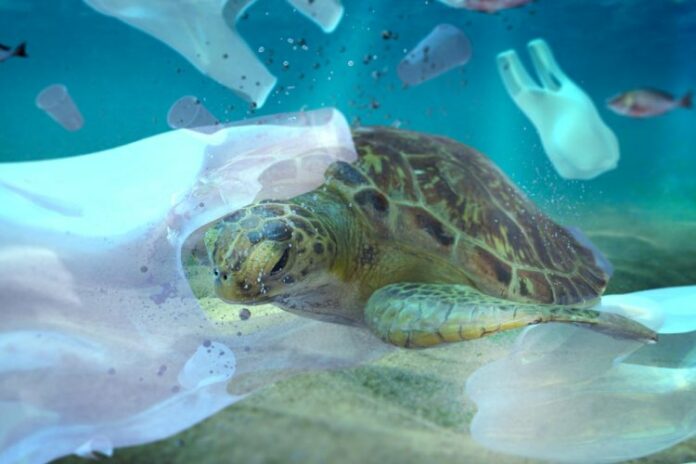
The sea turtles monitored through BEMAST were accidentally caught and killed by fishing gear throughout the Hawaiian longline fishery region. Scientists can then conduct postmortem examinations of the turtles’ gastrointestinal tracts to reveal and quantify the plastics that the turtles had eaten for two to three weeks before they died. Using a variety of laboratory techniques, they can analyze these plastics to gather data on color, shape, size, mass, polymer type and markings that indicate the sources of the plastic litter.

For each category of marine species, researchers recommend a detailed monitoring plan so that if other organizations use these methods, there would be consistency in results obtained. In addition, the monitoring plans can be useful to policymakers by serving as potential mitigation steps toward plastic pollution.

Savoca said:

“The next step is to initiate new monitoring programs in addition to keeping existing ones going. We need to think about turning what we propose in the paper into reality.”