-1.7 C
New York
Home Blog Page 282

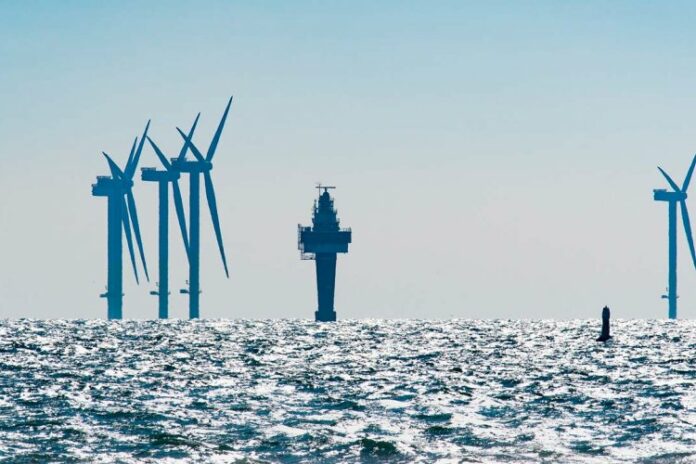
SeaRenergy joins Iberdrola on Baltic Eagle offshore wind farm

0

SeaRenergy provides inspection services, maintenance, and repair works on monopiles and transition pieces as well as client representatives for all phases of the installation of Baltic Eagle.

The execution of the project scope started in April 2023 and will continue until the end of 2024. SeaRenergy’s client representatives are involved in the installation of the monopiles and the transition pieces (TP), and will further support the seabed preparation, the cabling works and the the final installation of wind turbines, including towers and nacelles.

The service includes all necessary inspection, maintenance, and repair work during the windfarm’s construction phase as well as the creation of risk assessments and method statements, handling tool and equipment logistics, project management, site coordination and deployment of qualified offshore professionals.

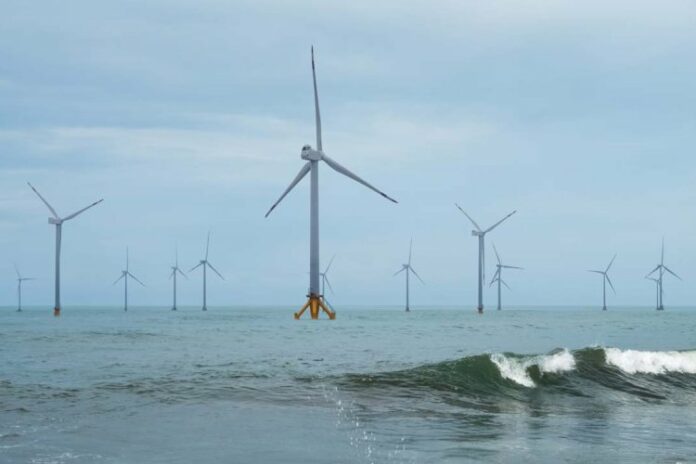
Located in the German Baltic Sea, northeast of Rügen island, the Baltic Eagle offshore wind farm of Iberdrola Germany encompasses an area of almost 43 square kilometers and includes 50 wind turbines in total, which will be installed in water depths of 40-45 meters. Once operational, the Baltic Eagle wind farm will generate clean and renewable energy equivalent to supplying over 475,000 households. Furthermore, this project will contribute to an annual reduction of approximately 800,000 tons of CO2 emissions.

“After the Saint-Brieuc offshore wind farm marine coordination this is now the second large contract that Iberdrola has awarded to SeaRenergy”, Dr. Benjamin Vordemfelde, Managing Director of SeaRenergy said. “We are grateful for the trust Iberdrola puts into our Services and are looking forward to continuing the good cooperation. This contract enables SeaRenergy to strengthen our presence in the Baltic Sea and in Sassnitz in particular.”
NYK to build its sixth LPG dual-fuel VLGC/ammonia carrier

0

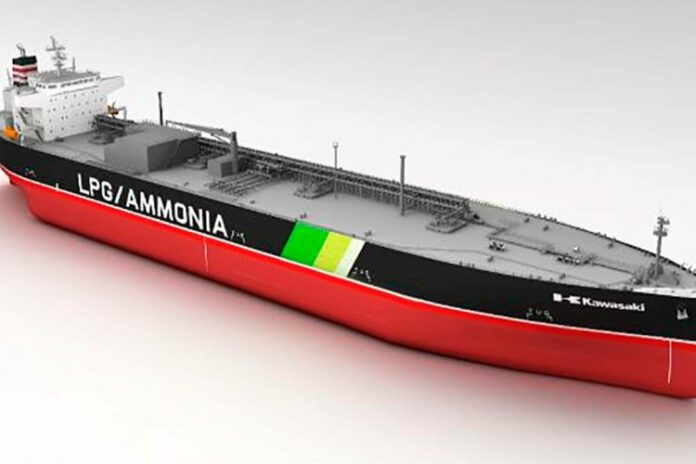
NYK has announced the order of its sixth liquefied petroleum gas (LPG) dual-fuel very large LPG / liquefied ammonia gas carrier (VLGC) from Kawasaki Heavy Industries Ltd. (KHI). The ship will be built at the KHI Sakaide Works shipyard and is set for delivery in 2026.

Furthermore, in addition to the LPG dual-fuel engine, the ship will have a shaft generator that can generate electricity during the voyage by using the rotation of the shaft that connects the main engine to the propeller. Since the diesel generator can be stopped during regular seagoing transit, realizing full navigation with LPG fuel will be possible except for the use of a small amount of pilot fuel as an ignition source.

When LPG is used as fuel, exhaust gas from the ordered VLGC will contain at least 95% less sulfur oxide (SOx) and 20% less CO2 than NYK’s conventional VLGCs using heavy-oil fired engines.

This new VLGC will comply not only with the SOx Global Cap regulations that were tightened from January 2020 but also with the IMO’s Energy Efficiency Design Index (EEDI) Phase 3 regulations, which implemented stricter CO2 emission standards from April 2022.

Moreover, the vessel is expected to be given notations by Nippon Kaiji Kyokai (ClassNK) as a VLGC that has a preparatory design in accordance with the guidelines issued by ClassNK so that this vessel may use ammonia fuel in the future.

Babcock awarded initial contract for second Vanguard Class submarine refit

0

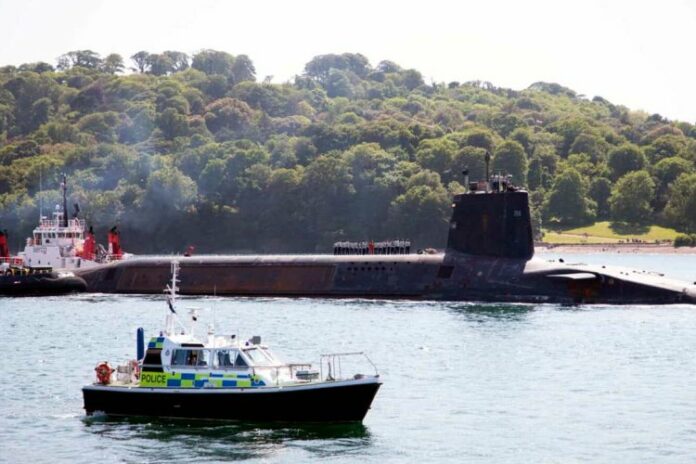
The initial full cost recovery agreement, which will be replaced with a contract on the same terms for the full programme before the end of the year, enables Babcock to begin deep maintenance of the complex submarine at its facility at Devonport.

HMS Victorious plays a vital role in the UK’s continuous at sea deterrent. The refit programme will support around 1000 jobs in the local community and will see Babcock continue to build its workforce for delivering future submarine maintenance at Devonport.

Babcock’s CEO Nuclear Dominic Kieran said:

“This is the result of a truly collaborative effort with the SDA. The work we do to support the Vanguard Class fleet, a vital part of the UK’s defence, has never been more important.

“The commercial framework we have agreed will ensure the retention of our skilled workforce, support future recruitment and enable us to focus on supporting the SDA in its drive to increase submarine availability.”

SDA CEO Chris Gardner said:

“The completion of HMS Victorious’ Deep Maintenance Period is vital to supporting Defence’s highest priority. We look forward to working with Babcock to deliver the project on time to enable ongoing submarine availability and to continue to transform Devonport Naval Base into a Centre of Excellence for submarine deep maintenance.”

Submarine support is critical to the defence of the UK and requires specialist engineering skills and dedicated infrastructure. Babcock, the SDA and the Royal Navy are currently in discussions with the intention of finalising a long-term strategic partnership to ensure the stable, safe, effective and efficient delivery of deep and base maintenance of submarines. Expected to replace current commercial arrangements under the Future Maritime Support Programme, this would place Babcock on a similar footing to other key industrial partners, as part of a wider defence nuclear enterprise.

Incat Crowther 24 Talwurrapin servicing busy Queensland commuter route for Sealink

0

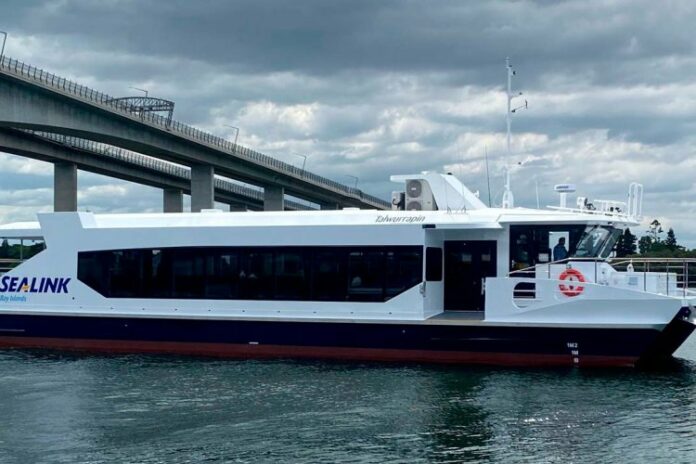
The new Incat Crowther 24 began operating on the Redland Bay to Russell Island route in the Moreton Bay region in late January 2023, providing a vital connection between the mainland and Russell Island.

The vessel is the result of close collaboration between SeaLink South-East Queensland and Incat Crowther with a number of design elements tailored specifically to SeaLink’s requirements and operations.

Featuring a low draft for a vessel of its size, Talwurrapin is capable of transporting up to 200 passengers at speeds of up to 25 knots. The vessel’s main cabin seats 108 seated passengers with a further 32 seated passengers in an outdoor area, and safe space for 60 standing passengers throughout the vessel.

Designed with accessibility in mind, Talwurrapin includes six wheelchair spaces, and ceiling grab rails to maximise safety while on board. The main deck also features a large luggage rack in the centre of the air-conditioned main cabin, and storage for bicycles on the bow.

Talwurrapin has been specifically designed to maximise operational efficiency with safe and streamlined boarding. The vessel’s wheelhouse has been positioned to provide maximum visibility while boarding has been optimised by tailoring the vessel’s design to integrate with existing infrastructure at the ports the ferry will service.

Incat Crowther’s Technical Manager Andrew Tuite said Talwurrapin was the latest in a long line of successful projects between The Kelsian Group, its subsidiary brands and Incat Crowther.

“From passenger ferries in Queensland and Tasmania, to tourism cruise vessels in NSW, Incat Crowther has a long and proud history of working closely with SeaLink and The Kelsian Group to deliver high-quality vessels that are tailored specifically to their operational requirements,” said Mr Tuite.

“Talwurrapin will provide a safe, efficient, and vital community connection for people in the Moreton Bay region of Queensland and further cements SeaLink South-East Queensland’s position as the leading commuter and tourism ferry operator in the region,” said Mr Tuite.

SeaLink Marine & Tourism Chief Executive Officer Donna Gauci said the company was proud to add Talwurrapinto its growing commuter fleet.

“We are incredibly proud of both the name, which is Quandamooka Jandai Language for “Redland Bay,” and that it was built, right here, in the Redlands by Norman R. Wright & Sons,” said Ms Gauci.

TotalEnergies wins two maritime leases to develop two offshore wind farms in Germany

0

TotalEnergies has been awarded by the Bundesnetzagentur (German Federal Network Agency) two marine concessions, N-12.1 and O-2.2, at the end of the auction held in Germany.

Located in the North Sea, 170 kilometers off the coast, concession N-12.1 covers an area of around 200 square kilometers. Located in the Baltic Sea 40 kilometers from the coast, concession O-2.2 has a surface area of around 100 square kilometers.

The concessions will run for a term of 25 years, extendable to 35 years. With capacities of 2 GW and 1 GW respectively, these two wind farms will provide a volume of electricity equivalent to the consumption of over 3,000,000 homes. Following these awards, TotalEnergies will pay the German Federal government 582 million euros, which will be allocated to the conservation of the marine environment and the promotion of environmentally friendly fishing. An annual contribution will also be paid to the electricity transmission system operators in charge of connecting the projects for 20 years from commissioning of the sites.

The production generated by these sites will be marketed by TotalEnergies, either by selling it directly on the electricity market, or by entering into Power Purchase Agreements (PPAs) with end-buyers, enabling them to reduce their carbon footprint. These projects, which are cost-competitive given the quality of the sites, are in line with the Company’s strategy of becoming an integrated player in the electricity markets, taking advantage of price volatility. They will contribute to the Integrated Power Business Unit’s objective of reaching a two-digit profitability.

These major projects are in line with the German government’s objective of deploying 30 GW of offshore wind power in Germany by 2030. The next step for TotalEnergies will be to carry out the studies required to obtain the environmental permits, as well as the technical analyses on these sites, leading to investment decisions in 2027 and commissioning by 2030.

Patrick Pouyanné, chairman and CEO of TotalEnergies, said:

“TotalEnergies is proud to leverage its expertise in offshore and large-scale projects to build these giant wind farms, which will make a significant contribution to the development of renewable electricity in Europe by 2030. Our entry into offshore wind power in Germany, Europe’s largest electricity market, is a key step in the implementation of our strategy to become an integrated profitable player in the electricity markets. After the commissioning of a floating LNG regasification unit at the Lubmin terminal in January 2023, this is a further commitment by TotalEnergies to deploy our multi-energy strategy in Germany and contribute to the country’s and Europe’s energy security.” 

TenneT concludes agreement for service and maintenance of offshore cable systems

0

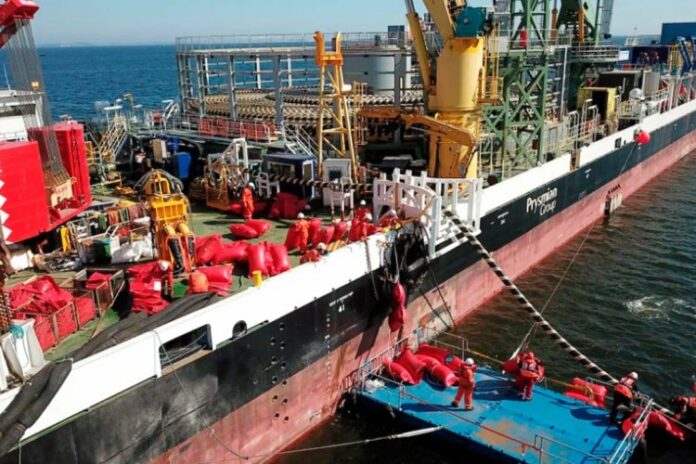
Transmission system operator TenneT has awarded Prysmian, one of the world’s leading companies in the supply of submarine HV systems, who will be in charge in partnership with N-Sea for the maintenance and servicing of TenneT cable systems in the German and Dutch North Sea – around 3,400 kilometres of offshore cables and 800 kilometres of nearshore cables.

A corresponding cooperation agreement between the companies was now signed in Bayreuth. The contract is initially for three years.

Jack Wattel, Director Subsea Cables N-Sea, says:

“N-Sea appreciates the trust offered by TenneT and Prysmian to be awarded such a strategic important subsea cable maintenance scope. N-Sea has built a unique and dedicated subsea cable repair & maintenance team with associated track record and specialised equipment to ensure flexible and quick measures in the event of a possible incident, for example. This agreement fits perfectly in our long-term N-Sea mission & vision to be an industry leader in subsea asset management. N-Sea looks forward to a good collaboration with TenneT and will deliver the agreement in a safe (zero harm) and efficient way.”

With Prysmian and N-Sea, TenneT has been able to sign up two leading providers of offshore cable solutions. Specifically, the contract provides for the monitoring, regular maintenance and, if necessary, repairs of the offshore cable systems operated by TenneT. Prysmian acting as the main contractor in this agreement in partnership with N-SEA will be responsible to cover the potential scopes of operation in the offshore & nearshore areas of the German and Dutch North Sea, by utilisation of state-of-the-art inhouse and external assets.

Both companies can draw on many years of experience and a large portfolio of different cable-laying and repair units, so that they can react flexibly and quickly in the event of a possible incident, for example. The cooperation agreement sets out fixed warranty periods within which potential maintenance, servicing or repair work on the cable systems must be carried out and completed.

Fifty-five companies achieve ‘granted’ status by the F4OR programme

0

Fifty-five companies have achieved the much coveted ‘granted’ status by the Offshore Renewable Energy (ORE) Catapult’s industry-leading Fit 4 Offshore Renewables (F4OR) supply chain growth programme – signalling they are ready for business in the offshore renewables market as the UK powers towards Net Zero.

Across the UK, over 100 companies have been supported by the F4OR programme that was designed alongside industry. Participating companies experience an average 28% increase in turnover, increase their staff by 5% on average and many have gone on to secure a wide range of new contracts.

Since F4OR began in 2019, five regional programmes have run in the North East of Scotland, North East of England, East Anglia and Suffolk, and national programmes run across Scotland and UK-wide.

First Marine Solutions, based in Aberdeen, specialise in mooring solutions for floating offshore installations, and they are one of the companies in the successful F4OR ‘granted’ community.

Steven Brown, Managing Director of First Marine Solutions said:

“First Marine Solutions has been a supporter of ORE Catapult since its inception, recognising its ability to assist the UK supply chain in preparing to bid for work in the offshore renewable energy sector.

“Our successful completion of the Fit 4 Offshore Renewables programme underlined our commitment to delivering a single source of wind turbine mooring solutions, and since accreditation, we can report that our Glasgow-based Renewables team has doubled in size with future growth in mind, having recently moved into larger premises.

“We are also very pleased to have supported ORE Catapult’s Floating Offshore Wind Centre of Excellence with a study which explored potential standard mooring system designs, which illustrates the transferability of existing offshore supply chain experience to the rapidly developing floating offshore wind market.”

Andrew Macdonald, Director of Development and Operations at ORE Catapult, said:

“The UK is on a sharp growth trajectory striving to meet our national target of increasing the generation of offshore wind power almost fivefold to 50GW by 2030, as we accelerate towards Net Zero.

“This creates a huge opportunity for the UK supply chain to grab a significant piece of that market, from design and manufacturing through to operations and maintenance of future offshore developments, creating jobs and economic benefit for the UK.

“It’s vitally important that we support our supply chain companies as they seek to win contracts with the new generation of UK offshore windfarms.”

Funding partners across the F4OR programmes have included the Scottish Government, New Anglia Local Enterprise Partnership, North of Tyne Combined Authority, Opportunity North East, Energy Transition Zone, and the Offshore Wind Growth Partnership.

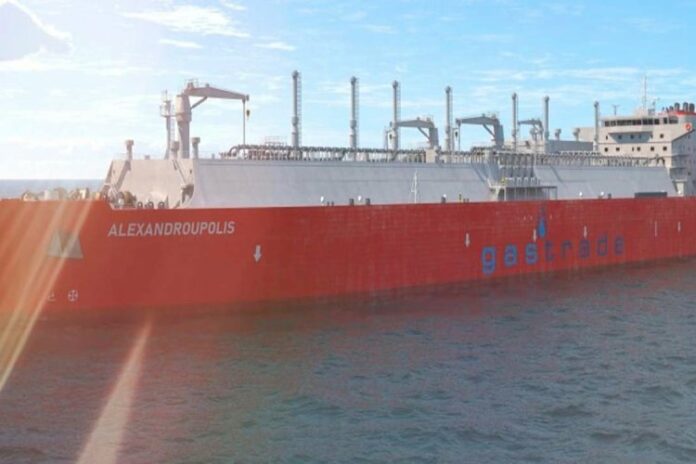
Svitzer awarded Alexandroupolis LNG Terminal contract with Gastrade

0

Svitzer will apply its global terminal towage expertise and experience to rapidly set up towage services and support for advanced LNG operations at the new import terminal. This includes supporting a Floating Storage Regasification Unit (FSRU) with a pipeline system connecting the floating unit to the Greek National Natural Gas Transmission System and onwards to final consumers in Greece and the Balkans.

Svitzer will provide four new ASD tugboats, fully manned by Greek crew, to assist the FSRU and the carriers delivering LNG. Svitzer tugboats will provide berthing, un-berthing, navigation assistance, and other terminal services including firefighting, pollution control, pilot and boarding party transfer. Svitzer will also provide support and station keeping services to the FSRU during initial installation.

The project marks Svitzer’s first entry into the Greek market and will see the company apply its knowledge and skills in the local environment. The deal will result in the creation of both onshore and offshore job opportunities based at the terminal in Alexandroupolis. While the Alexandroupolis LNG terminal is set to become operational in the beginning of 2024, Svitzer has already initiated the recruitment process to ensure staff undergo robust training in line with Svitzer’s operational and safety standards ahead of operations commencing. Training will include the use of advanced tug simulators replicating the actual environment around the Alexandroupolis LNG terminal.

Svitzer has more than 25 years of experience as a leading towage provider for customers in the global LNG market, with the Alexandroupolis INGS project further demonstrating Svitzer’s stronghold as expert service provider to the energy industry.

Commenting on the agreement, Lise Demant, Managing Director, Svitzer Europe, said:

“The long-term agreement will allow Svitzer to grow within its core business, expand geographically and deliver safe and efficient marine services to a new customer. This includes providing a truly customised solution for Gastrade, with the delivery of four brand new tugs. We look forward to being part of the first offshore LNG project in Greece and to welcome new Greek colleagues to Svitzer, who will help deliver reliable and high-quality towage service to Gastrade and its customers.”  

Konstantinos Sifnaios, Managing Director at Gastrade, added:

“High-quality towage and marine services will be critical to the success of the Alexandroupolis LNG Terminal project. We are convinced that Svitzer is the right partner to deliver this, thanks to its extensive track record in terminal towage, its agile fleet management, and solid experience from servicing many other LNG customers globally. We look forward to working together with Svitzer to build jobs in the local market and ensure energy security for the region and beyond.”

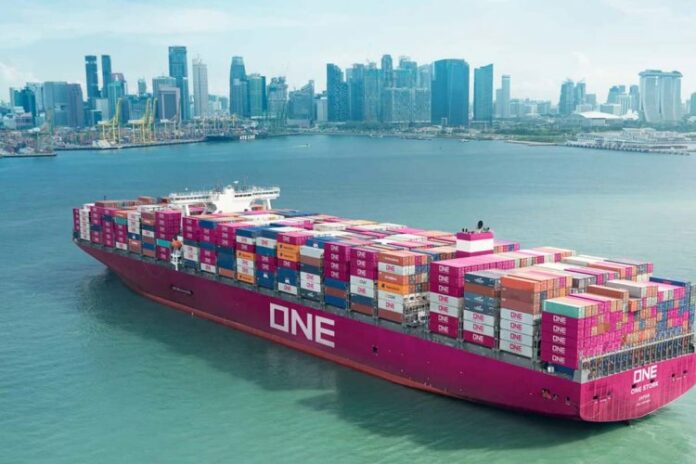
ONE launches LUX service, connecting Europe and South America

0

The LUX represents ONE’s first dedicated service connecting Europe and the Mediterranean to the East Coast of South America.

The service is designed to provide a competitive northbound transit time from the East Coast of South America to the Mediterranean and Europe, offering customers a competitive alternative to the existing products on the market, especially for refrigerated cargo. It is also the only service on the market making a direct call from Lisbon to the East Coast of South America, providing customers with the opportunity to ship from these unique port pairs.

“South America has always been of strategic importance to our global network,” said Yu Kurimoto, Managing Director of ONE. “The launch of the LUX service demonstrates ONE’s commitment to providing our customers with excellent, reliable, efficient, and comprehensive services. We are constantly looking for ways to enhance our products and offerings, and the LUX service represents a significant step forward in meeting the needs of our customers in this important region.”

The inaugural sailing for LUX will commence from Montevideo on 16th September with the following rotation:

Rotterdam – London Gateway – Hamburg – Antwerp – Lisbon – Algeciras – Santos – Paranagua – Montevideo – Buenos Aires – Itapoa – Paranagua – Santos – Rio De Janeiro – Algeciras – Rotterdam

LNG bunkering vessel for Kyushu and Setouchi Area named and launched

0

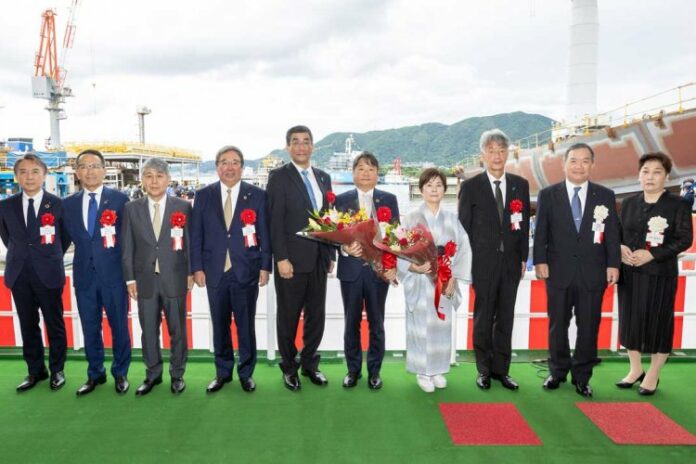
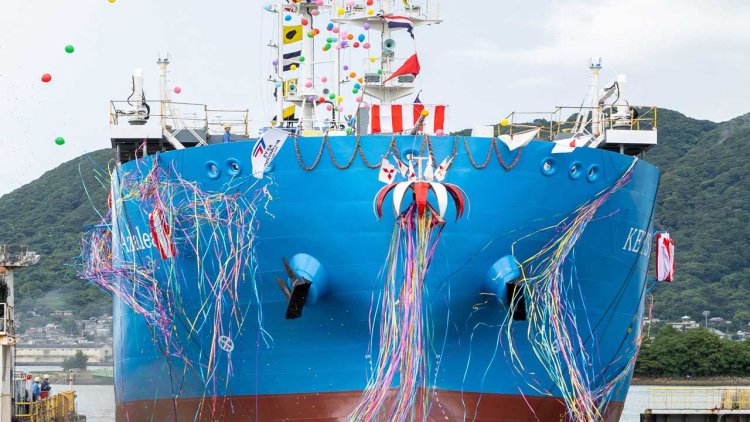
On July 12, KEYS Bunkering West Japan Corporation (“KEYS”), a joint venture established by Kyushu Electric Power Co., Inc., NYK Line, ITOCHU ENEX CO.,LTD., and Saibu Gas Co., Ltd. (hereinafter “the parties”), held a ceremony to name and launch an LNG bunkering vessel.

The vessel is under construction at Shimonoseki Shipyard & Machinery Works’ Enoura Plant owned by Mitsubishi Heavy Industries, Ltd.

KEYS welcomed guests from the parties as well as Japan’s Ministry of Land, Infrastructure, Transport and Tourism, the Japan Coast Guard, and the cities of Kitakyushu and Shimonoseki, among others. The vessel was named “KEYS Azalea” after the azalea, the official flower of Kitakyushu in Fukuoka Prefecture, where KEYS is based.

After delivery in March 2024, the vessel will participate in the LNG coastal transportation business, in addition to LNG bunkering for oceangoing vessels calling at ports in the Kyushu-Setouchi area. This will be Japan’s first LNG bunkering project to supply LNG to vessels over the vast Kyushu and Setouchi area.

KEYS Azalea will be Japan’s first LNG bunkering vessel to be equipped with a dual-fuel engine that can operate on both LNG and fuel oil. The use of LNG fuel offers excellent environmental performance compared with traditional marine fuels. It is expected to be a bridge solution for decarbonization, virtually eliminating sulfur oxide (SOx) emissions and reducing approximately 80% of nitrogen oxide (NOx) emissions, as well as 30% of carbon dioxide (CO2) emissions.

Vessel Particulars

  • Name: KEYS Azalea
  • LOA: 82.4 meters
  • Beam: 18.2 meters
  • Draft: 4.8 meters
  • Gross Tonnage: about 4,850 tons
  • LNG Loadable Capacity: 3,500 cubic meters
  • Driving Power: Electricity (dual-fuel engine (consuming LNG or fuel oil))
  • Delivery: March 2024
  • Builder: Mitsubishi Shipbuilding Co., Ltd.