-6.7 C
New York
Home Blog Page 210

MOL, Itochu, JFE Steel and HIF Global eye Japanese CO2 for Australian e-fuels

0

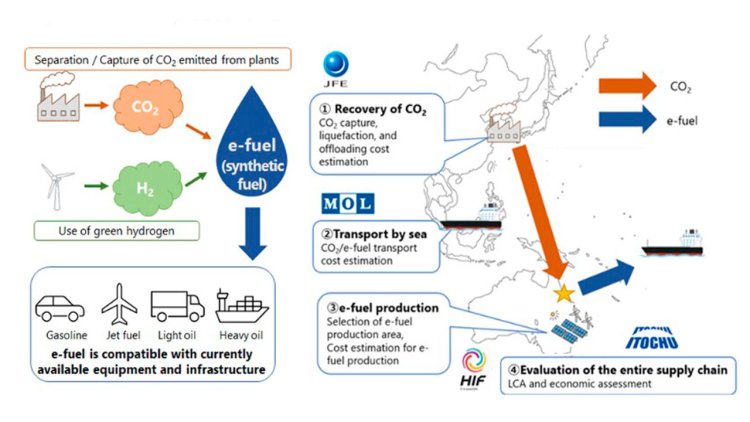
HIF Global, ITOCHU Corporation(ITOCHU), JFE Steel Corporation and Mitsui O.S.K. Lines (MOL) have announce an agreement to identify and assess potential locations for carbon neutral eFuels facilities in Australia and investigate the establishment of a CO₂ supply chain between the two countries.

HIF will identify sites in North Queensland to host commercial-scale, cost-efficient eFuels facilities and evaluate importing CO₂ for use as an eFuels feedstock. ITOCHU will be responsible for lifecycle assessment and economic assessment. JFE will study the capture and storage of carbon dioxide in Japan. MOL will analyse shipping both CO₂ from Japan to Australia and eFuels from Australia.

Ignacio Hernandez, HIF Asia Pacific’s CEO, said:

“The cooperation agreement between HIF, Itochu, JFE Steel, and MOL demonstrates the strong demand for eFuels to decarbonize transport around the world now. Our collaboration is a critical enabling step toward commercialization of the natural synergies between Australia and Japan as we work together to tackle climate change. HIF produces eFuels today in Chile and has a large-scale facility in Texas due to enter construction this year. Our Tasmanian eFuels project was one of only six to be shortlisted for the Australian Government’s Hydrogen Headstart funding program two months ago, and now we initiate the site selection process in Queensland.”

Jun Inomata, Executive Officer, ITOCHU (Chief Operating Officer, Metal & Mineral Resources Division), said:

“One of the basic policies of ITOCHU’s medium-term management plan is to contribute to and strengthen initiatives for the SDGs, and through this initiative, ITOCHU will contribute to the realization of a decarbonized society by building an eFuel supply chain. All four organizations in this collaboration will leverage their networks in Japan and overseas and the knowledge they have accumulated through their business in Australia to build an eFuel supply chain, starting with JFE Steel, with an eye towards a decarbonized society.”
Yasuchika Noma, Executive Officer of MOL, said:

“MOL is honored and excited to have an opportunity to collaborate with HIF Global, ITOCHU and JFE Steel. We believe this cooperation will make a significant synergy to create CCUS value chain between Australia and Japan, and also hope to expand our collaboration to wider areas of solutions for decarbonization.”

eFuels are made using electrolyzers powered by renewable energy to separate hydrogen from oxygen in water. The green hydrogen is combined with recycled carbon dioxide to produce carbon neutral eFuels, which are chemically equivalent to fuels used today and can therefore be dropped-in to existing engines without requiring any modifications.

The term “e-fuel” refers to liquid fuel produced by synthesizing hydrogen produced from renewable energy sources and CO2. The CO2 feedstock will be CO2 emitted from industries that will have difficulty achieving decarbonization through electrification, hydrogenation, and other means alone. A benefit of e-fuel is that it can use current infrastructure such as vessels, lorries, storage tanks, and fueling stations for transport and storage. In addition, e-fuel itself can be used to power automobiles, aircraft, and vessels without the need to modify or replace current equipment, so its use is expected to be an early decarbonization measure.
Wärtsilä introduces new solution to ease shipping’s transition to ammonia fuel

0

The Wärtsilä AFSS is an innovative and reliable system that enables the use of ammonia as a marine fuel. In line with shipping’s transition to decarbonised fuels, ammonia is widely seen as one of the most promising new fuel candidates. It offers a huge reduction in CO2 emissions, almost zero sulphur oxide (SOx) emissions, and similar reductions in nitrogen oxide (NOx) and particulate matter (PM) emissions.

“At Wärtsilä Gas Solutions we have more than 50 years’ experience in handling ammonia onboard ships. This experience, along with our deep understanding and development of high efficiency cargo handling systems in general, has led to the introduction of this system, which we see as a key enabler for decarbonised operations. The AFSS is designed to be robust and reliable, under even the most challenging sea conditions,” said Stein Thoresen, Head of Sales Marine, Wärtsilä Gas Solutions.

The AFSS is suitable for both newbuilds and as a retrofit for existing vessels. It can be installed as an integrated cargo handling and fuel supply system on ships carrying liquified gas especially those able to trade ammonia as cargo, such as VLGC’s and MGC’s. It can also be installed as a self-standing fuel supply system on IGF-coded vessels with either low or high-pressure systems, or a combination of both.

A system consisting of pumps and heat exchangers is used to supply the engine with a stable and reliable fuel flow, at the correct pressure and temperature. The AFSS systems are equipped with proven components, including the necessary purge gas treatment system. Due to the need for high cleanness of the fuel, proper filtering is installed upstream and is embedded in the system.

The first Wärtsilä Ammonia Fuel Supply Systems will be installed on two new gas carriers being built at the Hyundai Mipo Dockyards (HMD) in Korea for Exmar LPG. These Medium Gas Carrier newbuilds will be the first ever oceangoing vessels to be propelled by dual-fuel engines capable of operating with ammonia.

Latest Damen design an answer to increased use of drone technology at sea

0

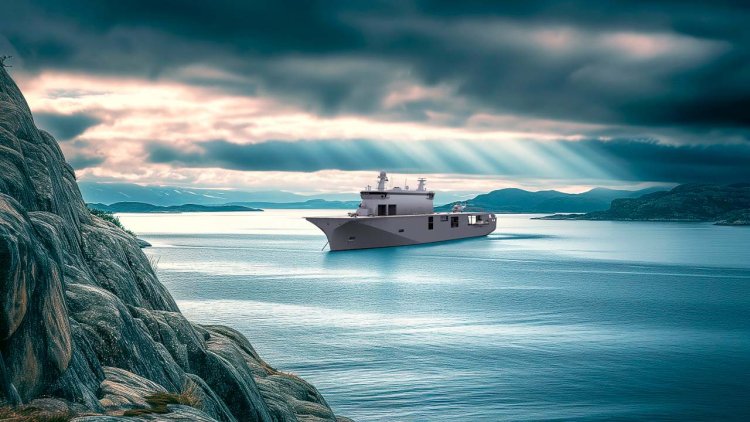
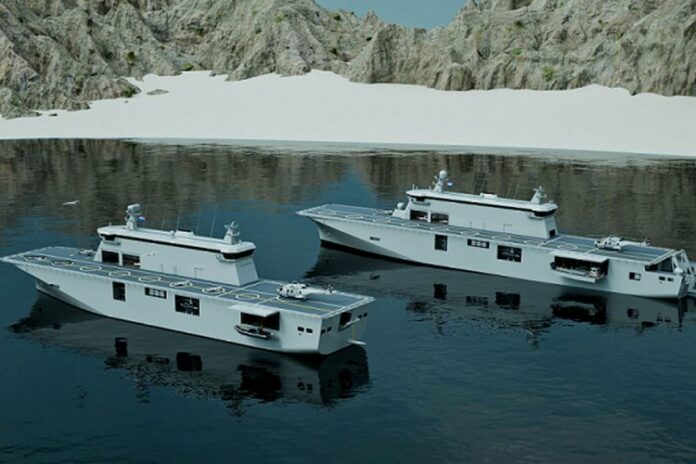
It is a solution for the increasing use of drone technology in combat and surveillance. In addition to its primary function, the MPSS is designed to fulfil a wide range of additional tasks, including auxiliary roles. 

Damen has begun construction of the first vessel of this new design. The MPSS range, featuring 7000 and 9000 tons versions, combines the vision of the Portuguese Navy, with Damen’s proven process of shipbuilding, using standardised solutions wherever possible. As a result, the vessel can be constructed quickly and offers a reliable, cost-effective platform. 

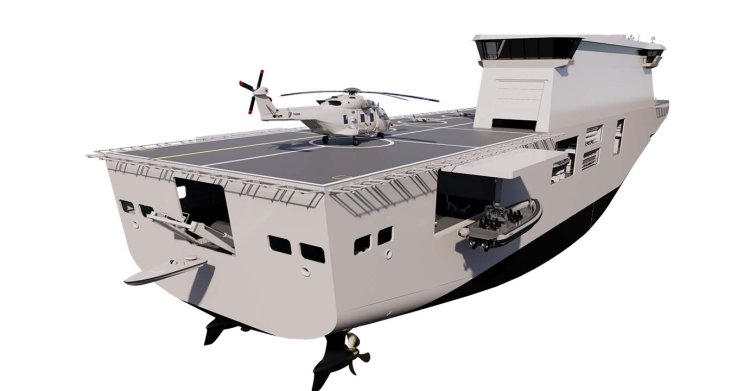
While the electrical, communication and navigation equipment installed on the MPSS will be military class equipment, the vessel will also use commercial off the shelf technology. This includes, for example, the mission specific equipment modules, by which the vessel achieves its multi-functional capability. 

In this way, when not required to perform its primary function, the MPSS can be applied to a wide range of duties including managing drones (air, sea, and sub-sea), conducting amphibious support, emergency/disaster relief, search & rescue, diving support, performing submarine rescue operations and helicopter operations. 

The MPSS 7000 is 107 x 20 metres. It is foreseen that it will be operated by a crew of 48 personnel, with additional facilities for up to 100 special personnel and extra, temporary, accommodation for 42 persons, for example in the event of a disaster relief operation. The MPSS 9000 is 130x 20 meters and is able to conduct even more operations. 

As a result of its modular approach, the vessel could be utilised year-round and is also easy to maintain. The MPSS Series can remain at sea for periods of at least 45 days. All these factors contribute to the vessel’s overall value, significantly increasing uptime. 

Piet van Rooij, Commercial Manager of Damen’s Defence and Security department, said of the new vessel,

“The MPSS range is a response to the increasing use of drone technology that we see in modern combat and surveillance situations. We could see that such capabilities would be of growing importance for countries looking to sustain their sovereignty. At the same time, this is a multi-purpose vessel that can be applied to wide range of additional operations, thereby offering value for taxpayer’s money. This theme is further developed using commercial off the shelf technology, which ensure the cost-effective construction of a reliable platform. We’re very much looking forward to showcasing this new vessel, including at exhibitions, in the coming months.”

Van Oord and HITEC Road sign contract for further development of Mixed-In-Place method

0

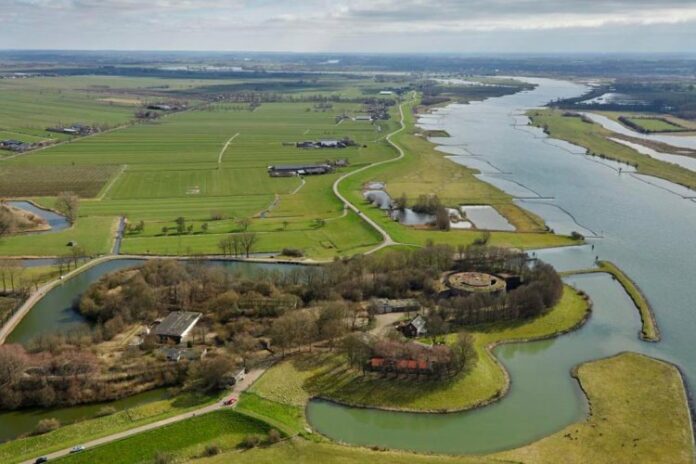
The Netherlands is working on the largest dyke reinforcement operation ever since the Delta Works: the Flood Protection Programme (HWBP). More than 1,500 kilometres of dykes will be reinforced over the next 30 years with high ambitions for sustainability and innovation.

To meet this challenge, market players and water boards will have to cooperate. Project Strong Lek Dyke made it possible to investigate the Mixed-In-Place (MIP) method. Van Oord and HITEC Road have partnered to further develop the MIP method, a technique to reinforce dykes in built-up areas in an efficient and sustainable way. 

Unlike the usual methods for dyke reinforcement, the MIP method allows a dyke to be reinforced without expanding it. A fantastic solution for a country where space is scarce and where, for example, homes, farms and historical buildings are close to the dykes.

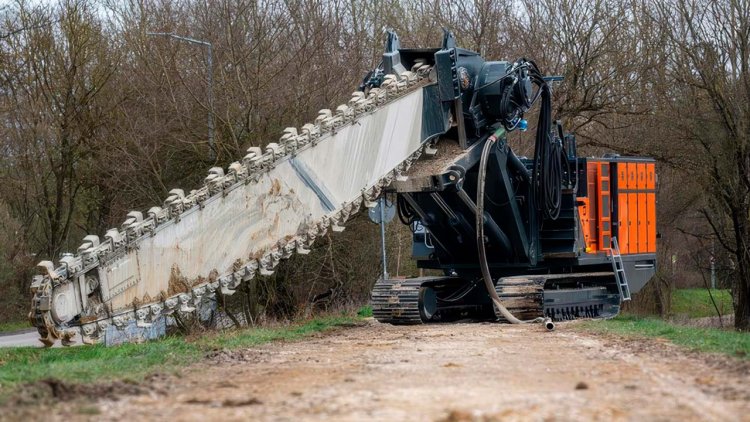
The MIP method is a technique where a milling cutter is used to create a wall in the dyke to a depth of 15 metres below the surface. This wall consists of a mixture of existing soil and binder, such as cement and water. This wall reinforces the dyke in two ways. First, the wall prevents the formation of channels under the dyke that might carry sand particles and therefore weaken the dyke: piping as it is called. Secondly, the wall stabilises the ground, preventing shifting or subsidence of the dyke. Because the existing foundation can be incorporated into the wall, this method is more efficient and sustainable than many other existing techniques such as installing steel sheet piling.

The collaboration between Van Oord and HITEC Road came about as part of the dyke reinforcement programme Strong Lek Dyke, one of the projects of the HWBP (the Lek is one of the branches of the Rhine after it enters the Netherlands). The Strong Lek Dyke programme is divided into 7 subsections reinforcing the Lek Dyke between Amerongen and Schoonhoven over a length of 55 kilometres. Dyke reinforcement is costly and has a major impact on the environment, hence innovation is necessary to realise it. Strong Lek Dyke is a breeding ground for innovations.

This is why, the water board De Stichtse Rijnlanden has opted for the ‘Innovation Partnership’ approach to tender. In the first phase of the project, the water board worked with three Innovation Partners – Van Oord, Mourik Infra and Lekensemble to investigate which innovations could best be applied and developed on a large scale. The MIP method is one of them. Because Strong Lek Dyke consists of subprojects that follow one another, it is more likely that an innovation will make it to the finish line.

The MIP method innovation team drew up a development plan for the Strong Lek Dyke project. The water board gave green light for further development of the MIP technique for the dyke section Culemborgse Veer – Beatrixsluis. Meanwhile, laboratory tests, desk studies and a pilot in Germany have provided insight into what will be investigated and how during a feasibility test in spring 2024 near the Lek Dyke. In the partnership, Van Oord contributes management to this development process and, as a marine contractor, brings knowledge and experience in dyke reinforcement.

HITEC Road, as a specialist in soil stabilisation, brings the equipment, including the milling cutter and product knowledge. The ultimate goal is to make the method usable for future dyke reinforcements in the Netherlands and demonstrate transparency in the technique so that the entire market can work with the innovation. It is only with cooperation and the courage to do new things that innovations can be rolled out from the market on a large scale. Thanks to the partnerships between market players, the water board and HWBP, an innovation like this is possible.

Norway’s Sleipner: Where CO2 has been buried in the rock since 1996

0

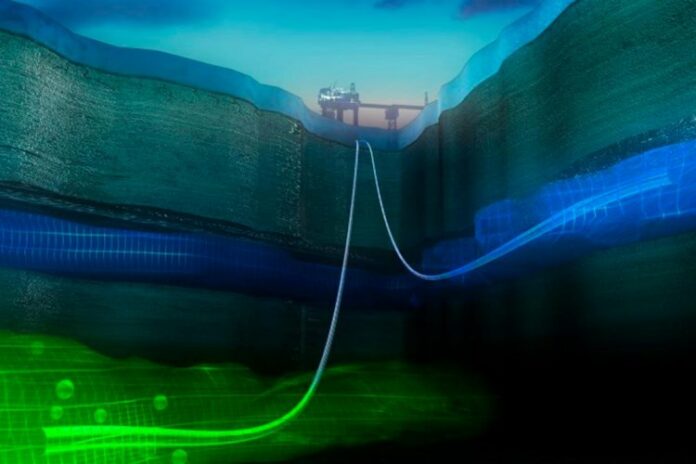
For almost 30 years, Statoil – now Equinor – and partners have been separating CO2 from gas extracted in the Sleipner field and injecting it into the Utsira Sand formation more than 800 meters below the seabed. After being injected in liquid form into the highly porous sandstone, the carbon dioxide is trapped under a shale caprock which acts as roof, sealing and preventing the CO2 from ascending. Because of the depth, pressure and temperature, it stays liquid.

The main reason behind the decision to start the project nearly three decades ago was the Norwegian CO2 taxes that had been introduced a few years earlier and the high CO2 content of the gas at around 9 per cent, which exceeds market requirements. The taxes made the CCS operation more profitable than to just separate the carbon dioxide and release it into the air. Until now, more than 19 million tonnes of CO2 have been stored.

The technologies used for doing all this are neither new nor particularly high-tech, says Christian Bernstone. He works as an engineer at Vattenfall, currently in the company’s project for creating negative emissions through bio energy carbon capture and storage at the biomass fuelled combined heat and power plant in Jordbro outside Stockholm, where he manages the carbon dioxide transport and storage part. He has previously co-authored an EU funded best practice manual for CO2 storage based on the Sleipner project which was published by the British Geological Survey.

“It is conventional technology from the oil and gas industry that is used. These are techniques that have been around for a long time, since oil and gas exploration began basically. This is just the reverse, you are adding something instead of extracting something,” says Bernstone.

Data gathering, modelling and measuring techniques have developed since 1996 though, so it has become easier for engineers to foresee how the CO2 will act in different geological formations once injected. Aside from that, there have mainly been advancements in technologies for carbon dioxide separation, resulting in more energy-efficient processes.

New technology also makes it possible for ships that carry liquid CO2 to pump the carbon dioxide into floating injection platforms. From there the carbon dioxide is pumped directly into the storage facility – instead of laying a pipeline from land – since most storage will not be done near the source as is the case with Sleipner.

Also when looking for new places to store carbon, the CCS industry can – somewhat ironically maybe – lean on the oil and gas industry. Because it is not only the tools that are the same. It is also the same kind of geological formations in which oil and gas fields can form that are suitable for CO2 storage. And there are a lot of data from previous oil and gas exploration that can be used when looking for places to store carbon dioxide.

Another thing that has developed is legislation. In 1996, there was no CCS-specific legislation, but since then lawmakers in Europe, the United States and other parts of the world have drawn up strict rules.

In the EU, the CCS directive is in place since 2009, and while Norway is not an EU member, the directive is implemented in Norwegian law through the Agreement on the European Economic Area (EEA).

The CCS directive aims to eliminate any significant risk of leakage or damage to human health or the environment. One of the criteria for getting a permission to start a CCS facility is to show that the storage is carefully monitored and safe over time to prevent any leaks.

That means Vattenfall and other companies looking to buy storage can feel safe that the CO2 will be handled securely, says Bernstone.

“You can be confident that the regulations in place have stringent requirements that must be met to obtain a storage license,” he says.

It was fortunate that Norwegian taxes incentivised the start of commercial CO2 storage already nearly 30 years ago, says Bernstone. That way, we have gained massive amounts of information and learned plenty as the fight against climate change has become more urgent than ever before. And that CCS can become an important tool, especially to decarbonise hard-to-abate sectors such as cement production and aviation.

“Above all, we have learned that carbon storage really works as it was intended to work,” says Bernstone.               

Virgin Voyages powers fastest Internet at sea with MEO-LEO service

0

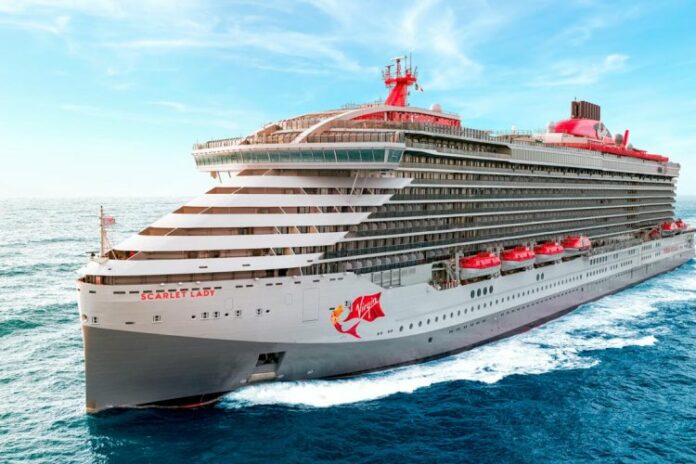
Virgin Voyages will deploy a new level of “Pretty Fly for a Wi-Fi” connected experiences for thousands of its “sailors” (passengers) across its fleet; becoming the first cruise line to deploy SES Cruise mPOWERED + Starlink PRO service.

Combining Medium Earth Orbit (MEO) and Low Earth Orbit (LEO) satellite coverage, the SES Cruise mPOWERED + Starlink PRO service will provide unmatched connectivity of up to 1.5Gbps per ship, enabling Virgin Voyages’ sailors to enjoy exclusive passenger experiences.

The seamlessly integrated high-performance connectivity service with no data consumption limitations will power Virgin Voyages’ high-end cruise offering of tech-savvy cabins, beautiful spas, and designer suites, plus award-winning entertainment, which all require superior connectivity. Launched in 2021, Virgin Voyages offers adult-only voyages on ships inspired by boutique hotels, sailing to 100+ ports globally.

With unlimited Wi-Fi access across multiple devices, passengers can share their cruise experiences live and in real-time via social media and video calls, while enjoying the incredible connected experiences that Virgin Voyages offers. In addition to meeting and exceeding guests’ expectations, the unmatched connectivity delivered by SES Cruise mPOWERED + Starlink PRO service will maintain cutting-edge operation levels for its crew across the fleet.

“For cruise operators, being able to constantly innovate and unlock new, superior guest experiences for passengers is essential to stay ahead of the curve,” said Simon Maher, Senior Vice President, Cruise at SES. “State-of-the-art connectivity is at the heart of this. This is why we expanded our offering to create a fully integrated end-to-end service that uses multiple orbits, from Geostationary to Medium and Low Earth, to optimise bandwidth and meet the needs of both passengers and crew, wherever in the world they are sailing.” 

Unprecedented shipping disruptions raise risk to global trade, UNCTAD warns

0

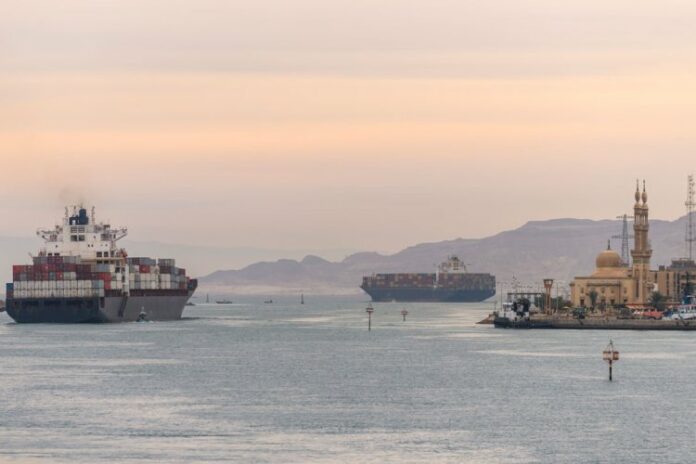
Recent attacks on commercial vessels in the Red Sea have severely affected shipping through the Suez Canal, adding to existing geopolitical and climate-related challenges facing global trade and supply chains, UNCTAD says in a new report released on 22 February.

The Red Sea crisis compounds the ongoing disruptions in the Black Sea due to the war in Ukraine, which have resulted in shifts in oil and grain trade routes and altered established patterns.

Additionally, the Panama Canal, a critical artery linking the Atlantic and Pacific oceans, is confronting a separate challenge. Dwindling water levels have raised concerns about the long-term resilience of global supply chains, underscoring the fragility of the world’s trade infrastructure.

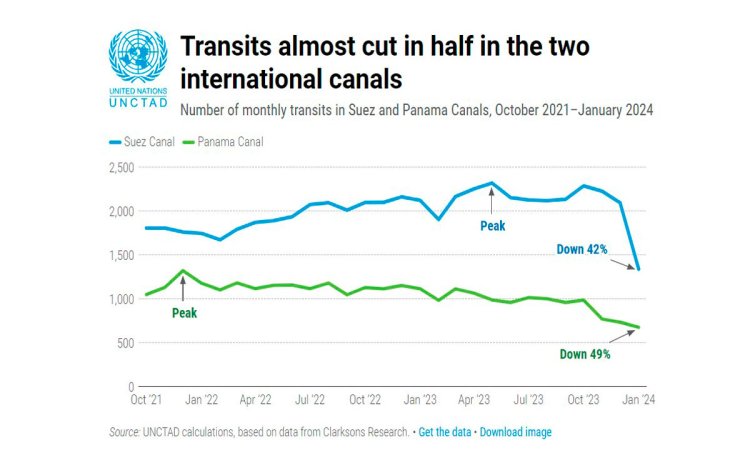
UNCTAD estimates that transits passing the Suez Canal decreased by 42% compared to its peak. With major players in the shipping industry temporarily suspending Suez transits, weekly container ship transits have fallen by 67%, and container carrying capacity, tanker transits, and gas carriers have experienced significant declines.

Meanwhile, total transits through the Panama Canal plummeted by 49% compared to its peak.

Mounting uncertainty and shunning the Suez Canal to reroute around the Cape of Good Hope has both economic and environmental repercussions, particularly for developing economies.

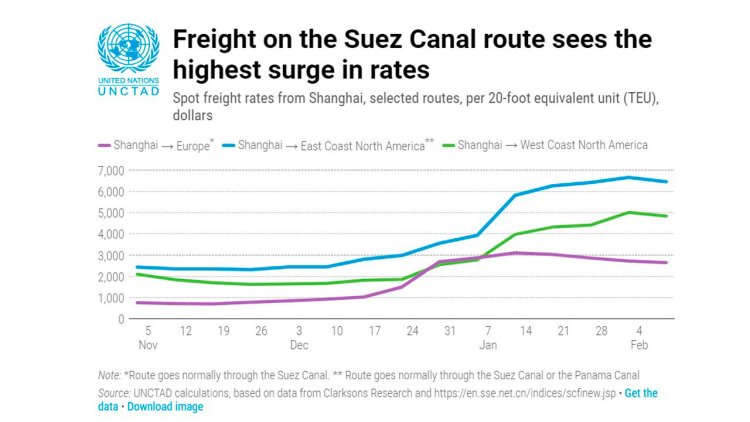
Growing significantly since November 2023, the surge in the average container spot freight rates registered the highest-ever weekly increase of $500 in the last week of December. This trend has continued.

Average container shipping spot rates from Shanghai more than doubled since early December (+122%), growing more than threefold to Europe (+256%), and even above average (+162%) to the United States West Coast, despite not going through Suez.

Ships are avoiding the Suez and Panama canals and seeking alternative routes. This combination translates into longer cargo travel distances, rising trade costs and insurance premiums.

Furthermore, greenhouse gas emissions are also growing from having to travel longer distances and at greater speed to compensate for the detours.

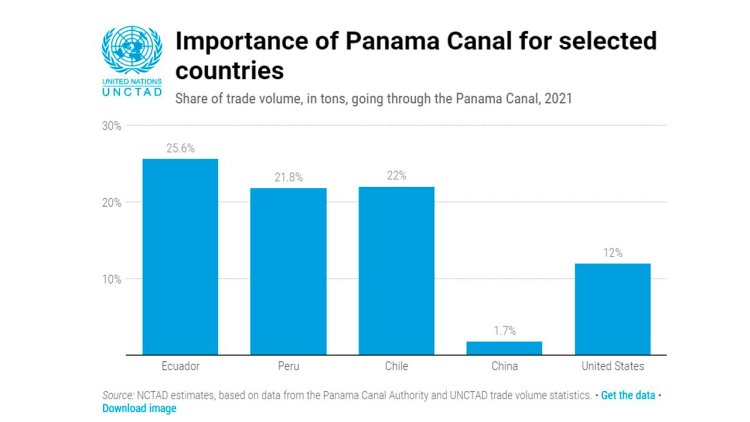
The Panama Canal is particularly important for the foreign trade of countries on the West Coast of South America. Approximately 26% of Ecuador’s trade volumes cross the canal. The share is around 22% for both Chile and Peru.

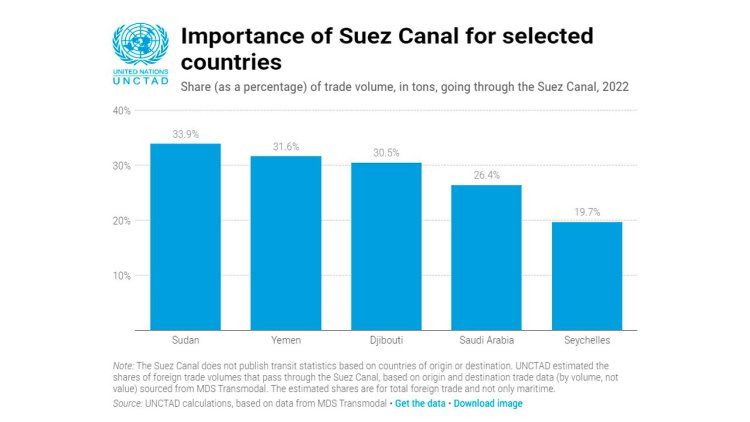
Foreign trade for several East African countries is highly dependent on the Suez Canal. Approximately 31% and 34% of foreign trade by volume for Djibouti and the Sudan, respectively, is channeled through the waterway connecting the Mediterranean Sea to the Red Sea.

UNCTAD underscores the far-reaching economic implications of prolonged disruptions in container shipping, threatening global supply chains and potentially delaying deliveries, causing higher costs and inflation. The full impact of higher freight rates will be felt by consumers within a year.

In addition, practically no liquified natural gas carrying vessels are using the Suez Canal at present. This is directly impacting energy supplies and prices, especially in Europe.

The crisis could also impact global food prices, with longer distances and higher freight rates potentially cascading into increased costs. Disruptions to grain shipments pose risks to global food security, affecting consumers and lowering prices paid to producers.

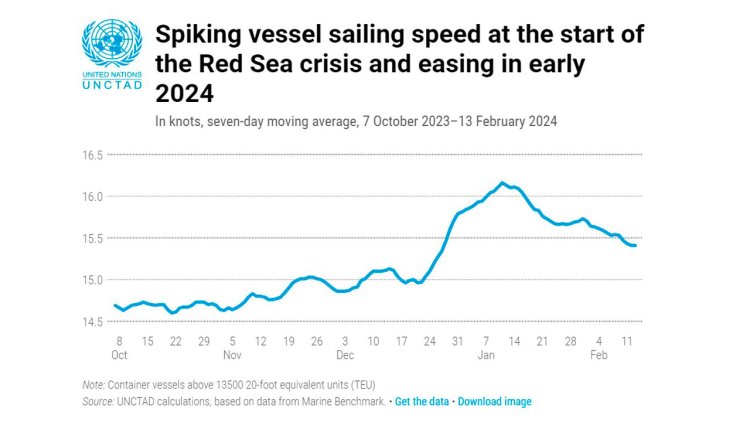
For more than a decade, the shipping industry has lowered speeds to reduce fuel costs and greenhouse gas emissions. However, disruptions in key trade routes like the Red Sea and Suez Canal, coupled with factors affecting the Panama Canal and Black Sea, are leading to increased vessel speeds to maintain schedules, which have led to higher fuel consumption and greenhouse gas emissions.

UNCTAD estimates that these factors could result in up to 70% rise in greenhouse gas emissions for a Singapore-Rotterdam round trip.

Developing countries are particularly vulnerable to these disruptions and UNCTAD remains vigilant in monitoring the evolving situation.

It emphasizes the urgent need for swift adaptations from the shipping industry and robust international cooperation to manage the rapid reshaping of global trade. The current challenges underscore the exposure of global trade to geopolitical tensions and climate-related challenges, demanding collective efforts for sustainable solutions, especially in support of countries more vulnerable to these shocks.

AI-driven method helps improve quality assurance for wind turbines

0

An international collaboration between EPFL and the University of Glasgow has led to an advanced machine-learning algorithm to effectively detect concealed manufacturing defects in wind turbine composite blades—before turbines are put into service.

Faulty wind turbine blades can incur huge costs for the companies that operate them, especially if the defects go unnoticed until it’s too late. That’s why quality assurance is such a strategic issue for global wind turbine manufacturers. Today, quality inspections are limited to surface inspection of limited areas as these composite structures roll off the production line.

But under a new approach co-created by EPFL and University of Glasgow researchers, inspection engineers can use a new patented radar technology, combined with an AI assistant, to detect possible anomalies beneath the surface. This approach has many advantages: it’s non-destructive, non-contact, supports agile and rapid data acquisition and analysis, and requires very little power to operate. The research has been published in Mechanical Systems and Signal Processing.

The research draws on earlier work from both institutional partners. This work was led by Olga Fink, today a tenure-track assistant professor of civil engineering and head of the Intelligent Maintenance and Operations Systems Laboratory (IMOS) within EPFL’s School of Architecture, Civil and Environmental Engineering (ENAC).

In previous research, she has developed methods for detecting anomalies by processing the sounds produced by faulty machines, for background noise suppression on audio recordings and for classifying bird songs by infusing learning capabilities into well-known and well-grounded signal processing approaches.

“Manufacturers are building wind turbines bigger, with more complicated designs. All that increases the chances of a defect occurring during the manufacturing stage,” says Olga Fink, head of the Intelligent Maintenance and Operations Systems Laboratory (IMOS).

Today, she’s looking at new applications for her AI-driven systems. 

“Wind turbines are made from several different composite materials like fiberglass and carbon fiber,” she says. “Manufacturers are also building them bigger, with more complicated designs. All that increases the chances of a defect occurring during the manufacturing stage.”

The University of Glasgow team, led by Prof. David Flynn, James Watt School of Engineering, and Head of Research Division for Autonomous Systems and Connectivity has pioneered methods in prognostics and health management. They have explored how Robotics and Artificial Intelligence (RAI) can support net zero infrastructure.

The researchers in Glasgow used a patented Frequency Modulated Continuous Wave radar with a robotic arm to inspect industrial wind-turbine blade samples at distances of 5, 10 and 15 centimeters from the sample. Using signal processing methods, they could isolate features and precursors to future failures in these complex composite samples.

When providing this experimental data to the IMOS team, the challenge was to enhance the information content of the features embedded within this raw data. It turned out that the signals obtained by the radar varied depending on the inspection distance and the blade’s surface material and core material.

Gaëtan Frusque, a postdoc at IMOS and the study’s lead author, explains, “At IMOS, we used a complex-value representation of the signals to better separate the information they contain, and to adapt the AI model accordingly.” As a result, the algorithm they developed can distinguish anomalies from uniform turbine parts.

The Glasgow researchers now plan to collect more data to further validate the IMOS results. The researchers plan to eventually test their method on existing turbines, which they can do by fitting the sensor to a robotic arm or onto a drone. This should enable them to spot manufacturing defects in turbines before they’re put into service or to inspect the turbines during operation. Once installed, defect-free turbines can operate for around 20 years.

IMO agrees new guidance for safe transport of plastic pellets on ships

0

Meeting from 19 to 23 February at IMO Headquarters in London, IMO’s Sub-Committee on Pollution Prevention and Response (PPR 11) agreed draft recommendations for the carriage of plastic pellets by sea, along with draft guidelines for cleaning up plastic pellet spills from ships.  

The draft recommendations for the carriage of plastic pellets by sea in freight containers include the following actions: 

  • Plastic pellets should be packed in good quality packaging which should be strong enough to withstand the shocks and loadings normally encountered during transport. Packaging should be constructed and closed to prevent any loss of contents which may be caused under normal conditions of transport, by vibration or acceleration forces. 
  • Transport information should clearly identify those freight containers containing plastic pellets. In addition, the shipper should supplement the cargo information with a special stowage request requiring proper stowage. 
  • Freight containers containing plastic pellets should be properly stowed and secured to minimize the hazards to the marine environment without impairing the safety of the ship and persons on board. Specifically, they should be stowed under deck wherever reasonably practicable, or inboard in sheltered areas of exposed decks. 

These recommendations, which aim to prevent a spill of pellets occurring, will be submitted for urgent consideration and approval by the Marine Environment Protection Committee at its next meeting in March 2024 (MEPC 81). 

In the event of a spill, the draft clean-up guidelines provide practical guidance for government authorities and other entities for developing large-scale national strategies as well as smaller-scale site specific response plans. The guidelines cover contingency planning, response, post-spill monitoring and analysis, and intervention and cost recovery. These will be updated as the industry gains more experience with their application.  

The draft clean-up guidelines will be submitted to MEPC 82 in October for consideration. The Sub-Committee invited Member States to implement the guidelines early, pending their formal approval.  

The Sub-Committee also held extensive discussions on possible amendments to IMO mandatory instruments related to plastic pellets and will continue these discussions at future sessions.  

Plastic pellets are small plastic granules widely used as a raw material in the creation of plastic products. Normally transported by the tonne in freight containers, spills in the ocean can harm marine life and impact fishing, aquaculture and tourism activities. The most recent major incident occurred off the coast of Galicia in Spain, when millions of pellets washed ashore after accidental release from a ship. 

Nova Scotian tech startup revolutionizes bottom-trawling equipment

0

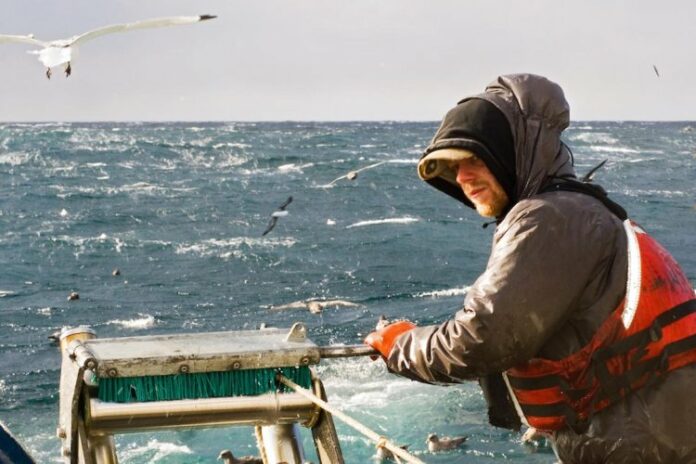
The negative effects of bottom trawling on not only marine environments but local economies and societies have been the focus of several recent studies, with certain NGOs calling for a stop to the practice altogether.

Despite supplying a quarter of the world’s seafood, fishing via bottom trawling has sparked a longstanding debate on its impacts, including its potential harmful effects on deepwater ecosystems and the levels of carbon emissions it generates. In addition to NGOs requesting a complete elimination of the practice, there were calls in 2022 for bottom trawling to be replaced in the E.U. with less impactful fishing gear.

A Canadian startup is trying to find a middle ground, in which bottom trawling can continue while limiting the practice’s negative impacts on critical seabed environments.

“I don’t think it should be [viewed] as negative as it is. Fishers in general are very concerned about the sustainability of their industry, but they just don’t have the tools that allow them to fish it differently,” Angie Greene, the CFO of Halifax, Nova Scotia, Canada-based startup Katchi, said. “They just get tighter and tighter regulations without anything to help do it differently. Our solution, I feel, bridges the gap between both initiatives [ensuring environmental sustainability while protecting fishers’ livelihoods] and helps them to work together.”

Katchi’s solution is bottom-trawling equipment it pioneered that is designed to reduce fuel consumption, minimize equipment damage, and preserve sensitive seafloor environments.

The idea for such a project started with Katchi Founder and CEO Marc d’Entremont, who envisioned a fish-harvesting system that eliminates or at least minimizes disturbance to the ocean floor while enhancing commercial catch efficiency, thereby cutting costs for fishermen.

With support from Halifax-based Dalhousie University, funding from Canada’s Ocean Supercluster, and collaboration with other partners, the system is set for commercial release in 2024.

“[On traditional vessels], there are currently two huge trawl doors situated in the trawl system that frequently have to be brought to the welding shop for repairs, and then, thousands of dollars later, they get reinstalled on the vessel, and you can go out again. It delays your trip. It’s expensive, and sometimes, trawlers can lose most of their net system due to snagging the bottom [of the ocean],” Greene said. “[Katchi’s system] is going to reduce the impact of expenses like maintenance and fuel consumption because you are no longer touching the seafloor, and on the environmental side, it reduces bycatch.”

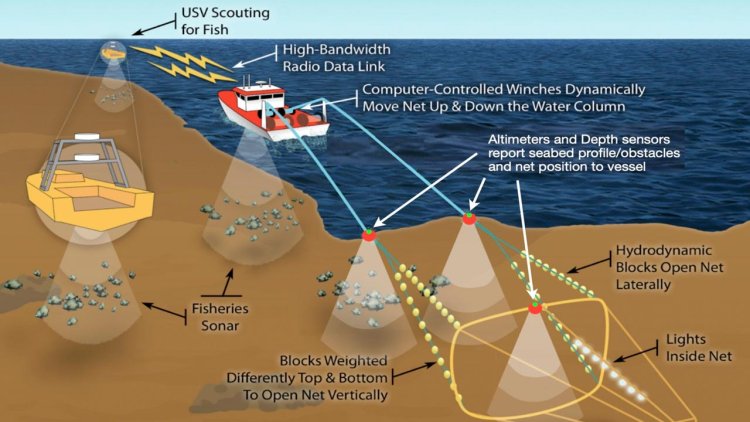
The fully integrated solution SmartNet uses hydrodynamic blocks on the top and bottom of the net to ensure the net remains open, replacing existing trawl doors and reducing fuel consumption/GHG.  The vessel’s depth sounder maps the seabed in advance of the net and communicates with the winches to automatically adjust cable payout.  This enables the net to move up and down the water column to the desired depth specified by the fishers.  The system also ensures that the net does not come in contact with the seabed and instead remains close by hugging bottom contours features and avoiding obstacles.

Canadian designed and manufactured USVs, with innovative energy optimization technology, will scout for fish using hydroacoustic equipment that delivers information to vessels to reduce vessel search time.  Lights and bioacoustics will be used to ensure efficient capture of targeted species while simultaneously reducing by-catch.  The system will be tested on the MV Lery Charles, owned and operated by Scotia Harvest Inc.

With a total project value of nearly $3.3 million, the Ocean Supercluster will provide close to $1.6 million towards the project with the balance coming from project partners.  

This project encourages technology development and manufacturing in Atlantic Canada. Specifically, the adoption of this technology aims at increasing the profitability of the fishing industry which already feeds spin-off industries mainly located in rural communities throughout the region. This project is expected to directly create 19 new jobs over the course of the next two years.

Source: SeafoodSource, Katchi